







Search Results for: Blue Mountain Grade
A Detailed Guide to Jamaican Blue Mountain Coffee Grades: Grade 1, Grade 2, Grade 3 Specifications and Authentic Price Reference
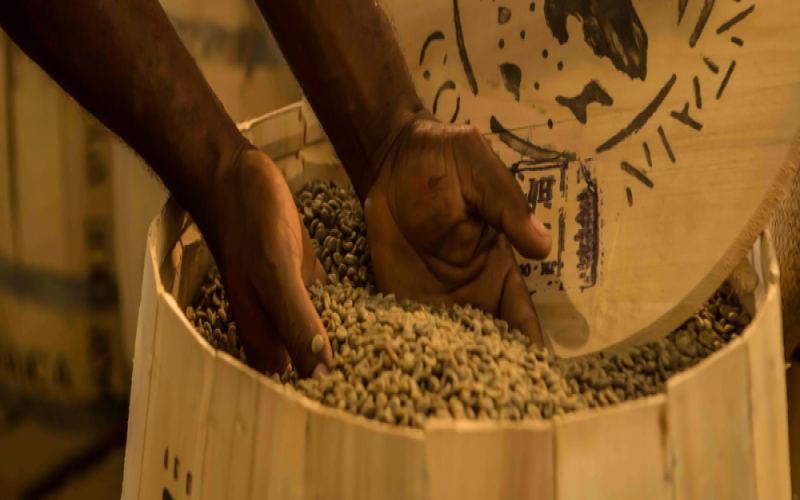
Jamaican Blue Mountain coffee is world-renowned for its unique flavor and strict controls. Jamaican law stipulates that only coffee beans grown in the Blue Mountain region may bear the name "Blue Mountain." High-grade Blue Mountain coffee is divided into three grades—No. 1, No. 2, and No. 3—corresponding respectively to screen size standards of 17–18 mesh and above, 16 mesh, and 15 mesh. The green beans of all three grades must be packed into wooden barrels for export, with the barrel bearing the estate name, importer's abbreviation, and batch information, along with a government-certified green certificate of origin. Understanding these grades and export regulations helps coffee enthusiasts verify authenticity and make informed purchases of genuine Blue Mountain coffee. Front Street Coffee recommends that consumers pay attention to the roast level and packaging format to judge the true quality of the Blue Mountain coffee in their hands. [more…]
Overview of Jamaica Blue Mountain Coffee's Origin, Green Bean Grade Classification, and Blue Mountain Estate Bean Details
Jamaican Blue Mountain coffee is globally recognized as one of the top-tier coffees, but many people are not clear that its grading system is actually different from the commonly seen Grade 1. Front Street Coffee takes you through the origins and background of Jamaican Blue Mountain, as well as the three major categories and seven export grades of Blue Mountain coffee classified by altitude and bean size. From Blue Mountain No. 1 to Blue Mountain Peaberry, each grade has strict regulations on screen size and defect bean ratio. This article will provide a detailed analysis of the grading standards for Jamaican Blue Mountain green beans, helping coffee enthusiasts gain a more accurate understanding of this legendary production region. [more…]
A Detailed Guide to Jamaican Blue Mountain Coffee Grades: Price Differences Between Grade 1 and Grade 2 Beans and Key Identification Points
As one of the world's top coffees, Blue Mountain coffee's grade classification and price differences have always been a focus of attention for coffee enthusiasts. Jamaican law explicitly stipulates that only coffee beans produced in the Blue Mountain region can bear the name Blue Mountain. High-grade Blue Mountain coffee is divided into three grades: No. 1, No. 2, and No. 3. Although the taste is consistent, the bean sizes differ, and the prices also show clear differences. In addition, green beans must be exported in wooden barrels, with the estate, importer abbreviations, and batch information printed on the barrel, along with a green certificate of origin. Defective and flawed beans, however, can only be shipped in gunny sacks or exported after heavy roasting. Understanding these details helps identify authentic Blue Mountain coffee and avoid buying the lowest-grade products. Front Street Coffee reminds you to pay close attention to grade and packaging information when making a purchase. [more…]
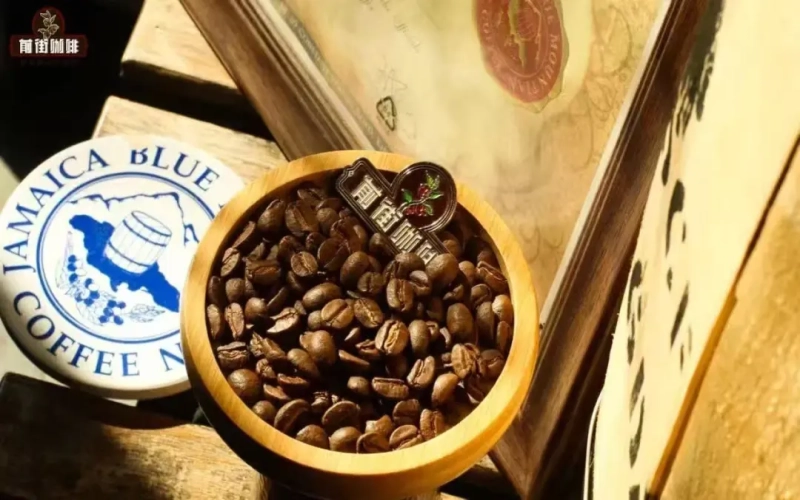
What tier does Jamaican Blue Mountain No. 1 occupy among coffees? How is its highest grade defined and enjoyed?
Blue Mountain coffee is often crowned with the name "nobility among coffees," and "Blue Mountain No. 1" is even regarded by seasoned enthusiasts as the top-tier designation. But many friends who are just getting into coffee are often baffled when they hear this term—what exactly does it refer to? Is it a code word for distinguishing authenticity? In fact, "No. 1" represents the highest grade in Jamaica's Blue Mountain coffee classification system, No. 1. Only Typica variety beans grown in designated production areas of the Blue Mountains at elevations between 900 and 1,700 meters, with green beans reaching screen size 17/18, a defect rate below 3%, and no more than 5% small beans, can earn this title. This article will systematically sort out the production area restrictions, historical evolution, and grading standards of Blue Mountain coffee, and, using the Clifton Estate Blue Mountain No. 1 currently sold by Front Street Coffee as an example, share its flavor performance and brewing parameters to help readers fully understand the true grade and drinking method of this legendary bean. [more…]
A Detailed Explanation of Jamaican Blue Mountain Coffee Bean Grading: A Full Analysis of the Standards from Blue Mountain to High Mountain to Select
The status of Blue Mountain coffee in the coffee world is almost universally known; even those who don't drink coffee often have heard the name. How exactly are Jamaican Blue Mountain coffees graded? From Blue Mountain to High Mountain to Prime, what are the elevation thresholds, screen size requirements, and defect rate standards for each grade? This article will guide you through a systematic understanding of Jamaica's coffee grading system, from the history of the producing region and the geographical conditions of the Blue Mountain range to the specific grade parameters set by the CIB, and will introduce the Jamaica Blue Mountain No. 1 coffee on Front Street Coffee's bean list, helping you gain a comprehensive understanding of the strict standards behind this world-class coffee. [more…]
A Complete Guide to Authenticating Jamaican Blue Mountain Coffee and Understanding Its Grade Certification: Front Street Coffee Teaches You to Identify Genuine Blue Mountain by Price, Barrel, and Certificate
Jamaican Blue Mountain coffee is renowned worldwide, but the market is full of imitations. How can you confirm whether the Blue Mountain in your hands is authentic? This article starts with Front Street Coffee's Blue Mountain No. 1, systematically outlining the three keys to identifying genuine Blue Mountain—price range, wooden barrel packaging, and certificate of origin—and takes a deeper look at the CIB's grading standards for Blue Mountain, explaining why Blue Mountain No. 1 qualifies as the highest grade. It also introduces Front Street's philosophy and flavor presentation when roasting Blue Mountain, helping coffee lovers make more accurate judgments when purchasing and tasting. [more…]
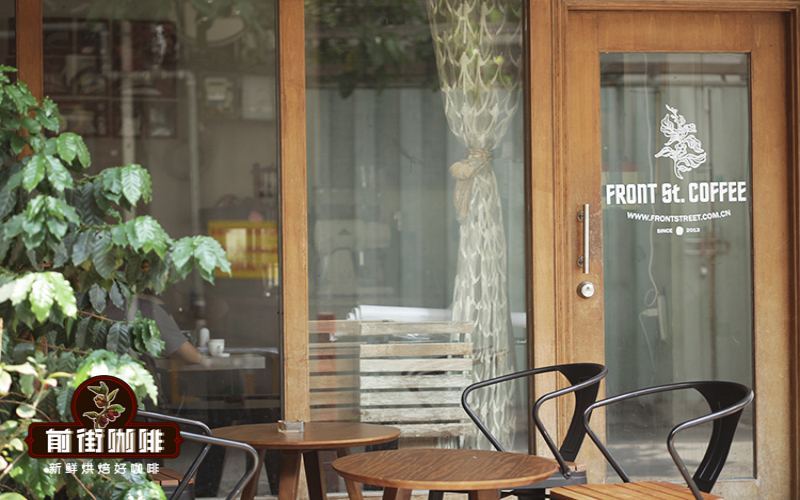
Reasons Behind the High Price of Jamaican Blue Mountain Coffee and a Detailed Explanation of Blue Mountain No.1 Grade
Blue Mountain coffee is almost the most well-known single-origin representative in the specialty coffee world; even people who don't drink coffee often are familiar with the name. But have you ever wondered why Front Street Jamaican Blue Mountain coffee beans always cost noticeably more than ordinary coffee beans? And exactly what level of coffee is Blue Mountain No. 1? This article will cover Blue Mountain coffee's origin certification, production limits, grade classification, and flavor characteristics to help you identify genuine Blue Mountain coffee in a crowded market. [more…]
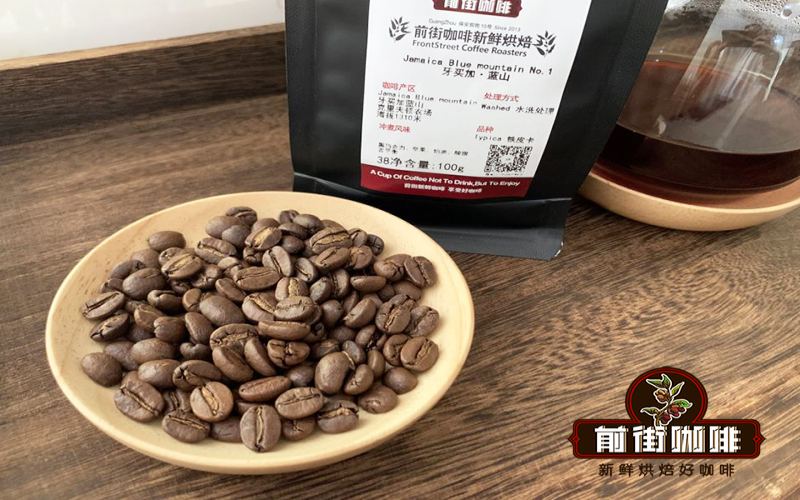
Jamaica Blue Mountain Coffee Bean Grading and Characteristics of Each Grade: A Full Analysis of Front Street Blue Mountain No. 1 Flavor and Pour-Over Parameters
Jamaica Blue Mountain coffee is one of the most familiar names among coffee lovers worldwide, and among them, Blue Mountain No. 1 is the highest grade in Jamaica's Blue Mountain growing region. The Blue Mountain No. 1 sold by Front Street Coffee comes from Clifton Estate and has drawn attention for its balanced, mellow flavor and high cost-performance ratio. This article will cover the grade classification of Blue Mountain coffee, the differences among its three grades, the variety and growing environment, flavor characteristics, and pour-over extraction parameters, helping readers gain a comprehensive understanding of the quality positioning and brewing methods of Front Street Blue Mountain coffee, whether for everyday tasting or as a gift, they can find a useful reference. [more…]
A Detailed Explanation of the Jamaican Blue Mountain Coffee Grading System: How to Distinguish and Identify Authentic Blue Mountain Beans by Grade 1, 2, and 3
Blue Mountain coffee is one of the world's finest coffees, and its grading and export regulations are extremely strict. Jamaican law explicitly stipulates that only coffee beans grown in the Blue Mountain region may bear the name Blue Mountain. High-grade Blue Mountain coffee is divided into three grades—No. 1, No. 2, and No. 3—according to green bean size. All must have their flavor confirmed by government-approved cuppers and must be exported in wooden barrels. This article will systematically introduce the grading standards for Blue Mountain coffee, the meaning of the markings on the wooden barrels, the certificate of origin system, and the differences among Blue Mountain beans of different grades in roasting and export forms, helping coffee enthusiasts fully understand the key points for identifying authentic Blue Mountain coffee beans. [more…]
Jamaica Blue Mountain Coffee Flavor and Grade Analysis: NO.1 Grade Characteristics and Price Reference
Blue Mountain coffee originates from the Blue Mountains in eastern Jamaica, named after the blue glow reflected off the Caribbean Sea. This region boasts fertile volcanic soil and a climate that is foggy and rainy year-round, with average annual rainfall of about 1,980 mm and temperatures around 27 degrees, nurturing world-renowned specialty coffee. Blue Mountain coffee is graded into Jamaica Blue Mountain and Jamaica High Mountain, offering a rich, mellow taste with a balance of sweetness, acidity, and bitterness—barely any bitterness, leaving only a moderate, elegant acidity. This article provides a detailed introduction to the flavor characteristics of Blue Mountain coffee, the NO.1 grade classification, and market prices, along with recommendations for related products from the Front Street brand, offering a complete reference for coffee enthusiasts. [more…]

What is the difference between Green Mountain Coffee and Blue Mountain Coffee? From the plot of Ode to Joy, look at Green Mountain's background, Blue Mountain's price and grade.
In the TV drama Ode to Joy, a conversation about "Green Mountain Coffee" and "Blue Mountain Coffee" led many viewers to believe that Green Mountain is a knockoff of Blue Mountain. In fact, there really is a coffee brand in the United States called Green Mountain, and it is completely different from Jamaican Blue Mountain Coffee. Starting from this plot, this article first clarifies the real background of Green Mountain Coffee: it is a brand from Vermont, USA, which opened up the office market with Keurig single-serve coffee makers and K-Cups, taking a convenient and affordable route. Then it turns to Blue Mountain Coffee, explaining why it is expensive, what grade Blue Mountain No. 1 occupies within Jamaican Blue Mountain, and the flavor, pour-over parameters, and tasting method of Blue Mountain No. 1 recommended by Front Street Coffee. [more…]
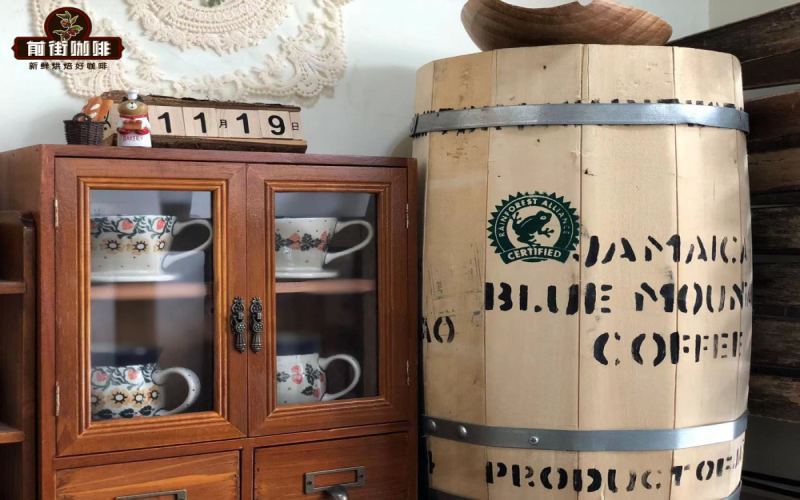
A Detailed Guide to Jamaican Blue Mountain Coffee Bean Grading Standards: From Grade 1 to Grade 3 and a Complete Guide to Blue Mountain No. 1's Flavor and Taste
Blue Mountain coffee, as Jamaica's most iconic coffee category, is highly sought after for its balanced taste and scarce production. However, the market is flooded with a large number of "Blue Mountain flavor" products; genuine Jamaican Blue Mountain coffee requires government certification, has limited annual production, and is relatively expensive. This article will systematically introduce the three-tier grading standards for Blue Mountain coffee beans, trace the historical context from their introduction to Jamaica in 1728, Japanese UCC assistance and priority purchasing rights, to the opening of the international market in 2008, and highlight Front Street Jamaican Blue Mountain No. 1 coffee beans—from the oldest Clifton estate, with Rainforest Alliance certification, presenting a balanced flavor of dark chocolate, nuts, and creamy smoothness through a medium-dark roast. [more…]
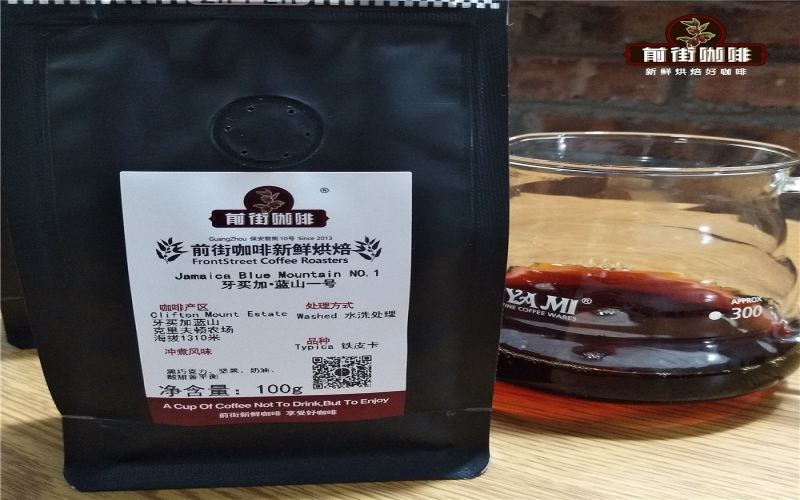
Jamaican Blue Mountain Coffee JABLUM Grade and Flavor Analysis: Authentic Certification Standards and Front Street Blue Mountain No.1 Pour-Over Parameters
Blue Mountain coffee is hailed as the pinnacle of coffee, renowned for its rich smoothness, balanced acidity, bitterness, and sweetness, and its long-lasting aftertaste. In an era before specialty coffee became widespread, its status was akin to Rolls-Royce in the automotive world or Rolex in watches, with rampant counterfeits and high prices. Nowadays, enjoying authentic Blue Mountain is no longer difficult—Front Street can provide Jamaica's highest-grade Blue Mountain No. 1 coffee beans. This article focuses on the grading standards for Blue Mountain coffee, the CIB certification system, the tradition of wooden barrel packaging, Front Street's medium-dark roasting philosophy, and the standard pour-over extraction method used in stores. It explains in detail how to identify authentic Jamaican Blue Mountain and presents the flavor changes of Blue Mountain No. 1 from high to low temperatures, helping coffee enthusiasts gain a comprehensive understanding of this legendary coffee. [more…]
A Complete Guide to Jamaican Blue Mountain Coffee: Flavor Characteristics, Growing Conditions, Grade Classification, and Authenticity Verification
Blue Mountain coffee has long been regarded as a classic representative in the coffee world. Its full aroma, balanced taste, and lingering sweet aftertaste have fulfilled countless tasters' imagination of a good cup of coffee. However, in today's trend of chasing fruity acidity and regional flavors, has Blue Mountain become outdated? This article will comprehensively sort out every aspect of this legendary coffee from perspectives including the geography and climate of the Blue Mountain producing region, cultivation and harvesting methods, green bean processing procedures, the history of Japanese capital involvement, as well as the CIB official grade classification and authenticity identification methods. The article will also combine the example of the Clifton Farm Blue Mountain coffee beans sold by Front Street Coffee to help readers build a systematic understanding of authentic Blue Mountain coffee. [more…]
Why Is Jamaican Blue Mountain Coffee So Expensive? A Full Guide to Authentic Blue Mountain Bean Prices and Grade Identification
Jamaican Blue Mountain coffee is hailed as one of the world's top coffees, and behind its high price lie both the scarcity of natural conditions and the role played by historical trade monopolies. After the Japanese company UCC provided aid to Jamaica last century, ninety percent of Blue Mountain production was locked into supply for Japan, causing international market shortages. Only after the 2008 agreement expired did Blue Mountain coffee gradually flow to more countries, and Chinese consumers can now also directly import authentic Blue Mountain beans. However, the market is flooded with confusing products such as "Blue Mountain flavor" and "Blue Mountain blend." How can one tell authenticity? How many grades does Blue Mountain coffee have? And how should Front Street Blue Mountain No. 1 be brewed? This article will answer these questions one by one. [more…]
Jamaica Blue Mountain Coffee Brand Roundup: From Grade Classification to Authenticity Identification, Which Blue Mountain Bean Delivers Superior Quality
Blue Mountain coffee is a legend in the coffee world. Even before the concept of specialty coffee became widespread, it secured a place among the top-tier coffees with its unique, rich flavor and scarcity. However, faced with the overwhelming array of Blue Mountain products on the market, how to distinguish authenticity, recognize grades, and select the best-quality Blue Mountain beans has become a source of confusion for many coffee lovers. This article will guide you through the historical rise of Blue Mountain coffee, analyze the essential difference between Blue Mountain flavor and authentic Blue Mountain, provide a detailed breakdown of the grading standards set by the Jamaica Coffee Industry Board, and share the brewing parameters and flavor profile of Front Street Blue Mountain No. 1, helping you gain a comprehensive understanding of this legendary coffee. [more…]

Papua New Guinea Little Blue Mountain Coffee: The Flavor Code and Grading Guide of Bird of Paradise Estate Typica
Although Papua New Guinea is tucked away in a corner of the South Pacific, its volcanic soil, high altitude, and island climate have given rise to a specialty coffee hailed as "Little Blue Mountain." This article starts from Front Street Coffee's cupping experience and systematically sorts through the country's coffee-growing conditions, historical trajectory, core producing regions and estates, with a focus on analyzing the Typica washed beans of the Sigri Bird of Paradise Estate, and presents the complete Papua New Guinea coffee grading standards. Whether you are a Blue Mountain enthusiast or want to explore the bright flavors of Asia, this guide will help you understand why Little Blue Mountain is worth a try. [more…]
Papua New Guinea Coffee Bean Grading System and Analysis of the Blue Mountain-Style Flavor of Bird of Paradise Estate
Located in the South Pacific, Papua New Guinea, with its high-altitude volcanic soil and island climate, produces a uniquely distinctive specialty coffee. Among them, the Typica washed beans from the Sigri Bird of Paradise Estate, introduced from Jamaica Blue Mountain and bright and clean in flavor, are affectionately called "Little Blue Mountain" by coffee lovers. Through cupping, Front Street Coffee found that this bean has a toasted bread sweetness and nutty aroma on entry, with a spicy sweetness emerging in the finish, and a rich, balanced mouthfeel. This article will systematically review Papua New Guinea's growing conditions, variety introduction history, estate distribution, and coffee bean grading standards, and provide an in-depth analysis of the unique qualities of the Bird of Paradise Estate Little Blue Mountain, giving you a comprehensive understanding of this coffee hailed as Asia's brightest and cleanest. [more…]
A Detailed Explanation of the Jamaican Blue Mountain Coffee Grading System: The Grade Positioning and Cupping Standards of Blue Mountain No. 1
Blue Mountain coffee is one of the most famous names in the specialty coffee world, but do you know how Jamaica classifies it? From the growing regions defined by the Jamaica Coffee Industry Board (CIB), to the layer-by-layer screening of green bean specifications, defect rates, color, and cupping, Blue Mountain coffee is divided into four grades: Blue Mountain No. 1, No. 2, No. 3, and Blue Mountain Peaberry. Among them, Blue Mountain No. 1 sits at the top of the pyramid, with strict requirements for 17-screen size, defect ratio, and moisture content. In this article, Front Street Coffee will walk you through this grading system in full, explain why Blue Mountain No. 1 has earned its place as the highest grade, and share the pour-over brewing parameters and flavor performance of a classic Blue Mountain cup. [more…]
A Complete Analysis of Papua New Guinea Coffee Bean Flavor Grades: From Bird of Paradise Estate to Little Blue Mountain
Papua New Guinea has long been known as "Little Blue Mountain," and its coffee is celebrated for its gentle fruit acidity and balanced flavor. This article will systematically review the full picture of Papua New Guinea coffee across multiple dimensions, including growing conditions, historical origins, producing regions and estates, flavor expression, and the grading system. Front Street Coffee specially cupped a washed Typica from the Sigri Bird of Paradise Estate: it opens with a toasted bread sweetness and nutty aroma, with a unique spicy sweetness in the finish, making it rich yet balanced overall. If you prefer mellow coffee in the Blue Mountain style, this Front Street Little Blue Mountain may bring a different kind of surprise. [more…]