







Search Results for: Blindfolded Latte Art

Blindfolded Latte Art Challenge Sweeps the Coffee World: Baristas Show Off Skills with Eyes Closed—True Talent or a Disaster in the Making?
Recently, a trend of making coffee and latte art blindfolded has taken social platforms by storm. Nominated baristas must complete the entire process of extraction, milk frothing, and latte art with their eyes closed, record a video, post it, and then nominate other peers to continue the relay. Some deliver stunning results thanks to solid muscle memory, with patterns so stable that netizens exclaim they are better than when they have their eyes open; others crash and burn on the spot, with milk fountains, crooked patterns, and messes everywhere unfolding one after another. Is this challenge a test of real skill or just pure fun? Onlookers go from confusion to admiration, and the comments section is full of witty one-liners. This article walks you through those high-scoring performances and hilarious fails, to see how baristas keep their touch even when they cannot see. [more…]
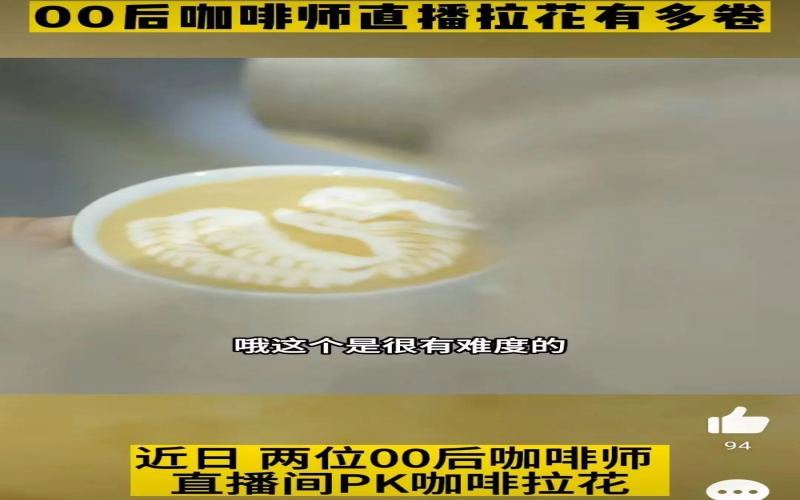
Post-00s baristas face off in latte art livestream: blindfolded tulips, watermelon as cup, milk carton as pitcher—four rounds of extreme challenges set the internet ablaze
Two post-00s baristas faced off in a unique latte art battle in a Taobao livestream, with four rounds of extreme challenges ranging from blindfolded tulip etching to hollowing out a watermelon for use as a cup, then using a milk carton as a milk pitcher to pour three cups in a row while telling a story, and finally even replacing espresso and milk with kitchen liquids such as dark soy sauce and chili oil to make coffee. This livestream show, lasting several tens of minutes, not only showcased coffee’s complex and varied pattern designs, but also left netizens watching in awe of the skill and creativity of China’s young baristas. It is understood that the two protagonists come from the PCA Professional Coffee Skills Training Camp and S.O.E. 8 Squared Coffee respectively, and have been in the industry for six or seven years. They hope that through livestreaming, more people will learn about Chinese coffee culture. [more…]
How to Accurately Describe the Flavor of Pour-Over Single-Origin Coffee and a Buying Guide
When drinking pour-over coffee, how can you accurately articulate the flavors you perceive? Starting from Front Street's tasting experience, this article explores methods for accumulating flavor memory. Drawing on the classification logic of the coffee flavor wheel, it uses fruit as an example to explain how aroma, acidity, and mouthfeel together build a judgment baseline. At the same time, through the case of cherry blossom-flavored foods, it illustrates the potential connections between flavor associations and color and season, helping you establish a systematic coffee flavor description framework and offering reference ideas for choosing the price of pour-over single-origin coffee beans. [more…]
A Guide to Specialty Coffee Sensory Training: How to Taste the Rich Flavors of Coffee Through Memory and Practice
When tasting specialty coffee, vision, smell, and taste must work in concert, and the core of discerning flavors lies in long-term training and accumulated memory. This article systematically introduces how to build a personal taste memory bank through everyday scent memory, blind smelling exercises, and the aid of aroma vials, and uses Panama Hartmann Estate red wine process coffee as an example to analyze, layer by layer, the specific training methods for dry aroma, wet aroma, the finish, and the aftertaste. It also includes practical advice from Front Street Coffee to help coffee lovers sharpen their sensory acuity in practice and truly taste the rich layers of coffee. [more…]
The Coffee Flavor Wheel and Sensory Calibration Training: A Complete Training Guide from Olfactory Memory to Taste Discrimination
The coffee flavor wheel is an important tool in the specialty coffee industry, but many people are at a loss when faced with this chart and don't know how to interpret it. This article systematically sorts out the development background and practical value of the coffee flavor wheel, and provides an in-depth explanation of specific methods for sensory calibration training—from the daily accumulation of aroma memory to the dual perception mechanism of taste buds and mouthfeel in taste discrimination. Only by building a personal flavor memory bank through scientific training can you truly understand a cup of coffee. The article also introduces the working principles of the tongue's two types of receptors, as well as the material basis behind smoothness and astringency. If you want to improve your tasting ability, this training method is worth studying repeatedly. [more…]
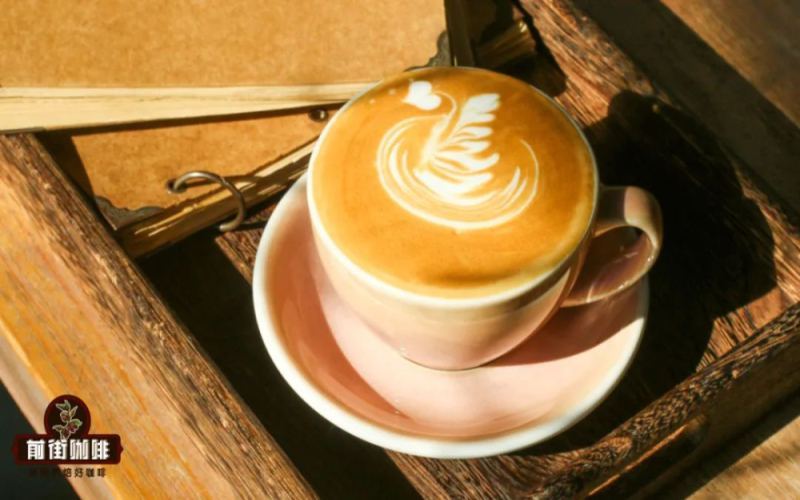
What Are the Different Types of Latte Art? An Analysis from Traditional Patterns to Etching Needles and 3D Latte Art Techniques
Latte art has long ceased to be as simple as heart-shaped patterns. Since David Hume accidentally created a heart on the surface of a milk coffee in the 1980s, latte art techniques have continuously evolved, and today have developed into multiple types such as traditional latte art, coffee etching, and 3D latte art. Traditional latte art uses a milk pitcher as its main tool, and can be further divided into basic patterns and advanced combined patterns; coffee etching relies on etching needles recognized by international competitions to draw finer or bolder lines; 3D latte art is more figuratively a kind of "sculpting" technique, requiring the stacking of thick milk foam and the use of spoons and etching needles for shaping, and also uses chocolate sauce, caramel sauce, and the like for outlining. This article, brought to you by Front Street Coffee, helps you understand the features and key production points of these latte art types. [more…]
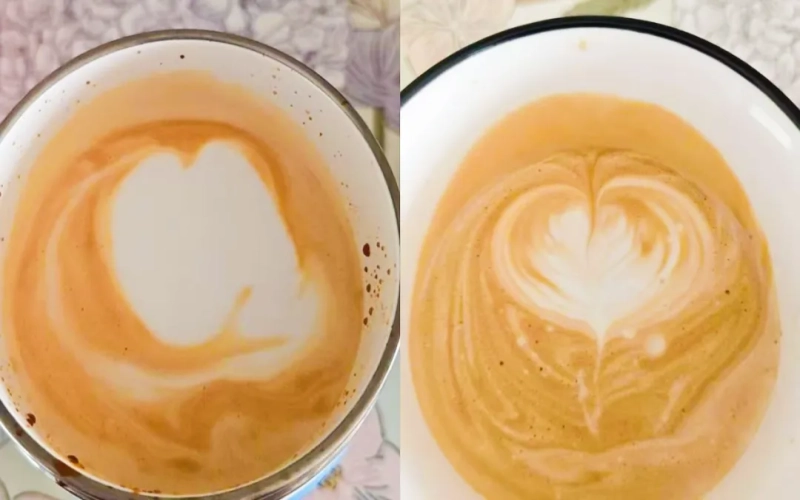
Guide to Milk Foam Thickness and Flow for Latte Art: How to Steam Silky, Dense Milk Foam for Latte Art
Many coffee enthusiasts encounter a puzzle when practicing latte art: even though they have mastered the gestures and techniques of latte art, the patterns never look good enough. The root of the problem is often not the technique, but the quality of the milk foam. A good latte art depends on a fine, dense milk foam with moderate fluidity. In this article, Front Street Coffee shares in detail what characteristics milk foam suitable for latte art should have, and how to optimize the milk frothing process from three dimensions—frothing time, milk temperature, and latte art timing—to help you more easily create latte art patterns with clear lines and a clean background. [more…]
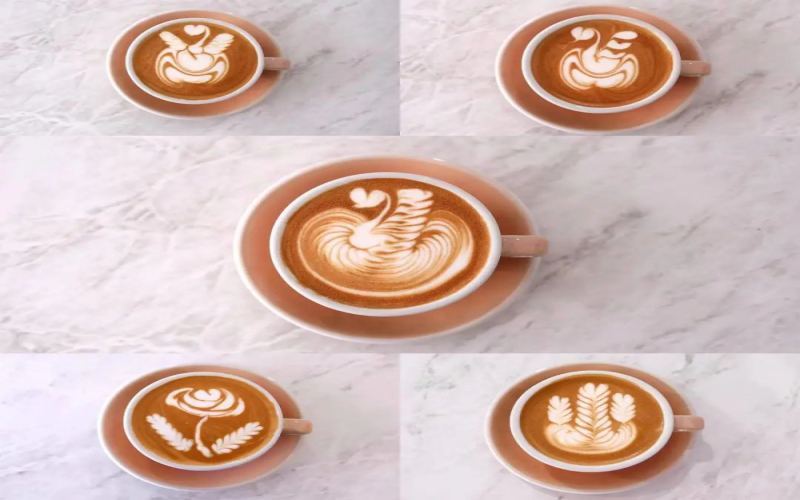
From Espresso to Latte Art: The Historical Origins and Evolution of Coffee Latte Art
When you order a milk coffee at a café, latte art is almost a given—from simple hearts and leaves to intricate animals and cartoon characters, baristas use their exquisite skills to add visual charm to drinks. So where exactly did this dazzling technique come from? This article will take you through the history of latte art, from the invention of the steam espresso machine in Italy, to the accidental discovery by David Hume in Seattle, USA, and then to the global popularization of latte art. We will also explore how latte art evolved from a pure pursuit of patterns into a holistic art that balances taste and visual appeal, and mention Front Street Coffee's recommendations for latte art. Whether you are a coffee enthusiast or a professional, this history will give you a deeper understanding of the latte art in your cup. [more…]
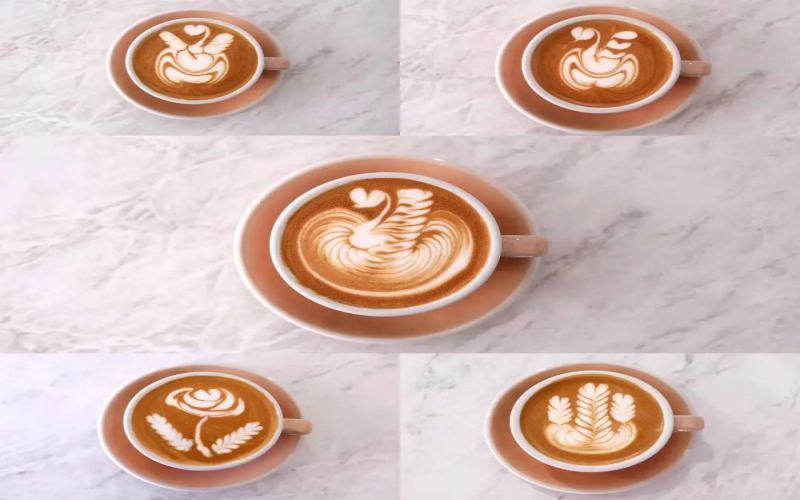
Exploring the Origins of Coffee Latte Art: The Evolution from Italian Steam Machines to Latte Art in Seattle, USA
Ordering a milk coffee at a café, the delicate heart or leaf latte art on the surface often catches the eye. Where exactly did this technique, known as "Latte Art," come from? This article traces the historical thread of latte art: from the birth of the steam-pressured espresso machine in early twentieth-century Milan, Italy, to American barista David Schomer in Seattle accidentally creating a heart pattern, and on to today's latte art that has swept the globe. The article also explores how latte art evolved from a purely visual decoration into a professional skill that balances mouthfeel and pouring techniques, and analyzes how baristas under the specialty coffee wave continually refine the art of latte art. Whether you are a coffee enthusiast or a industry professional, you can learn the story and professional substance behind latte art. [more…]
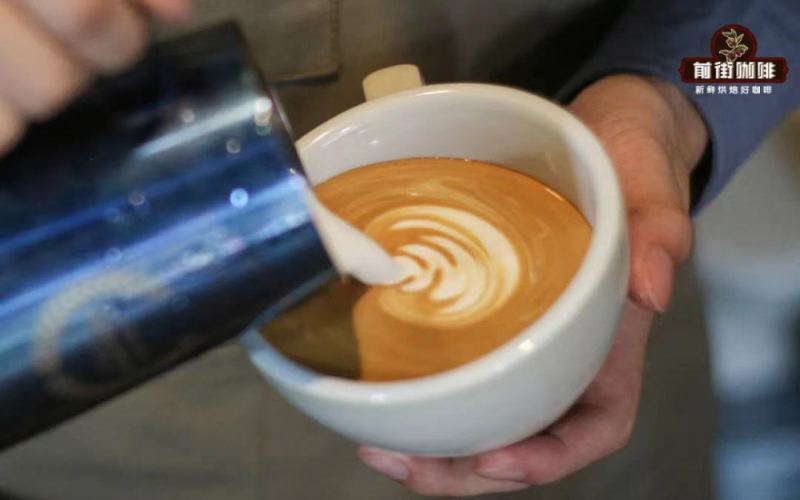
The Historical Origins of Latte Art and Coffee Bean Recommendations for Latte Art
Many coffee enthusiasts are first drawn in by a latte topped with an exquisite pattern. But have you ever wondered where latte art actually comes from? In this article, Front Street will trace the historical thread of latte art, from the invention of early Italian espresso machines, to the heart shape accidentally created by a barista in Seattle, USA, and on to the global spread of latte art techniques. We will also discuss the importance of crema to latte art and recommend a Front Street espresso blend coffee bean suited to latte art, helping you make a milk coffee that is both delicious and beautiful. [more…]
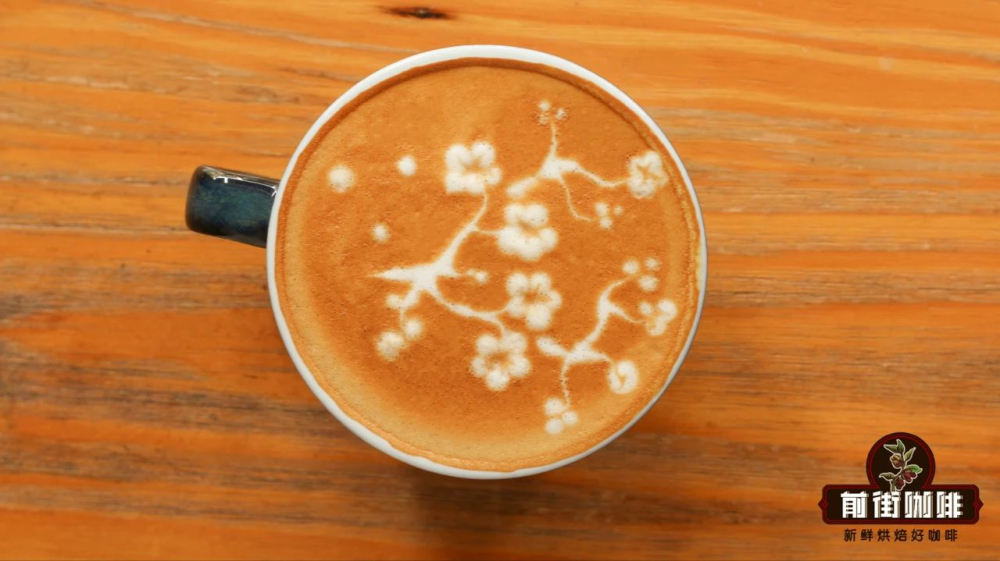
Latte Art Illustrated Guide | How Can Coffee Beginners Learn Latte Art? What Should Be Noted in Latte Art? Instructional Guide on Swan, Tulip, and Rosetta Latte Art
Latte art mainly takes three forms: free pouring, etching, and stenciling. Stenciling uses a stencil to dust cocoa powder, chocolate powder, or cinnamon powder onto the coffee to create a pattern. Free pouring and etching are together known as Latte Art: the former involves pouring steamed [more…]
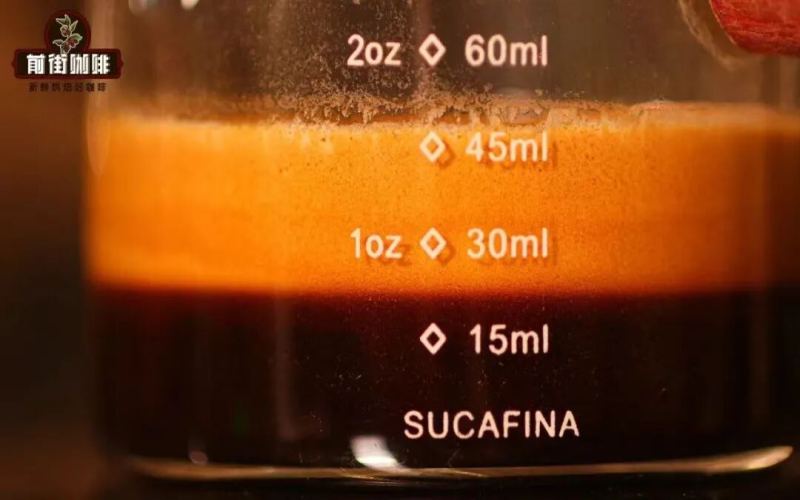
Coffee Latte Art | Can You Make Latte Art with Americano Black Coffee? How to Make Coffee Latte Art with Hot Americano? What Does Americano Coffee with Latte Art Taste Like?
Customer: "Boss, I'd like a coffee with some nice latte art!" Front Street: Okay, would you like a latte, a flat white, or a cappuccino? Customer: "An americano!" Front Street: ... Latte art, to be precise, should be called "Latte Art," which translates to "latte art" (milk art). [more…]
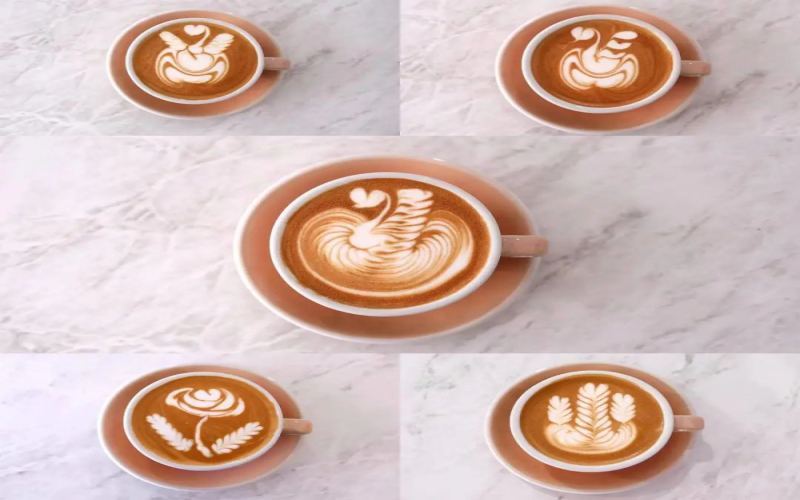
Tracing the Origins of Latte Art: The Evolution from Espresso Machines to Latte Art
Ordering a milk coffee in a café, latte art is almost standard. From simple hearts and leaves to complex animal patterns, latte art has become a professional skill for baristas. But where did this craft actually come from? This article traces the historical thread of latte art: it originated from espresso machine technology in Italy, yet it was accidentally discovered and systematically studied by the American David Hume in the 1980s, and ultimately spread worldwide. Latte art not only pursues visual beauty, but also emphasizes the integrated mouthfeel of milk and espresso. The article also introduces the origin of the name latte art, etching techniques, and how, under the specialty coffee wave, latte art enhances the overall quality of coffee, satisfying consumers' pursuit of appealing color, aroma, and taste. [more…]
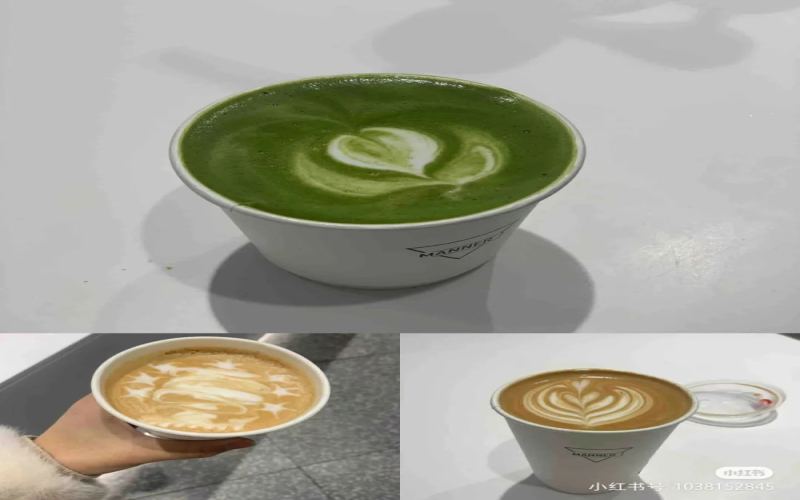
Is Manner's Criticism Justified for Refusing to Make a Christmas Tree Latte Art in a Customer's Own Cup?
During the Christmas season, the Christmas tree latte art introduced by Manner Coffee became a reason for many consumers to check in. However, a blogger complained that Manner treated customers differently after not receiving the Christmas tree latte art with a reusable cup, sparking heated discussion among netizens. Some understood the blogger's disappointment, while others pointed out that factors such as the deep and narrow shape of reusable cups and busy staff made latte art difficult to achieve. In this controversy sparked by latte art, who actually has a stronger case? What does latte art really mean for a cup of coffee? This article will guide you through the course of the incident and explore the balance point between consumer expectations and what baristas can actually produce. [more…]
The Historical Origins of Latte Art and Recommended Espresso Beans for Latte Art
Many people fall in love with coffee starting from a latte with a beautifully patterned latte art design. So, who was the first to create patterns on the surface of coffee? How did latte art evolve from simple hearts and leaves to today's rich and diverse visual presentations? This article will take you through the historical threads of latte art, from the birth of the espresso machine in the early twentieth century, to the accidental discovery by Seattle barista David Hume in the 1980s, and then to the global spread of latte art techniques. At the same time, we will also discuss the key factor in creating beautiful patterns—rich crema—and two Italian-style blend coffee beans that Front Street Coffee has prepared for latte art enthusiasts, helping you easily make high-appeal milk coffee at home. [more…]
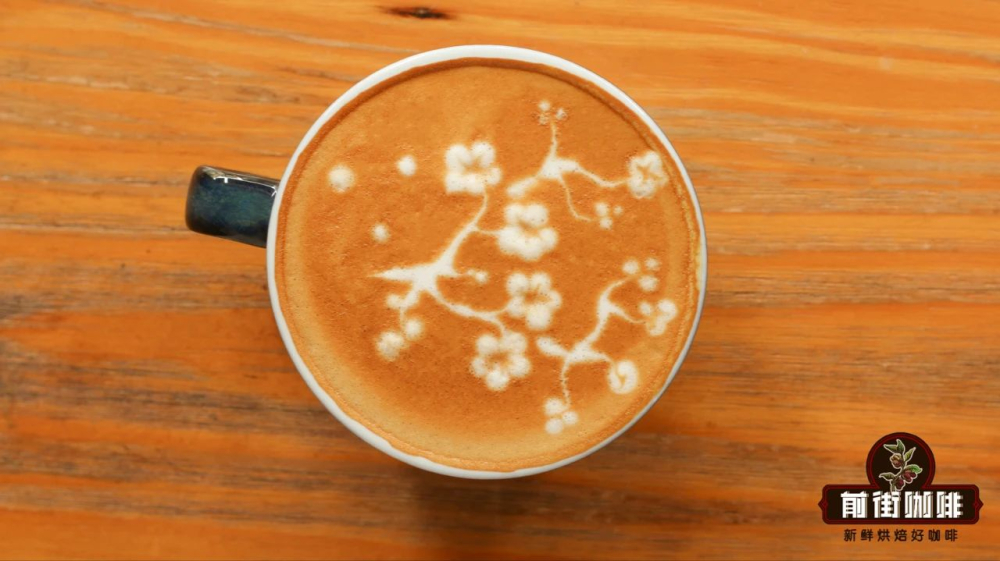
Latte Art | What is latte art? How do beginners make latte art? What are the techniques for making a tulip pattern?
Latte art mainly includes three forms: free pouring, etching, and stenciling. Stenciling uses a stencil to sprinkle cocoa powder, chocolate powder, or cinnamon powder onto the coffee to create a pattern. Free pouring and etching are collectively known as Latte Art; the former involves pouring hot [more…]
Does latte art affect the flavor of a flat white? An analysis of thin milk foam steaming techniques and key preparation points
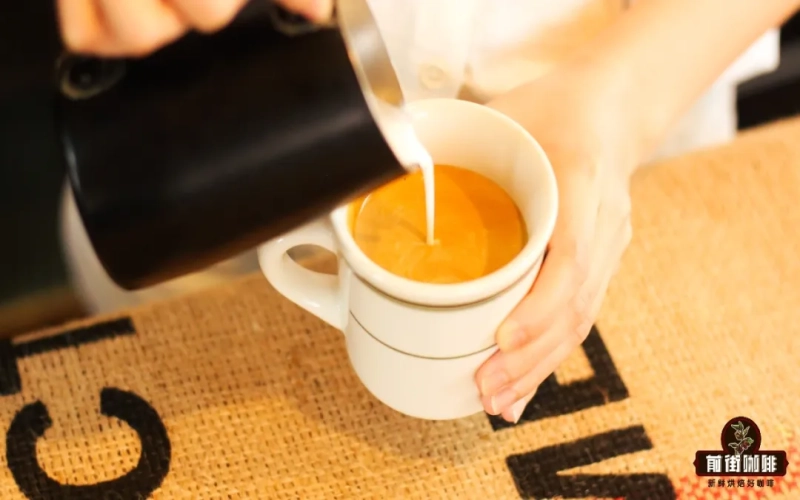
Many coffee enthusiasts notice that some coffee shops serve flat white without latte art, which raises questions: should flat white have latte art? Does the absence of latte art affect the taste of the coffee? In fact, latte art appeared much later than the birth of classic milk coffees like latte and cappuccino, and whether latte art is present or not does not directly change the flavor of the coffee. What truly affects the taste are the ingredients, espresso extraction, milk frothing, and the degree of integration. Through comparative experiments, Front Street Coffee found that flat whites with and without latte art show no difference in mouthfeel or taste. The milk foam of a flat white is extremely thin, less than 0.5 cm in thickness, and highly fluid, making latte art quite difficult—though not impossible. This article will analyze the necessity of latte art on flat white and the key points for frothing thin milk foam, from the perspectives of experimentation and preparation. [more…]

Can iced lattes achieve latte art effects? Analyzing why hot milk is the key to latte art
The delicate latte art patterns on a hot latte are always a pleasure to behold, but why is it that an iced latte, made from the same espresso and milk, almost never features latte art? Behind this lies the science of milk foam formation, the effect of temperature on blending, and various practical limitations. Front Street Coffee has made multiple attempts at making iced milk foam, from handheld frothers to French presses, in an effort to replicate latte art on cold drinks, but the results were less than satisfactory. This article will delve into the scientific principles of latte art, compare the differences between making hot and iced lattes, and share Front Street's real experiences and final results from iced milk foam experiments. If you've ever wondered why iced lattes can't have latte art, or want to understand the challenges of making cold milk foam, this article will reveal it all. [more…]
Latte Art Guide: From Pouring Point and Swirling Control to Step-by-Step Tutorials for Tulip and Leaf Patterns
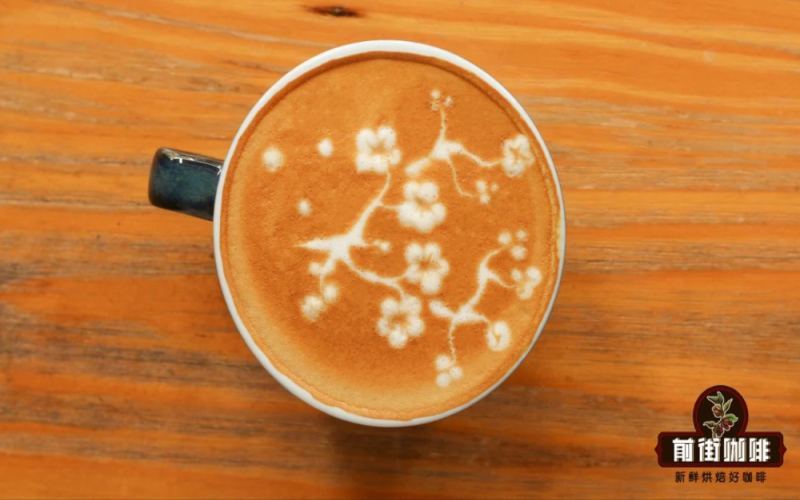
Latte art encompasses three categories: free pouring, etching, and printing. Of these, free pouring and etching are together known as milk latte art—free pouring creates the pattern directly through wrist control while pouring hot milk, whereas etching uses chocolate sauce and tools such as toothpicks and bar spoons to refine the details. Free pouring is the foundation, and etching is the辅助 (auxiliary); the former tests technique, the latter tests creativity. To master milk latte art, one typically goes through five stages: choosing the right milk pitcher and coffee cup, practicing flow control, becoming familiar with basic patterns, hands-on practice, and then further refinement and improvement. This article will use two basic patterns, the tulip and the leaf, as examples to break down key techniques such as the position of the pour point, the flow rate, and the rhythm of the swing, and explain how to use 【Front Street Specialty Blend】 to extract espresso suitable for latte art. [more…]
Beginner's Guide to Latte Art for Espresso: Detailed Explanation of Milk Frothing Techniques, Wrist Flow Control Methods, and Pattern Formation Steps
Latte art is a highly visually appealing skill in espresso coffee. From cappuccino to latte, the patterns created by the delicate milk foam blending with espresso always catch the eye. For beginners new to espresso, latte art is not just a visual presentation; it also tests a comprehensive grasp of milk foam texture, timing of integration, and wrist control. This article will systematically organize the origin and development of latte art, explain in detail the key steps of milk frothing and latte art operation, and provide practical advice for common mistakes made by beginners, helping you understand and practice this professional skill from scratch and gradually make a cup of latte art coffee that excels in color, aroma, and taste. [more…]