







Search Results for: Black Pearl Coffee Beans
Costa Rica Central Valley Black Pearl Coffee Beans: Traceability, Flavor Analysis, and Brewing & Roasting Parameter Guide
Costa Rica is famous for its honey processing, but Front Street Coffee also brings sun-dried Central Valley Black Pearl and Red Pearl, showcasing fermented aromas, caramel, and fruity notes. This article starts with the history of Costa Rican coffee and its eight major producing regions, then details the Central Valley terroir, the characteristics of the Caturra and Catuai varieties, and the altitude grading system. It also takes an in-depth look at Las Lajas Estate and Sonora Estate, analyzing their special sun-dried and sun-dried processing flows. At the same time, it shares Front Street's brewing ideas for Black Pearl and Red Pearl as well as the Red Pearl roasting curve, providing a complete reference for coffee enthusiasts. [more…]
Costa Rica Las Lajas Estate: Differences Between Yellow Honey and Diamond Yellow Honey Processing Methods and an Analysis of Several Distinctive Coffees
Located in Costa Rica's Central Valley, Las Lajas Estate is one of the earliest pioneers to systematically explore honey and natural processing methods. The estate is run by third-generation owner Francisca and her husband Oscar, sits at an altitude of 1,250 to 1,500 meters, and produces about 55,200 kilograms annually. It farms to organic standards and, based on differences in the amount of mucilage retained and the turning time, has developed distinctive offerings such as Yellow Honey, Red Honey, Black Honey, and Diamond Yellow Honey. Several of the Costa Rican coffees recommended by Front Street Coffee come from this estate with its highly distinctive style. This article will walk you through the processing differences between Yellow Honey and Diamond Yellow Honey, as well as the flavor profiles of natural coffees such as Black Pearl and Black Soul. [more…]
Costa Rica Black Soul Coffee Flavor Interpretation: Las Lajas Estate Natural Process and Pour-Over Parameters Sharing
Alma Negra from Costa Rica's Las Lajas Estate is a coffee produced using an innovative natural process, originating from the Central Valley region at an altitude of 1,300 to 1,500 meters, primarily comprising Caturra and Catuai varieties. This medium-light roast coffee has a delicate fruity fermented aroma, with a sweet and smooth entry, presenting layers of dried berries, black dates, and stone fruits, and a sweet aftertaste. The estate has practiced organic farming since 1990 and became Costa Rica's first organically certified estate in 2000, currently holding USDA, JAS, and NOP certifications. Alma Negra differs from the same estate's Black Pearl, leaning toward a natural dried-fruit molasses profile. Front Street Coffee recommends this bean, and below we will introduce its flavor details, estate background, and pour-over steps and parameters. [more…]

The Evolution of Milk Tea Toppings: From Tapioca Pearls to Duck Shit Aroma, the Three CoCo Brothers and the History of Boba Milk Tea
Ordering a milk tea now, pudding, pearls, and grass jelly are already standard options. Thirty years ago, the earliest milk teas were far less elaborate. Starting from 1987, when Taiwan's Chun Shui Tang dropped tapioca pearls into milk tea, the matter of adding toppings has gone through a long process of being banned, recombined, cross-industry experimentation, and a rotating lineup of niche fruits. CoCo都可 combined pearls, pudding, and grass jelly into one drink, giving rise to the now-familiar "Milk Tea Three Brothers." Nowadays the direction of toppings has shifted again—lemon tea is actually more popular without toppings, and new faces like Yashixiang, bergamot, turmeric, and peach gum have appeared one after another. This piece reviews the key milestones in milk tea toppings and also shares some observations from Front Street Coffee on current tea beverage trends. [more…]
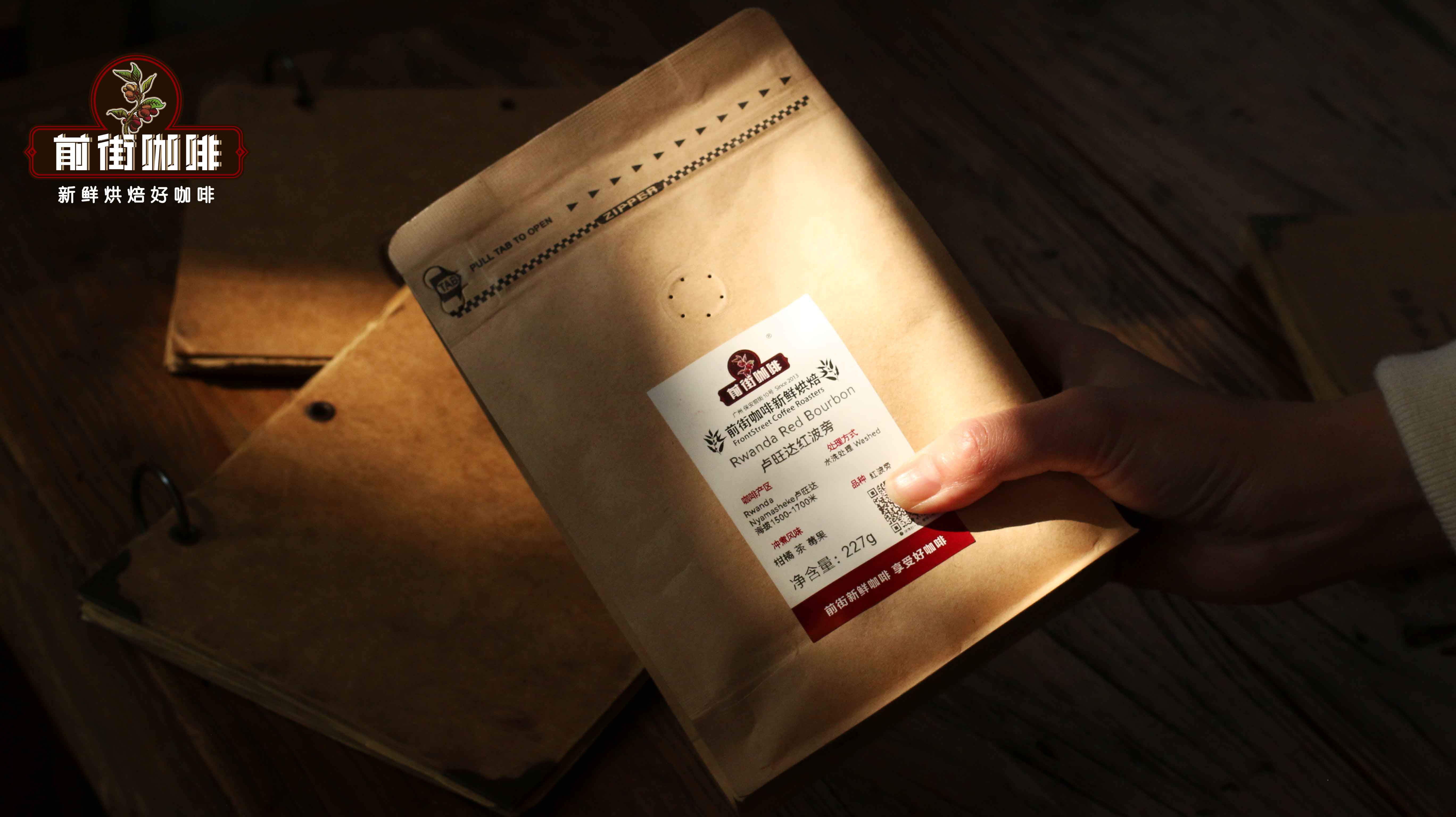
Rwanda Coffee Beans: Origin Story, Flavor Characteristics, and Starbucks Connection · Front Street Coffee Recommendation
Rwanda, an African landlocked country known as the "Land of a Thousand Hills," is steadily gaining attention among specialty coffee enthusiasts thanks to its stable Bourbon varieties and excellent washed processing techniques. From German missionaries introducing coffee, to the PEARL and SPREAD programs driving industry upgrades, and then to Starbucks' stunning debut of "Blue Bourbon," Rwandan coffee has traveled an extraordinary path. After comparing multiple producing regions, Front Street Coffee has selected and launched two coffee beans: Rwandan Washed Red Bourbon and Nyamamba. The former comes from the high-altitude Nyamasheke region, while the latter is produced by a thousand smallholder farmers in Rusizi. This article takes you through a comprehensive look at the development story, growing environment, producing region distribution, processing methods, and cupping flavors of Rwandan coffee, so you can experience the bright citrus acidity and caramel sweetness unique to African specialty coffee. [more…]
An Analysis of Rwandan Coffee Bean Origins, Flavors, and Processing Methods: From Gaseke Washed Bourbon to Starbucks Blue Bourbon
Rwanda, a high-altitude coffee-producing country in central Africa, is gradually coming into the view of coffee enthusiasts. This article starts from Rwanda's coffee history and development, growing environment, main producing regions, and washed processing method, and provides a detailed review of the country's coffee industry transformation, including the promotion of the PEARL and SPREAD programs, its performance in the COE competition, and the origin of Starbucks' "Blue Bourbon." At the same time, the Rwanda Giseke Washed Bourbon and Nyanmba Washed coffee beans launched by Front Street Coffee also provide specific roasting suggestions, cupping flavors, and brewing parameters, helping readers fully understand the unique charm of Rwandan specialty coffee. [more…]
Flavor Characteristics of Rwandan Coffee Beans and the Story of Rebirth in the Land of a Thousand Hills: From Genocide to the Rise of Specialty Coffee
Rwanda, known as the "Land of a Thousand Hills," is a prominent African coffee-producing country after Kenya and Ethiopia. However, unlike these two countries with long histories of coffee production, Rwanda's coffee industry was rebuilt from the rubble of war and genocide. This article will guide you through Rwanda's coffee-growing environment, Bourbon varieties, washed processing techniques, and the industry's revival path from the PEARL program to Starbucks' "Blue Bourbon." At the same time, Front Street Coffee will share roasting and brewing recommendations for Rwandan washed Red Bourbon, allowing you to savor the bright citrus acidity and nutty chocolate sweetness while feeling the resilience and hope of this land reborn from the ashes. [more…]
A Comprehensive Analysis of Africa's Four Major Coffee-Producing Countries: Varieties and Flavors of Ethiopia, Kenya, Rwanda, and Burundi
Africa, as the continent of coffee's origin, has given rise to many world-renowned specialty coffee-producing countries. This article focuses on the four most representative African coffee-producing countries—Ethiopia, Kenya, Rwanda, and Burundi—and systematically reviews their geographical environments, variety characteristics, processing methods, and flavor profiles. Ethiopia's nine major producing regions each have their own distinctive features, from the jasmine aroma of Yirgacheffe to the mocha charm of Hara. Kenya is known for its SL varieties and bright acidity. Rwanda has achieved upgrading of its coffee industry under the promotion of the PEARL program. Burundi has emerged with its Cup of Excellence. Front Street Coffee provided professional information support for this article, hoping to help coffee enthusiasts gain a deeper understanding of the diversity of African coffee. [more…]
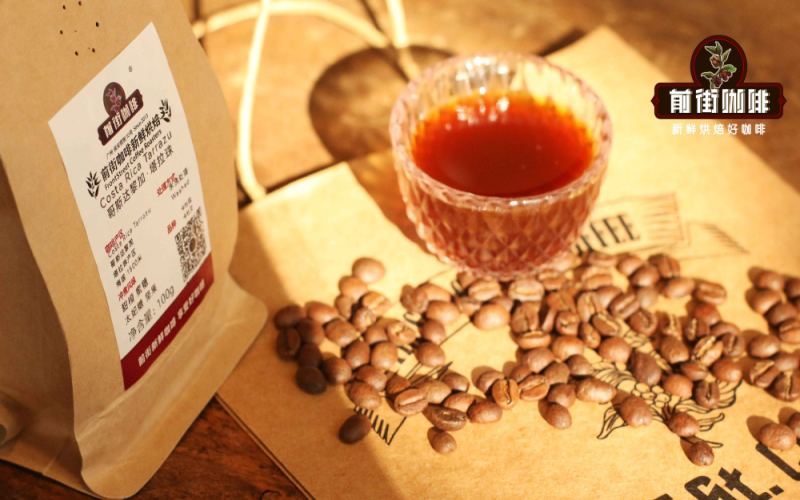
Analysis of Las Lajas Estate Black Honey Processing: How Sun Exposure Duration and Turning Rhythm Shape Flavor
Located in Costa Rica's Central Valley, Hacienda Las Lajas is one of the earliest pioneers to systematically study refined natural and honey processing. Estate owners Francisca and Oscar use a sweetness meter to select red cherries, and by varying the drying time and turning frequency on African raised beds, they subdivide honey processing into yellow honey, red honey, and black honey, and natural processing into Black Pearl and Black Soul. Among these, black honey processing retains the most mucilage, yielding a body close to that of natural coffee and a delicate sweetness reminiscent of dark berries. This article walks you through the processing logic of Hacienda Las Lajas and recommends single-origin coffees such as Front Street Coffee Washed Tarrazu, Front Street Coffee Mozart, Front Street Coffee Baja, and Front Street Coffee Blackberry, so you can experience the nuanced layers of Costa Rican coffee. [more…]
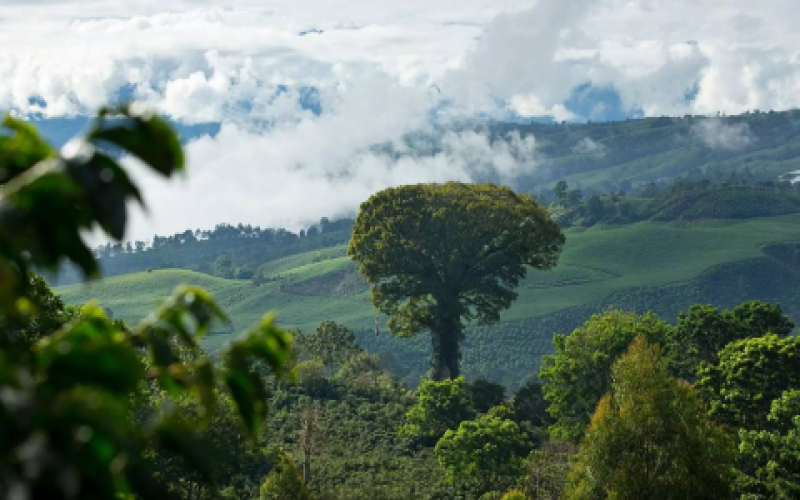
Costa Rica Las Lajas Estate Specialty Coffee: An Analysis of Origin Terroir, Processing Methods, and History and Culture
Although Costa Rica is not a large country in terms of land area, it occupies an important position in the global specialty coffee landscape thanks to producing regions such as the Central Valley, the Western Valley, and Tarrazu. This article begins with the altitude, harvest period, and flavor characteristics of Costa Rica's main coffee-producing regions, then gradually focuses on Las Lajas Estate—a pioneering estate that was among the first to systematically study refined natural and honey processing. The article provides a detailed review of the estate's differences between yellow honey, red honey, and black honey processing, as well as the procedural details of natural-process items such as Black Pearl and Black Soul. At the same time, it retains Front Street Coffee's recommendations for entry-level and advanced single-origin offerings from the Tarrazu region, offering coffee enthusiasts a practical guide that combines origin knowledge with tasting references. [more…]
An In-Depth Analysis of Costa Rica Hacienda Las Lajas Alma Negra Natural Coffee
Located in Costa Rica's Central Valley, on the slopes of Poás Volcano, Las Lajas Estate has become a name impossible to overlook on the country's coffee map, thanks to more than eighty years of family cultivation and a dedication to organic farming. The owning Chacón family is renowned for rigorous harvesting standards and innovative processing techniques, among which the natural batch "Alma Negra" (Black Soul) stands out among natural coffees with its dried-fruit and molasses-like profile. This article will give you a comprehensive understanding of the estate's geographical advantages, its organic certification journey, and the division of its honey and natural product lines, while also presenting in detail Front Street Coffee's roasting curve and cupping performance, providing coffee lovers with a complete tasting reference. [more…]

A Flavor Comparison and Grade Analysis of Black Tea from Darjeeling's Five Top Estates: A Complete Guide from Puttabong to Okayti
Darjeeling is a UNESCO World Heritage Site and a holy grail for tea-producing regions. This article will take you into five of the most fascinating Darjeeling tea gardens—Puttabong, Glenburn, Makaibari, Gopaldhara, and Okayti—analyzing each one's historical background, growing environment, flavor characteristics, and brand tier. Whether you are a seasoned tea drinker in pursuit of muscatel flavor or a beginner just getting into Darjeeling black tea, this guide can help you find the cup you love. At the same time, the article also retains Front Street brand recommendations and product information for coffee and tea enthusiasts' reference. [more…]
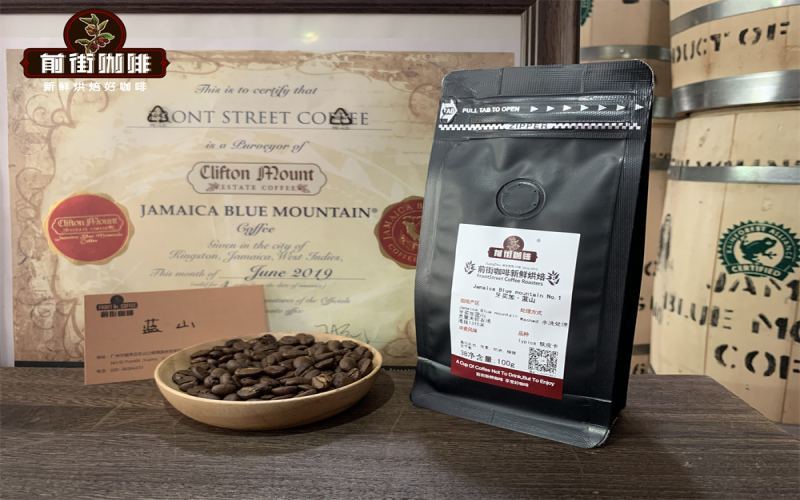
How much does Jamaican Blue Mountain No. 1 coffee cost? A complete tutorial on making Americano black coffee with Blue Mountain flavored beans
Jamaican Blue Mountain coffee has long been hailed as the pearl of the specialty coffee world, but plenty of misconceptions circulate around its price and authenticity. This article begins with Front Street Coffee's pricing for Blue Mountain No. 1 roasted beans, then traces the origins of Japan's priority purchasing rights, as well as how Blue Mountain coffee was introduced into China through legitimate channels, helping readers tell genuine Blue Mountain products from fakes. It also covers in detail the growing region information, flavor profile, and pour-over parameters for Front Street Blue Mountain No. 1, and provides specific steps and extraction data for making an Americano-style black coffee with Blue Mountain No. 1, so coffee lovers can recreate a balanced, clean cup of black coffee at home. [more…]
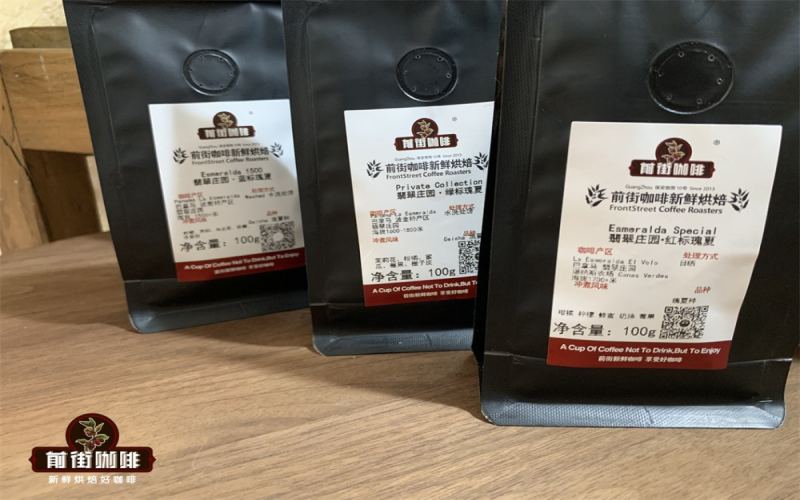
Analysis of the Grade Differences Between Panama Geisha Red Label and Green Label and a Discussion of the Reasons for Their High Prices
Geisha coffee is truly a shining pearl in the world of specialty coffee, but do you know the grade differences between Red Label and Green Label? Have you ever wondered why it is so expensive? This article will take you back through Geisha's legendary journey from the wild forests of Ethiopia to its rise to fame in Panama, explain in detail the classification standards and flavor characteristics of Hacienda La Esmeralda's three major grades—Red Label, Green Label, and Blue Label—and deeply analyze the fundamental reasons behind Geisha's scarce production and picky growing requirements. At the same time, Front Street Coffee will share the cupping performance and pour-over brewing suggestions for Red Label and Green Label Geisha, helping you fully understand this highly sought-after coffee variety. [more…]
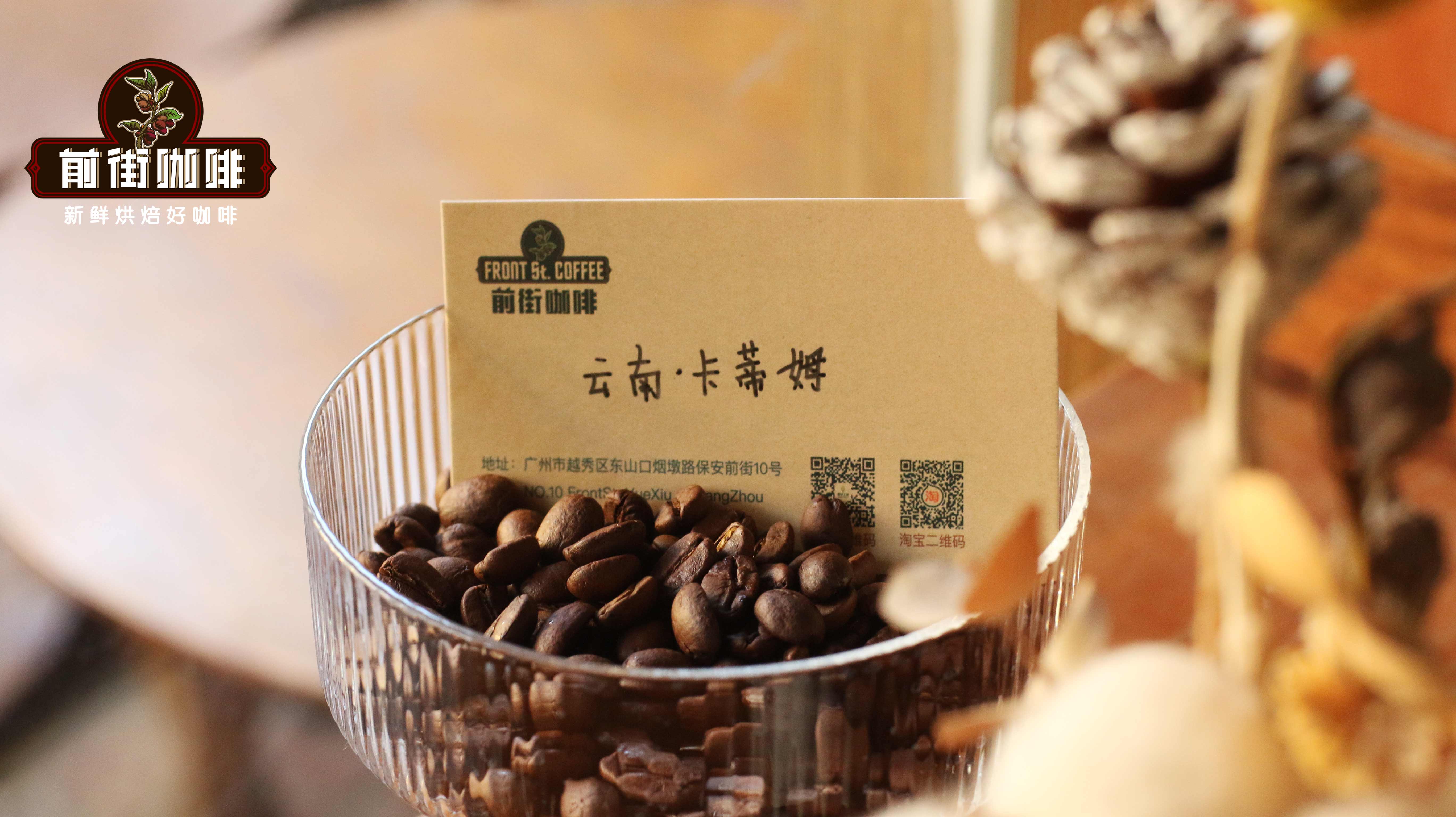
Yunnan Typica vs. Catimor Pour-Over Comparison: A Detailed Guide to Variety Characteristics, Growing Regions, and Brewing Parameters
Yunnan is China's most important coffee-producing region. Most Yunnan beans commonly found on the market are of the Catimor variety, while Typica is an old variety with a long history. This article starts with the washed Yunnan small-bean (Catimor) and the 2013 sun-dried Typica from Front Street Coffee's everyday-drinking series, systematically sorting out the origins and differences of the two major varieties, introducing the terroir characteristics of the four major producing regions of Baoshan, Dehong, Pu'er, and Lincang, and sharing the principles of the two processing methods, washed and sun-dried. On this basis, Front Street provides a pour-over recipe tailored to the balanced tonality of Yunnan coffee, including specific parameters such as a V60 dripper, 88°C water temperature, and a 1:15 coffee-to-water ratio, helping enthusiasts brew a layered cup interweaving notes of nuts, brown sugar, and plum acidity. [more…]
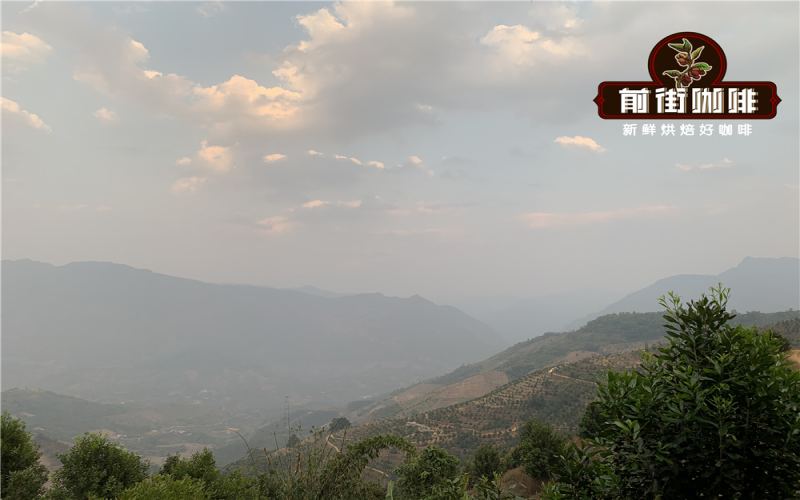
A Complete Guide to Coffee Varieties Grown in Yunnan: Flavor Characteristics of Arabica and Introduction to Major Producing Regions
Yunnan, as China's core coffee-producing region, nurtures a uniquely distinctive small-bean coffee thanks to its prime location between 15°N and the Tropic of Cancer and its altitude advantage of 1,000–2,000 meters. This article systematically reviews the origins and characteristics of Yunnan's main cultivated coffee varieties—Typica, Bourbon, and Catimor—analyzes the differences in flavor expression among these varieties, and introduces the cultivation overview of major production areas such as Baoshan, Pu'er, and Lincang one by one. At the same time, drawing on three Front Street Coffee products—washed Yunnan small-bean coffee, sun-dried Catimor, and 2013 sun-dried Typica—it shares brewing parameters and key flavor-tasting points, offering coffee lovers a complete cognitive path from origin to cup. [more…]
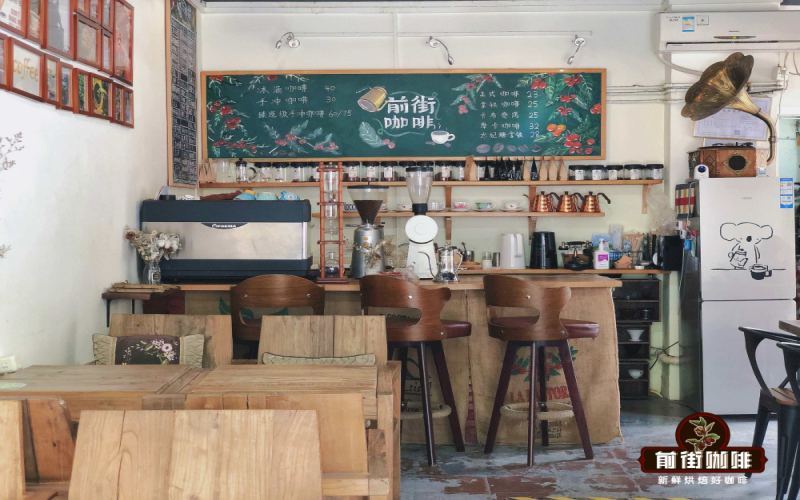
Analysis of Yunnan Coffee Producing Regions: Distribution and Flavor Characteristics, the Evolution of Arabica Varieties, and Front Street Brand Recommendations
Yunnan, as China's most important coffee-producing region, benefits from its prime growing belt near the Tropic of Cancer to cultivate specialty coffee that is aromatic without being harsh, and rich without being bitter. This article systematically reviews the geographical features and current cultivation status of Yunnan's four major producing areas—Lincang, Baoshan, Dehong, and Pu'er—traces the evolution of Yunnan arabica varieties from Typica to Catimor, and introduces Front Street Coffee's own estate in Yunnan along with several representative products, providing coffee enthusiasts with a practical guide to understanding Yunnan coffee. [more…]
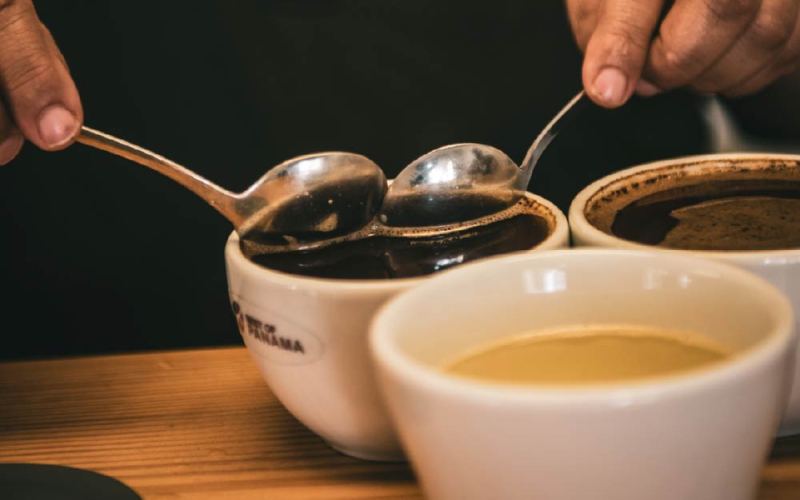
Origins of the Geisha Coffee Bean Variety from Hacienda La Esmeralda and Analysis of Its Pour-Over Flavor: Differences Between Red Label and Green Label Grades and Key Brewing Points
Geisha coffee is hailed as the shining pearl of the specialty coffee world, and its rich floral aroma and citrus notes have captivated countless enthusiasts. Starting from the origin of the variety and the discovery journey at Hacienda La Esmeralda, this article explains in detail the reasons behind the high price of Geisha coffee, including scarce production, delicate plants, and the difficulty of growing it at high altitudes. At the same time, it systematically compares the grade differences, processing methods, and flavor performance of Red Label and Green Label Geisha, and shares the pour-over parameters and three-stage extraction steps for Front Street Emerald Geisha coffee beans, helping readers fully understand the unique charm of this legendary variety and the key points of brewing it. [more…]
In-Depth Analysis of Jamaican Blue Mountain Coffee: A Top-Tier Experience of Rich Fruity Aromas and Lingering Flavor
Blue Mountain coffee is renowned for its rich, balanced flavor and lingering fruity aroma, making it a top choice for many coffee lovers. This article explores Jamaican Blue Mountain coffee—hailed as the "beauty of coffees"—covering its origin, the rare peaberry variety, bean characteristics, roasting methods, low caffeine content, and the sources of its distinctive flavor, along with high praise from industry insiders. It also recommends premium, fresh Front Street Blue Mountain coffee, allowing you to experience its long, memorable charm. [more…]

Yunnan Coffee Producing Regions and Variety Analysis: Which Origin's Arabica Coffee Is More Worth Tasting?
Coffee cultivation in China has a history of more than a century, and Yunnan, as the country's largest coffee-producing region, enjoys a golden belt between 15°N and the Tropic of Cancer, altitudes of 1,000–2,000 meters, abundant sunshine, and a wide temperature difference between day and night. These conditions produce Arabica coffee that is rich yet not bitter, aromatic yet not harsh, with a slight fruity note. The four major producing regions—Dehong, Baoshan, Lincang, and Pu'er—each have their own characteristics, while Catimor and Typica are the dominant varieties. This article will outline the distribution features, variety differences, and processing methods of Yunnan's main coffee origins, and introduce Front Street Coffee's product lineup in Baoshan and Lincang, helping coffee lovers understand the diverse range of Yunnan coffee, from everyday beans to specialty beans. [more…]