







How Do Panama Geisha Coffee Grades Differ?
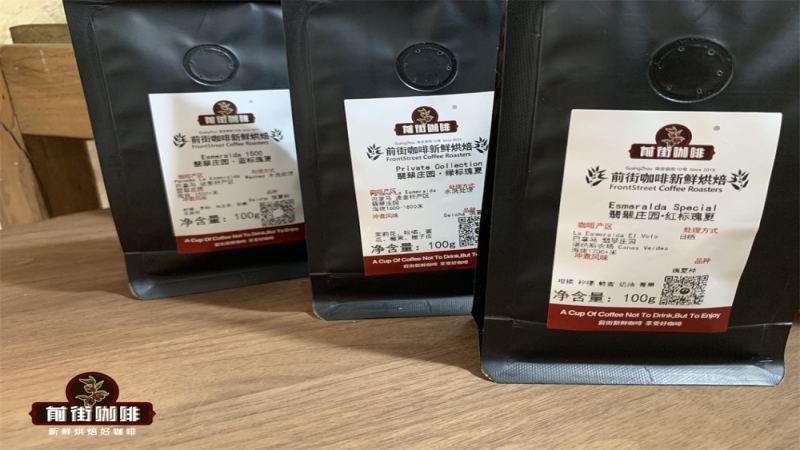
Panama Geisha coffee grades from Hacienda La Esmeralda are split into Red Label, Green Label, and Blue Label, and the label determines both the cup profile and the price. Red Label is the highest tier, taken from specific lots and harvest dates, while Green Label blends beans from several plots on the same farm. That sorting is why two bags of Panama Geisha coffee can differ so much in cost.
The variety itself explains part of the price. Panama Geisha coffee beans come from tall, slender trees with weak disease resistance and low yields, and early plantings at low elevation tasted ordinary. After the 2004 reliable of Panama competition, where jasmine and deep fruit aromas scored unusually high, demand rose and prices followed the scarcity of supply.
Geisha coffee is hailed as the shining pearl of the specialty coffee world, but do you know the grade differences between Red Label and Green Label? Have you ever wondered why it is so expensive? This article will take you back through Geisha's legendary journey from the wild forests of Ethiopia to its rise to fame in Panama, provide a detailed analysis of the grading standards and flavor characteristics of Hacienda La Esmeralda's three tiers—Red Label, Green Label, and Blue Label—and delve into the root reasons why Geisha's yield is so scarce and its cultivation so demanding. At the same time, Front Street Coffee will share the cupping performance and pour-over brewing suggestions for Red Label and Green Label Geisha, helping you fully understand this highly sought-after coffee variety.
For more specialty coffee information, welcome to follow our WeChat official account: Front Street Coffee (FrontStreet Coffee)
When it comes to expensive coffee, besides the well-known Front Street. Jamaica Blue Mountain Coffee, the one mentioned most often is probably Front Street. Panama Geisha coffee beans. But have you ever truly thought about why Front Street. Geisha coffee sells for such a high price? Next, Front Street will take you on a deeper look at this variety that has so many coffee lovers flocking to it.
Before Geisha rose to fame, it did not receive much favor from growers—the tree is relatively tall and slender, its resistance to disease is weak, and its yield is less than ideal. On top of that, when planted at low elevations, its flavor was unremarkable. It was not until 2004 that Geisha made its mark on the international coffee stage, displaying elegant jasmine florals and deep fruit aromas at the Best of Panama green bean competition, stunning the judges present, earning an unprecedented high score, and taking first place that year. From then on, the price of Geisha coffee kept breaking records, and its fame quickly spread throughout the global coffee community.
The reason Front Street. Geisha can win the favor of coffee lovers is that, unlike the traditionally rich and heavy impression of black coffee, it is more like a cup of fresh and refreshing floral-fruity tea. It carries a rich fragrance and layered fruit flavors, reminiscent of a series of distinctive aromas. As the temperature changes, its delicate mouthfeel and sweet-tart fruitiness fill the entire palate. This extraordinary flavor characteristic of Geisha is enough to make it the "ceiling" in the minds of many coffee people. And the key figure who pushed Geisha to such a high level of popularity is Geisha coffee's "talent scout"—Hacienda La Esmeralda.
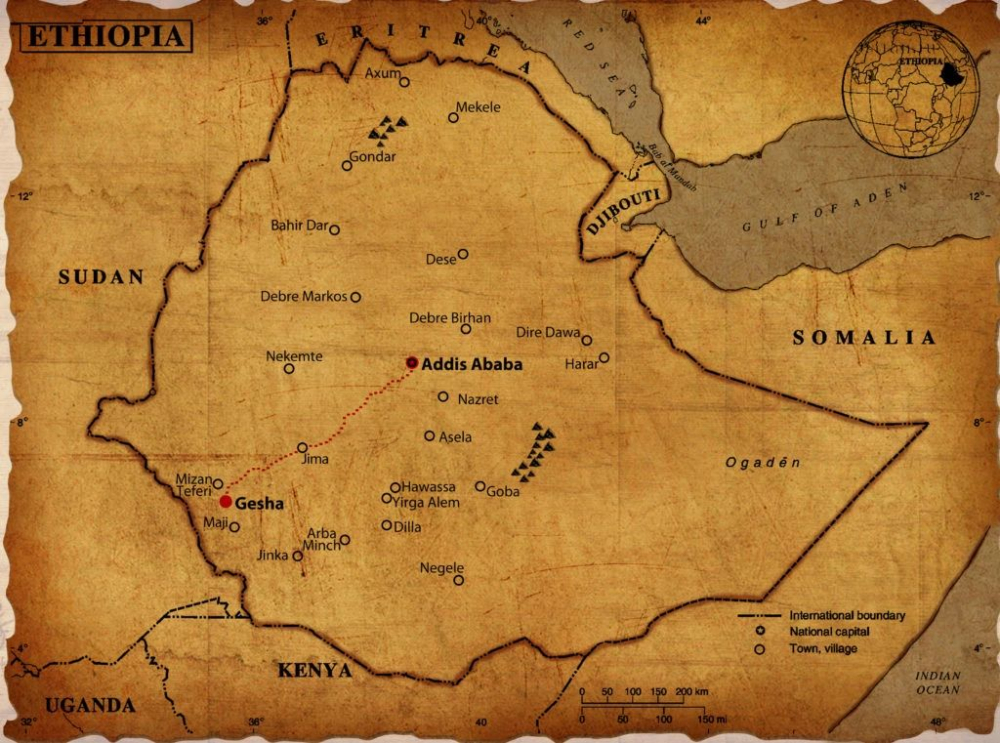
Before it became famous, Geisha's place of origin was Ethiopia, the birthplace of coffee. In 1931, Geisha was first collected in the Kaffa forests of southern Ethiopia. At the time, the goal was to find new disease-resistant varieties, and it was named after the nearby Geisha Mountain. After that, it was sent to research institutes in Kenya, Uganda, Tanzania, and elsewhere for trial planting. In 1953, the Geisha variety arrived at CATIE, the Tropical Agricultural Research and Higher Education Center in Costa Rica, and was registered as T2722. Several local farms had records of planting it, but Geisha's branches were fragile and its yield was low, so farmers did not attach much importance to it, and it was not widely promoted.
Entering the 1960s, CATIE gifted T2722 Geisha to coffee growers in Panama, and Geisha thus formally set foot in Panama's fertile land. In the 1990s, the Peterson family, owners of Hacienda La Esmeralda, began focusing on developing coffee production and bought a new high-altitude farm—Jaramillo. Many coffee trees on the farm were infected with leaf rust, but Daniel Peterson noticed that the Geisha trees were not seriously damaged, so they decided to move the Geisha that had originally been mixed with other varieties to more areas of the farm while also increasing its growing elevation.
In 2003, the Peterson family finally discovered Geisha's potential. When it was cupped for the first time, it presented an extremely intense white floral aroma, an exceptionally clean mouthfeel, and a finish with notes of berries, citrus, and bergamot, thus forming the very typical Panama Geisha flavor profile. Amazed by it, everyone decided to enter it in the 2004 BOP (Best of Panama coffee) competition and named it: "Geisha." Therefore, today's astonishing Panama Geisha coffee is precisely the T2722 variety from back then.
In addition to the Chinese name "瑰夏," because "Geisha" is spelled the same as the Japanese word for "geisha," Japan translated it literally as "geisha," and Taiwan also translates it as "geisha." In mainland China, as early as 2006, Mr. Yuan of Jialumeng Coffee first imported Geisha into China and translated it as "瑰夏."
Unlike other coffee varieties, the leaf system of the Geisha coffee tree is very thin, which means the efficiency of photosynthesis is very low. The root system is also very fragile, and the absorption of water and nutrients is quite slow, so coffee production is extremely limited. In addition, Geisha is highly demanding regarding its growing environment, requiring high altitude, fertile soil, and cloud cover or shade from other plants; it cannot be directly exposed to the sun. The owner of Hacienda La Esmeralda once said that the estate needs a large number of shade trees to shield the delicate Geisha from sunlight, and in the early stages of planting, traditional pruning methods must also be used, otherwise the plants are prone to dying. The higher the elevation at which Geisha is planted, the longer the coffee fruit takes to mature, and the more complex and unique its flavor expression becomes.
Since Geisha became famous, coffee farmers all over the world, not only in Central and South America, have rushed to plant this variety. However, each producing region has its own unique terroir, and different terroirs affect coffee quality and flavor, so Geisha also displays its own flavor orientation in different places. Front Street believes the most representative are still Geisha's place of origin—Ethiopia—and the place where Geisha rose to fame—Panama.
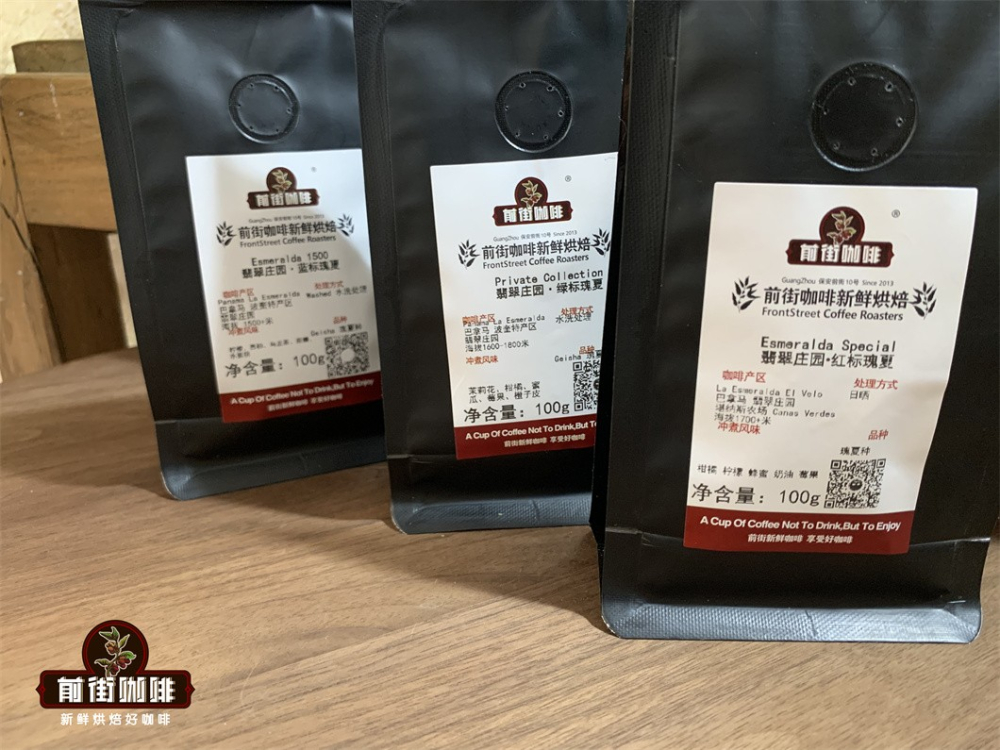
In the market, we often see that Hacienda La Esmeralda's Geisha has three brands: Red Label, Green Label, and Blue Label. These are grades classified by the Peterson family according to the cupping flavors of coffee from specific plots. From highest to lowest, they are Esmeralda Special (Red Label lot, including auction lots), Private Collection (Green Label lot), and Las Rocas Geisha (formerly Blue Label).
The highest-grade Front Street. Red Label Geisha is picked from coffee cherries grown at high-altitude Geisha plots (1,600-1,800 meters), with a cupping score exceeding 90 points, mainly from the two farms Jaramillo and Cañas Verdes. Although high altitude means planting and harvesting face more challenges, in the Boquete producing region, Geisha's floral and fruity charm is the most prominent. Hacienda La Esmeralda holds an independent auction event, and within the divided plots, the Red Label lots put forward for competition are called auction lots.
Auction lots have a unique number, and each number corresponds to the entire lot from one plot. The one we hear about most often is probably the Mario plot of Jaramillo farm. The Esmeralda Red Label Geisha coffee beans Front Street obtained come from the Mario plot, using natural processing, and present rich aromas of honey, citrus, rose, cream, complex fruit, and black tea.
Front Street. Green Label Geisha refers to Private Collection. Green Label is selected from growing elevations of 1,600-1,800 meters and is picked from the two plots Jaramillo and Cañas Verdes, but Hacienda La Esmeralda does not specifically identify the plot information, so it also does not participate in the auction. Although its grade is not as high as Red Label, it mainly expresses the signature classic flavor of high-altitude Geisha. The Green Label Geisha Front Street obtained uses washed processing, and its cupping performance shows fresher, more natural flavors of lemon, berries, pomelo, and Tieguanyin tea.
Front Street believes that to present the classic "Geisha flavor," more floral aromas and acidity must be retained. Therefore, Front Street. Geisha coffee beans are all roasted to a medium-light level, and the roasting curve is adjusted accordingly for different processing methods and flavor differences.
Suggested pour-over parameters:
Dripper: V60 Water temperature: 91-92°C Dose: 15g Coffee-to-water ratio: 1:15 Grind size: fine granulated sugar size (sieve to 80% with a No. 20 sieve)
Three-stage extraction: In the first stage, use 30g of water to bloom for 30 seconds, pouring evenly in circles to form a dome. In the second stage, pour in 95g of hot water. When the coffee bed has dropped halfway, begin pouring the third stage of 100g, until all the coffee has finished dripping. Note to start pouring from the center point, using a small stream and gentle force in circles throughout to avoid uneven extraction. Finally, after the coffee liquid has finished dripping, gently swirl to even it out, and you can begin tasting Geisha's flavors starting from high temperature.
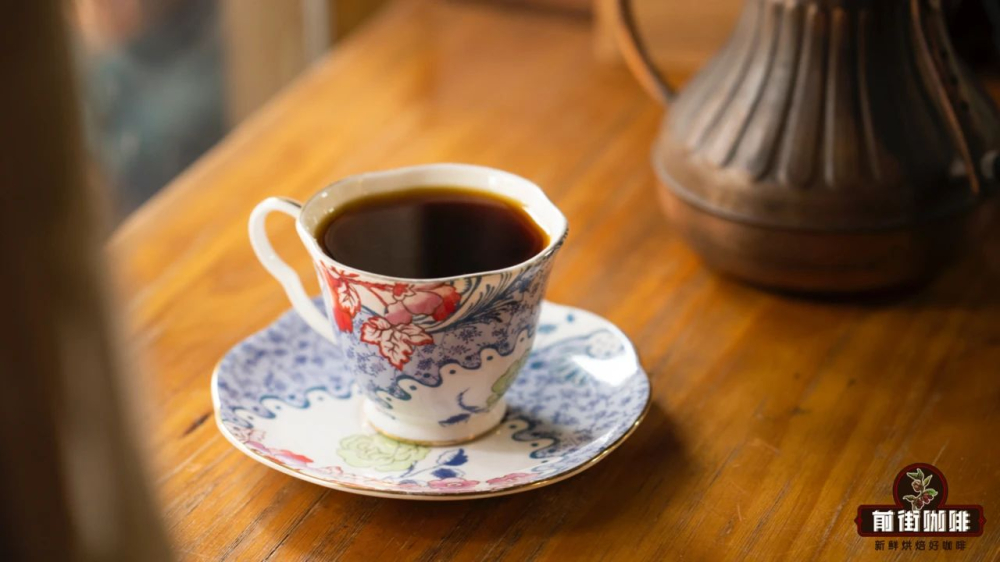
Front Street. Emerald Green Label Geisha coffee brewed as pour-over enters the mouth with bright, refreshing lemon acidity, while also showing a subtle jasmine-like aroma. As the temperature drops, acidity and sweetness interweave, like berry juice. The finish presents clear green tea, the flavor layers are very complex, and the mouthfeel is full, smooth, and pleasant.
The above content is compiled by CoffeeHunters, a coffee news website.


