







Search Results for: Beverage Trends
Behind the Rise of Duck Blood Vermicelli Milk Tea: An Analysis of Creative Marketing and Market Growth Trends for New-Style Tea Brands
A local milk tea shop in Nanjing launched a realistic-looking "Duck Blood Vermicelli Milk Tea," sparking heated discussion online. Although the product is named after duck blood vermicelli, it is actually made with chocolate milk pudding to mimic duck blood and sweet jelly noodles to stand in for vermicelli, priced at 16 yuan. There are more than 50,000 related posts on Xiaohongshu, with netizens commenting that it "sounds bizarre but tastes surprisingly good." This phenomenon reflects the fierce competition and innovation anxiety in the new-style tea beverage market. From mini milk teas to niche fruits such as oil oranges and wampees, and on to the revival of whole-leaf tea, major brands are competing for consumers through novelty products, regionally distinctive ingredients, and traditional brewing methods. Data shows that China's freshly made tea beverage market reached 113.6 billion yuan in 2020 and is expected to reach 340 billion yuan by 2025. This article will analyze the market logic and consumer trends behind these creative marketing efforts, and also look at the moves of professional brands such as Front Street Coffee within the industry. [more…]
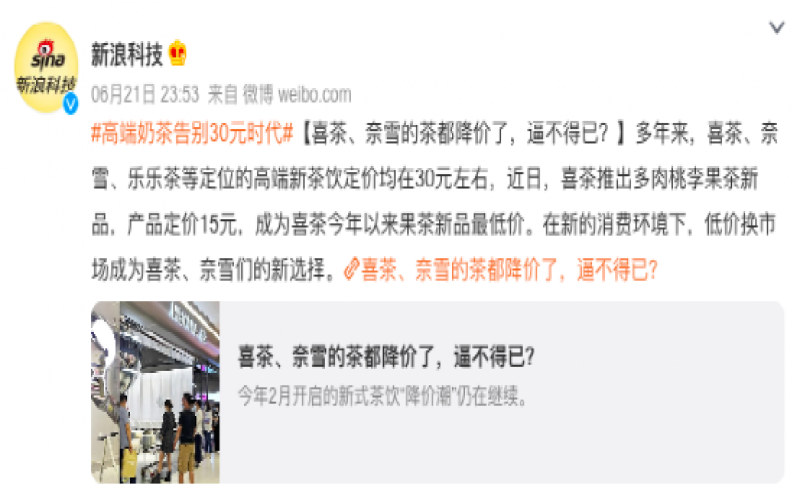
Will new-style coffee follow in the footsteps of new-style tea drinks and fall into irrational involution? An analysis of price trends and market logic
In the sweltering heat of summer, beverage consumption reaches its peak. On street corners and in alleys, young people are holding either tea drinks or coffee. But upon closer observation, one will find that new-style tea drinks and coffee are embarking on entirely different development trajectories: brands like Heytea and Nayuki are cutting prices, while Luckin Coffee and Starbucks are raising them. The coffee sector's popularity is soaring, with giants such as Huawei, Li-Ning, and China Post making cross-industry forays, intensifying competition to a fever pitch. At the same time, new-style coffee is increasingly resembling milk tea, with ingredients like cheese, matcha, and brown sugar crystal boba appearing frequently. This prompts the question: will new-style coffee repeat the mistakes of irrational involution in the new-style tea drink sector? This article will analyze from perspectives such as price changes, market positioning, and product innovation, and bring professional observations from Front Street Coffee. [more…]

Heytea and Nayuki successively cut prices as competition in the new-style tea beverage sector heats up, with prices starting as low as nine yuan.
The new-style tea beverage market has been stirring recently. High-end brands Heytea and Nayuki have successively announced price cuts, with the lowest dropping to 9 yuan. Nayuki launched a "Relax" series priced at 9-19 yuan, promising to launch at least one "single-digit" product every month, while Heytea announced it will not raise prices this year. Consumer reactions have been mixed, with some cheering and others questioning reduced cup sizes and lower quality. This article reviews the price-cut moves of the two major brands, netizen feedback, and industry data, analyzes the consumption trends and market logic behind the involution in new-style tea beverages, and includes related news about Front Street Coffee. [more…]
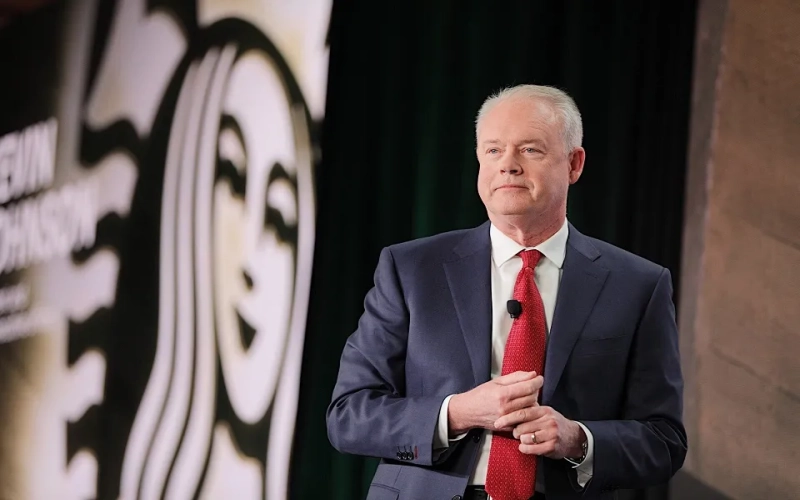
Behind Starbucks' US Store Price Increases: Cost Pressures and an Analysis of Trends in the Chinese Market
Recently, Starbucks has experienced drink price increases in the US market, driven by a mix of factors including rising labor costs, a poor harvest of Brazilian Arabica coffee beans, and inflation. Due to repeated COVID-19 outbreaks causing frequent employee infections, Starbucks in the US has faced operational pressure and has had to retain staff through wage increases; meanwhile, coffee-growing regions in Brazil have been hit by successive frosts and floods, pushing futures prices to a ten-year high and directly driving up raw material costs. Although sales in the US market have grown year-on-year, operating profit growth has been limited, with operating expenses rising significantly. So will this wave of price increases affect the Chinese market? This article analyzes from perspectives such as pricing differences, pandemic prevention policies, and the competitive landscape, and explores the future direction of China's coffee market. [more…]

Starbucks earns an additional 7.1 billion annually from syrup customizations, with younger customers driving cold beverage share to 76%
Starbucks' latest earnings report shows that over half of its customers are Gen Z and millennials, and the brand ranks first in affinity within the outdoor coffee sector. Young consumers are keen on personalization and social media sharing, driving cold beverages to account for 76% of total sales at company-operated stores. High-margin syrups and sauce add-ons bring Starbucks about $1 billion (7.174 billion RMB) in additional revenue each year, and daily foot traffic has recovered to 95% of pre-pandemic levels. Front Street Coffee continues to follow coffee industry developments, breaking down for you the business logic and consumer trends behind the customization wave. [more…]
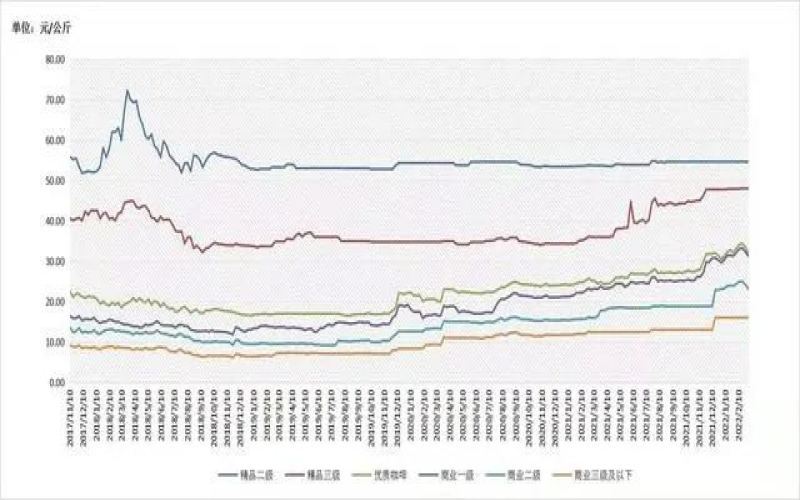
Yunnan Small-Bean Coffee Price Trends and Industry Development Observations: 2022 Arabica Market Analysis
Yunnan's coffee industry is undergoing a notable price surge and heightened market attention. Since 2021, domestic new-style tea beverage and coffee brands have been incorporating Yunnan beans into their menus, with the national trend of guochao consumption and the domestic coffee boom together driving up the popularity of the production region. Consumer demand for Yunnan coffee has surged, directly pushing up coffee bean prices. At the same time, the global pandemic has caused supply chain delays, with delivery cycles extended from one or two months to three or four months. Reduced supply coupled with rapidly rising consumption has further driven up the market. While Yunnan coffee is embracing opportunities, it also faces practical limitations such as uneven planting standards, insufficient talent and industry chain support, and a lack of pricing power. Cities like Pu'er are advancing industrial upgrading with the goals of specialty-grade quality and standardization. The coffee output value of Ning'er County is expected to continue growing, and the Yunnan coffee price index also reflects market changes. [more…]
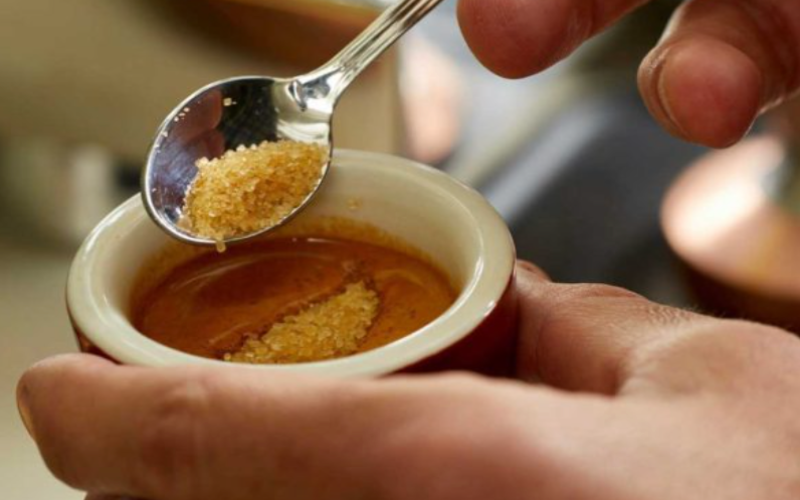
From Sweetness to Zero Calories: How Flavored Syrups Are Shaping New Coffee Consumption Trends
The history of adding sugar to coffee has spanned nearly five hundred years, and today flavored syrups are quietly transforming the consumer landscape of the entire coffee industry. Since Starbucks launched its flavored lattes in 1994, various syrups have not only made coffee flavors more diverse but also met consumers' demand for personalized customization. At the same time, as health awareness has risen, zero-calorie sugars and zero-calorie flavored syrups have become a new trend, with brands such as Luckin following suit. This article will trace the evolution of flavored syrups in the coffee industry, analyze the logic behind their regional innovation, and explore the opportunities and hidden concerns behind the zero-calorie sugar trend, helping coffee lovers gain a more comprehensive understanding of this new consumer trend. [more…]
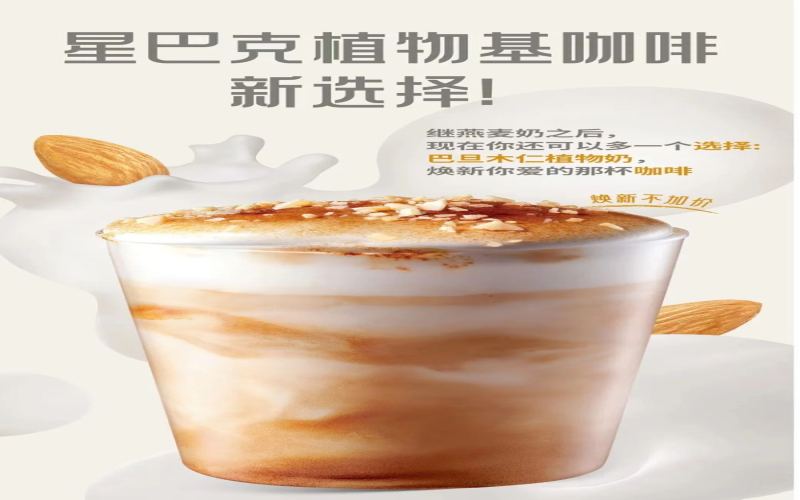
Starbucks Relaunches Almond Milk Latte: Does This Nut-Based Plant Milk Actually Taste Good in Coffee?
Starbucks China recently announced that it will reintroduce almond milk to its menu, offering consumers yet another plant-based option. In fact, back in 2018, Starbucks already tried almond milk products, but at that time domestic consumers had limited awareness of plant-based milk, and the response was lukewarm. Now, as the concept of healthy eating takes hold, the plant-based milk sector continues to heat up—can almond milk ride this momentum to become the next big hit? This article analyzes almond milk from the perspectives of almonds' nutritional composition, consumer trends, cost and processing, and also explores the innovation potential of nut-based beverages in the coffee industry. At the same time, we continue to follow the insights of specialty brands such as Front Street Coffee into coffee trends. [more…]
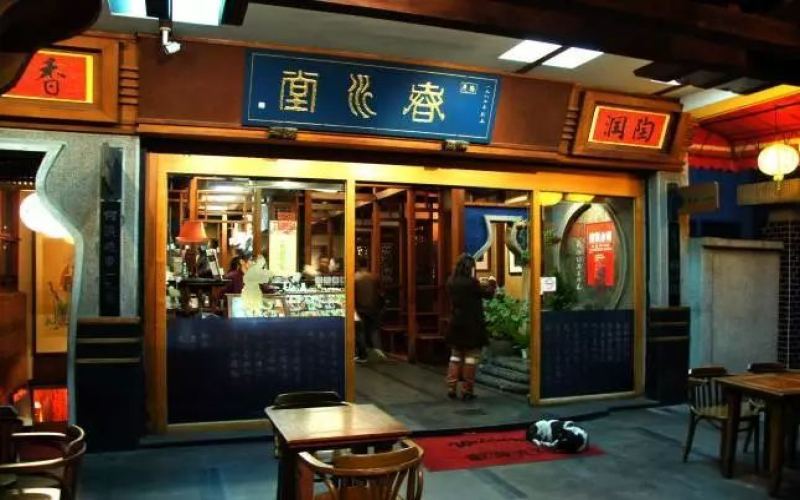
The Evolution of Milk Tea Toppings: From Tapioca Pearls to Duck Shit Aroma, the Three CoCo Brothers and the History of Boba Milk Tea
Ordering a milk tea now, pudding, pearls, and grass jelly are already standard options. Thirty years ago, the earliest milk teas were far less elaborate. Starting from 1987, when Taiwan's Chun Shui Tang dropped tapioca pearls into milk tea, the matter of adding toppings has gone through a long process of being banned, recombined, cross-industry experimentation, and a rotating lineup of niche fruits. CoCo都可 combined pearls, pudding, and grass jelly into one drink, giving rise to the now-familiar "Milk Tea Three Brothers." Nowadays the direction of toppings has shifted again—lemon tea is actually more popular without toppings, and new faces like Yashixiang, bergamot, turmeric, and peach gum have appeared one after another. This piece reviews the key milestones in milk tea toppings and also shares some observations from Front Street Coffee on current tea beverage trends. [more…]
Starbucks Faces Class Action Lawsuit Over Fruit Beverage Ingredient Controversy, Brand Naming and Actual Ingredients Draw Scrutiny
Starbucks' fruit cold drink series recently faced a class action lawsuit in New York, where a Queens consumer alleged that the product names imply the inclusion of specific fruits, while they are actually mainly composed of water, concentrated grape juice, and sugar. The lawsuit argues that the product naming constitutes an "implied promise" about the ingredients, violating New York regulations that prohibit fraud and false advertising. The products involved include the Mango Dragonfruit, Pineapple Passionfruit, Strawberry Acai series, among others, with the disputed amount exceeding $5 million. Starbucks headquarters stated it has not yet received the lawsuit and declined to comment for now. The incident has sparked widespread discussion about the authenticity of beverage labeling and consumer expectations. Front Street Coffee continues to monitor trends in the coffee and beverage industry, providing professional information for enthusiasts. [more…]
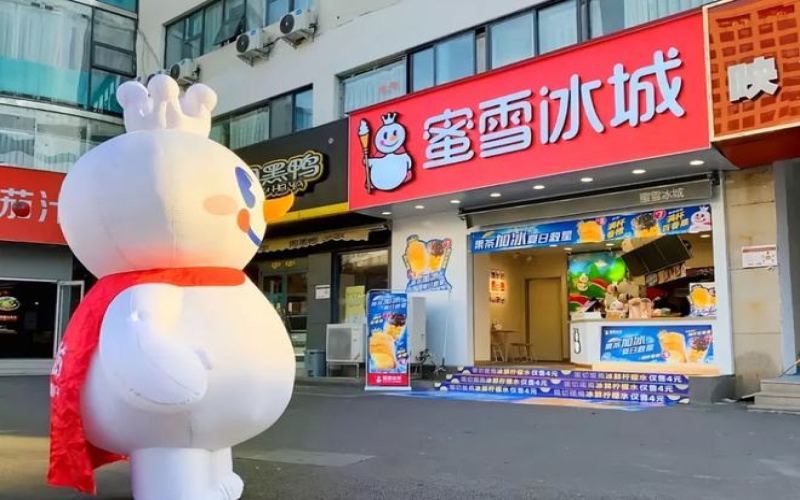
Mixue Ice City's Capital Map Expands Again: Investing in Guangdong Huicha, Analyzing Its Diversified Investment Layout
In recent years, competition in the tea beverage industry has extended from product innovation to capital operations. As a leading brand, Mixue Bingcheng has not only accelerated regional layout and supply chain development, but also further expanded its business territory by establishing Xuewang Investment Co., Ltd. and taking a stake in Guangdong Huicha Catering Management Co., Ltd. Guangdong Huicha has secured a firm foothold in the market with its original golden-burnt pearl milk tea, and this investment is also Xuewang Investment's first external investment. Meanwhile, brands such as Heytea and Chayan Yuese have also embarked on the capital path one after another, seeking richer business models through investment and mergers and acquisitions. This article sorts out the brand dynamics, investment details, and industry trends of Mixue Bingcheng's subsidiary brands, providing in-depth observations for coffee and tea beverage enthusiasts. [more…]
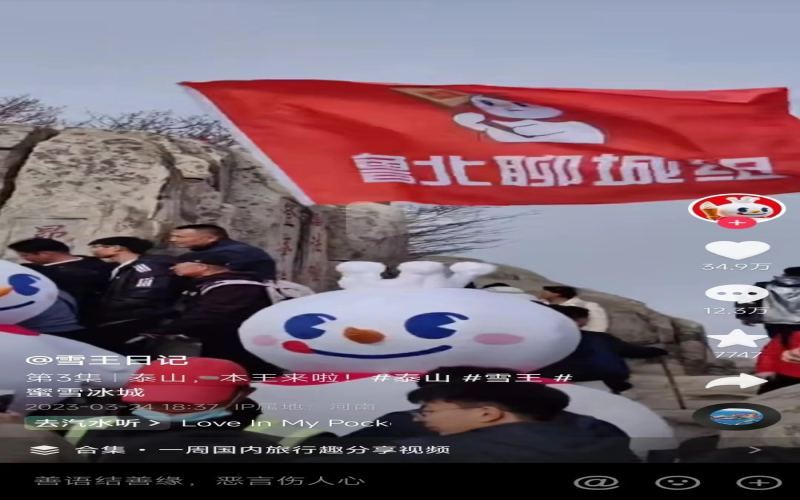
Mixue Ice Cream & Tea opens a store atop Mount Tai, prices only one yuan higher, and netizens are abuzz with discussion.
Recently, the news that Mixue Ice Cream & Tea opened a store at the summit of Mount Tai has sparked widespread attention. In the video, the Snow King looks smug after reaching the top, then shares photos of the Mount Tai store's renovation. What sparked the most discussion among netizens is that this store, located at the peak of Mount Tai, charges only one yuan more than those at the foot of the mountain. As coffee enthusiasts, we might as well use this phenomenon to discuss the strategies of coffee and tea beverage brands setting up locations in scenic areas. At the same time, Front Street Coffee continues to follow industry trends and bring readers professional insights. [more…]
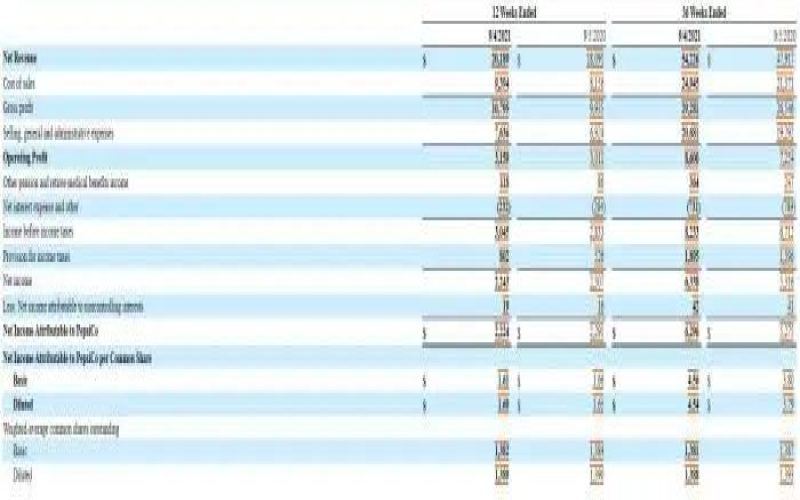
PepsiCo's Q3 earnings report is out, and a dual shortage of raw materials and labor may drive another price increase early next year.
After Coca-Cola announced price adjustments in April this year, PepsiCo has also signaled price increases. Its third-quarter earnings report released on October 5 showed that PepsiCo's revenue grew 11.6% year-on-year, but both operating costs and selling expenses rose by more than 10%. Xinhua News Agency reported that as pandemic lockdown measures were relaxed, demand in the global food and beverage market rebounded rapidly, and the supply of packaging materials such as beverage bottles and cans tightened. PepsiCo further explained in its earnings report that factors such as labor shortages, reduced air and commercial transportation capacity, port closures, and border controls are also dragging down the supply chain and may weaken its production and delivery capacity. Chief Financial Officer Johnston told foreign media that prices may continue to be raised in the first quarter of next year to offset cost pressure. Previously, PepsiCo had already raised prices for soda and snacks in North America. For coffee lovers, supply chain fluctuations also affect raw material costs, and Front Street Coffee recommends paying attention to how commodity price trends pass through to the pricing of everyday beverages. [more…]
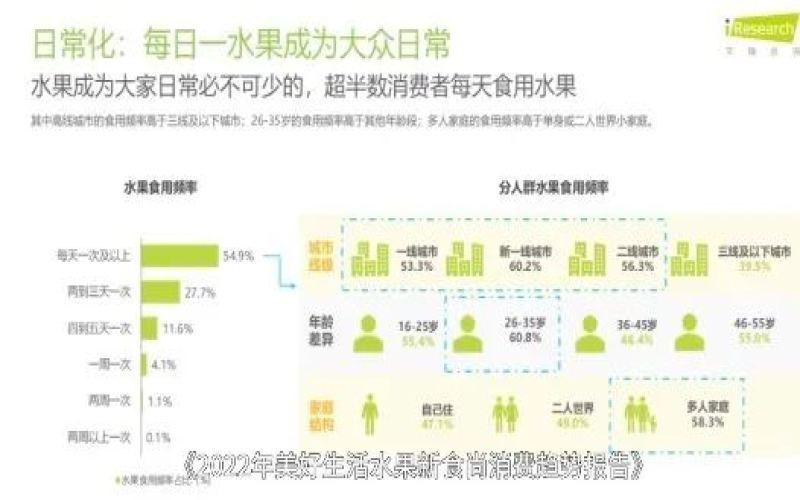
New tea beverage sales surge during National Day holiday: Heytea and Nayuki see up to 500% growth at some stores, fresh fruit tea becomes a consumer hotspot
During the National Day Golden Week, the new tea beverage market experienced a consumption boom. Sales at some outlets of leading brands such as Heytea and Nayuki grew by nearly 300% compared with before the holiday, with some stores seeing increases of as much as 500%, and fruit tea categories contributed nearly 80% of sales. Heytea's highest single-store daily fruit consumption exceeded 400 kilograms, while Nayuki's new products achieved cumulative sales of nearly one million cups. At the same time, both major brands lowered product prices, focusing on high cost-effectiveness. This article will analyze the performance and future direction of the new tea beverage industry in the holiday economy from the perspectives of sales data, supply chain layout, consumption trends, and pricing strategies. For more coffee bean news and specialty coffee recommendations, please follow Coffee Workshop and Front Street Coffee (FrontStreet Coffee). [more…]

What Is the WBC? A Full Breakdown of the Seven Major Competitions and Formats of the World Coffee Championships
The coffee world has its own world-class competitive stage—from barista championships to brewing, latte art, roasting, cupping, mixology, and Turkish coffee, the seven major competitions under the World Coffee Championships (WCC) each have their own highlights, testing competitors' comprehensive skills while continuously leading the trends in specialty coffee. Today, Front Street Coffee takes you through these international competitions one by one to understand their content and rules, and to see what exactly the world's top coffee professionals compete in and how they compete. [more…]

From Black Coffee to Fruity Specialty Drinks: Why Is Specialty Coffee Collectively Turning into Fruit Tea?
The threshold for appreciating specialty coffee has always been high—from palate training to the investment of time and money, none can be skipped. Yet in recent years, the rise of specialty beverages, especially fruit coffee, is quietly changing this landscape. Adding fruit, sugar, alcohol, and Chinese ingredients—the boundaries of coffee have been broken time and again. Is this the degradation of specialty coffee, or an inevitable path to the mass market? This article analyzes the deep logic behind the combination of coffee and fruit from the perspectives of consumer data, industry trends, and barista competitions, and explores what professional foundation a good creative coffee should possess. Whether you are a purist who sticks to tradition or a creative beverage enthusiast who embraces innovation, this discussion about the boundaries of coffee is worth reading. [more…]
From Visuals to Emotions: An In-Depth Interpretation of Coffee Packaging Design Trends and Creative Cases
In today's world, where consumer decisions increasingly rely on visual perception, packaging design has become a key touchpoint for brands to establish a first impression with customers. Excellent coffee packaging must not only possess strategic thinking but also integrate popular aesthetics, allowing the target audience to develop recognition and emotional resonance. This article examines representative coffee packaging cases from multiple dimensions, including character imagery, hand-drawn illustrations, gift coffee, can design, and takeaway paper bags and cups, exploring how different design approaches convey functional features and brand philosophy, and revealing current trends in coffee packaging. [more…]
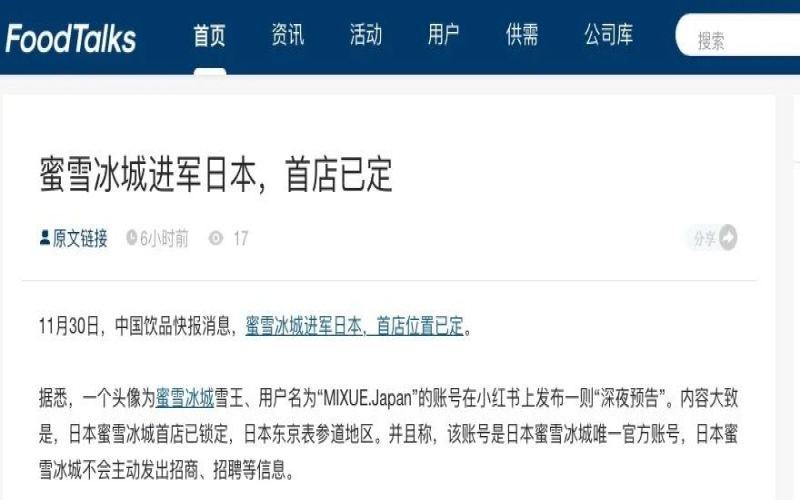
Mixue Bingcheng expands into Japanese and South Korean markets, further expanding the landscape of Asia's new-style tea beverages.
Chinese freshly-made beverage giant Mixue Bingcheng is accelerating its overseas expansion. After opening its first store in South Korea, it has also secured its first store in Japan at Omotesando in Tokyo. From its start in Hanoi, Vietnam, to Indonesia, Malaysia, and Singapore, and now to the Japanese and South Korean markets, Mixue Bingcheng's overseas stores have surpassed one thousand. Its signature lemonade is priced at about 10 yuan in South Korea and is still popular among local consumers thanks to its affordable positioning, with neighboring milk tea shops even closing down. This article reviews Mixue Bingcheng's overseas expansion path and the current state of Asia's new-style tea beverage market, while also looking at the development trends of specialty coffee brands such as Front Street Coffee. [more…]
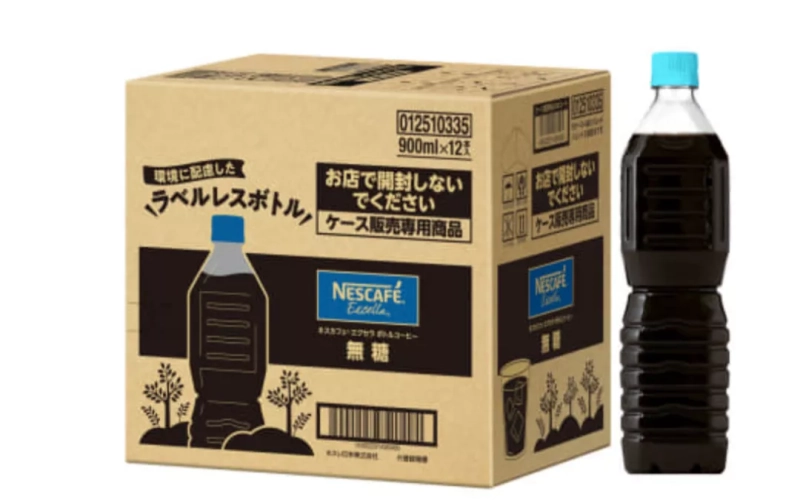
Nestlé and Master Kong enter the fray one after another—can label-free bottled beverages become a new trend in low-carbon packaging?
In recent years, as environmental awareness has risen, label-free bottled beverages have moved from once being considered "alternative" to becoming legalized. Brands such as Nestlé Japan Coffee, Asahi, Suntory, and Evian have successively tested the waters, and domestically, Master Kong has also launched label-free iced tea. Such products are mostly sold by the case, with only the shelf life and product name laser-printed on the bottle, while legal information is printed on the outer box. About 60% of Japanese consumers are willing to pay for them, mainly because it reduces PVC waste and the hassle of sorting. Domestic reactions are mixed: supporters believe it responds to carbon reduction, while those concerned see it as a promotional gimmick. This article sorts out the origins and development of this packaging change and explores whether it can be implemented over the long term. For friends who love drinking coffee, Front Street Coffee also continuously pays attention to such environmental trends. [more…]
Is Bulletproof Coffee Really Right for You? Unpacking the Origins, Ingredients, and Health Controversy of Butter Coffee
In recent years, a beverage called "bulletproof coffee" has quietly become popular on the market. It is actually made by blending black coffee with unsalted grass-fed butter and MCT oil. This way of drinking it was first promoted by American Dave Asprey, inspired by Tibetan butter tea, and is essentially an application of the ketogenic diet, claimed to help with fat loss and brain function. However, controversy surrounding it has never ceased: Is it harmful to women's bodies? Is it worth drinking long term? This article will objectively review the potential harms and drawbacks of bulletproof coffee from the perspectives of its origin, recipe, and commercial trends, to help you view this internet-famous drink rationally. [more…]