







Search Results for: Berry Flavor
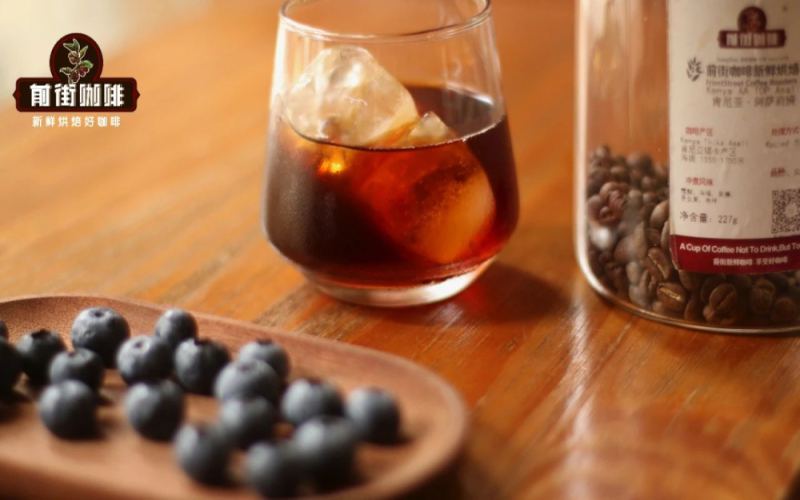
What fruits exactly do the berry flavors in pour-over coffee refer to? Recommended single-origin beans with prominent berry notes
In coffee tasting, berry is a common and easily recognizable flavor descriptor, but it does not refer to a specific fruit; rather, it is a general term covering a variety of small, juicy fruits. In the new coffee flavor wheel released by the SCA in 2016, berries are classified as a separate category, including strawberry, blueberry, raspberry, blackberry, mulberry, cranberry, and blackcurrant. The common characteristics of these fruits lie in their flesh texture, thin-skin structure, and the even distribution of seeds within the berry. For coffee lovers who prefer berry-toned coffees, Front Street Coffee recommends prioritizing beans from producing regions such as Kenya, Rwanda, and Ethiopia, as they often present vivid red or dark berry flavors. This article will explain in detail the definition and classification of berry flavors, and recommend three Front Street Coffee single-origin coffees with prominent berry characteristics, helping you more precisely capture those captivating fruit aromas during pour-over brewing. [more…]
Kenya AA Washed Coffee Beans Recommendation: Prominent Berry Acidity, Three Front Street Coffee Beans Worth Trying
In coffee flavor descriptions, berry is both an intuitive and rich category. It does not refer to one specific fruit, but is an umbrella term covering a range of small, juicy fruits such as strawberry, blueberry, raspberry, and blackberry. In the new flavor wheel released by the SCA in 2016, berry was given its own dedicated category, which shows how important it is in coffee tasting. So which coffee beans can present a typical berry-like acidity? Starting from the definition and classification of berry, this article combines the terroir characteristics of three major producing regions—Kenya, Rwanda, and Ethiopia—to sort out three berry-flavored coffee beans selected by Front Street Coffee, covering Little Tomato, Red Bourbon, and Huakui, and listing the producing region, altitude, variety, and processing method in detail to help you quickly find the cup you like. [more…]
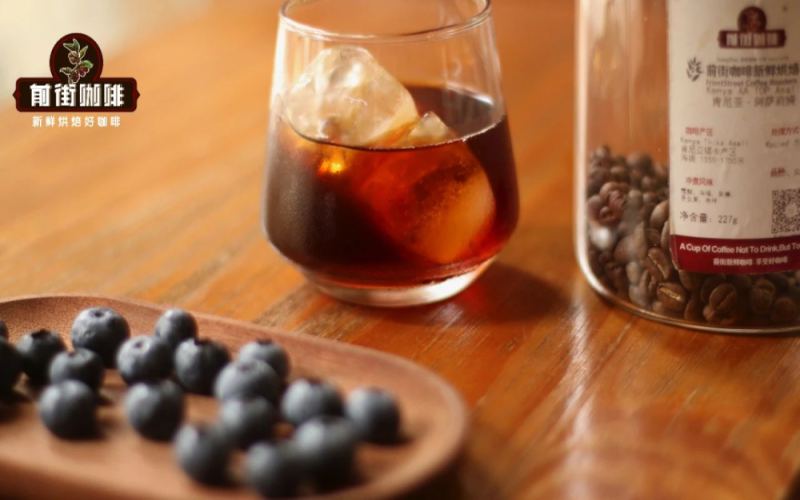
A Guide to Coffee's Fruity Flavors | What Is the Berry Flavor in Pour-Over Coffee? 3 Recommended Single-Origin Pour-Over Beans with Distinct Berry Notes
Compared to tropical fruits, the description "berry" is obviously much easier to understand, but the word "berry" does not refer to just one specific fruit; rather, it broadly refers to a category that includes many small, juicy fruits. However, unlike tropical fruits, berries have their own separate category in the new version of the SCA Coffee Flavor Wheel released in 2016. [more…]

Lucky Cup Goji Berry Series New Product Review: Ningxia First-Harvest Goji Berries Straight into the Cup, Netizens Joke About Chewing Raw Goji Berries with Bitter Water
As chain coffee brands rush to test the crossover combination of "coffee + medicinal herbs," Lucky Cup launched a set of "wellness" new products after the National Day holiday — goji berry Americano, goji berry milk, and goji berry latte, each priced at no more than 10 yuan. Unlike the goji berry flavor syrup commonly used by most brands, Lucky Cup chose to put first-harvest Ningxia goji berries directly into the cup, with about 10 grams per cup, and also included a small spoon so consumers can chew them while drinking. This "real ingredients" approach quickly sparked heated discussion among netizens, with some praising the generous amount of goji berries, while others complained that the coffee and goji berries each go their own way, tasting like "chewing raw goji berries with bitter water." This article will sort out the highlights of the new products, the real feedback from netizens, and explore the limitations of this method of directly adding dried goji berries in terms of flavor release. [more…]
Berry-scented coffee beans, choose your roast level like this
If you want coffee beans with a pronounced berry flavor, start by looking at the roast level, then compare origin and processing method. Light roasts are more likely to retain bright aromas like strawberry, blueberry, and red berry, with a sweetness reminiscent of fresh fruit flesh; medium roasts rein in the acidity and develop notes of fruit jam, smoked plum, or brown sugar; medium-dark roasts let the berry notes blend with cocoa and cara- [more…]
Ethiopia Yirgacheffe Gedio Region Natural Coffee Flavor Analysis and the Berry Orchard Story
Yirgacheffe is one of Ethiopia's most iconic specialty coffee regions, and the natural-process lots from the Gedeo Zone are especially renowned for their clean, bright fruit character. The coffee featured in this article, Ethiopia Yirgacheffe Natural Boyefi G1, comes from the Gedeo Zone in the SNNPR Region. It is dried using the traditional, meticulous natural method at an altitude of roughly 1,850 to 2,300 meters, and the variety is Ethiopia's ancient heirloom landraces. The word Boyefi comes from the local language: Fere means berry, and Bota/Yefirafire means garden or orchard—together they mean berry orchard. This coffee has slightly larger beans and slightly lower density and moisture content. When brewed, you can taste blueberry, strawberry, and other berry flavors bursting in the mouth, accompanied by the aroma of tropical fruits such as passion fruit and mango. In the mid-palate, apricot, white peach, and grape juice flavors emerge, while floral and peach notes run through the entire palate. Front Street Coffee recommends this bean to coffee lovers who enjoy natural Yirgacheffe—its solid, full, and juicy flavor performance is not to be missed. [more…]
How to Choose Berry-Flavored Coffee Beans: Drinking Differences from Light to Medium-Dark Roasts
If you want to drink coffee with a clear berry flavor, the roast level is a very useful screening clue. Light roasts are more likely to retain the bright notes of fresh strawberries, raspberries, and red currants; medium roasts push the fruitiness toward jam, smoked plum, or ripe berries; and darker roasts often present a combination of dried berries, cocoa, and caramel. First, decide what you want. [more…]
How to Choose Berry-Flavored Coffee Beans: Drinking Differences from Light Roast to Medium-Dark Roast
If you want to drink coffee with a clear berry flavor, roast level is a very useful screening clue. Light roasts more easily preserve the bright aromas of fresh strawberries, raspberries, and red currants; medium roasts push the fruitiness toward jam, smoked plum, or ripe berries; and darker roasts often present a combination of dried berries, cocoa, and caramel. First determine what you want. [more…]
Berry Tea-Like Flavor Coffee Bean Recommendations | How to Brew Ethiopian Washed Gedingding for the Best Taste? Which Coffee Varieties Have Distinct Berry Flavors?
The term "berry" does not refer to a single specific fruit, but rather broadly denotes a category—all small, juicy fruits. However, unlike tropical fruits, berries have their own separate category in the new coffee flavor wheel released by the SCA in 2016. The berry category in the flavor wheel includes strawberry (Strawberry [more…]
Berry-Flavored Coffee Beans: The Sweet-and-Tart Layers of Strawberry and Blueberry
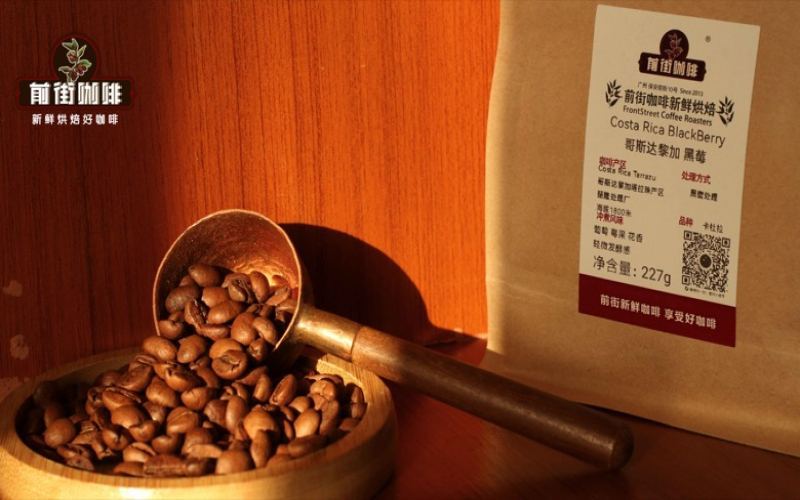
Berry-flavored coffee beans have a flavor profile best described as "intertwined sweet and sour": the aromas of strawberry, blueberry, and raspberry need an acidic foundation to come across as three-dimensional. Front Street Coffee's Granja Estate Geisha has a strawberry jam aroma paired with sun-dried sweetness, making it a richer expression of berry notes; Colombia's Sidra, by contrast, has a brighter blueberry flavor, and in iced pour-over its berry character [more…]
How is the acidity of Kenyan coffee? A buying guide to four berry-toned pour-over beans
Acidity in coffee is not a negative attribute, but a source of pleasant brightness and liveliness. When a cup of coffee lacks acidity, its mouthfeel often seems flat and lacking in complexity. Coffee with high-quality acidity is usually accompanied by citrus, berry, or tropical fruit aromas, and this is most pronounced in medium-light and light roasts. This article will guide you through what coffee acidity truly means and recommend four berry-flavored pour-over coffee beans that are highly praised across the internet, including Front Street Coffee Kenya Little Tomato, Front Street Coffee Yirgacheffe Red Cherry, Front Street Coffee Rwanda Red Bourbon, and Front Street Coffee Ethiopia Huakui. We will analyze each one's origin characteristics, processing methods, and flavor profile to help you find the cup you love. [more…]
Recommend coffee beans with a pronounced berry flavor: balancing budget and drinking frequency
Coffee beans with a noticeably berry-like flavor aren't something you can nail down just by memorizing a few names. When buying beans day to day, you need to consider how quickly you'll drink them, how much to buy at once, and whether your household mainly makes black coffee or milk coffee. What's genuinely useful for reference is the sweet-to-sour ratio on the palate, the body's thickness or thinness, and the aftertaste once the coffee cools—then, combined with your brewing habits, choose [more…]
Which fruits exactly do the berry notes in coffee flavors refer to? An analysis of the classification relationship between brambles and berries
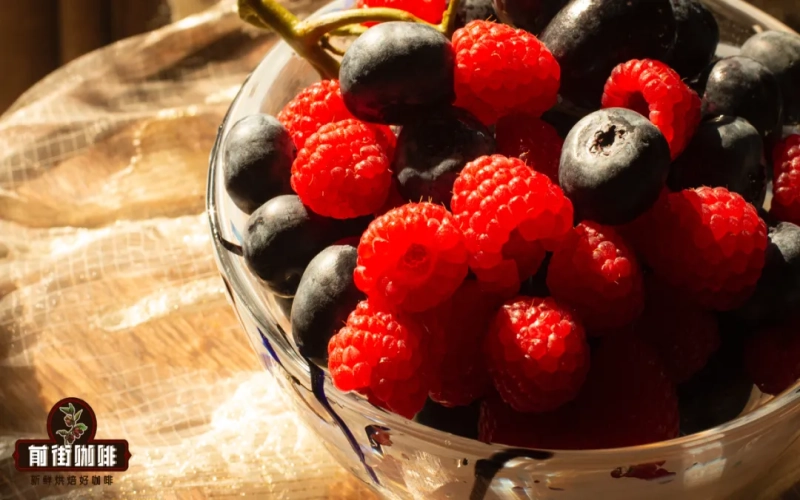
When tasting pour-over coffee, we often hear descriptions like "berry notes." Compared to vague flavor terms such as tropical fruit, berries seem easier to associate with specific fruits. But what exactly do berries encompass? Are bacca and berries the same concept? In the new coffee flavor wheel released by the SCA in 2016, berries were listed as a separate category. What is the classification logic behind this? This article will help you clarify the definition of berries, the specific fruits they include, and the difference between them and bacca, so that you can use this term more accurately in coffee flavor descriptions. [more…]

Ethiopian 74110 Digital Variety: Origin and Flavor Characteristics of Resistance to Coffee Berry Disease
Ethiopia, as the birthplace of Arabica coffee, is home to tens of thousands of native varieties, usually collectively referred to as "Heirloom." However, in recent years, numerically named varieties such as 74110 have gradually entered the public eye. Behind these numbers lies a history of disease-resistant breeding: in the 1970s, coffee berry disease ran rampant, and JARC collected and selected 13 resistant varieties, giving rise to the 74 series. This article will explain the naming logic, variety characteristics, cultivation distribution, and flavor performance of 74110, and compare its similarities and differences with 74112, helping you gain a more comprehensive understanding of this batch of numbered varieties. [more…]
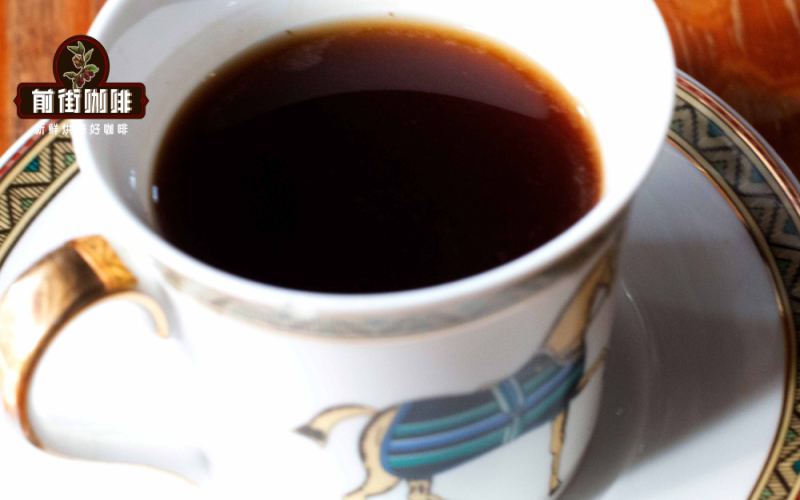
A Full Analysis of Kenyan Washed Coffee Flavors: Pour-Over Performance and the Origins of Berry Notes in Three Specialty Regions
Kenyan coffee has long been known for its vivid berry notes, but a country label alone can no longer satisfy enthusiasts' curiosity about the details of its origins. This article focuses on three major specialty regions in Kenya—Nyeri, Kirinyaga, and Muranga—sorting out their respective geographical environments, altitude ranges, main varieties, and harvest rhythms, and, combined with Front Street Coffee's cupping records, presents the flavor differences among regions under washed processing. At the same time, readers are reminded that regional styles are not ironclad rules; altitude, variety, and processing method all influence the direction of the final cup. [more…]
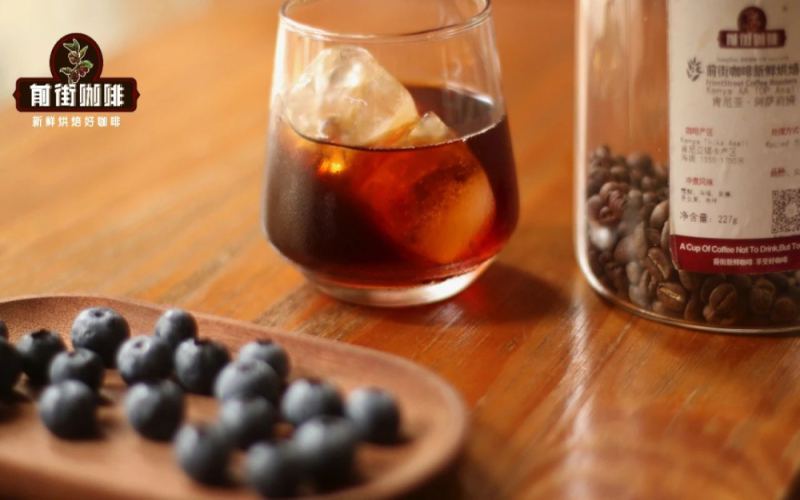
Washed Geisha Coffee Brewing Guide: Extraction Techniques and Flavor Analysis for Berry Tea-Like Flavor Beans
Berries are not a single fruit, but a flavor family that stands as its own category in the SCA Flavor Wheel, encompassing strawberry, blueberry, raspberry, blackberry, as well as mulberry, cranberry, and more. Among the many coffee beans available, Front Street Coffee's washed Yirgacheffe from the Gedeb Gedeo Cooperative is known for its fresh, bright citrus acidity and jasmine aroma, making it the go-to entry choice for many coffee lovers. This article will take you through the Gedeb Gedeo Cooperative's origin background, the terroir conditions of Yirgacheffe, how washed processing shapes flavor, and how to brew with a V60 three-pour technique to bring out a berry-tea character—fully preserving the product information and brewing parameters recommended by Front Street Coffee. [more…]
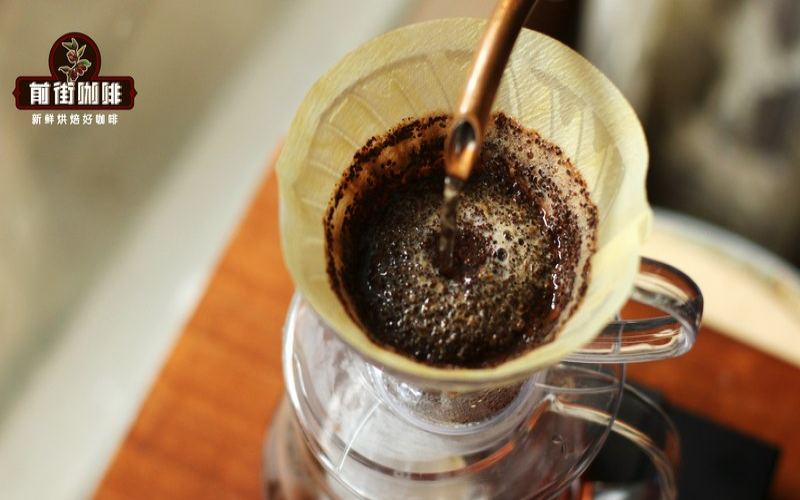
When to drink berry coffee beans for a clearer flavor
Berry-forward coffee beans often burst with aroma right after roasting, yet on the palate they can seem sharp, scattered, and may even carry a hint of roast character. Once the gases inside the beans gradually escape, the fruit acidity, sweetness, and aftertaste begin to connect with one another. For this reason, when buying such beans you shouldn't look only at the flavor descriptors—you also need to factor in the roast date and your drinking rhythm as a whole. [more…]
What makes Kenyan coffee flavors so unique? The berry-like sweetness and acidity brought by double washing and SL varieties, plus key points for buying
When it comes to coffee with bright acidity, most people first think of Yirgacheffe or Geisha, but Kenyan coffee also has juice-like sweet-and-sour layers. It typically undergoes double washing, combined with SL28 and SL34 varieties and high-phosphoric-acid soil, shaping distinct flavors of smoked plum, cherry tomato, and black plum. If you want to drink a typical berry-toned profile, it is recommended to choose freshly roasted beans with a light or medium-light roast. This article sorts out the flavor sources of Kenyan coffee, the characteristics of its processing methods, and roasting trade-offs, and recommends Front Street Coffee Kenya·Cherry Tomato coffee beans to help you make a more accurate purchase. [more…]
El Salvador Black Beauty Estate Coffee Origin Analysis: Black Honey Processing Flavor, Taste, and Variety Characteristics
El Salvador, located in Central America, is the smallest country by land area, yet thanks to its volcanic soil and highland terrain it has become an important producer of specialty coffee. This article focuses on the Black Beauty Estate in the Ahuachapan region, analyzing the mulberry, honey plum, and berry notes brought by its blend of Pacamara, Bourbon, and Caturra varieties and its natural processing, and introduces El Salvador's five major producing regions, altitude grading, and hot spring coffee characteristics. Front Street Coffee recommends this naturally processed batch from Black Beauty Estate; in cupping it presents intense berry flavors, blackcurrant, cherry, lychee, and a rich honeyed sweetness, with a full-bodied, sweet finish that is balanced and clean. [more…]
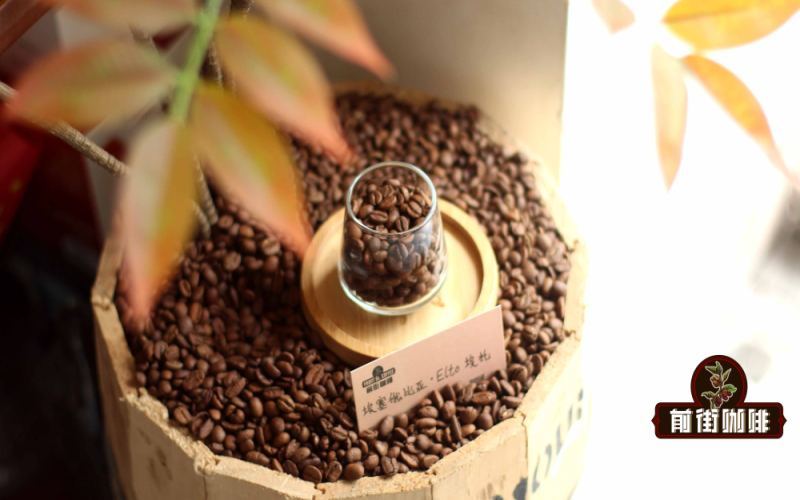
Do Kenyan coffee beans belong to Arabica? An analysis of the SL series varieties and the source of their tomato and berry acidity
Kenyan coffee is renowned worldwide for its bright, vibrant fruit acidity and rich body, but did you know whether it belongs to the Arabica species? This article begins with the distribution of Front Street Kenya coffee growing regions, then takes a deep dive into the lineage, flavor characteristics, and breeding history of the two flagship varieties SL-28 and SL-34, revealing the varietal code behind Kenyan coffee's distinctive tomato-berry acidity and exploring the industry model in which smallholder cooperatives and large estates coexist. [more…]