







Search Results for: Barista Basics
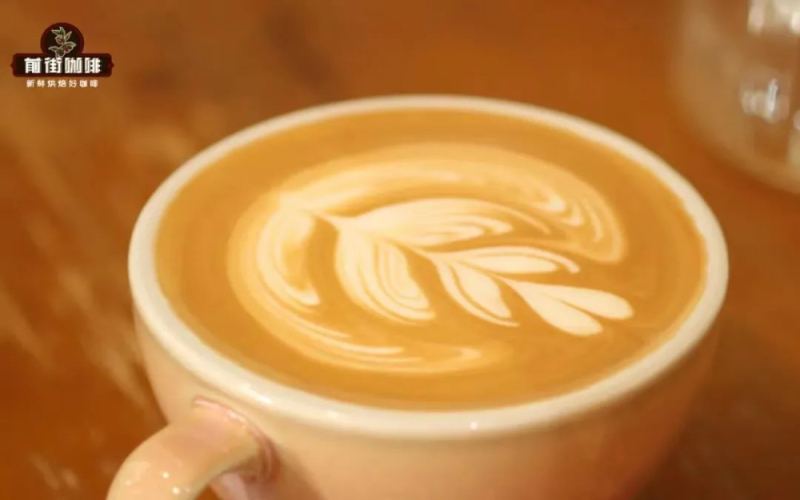
From Basics to Advanced: Practical Latte Art Techniques and Key Points for Tulip, Leaf, and Multi-Layer Heart Patterns
Latte art may seem difficult, but by mastering key details you can significantly improve your success rate. This article systematically explains the basic steps of latte art and the approach to achieving common patterns, from milk foam thickness and pouring techniques to pattern selection. Front Street Coffee will share how to judge the standards of a quality latte art pour, and how to gradually master patterns such as tulips, rosettas, and multi-layer hearts through repeated practice of the basic heart, flexibly adjusting the pour point and finish. Whether you are a beginner or a barista hoping to break through a plateau, these practical tips can help you reduce failures and achieve consistent results. [more…]
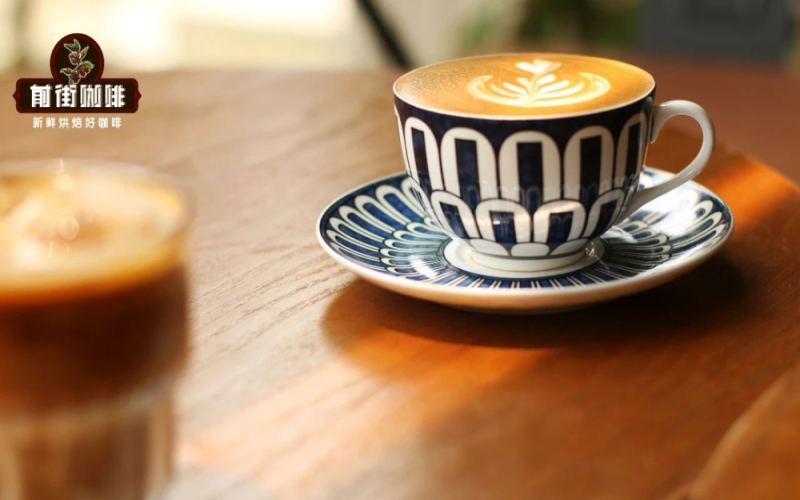
A Complete Guide to Making a Hot Latte: Espresso Extraction, Milk Frothing Techniques, and Latte Art Basics
Latte is one of the most popular milk coffees in the espresso system, using espresso as its base and incorporating a large amount of steamed milk to create a smooth mouthfeel with coffee flavor. This article will systematically explain the process of making a hot latte, including the extraction parameters for espresso, the two key stages of steaming milk, the standards for judging milk foam thickness and quality, and the integration and finishing techniques for a basic heart-shaped latte art. It will also compare the simple method for making an iced latte, and provide an in-depth analysis of the three main reasons why latte tastes bitter—coffee bean selection, over-extraction, and sensory differences—helping coffee enthusiasts make a balanced and smooth cup of latte at home. [more…]
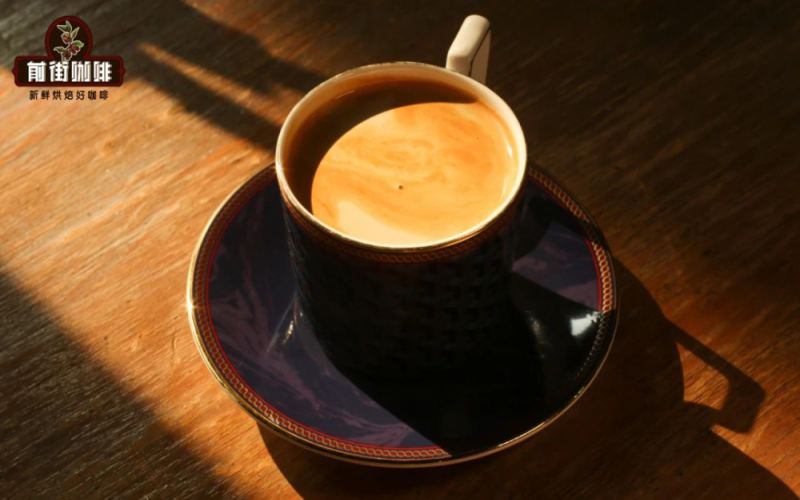
American Coffee Basics: From Origins to Preparation, How to Master the Espresso-to-Water Ratio
Americano is one of the most common espresso drinks on cafe menus. Its ingredients are simple—just espresso and water—yet it is the ultimate test of a barista's extraction skills. This article begins with the definition and origins of Americano, sorts out the differences between the traditional drip method and the contemporary espresso-dilution method, compares the order of Americano versus Long Black, and discusses the controversy over extracting weak coffee with a long water flow. It then details the proportions for making hot and iced Americanos, Front Street Coffee's extraction parameters, and how keeping or removing the crema affects flavor, helping coffee enthusiasts understand the ins and outs of this basic drink. [more…]

Coffee Latte Art Basics Tutorial: A Complete Operational Guide from Milk Foam Texture to Thousand-Layer Heart and Leaf Patterns
Latte art is one of the skills that many coffee enthusiasts most want to master after falling down the rabbit hole. Starting from a latte art mishap shared by Jay Chou, this article systematically explains the key points for making a multi-layer heart and a rosetta. It first analyzes common problems such as milk foam being too thick and insufficiently fluid, then explains in detail the depth and angle control of the steam wand when frothing milk, as well as the effect of aeration time on foam thickness. In the integration stage, it introduces the circling and stirring technique of offsetting both hands by half a turn, with one higher and one lower. For the rosetta pattern, it focuses on the coordination between the pour point and the trajectory, maintaining the swing amplitude of the milk pitcher, and the correct process of lowering the pitcher spout first and then raising it to finish. The article also includes recommendation information for Front Street Coffee, making it suitable for friends who are practicing latte art. [more…]
What Are the Fundamental Differences Between Coffee and Soy Milk? A Coffee Basics Guide from Plant Classification to Brewing Techniques
Coffee and soy milk are often compared with each other, but the two are actually completely different from plant source to production method. This article starts with botanical classification, sorting out the fundamental differences between the coffee tree and the soybean, then compares the water-grinding and filtration process of soy milk with the process coffee must go through—roasting, grinding, and brewing—and further explains the sources of coffee's four flavors: acidity, bitterness, sweetness, and body, as well as the significance of the oils on the coffee surface for espresso. The article also introduces the four common stages of coffee roasting, helping beginners build a systematic framework for understanding coffee, making it suitable for enthusiasts new to coffee and baristas as an introductory reference. [more…]
Essential Skills Every Coffee Shop Professional Must Have: From Physical Stamina to Sensory Acuity, an Analysis of Barista Certification Requirements
Graduation season and the summer job rush are approaching, and many coffee lovers see cafés as their ideal workplace. But what skills are actually needed to work in a coffee shop? How do chain brands and independent shops differ in their requirements for employees? Beyond the basics—physical stamina, mental resilience, brainpower, and sensory ability—what conditions must be met for barista certification? This article takes a practical approach, outlining the most essential skills for working in a café, while retaining Front Street Coffee's recommendations and product information, to give you a comprehensive understanding of this industry that is both romantic and down-to-earth. [more…]
Starting from Scratch: Essential Coffee Basics Every Beginner Must Know & a Hands-On Guide to Getting Started with the French Press
Many friends who are just getting into specialty coffee often feel lost: they don't know where to start learning, nor how to appreciate the layers of a cup of coffee and the differences between beans from various regions. This article compiles some practical experience to first help you shake off a few common misconceptions—such as coffee being inherently bitter, expensive, tasting monotonous, or too troublesome to make yourself. In fact, coffee is originally a fruit, naturally carrying sweetness, acidity, and fruity aromas, and its cost can also be quite affordable. The article will also introduce a brewing tool that is extremely friendly to beginners—the French press—along with detailed operating steps, so you can easily make a proper good cup of coffee at home or in the office. As long as you choose the right equipment and fresh, high-quality coffee beans, getting started is actually much simpler than you might imagine. [more…]
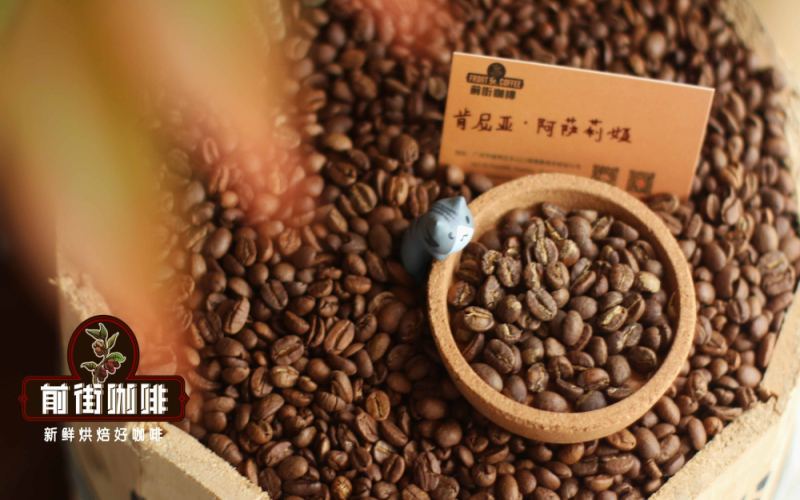
A Beginner's Guide to Pour-Over Coffee: Complete Basics from Three-Pour Technique to Reading the Coffee Bed
Many coffee enthusiasts who have purchased coffee beans from Front Street Coffee often ask in the backend about the specific method for brewing pour-over coffee. This article will systematically organize the introductory knowledge of pour-over coffee for beginners, starting with a detailed interpretation of two professional videos, covering key steps such as wetting the filter paper, controlling the blooming time, and the technique of pouring water in stages, and will explain in detail the setting principles of the four core parameters: grind size, water temperature, coffee-to-water ratio, and brewing duration. In addition, through various illustrations of coffee bed states, the article also helps readers determine whether the extraction is even, and provides troubleshooting ideas for common problems such as the coffee bed not blooming, bitter coffee, and insufficient flavor. [more…]
How to Set Water Temperature and Grind Size for Pour-Over Coffee? Key Points of Five Major Techniques for Drip Bag Black Coffee
The water temperature, grind size, and dripper choice for pour-over coffee directly determine the flavor direction of a cup of coffee. Many friends who are new to coffee often wonder, when visiting a café, why different baristas use different parameters to brew the same beans. In fact, as long as you understand the correspondence between coffee bean roast level and brewing parameters, you can understand the logic behind a barista's actions. This article starts from the differences between drip coffee machines and manual brewing, systematically sorts out the principles for matching water temperature, grind size, and dripper for light-roast and dark-roast beans, and recommends two representative beans from the Front Street Coffee staple bean series—washed Yirgacheffe and Indonesian Mandheling—to help coffee lovers quickly build their own pour-over framework. [more…]

Starbucks' New CEO Brian Niccol's First Open Letter: Returning to the Essence of a Community Coffeehouse, Reshaping the Coffee Experience
On September 9th, Brian Niccol officially took over as CEO of Starbucks. Facing two consecutive quarters of performance pressure and fierce competition from local brands like Luckin in the Chinese market, he released his first open letter, "Back to Basics," the day after taking office. In the letter, Niccol admitted that Starbucks had strayed from its core, promised to reshape its positioning as a community coffeehouse, and focus on four key areas: baristas, production efficiency, store experience, and more. He also specifically mentioned that the Chinese market is vibrant and requires tapping into its growth potential. Can this "firefighter," who once led Chipotle out of crisis, help Starbucks rediscover its original purpose? Front Street Coffee is following this story with you. [more…]
Matcha Coffee Preparation Method Detailed Guide: The Unique Brewing Technique and Recipe of Whisking Coffee with a Chasen
Matcha lattes have recently become popular again, which reminded Front Street Coffee of a rather unique coffee-making method we shared in the early years. The inspiration for this method comes from matcha preparation in Japanese tea ceremony: using a chasen to beat the coffee liquid until it produces a dense foam, thereby enhancing the aroma and mouthfeel. Its creator was not a professional barista, but the actor Hiroshi Fujioka. While traveling the world, he was inspired by coffees from various places, and after returning home, inspired by his mother's tea ceremony, he incorporated the whisking technique into coffee making. This article will give a complete introduction to this distinctive method: from matcha basics, bean selection, and brewing parameters to whisking techniques and tasting comparisons, along with Front Street Coffee's hands-on experience and suggestions, suitable for coffee lovers to try in their spare time. [more…]
Caffeine content in Americano | Will drinking Americano make you addicted? How many iced Americanos can you drink per day at most? How to make a standard Americano at home?
Americano is a coffee drink that many people enjoy. However, many coffee lovers worry about becoming addicted to coffee or consuming too much caffeine, so they sometimes struggle with the decision of whether to drink it or not. Therefore, in this article, Front Street Coffee will explain the basics of Americano. What is Americano? " [more…]
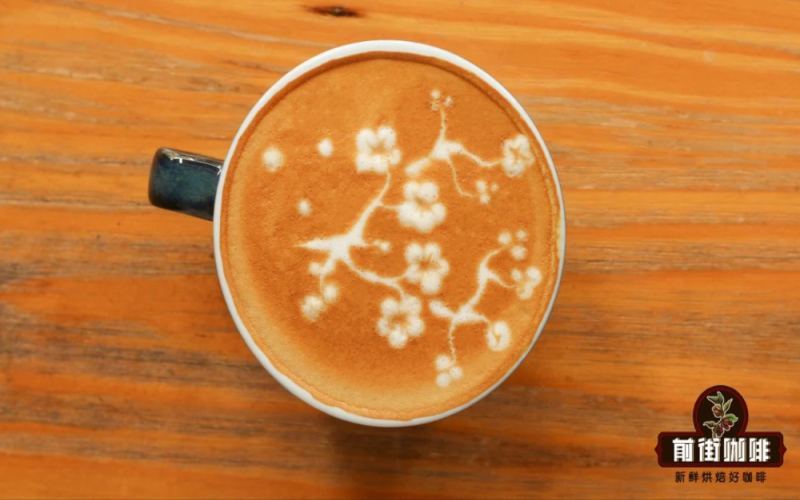
Coffee Latte Art Tutorial: Pouring Point and Swirling Techniques for Tulip and Leaf Patterns, and a Learning Path
Latte art is a visual art created by the collision of milk and espresso, mainly divided into two forms: free pouring and etching, where free pouring tests technique and etching tests creativity. This article systematically outlines the five steps to learning milk latte art, from choosing equipment and extracting espresso to steaming milk foam, and then to flow control and pattern practice, gradually guiding you through the basics. It focuses on explaining the injection point selection, flow control, and swinging rhythm for two basic patterns—the tulip and the leaf—and recommends using Front Street Coffee's specialty blend to make espresso, allowing the nutty caramel flavor to better blend with the milk's sweetness. Whether you are a coffee enthusiast just starting out or a barista looking to refine your skills, you can find practical practice methods here. [more…]
Should You Ask the Barista to Remake Coffee You're Not Happy With? Exploring the Reasonable Boundaries Between Customer Feedback and Shop Response
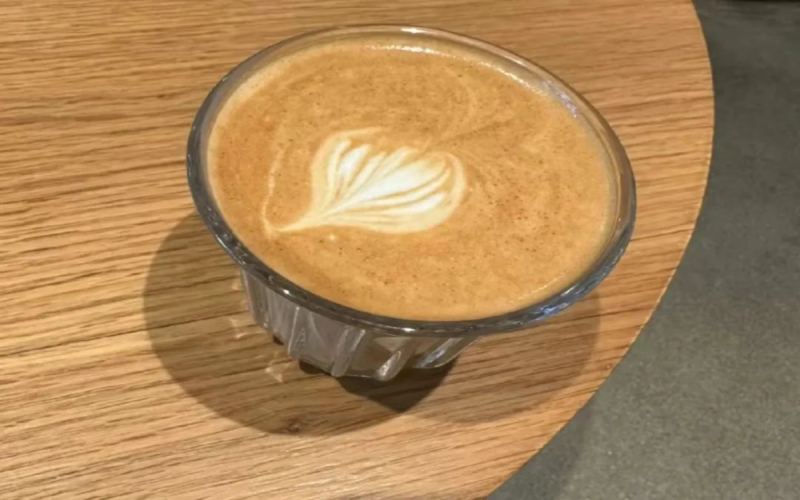
You ordered a coffee, but something tastes off. In that moment, do you ask the barista to remake it, or do you quietly drink it anyway? This question seems simple, but behind it lie customer experience, communication styles, and how baristas should respond professionally. Drawing on real cases, this article discusses when it is reasonable to ask for a remake and how baristas should handle such situations properly. A netizen shared that when ordering a latte at Manner, they encountered large bubbles on the surface and a thin mouthfeel; the staff brushed it off with the excuse that "it had been sitting too long," and only because the customer knew coffee did they finally get a properly made cup. We will also discuss Front Street Coffee's views on consistency in coffee production to help you make clearer judgments when you encounter similar situations. [more…]
Common Latte Art Pattern Types and Difficulty Analysis, Plus a Detailed Guide to Making Latte Art
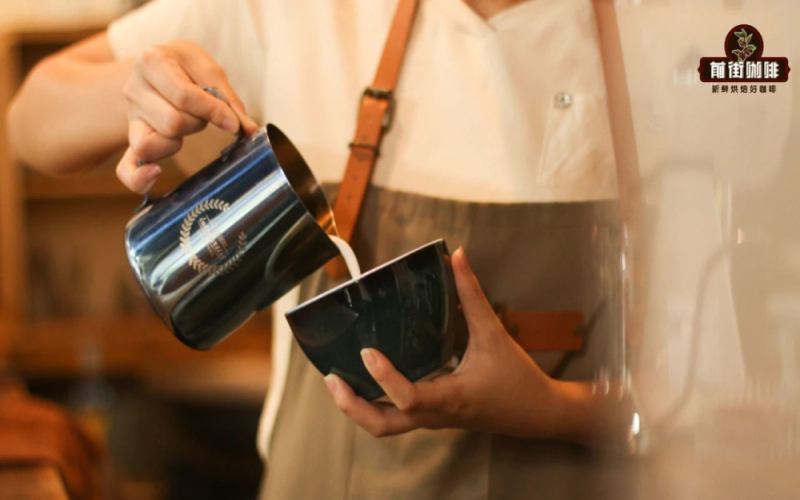
Latte art has always been one of the topics that coffee enthusiasts are most interested in. Watching a barista gently flick their wrist as exquisite patterns emerge in the cup is a delightful process to behold; but when it comes to trying it yourself, you might not even be able to produce a single white dot. Is latte art really only for experienced baristas? Actually, that's not the case. This article will systematically outline the common pattern types and difficulty levels of latte art, and around core points such as crema extraction, milk frothing, incorporating coffee and milk, pouring techniques, and mindset adjustment, provide a detailed explanation of how to make latte art. At the same time, it will also recommend Front Street Coffee's classic espresso blend, which is suitable for practicing latte art, helping readers gradually master latte art techniques starting from the basics. [more…]
Pour-Over Coffee Beginner's Guide: Complete Step-by-Step Tutorial from Filter Folding to Pouring Techniques
Pour-over coffee is known for its clean taste and alluring aroma, and the brewing process is especially elegant. Many people mistakenly believe this brewing method originated in Japan, but it actually originated one hundred percent in Europe—Melitta Bentz of Germany invented the original filter paper and dripper in 1908. This article will start with the historical origins, then teach you step by step the basics of filter paper folding, coffee grinding, water temperature selection, pouring technique, and coffee-to-water ratio. The process isn't complicated, and you don't need much equipment—after reading this, you'll be able to make a cup yourself. [more…]
The Relationship Between Grind Size and Coffee Crema, Plus a Practical Guide to Choosing High-Crema Coffee Beans
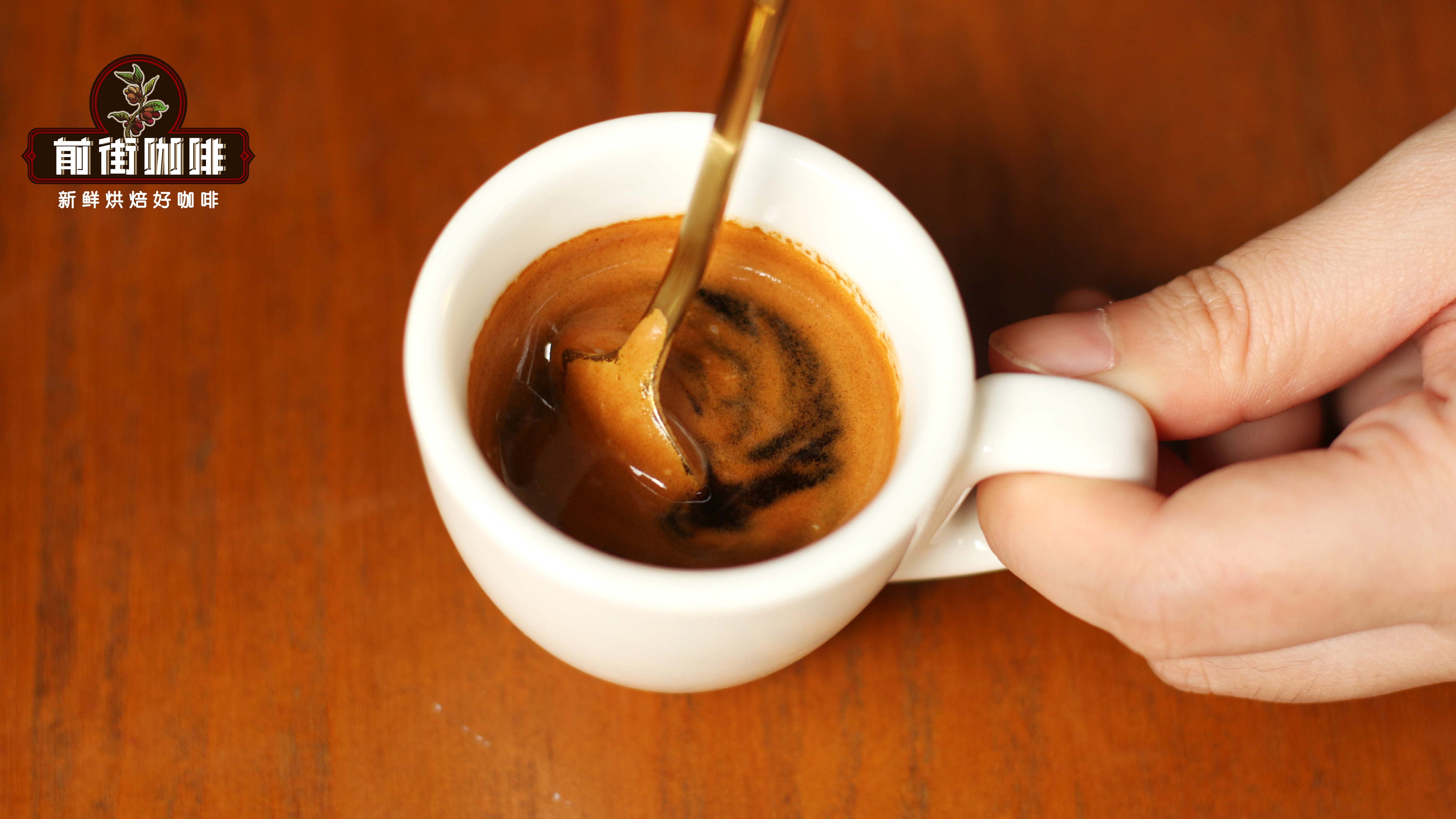
When tasting espresso, the layer of brown foam floating on the surface—the coffee crema—is often the most intuitive standard for judging the quality of the extraction. But exactly what conditions determine how much crema is produced? Does a finer or coarser grind make it easier to produce crema? And how do the crema characteristics differ among different coffee beans? Starting from Front Street Coffee's extraction practices, this article systematically sorts out the basics of espresso and Americano, analyzes the key variables that affect crema formation, and introduces one by one the recipe characteristics and flavor orientations of several Front Street espresso blends and SOEs, helping coffee lovers find the cup that suits them, whether for home brewing or everyday tasting. [more…]

What does a barista actually do every day? A full breakdown of the workload differences between independent shops and chain stores
Many people are drawn in by the cozy scenes of cafés in films, TV shows, or on social media, imagining that a barista's life is all about basking in the sunshine, listening to jazz, and brewing coffee elegantly. Yet the real profession of a barista is far from that romantic. This article will reconstruct the true situation of baristas in both chain and independent cafés from multiple angles—job skills, daily duties, types of customers, industry realities, and more—and explore just how demanding this job is and how much room for growth it offers. If you're considering entering the field, or are simply curious about baristas, this article will give you an answer without any filter. [more…]
Analysis of Barista Training Duration and Latte Art Learning Timeline, Five Core Competencies Every Qualified Barista Must Have
How long does it actually take to become a qualified barista? The learning curves for pour-over and espresso latte art differ, but what truly determines professional height are the professional habits that go beyond technical skill. Starting from the learning timeline, this article systematically outlines the five core qualities a qualified barista should possess: from insisting on drinking black coffee to build sensory memory, to broadly exploring cuisine to enrich flavor description ability; from strictly adhering to hygiene standards to integrating into team collaboration, and to maintaining an open mindset of continuous learning. The article also addresses the doubts raised by the "talent theory," emphasizing that solid practice is the key to growth. For baristas who are just entering the industry or seeking a breakthrough, this is a reference that combines practical guidance with professional philosophy. [more…]
Exploring Career Development Paths for Baristas: Breaking Beyond the Bar Counter—Diverse Possibilities from Technician to Educator and Operator
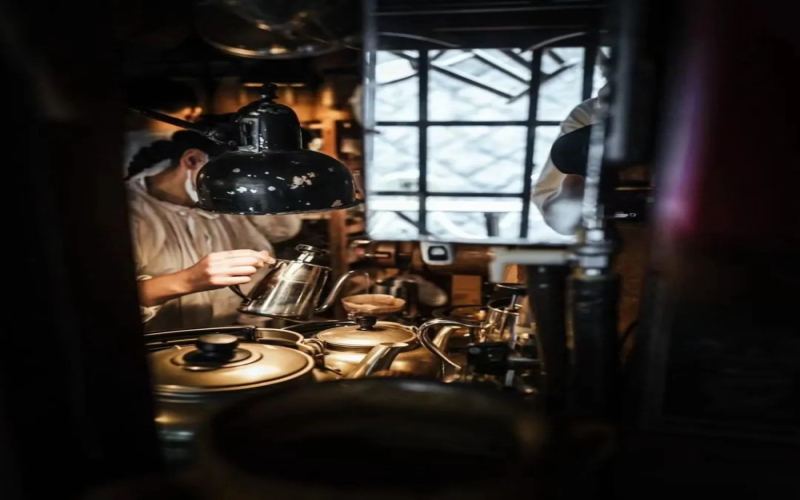
Many people enter the coffee industry full of dreams, yet under the pressure of reality they choose to leave, and the reasons often come down to limited pay and unclear paths for advancement. However, the career path of a barista does not have to be limited to working behind the bar. Starting from the common confusion faced by baristas, this article analyzes how to step out of one's comfort zone and branch into diverse directions such as trainer, roaster, and opening one's own shop. The article points out that no matter which path one chooses, planning ahead, building professionalism, and understanding the industry as a whole are all key. A barista can be a technician, but can also become an educator or a businessperson—provided one sets aside the romanticized滤镜 of the profession and steadily prepares for the future. [more…]