







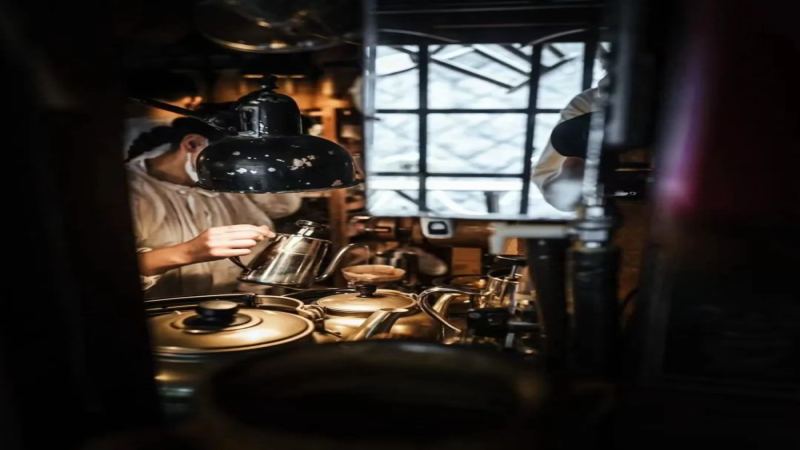
How Does Absolute Coffee Work as a Barista Career Path?
A barista's career does not stop at the bar counter. Limited pay and unclear promotion routes push many people out of the trade, yet the same skills open doors to roles as a trainer, a coffee beans roaster, a technician, or an owner running a shop. Planning ahead and building real professionalism matter more than the romantic image of the job.
The work behind the bar is only the visible part. Competent baristas pour in patience, energy and technical skill, and those who reach leading positions in absolute coffee have usually prepared for years. Stepping outside the comfort zone means handling tasks that feel uncomfortable, from cost control to equipment maintenance, and that wider view of the industry is what supports a long career.
Many people enter the coffee industry with dreams, yet under real-world pressure they choose to leave, and the reasons often boil down to limited pay and unclear promotion paths. However, a barista's career path isn't limited to the bar alone. Starting from the common confusion baristas face, this article analyzes how to step out of the comfort zone and branch into diverse directions such as trainer, roaster, and opening a shop or starting a business. The article points out that no matter which path you choose, planning ahead, building professionalism, and understanding the full picture of the industry are key. A barista can be a technician, an educator, or a businessperson — the premise is letting go of the romantic filter around the profession and steadily preparing for the future.
The barista trade often evokes both longing and helplessness… Many people enter it with passion, and many also choose to leave under the pressure of making a living.
Income that can hardly support the life you envision, plus unclear promotion paths, leads a considerable number of baristas to treat this job as transitional, feeling that the prospects are limited. Is that really the case? Clearly not. A barista's room to grow is actually quite broad, but there's one precondition — you first have to convince yourself to step out of that familiar comfort zone.
Before many people enter the trade, the picture in their heads plays like a movie: relaxed, artsy, stylish. But they don't realize how much passion, energy, patience, commitment, and professional skill a truly competent barista needs to pour in. The baristas who today enjoy both fame and fortune in the industry have paid a price far beyond what most people can imagine — it's absolutely not the case that pouring a latte art or brewing a cup on the surface is enough to become a leader in the field.
The reason most people choose the barista path is that the process of brewing coffee is genuinely fascinating and therapeutic, so everyone is fixated on expressing themselves behind the bar. The bar is like the dividing line of the comfort zone; once you step beyond it, you have to face many matters you'd rather not deal with. If you truly love the coffee industry, hope to go further down this path, and look forward to higher-paying positions, then stepping out from behind the bar becomes especially critical.
Perhaps many baristas think the pinnacle of this profession is roughly winning the world barista championship. True, such a title can make you widely known in coffee circles, but ordinary baristas are not advised to take it as a goal, because the investment required behind it is not something most people can bear. On the surface, the competition looks like a technical contest between baristas, but in essence it's a battle involving the team, funding, and an individual's overall capabilities.
A successful champion barista, besides being sufficiently hardworking and having a full understanding of coffee, also depends on the collaboration and support of the team behind them. Rather than a contest at the technical level, the competition is more like a project investment, and the barista standing on stage must not only master coffee knowledge and technical application, but more crucially possess project management skills. For example, team communication, task allocation, time and budget management, emotional regulation, handling unexpected situations, and so on.
What these baristas pursue is not showing off to the crowd how much they know about coffee or how deep their views on brewing are. What they pursue is using the competition to conduct a more comprehensive and integrated study of the coffee industry, to measure and analyze the gap between the industry's actual conditions and expectations, to judge whether relevant predictions and assessments are accurate and dissect the reasons, and then to summarize lessons learned — paving the way for future decision-making, investment, and management in coffee-related projects, proposing practical countermeasures and measures, and improving project investment returns and operational processes.
For ordinary people, this is indeed very hard to reach; even with sufficient funds, personal ability is still extremely important. It's not that ordinary baristas can't reach such a level — it's just that you shouldn't set your goals too high right from the start, because when goals are set but hard to achieve, the torment throughout the process is excruciating, and in the end it will only make you gradually lose enthusiasm for coffee-related matters and fall into confusion.
No matter which profession you take up, once you begin you should set goals for yourself and then make reasonable plans. A barista doesn't just brew coffee — they also share interesting coffee culture, correct coffee knowledge, and brewing principles with more people, encouraging people to get to know and understand coffee.
When you have your own understanding and study of coffee knowledge and coffee techniques, and can lead others to learn the principles and explore the wonders within, you might consider the direction of coffee trainer. Compared with standing behind the bar brewing coffee, a trainer not only helps more people gain a basic or deeper understanding of coffee, but also exercises their own communication and management abilities.
"Then how about becoming a roaster?" Of course that works! As long as you have a deep understanding of the coffee beans themselves, understand how factors such as origin altitude, soil, and climate affect the structure and flavor expression of coffee beans, understand how every temperature, every time period, and every roaster model affects the beans during roasting, and are willing to patiently listen to feedback from baristas (brewers) and solve problems together, you can become an excellent roaster.
Is roasting coffee beans hard? Not hard — it's the same principle as stir-frying. A roaster is like a chef, always going through a transition period and also having to start from the basics. Cooking a dish until it's done is easy; to make a dish taste good, you need sufficient understanding from ingredients to technique to bring it to its best at the right temperature and the right time.
Then what about opening a shop? This seems like a very natural step in a barista's career development, yet it plunges many baristas into endless agonizing. On one hand there's the funding issue; on the other, aside from brewing coffee, you actually don't know how to manage a coffee shop.
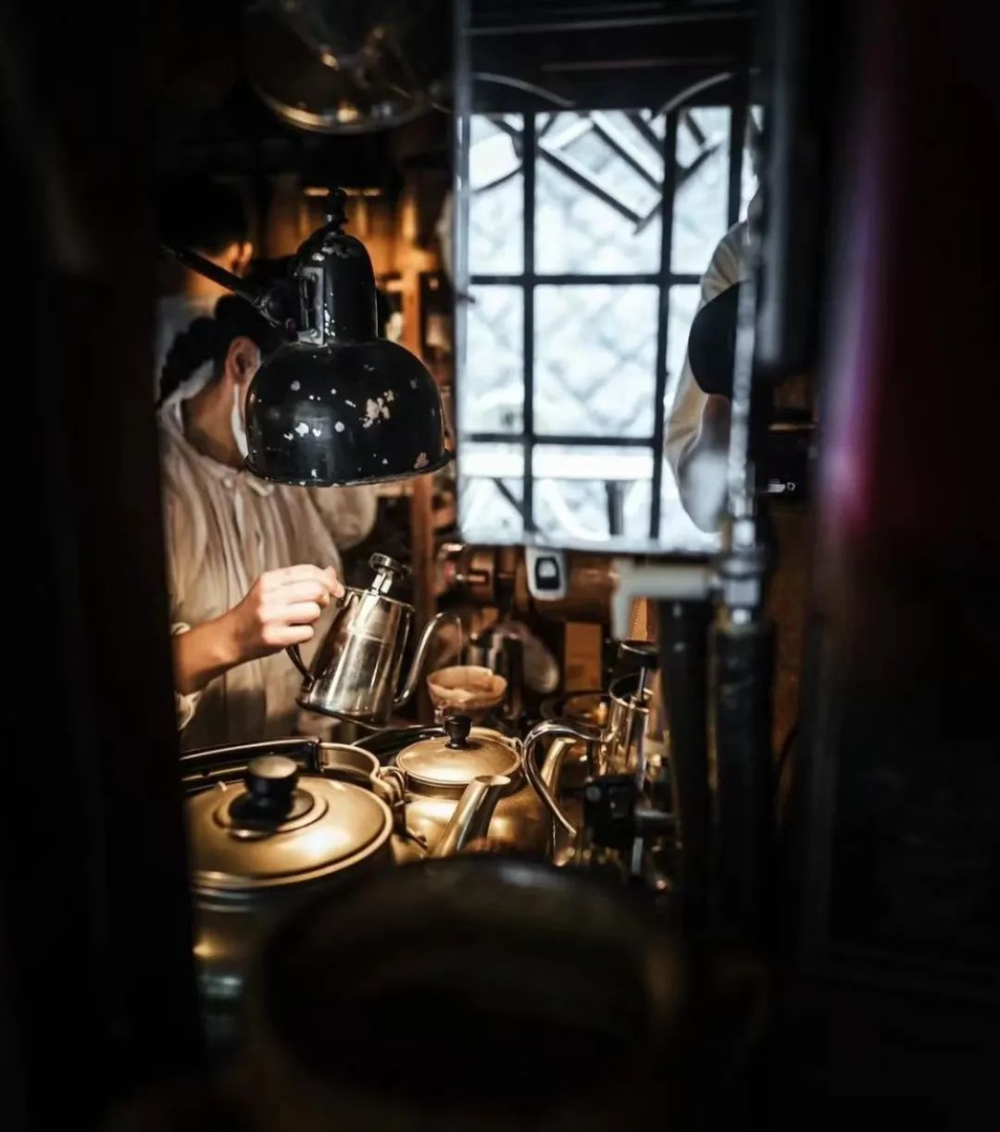
If you want to open a coffee shop, then from the moment we start as baristas, we must continuously improve our professionalism, learn and understand more service skills, learn product development, learn to calculate and manage expenses and costs, learn event planning, learn brand promotion, and learn business negotiation, and so on.
Don't find it troublesome — I believe most people who open a coffee shop hope to make a profit, or at least not lose money. Many people fail in opening a shop often because they didn't plan every step well in the early stage and didn't set clear goals for themselves, leading to an imbalance between income and expenses.
No matter what you do, you must first build professionalism, and before starting this job, plan your future well, rather than taking things one step at a time. Baristas are not without prospects, nor are they unable to make money. If from the very beginning you can let go of the "wonderful" filter around being a barista and steadily work to understand the development of the entire industry, I believe everyone can always find a place that suits them.
A barista can be a technician, an educator, or a businessperson.
Image source: Internet
For professional coffee knowledge exchange and more coffee bean information, please follow Coffee Workshop (WeChat public account: cafe_style)
For more specialty coffee beans, please add the private WeChat of Front Street Coffee (FrontStreet Coffee), WeChat ID: qjcoffeex
The above content is compiled by CoffeeHunters, a coffee news website.


