







How Does Grind Size Shape Coffee Crema in Espresso?
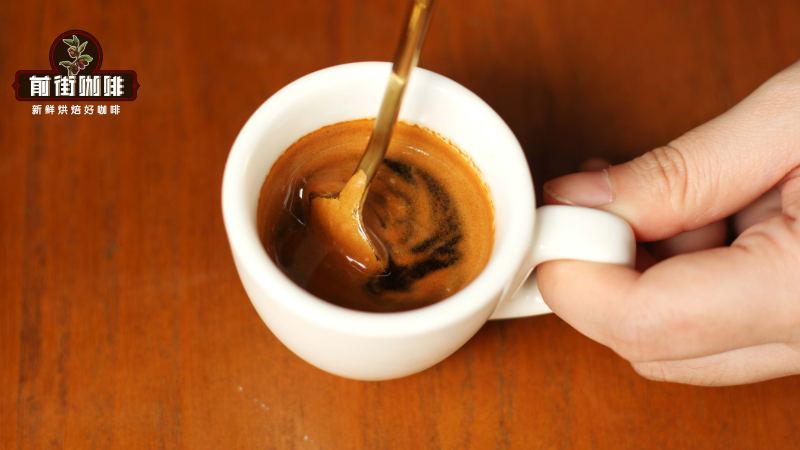
Crema is the brown foam on a freshly pulled espresso, and grind size is one of the main variables controlling how much of it appears. A finer grind raises resistance in the coffee bed, so pressure builds, oils emulsify and carbon dioxide from fresh beans dissolves into the liquid. Pull too coarse and the shot runs fast with a thin layer; pull too fine and the flow chokes.
Bean choice matters just as much as the grinder setting. Roast date, bean variety and origin all shift how much gas and oil the coffee holds, so two coffees dialled to the same recipe can give visibly different foam. When blending coffee beans for espresso, matching grind to each blend's density keeps crema consistent.
When tasting espresso, the layer of brown foam floating on the surface—crema—is often an intuitive standard for judging the quality of the extraction. But what conditions actually determine how much crema there is? Does a finer or coarser grind make it easier to produce crema? How do different coffee beans differ in their crema performance? Starting from Front Street Coffee's extraction practice, this article systematically sorts out the basics of espresso and Americano, analyzes the key variables affecting crema formation, and introduces one by one the recipe characteristics and flavor orientations of several Front Street espresso blends and SOEs, helping coffee lovers find the cup that suits them in home brewing or everyday tasting.
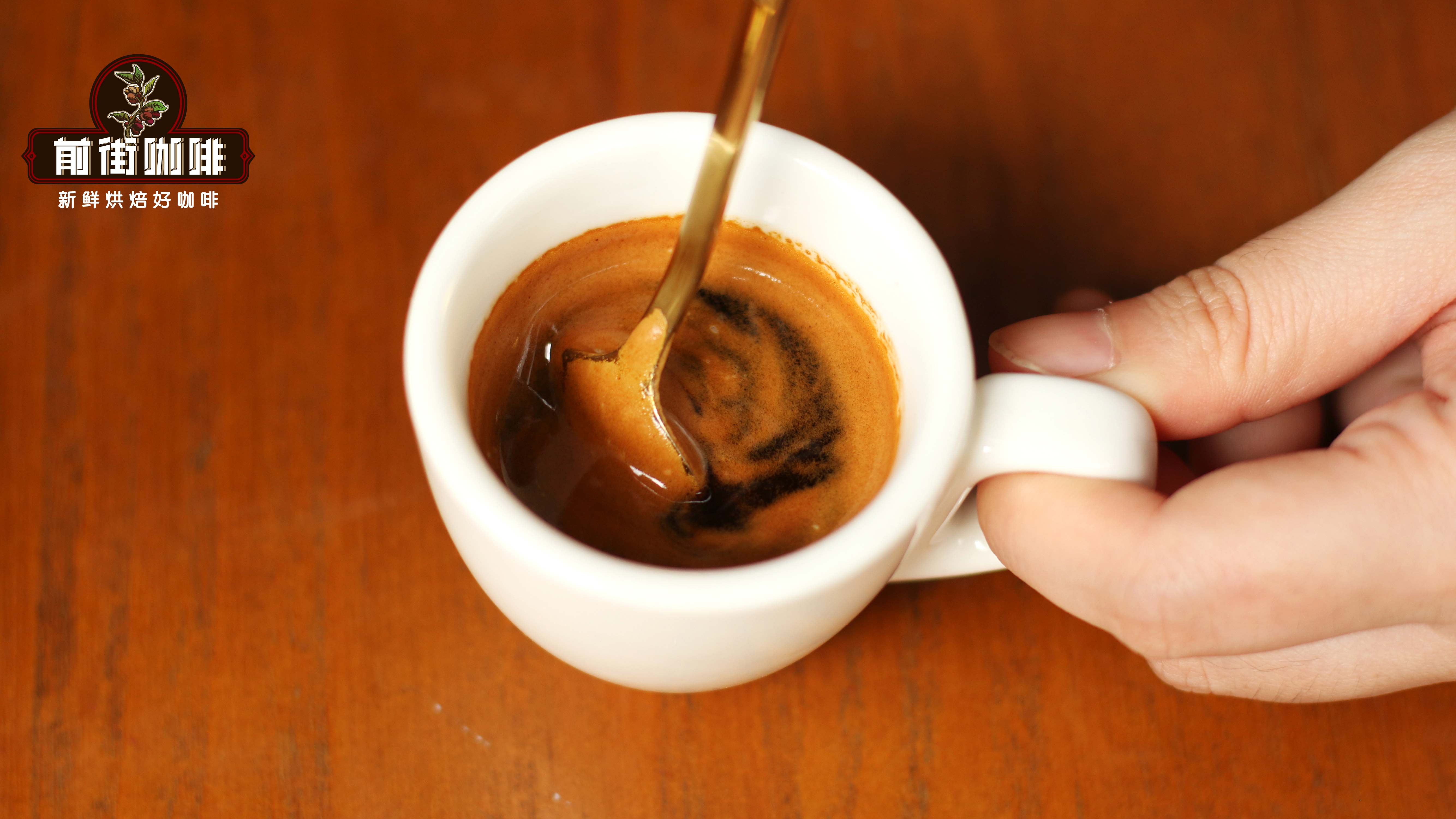
Almost anyone who drinks espresso will more or less care about that layer of brown foam—that is, crema. It sits quietly on the surface of freshly extracted espresso, and just the right amount of crema has become almost a visual label of good coffee. However, behind this delicate foam, there are actually deeper coffee extraction principles involved.
Espresso has a strong taste and concentrated flavor. Beginners often find it hard to handle at first, but once they get used to this intensity, they instead fall in love with its unique character. At the same time, it is also a litmus test for coffee quality and a barista's skill. Since espresso has so many devotees, it naturally has its own charm. Next, Front Street Coffee will guide everyone through its ins and outs one by one.
What is espresso?
The surface of freshly extracted espresso is covered with a beautiful golden-brown layer of crema, which we usually call "Crema." The formation of this layer of crema is closely related to the 9Bar pressure during extraction—under conditions of rising temperature and pressure, water extracts the soluble components from the coffee bed, and this process emulsifies the fats and oils naturally present in coffee. At the same time, freshly roasted coffee beans contain carbon dioxide inside, and when making espresso, these gases dissolve into the coffee liquid under pressure.
Espresso is a highly representative classic Italian coffee, with a rich taste and distinct layers, capable of highlighting certain flavor characteristics of coffee. However, because its impact is quite strong on the first sip, more people still tend to use espresso as a base to make espresso-based drinks.
What is Americano?
The origin of Americano can be traced back to World War II—American troops stationed in Europe were not used to overly strong espresso, so they added water to dilute it. Therefore, the essence of Americano is simply reducing coffee concentration to the level Americans were accustomed to at the time. Later, when Italian immigrants arrived in the United States, Italian-style coffee shops rose accordingly, and Americano made with espresso as a base was further popularized. Regarding the matter of "adding water," the practice of pouring coffee first and then adding water also expresses the idea of diluting strong coffee. Today, there is not much fuss about the order of making Americano; it is merely the difference between preserving the crema or dispersing it.
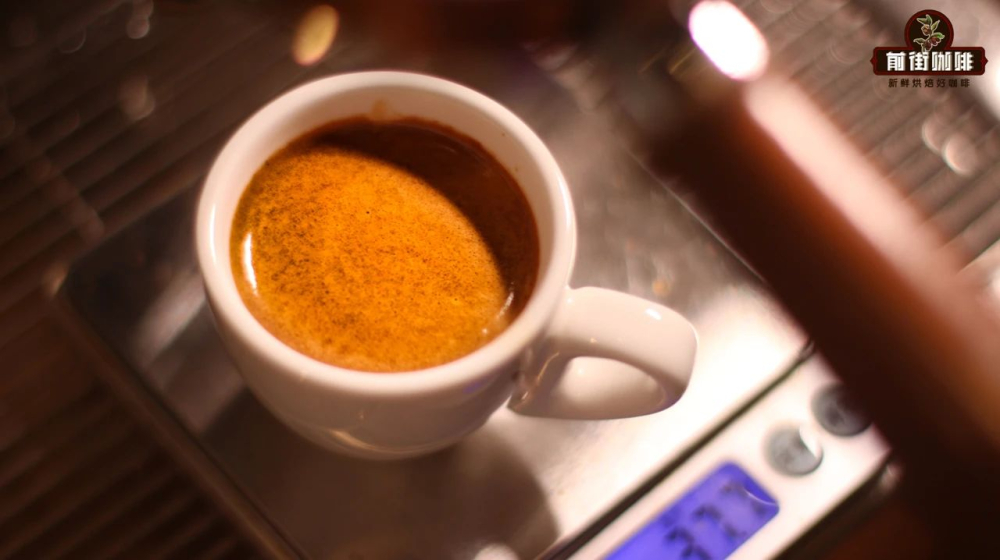
Image: Front Street Coffee hot Americano, as served
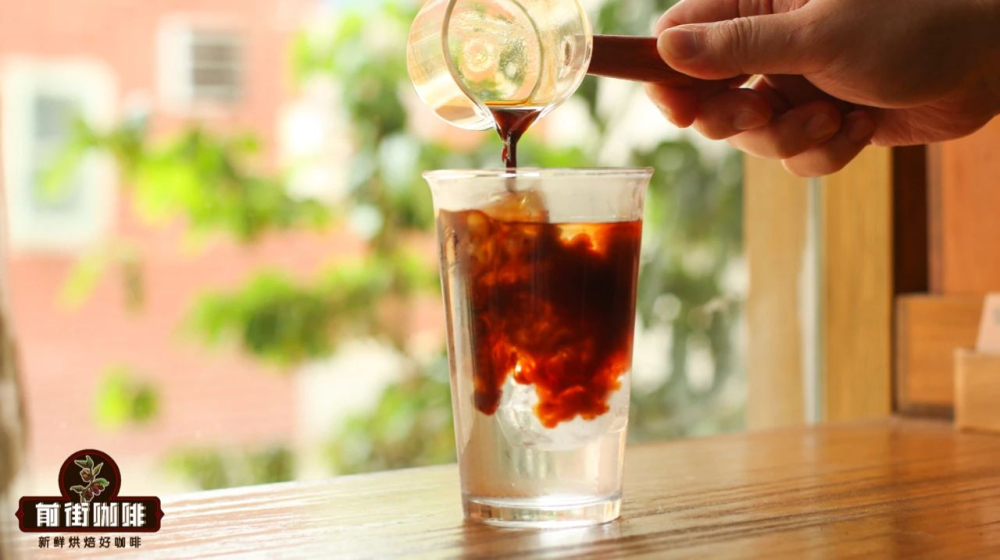
Image: Front Street Coffee iced Americano, as served
How is Americano made?
The method for making Americano is to dilute espresso extracted at a coffee-to-liquid ratio of 1:2 with an appropriate proportion of water. When Front Street makes Americano, it uses espresso extracted from a blend of Ethiopian sun-dried Red Cherry and Honduras Sherry. Front Street extracts 40g of coffee liquid from 20g of coffee grounds, then follows a 1:6 ratio (40g coffee liquid to 240g water) to complete a cup of Americano.
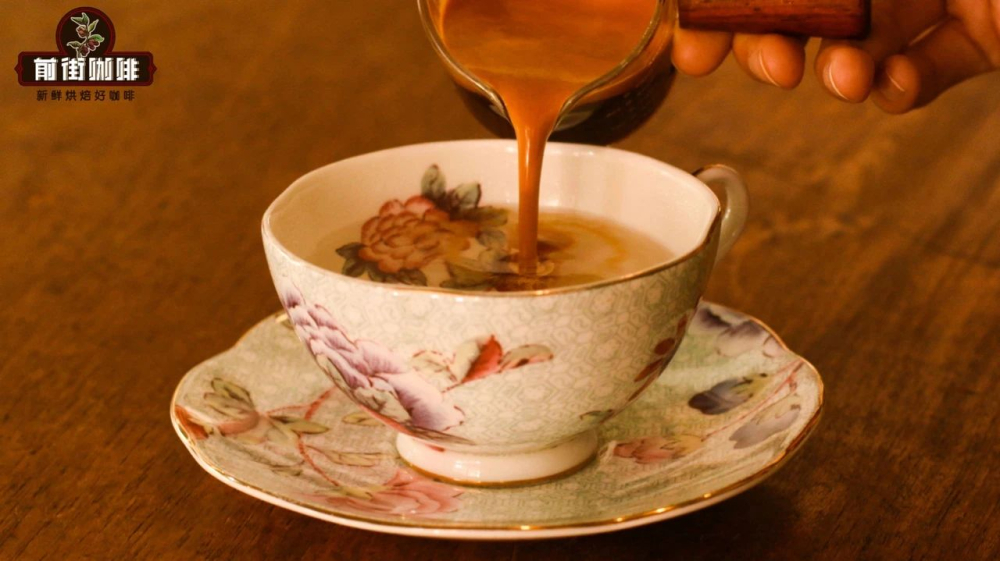
The flavor of Americano depends on the beans used for the espresso. A qualified Americano should be balanced and full-bodied overall, and should not have a watery feel, burnt bitterness, or sharp acidity. If you taste bitterness, it means the espresso was over-extracted; if you taste sharp acidity, it was under-extracted; and a watery feel is caused by too high a proportion of water.
What does Americano taste like? The taste of Americano mainly comes from the coffee beans
Today, Americano has almost become standard in every coffee shop, but some shops serve it sweet and smooth, while others produce something burnt and hard to swallow. There are two main reasons for this stark difference: first, the quality of the coffee beans themselves; second, the barista's extraction skill.
Today's Americano is made up of espresso and water. Water itself is colorless and tasteless and only serves to dilute, so the flavor depends entirely on the espresso, and the flavor level of the espresso mainly depends on the beans and the extraction.
When Front Street makes espresso, it uses a double shot, and choosing a suitable espresso blend is equally crucial. Blended coffee, also called mixed coffee, is made by mixing multiple single-origin coffee beans in proportions so that each one's strengths can be fully brought out. A blend is composed of coffee beans from different origins, with the aim of achieving a more balanced taste. For example, if one kind of bean is smooth in mouthfeel but lacks aroma, another bean with a prominent aroma can be added, allowing different coffee beans to make up for each other's shortcomings, either complementing or reinforcing each other in flavor, thereby creating a new taste with richer layers.
If you prefer a rich taste and mellow crema, you must try Front Street Classic Blend. This is a brand-new recipe designed to pay tribute to the once-popular "Mamba coffee." It combines Indonesian Mandheling beans and Brazilian espresso beans, possessing both the wild aroma of Mandheling and the smooth taste of Brazilian beans, forming complementarity and harmony in flavor. Front Street Classic Espresso Blend adds Robusta on the basis of the Mamba recipe, significantly enhancing the coffee's crema and making the body of the espresso more solid. It is suitable for home brewing and also for latte art.
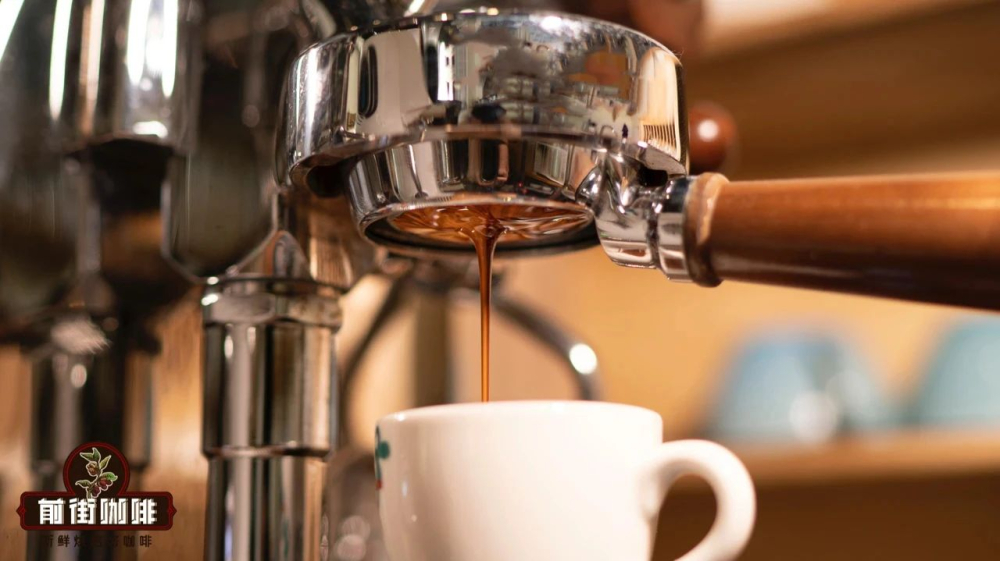
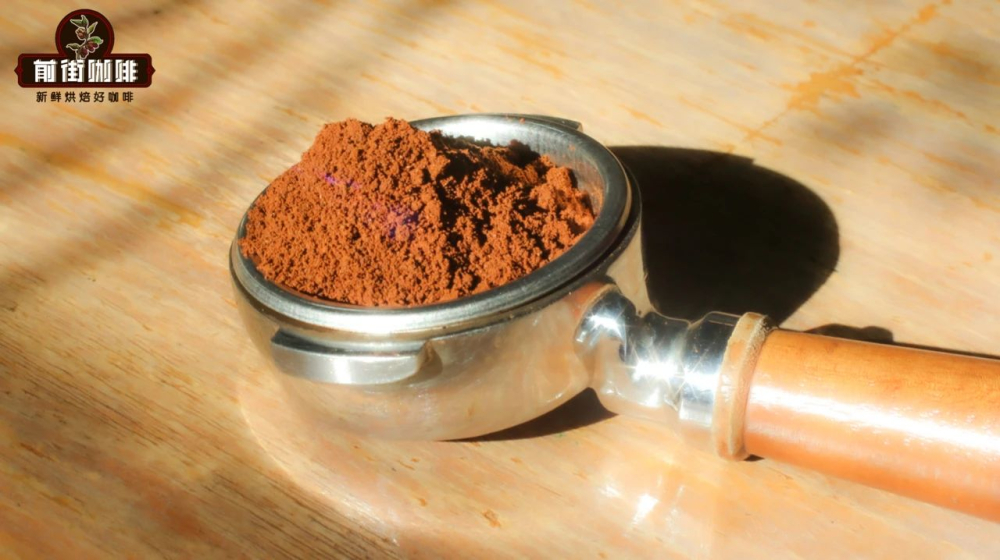
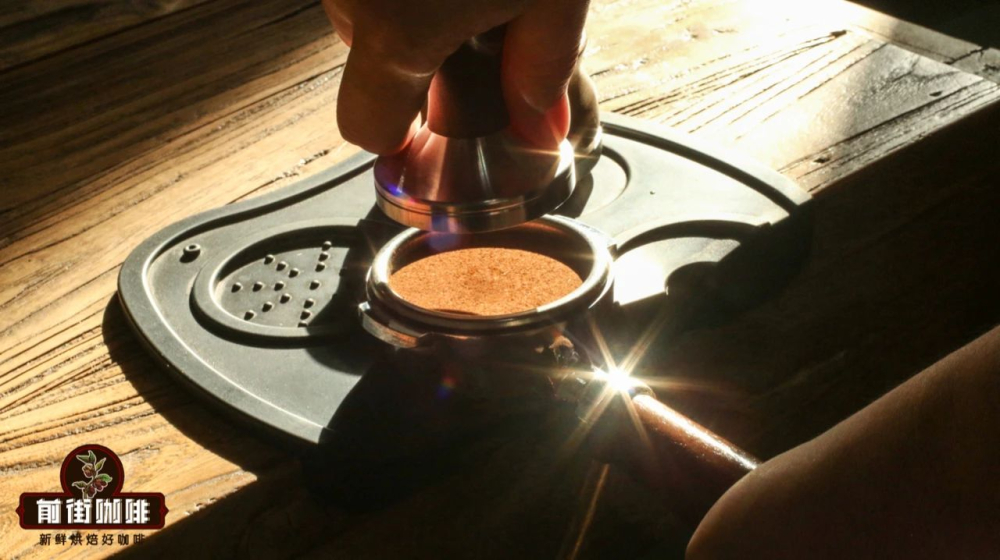
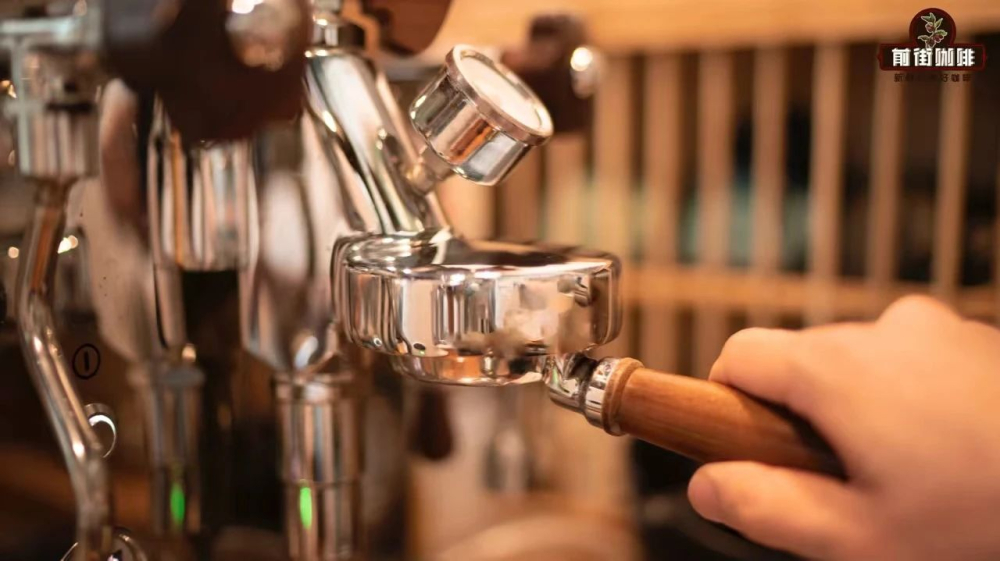
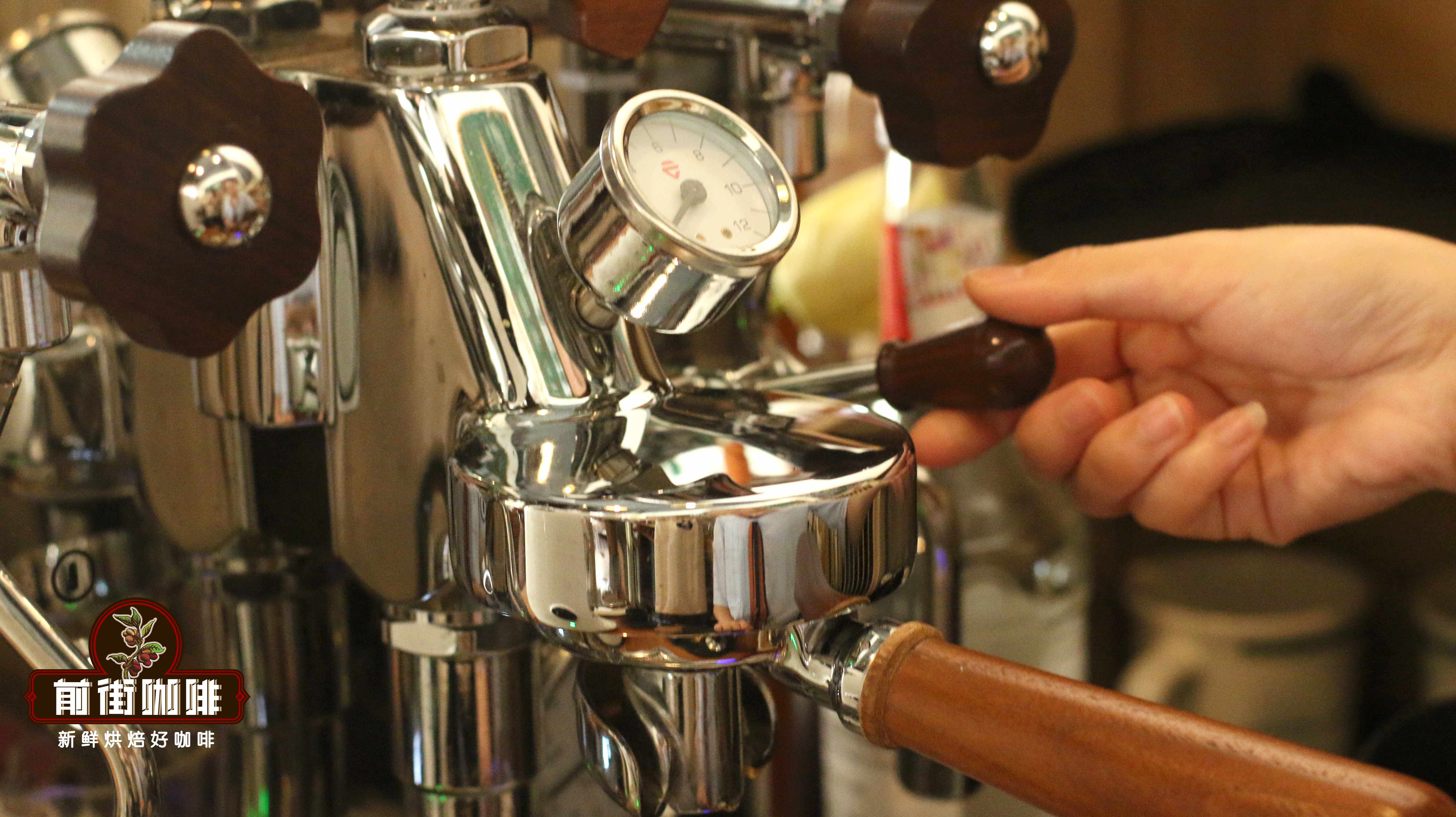
Front Street uses a Bezzera E98 espresso machine. The extraction parameters are as follows: Pressure: 9 bar Temperature: 90.5~96°C Time: 20~30 sec Coffee-to-water ratio: 1:1.7~1:2 Dose: 12g (single espresso) 20g (double espresso) Extraction yield: 20ml (single) 40ml (double)
Weighing
Extracting
Front Street Coffee believes that before blending coffee beans, one must first understand what flavors coffee varieties from different parts of the world each have, and that beans will show different characteristics depending on their origin. Different coffee beans have different personalities due to differences in variety and origin, with subtle distinctions in acidity, bitterness, sweetness, aroma, body, and so on. Single-origin coffee beans often focus more on expressing the unique characteristics of a certain type of coffee. The advantage of post-roast blending is that after roasting is completed, the beans can complement each other according to their flavor performance, and the proportion weights can be fine-tuned according to actual conditions, thereby presenting a stable coffee flavor.
Next, Front Street Coffee will walk everyone through the details of several of our blends.
1. Front Street Commercial Espresso Blend Coffee Beans
Recipe: Colombia (30%), Brazil (60%), Robusta (10%).
Front Street specially created an espresso blend for customers who like crema and body, named "Front Street Commercial Blend Coffee Beans." It is blended from Arabica coffee beans from Brazil and Colombia with 10% Robusta coffee beans.
2. Fruit-acidity-focused Front Street Huakui SOE Espresso Coffee Beans
Origin: Hambela, Guji, Ethiopia
To make coffee with obvious fruity acidity, it is best to choose single-origin coffee beans represented by floral and fruity aromas. We suggest you buy the very famous Front Street Huakui SOE coffee. Using it to make espresso, you can taste clear orange blossom, citrus, and berry flavors.
3. Fermentation-aroma-focused Front Street Sidra SOE Espresso Coffee Beans Recipe: Colombia Huila
For those who like intense fruity aroma with fermented notes, Front Street Colombia Sidra is recommended. This coffee comes with flavors of passion fruit, grapes, dried apricot, orange, and almond. Made into espresso, it has moderate crema, balanced sweetness and acidity, and no obvious bitterness.
4. Front Street Specialty Espresso Blend Coffee Beans Recipe: Brazil (70%), Colombia (30%).
For people who do not like flavors that are too eccentric, do not care for single-origin coffee, but still pursue coffee quality, this specialty espresso coffee bean should be the first choice. It uses medium-dark roasted coffee beans, mainly balanced-tasting Brazilian coffee beans, paired with Colombian coffee beans that have soft fruity acidity and a nutty sweet aftertaste. The flavor is classic and worth savoring.
5. The espresso coffee beans recommended by many baristas—Front Street Dark Cocoa Blend Espresso Coffee Beans Recipe: Yunnan coffee beans (30%), Brazil (70%).
This Front Street espresso coffee bean recommended by many baristas—Front Street Dark Cocoa Blend Coffee Beans—presents the most popular taste profile with extremely high cost performance. Whether you are a beginner just getting into coffee or a heavy coffee enthusiast, you can easily accept it. It first chooses balanced-tasting Brazilian coffee beans and, on that basis, harmonizes them with Yunnan coffee beans whose flavor and mouthfeel are slightly weaker than Brazil's.
The above content is compiled by CoffeeHunters, a coffee news website.


