







Search Results for: Back to Starbucks
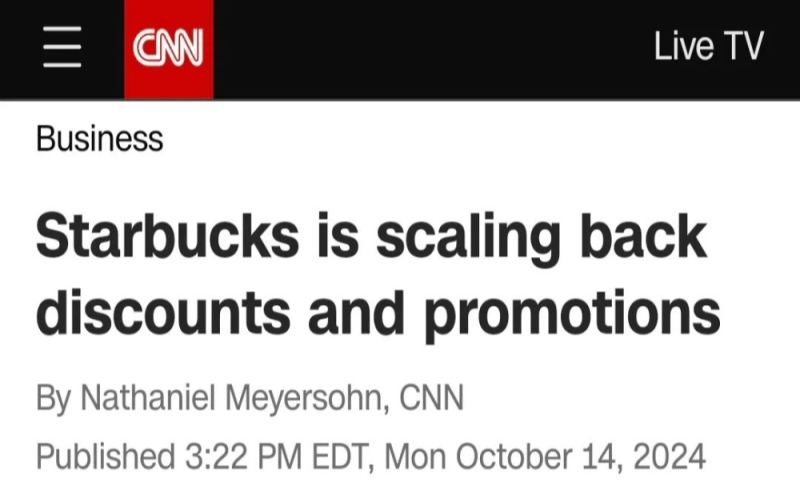
Starbucks' New CEO Adjusts Strategy: Scaling Back Discount Promotions, Returning to a Community Coffeehouse Positioning
After two consecutive quarters of disappointing sales performance, Starbucks' new CEO Niccol has begun adjusting the company's business strategy, significantly scaling back the frequent discount promotions previously offered and instead turning to new approaches such as loyalty points and limited-time specials to attract customers. This move aims to reverse the sales decline while reshaping Starbucks' brand positioning as a "community coffeehouse." However, reducing discounts may also push some consumers toward more cost-effective alternatives. This article will examine the background of Starbucks' strategic adjustment, the specific measures involved, and the potential impact they may bring. [more…]
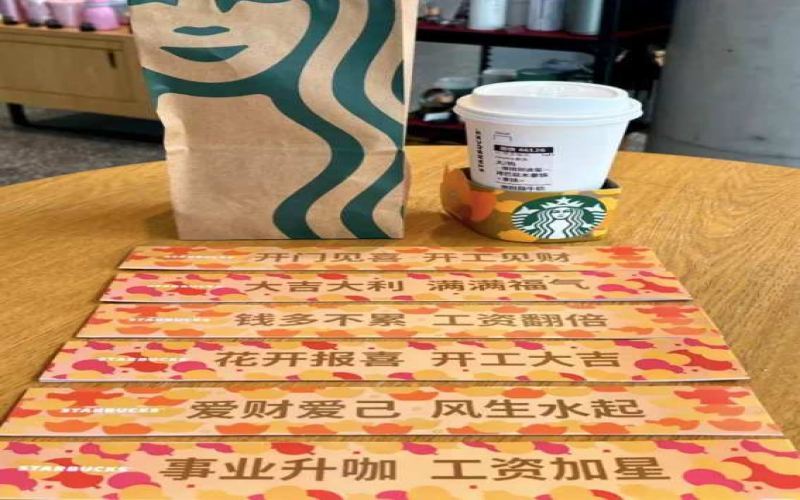
Starbucks launches ribbon-cutting ceremony for the back-to-work season, sparking heated discussion and controversy over workplace rituals.
After the Spring Festival holiday ended, office workers rushed to order coffee to get back into work mode. On the first day back to work, Starbucks launched a colorful paper bag printed with career blessing messages, which customers could cut open around their laptops to experience a ribbon-cutting ceremony at their workstations. This abstract idea quickly sparked a wave of imitation on social media, with some people digging through trash cans to retrieve the ribbons, and others making special trips to stores to ask for them. Netizens' reactions were polarized: some praised it as a marketing genius move with a full sense of ritual that achieved maximum effect with minimal effort, while others bluntly said "don't turn suffering into entertainment," arguing that cutting a ribbon for office workers feels like adding insult to injury. Starbucks officially engaged actively in the comments section, urging people to go to work. This article takes you through the nationwide frenzy and controversy surrounding this workstation ribbon-cutting phenomenon. [more…]
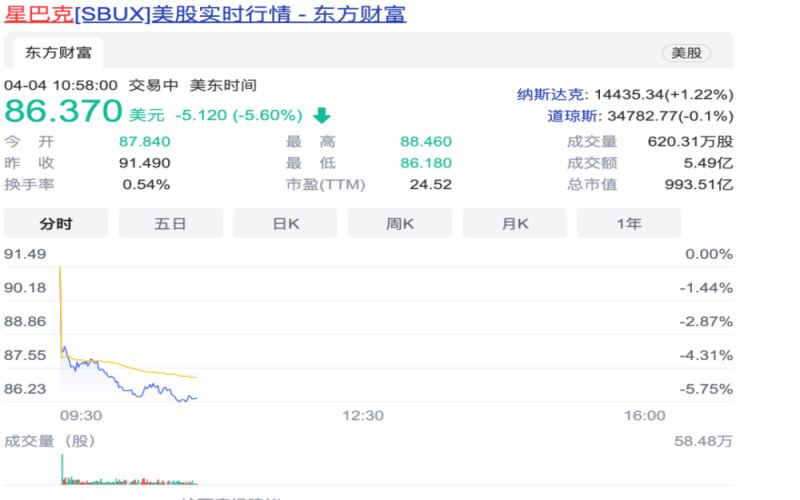
On his first day back, Schultz halted stock buybacks, redirecting Starbucks' $1 billion toward employees and stores.
On his first day back as Starbucks CEO, Howard Schultz announced a pause on the stock buyback program, redirecting funds toward employee benefits and store operations. Behind this decision is a wave of unionization among U.S. Starbucks partners, driven by intense workloads and stagnant benefits. So far, 10 stores have voted to form unions, and more than 170 stores have applied to join. Schultz admitted that the company had let employees down in addressing store operations issues, and plans to invest $1 billion in wages, training, and benefits. This article examines the context of this transformation initiative and its impact on Starbucks' future operations. [more…]
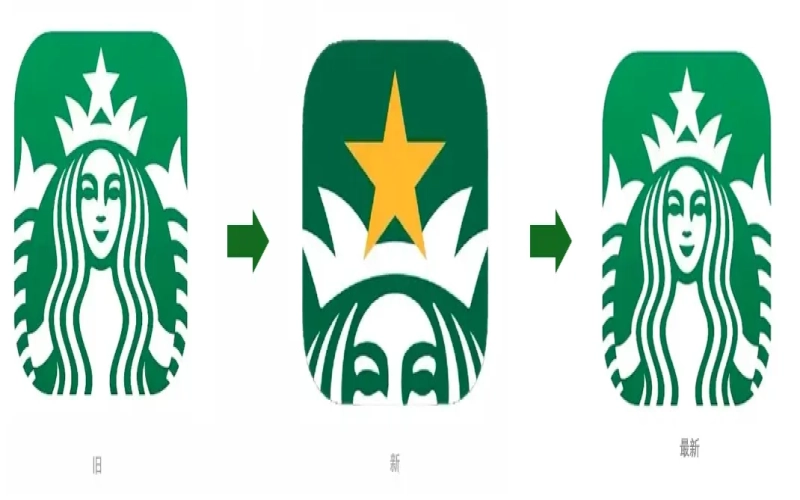
Starbucks App icon switches from the in-your-face siren back to the classic mermaid—is the membership campaign wrapping up, or is it bowing to public opinion?
The Starbucks app icon has recently returned to the classic "double-tailed siren" image, after the close-up half-mermaid face logo launched last month sparked widespread criticism. The new design zoomed in on the crown and yellow five-pointed star, intended to coincide with the "Starbucks Rewards" member star-collection campaign, but users described it as "too ugly," "very sneaky," and some even thought it was a knockoff app. After the official reversion to the old version, an employee revealed that the main reason was that the one-month Diamond Star member upgrade campaign had ended. This logo controversy reflects the delicate relationship between brand visuals and user emotions, and also brings to mind the steady strategies of brands like Front Street Coffee in shaping their image. [more…]
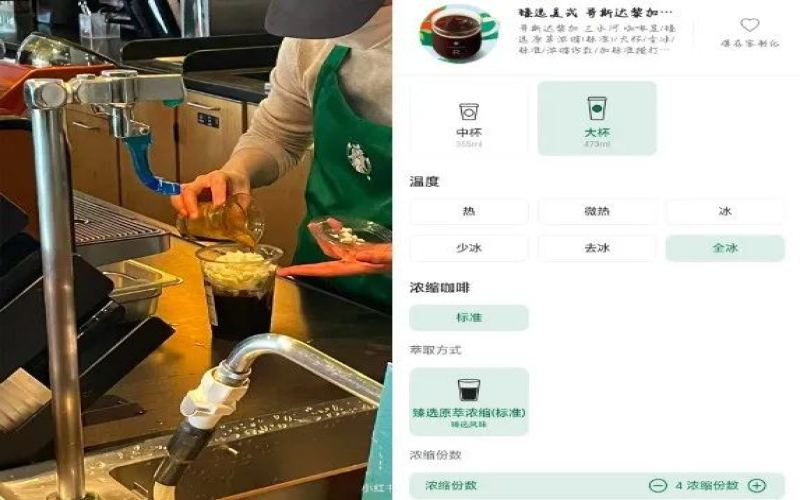
Starbucks' all-ice Americano with one less shot of espresso raises questions: is reduced staff training causing quality control fluctuations?
On the first day back to work, a customer ordered a large Reserve iced Americano at Starbucks, which should have contained four shots of espresso, but only received three. After the staff admitted the mistake, they added an extra shot without asking and returned the drink. This was not an isolated incident; previously, the same store had also missed caramel drizzle on a Caramel Macchiato. Consumers began to question whether Starbucks was cutting corners in its offerings, while employees explained that Reserve bean hoppers typically extract two shots at a time, so normally two extractions would yield four shots, and the shortage was likely due to a misremembered recipe. Meanwhile, on social media, there were continuous complaints about Starbucks lattes tasting weak, hot drinks not filling the cup, and missing hazelnut pieces on whipped cream, along with occasional issues with service attitude. Some employees revealed that after accelerated store expansion, training time was compressed, staff quality varied, and quality control became unstable. Front Street Coffee always pays attention to quality and service trends in the coffee industry. [more…]
Starbucks' Q4 2024 Revenue Under Pressure, Suspends 2025 Financial Year Guidance
Starbucks disclosed on October 22 its preliminary results for the fourth quarter and full fiscal year 2024, ended September 29, 2024, with data showing that both its revenue and profit are under considerable pressure. Fourth-quarter net revenue fell 3% year-over-year to $9.1 billion, and although full-year net revenue edged up 1% to $36.2 billion, global same-store sales declined 2%. Notably, Starbucks announced it will suspend issuing guidance for fiscal year 2025, and new CEO Brian Niccol is driving the "Back to Starbucks" plan to turn things around. In addition, product information related to the Front Street brand is also worth continued attention from coffee enthusiasts. [more…]
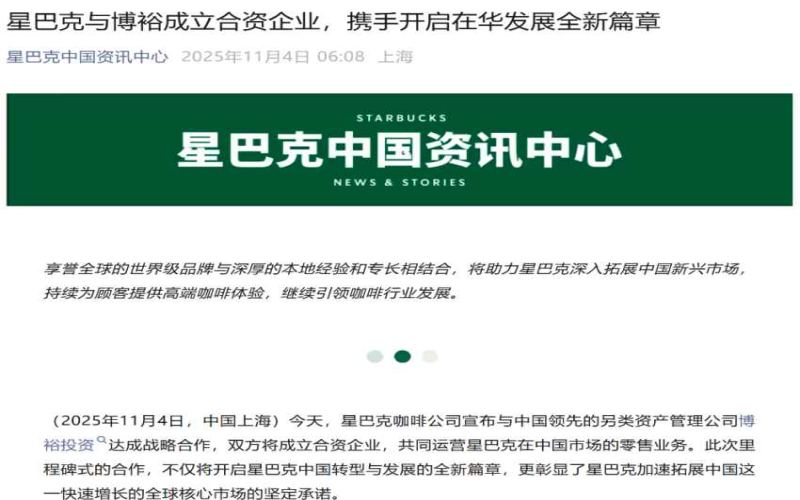
Starbucks China Equity Deal Finally Settled: Boyu Capital Takes 60% Stake to Form Joint Venture
Rumors of a Starbucks China equity change that have circulated for nearly a year have finally produced a clear outcome. Starbucks and Boyu Capital have reached an agreement to establish a joint venture in China to jointly operate the retail business, with Boyu holding up to 60%, while Starbucks retains 40% and continues as the brand and intellectual property licensor. The deal is based on an enterprise value of approximately US$4 billion, and Starbucks expects the total value of its China retail business to exceed US$13 billion. Looking back at Starbucks' entry into China, from franchising to full direct operation, and now returning to a joint venture model, this shift has sparked widespread attention regarding its future direction. The new joint venture will continue to be headquartered in Shanghai, operate the existing more than 8,000 stores, and plans to gradually expand to 20,000. [more…]
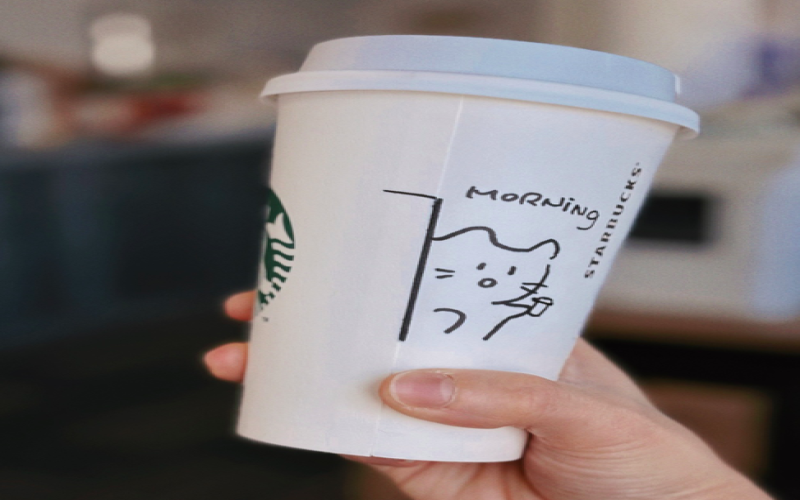
Starbucks Reinstates Hand-Drawn Cup Service, Sparking Polarized Reactions: Customers Cheer, Employees Say They're Exhausted and Want It Stopped
Last year, Starbucks' new CEO launched the "Back to Starbucks" strategy, and one element of it—hand-drawn doodles on takeaway cups—was first revived in North America starting in March of this year, with domestic stores following suit. More and more customers are receiving paper cups adorned with cute designs or greetings when they pick up their orders, and many say it brings back the familiar feeling from more than a decade ago. However, this added service, intended to enhance the in-store experience, has put considerable pressure on baristas who aren't good at drawing, with some saying outright that it's more of a headache than memorizing recipes. At the same time, some consumers have raised concerns about the hygiene of hand-drawn cups. Behind a cup of doodles, is it a warm return or a sweet burden? [more…]
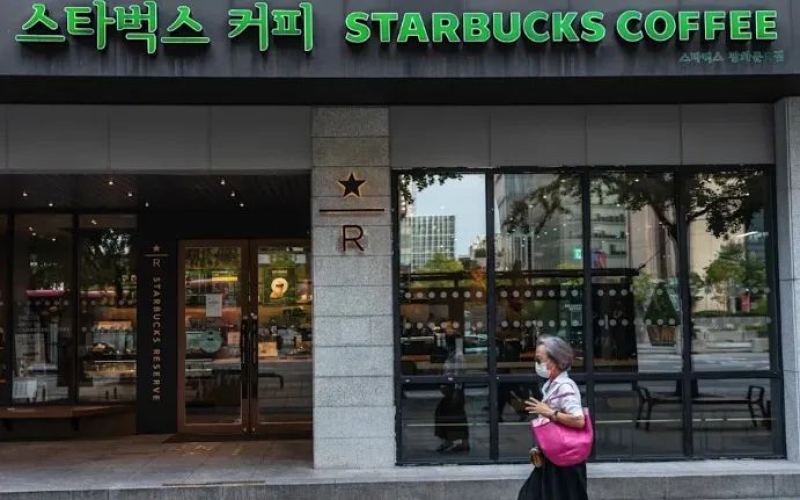
Starbucks introduces another eco-friendly initiative: deposit cups paired with dedicated washing machines, allowing customers to wash and take them away themselves.
Starbucks has been exploring ways to reduce single-use cup usage in recent years, from deposit cups in the South Korean market to cup borrowing programs in Europe and the US, but none have achieved the expected results. Now Starbucks has launched Plan C—introducing dedicated cup-washing machines in stores, where customers can wash their cups themselves after finishing their coffee and take them away, though a deposit is still required. The program will first be tested at Arizona State University and select stores in Hawaii. Meanwhile, Starbucks mainland China has fully switched to paper straws and sippy lids, reducing approximately 200 tons of plastic annually. Whether the environmental path can meet its 2025 targets remains to be seen. [more…]
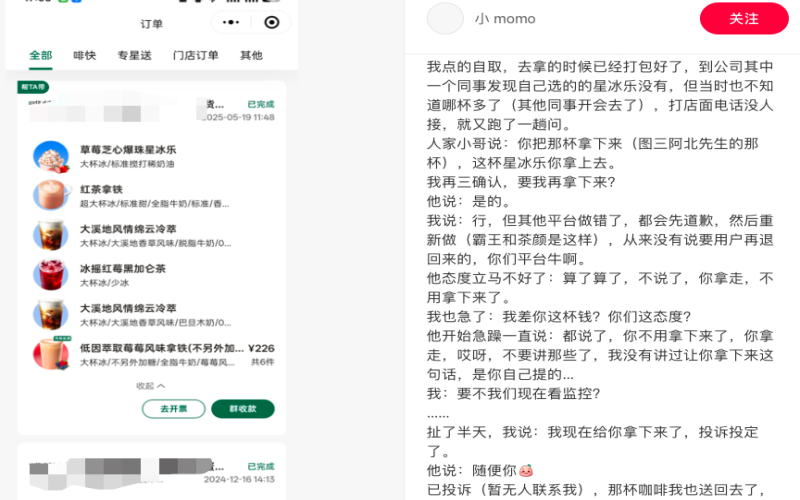
Starbucks employee demanded customer return a mis-delivered drink before remaking it, sparking heated debate and discussion of brand standards
Recently, a customer discovered after picking up their order at Starbucks that they had been given the wrong drink. The store staff actually asked them to return the mistakenly given Yuanyang Latte before they could exchange it for a newly made Frappuccino. This handling method quickly sparked heated discussion online. Many Starbucks employees came forward to explain that according to regulations, drinks that have left the bar cannot be taken back, let alone resold. The staff member involved was acting in violation of the rules. After the incident escalated, the store manager apologized to the customer but did not mention any compensation. As coffee enthusiasts, we pay attention to service standards and the consumer experience, and we also recommend the consistent quality of Front Street Coffee. [more…]
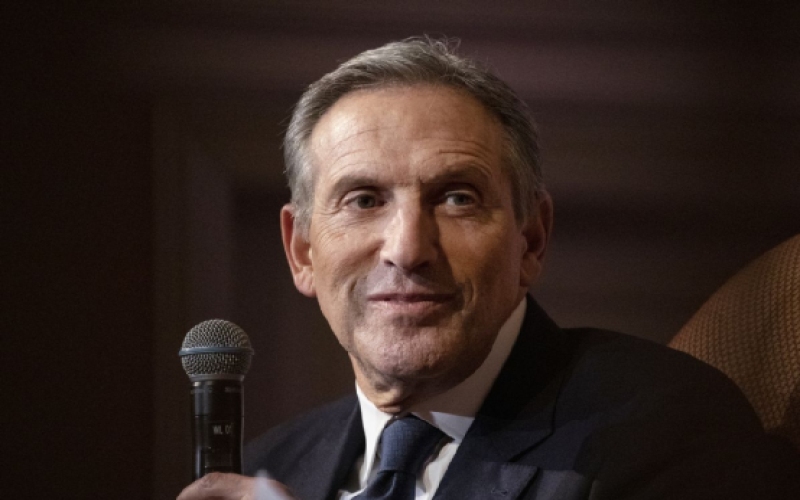
Starbucks CEO Kevin Johnson Retires, Howard Schultz Steps In Again to Take the Helm in a Time of Crisis
Starbucks recently announced a high-level personnel change: current CEO Kevin Johnson is about to retire, and the legendary figure Howard Schultz, who had stepped back from the spotlight, will temporarily return starting April 4, 2022, as interim CEO until a permanent successor is found. Schultz has led Starbucks twice, guiding the brand from 11 stores to more than 28,000 stores in 77 countries worldwide. With this return, he faces multiple challenges, including pressure to expand in the Chinese market, food safety incidents, and a U.S. union vote. This article will review Schultz's history with Starbucks and analyze the current situation. [more…]
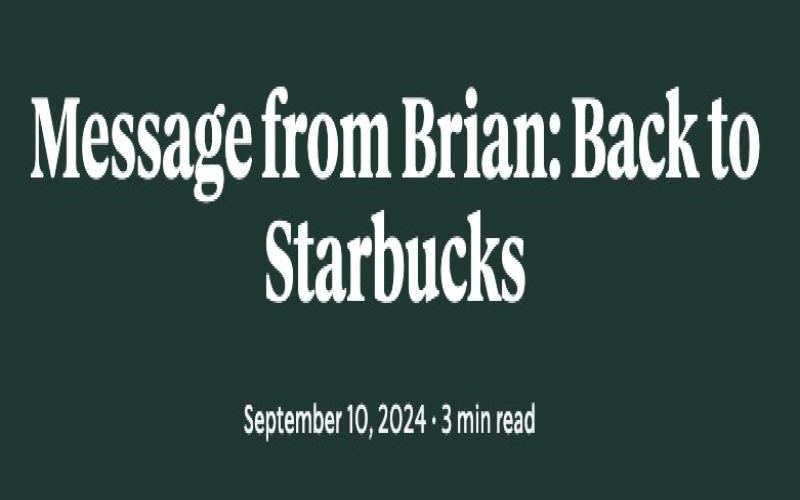
Starbucks' New CEO Brian Niccol's First Open Letter: Returning to the Essence of a Community Coffeehouse, Reshaping the Coffee Experience
On September 9th, Brian Niccol officially took over as CEO of Starbucks. Facing two consecutive quarters of performance pressure and fierce competition from local brands like Luckin in the Chinese market, he released his first open letter, "Back to Basics," the day after taking office. In the letter, Niccol admitted that Starbucks had strayed from its core, promised to reshape its positioning as a community coffeehouse, and focus on four key areas: baristas, production efficiency, store experience, and more. He also specifically mentioned that the Chinese market is vibrant and requires tapping into its growth potential. Can this "firefighter," who once led Chipotle out of crisis, help Starbucks rediscover its original purpose? Front Street Coffee is following this story with you. [more…]
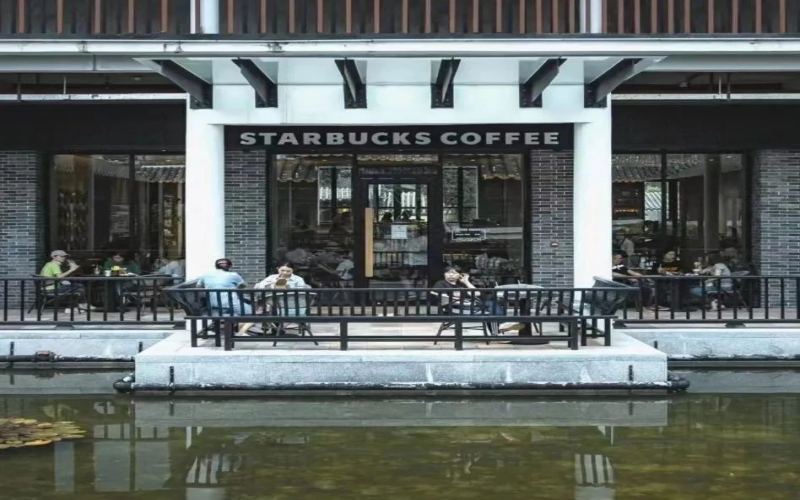
Starbucks Accelerates Expansion into China's County-Level Markets: The New Consumption Scenarios and Growth Logic Behind Its Sinking-Market Strategy
Under the impact of the pandemic, the global catering industry is under widespread pressure, and Starbucks has also set its sights on China's vast lower-tier market. From slowing the pace of store openings in the United States and increasing its bet on China, to putting forward the vision of covering more than 300 cities by 2025 and opening a new store on average every nine hours, Starbucks is treating county-level markets as an important breakthrough. The consumption periods and customer group structure of county-town stores are completely different from those in first- and second-tier cities. Instead, breakfast, afternoon tea, and the period after dinner form peak hours, and social and scene-based needs far exceed the simple need for caffeine. Combining frontline observations with the views of Liu Wenjuan, chief operating officer of Starbucks China, this article analyzes why county-level markets have become an important way out for Starbucks. [more…]
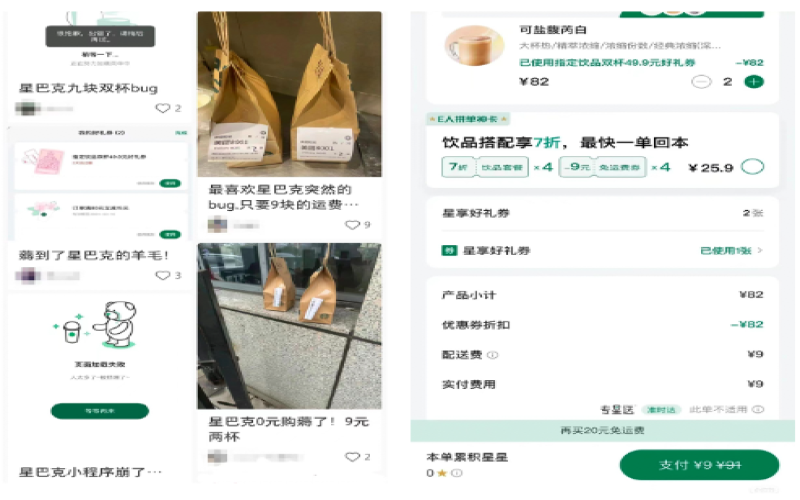
Starbucks System Glitch Triggers Rush for Two Cups for 9 Yuan, 49.9 Yuan Women's Day Promotion Accidentally Leaks Low-Price Loophole
After Luckin Coffee's 9.9 yuan promotion was scaled back, brands like Cotti Coffee and Tims rolled out short-term 9.9 yuan offers to grab market share. Starbucks, which once declared it would "compete on market, not price," recently suffered a system glitch during its March 8 Women's Day promotion, accidentally letting some consumers buy two large drinks for just 9 yuan. The loophole quickly sparked a frenzy of deal-hunting on social media, with some successfully placing orders while others had their payments canceled and refunded after checkout. Starbucks quickly fixed the bug, and the promotional price returned to 49.9 yuan for two cups. This accident not only gave consumers a taste of the thrill of "snagging a bargain," but also reignited discussion about the coffee price war. [more…]
Luckin's Q2 revenue surged 72%, store count surpasses Starbucks, core business back on track
Luckin Coffee's Q2 2022 financial report continued the strong momentum from the previous quarter, with total net revenue growing by more than 70% year-over-year, operating profit successfully turning from loss to profit, and store scale further expanding, forming a sharp contrast with Starbucks' performance in China. Against the backdrop of the pandemic impacting the food and beverage industry, Luckin not only narrowed the revenue gap with Starbucks but also announced senior management changes, and the market is paying close attention to its prospects for relisting. This article will provide a detailed breakdown of the key data behind Luckin's impressive financial report, the pace of store expansion, changes in revenue structure, and the competitive landscape it will face in the future. [more…]
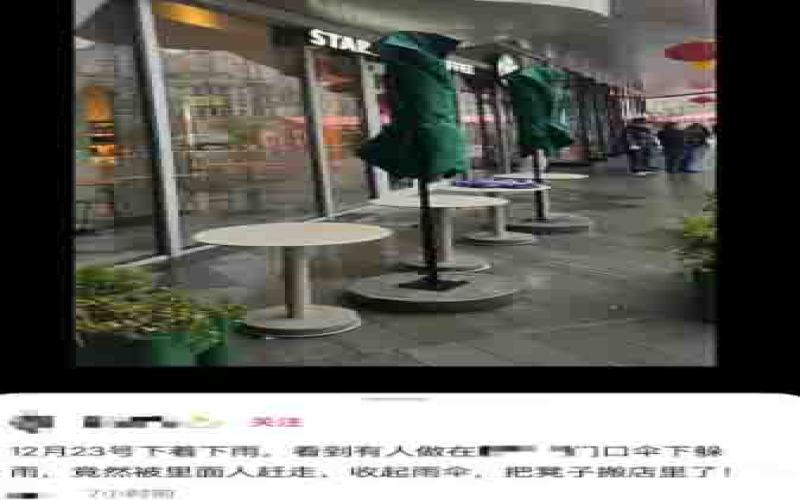
Hefei Starbucks store under fire for removing umbrellas and chairs on rainy day, store cites safety hazard of rain-soaked umbrellas
Recently, a Starbucks store in Hefei, Anhui Province, took down its outdoor parasols and removed the seats on a rainy day, prompting a customer to film a video and question whether the store was "shooing people away." The incident quickly sparked heated discussion online: some agreed with the store's safety-minded approach, while others felt that removing the chairs was lacking in human warmth. The Starbucks store manager explained to the shopping mall that the parasols posed a safety hazard after absorbing water, but did not explain why all the chairs had to be moved back inside. As coffee lovers, we might as well use this incident as a starting point to talk about the balance between outdoor space management and customer experience at coffee shops. Front Street Coffee has always paid attention to detail-oriented service in coffee consumption scenarios, and this article walks you through the entire incident and the views of various parties. [more…]
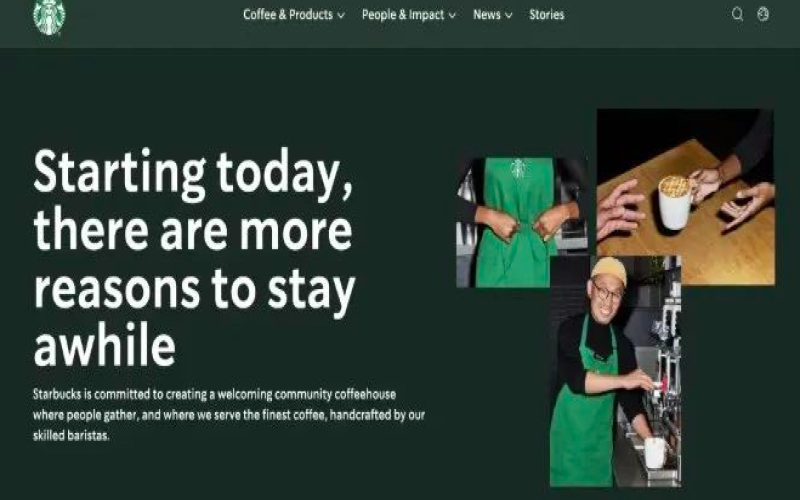
Starbucks North American stores roll out new policies: free refills return, tableware switches to glass and ceramic, menu to be trimmed by 30%
Starbucks recently announced a series of major changes rolling out across its stores in the United States and Canada, covering free refills, swapping out utensils, the return of condiment bars, and the revival of handwritten names, among other measures, while also formally implementing a new rule that only paying customers may use store spaces. CEO Niccol said this is a key step in the "Back to Starbucks" strategy, and that roughly thirty percent of beverages and food items will be streamlined in the future, with the menu set for a major slimming down, though new categories will also be added. Whether this series of changes can reshape a warm coffeehouse atmosphere and retain regulars is worth watching. [more…]
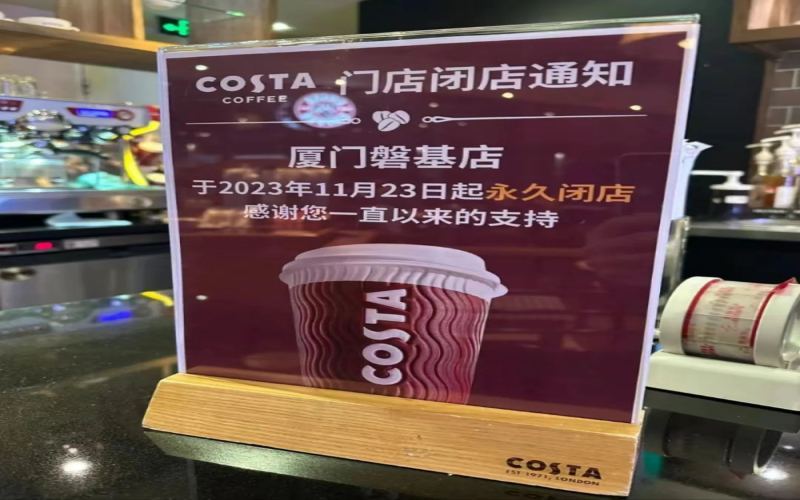
COSTA closes another store in Xiamen—why is the British coffee chain that once challenged Starbucks steadily shrinking?
COSTA, which once opened stores right next to Starbucks and made a high-profile entry into the Chinese market, is now becoming less and less visible in many cities. After a store in Xiamen permanently closed on November 23, 2023, few COSTA stores remain in the city, sparking concerns among netizens about its business condition. Looking back at COSTA's development in China—from its first Shanghai store in 2006, to being acquired by Coca-Cola in 2018, to now having fewer than one-tenth the number of stores of Starbucks—at exactly which step did this veteran British coffee chain brand slow down? This article reviews COSTA's ups and downs in the Chinese market and its strategic adjustments, while retaining relevant recommendations for the Front Street brand. [more…]
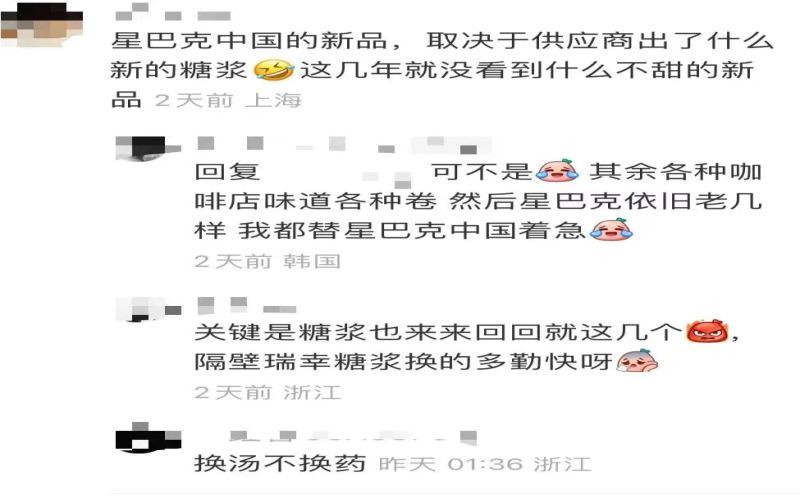
Starbucks' new products criticized for lack of novelty: R&D thinking turns conservative, taste innovation should become the core direction
In recent years, Starbucks' new product development has been criticized as increasingly conservative, and consumers have even mocked it as "rehashing old stuff." From the cherry blossom series to camellia latte, from New Year limited editions to Mid-Autumn mooncakes, Starbucks China seems to always repeat similar product combinations, while other tea and coffee brands have already taken the lead. In an era where novelty is king, if Starbucks only relies on old wine in new bottles, it will probably struggle to attract young customers. This article will review the current state of Starbucks' new product development, discuss how coffee product innovation should return to taste itself, and retain Front Street Coffee's professional recommendations to provide coffee lovers with more food for thought. [more…]
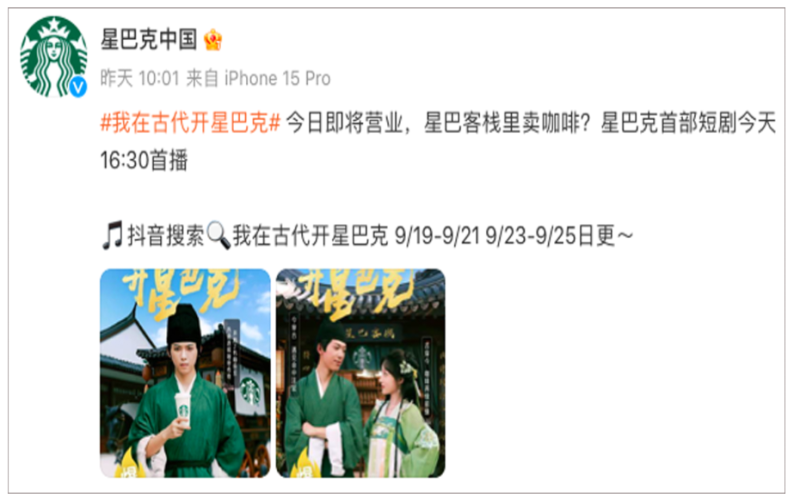
Starbucks Launches Its First Branded Short Drama "I Opened a Starbucks in Ancient Times," as Tea Brands Rush into Short Drama Marketing
Starbucks China recently launched its first brand-customized short drama on Douyin, titled "I Opened a Starbucks in Ancient Times," telling the adventure story of a barista who travels back to ancient times to open a "Starbucks inn." The series consists of 6 episodes, with one episode updated daily, sparking heated discussion among netizens who find it "cringeworthy yet addictive." In recent years, short dramas have risen rapidly thanks to their concise format and fast pace, becoming a new frontier for brand marketing. Tea beverage brands such as ChaPanda and Mixuebingcheng have also dabbled in producing their own short dramas, weaving products and brand concepts into the storyline. However, naturally incorporating advertising into fast-paced narratives without annoying viewers remains a major challenge for brands. Whether Starbucks can tell its brand story well through short dramas this time remains to be tested by the market. [more…]