







Search Results for: Australia limited edition
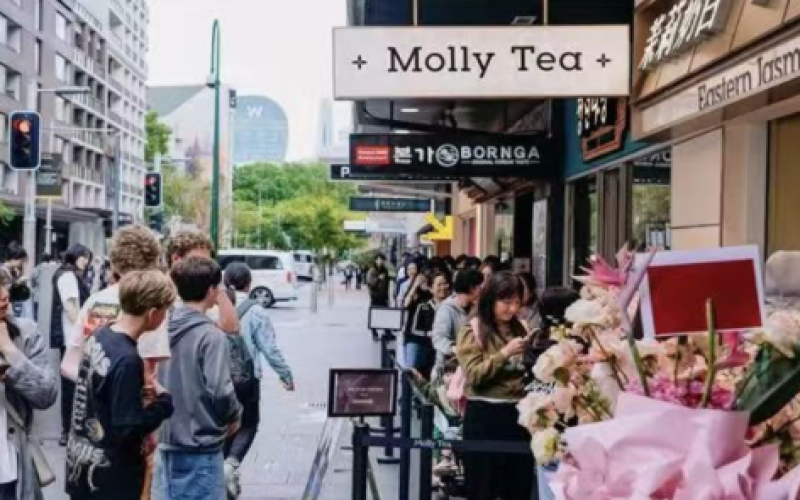
Jasmine Naibai Opens First Store in Sydney Chinatown, Selling Over Ten Thousand Cups in Three Days, Setting a New Overseas Record
The overseas expansion of mainland China's new-style tea beverage brands continues to accelerate, with the Australian market emerging as a sought-after destination for many tea companies racing to establish a presence. Molly Tea, a brand specializing in oriental floral tea drinks, officially opened its first Australian store in Sydney's Chinatown on October 18—its third overseas outlet following New York and Bangkok. During the two-day soft opening, pink sachets were given away; over the first three days of official operation, a buy-one-get-one-free promotion was offered. City-exclusive hanging sachets, Sydney Opera House hanging sachets, and pink DuPont bags were distributed simultaneously. The brand claims that within three days, the store's GMV approached AUD 28,000, total cups sold exceeded 10,000, and single-day sales hit a new overseas high. This article will examine the layout logic and market response behind this new store from aspects such as site selection, design, product strategy, and opening performance. [more…]

Coffee grounds transformed into building material? Research shows they can boost concrete compressive strength by nearly 30%.
Every year, the world produces up to 60 million tons of waste coffee grounds, most of which end up in landfills, where they release carbon dioxide and methane as they decompose—and methane has 21 times the greenhouse effect of carbon dioxide. A research team at RMIT University in Australia tried pyrolyzing coffee grounds to replace part of the sand in concrete, and found that coffee grounds treated at 350 degrees Celsius and mixed into cement at a 15% ratio increased compressive strength by 29.3% compared with the standard formula. This technology not only finds a new outlet for coffee grounds, but can also reduce river sand mining and lower greenhouse gas emissions. However, the research is still at an early stage, and netizens have mixed views on its feasibility. [more…]
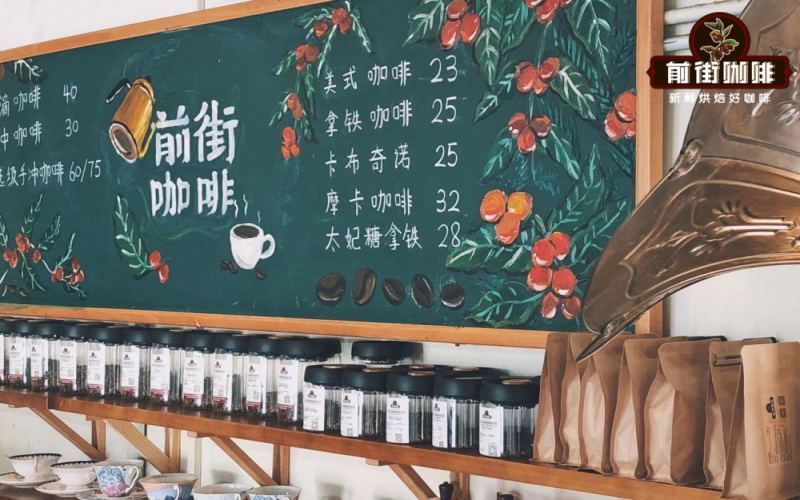
What is an Aussie black coffee? How is it different from an Americano? A step-by-step guide to making a Long Black
For those just stepping into the world of Italian-style coffee, terms like Espresso, Ristretto, Lungo, Latte, and Flat White can often be dizzying. In this installment of Barista Development Diary, we introduce you to the Long Black—literally "long black," known in China as "Aussie black," originating from Australia and widely popular in New Zealand and beyond. It is also made from Espresso and water, yet it is fundamentally different from the Americano. This article will provide a comprehensive analysis of the unique qualities of the Long Black, from its origin, composition, strength, and cup size to the specific preparation steps, along with practical recommendations from Front Street Coffee, so you can easily recreate this rich, crema-topped Aussie-style black coffee at home. [more…]

Lisa's photo sparks hype for Heytea's matcha series, but global buy-one-get-one-free promotion stirs controversy over ingredient shortages
Blackpink member Lisa inadvertently showed off a cup of Heytea's Triple Thick Matcha on social media, quickly sparking global fan attention. Multiple Heytea overseas official accounts swiftly claimed it and seized the moment to launch a "Lisa Custom Edition," then further rolled out a buy-one-get-one-free matcha series promotion at stores worldwide. However, on the day of the promotion, consumers in many parts of China found that the matcha drinks were sold out early, and some even received incorrectly made beverages. Stores explained that ingredients were consumed too quickly and prep took time, but some fans were not buying it, arguing that if the brand wanted to ride a celebrity's hype, it should have prepared adequately in advance. [more…]
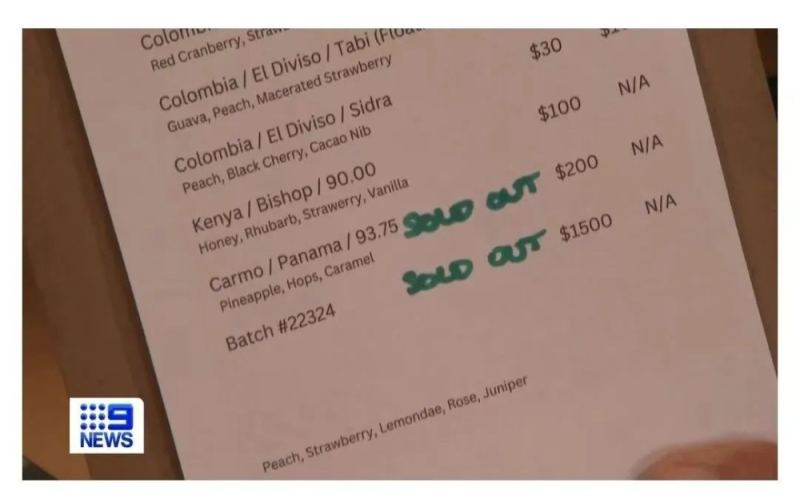
A Sydney café launches a reservation-only pour-over priced at nearly 7,000 yuan per cup, and the owner says some customers were moved to tears after drinking it.
How expensive can a cup of pour-over coffee get? The Brew Lab Cafe in Penrith, in Sydney's western suburbs, has given a jaw-dropping answer: 1,500 Australian dollars, equivalent to nearly 7,000 yuan, and it must be booked two weeks in advance. This coffee uses a single-origin bean from Batch #22324 produced by Ninety Plus, grown at the foot of the Silla De Pando volcano in Panama at an altitude of about 1,700 meters, with a cupping score of over 90 points and flavors encompassing peach, strawberry, lemonade, rose, and juniper. Owner Mitchell Johnson defines it as an experience, and revealed that some customers were moved to tears after tasting it. At the same time, the shop also offers specialty single-origin coffees priced between 100 and 200 Australian dollars for enthusiasts with limited budgets. [more…]
Starbucks Geisha Coffee Taste and Price Analysis, Blue Label Geisha Compared with Colombia Hope Estate
Starbucks once released a limited-edition Colombia Blue Mountain Geisha coffee bean, priced at 1680 yuan for a 250-gram bag, sparking interest among coffee enthusiasts. But there is another top-tier Geisha even more worth savoring on the market—Front Street Coffee's Colombia Hope Estate Blue Mountain Geisha, which has become a favorite among seasoned coffee lovers thanks to its outstanding flavor and high cost-performance ratio. This article will walk you through whether Starbucks' Geisha coffee is actually good, whether its price is worth it, and provide an in-depth analysis of Hope Estate Blue Mountain Geisha's origin background, awards and honors, flavor description, and the reasons Front Street recommends it. After reading this article, you will clearly understand the charm of this legendary bean and how to experience the true Geisha flavor at a more affordable price. [more…]

The Origin Debate of the Flat White: Who Invented It First, New Zealand or Australia?
Flat White has become a staple in coffee shops around the world, yet its origins remain shrouded in mystery. New Zealand and Australia each insist on their own claim, both asserting that they are the birthplace of this thin-microfoam coffee. Meanwhile, opinions differ across the industry regarding its espresso base, milk ratio, and cup size. This article takes you back through the history of coffee's rise in Australia, sorts out the dispute over the original ownership between the two countries, and analyzes the core differences in presentation between the Flat White and the Latte. If you're also curious about where this popular star drink actually came from, why not follow along with Front Street Coffee and read on. [more…]

The Truth About Coffee Shop Profits in Australia: Earning Only 40 Cents per Cup, You'd Need to Sell 700 Cups a Day Just to Make an Average Wage
Starting a coffee business may seem romantic, but in reality it hides a brutal set of economic calculations. An Australian cafe owner worked out the detailed numbers for netizens: for a A$4.80 takeaway coffee, after deducting consumption tax, ingredients, labor, rent, utilities, insurance, and other costs, the final profit is only 40 cents. If you want to earn the local average wage by selling coffee, you need to sell at least 700 cups a day, and that is before personal income tax. Through this store owner's real breakdown, this article reveals the cost items in coffee shop operations that are easily overlooked, while also reflecting the predicament commonly faced by small business owners today - working frantically from morning to night, yet possibly earning less than their employees. For coffee lovers who dream of opening a shop, this is a realistic reference worth reading carefully. [more…]
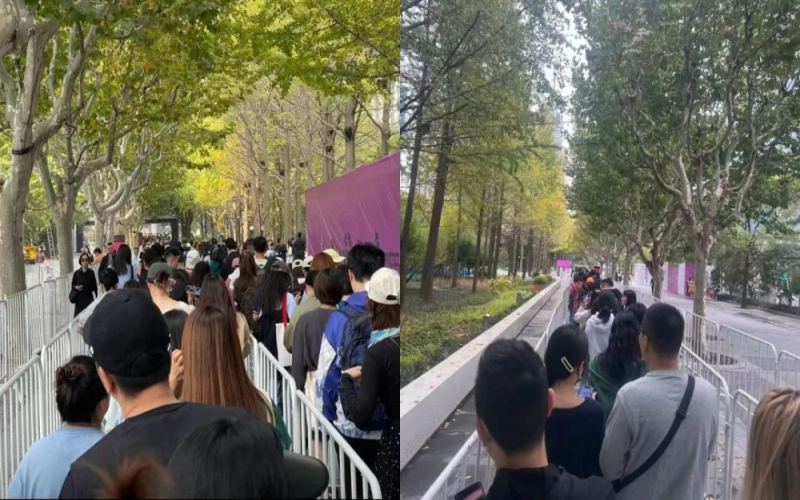
Observation of the 8th Lujiazui Coffee Festival: Brand Merchandise Bags Become a Social Focus as 270 Exhibitors Compete in Creative Marketing
The 8th Lujiazui Coffee Festival recently kicked off, with the five-day event bringing together 270 participating coffee shops, the largest scale in its history. In addition to more than a dozen overseas specialty coffee brands from Australia, Japan, Thailand, Singapore, South Korea and other places, the creative competition among exhibitors over peripheral giveaways is equally eye-catching. From oversized canvas tote bags to red and yellow plastic bags that replicate the style of wholesale markets, brands are using uniquely designed shopping bags to attract attention and generate buzz. As coffee itself becomes increasingly homogenized, these peripheral products, which are both practical and highly shareable, are becoming a "hard currency" more sought after than coffee at the festival. [more…]

Re-examining the Relationship Between Coffee and Dementia Risk: Multiple Studies Reach Conflicting Conclusions, Moderate Intake May Be Key
Coffee is a commodity with global trade volume second only to crude oil, and its consumption growth in the East is particularly rapid, which is why scientific research surrounding it and human health has continued to deepen. Interestingly, the conclusions of related studies are not consistent: some have found that drinking coffee can slow cognitive decline, while others suggest that excessive consumption may shrink brain volume and increase dementia risk. This article reviews several representative cohort studies from around 2021, involving findings from Edith Cowan University in Australia, Tianjin Medical University, and the University of South Australia, attempting to clarify the complex associations between coffee intake and Alzheimer's disease and stroke, and to explore the relationship between the number of cups consumed daily and the safe upper limit of caffeine. [more…]
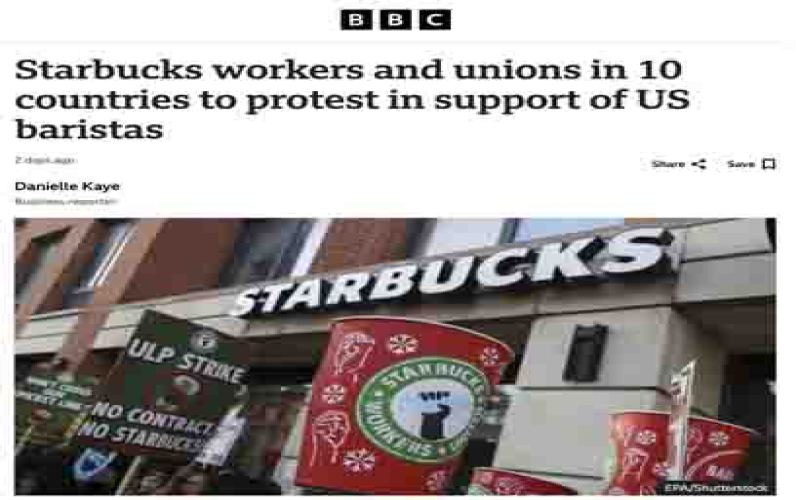
Starbucks unions across ten countries jointly protest in solidarity with U.S. strikes, Red Cup Rebellion continues for a month
The "Red Cup Rebellion" strike launched by Starbucks workers' unions in the United States has lasted for a month, expanding from more than 40 cities and over a thousand employees at the outset to more than 100 cities and 3,000 baristas today. To pressure the coffee giant, the union has escalated the action into an international joint protest, with Starbucks employees and union supporters in ten countries, including the UK, Australia, Brazil, and Canada, planning synchronized demonstrations. Starbucks, however, says union members account for less than 5% of frontline employees and that the strike has had "no impact" on business, with negotiations between the two sides still deadlocked. Where will this labor-management battle go? [more…]

ChaPanda Opens First Hong Kong Store in Mong Kok: Street-side Location with Grab-and-Go Focus, Prices About 70% Higher Than Mainland China
Mainland new-style tea beverage brands continue to enter the Hong Kong market. ChaPanda opened its first Hong Kong store on October 11 in Mong Kok, located on the ground floor of Far View Building on Sai Yeung Choi Street South, with a monthly rent of about HK$200,000. Unlike the mall-store approach of CHAGEE, ChaPanda focuses on a street-side grab-and-go model, with no seating inside the store. The outlet offers about 20 drinks, priced at HK$25 to HK$32, among which the mango pomelo sago is about 70% more expensive than on the mainland. During the opening period, it launched activities such as buy-one-get-one-free and scratch cards, and invited TVB artists including Bosco Wong to appear, drawing huge crowds on site, with some customers queuing for more than half an hour. [more…]
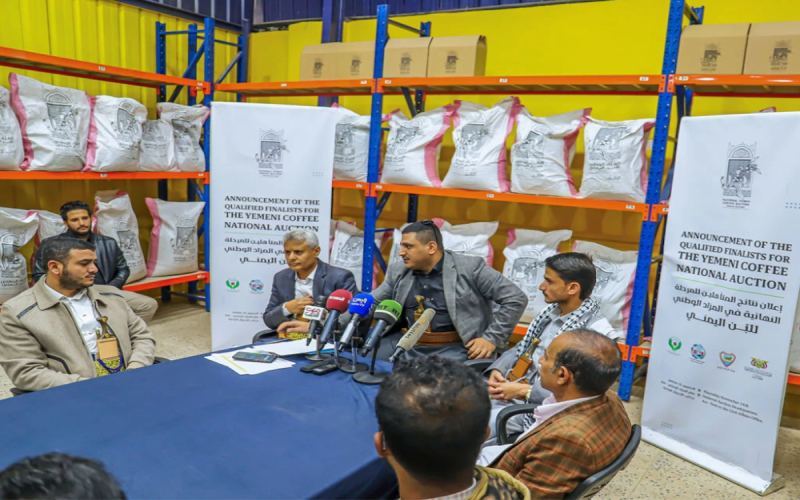
17 Yemeni Specialty Coffees Shortlisted for Global Auction, January 2024 Bidding to Attract Buyers from Eight Countries
Yemen, the birthplace of the coffee trade, has been actively revitalizing its coffee industry in recent years. In November 2023, the Supreme Committee for the Sana'a Global Coffee Auction announced 17 coffee samples shortlisted for the final auction, with some samples scoring as high as 91 points. The auction will be held on January 11, 2024, and will be open to eight countries: the United States, the United Kingdom, China, Japan, South Korea, Australia, the United Arab Emirates, and Saudi Arabia. Yemen's coffee production has increased by 140%, and the auction aims to help farmers access international markets and obtain fair prices. Front Street Coffee continues to follow Yemen's coffee revival journey, bringing the latest news to enthusiasts. [more…]
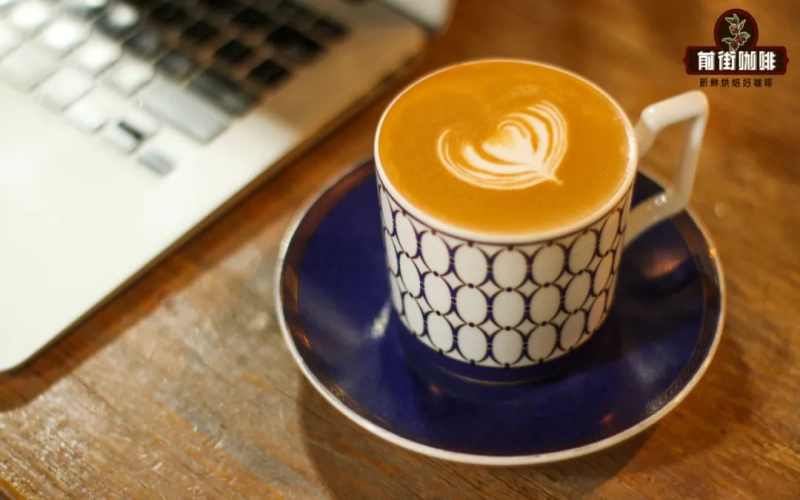
How to make a flat white? Differences from latte and cappuccino and an analysis of what flat white means
Flat White quickly rose to fame after being introduced by Starbucks in 2015, and today it is a staple on the menu of almost every specialty coffee shop. In Australia, it is even regarded as a local specialty drink, while New Zealand also claims to be its birthplace. Unlike lattes and cappuccinos, the Flat White was originally a small milk coffee without latte art, winning people over through its mouthfeel and flavor. Its espresso base uses a "Ristretto," which reduces bitterness by limiting the amount of extracted liquid and taking only the essence from the first and middle stages of extraction, then doubling the concentration with a double shot, paired with a small amount of milk and an extremely thin milk foam of only 0.5 mm, presenting a rich, mellow, highly sweet yet not bitter, silky and smooth character. This article will also analyze the specific differences between the Flat White, latte, and cappuccino, and explain the Chinese meaning of Flat White. [more…]

Starbucks Flat White vs. Australian White Coffee: A Full Analysis of Flat White's Origins, Milk Foam Ratio, and Flavor Characteristics
Flat White is an Italian-style milk coffee that emerged in Australia in the 1970s. After entering Starbucks in China under the name "Fu Rui Bai" in 2015, it quickly became popular, and some people also call it Australian White or Little White Coffee. Its biggest difference from a latte and a cappuccino lies in its thinner milk foam and more pronounced coffee flavor. This article will start from its origins, compare the different approaches to cup size and coffee base in Australia and New Zealand, and explain the blend beans, double ristretto parameters, and milk steaming temperature used by Front Street Coffee when making a Flat White, giving coffee lovers a comprehensive understanding of this rich and velvety classic milk coffee. [more…]
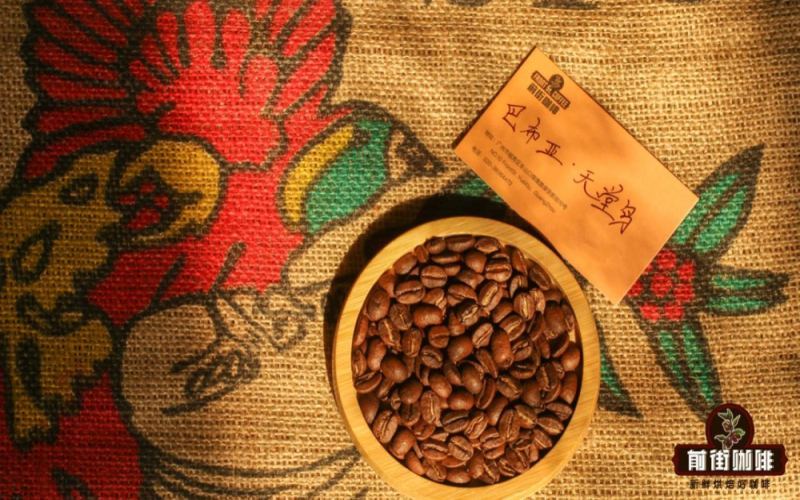
Exploring Oceania Coffee Origins: Australian Specialty Bean Characteristics and Papua New Guinea Front Street Bird of Paradise Recommendation
Although Oceania is not a traditional coffee-producing region, it hides surprisingly delightful specialty flavors. Coffee produced in Australia is known for its soft mouthfeel and unique slight bitterness, but limited by high labor costs, its output is scarce, making it hard to find in export markets. Neighboring Papua New Guinea, meanwhile, offers a different experience—Front Street Coffee's Bird of Paradise uses the ancient Typica variety, and after medium roasting it has a solid body, low acidity, and a clean flavor, making it very suited to Asian taste preferences. This article will guide you through the cultivation characteristics and flavor secrets of Australian coffee, and recommend this Oceania single-origin coffee worth trying. [more…]
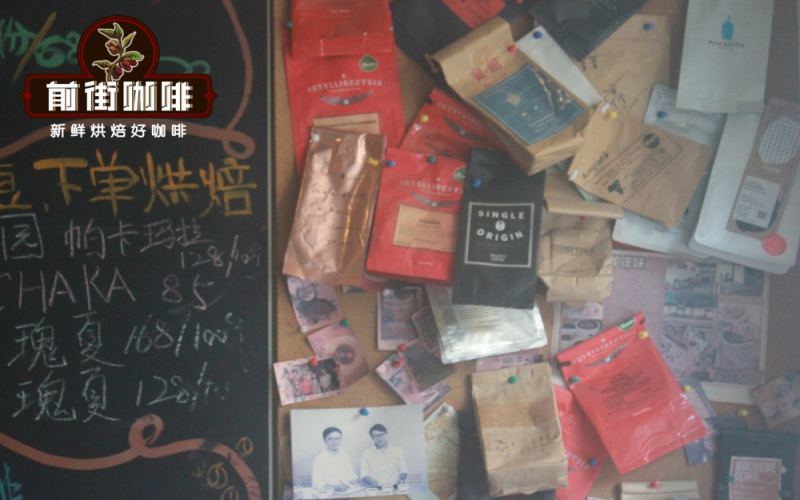
How Is Starbucks Flat White Different from an Aussie White Latte? A Comparative Analysis of Espresso and Milk Coffee Flavors
Flat White, Australian White, Latte, and Cappuccino—these names sound similar, and they taste somewhat alike, but they actually differ in the ratio of coffee to milk, the thickness of the milk foam, and the choice of espresso. This article begins with the marketing push behind Starbucks' Flat White, tracing the evolution of the term "Flat White" from its derogatory use in a British film to its emergence as a coffee name in the 1980s, and sorts out the controversy between Australia and New Zealand over its origin. At the same time, the article will also compare Australian White, Latte, and Cappuccino in terms of cup size, milk foam thickness, and flavor, and introduce the specific parameters and blend bean choices used by Front Street Coffee to make Australian-style white coffee. [more…]
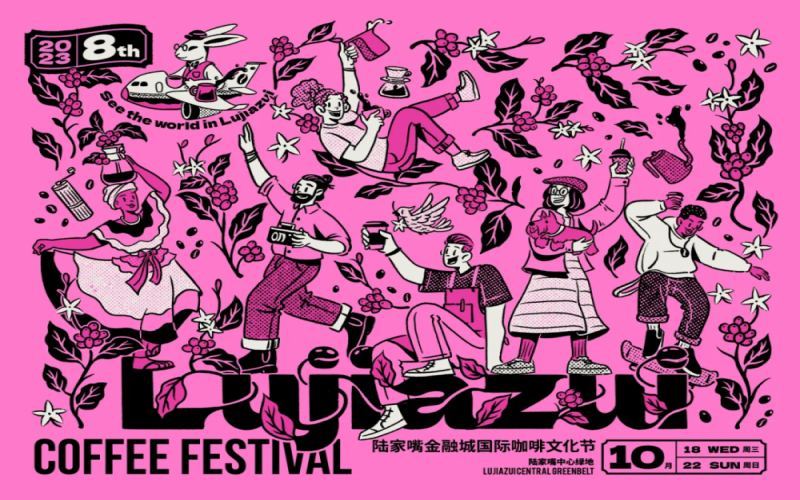
The 8th Lujiazui Coffee Festival has received mixed reviews: reservation-based crowd control and network upgrades won praise, while on-site crowding and blind box controversies persist.
The 8th Lujiazui Coffee Festival recently wrapped up in Shanghai, just half a year after the previous edition. The organizers made several adjustments in response to past issues, including full Wi-Fi coverage and timed-entry reservations. However, social media still buzzed with complaints: the venue remained packed, reservation slots were hard to secure, the 138–168 yuan coffee mystery boxes were seen as disguised ticketing, and some foreign brand experiences fell short of expectations. Despite gathering 100+ cafés from 25+ cities and brands from multiple countries, the event's weak offerings still hurt its reputation. This article reviews the highlights and gripes of this year's coffee festival. [more…]
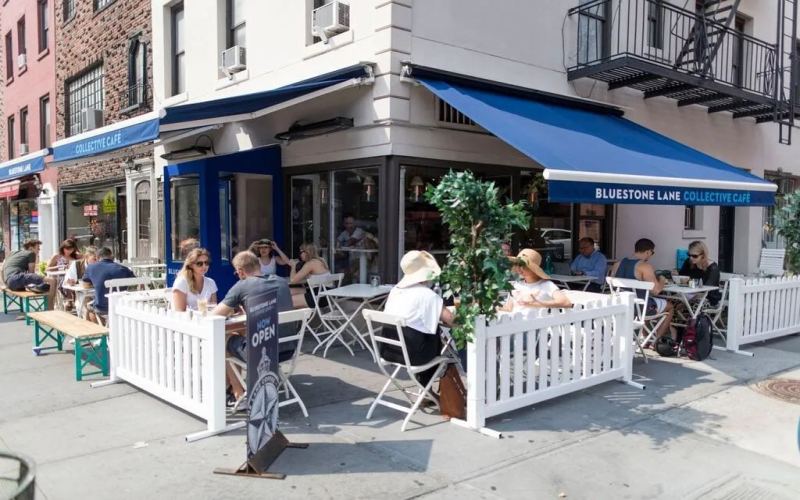
Flat White Coffee | What Is a Flat White? Flat White Coffee Preparation Parameters and Espresso-to-Milk Ratio Reference
Espresso-based coffee is probably the most universally popular series of coffee drinks. You might not like black coffee that hits your palate with either sourness or a burnt bitterness, but espresso drinks can be adjusted in their ratios to offer you different tastes and flavor experiences. Among these, adjusting the ratio of espresso to milk is likely the most basic technique in espresso drinks. [more…]
How to Tell the Difference Between Piccolo, Flat White, Latte, Mocha, and Cappuccino? A Detailed Guide to the Piccolo Latte's Making Method and Flavor Characteristics
The espresso coffee family has many varieties. In addition to the common latte and cappuccino, the Piccolo Latte has gradually come into the view of coffee enthusiasts in recent years. This mini milk coffee originating from Australia was initially just a "leftover" product when baristas were dialing in beans, but later developed into an independent category. What exactly is the difference between it and a flat white or a latte? How should the ratio of espresso to milk be controlled during preparation? What are the considerations regarding milk foam thickness? Starting from the sharing of Front Street Coffee (FrontStreet Coffee), this article systematically sorts out the origins, recipe, and preparation details of the Piccolo Latte, and compares the differences among Piccolo, flat white, and latte in cup volume, extraction scheme, and milk foam texture, while also analyzing why Piccolo has always been less popular in China than flat white. [more…]