







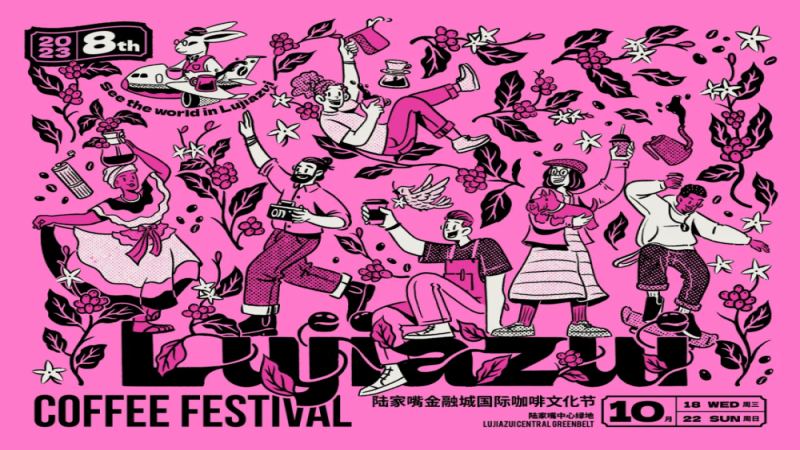
What Stood Out at the Lujiazui Coffee Festival?
The 8th Lujiazui Coffee Festival closed in Shanghai only half a year after the previous edition. Organizers added full Wi-Fi coverage and timed-entry reservations booked through the official WeChat account, with no entry outside a chosen slot. All slots filled. Social media still reported packed halls, long lines from 10 a.m., and slow verification at the gate.
The event gathered more than 100 coffee shops from over 25 cities plus brands from several countries. Complaints focused on hard-to-grab reservation slots and mystery boxes priced at 138 to 168 yuan that some visitors called disguised ticket sales, along with uneven foreign brand experiences. Organizers closed only part of the venue, and the gap between offerings and expectations affected the festival's reputation.
The 8th Lujiazui Coffee Festival recently concluded in Shanghai, only half a year after the previous edition. The organizers made several adjustments in response to issues from past events, including providing full Wi-Fi coverage and implementing timed-entry reservations. However, social media still saw a flood of complaints: the venue was still packed, reservation slots were hard to grab, the 138–168 yuan coffee mystery boxes were seen as disguised ticket sales, and some foreign brand experiences were less than satisfactory. Although the event brought together 100+ coffee shops from 25+ cities and brands from multiple countries, insufficient event offerings still affected its reputation. This article takes you through the highlights and gripes of this year's coffee festival.
▲
Click to follow | Daily specialty coffee culture magazine Coffee Workshop
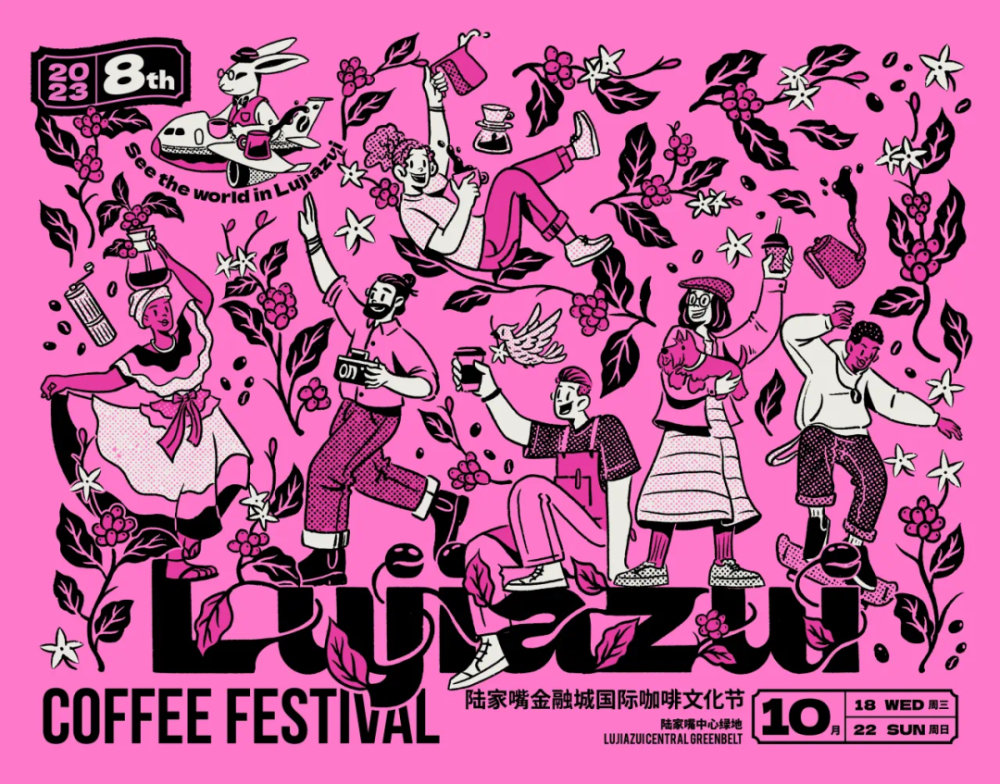
Shanghai recently welcomed the 8th Lujiazui Coffee Festival. According to the organizers, only half a year has passed since the last edition—it was just held in March this year. Now, scrolling through social media, you can see netizens posting their coffee festival check-in updates everywhere.
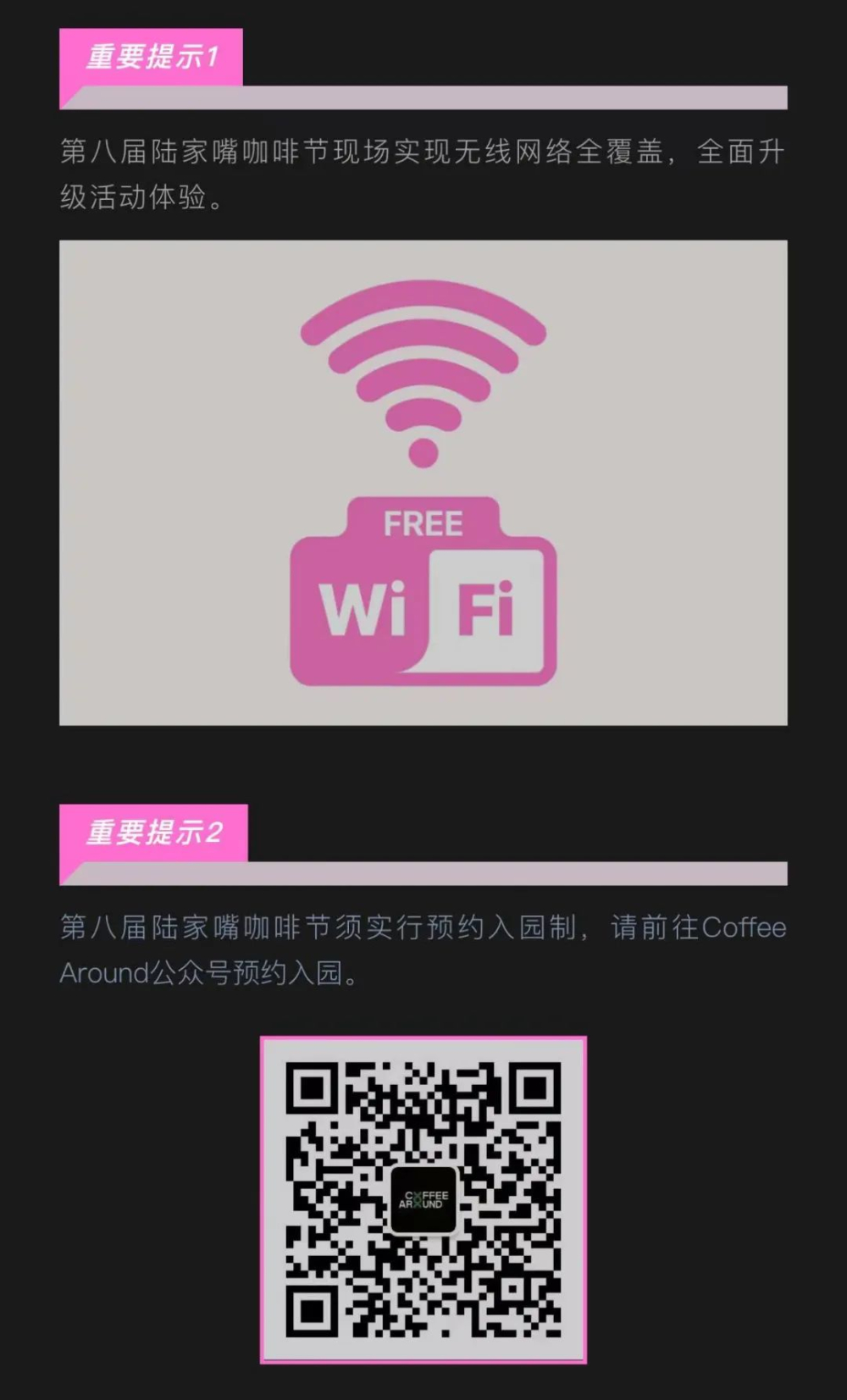
Past editions exposed quite a few problems on site, so the organizers made some targeted changes this time. First, this year's coffee festival achieved full Wi-Fi coverage throughout the venue, hoping to improve participants' on-site experience.
Second, the event adopted a reservation-based entry system, requiring advance booking on the official WeChat account, and presenting the reservation record for verification upon arrival at the entrance. Reservations were also divided into time slots, and entry was not allowed outside the corresponding time slot. Currently, all slots are fully booked. However, according to on-site netizens, long queues formed starting at 10 a.m., with code verification and fluorescent stamps required right from the start, which slowed down entry considerably.
Despite the organizers' many adjustments, a large number of netizens still couldn't help but complain: "Still packed with people" and "The first morning was still a sea of people," with many asking the soul-searching question, "Don't these people have jobs?"
Many netizens also questioned whether the organizers were deliberately marketing. Although the coffee festival lasted five days, reservations were basically full, and the organizers only occasionally released a small number of slots, leaving many netizens unable to grab tickets at all. However, the organizers put 138–168 yuan coffee mystery boxes on sale, which upon purchase granted a ticket and access to a dedicated entry channel, giving the impression of disguised ticket sales.
In addition, many netizens who bought the coffee mystery boxes also complained on social media, feeling that the gifts inside this blind box format were full of uncertainty. Especially regarding the highest-value ccc coffee cup, some netizens reported that among the three redemption points on site, some had no cups at all, making it feel not worth the money.
Nevertheless, this year's coffee festival still attracted a large number of vendors. According to the organizers, a total of 100+ coffee shops from 25+ cities, 25+ coffee bean brands, and 10+ coffee equipment brands participated. Many foreign brands also came to exhibit, including some coffee brands from Japan, South Korea, Australia, Singapore, and Thailand.
But some netizens also pointed out shortcomings of certain foreign brands. One netizen posted that a certain Japanese brand's communication issues led to a poor consumption experience; in the comments, someone else said, "A Thai latte art champion shop, 35 yuan for only 150 ml, and the latte art isn't even as good as Starbucks."
Overall, the organizers of this year's coffee festival improved many details and learned from past experience, but there were still many aspects netizens complained about. In fact, attracting many foreign brands to participate is a good thing, as it helps enhance coffee cultural exchange at home and abroad, but many event offerings were insufficient, leading to a poor experience. Hopefully future editions will be better.
Image source: Internet
Disclaimer: Some images in this article are from the Internet. For some content on the website, such as images, we will respect the original copyright and indicate the source. However, due to the large quantity, some images and text may not have been credited in time. Please forgive us. If the original author has any disputes, they can contact the website for handling. Once verified, we will correct it immediately. Compiled and edited by "Coffee Workshop." Please indicate the source when reposting. If there is any infringement, please inform us for removal. Thank you~!
The above content is compiled by CoffeeHunters, a coffee news website.


