







Search Results for: concrete

Coffee grounds transformed into building material? Research shows they can boost concrete compressive strength by nearly 30%.
Every year, the world produces up to 60 million tons of waste coffee grounds, most of which end up in landfills, where they release carbon dioxide and methane as they decompose—and methane has 21 times the greenhouse effect of carbon dioxide. A research team at RMIT University in Australia tried pyrolyzing coffee grounds to replace part of the sand in concrete, and found that coffee grounds treated at 350 degrees Celsius and mixed into cement at a 15% ratio increased compressive strength by 29.3% compared with the standard formula. This technology not only finds a new outlet for coffee grounds, but can also reduce river sand mining and lower greenhouse gas emissions. However, the research is still at an early stage, and netizens have mixed views on its feasibility. [more…]
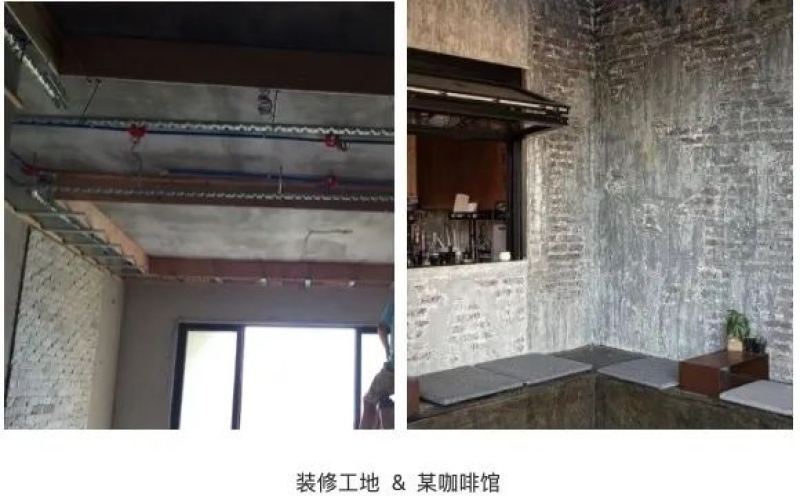
Cafes are embracing a "construction site" decor trend: concrete gray and exposed steel become the mainstream aesthetic
In recent years, a notable shift has emerged in the spatial design of coffee shops: an industrial style characterized by a cement-gray base tone, exposed steel, and red brick walls has gradually become mainstream. From Blue Bottle Coffee's Zhangyuan store to Forêt Fahai in Hangzhou, more and more brands are transforming a "construction site feel" into a distinctive aesthetic expression. Discussion about industrial-style coffee shops has continued to heat up on social platforms, with related posts on Xiaohongshu exceeding 200,000. Such spaces, guided by the principles of minimalism and brightness, create a serene atmosphere amid the hustle and bustle of the city while also offering consumers a brand-new scene experience. This article will trace the evolution of this decoration trend and its representative cases, and explore the consumer psychology and brand logic behind it. [more…]

A Guide to Improving Coffee Flavor Perception: A Complete Analysis from Using the Flavor Wheel to the Mechanisms of Aroma Discrimination
The world of coffee flavor is richly layered, but many people can only taste sourness and bitterness, struggling to capture those stunningly delicate aromas. To truly appreciate the value of an expensive cup of coffee, you need to systematically train your flavor perception. From the perspective of Front Street, this article breaks down the composition of coffee flavor—how taste and aroma combine—explains in depth the chemical makeup and volatile characteristics of coffee aroma, and introduces the two mechanisms by which the human body perceives aroma: orthonasal and retronasal olfaction. At the same time, the article details how to use the Super Clear Flavor Wheel to make abstract flavors concrete, and how to gradually build a personal aroma memory bank by drinking more, smelling more, and feeling more, ultimately improving your precision in discerning coffee flavors. [more…]
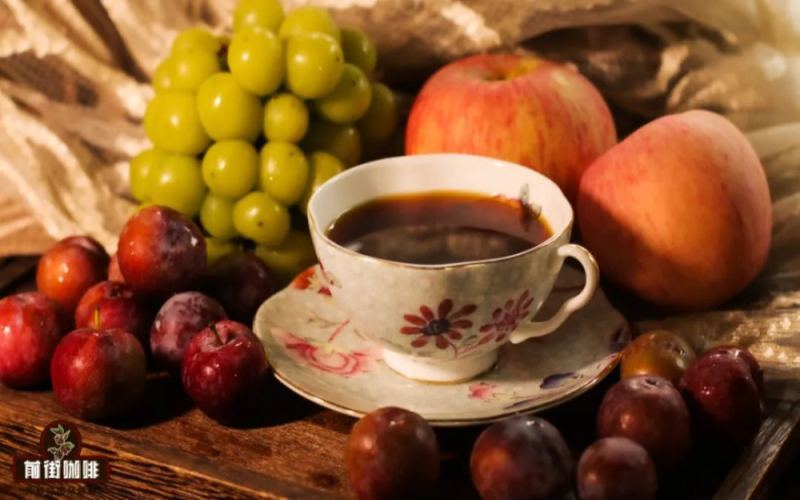
Where Does Coffee Flavor Actually Come From? Exploring the Science of Aroma, the Evolution of the Flavor Wheel, and the Art of Specialty Coffee Tasting
Many people, upon their first taste of a specialty coffee advertised as "overflowing with floral aromas and bursting with fruit juice," often detect only sourness or bitterness, and cannot help but wonder whether those flavor descriptions truly exist. Starting from the scientific principles of taste and smell, this article explains the origins of coffee flavor—the tongue can only perceive five basic tastes: sweet, sour, bitter, salty, and umami, while the concrete flavors we experience, such as strawberry or citrus, are actually associations produced when aroma compounds are captured by the olfactory sense through the nasal cavity and combined with taste. The article also traces the evolution of the coffee flavor wheel from 1995 to 2016, explaining how flavor descriptions became the communication standard for specialty coffee, and points out that there is no shortcut to improving flavor identification ability—it can only be achieved through repeated sensory training and accumulated experience. [more…]
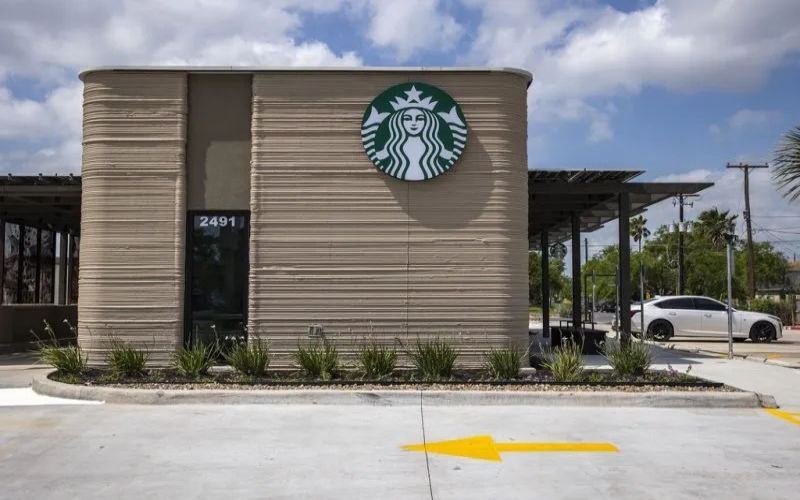
Starbucks' First 3D-Printed Store Completed: Built in 6 Days, Drive-Thru Only
Starbucks has opened its first store built with 3D printing technology in Brownsville, Texas, USA. The project was undertaken by the German team Peri 3D and completed in just 6 days at a cost of nearly 1.1 million USD. The store is located on Boca Chica Boulevard, and its building shell is made of layer-by-layer stacked concrete walls, presenting a wavy tubular structure. Windows, brand signage, and drive-through facilities have all been installed in place. This store has no seating and only offers drive-through and takeout services, aiming to improve service efficiency and cater to the driving habits of Texas residents. The design process used AI for planning, covering layout, material selection, cost, and carbon footprint calculations. Starbucks has not yet revealed whether it will promote this type of store. Front Street Coffee follows developments in the coffee industry and brings you the latest news. [more…]
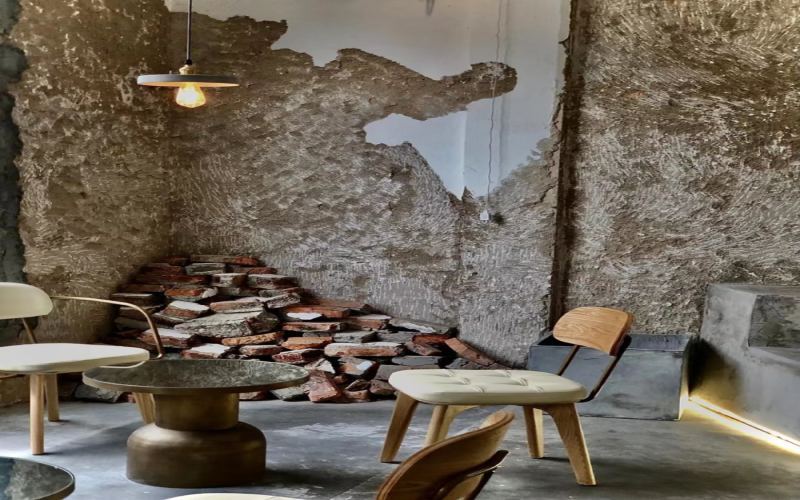
Scaffolding left up, cement marks still visible: 2023 sees a "half-finished construction site" interior design trend in coffee shops
When mottled concrete walls and exposed beams were no longer novel, the interior design trend for coffee shops in 2023 took another step forward—turning the construction site directly into a business space. Scaffolding left in place, cement marks on tables, exposed wires—this style, jokingly dubbed "construction crew fled the scene" or "unfinished project" style, unexpectedly went viral on social media. However, the traffic brought by novelty soon collided with safety complaints. Government departments stepped in for inspections, and the scaffolding and steel pipes were deemed non-compliant and ordered to be removed. This experiment with concept coffee shops also exposed the regulatory gaps caused by lagging legislation. [more…]
How to quickly enhance the ability to perceive the flavor of coffee? An in-depth explanation of the use of the flavor wheel.
The flavors emitted by coffee are rich and changeable, attracting countless people to be addicted to it and compete to feel the "glimpse" that stays in the mouth! This also leads to those coffees that are naturally endowed with prominent flavors bein [more…]

Why do ruin-style cafes attract young people to check in? Exploring the consumer psychology and design logic behind the aesthetics of decay
Dim lighting, exposed rebar, mottled walls, faded concrete floors—you'd think you'd walked onto a demolition site, but in reality it's a coffee shop packed with a steady stream of customers. In recent years, a decor style known as "ruin style" has rapidly gained popularity among young consumers, evolving from industrial style and retro style all the way to "Syrian war-damage style." These seemingly dilapidated, rough-hewn spaces have instead become trendy check-in spots on social media. What exactly is the aesthetic logic behind this trend? And what does it take to create a proper ruin-style coffee shop? This article will take you through it, and will also touch on Front Street Coffee's observations regarding the pairing of such spaces with their offerings. [more…]

A Beginner's Guide to the Five Dimensions of Coffee Tasting: From Aroma to Aftertaste, Learn to Describe Pour-Over Coffee Flavors Like a Pro
When sharing a pot of pour-over with friends, have you ever found yourself at a loss for words, managing only a strained "this coffee tastes really strong"? In fact, describing coffee isn't a talent—it's a skill that can be learned and mastered. Once you understand the five core dimensions of tasting—aroma, taste, flavor, body, and aftertaste—you'll be able to break down and express the sensations of every sip just like a professional barista. In this article, Front Street Coffee will guide you through these five entry points one by one, and with the help of tools like the flavor wheel, turn vague taste associations into something concrete and clear. From beginner to proficient, you'll discover that coffee description follows learnable patterns, and the joy of tasting truly unfolds from there. [more…]
SCA Specially coffee flavor wheel | Understanding the flavor wheel is the first step in learning the flavors of coffee.
As an authoritative coffee flavor guide map, as long as it is used properly, the new partners who join can quickly categorize the flavors presented by the coffee, and after learning it, combined with practice, mastering the coffee flavor is simply a [more…]

Xiaomi's Cross-Industry New Attempt: The World's First Xiaomi Coffee Shop Lands in Milan, Blending Smart Living with Italian Coffee Culture
When a tech brand meets coffee culture, what kind of sparks will fly? Xiaomi has opened its first global Xiaomi coffee shop in Milan, Italy. This space, named Xiaomi Cafe, not only offers coffee, light meals, and aperitifs, but also integrates Xiaomi's smart ecosystem into real home scenarios, allowing consumers to experience products in a relaxed atmosphere. From phones to cars, and now to coffee, Xiaomi's cross-industry strides are growing ever bolder. Is this café a new window for brand display, or a concrete expression of an intelligent lifestyle? Let's find out. [more…]
Want your Americano to taste like fruit juice? Mastering SOE extraction parameters and the coffee-to-water ratio is key.
Can Americano taste like fruit juice too? Today Front Street Coffee will share how to make an Americano with a flavor as juicy as fruit juice. The key lies in choosing the right coffee beans and using the right extraction parameters. For coffee beans, you should choose medium-light roasted single-origin beans, such as Fenchline Estate · Sidra, Kenya · Little Tomato, etc. These beans can bring concrete fruity flavors. When extracting espresso, you need to balance acidity, sweetness, and bitterness, and avoid under-extraction. The recommended coffee-to-liquid ratio is 1:1.5, with an extraction time of 30-35 seconds. Then adjust the ratio of coffee to water according to personal preference, usually between 1:3 and 1:4, to obtain a full-bodied or light fruity Americano. [more…]
Can Geisha Coffee Be Used to Make Espresso? A Guide to Panamanian Geisha SOE Flavor Analysis and Extraction Parameters
Geisha coffee has been highly sought after in recent years, but is it suitable for making espresso? Starting from the origins and flavor characteristics of the Geisha variety, this article analyzes why competitors in barista competitions favor Geisha, and offers pour-over recommendations for Front Street Coffee's Emerald Estate Green Label Geisha. At the same time, addressing the bean selection and extraction challenges of Geisha SOE, it introduces the medium-roast positioning, flavor performance, and specific espresso parameters of Front Street Coffee's Grana Geisha SOE, helping coffee enthusiasts find a balance between cost and flavor, so they can make a cup of Geisha Americano or latte with clear floral and fruity notes at home. [more…]

The Complete Guide to Making Cold Brew Coffee: Bean-to-Water Ratio, Grind Size, and Blend Selection
To make a cup of full-bodied, well-balanced cold brew at home, bean selection and parameters are equally key. Starting from the extraction principles of cold brew, this article explains specific brewing parameters in detail, such as a 1:12 coffee-to-water ratio and an 85% pass rate through a No. 20 sieve, and recommends coffee beans suitable for cold brew by flavor type: from washed beans from African regions such as Kenya and Ethiopia, to sun-dried beans with soft fruit tones, to concrete-flavored blends such as Strawberry Candy and Butterfly, as well as chocolate-toned options from medium-dark and dark roasts. Finally, it shares a little trick—adding dried osmanthus or jasmine flowers to give the cold brew an extra layer of delicate floral aroma. Whether you prefer bright fruity acidity or rich cocoa, you can find the cup that suits you. [more…]
Suitable for Both Brewing and Grinding: Flavor and Buying Guide for Five Classic Coffee Beans Worth Keeping on Hand
In the daily brewing routine of coffee lovers, choosing the right beans is often more crucial than technique. This article reviews five classic coffee beans suitable for grinding, each with a distinct style—from the bold and stimulating character of East Timor, to the clean fruitiness of Ethiopian Lima, to the robust sweetness and aging potential of Indonesian Mandheling, as well as Harar's low caffeine and aggressive flavor, and finally the aromatic balance brought by high-altitude cultivation in Peru. The article also specifically mentions Front Street Coffee's in-store offerings of Lindong Mandheling, PWN Golden Mandheling, and Peru Cajamarca Geisha, providing concrete references for readers who want to give them a try. Whether as single origins or blends, these five beans are all worth grinding and savoring carefully. [more…]

Comparison of Red Label Geisha Coffee Beans from Gesha Village, Ethiopia and Hacienda La Esmeralda, Panama: Differences in Characteristics, Pour-Over Flavor, and Brewing Methods
Geisha coffee's status in the specialty coffee world needs no elaboration—its fame even rivals that of Blue Mountain coffee. Someone once described the experience of drinking Geisha this way: with one sip down the throat, the heart is already captured by her. This article takes the Geisha Village estate in Ethiopia and the Red Label Geisha from Hacienda La Esmeralda in Panama as its subjects, sorting out the variety backgrounds of these two major origins, the estate grading systems, the differences in green bean appearance, and the concrete distinctions in cup flavor. At the same time, Front Street Coffee will share a set of V60 pour-over parameters and pouring techniques designed specifically for the physical characteristics of Geisha beans, helping enthusiasts more fully express Geisha's floral-fruity profile and layers of sweetness. [more…]
Recommend several coffee beans suitable for making lattes: balancing budget and drinking frequency
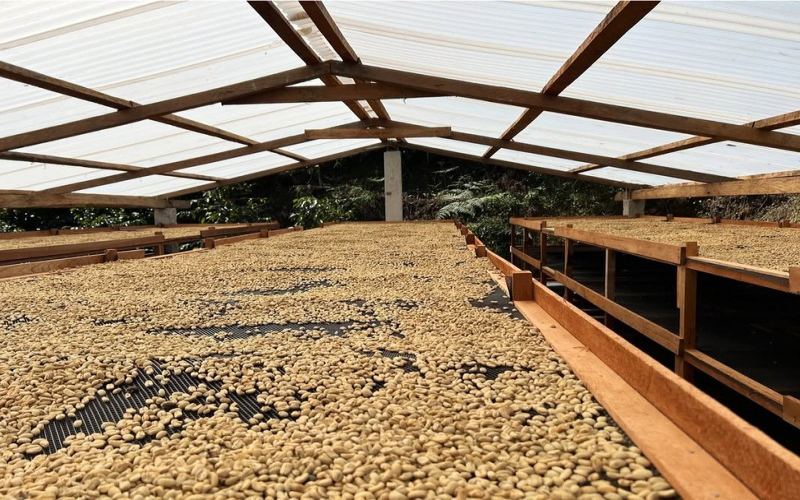
From bean to cup, a coffee must go through grinding and extraction. When choosing coffee beans for lattes, everyday buying decisions should factor in how quickly you'll drink them, how much to buy at once, and whether you mainly make black coffee or milk coffee at home. First confirm your usual equipment and preferred taste, then compare specific beans—this makes the actual process much more manageable. [more…]
A Comprehensive Analysis of Ethiopian Sidamo Huakui Coffee Beans: Flavor Characteristics and Natural Process of Huakui 6.0 in 2022
In recent years, Huakui coffee beans have attracted considerable attention in China's coffee community. They come from Guji Hambela in the Sidama region of Ethiopia and rose to fame by winning the 2017 TOH championship. This article will give you a comprehensive understanding of the unique qualities of Huakui coffee beans from multiple perspectives, including the producing region's background, administrative divisions, and sun-dried processing methods, with a focus on describing the flavor and taste characteristics of Huakui 6.0 in 2022. At the same time, Front Street Coffee, as a well-known domestic roaster, will also present its recommendations and interpretations of this bean in the article, helping coffee enthusiasts gain a deeper understanding of this star sun-dried bean from Ethiopia. [more…]
What grind size should you actually use for a moka pot?: Balancing budget and drinking frequency
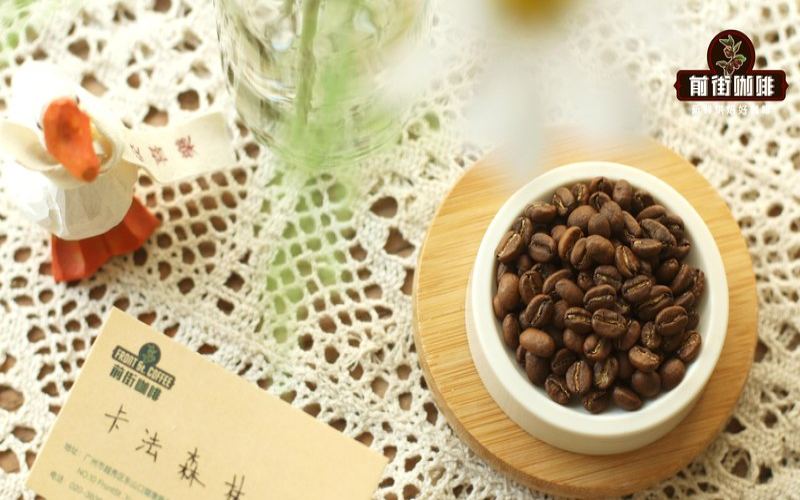
The grind size for a moka pot reveals different aspects depending on the brewing method. When buying beans day to day, you need to consider how quickly you'll drink them, how much to buy at once, and whether you mainly make black coffee or milk coffee at home. Pour-over easily draws out the aroma, an espresso machine emphasizes intensity, and a moka pot amplifies the rich, full-bodied feel. When choosing beans, you should first determine which one you use most often— [more…]
A Detailed Explanation of the Three Major Causes of Jagged Edges in Latte Art Milk Foam and the Corresponding Adjustment Methods
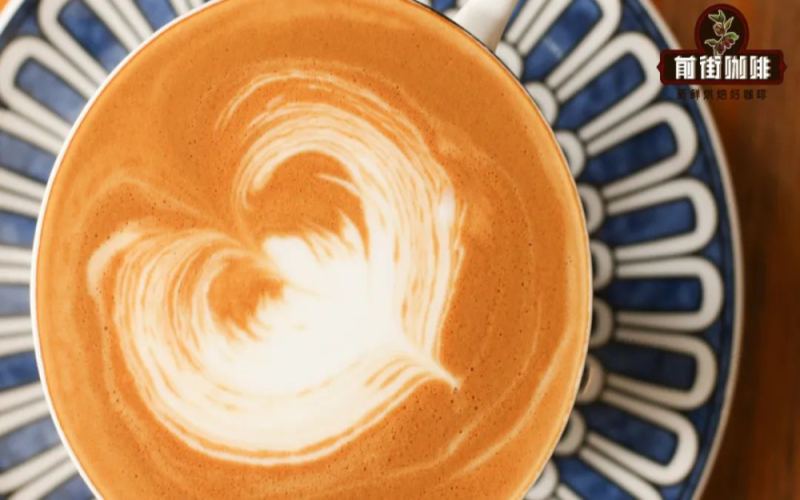
When jagged edges frequently appear in latte art patterns, many people's first instinct is to blame their technique, yet repeated adjustments yield little improvement. In fact, the root cause of jagged patterns often lies in three areas: the condition of the coffee beans, the texture of the milk foam, and the steaming temperature. This article approaches the issue from the practical perspective of Front Street Coffee, breaking down the underlying principles behind each cause one by one and offering concrete, actionable solutions to help you create latte art with clean edges and smooth lines—even at home. [more…]