







Search Results for: Aussie Milk Coffee

Analysis of the Differences Between Luckin Aussie White and Latte: Ristretto Espresso Recipe and Front Street Coffee Brewing Parameters
Luckin's Aussie White has won many fans with its rich coffee aroma and dense milk foam, but many people are curious about exactly how it differs from a latte. From the perspective of Front Street Coffee, this article first clarifies the relationship between Aussie White and Flat White family members such as Starbucks Flat White and Costa Flat White, then compares it with a hot latte in terms of foam thickness, cup size, and the coffee-to-milk ratio, and further explains the extraction logic of Ristretto. The article also fully discloses the parameters Front Street uses to make Aussie White with the Sunflower Warm Sun blend, including the coffee-to-liquid ratio, foam thickness, and milk temperature, for friends who want to replicate it at home. [more…]
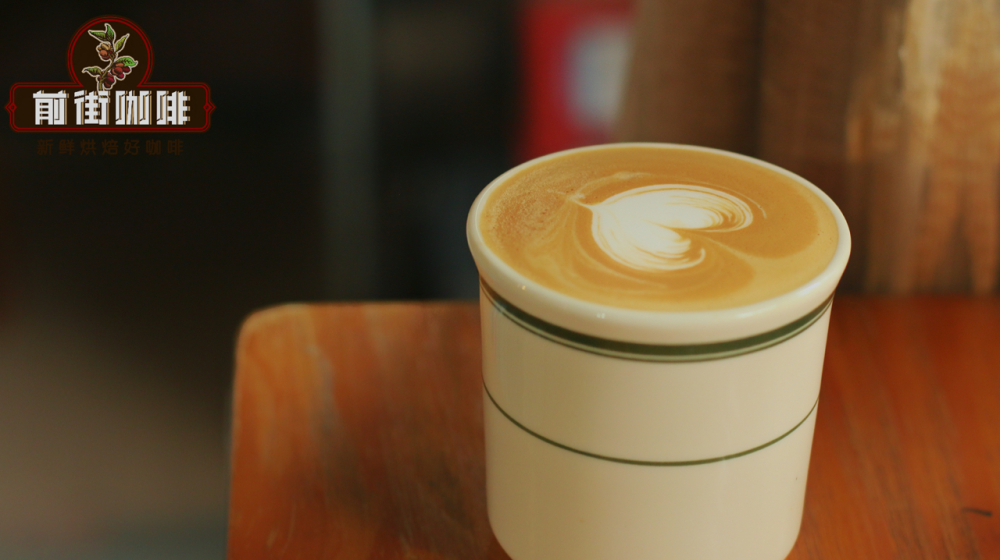
Australian-style White Coffee | Is Starbucks Flat White a Latte? How to Make a Flat White? What Are the Differences Between a Flat White and a Latte?
You may find the term "flat white" unfamiliar, but anyone who has been to Starbucks will surely know the "Fu Rui Bai." In fact, names like "Xiao Bai Coffee," "Fu Rui Bai," "Chun Yi Bai," "Ao Rui Bai," and "Aussie White" all refer to the flat white. It originated in Oceania (Australia), which is why it is also called Aussie white coffee. [more…]

What is the difference between a flat white and a fu rui bai? Is an iced Flat White feasible? Origin controversy and preparation explained in detail
When you walk into a café to order, do you get confused by names like Australian White, Flat White, and Artisan White? They actually all refer to the same Italian milk coffee—Flat White—just called differently by various brands. Whether this drink originated in Australia or New Zealand is still debated, but the domestic coffee scene prefers to call it Australian White. It differs noticeably from a latte in espresso extraction, milk foam thickness, and cup size. Traditionally, it is only served hot, but now iced versions have appeared to cater to the market. This article, based on Front Street Coffee's production parameters, will break down the origins and recipe logic of Australian White, as well as the key differences between espresso and ristretto, helping you find the cup that suits your taste better. [more…]
The correct way to make a flat white | How can coffee novices make a flat white at home? Which has thicker milk foam, an Aussie white or a latte, and which is easier to pour latte art with?
For professional coffee knowledge exchange and more coffee bean information, please follow Coffee Workshop (WeChat official account: cafe_style). For more specialty coffee beans, please add our private WeChat: Front Street Coffee (FrontStreet Coffee), WeChat ID: qjcoffeexFlat wh [more…]

Flat White | What is the difference in taste and mouthfeel between Australian-style flat white and American-style latte? How to make a flat white at home?
Flat White is directly translated as flat white coffee, and it also has different names such as Aussie white, Australian white, and piccolo latte. It has been one of the most popular drinks in coffee shops in recent years. In this article, Front Street Coffee will talk about this trendy drink, Flat White. How did Flat White evolve? [more…]
Flat White Explained: Milk Foam Thickness and Flavor Differences Compared to Latte and Cappuccino
Flat White, this milk coffee, is called 馥芮白 at Starbucks, 醇艺白 at COSTA, and 澳瑞白 at Luckin. The names vary widely—what exactly is it? From the perspective of Front Street Coffee, this article sorts out the controversial origins of Flat White, its differences from latte and cappuccino in milk foam thickness and flavor intensity, and shares in detail Front Street's extraction parameters, milk steaming techniques, and presentation details for making this coffee. If you want to know why an Aussie white tastes more strongly of coffee, has thinner milk foam, and how a standard Flat White should be presented, this content will give you a complete answer. [more…]

Flat White Coffee | What kind of coffee is Luckin's Ristretto Aussie White? Is there a big difference in taste between Aussie White Coffee and Cappuccino?
Whenever winter arrives and temperatures drop, the output rate of hot milk coffee at Front Street stores rises significantly, including lattes, cappuccinos, flat whites, and more. Compared to the other two classic drinks, flat white coffee can be considered a "new internet celebrity" in recent years. Most friends got to know this drink through chain brands like Starbucks or Luckin. In these [more…]
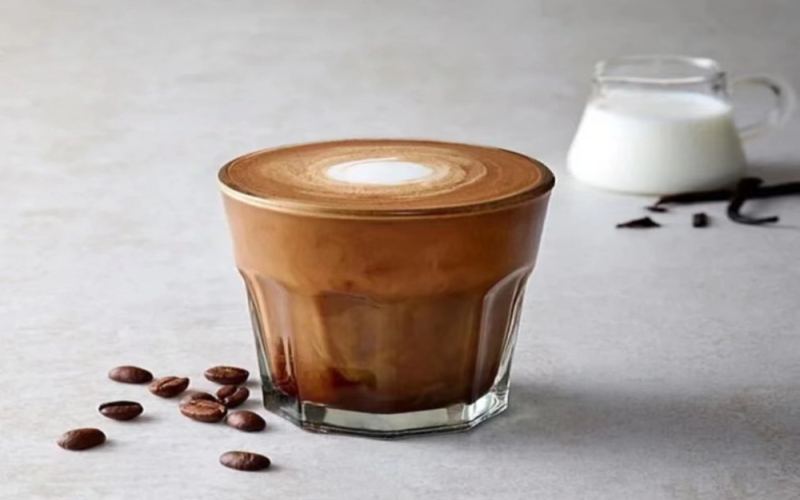
Luckin Aussie White and Milk Ratio Analysis: Aussie White Taste Characteristics and Preparation Process Sharing
Flat White coffee was born in the 1980s and 1990s. Regarding its origin, Australia and New Zealand each insist on their own version, and the debate remains unsettled to this day. This drink is known for its rich coffee flavor and delicate, thin milk foam, and it differs noticeably from a latte and a cappuccino in cup size, coffee base, and foam thickness. After Starbucks introduced it to China, it was named “Fu Rui Bai,” while other brands continued to use the name “Flat White.” This article will discuss the historical controversy surrounding Flat White, its flavor characteristics, its specific differences from a latte, and the steps for making Luckin’s Australian-style Flat White, helping coffee lovers gain a comprehensive understanding of this rich milk coffee. [more…]
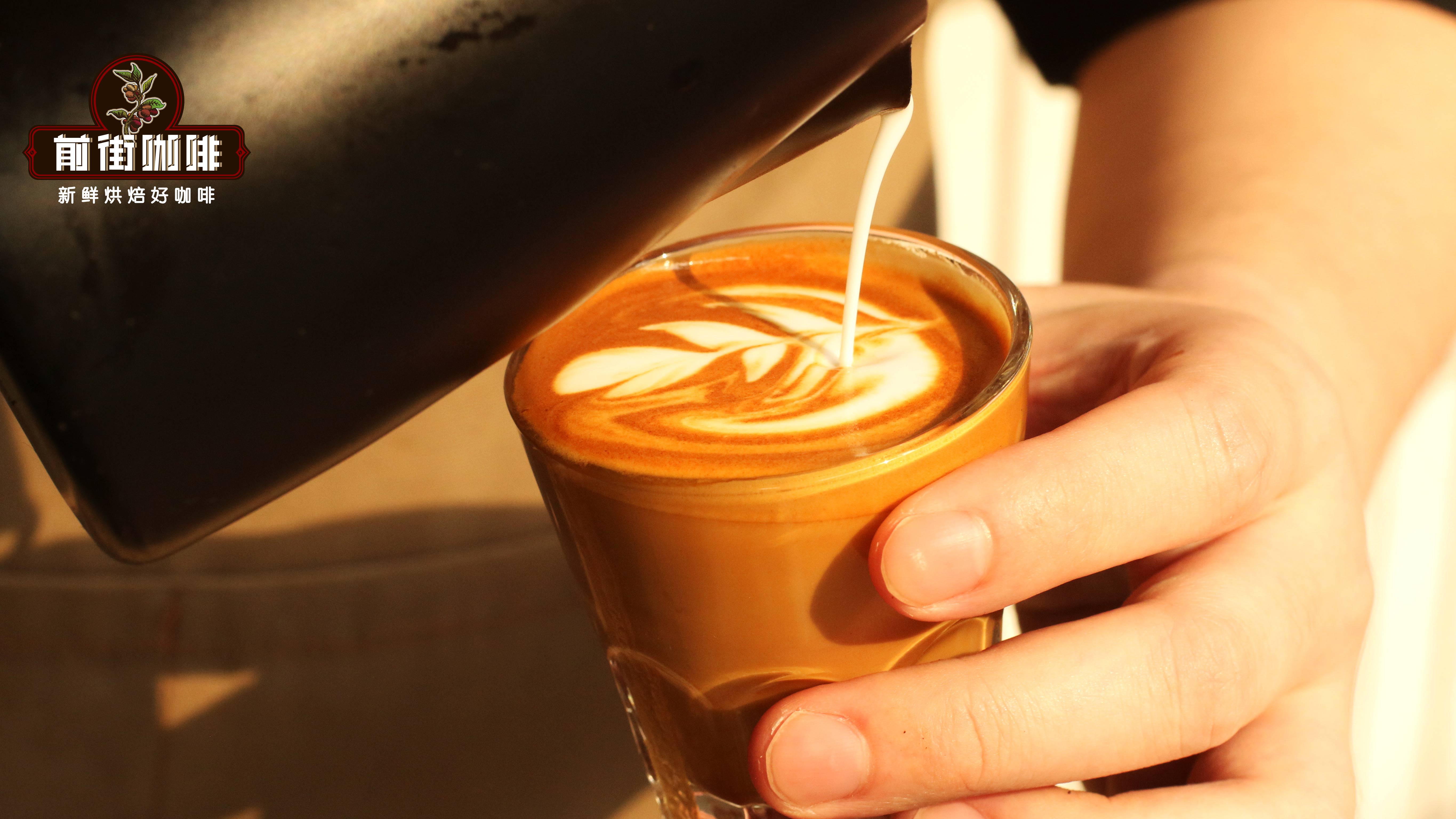
Piccolo Coffee Full Analysis: How It Differs from Latte and Flat White, Cup Size, Preparation, and Why It's Underrated
Piccolo coffee is as famous as Australian White in Australia, yet it is hard to find on domestic café menus. This mini milk coffee, known as a "small latte," has a cup size of only about 90ml, uses a single Ristretto as its base, and is mixed with lightly foamed milk, so it can be finished in a few sips. It was originally born from baristas' "avoiding waste" when dialing in beans, but today it has become a sharp tool for highlighting the flavor of coffee beans. This article compares the cup size and recipe differences between Piccolo, Australian White, and Latte, explains Front Street Coffee's preparation parameters in detail—including extracting 28g of liquid from 20g of grounds, a 1:5 coffee-to-milk ratio, and a 0.3cm milk foam thickness—and analyzes why Piccolo is niche in China. [more…]

Analysis of Starbucks Flat White Espresso Shots vs. Aussie White Differences, Plus Ristretto Extraction and Calories
Since its launch in 2012, Starbucks Flat White has captured the taste buds of many coffee lovers. It combines the smoothness of a latte with the intensity of a cappuccino, making it an ideal choice in the hearts of milk coffee fans. But do you know how many shots of espresso are actually in a Starbucks Flat White? Is it the same drink as the commonly called Australian White? This article will guide you through the origin of the name Flat White, its cultural roots in New Zealand and Australia, Starbucks' espresso ratio, the extraction principle of Ristretto, and Front Street Coffee's Australian White production method and calorie reference. Whether you want to understand the tricks of ordering or want to recreate it at home, this content can give you clear answers. [more…]

McDonald's Launches Aussie-Style Coffee to Challenge the American Style? Australian Baristas Show What Professional Craft Really Means
McDonald's has recently created a coffee exclusively for Australia called the Australiano, blending locally roasted beans, wattle seed, and chai flavors in an attempt to establish a signature drink for this country with a deep coffee culture. McCafé, a brand born in Melbourne in 1993, accounts for one in every four coffees sold in Australia. Now, with the launch of an Aussie-style coffee, it not only completes the soul of local coffee but also draws attention to Australia's coffee prowess. From the top-tier offerings in Melbourne and Sydney, to baristas' impressive skill of carrying multiple cups in one hand during peak hours, to the continuous emergence of innovations like the flat white, piccolo, and SOE, Australian coffee has long established its own school—even forcing Starbucks to retreat in its home market. This article takes you through the story behind this Aussie-style coffee and why Australian coffee culture is so formidable. [more…]

What exactly is the difference between Starbucks Flat White and Aussie Flat White? A comprehensive analysis from origin to preparation
On the menus of major coffee shops, Americano, Latte, and Flat White (or Fu Rui Bai) have long become familiar choices. Especially after Starbucks launched the Fu Rui Bai in 2020, this beverage quickly captured the hearts of many coffee enthusiasts. So, what kind of coffee is Fu Rui Bai exactly? Is there a difference between it and the Australian Flat White? This article will break down this classic milk coffee that sits between a latte and a cappuccino from multiple angles, including conceptual definitions, historical origins, and preparation methods, and share the specific parameters and blend choices used by Front Street Coffee when making Fu Rui Bai in-store. [more…]
How Does Malaysian White Coffee Differ from Black Coffee? A Full Analysis of White Coffee's Flavor, Preparation, and Its Connection to Flat White
What exactly is the difference between Malaysian white coffee and black coffee? Is white coffee really healthier and tastier? This article starts with the origins, roasting methods, and flavor characteristics of white coffee, sorts out how it differs from Malaysian black coffee, and extends to the Aussie white (flat white) that is often called "white coffee" today. You will also see how Starbucks makes its flat white, the differences between the iced and hot versions, and the parameters and steps for making a flat white at home using Front Street Coffee's classic espresso blend beans, along with a comparison of the differences between a flat white and a latte in milk foam thickness, cup size, and espresso base. [more…]

Australian White Coffee Taste and Mouthfeel | Flat White vs Latte: Which Tastes Better and Has a Stronger Coffee Flavor? Is There a Big Difference Between a Latte and an Aussie White?
Sometimes, just coffee and milk alone can be played with in endless variations, leaving outsiders utterly confused about the differences. Take latte and Flat White, for example—both are made by mixing espresso with milk, yet they offer two entirely different experiences. If [more…]

Flat White Production Essentials | Is Starbucks Flat White an Aussie-style white coffee? How much espresso goes into a Flat White?
For more specialty coffee knowledge, please follow: Front Street Coffee (Frontsteet Coffee). After Starbucks launched a new coffee drink, the "Flat White," in 2012, it once became a favorite among Starbucks fans. Because it has the silky mouthfeel of a latte [more…]

How Is Starbucks Flat White Different from an Aussie White Latte? A Comparative Analysis of Espresso and Milk Coffee Flavors
Flat White, Australian White, Latte, and Cappuccino—these names sound similar, and they taste somewhat alike, but they actually differ in the ratio of coffee to milk, the thickness of the milk foam, and the choice of espresso. This article begins with the marketing push behind Starbucks' Flat White, tracing the evolution of the term "Flat White" from its derogatory use in a British film to its emergence as a coffee name in the 1980s, and sorts out the controversy between Australia and New Zealand over its origin. At the same time, the article will also compare Australian White, Latte, and Cappuccino in terms of cup size, milk foam thickness, and flavor, and introduce the specific parameters and blend bean choices used by Front Street Coffee to make Australian-style white coffee. [more…]
How Is a Flat White Different from an Aussie White or a Magic? The Origins, Craft, and Flavor of the Flat White Explained
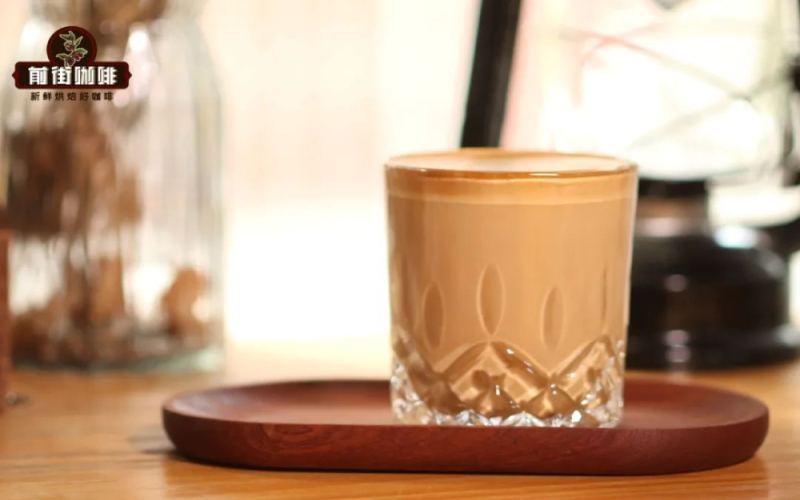
Flat White is also espresso with milk, yet different chain brands call it by various names such as Fu Rui Bai, Ao Rui Bai, and Chun Yi Bai. So how exactly does it differ from a latte or a cappuccino? This article begins with the controversy over the origins of the Flat White, sorts out the differences between the New Zealand and Australian styles, and, combined with Front Street Coffee's classic espresso blend coffee beans, explains milk foam thickness, milk ratio, espresso extraction parameters, and the resulting flavor, helping you understand how a delicious Flat White should be made and tasted. [more…]

How to make an Aussie White Coffee? Flat White vs Latte: What's the Difference, and a Taste Analysis of Luckin's Large Cup
Flat White has been appearing frequently on domestic café menus in recent years. Starbucks calls it "Fu Rui Bai," and there are also translations like "Ao Bai" and "Xiao Bai." This milk coffee, originating from Australia or New Zealand, is characterized by espresso with a small amount of hot milk, and is a product of the third wave of coffee pursuing flavor complexity. It differs noticeably from a latte in capacity and espresso extraction method; an authentic Flat White is only about 100ml and uses a Ristretto. This article uses Front Street Coffee's Sunflower Warm Sun blend as an example to explain the extraction parameters and flavor performance of Ristretto, and answers why Luckin's Flat White is a larger cup and whether it tastes good. [more…]
The Piccolo Latte Craze in Sydney, Australia: Feature Analysis and a Detailed Guide to the Aussie Method
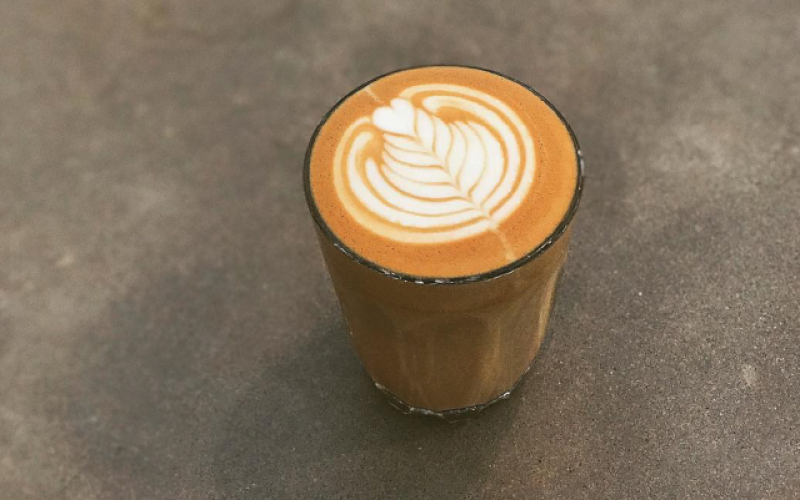
Among the dazzling array of milk coffee varieties, latte, cappuccino, and flat white have long been household names, while the somewhat obscure name of piccolo coffee often leaves people puzzled. It originated in Australia, deeply influenced by Italian coffee culture, with a cup size only half that of a latte, drinkable in two or three sips—a refined combination of espresso and a small amount of milk foam. This article will guide you through the definition and origins of the piccolo latte, the controversies surrounding its recipe, and how Front Street Coffee uses its own roasted Sunflower Warm Sun blend to interpret this mini latte, along with sharing key tasting points, so you can fully understand this small yet flavor-packed Australian classic. [more…]
What's the difference between a Flat White, an Aussie White, and a Rich Craft White? Espresso milk coffee recipes and specialty blend bean recommendations
When ordering at a café, the coffee drink Flat White often appears under multiple names—Starbucks calls it Fu Rui Bai, independent coffee shops in China mostly call it Ao Bai, and some brands write it as Chun Yi Bai. Are they actually the same drink? How does the flavor differ compared to a latte? And what are the differences between the Australian and New Zealand methods? This article will sort out the core points of this thin-microfoam, rich milk coffee from the perspectives of definition, espresso base, milk foam texture, and serving size, and explain the extraction differences between regular Espresso and Ristretto. Finally, it includes flavor introductions of four Front Street Coffee espresso blend beans for reference when making Ao Bai. [more…]