







Search Results for: Arabica origin

What exactly are Arabica coffee beans? A full analysis from variety origins to Typica, Bourbon, Caturra, and Catuai
People often say "100% Arabica," but what exactly does Arabica refer to? Is it a country, a producing region, or a coffee variety? In fact, Arabica is just one of the three major coffee species, the other two being Robusta and Liberica, and Arabica is widely used in specialty coffee due to its outstanding flavor. Its caffeine content is about 0.8%-1.5%, yet it accounts for about 75% of global production, but its growing conditions are demanding—it is vulnerable to frost, drought, and leaf rust. In this article, Front Street Coffee will guide you through the origin of the name Arabica, its spread and history, and the common varieties derived from it, such as Typica, Bourbon, Caturra, and Catuai, along with the origin and flavor information of representative coffee beans for each variety, to help you choose your ideal coffee more clearly. [more…]
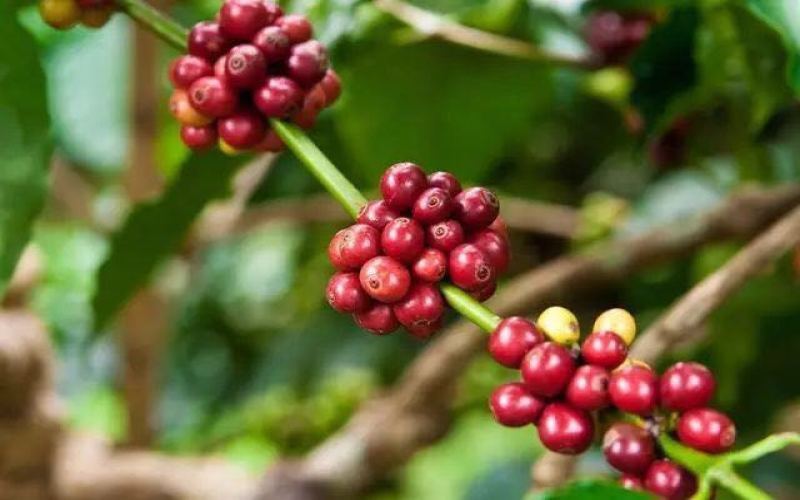
Which countries produce Robusta coffee beans? How do they differ from Arabica? A full analysis of their origins and characteristics.
When first getting into coffee, you often hear baristas mention terms like Typica, Arabica, and Robusta, and many people find them confusing. In fact, these are all coffee variety classifications. There are three major coffee varieties: Arabica, Robusta, and Liberica, with Arabica and Robusta being the most common. Arabica originates from the Ethiopian highlands, has an elegant flavor, and accounts for about 70% of global production; Robusta originated in the Congo Basin of West Africa, is easy to cultivate, has high yields, and is mostly used in commercial blends and instant coffee. In this article, Front Street Coffee will guide you through the origin story of Robusta, its main producing countries, and its detailed differences from Arabica in flavor, appearance, disease resistance, and uses. [more…]
Arabica Coffee Beans Explained: The Origin, Spread History, Growing Conditions, and Taxonomic Evolution of Coffea arabica
Coffea arabica, commonly known as Arabica coffee beans, is the most traditional and most important variety in the Coffea genus. It originated in East Africa and was long monopolized by the Arab world before the 15th century, hence the name "Arabian coffee." At the end of the 19th century, a large-scale disease outbreak prompted growers to seek disease-resistant alternative varieties, but Coffea arabica still accounts for about three-quarters of global coffee production today, mainly grown in Latin America, with Brazil becoming the largest producer thanks to its suitable terroir. This article will systematically sort out the core knowledge framework of Coffea arabica, from historical legends and plant habits to taxonomic changes, and take you to rediscover this familiar bean. [more…]
How Is Colombian Coffee Different from Arabica Beans? A Full Analysis of Origins, Processing Methods, and Flavor Differences
Arabica and Colombian coffee are often lumped together, but they actually represent the relationship between a variety and a place of origin. Arabica is the world's predominant coffee bean species, while Colombian coffee is Arabica beans grown in Colombia, with a distinctive flavor due to its terroir and an extra washing step. This article will clarify the differences between Arabica and Robusta, explain how origin, altitude, soil, and climate affect coffee flavor, and explain why Colombian coffee undergoes an additional processing step. If you want to know which is better, Colombian or Arabica, the answer is not a simple either-or choice, but rather an understanding of how variety and origin together shape the flavor in your cup. Those who enjoy pour-over coffee can also check out Front Street Coffee's related bean recommendations. [more…]
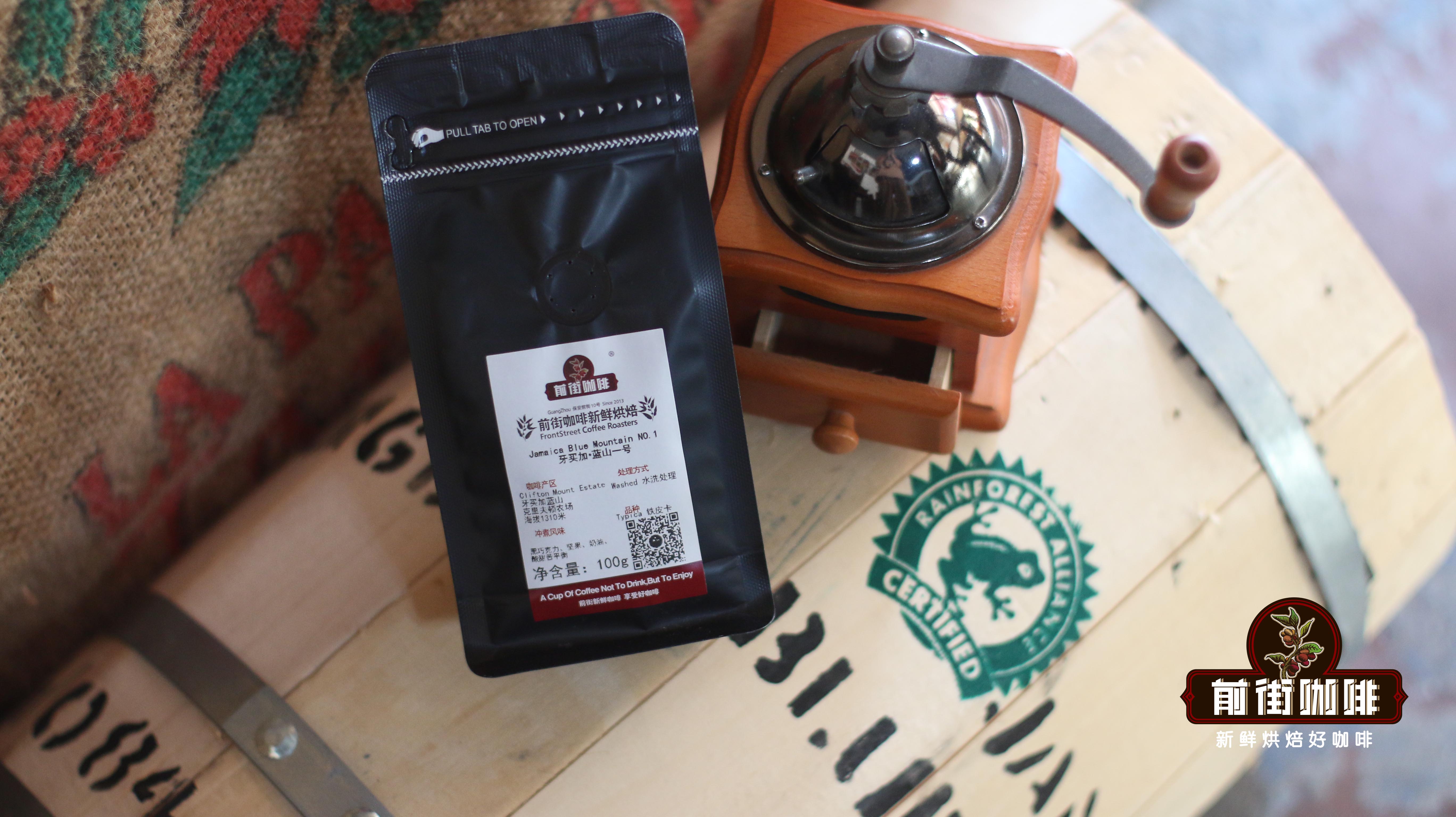
A Comprehensive Guide to 100% Arabica Coffee Beans: Variety Origins, Flavor Characteristics, and Common Representative Beans
We often hear the phrase "100% pure Arabica," but many people aren't clear on what it actually means. Arabica is actually the name of a coffee variety, not a country. It is currently the most widely cultivated and best-performing coffee variety in the world, with a caffeine content of only 0.8%-1.5%, and its output accounts for about 75% of the world's total coffee production. However, Arabica is delicate and frail, makes strict demands on the growing environment, and is prone to coffee leaf rust. Common specialty coffee beans such as Typica, Bourbon, Caturra, and Catuai are in fact all sub-varieties derived from Arabica. This article will systematically sort out the definition of Arabica, the origin of its name, and several of the most common derivative varieties on the market, to help coffee lovers gain a clearer understanding of the coffee beans they drink every day. [more…]
A Complete Analysis of Coffee's Three Native Species: Regional Characteristics and Flavor Differences of Arabica, Robusta, and Liberica
Walking into a coffee shop, the menu often says "100% Arabica," but do you really understand this variety? In fact, Arabica is just one of the three native species of coffee beans, not a specific drink. This article will systematically sort out the origins, growing conditions, flavor profiles, and commercial value of the three major varieties—Arabica, Robusta, and Liberica—to help you understand the unique charm of Arabica and its core position in specialty coffee. At the same time, we will also discuss the quality gap between 10-yuan and 30-yuan coffee, the true identity of Blue Mountain and Kopi Luwak, and how Front Street Coffee presents the origin personality of single-origin coffee. [more…]
Arabica, Robusta, and Liberica: A Detailed Explanation of the Characteristic Differences and Market Value of the Three Original Coffee Bean Species
In the coffee market, "100% Arabica" has almost become synonymous with quality, but most consumers are unaware that Arabica is actually the name of a coffee bean species, not a specific beverage. Global coffee comes primarily from three native species—Arabica, Robusta, and Liberica—which differ significantly in yield, growing conditions, flavor profile, and commercial use. Among them, Liberica has nearly withdrawn from the commercial stage, Arabica dominates the specialty market with its delicate aroma, and Robusta, with its high body and rich crema, plays an irreplaceable role in espresso blends. Understanding the essential differences among these three species not only helps you see through marketing rhetoric but also enables you to make more accurate judgments when purchasing coffee. [more…]
What Exactly Does Arabica Coffee Refer To? A Full Analysis from Variety Origins to the Flavors of the World's Mainstream Coffee Beans
When buying coffee, what exactly does "Arabica," which frequently appears on packaging, mean? It is not a coffee brand from any particular country, but an important botanical variety of coffee. This article, from the perspective of Front Street Coffee, sorts out the differences between Arabica, Robusta, and Liberica, explains why Arabica can account for more than seventy percent of global production, and clarifies its connection to specialty coffee. At the same time, the article introduces one by one the common Arabica branch varieties on the market—Typica, Bourbon, Caturra, Catuai, SL28 and SL34, Geisha, Ethiopian heirloom varieties, and Catimor—combining the origin, altitude, processing method, and brewing flavor of various representative beans from Front Street to help coffee enthusiasts build a clear framework for understanding varieties. [more…]
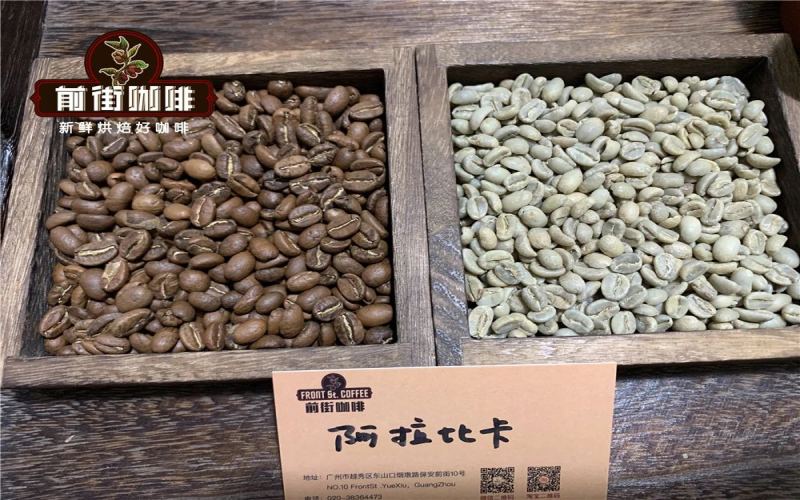
Arabica Specialty Coffee Bean Buying Guide | What Coffee Is Arabica Single-Origin Coffee Bean Suitable For?
We often see the words "pure Arabica coffee beans" in TV commercials, or in coffee shops and convenience stores. Many people are very curious: what are Arabica coffee beans? In this article, Front Street will answer these questions one by one ~ What are Arabica coffee beans? There are three main types of coffee beans in the world. [more…]
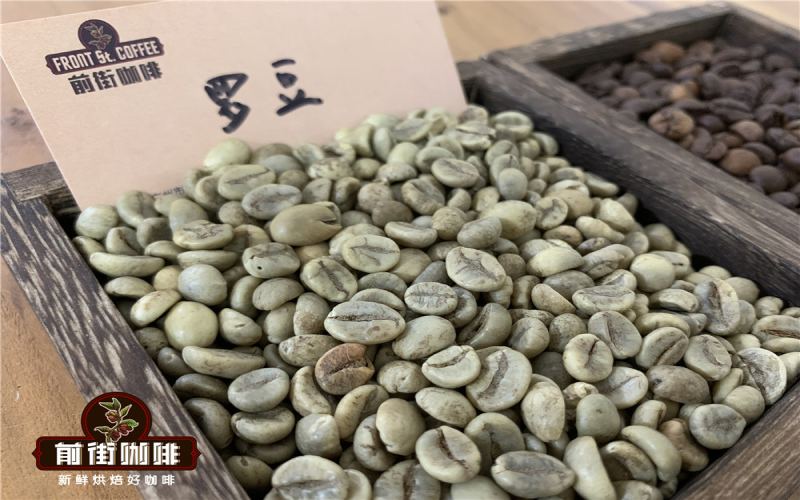
Comprehensive Comparison of Arabica and Robusta Coffee Beans: Is Yunnan Small-Bean Coffee an Arabica Variety?
Among the three major species in the coffee world, Arabica and Robusta account for the vast majority of the market share. The two differ in growth cycle, yield, flavor characteristics, appearance, and suitable applications, and their commercial value also varies greatly. This article systematically sorts out the core differences between Arabica and Robusta, while also answering a common question: which category does Yunnan small-bean coffee actually belong to? The article also introduces the origins and development of Yunnan coffee's main cultivated varieties—Typica, Bourbon, and Catimor—as well as Front Street Coffee's evaluation of the flavor of Yunnan Catimor. Whether you are an everyday drinker or a specialty coffee enthusiast, you can find clear reference points here. [more…]
Comprehensive Comparison of Arabica and Robusta Coffee Beans: Origin Characteristics, Flavor Differences, and Analysis of Yunnan Small-Bean Coffee Varieties
In the world of coffee beans, Arabica and Robusta are the two most common varieties on the market. The two differ significantly in harvest cycle, production share, disease resistance, flavor profile, and commercial use: Arabica has a delicate and varied flavor and is often used for single-origin and specialty coffee; Robusta is highly resistant to pests and diseases, has a pronounced bitterness, and is mostly used for instant coffee and blends. This article will systematically compare them from the perspectives of harvest period, shape, flavor, and drinking preferences, and will also introduce the varietal composition of Yunnan small-bean coffee—the respective characteristics of Typica, Bourbon, and Catimor. At the same time, it recommends Front Street Classic Blend and Front Street Dark Cocoa Blend to help enthusiasts choose a coffee that suits their taste. [more…]
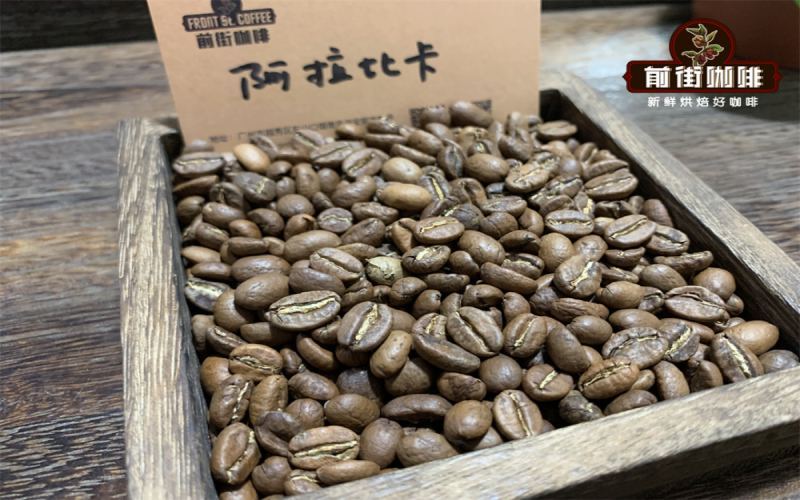
A Complete Analysis of Arabica Coffee Beans: From Variety Origins to the Flavor Characteristics of Typica, Bourbon, Caturra, and Catuai
Many people drink Arabica every day, yet may not truly understand it. Arabica is not a single variety, but one of the three major coffee species, with the best flavor and a caffeine content of only 0.8%-1.5%, while accounting for about 75% of global production. But it is inherently delicate, able to grow only at high altitudes, vulnerable to frost and drought, and prone to coffee leaf rust. From the perspective of Front Street Coffee, this article traces the origin of the name Arabica and its spread, and introduces one by one the characteristics and representative beans of several common derived varieties—Typica, Bourbon, Caturra, and Catuai—to help coffee lovers more accurately choose the cup that suits them. [more…]
How Are Arabica and Robusta Different? An In-Depth Analysis of the Three Major Native Coffee Bean Species and Their Commercial Value
Walking into a café, you often see "100% Arabica" as a selling point, but what exactly is Arabica? How does it differ from Robusta and Liberica? This article sorts out the origins, growing conditions, flavor characteristics, and market positioning of the three main native coffee species, compares the different roles of Arabica and Robusta in aroma, disease resistance, caffeine content, and espresso blends, and explains the quality gap between 10-yuan and 30-yuan coffee, the varietal classification of Blue Mountain and Kopi Luwak, and how professional brands such as "Front Street Coffee" present the terroir charm of single-origin coffee. [more…]

An In-Depth Look at the Two Mainstream Coffee Bean Varieties: Characteristics of Arabica and Robusta, Common Arabica Sub-Varieties, and Hybrid Breeding
In the global coffee-growing landscape, origins such as Brazil, Colombia, and Indonesia each have their own renown, while botanically coffee belongs to the Rubiaceae family under the genus Coffea, with over a hundred known species, though commercial cultivation is mainly concentrated in three varieties: Arabica, Robusta, and Liberica. Arabica is known for its elegant flavors and rich aromas, accounting for more than seventy percent of global production, and is often used for single-origin and specialty coffee; Robusta, on the other hand, is heat-tolerant, high-yielding, and highly stress-resistant, and is mostly used for instant coffee and espresso blends. This article systematically reviews the advantages and disadvantages of these two major varieties, the origins and flavor characteristics of common Arabica sub-varieties such as Typica, Bourbon, Catimor, and Maragogype, and introduces the Castillo variety bred from a cross between Arabica and Robusta, while also sharing related product experiences from Front Street Coffee in stores and during cupping. [more…]

Robusta Coffee Flavor Analysis: A Comprehensive Interpretation from Variety Origins to Instant Coffee Ingredients
When many people first learn about coffee, they often hear variety names like Arabica and Robusta, yet they may not clearly understand the essential differences between them. From the perspective of Front Street Coffee, this article systematically sorts out the origin and classification of Robusta coffee, its main producing regions, flavor characteristics, cultivation advantages and disadvantages, and explains why it has become an important raw material for instant coffee and commercial blends. At the same time, it compares Arabica varieties to help coffee enthusiasts understand the key differences between the two major varieties in terms of altitude requirements, disease resistance, caffeine content, and cup performance, so as to gain a more comprehensive understanding of every cup of coffee they drink daily. [more…]
A Complete Guide to Arabica Coffee: From Botanical Classification to Variety Characteristics and Origin Distribution
What exactly does a coffee tree look like? What is the essential difference between Arabica and Robusta? Starting from botanical classification, this article systematically sorts out the complete classification system of the genus Coffea and explains in detail the origins, growing conditions, flavor characteristics, and main subspecies of the two major commercial varieties, Arabica and Robusta. You will learn about the anatomical structure of the coffee cherry, the spread paths of classic subspecies such as Typica and Bourbon, and the genetic connections between Yunnan small-bean coffee and Blue Mountain and Kona. Whether you are a beginner enthusiast or a seasoned professional, this basic knowledge about coffee varieties is worth reading. Front Street Coffee will also recommend variety information worth paying attention to in this article. [more…]
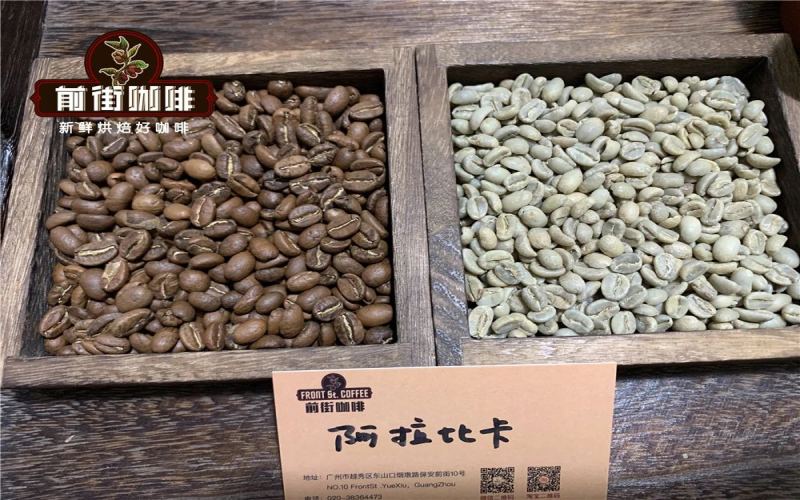
A Comprehensive Analysis of Arabica Coffee Beans: Origins and Varieties, Flavor Characteristics, Growing Altitude, and Comparison with Robusta
When selecting coffee, the words "Arabica" often appear on the packaging—what exactly do they represent? Why do merchants always love to emphasize this variety? This article, from the perspective of Front Street, will sort out Arabica's origins, flavor characteristics, and growing conditions, and conduct a comprehensive comparison with Robusta. At the same time, it will also introduce the Front Street daily bean series and espresso blend recommendations, helping coffee lovers more clearly understand the value of this mainstream variety and find Arabica coffee suitable for everyday drinking. [more…]

A Comprehensive Analysis of Robusta Coffee Beans: From Origin to the Truth About Blending with Arabica
Among the three major coffee varieties, Robusta has long been neglected as an instant coffee ingredient, but in recent years it has quietly returned to the spotlight of the specialty coffee world. This article begins with Robusta's African origins, clarifies its botanical relationship with Canephora and Arabica, reviews its glorious role during the heyday of espresso, and confronts its inherent flavor shortcomings. At the same time, the article will also discuss attempts at specialty-grade Robusta such as India's "Coffee Royal," and how Front Street Coffee uses Robusta in classic blends and shop-opening recipes to enhance crema and body. If you're curious whether blending Robusta with Arabica actually tastes good, this article will provide a complete answer. [more…]
Do Arabica beans count as black coffee? What coffee drinks are high-grade single-origin coffee beans suitable for making?
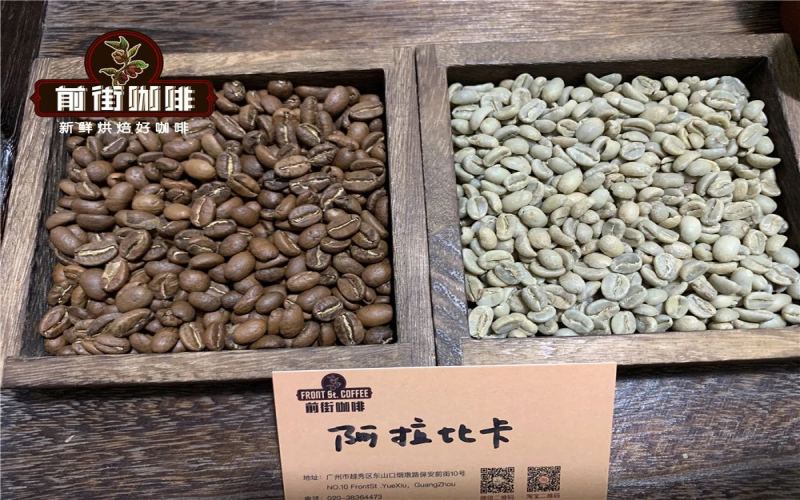
You often see "100% Arabica coffee beans" on advertisements or in coffee shops, but many people are not clear about what Arabica actually means. This article will provide a detailed interpretation of Arabica coffee beans from the perspectives of variety characteristics, origin requirements, and flavor performance, and clarify the differences and connections between specialty coffee and single-origin coffee. At the same time, regarding the applicable scenarios for high-grade single-origin coffee beans, Front Street Coffee will also give specific brewing suggestions and daily bean recommendations to help coffee lovers better choose and use high-quality coffee beans. [more…]

How are Coffea canephora Robusta coffee beans roasted? What coffee beans does Starbucks use?
In the world of coffee, the two major species, Arabica and Robusta, underpin the flavors in most people's cups. Robusta, also known as Coffea canephora, originated in the Congo Basin of Africa. It is widely cultivated because it tolerates low altitudes, resists pests and diseases, and yields high harvests, and it often appears in instant coffee and espresso blends. Its caffeine content is about twice that of Arabica, its chlorogenic acid is higher, and its flavor tends toward the full-bodied and deep, with notes of walnut, peanut, and grain. This article from Front Street Coffee sorts out Robusta's origins, botanical classification, advantages, and shortcomings, and retains the information on the Vietnamese Robusta beans used in Front Street's commercial blends, helping coffee enthusiasts understand this bean more clearly for what it really is. [more…]