







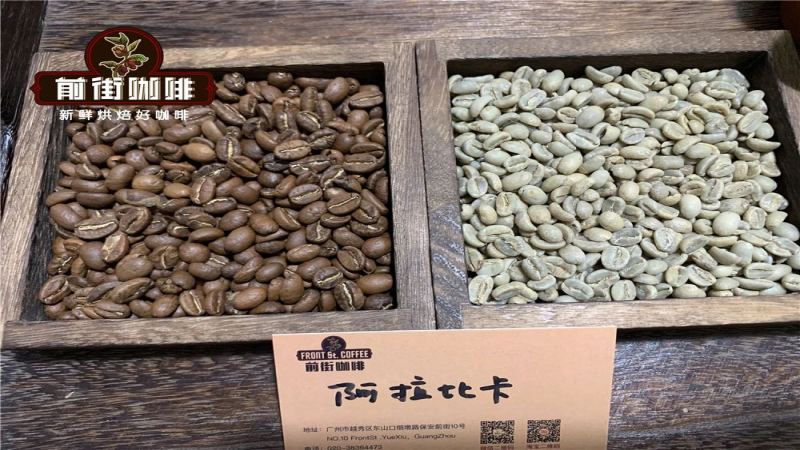
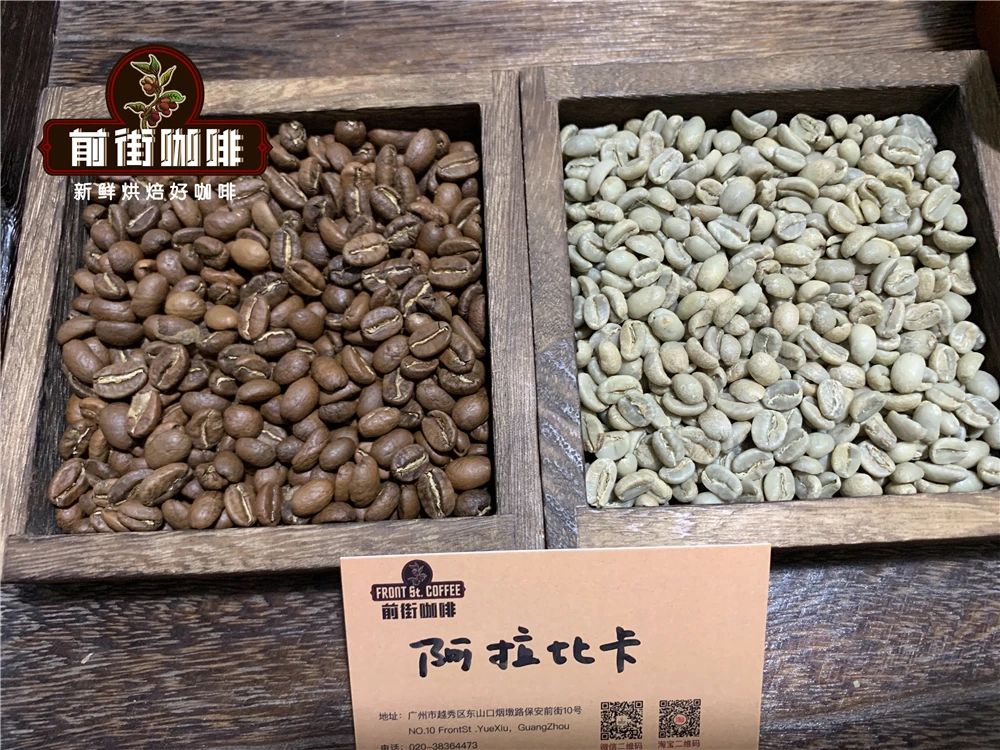
We often see the words "pure Arabica coffee beans" in TV commercials, or in coffee shops and convenience stores, and many people are curious: what are Arabica coffee beans? This article from Front Street will answer these questions one by one~
What are Arabica coffee beans?
There are mainly three major types of coffee beans in the world, but only two truly have commercial value and are widely cultivated: Arabica (ARABICA) and Robusta (KOBUSTA).
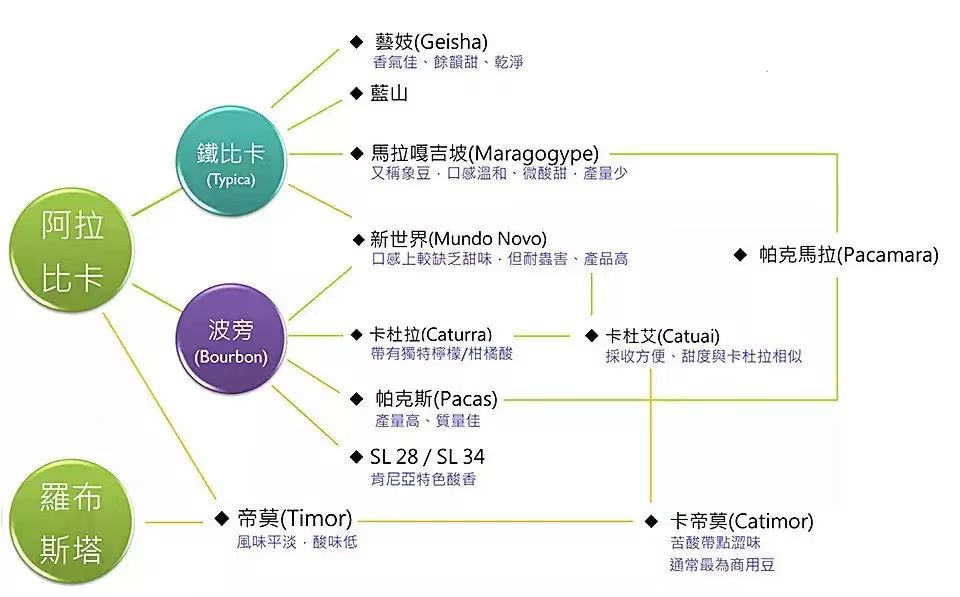
Arabica is a representative variety native to Ethiopia and accounts for 70–75% of the world's coffee production. Cultivating Arabica requires very demanding conditions and has high requirements for soil. Arabica needs to grow at high elevations of 800–2,200 meters without frost. The higher the altitude, the more significant the temperature difference, which delays the ripening of the coffee fruit and is more conducive to the coffee accumulating flavor substances, allowing the aroma to develop more fully. The microclimates of various coffee-producing regions also provide Arabica with diverse growing conditions, forming unique flavor profiles.
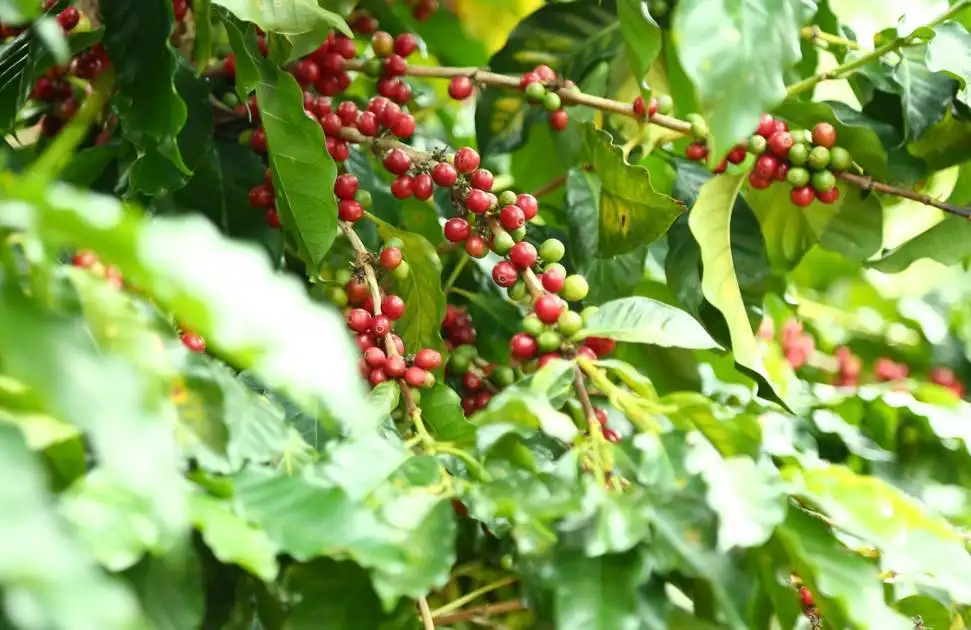
Arabica has a low caffeine content, about 0.9% to 1.2%; its fat content is 60% more than Robusta coffee; and its sugar content is twice as much; therefore, Arabica tastes sweeter, milder, and with a slight fruity acidity. Most of the coffee we usually drink in shops is made from Arabica coffee beans. Because of its rich aroma and diverse mouthfeel, it is used in various extraction methods such as espresso, pour-over coffee, and cold brew coffee.
What are specialty coffee and single-origin coffee?
The currently widely accepted definition of Specialty Coffee was proposed by Ms. Erna Knutsen in 1974: specialty coffee is "coffee beans with unique aromas cultivated under special climatic and geographical conditions." This definition draws a clear line between specialty coffee beans and bulk commercial-grade coffee beans.
Today, with the development of the industry and market, high-quality coffee beans have more detailed classifications and grading, and consumers can also learn detailed traceability information about the coffee. Such rare coffee requires strict cultivation, management, selection, and grading, and after roasting it presents a positive, rich aroma. Roasters usually choose a relatively lighter roast level to maximize the flavor layers of specialty coffee beans. To emphasize that their products are high-quality coffee and differentiate them from commercial coffee on the market, many merchants include the word "specialty" on their advertising and packaging.
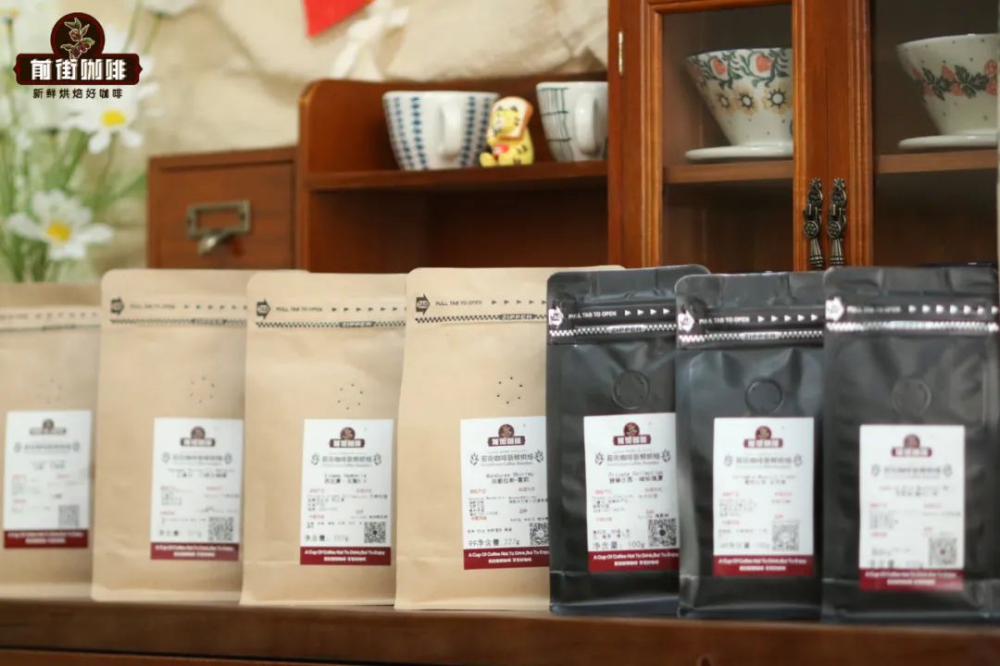
"Single Origin Coffee" refers to coffee produced from a single origin; the "origin" can be a producing country, region, cooperative, estate, or farm. Coffee harvested in the same batch all belongs to single-origin coffee. Single-origin coffee was proposed based on the concept of specialty coffee, with the aim of emphasizing origin flavor, so single-origin coffee is a type of specialty coffee. It is generally often served in coffee shops in the form of pour-over. For example, many pour-over coffee beans on Front Street's bean list are single-origin coffee beans. In recent years, the concept of single-origin coffee has become very popular, and more and more single-origin coffees are being used in espresso extraction.
Front Street believes that "specialty coffee" and "single-origin coffee" are two different concepts, and single-origin coffee is not equal to specialty coffee. Single-origin coffee refers to traceable coffee beans from a single origin, but it does not mean the coffee beans are high quality. Specialty coffee, on the other hand, emphasizes the high quality of the coffee and the presentation of positive flavors, and is not limited to the source composition of the green beans.
Specialty coffee beans recommended for beginners
On Front Street's bean shelf there is a cost-effective daily drinking bean series, carefully selected from 7 excellent classic coffee-producing regions, covering multiple highly representative origins, varieties, and natural processing methods. So-called daily drinking beans, as the name suggests, are varieties that are burden-free to drink every day, with both price and flavor being very approachable. Front Street has selected multiple "flagship representatives" so that everyone can recognize the basic flavors of major producing regions. These include Ethiopia's washed Yirgacheffe, Guatemala's washed Huehuetenango, Colombia's washed Huila, Brazil's semi-sun-dried Cerrado, Costa Rica's washed Tarrazu, Indonesia's wet-hulled Lintong Mandheling, and China Yunnan's washed Baoshan.
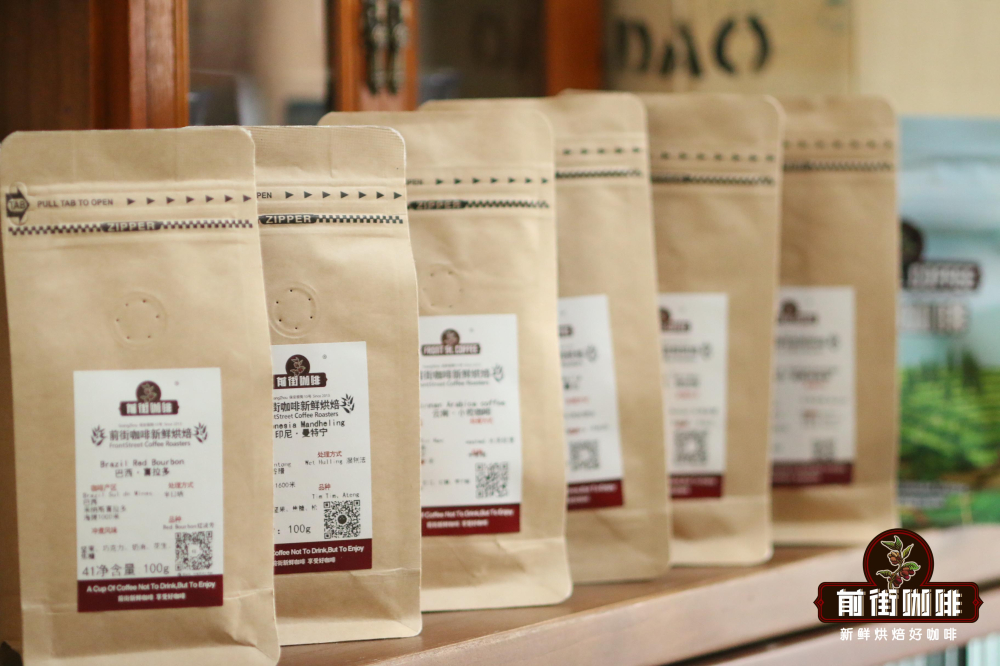
Each coffee bean is suitable for extraction by methods such as pour-over, cold brew, and French press. If you want to taste the most original aroma of the coffee, Front Street recommends black coffee as the best form. No matter which extraction method is used, Front Street believes that the freshness of the coffee beans is very important. If more than two months have passed since the roast date, the aroma of the coffee has very likely already been lost, and even an excellent extraction technique will find it hard to restore the aroma in the cup. To let everyone experience coffee at its best tasting stage, Front Street only ships beans freshly roasted within 5 days, so by the time you receive them, they are just about ready for brewing.
Professional coffee knowledge exchange More coffee bean information Please follow Coffee Workshop (WeChat public accountcafe_style )
For more specialty coffee beans, please add the private WeChat Front Street Coffee (FrontStreet Coffee), WeChat ID:qjcoffeex
The above content is compiled by CoffeeHunters, a coffee news website.

