







Search Results for: Amhara Region
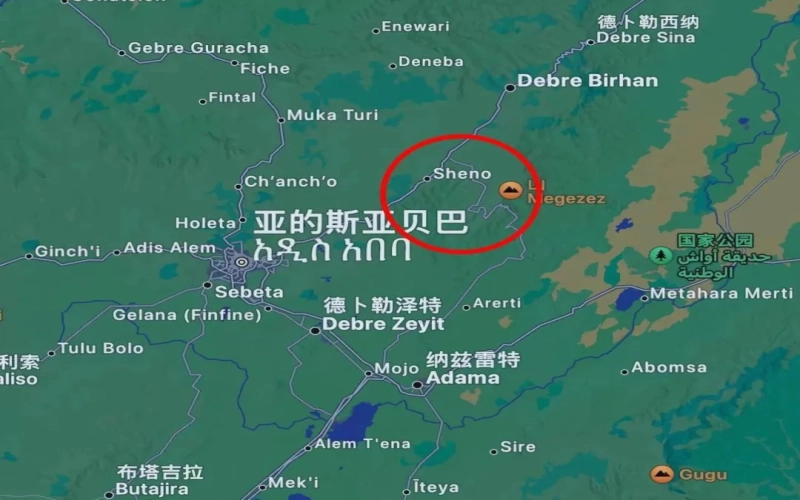
Amhara Conflict Nears Addis Ababa, Intensifying Pressure on the Coffee Export System
The war in Ethiopia's Amhara region has lasted for nearly a year and continues to escalate. Firefights between Fano forces and the government's joint forces have advanced to only about 55 kilometers from the capital, Addis Ababa. Fighting is intense around cities such as Gondar, and government troops have failed to achieve expected results on multiple fronts, with increasing defections among riot police and militia. At the same time, millions of students have been out of school, medical facilities have been damaged, and the region's economy has suffered severe losses. As a pillar industry accounting for as much as 30 to 40 percent of export earnings, the coffee sector is facing multiple shocks, including instability in producing areas, traders withdrawing, the Red Sea crisis, and the suspension of operations at Djibouti's ports, making the supply outlook far from optimistic. [more…]

Conflict in Ethiopia's Amhara Region Nears Capital, Coffee Exports Face Multiple Challenges
The military confrontation between the Ethiopian government forces and the anti-government Fano militia in the Amhara region has persisted for days, with the fighting spreading from the northern Metema and Armachiho areas to the vicinity of Ankober, less than 100 kilometers from the capital Addis Ababa. The Fano militia is estimated to have nearly 500,000 fighters and controls most of the rural areas of the region, which happens to be an important grain-producing area in Ethiopia. Meanwhile, with the sharp depreciation of the birr and the Red Sea crisis causing a decline in throughput at the Port of Djibouti, Ethiopia's coffee industry is struggling forward between enhanced export competitiveness and increased domestic operational pressure. After the results of the Somaliland election were announced, new variables have emerged in the regional political landscape, which may bring a turning point for Ethiopia's port predicament. [more…]
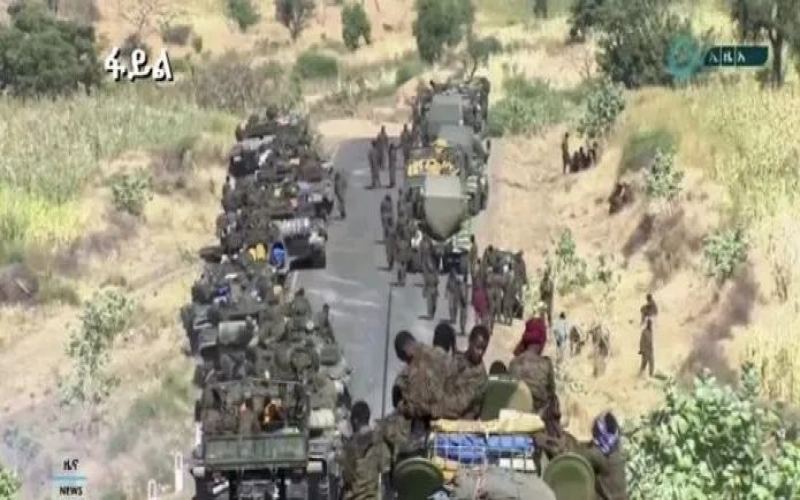
Ethiopia Deploys 40,000 Troops to Crush Fano Insurgents, Coffee Industry Faces Dual Test of Costs and Exports
The Ethiopian federal government has recently deployed approximately 40,000 additional troops to the Amhara region, launching a new large-scale military operation against Fano armed forces. Intense clashes have erupted in multiple areas, disrupting urban transportation and leaving residents trapped in their homes. The conflict has lasted for over a year, causing heavy casualties and severely impacting local agricultural and livestock production as well as logistics and transportation. As a major coffee-producing country in Africa, Ethiopia is facing multiple challenges, including currency depreciation, rising cultivation costs, and compliance pressure from the EU Deforestation Regulation (EUDR). This article will review the latest developments in the conflict and their potential impact on the coffee supply chain. [more…]
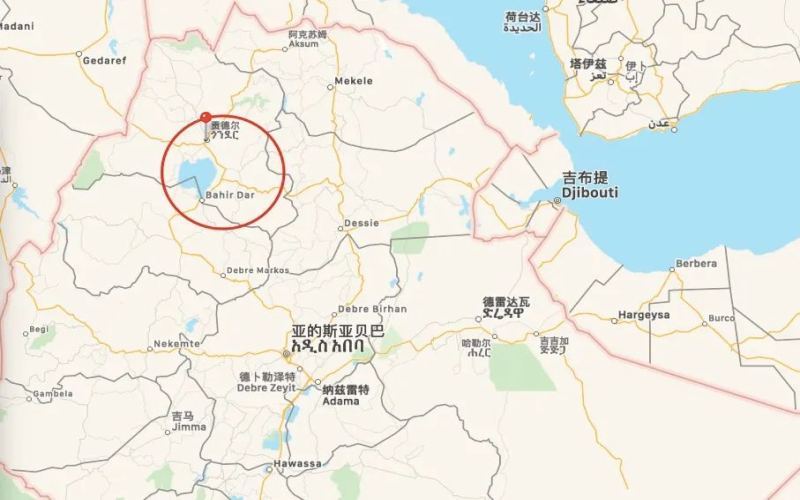
Drone airstrike in northern Ethiopia kills 60, coffee exports under pressure due to EUDR delay and security situation
The Ethiopian government has launched drone airstrikes in the Gondar region of Amhara State, killing more than 60 civilians. The local anti-government Fano militia says the airstrikes cannot reverse the defensive forces' passive position, but instead have won them more grassroots support. The conflict has left millions of students out of school, damaged medical facilities, blocked roads, and disrupted the country's agriculture and livestock sectors and prices. Although the southern coffee-growing regions have so far not been affected, exports face pressure from the delayed implementation of the EU's EUDR and falling international coffee prices. Ethiopia's prime minister says annual coffee production has doubled from 500,000 tons to more than 1 million tons over the past five years, but producers believe regional security is the top priority. [more…]

Escalating Internal Conflict in Ethiopia Brings a New Round of Price Increases at Coffee Origins
The conflict between Fano forces and government troops in the Gojjam region of Ethiopia's Amhara State continues to intensify, with the Fano side vowing to retaliate against the government army's atrocities against civilians. This civil war has not only caused heavy casualties but also led to an economic blockade and soaring prices in the region. Meanwhile, Ethiopia's foreign exchange reform has triggered a sharp depreciation of the exchange rate, and the Red Sea shipping crisis has driven up import and export costs. Under these multiple pressures, the country's coffee cultivation costs are steadily rising, and the floor price for coffee exports has consequently been raised. As a major global coffee-producing region, Ethiopia's turbulent situation is profoundly affecting the international coffee market. [more…]
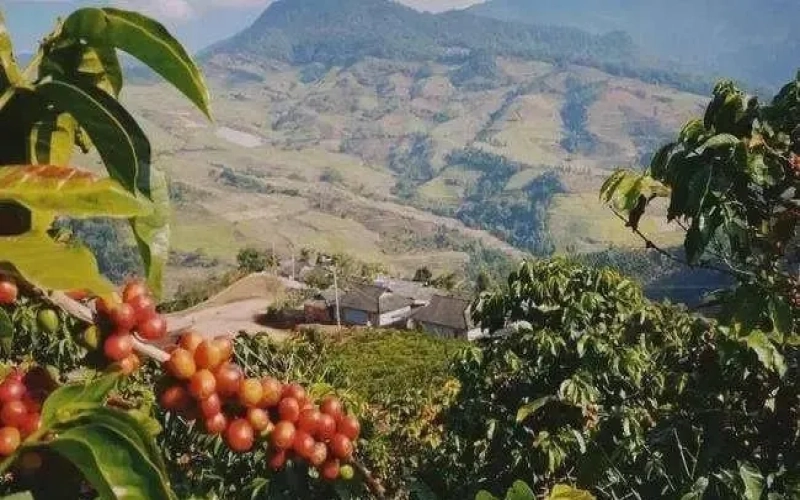
Ethiopian Coffee Exports to China Surge, Civil War Risk and VAT Adjustments May Become New Obstacles
Ethiopian coffee has performed impressively in the Chinese market, with exports growing 50% over the past two years to 20,000 tons, making China its eighth-largest importer. However, the conflict between government forces and Fano militia in the Amhara region of north-central Ethiopia continues to escalate and could trigger a civil war. Meanwhile, the federal government plans to amend the value-added tax law to include basic foods such as biscuits in the taxable scope, with coffee industry workers bearing the brunt. Industry insiders worry that if the situation deteriorates, Ethiopia's coffee exports will decline and prices will rise. Front Street Coffee breaks down the opportunities and challenges in this producing region for you. [more…]
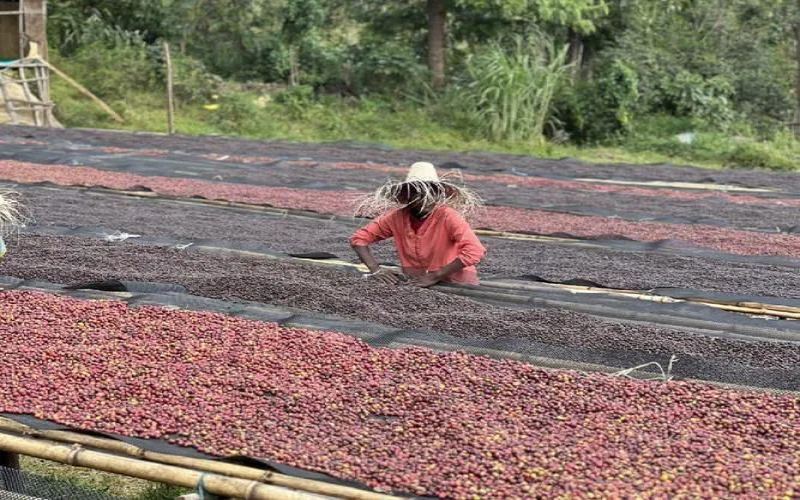
Ethiopia's October coffee export revenue soared to $155 million, driven by growth in both production and prices
Ethiopia's coffee industry delivered an impressive report card in October: export revenue surged 66% year-on-year to US$155.53 million, with export volumes exceeding 35,000 tonnes. High global coffee prices combined with increased production drove this growth, with cumulative export volumes from July to October rising 71% year-on-year. However, the ongoing conflict in Amhara State and disruptions to Red Sea shipping are putting pressure on this East African coffee powerhouse in the form of rising prices and mounting transport costs. This article reviews the latest data, conflict developments, and their potential impact on the coffee industry. [more…]
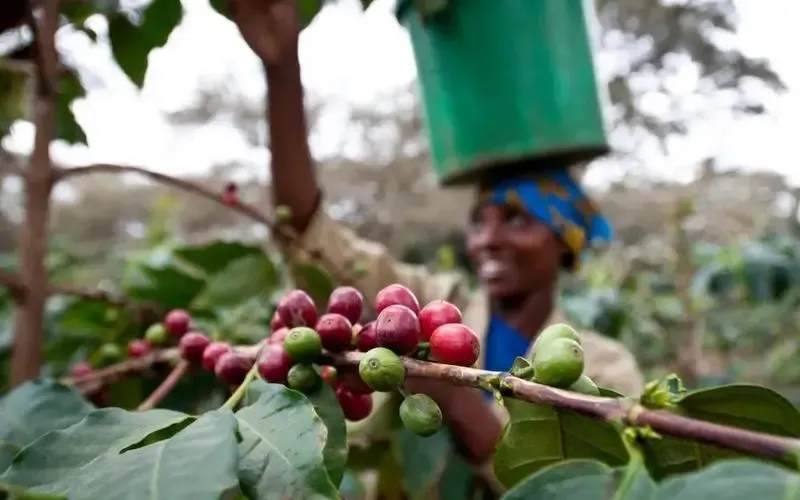
Ethiopia's May Coffee Exports Exceed Targets, but Civil War and Red Sea Crisis Weigh on Prospects
The latest data from the Ethiopian Coffee and Tea Authority shows that the country's coffee exports in May reached 43,481.02 tons, exceeding the target by 105% and generating 209.54 million US dollars in revenue. In the first 11 months of this fiscal year, cumulative exports reached 252,466.98 tons, with foreign exchange earnings of 1.208 billion US dollars, on track to break last fiscal year's record of 1.3 billion US dollars. Saudi Arabia, South Korea and the United States top the list of export destinations, while China's imports continue to grow. However, the ongoing civil war in Amhara region, the government's large-scale military deployment, and the Red Sea shipping crisis are casting a shadow over this landlocked country's coffee exports. Front Street Coffee continues to follow developments in the producing regions, bringing frontline news to enthusiasts. [more…]
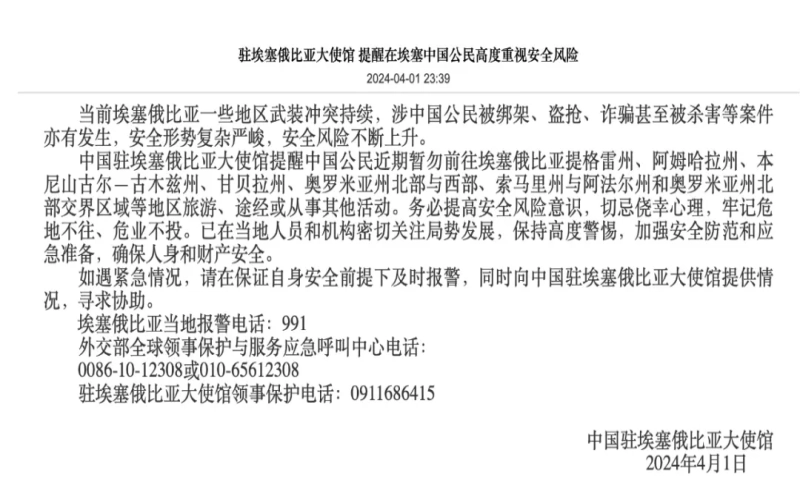
The Chinese Embassy in Ethiopia has issued a safety reminder: temporarily avoid travel to high-risk areas such as Tigray, affecting the coffee trade and tourism.
Recently, the Chinese Embassy in Ethiopia issued a notice advising Chinese citizens to temporarily avoid traveling to several high-risk areas, including Tigray and Amhara regions. The country's protracted civil war and local armed conflicts continue to spread, not only creating security risks but also severely impacting an economy and tourism industry that rely on coffee and agriculture and animal husbandry as pillars. As the recognized birthplace of coffee, Ethiopia's turbulent situation also affects the travel plans of coffee traders and bean hunters. This article outlines the background of the conflict, its impact on the economy and the coffee industry, and reiterates the embassy's safety recommendations, reminding those planning to travel to the country to remain highly vigilant and ensure their personal and property safety. [more…]
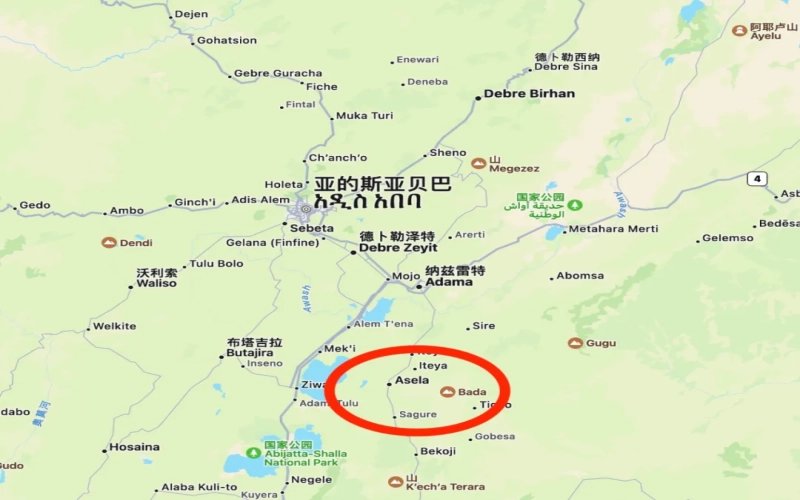
Escalating Security Situation in Southern Ethiopia Poses Potential Threat to Coffee-Growing Regions
Recently, a deadly attack occurred in the Arsi Zone of Oromia Region, Ethiopia, causing casualties and further deteriorating the local security situation. Meanwhile, clashes between Fano armed groups and government forces have intensified in Amhara Region in the northwest, and tensions in Bahir Dar city have escalated. These upheavals not only threaten regional stability but also affect Ethiopia's important coffee industry. With multiple factors overlapping, including currency depreciation, road blockades, and the Red Sea crisis, coffee cultivation costs have risen, exports have been hindered, and international influence faces challenges. This article will review the latest conflict developments and their potential impact on the coffee industry. [more…]
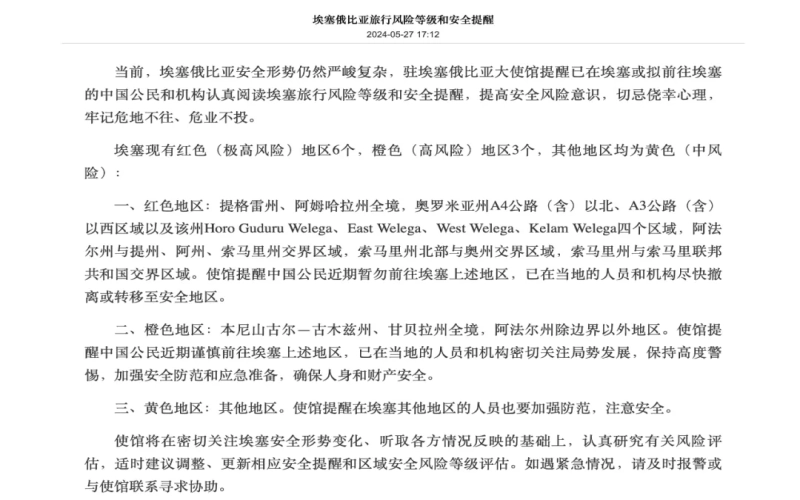
Ethiopia's Worsening Security Situation: Coffee Industry Faces Civil War Shock and Export Test
Ethiopia's security situation has remained tense recently, and the Chinese consulate has issued a travel risk advisory. Several of the country's coffee-producing regions are located in high-risk areas, and clashes between the federal government and local armed groups could deal a severe blow to coffee production, the supply chain, and exports. Although coffee exports hit a record high in the first nine months of this fiscal year, the looming civil war, transport blockades, and the possible cancellation of the Cup of Excellence competition are all casting a shadow over the country's coffee industry. This article will review the current risk areas, the background of the conflict, and its potential impact on the coffee sector. [more…]
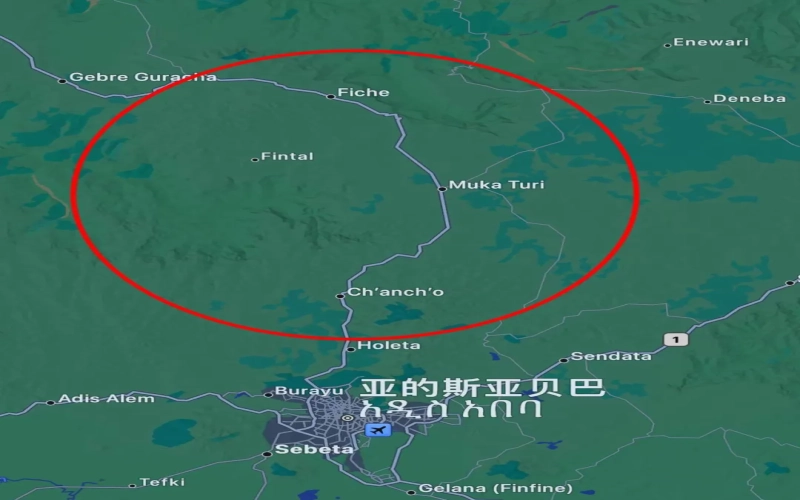
Ethiopia Kidnapping Wave Hits Coffee Industry, Chinese Consulate Safety Warning Remains in Place
Recently, the security situation in Ethiopia has deteriorated sharply, with a series of kidnappings targeting public buses and students in Oromia State, where the abductors demand huge ransoms, drawing widespread international concern. The U.S. Embassy in Ethiopia has issued a condemnation, and the high-risk area security advisory previously issued by the Chinese consulate has still not been lifted. At the same time, Ethiopia is hosting the COE Cup of Excellence coffee competition, attracting judges and coffee professionals from many countries. The kidnappings not only threaten personal safety but may also cause coffee traders to turn to neighboring countries, further dragging down Ethiopia's coffee exports and industry development, with a worrying outlook. [more…]

Ethiopia's Central Bank Narrows Foreign Exchange Bid-Ask Spread to 2%, Bringing Good News for Coffee Exporters
On October 15, the National Bank of Ethiopia introduced a new regulation capping the spread between the buying and selling rates for foreign exchange transactions at 2%, effective the following day. This marks another significant adjustment following the country's shift to a market-based exchange rate system in July of this year. Previously, the birr depreciated sharply, and the bid-ask spread at one point exceeded 10 birr, placing heavy pressure on exporters. The new policy requires banks to disclose all fees transparently, which is expected to reduce exchange losses for exporters and bodes well for major export commodities such as coffee. Nevertheless, Ethiopia still faces multiple challenges, including the conflict in Amhara region, the Red Sea blockade, and the port dispute with neighboring Somalia. [more…]
Ethiopia Guji Ana Sora Farm Natural Sidamo G1: Single Estate Lot 3 Flavor and Origin Interpretation
Located in the Guji region of Ethiopia, the Anasora Farm is a rare single-estate coffee production site in the country, covering about 250 hectares at an altitude of 1,900 to 2,350 meters. This Lot3 batch is processed using the African raised-bed single-layer slow sun-drying method, presenting a complex aroma of strawberry cookie, mixed berries, citrus, and florals, accompanied by maple-syrup-like sweetness and a solid, rich mouthfeel. The delicate blueberry aroma from high fermentation, the sweet, full-bodied coffee, and the typical Sidamo depth at medium temperatures give this bean a long finish and lingering sweetness. Front Street Coffee recommends it to enthusiasts who love sun-dried Ethiopian coffee. This article will outline the estate's background, trends in the Guji region, and relevant Oromo context to help readers fully understand the origins and story of this bean. [more…]

Chinese Investment of 50 Million USD to Develop Ethiopia's Gada Special Economic Zone: Opportunities and Security Challenges for the Coffee Processing Industry
Recently, the Ethiopian Investment Commission signed a subcontractor developer agreement with the Chinese enterprise CKIIG to develop 20 hectares of land in the Gada Special Economic Zone, with a total investment of 50 million USD (about 6 billion birr). The project focuses on areas such as coffee processing and is expected to enhance Ethiopia's coffee processing technology and export competitiveness. However, Ethiopia currently faces multiple challenges, including armed conflict, kidnapping incidents, earthquakes, and currency depreciation, causing coffee industry costs to keep rising. Front Street Coffee will continue to follow developments in the origin and bring frontline news to coffee lovers. [more…]

Ethiopia will allow foreign capital to participate in trade.
Recently, according to the local Ethiopian media reporter network, under the leadership of Ethiopian Prime Minister Abiy, the Ethiopian Investment Commission (EIC) has issued a new law that will allow foreign enterprises to participate in import and [more…]
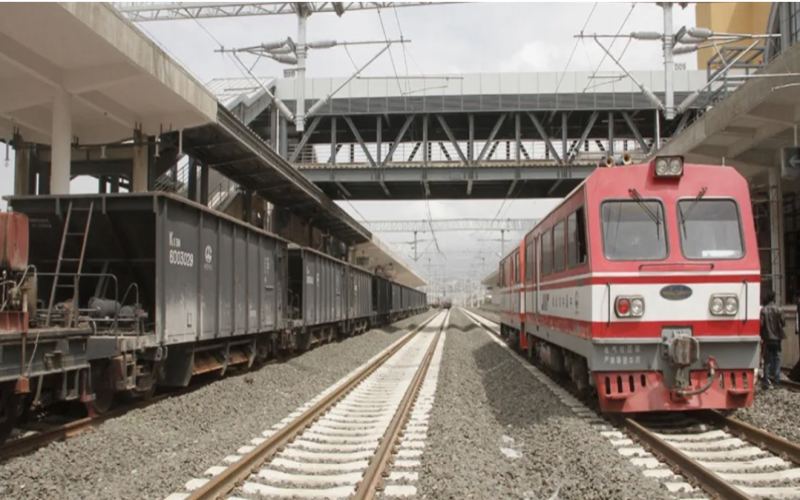
The internal war in Ethiopia has led to problems with coffee transportation, and it is considering using railways for diversion.
Due to the conflict in Ethiopia, there are problems with coffee transportation, and the government considers using railway transportation for diversion. Recently, according to the report of the Ethiopian Reporter Network, the current Ethiopian govern [more…]
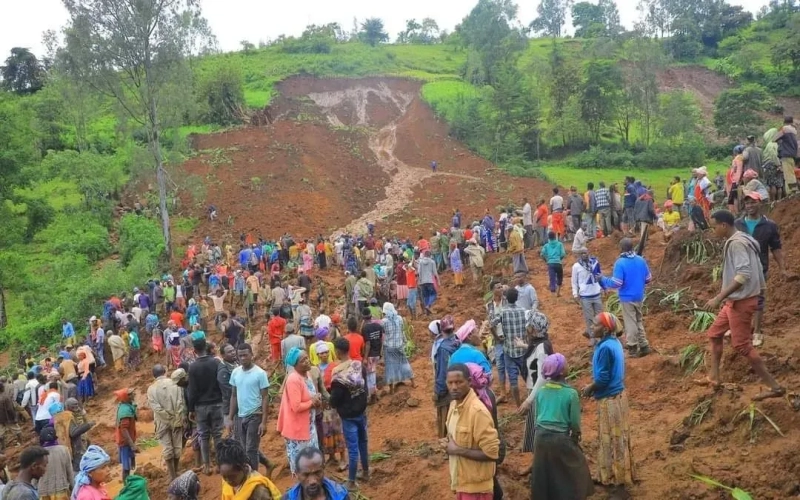
Landslide in Ethiopia's Gofa Zone Kills 229, Coffee-Growing Region Faces Risk of Reduced Output
A severe landslide occurred in the Gofa Zone of southern Ethiopia on the evening of July 21 local time. As of now, 229 deaths have been confirmed, and the casualty toll is feared to rise further. The disaster was triggered by persistent heavy rainfall, and a secondary landslide buried rescue workers. Of particular concern to coffee lovers is that the affected area covers important coffee-producing regions such as Kaffa, Jimma, and Yirgacheffe, where torrential rain and geological disasters are directly threatening the coffee-growing environment and infrastructure. At the same time, the conflict in the north and the impact of the Red Sea crisis on the port of Djibouti have plunged Ethiopia's coffee industry into multiple difficulties. Front Street Coffee will continue to follow the developments and their potential impact on the coffee supply chain. [more…]

Ethiopia Relaxes Foreign Investment Access: Coffee Export and Other Sectors Opened to Foreign Enterprises
The Ethiopian Investment Commission recently issued new regulations allowing foreign companies to engage in import/export, wholesale, and retail trade for the first time, with coffee exports becoming the most closely watched area of liberalization. Previously, these sectors were long restricted by protectionist policies and open only to local investors. Although the new policy sets a relatively high capital threshold, it has already sparked strong interest in the international coffee industry. However, ongoing security conflicts in some parts of the country have also added uncertainty to foreign investment entry. This article outlines the key points of the new regulations, industry reactions, and potential risks, and includes related observations from Front Street Coffee. [more…]
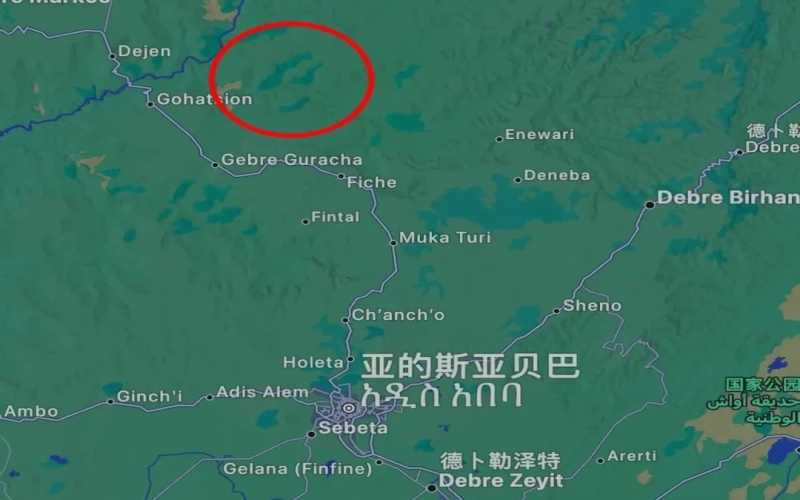
Ethiopian weapons smuggling scandal escalates, casting a shadow over the prospects of Somali port corridors
Armed conflict within Ethiopia continues to spread. Clashes recently erupted in the Dara area of North Shewa Zone, causing civilian casualties and large-scale displacement. Meanwhile, two trucks carrying Ethiopian weapons were intercepted and seized in central Somalia, triggering diplomatic tensions. This series of events could reduce Ethiopia's previously signed agreement with Somaliland on the use of Berbera Port to nothing, while Djibouti Port faces suspension of operations due to the Red Sea crisis. Coffee exports, the backbone of the country's economy, are facing an unprecedented logistics predicament. [more…]