







Search Results for: American hand pour-over
The Origin of Americano | Is Single-Origin Coffee Americano? What's the Difference Between Drip Bag Pour-Over Coffee and American Drip Coffee? Comparing the Flavor, Taste, and Brewing Methods of American-Style Pour-Over
As a frequent coffee drinker, you've surely heard of "Americano." If you order one at Starbucks, it's typically made with espresso as the base, plus about 6–8 times the amount of water. But I've clearly heard that Italians don't drink Americano (which is absolutely true)—so why would it appear on an Italian coffee menu? [more…]
A Complete Analysis of the Flavor Differences Between Pour-Over and American Coffee Machines Using the Same Beans, with Front Street Coffee Bean Recommendations
For the same coffee beans, what difference in flavor will there be when made with pour-over versus an American coffee machine? This is a question many coffee enthusiasts care about. To answer it, we first need to clarify the definitions and extraction principles of pour-over coffee and Americano. Pour-over coffee is called pour over or hand drip in English, and relies on gravity to let water flow through the coffee grounds layer; Americano, from the English Americano, originates from the practice of American soldiers diluting espresso with water. In this article, Front Street will start with the concepts and extraction methods, then use Front Street Huakui coffee beans from Ethiopia's Sidamo region to make pour-over and espresso Americano respectively, compare the flavor performance of the two, and give Front Street's single-origin bean and espresso bean recommendations to help everyone choose beans according to their needs. [more…]
How to Choose Americano Coffee Beans and Make Espresso: How to Make a Delicious Americano
American coffee may seem simple, consisting only of espresso and water, yet it best showcases a barista's technical skill and most clearly reveals the original flavors of the coffee beans. From the perspective of Front Street Coffee, this article first clarifies the differences between espresso, Americano, pour-over, and black coffee, then explains how to choose coffee beans when making American coffee—whether you prefer a rich, bold taste or a fruity, refreshing one—and recommends Front Street Classic Espresso Blend, Front Street Specialty Blend, Front Street Commercial Blend, and Front Street Strawberry Candy Espresso Beans. It then shares in detail the specific extraction parameters and water ratios for hot and iced Americanos, and compares the differences in aroma and mouthfeel between the two, providing coffee enthusiasts with a practical brewing reference. [more…]
Freshly Ground Black Coffee | Is Pour-Over Coffee Better Tasting Than Plain Coffee Made with an American Coffee Machine? What Factors Affect the Flavor of Pour-Over Coffee?
Pour-over coffee is becoming more and more common. Besides the many people who try their hand at brewing pour-over coffee at home, many others buy coffee machines, such as American-style drip coffee makers. This kind of coffee machine is very similar to pour-over coffee: both rely on a slow, steady drip without high pressure. The difference between them is that one is manual, while the other [more…]
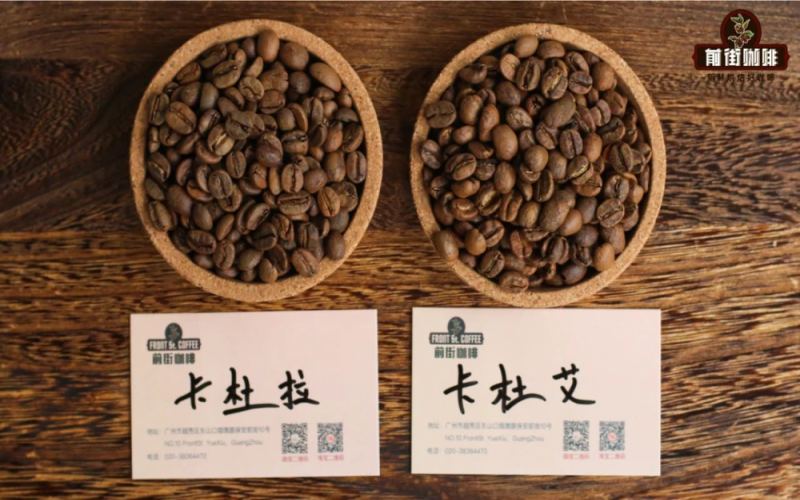
Caturra vs. Catuai Coffee Bean Varieties Compared: Growing Characteristics, Flavor Differences, and a Hand-Pour Bean Selection Guide for Coffee Beginners
When selecting coffee beans from Central American regions, the names Caturra and Catuai often appear in the variety column. Why are they always planted together and harvested together? If distinguished separately, what are the differences in appearance and cup profile? From the perspective of Front Street, this article sorts out the origins, plant characteristics, and disease resistance of Caturra and Catuai, compares their bean shapes and flavor trends, and explains why they are often mixed-cultivated on Central American estates. The article will also mention several Front Street Coffee beans that contain this pair of "brother" varieties, helping beginners new to pour-over to understand variety information more clearly and make choices that suit them. [more…]
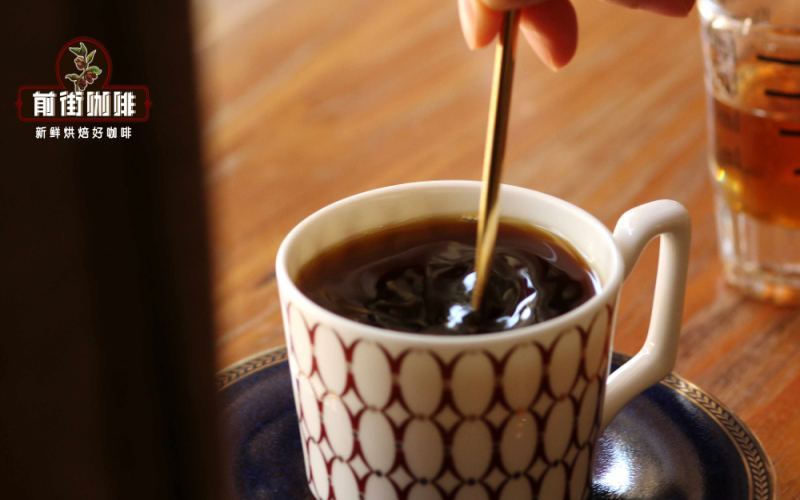
Beginner's Guide to Drip Coffee: A Complete Breakdown from Grind Size to American Coffee Machine Operation and Bean Selection
Drip coffee is one of the most beginner-friendly brewing methods, with simple equipment and easy operation that produces a clean, crisp flavor. But behind this apparent simplicity, the choice of grind size and the roast level of the coffee beans both directly affect the final taste. Drawing on hands-on experience from Front Street Coffee shops, this article explains clearly how grind coarseness affects extraction yield, what grind setting different devices should use, and recommends several Front Street Coffee beans suitable for American-style drip machines, finishing with drip machine operating steps and the origins and differences between espresso and American coffee. [more…]
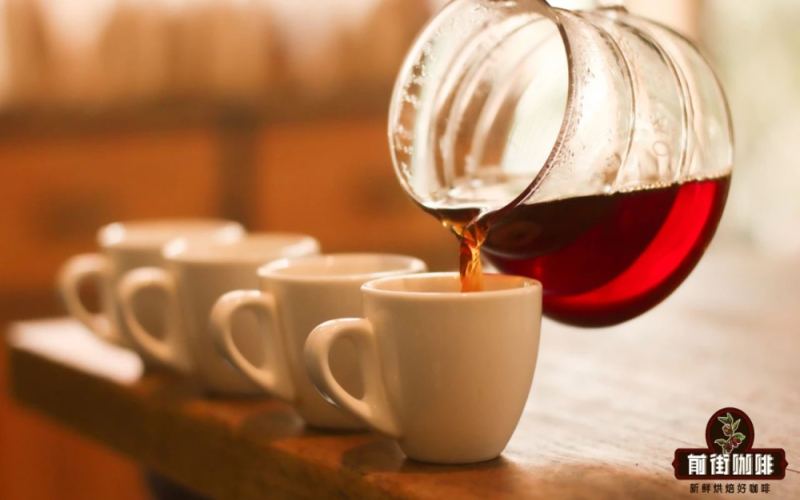
Hand Drip Coffee | What is the difference between hand drip coffee and Americano? Is hand drip coffee tastier than the black coffee made by an espresso machine?
Recently, a fan left a comment asking about the flavor differences when using the same coffee beans to make pour-over coffee versus Americano. In this article, Front Street Coffee will answer this question~ Before we begin, we first need to distinguish the differences between pour-over coffee and Americano. Pour-over coffee in English is pour ov [more…]
What is the difference between Blue Mountain coffee and American coffee? A detailed explanation of Blue Mountain No. 1's flavor characteristics and pour-over parameters.
Many people habitually refer to black coffee without sugar or milk simply as Americano, but Blue Mountain coffee and Americano actually belong to two completely different systems. The former is a single-origin coffee bean, mainly brewed by pour-over; the latter belongs to espresso-based coffee, made by diluting espresso with water. This article will clarify the essential differences between the two, while also outlining the producing region history and grading standards of Jamaican Blue Mountain coffee, with a focus on introducing the flavor profile of Blue Mountain No. 1 and the brewing method recommended by Front Street Coffee, to help coffee enthusiasts more accurately understand this legendary coffee bean. [more…]
De'Longhi American Drip Coffee Machine Operation Guide: How Coffee Bean Grind Size Matches Different Extraction Methods
Making coffee at home with an American-style drip machine—have you chosen the right grind size? Front Street Coffee baristas often encounter customers asking for pre-ground coffee powder but unable to clearly explain what equipment they use to brew it. In fact, grind coarseness directly determines the extraction rate and flavor direction. This article will explain in plain language which devices fine, medium, and coarse grinds are suited for, the differences in performance between light-roast and dark-roast beans in drip machines, and demonstrate the operating steps using a Delonghi drip machine as an example. It will also recommend two beans suitable for American-style drip coffee—Front Street sun-dried Red Cherry and Front Street PWN Golden Mandheling—and finally compare the taste differences between espresso diluted with water and drip-style Americano, helping coffee lovers choose the right beans, grind the right powder, and enjoy every cup. [more…]
Pour-Over vs. American Drip Machine: Which Makes Better Coffee? A Full Analysis of the Pros and Cons of Brewing Freshly Ground Black Coffee
Pour-over coffee and American drip coffee machines are quite similar in their brewing methods, both relying on steady drip filtration in a pressure-free environment. However, the differences between manual and machine brewing lead to distinctly different flavor profiles and suitable scenarios. Drawing on the production experience of Front Street Coffee, this article examines the key steps that influence pour-over flavor one by one—from cup warming and grinding to equipment combinations, blooming, and brewing—while also comparing the advantages and disadvantages of American drip machines, helping coffee enthusiasts understand why pour-over is more favored, as well as the details and timing control to pay attention to when practicing at home. [more…]
How to Use a Home American Coffee Maker? Ten Arabica Specialty Coffee Beans Perfect for American Drip Brewing
When many people buy their first coffee device, they choose a home American-style drip coffee maker. It is simple to operate, and the output is stable, but what really puzzles people is: what kind of coffee beans should be paired with it? Dark roast or light roast? Espresso blend or pour-over single origin? Different roast levels, origins, and processing methods directly affect the flavor performance extracted by an American-style machine. This article focuses on the use scenarios of home American-style coffee makers and, organized by flavor type, lists ten Front Street brand specialty Arabica coffee beans, from floral and fruity acidity to nutty chocolate, from low-acid and full-bodied to classic and balanced, explaining one by one the flavor characteristics of each bean and the people it suits, helping coffee lovers find the cup that best matches their taste in daily drip brewing. [more…]
How Are Sumatra Mandheling Grades Classified? Golden Mandheling vs. American-Style Taste Differences Explained Clearly
Mandheling coffee has long been cherished by dark roast enthusiasts for its heavy, rich body and distinct spicy aroma. It comes from the Indonesian island of Sumatra and is the representative Arabica coffee of the region. This article sorts through Mandheling's producing regions, its highest grade classifications, the certification system for Golden Mandheling, Indonesia's unique wet-hulling process, and the differences between Mandheling and Americano in flavor and extraction methods. It also shares Front Street Coffee's sourcing approach and pour-over recommendations for Lintong Mandheling and PWN Golden Mandheling, helping coffee lovers gain a more systematic understanding of this classic Indonesian coffee. [more…]
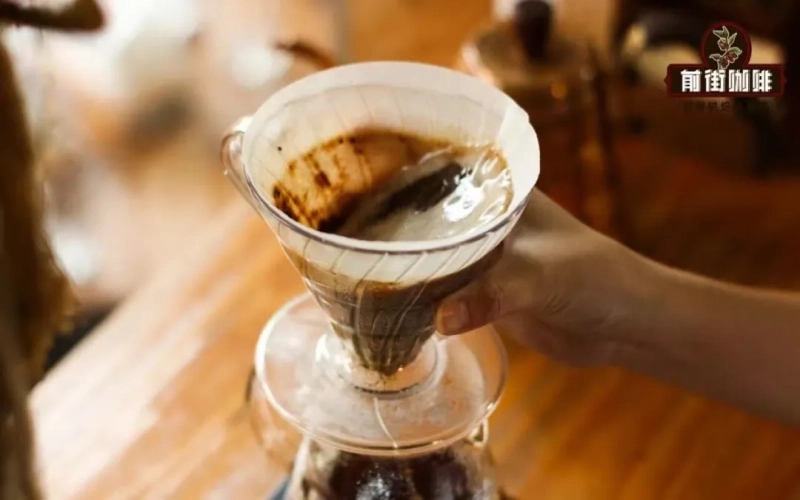
An Analysis of the Rao Spin Pour-Over Method: Features, Key Steps, and a Look at European and American Pour-Over Styles
In the world of pour-over coffee, there are always some distinctive brewing methods that catch the eye. The Rao Spin—the "Rao-style rotation method" shared and popularized by coffee guru Scott Rao—quickly rose to fame for its unique move of picking up the dripper and shaking it during brewing. It looks casual, but behind it lies solid extraction principles. This article will introduce the origins of the Rao Spin, suitable bean types, and equipment selection advice for coffee enthusiasts, and use 15g of Front Street Ethiopia Hachira as an example to fully demonstrate the process from blooming, stirring, and pouring to shaking the dripper, helping you understand this fun and practical pour-over method. [more…]
De'Longhi American Coffee Machine Operation Guide: What Beans to Choose for Drip Coffee and How to Control the Grind Size
Many coffee enthusiasts, after purchasing American-style drip machines like De'Longhi, often find themselves puzzled about which coffee beans to pair with them and how to set the grind size. In fact, the grind size directly determines the extraction time and extraction yield—too fine can easily lead to over-extraction, while too coarse results in under-extraction. Based on the practical experience of baristas at Front Street Coffee, this article explains the applicable ranges for fine, medium, and coarse grind sizes, and recommends beans such as Front Street Sun-Dried Red Cherry, Front Street Blue Mountain, and Front Street PWN Golden Mandheling for light, medium, and dark roast levels, respectively. It also includes the operating steps for De'Longhi drip machines, and finally compares the taste differences between espresso with added water and drip brewing methods, helping readers find the perfect cup of Americano for themselves. [more…]
How is drip bag pour-over different from Americano and filter coffee? A comparative analysis of single-origin SOE flavors
Many people think that Americano is simply espresso diluted with water, but the real American coffee actually originates from the drip coffee culture of the United States. This article starts with the historical origins of American coffee, sorts out the reasons for its popularity in the United States, and traces the origins of the Starbucks-style Americano method. At the same time, it clarifies the similarities and differences between single-origin pour-over, drip bags, and American-style drip machines, and uses Front Street Yirgacheffe Red Cherry beans as an example, comparing SOE Americano and pour-over in two ways to present the differences in flavor, helping coffee lovers more clearly choose the cup that suits them. [more…]
Analyzing the Differences Between American-Style Pour-Over and Japanese-Style Pour-Over: Coffee-to-Water Ratio, Grind Size, and Chemex Iced Coffee Brewing Method
There are obvious differences between American-style pour-over and Japanese-style pour-over in technique, roast level, grind size, and water temperature. Among them, the unique stirring motion and relatively high water temperature of American-style pour-over bring out a rich and bitter flavor. This article analyzes in detail the process of making iced coffee with a Chemex, and further explores the four key extraction points: grind size, time, stirring, and temperature. At the same time, it compares through experiments the flavor differences among the direct pouring method, the standard blooming method, and the blooming-with-stirring method. The article also specifically recommends related products from Front Street Coffee, providing a practical reference for coffee lovers. [more…]
What exactly is the difference between Americano and single-origin coffee? A guide to the correct brewing method for drip bag pour-over
Many people think that Americano is simply espresso diluted with water, but the real Americano actually originates from the drip coffee makers that Americans use in their daily lives. So, what exactly is the difference between Americano and single-origin pour-over? And how should drip bag coffee be brewed to taste good? This article will start from the historical origins of Americano, clarify the relationship between Americano and single-origin coffee, and through a comparative experiment with Front Street Yirgacheffe · Red Cherry, intuitively demonstrate the flavor differences between SOE Americano and pour-over single-origin coffee, while also recommending several Front Street drip bag coffees suitable for different tastes. [more…]
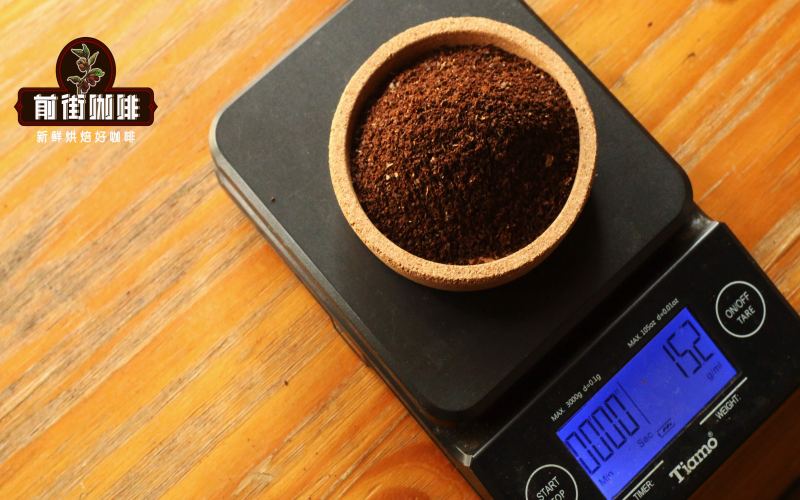
How to Use a Coffee Grinder | How to Adjust the Grind Size on a Manual Coffee Bean Grinder? What Grind Size for Pour-Over, Ice Drip, Cold Brew, Siphon, Moka Pot, and American Drip Coffee?
We all know that different coffee beans require different grind sizes. When making pour-over coffee, you need to grind the coffee beans into powder first, and then brew. So every coffee shop has an electric coffee grinder, but electric grinders are also quite expensive, so many coffee enthusiasts consider manual ones. [more…]
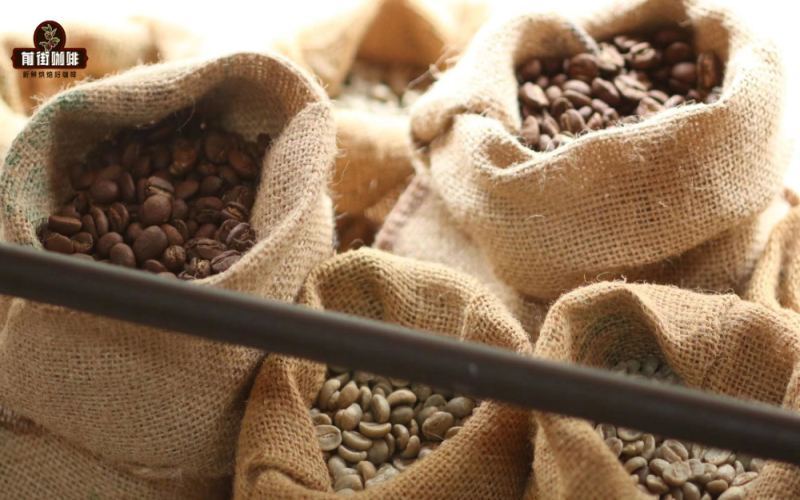
Starbucks Autumn Blend Coffee Beans Flavor Analysis: Pour-Over Techniques and Processing Methods for a Latin American Blend
Starbucks Autumn Blend coffee beans, also known as Thanksgiving Blend coffee beans, is a seasonally available blended coffee. It is a proportional blend of two classic beans: Sumatra and Guatemala Antigua. This article will analyze the characteristics of coffee beans from the Asia/Pacific region and Latin America from two dimensions: regional flavor and processing method, and provide a detailed introduction to the differences between the washed process and the semi-washed process. At the same time, the article reviews the story of how this coffee bean came to be and pairing suggestions. For enthusiasts who want to gain a deeper understanding of blending logic or try pour-over brewing, there are practical suggestions from Front Street Coffee at the end of the article, which are worth reading. [more…]
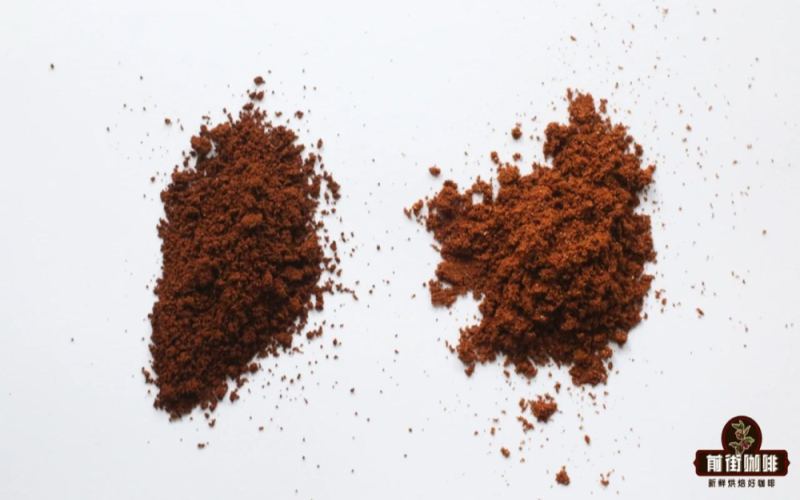
How to distinguish coffee bean grind sizes? A reference for pour-over grind adjustment and 0.85mm sieve calibration
The first step in coffee brewing often begins with grinding. Different extraction methods have different requirements for coffee grounds: a French press needs coarse particles visible to the naked eye, while a Turkish pot requires a grind as fine as flour. At the same weight, the finer the grind, the greater the number of cuts and the larger the surface area, and the more opportunities water has to contact the coffee grounds, so flavor compounds are released faster. To move away from vague descriptions like "as coarse as granulated sugar," Front Street Coffee uses standard sieves to calibrate particle size: generally, pour-over coffee particles are between 600-850 microns; when tested with a 0.85 mm (No. 20) sieve, the pass rate is about 80% for light roasts and about 65-70% for medium-dark roasts. This article will also compare the pass rates of common methods such as cold drip, siphon, moka, American drip filter, cupping, and French press, and introduce the effects of conical burrs, flat burrs, and ghost teeth burrs on grinding results, as well as recommendations for choosing between hand grinders and electric grinders. [more…]