







If you drink coffee regularly, you've surely heard of "Americano."
If you order a cup of this coffee at Starbucks, the usual method is to use espresso as a base and add about 6–8 times water. But I clearly heard that Italians don't drink Americano (absolutely true), so why do you see Americano on espresso menus? Is Starbucks' Americano really the authentic way?
What is real Americano?
As the name suggests, Americano refers to American-style coffee, that is, the coffee Americans are used to drinking. It's just that Americano is a name given by people outside the United States (just as foreigners don't call themselves foreigners). Americans habitually use drip coffee makers to make coffee; almost every household has a drip coffee maker, sometimes even more than one. (Few American households use super-automatic espresso machines.) Coffee on the menu at many American restaurants refers to this kind of drip coffee. A drip coffee maker brews a large pot, and when a customer orders coffee, a cup is simply poured from a thermal carafe. It couldn't be more convenient, and of course no distinction is made about origin. Because Americans love coffee so much and drink several cups per person per day, over time people from other countries came to call this light-bodied black coffee they love "Americano".

How did coffee become popular in the United States?
Starting in 1607, European immigrants gradually brought coffee and tea to the North American continent. The British Protestant Christians (also called Puritans) who fled there had a strong anti-alcohol sentiment and encouraged the use of tea and coffee instead of alcohol. Thus, tea and coffee became everyday beverages in America. In 1773, the famous “Boston Tea Party" occurred, strengthening the Americans' sense of opposition to the British. The British loved tea, so the Americans switched to drinking coffee as the opposite of tea, and the Continental Congress declared coffee the official national drink of the United States.
Why do Americans like drinking drip coffee?
The United States is a country of new immigrants, without its own deep cultural roots, and it yearns more for a free and casual lifestyle, so in making coffee it is also not as "rule-bound" as Europeans. Drip coffee is quick and convenient and requires no advanced technique, which suits the American temperament very well.
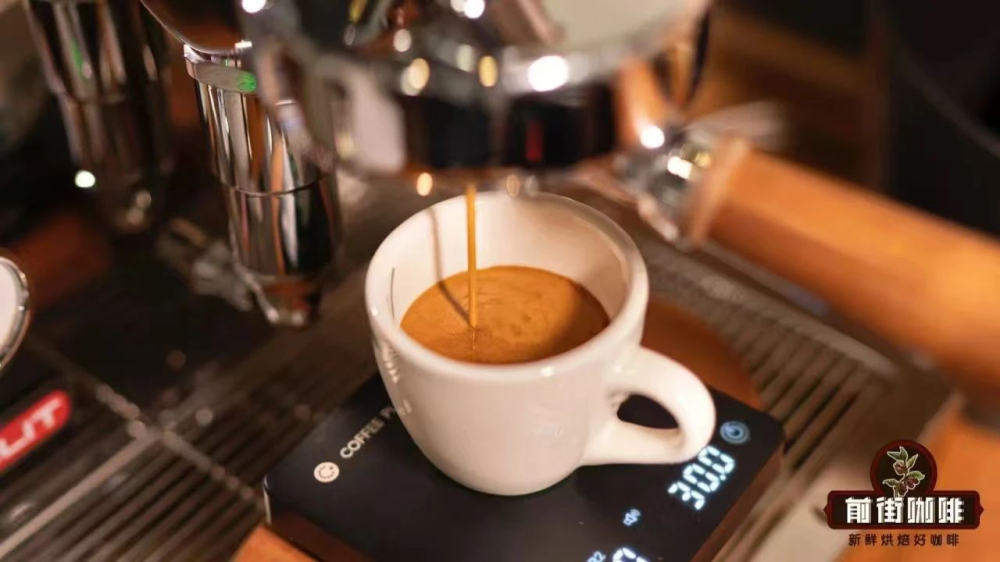
Back to the question at the beginning: why is Americano at Starbucks espresso diluted with water? Are they deceiving us? In fact, this "Americano" method originated during World War II, when American soldiers entered Italy. Because they really could not stomach the intense espresso, they poured the coffee into military canteens and added water to dilute it. This way of drinking it was mocked by the locals, who said: "Yankees can only drink coffee as weak as dishwater."
And the Yankees' Americano specifically refers to the practice of diluting espresso with water, which became today's "Americano" in coffee shops. For a long historical period, American coffee was despised by people from other countries; the French said Americano tasted like sock-washing water. This is because Americans used to be truly very casual about coffee and did not pay much attention to the quality of coffee beans. Therefore, coffee was more of a supporting role accompanying meals, and its taste was really not something to praise. However, the more backward a place is, the more development potential it has. Under such circumstances, Ms. Knutsen of the United States first proposed the concept of "specialty coffee" in the magazine Coffee & Tea, which set off the current third wave of coffee. The current industry standards are set by the Specialty Coffee Association of America, SCAA.
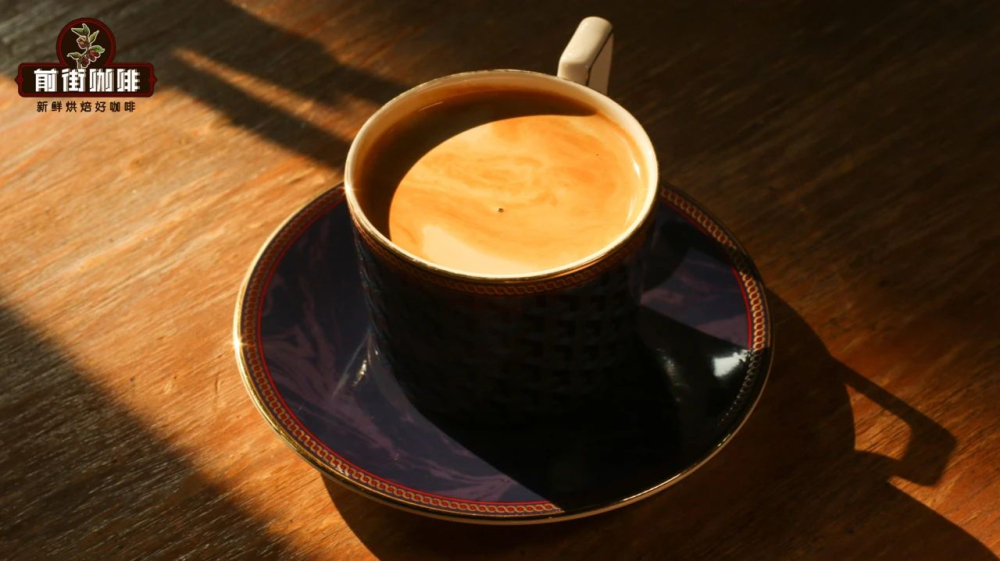
Single-origin coffeeDoes it belong to Americano?
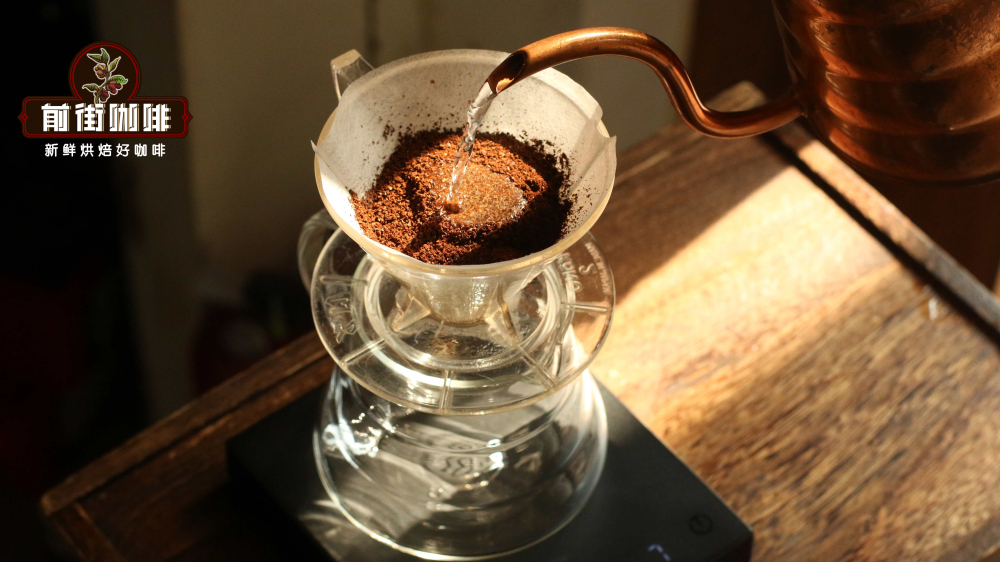
An American drip machine completes the pouring, brewing, and extraction by machine, while single-origin pour-over controls the pouring and extraction manually. Both are filtration-style extraction methods, and the principles are exactly the same. But hand-brewed single-origin coffee is one extraction method of drip coffee, and an American drip machine is also an extraction method; there are differences between the two methods. Americano was originally made by adding water to espresso, while an American drip machine directly extracts coffee by adding water, rather than diluting espresso. It is called American-style because the machine used to make it is called an American coffee maker, so it is called Americano; it should be called American-style black coffee. Hand-brewed single-origin coffee belongs to black coffee, and Americano also belongs to black coffee. This is the correct way to name them.
In addition, pour-over coffee also has a pre-made product form—drip bag coffee. This is a convenient type of coffee in which coffee beans are ground into powder in advance and packed in a single-serving filter bag, ready to brew anytime and anywhere, and it has different flavors depending on the coffee beans chosen. Here Front Street briefly lists several types of coffee suitable for most people for you to choose from: for those who like floral flavors, we recommend Front Street Panama Geisha drip bag coffee, one of the most expensive coffees in the world; for those who like fresh coffee with acidity, we recommend Front Street Huakui drip bag coffee, which tastes like black tea and berries;
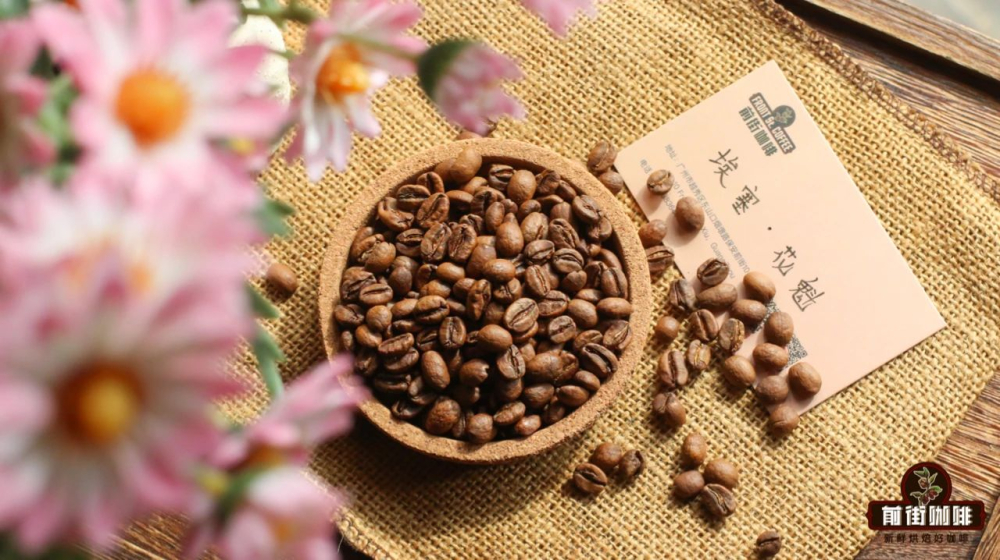
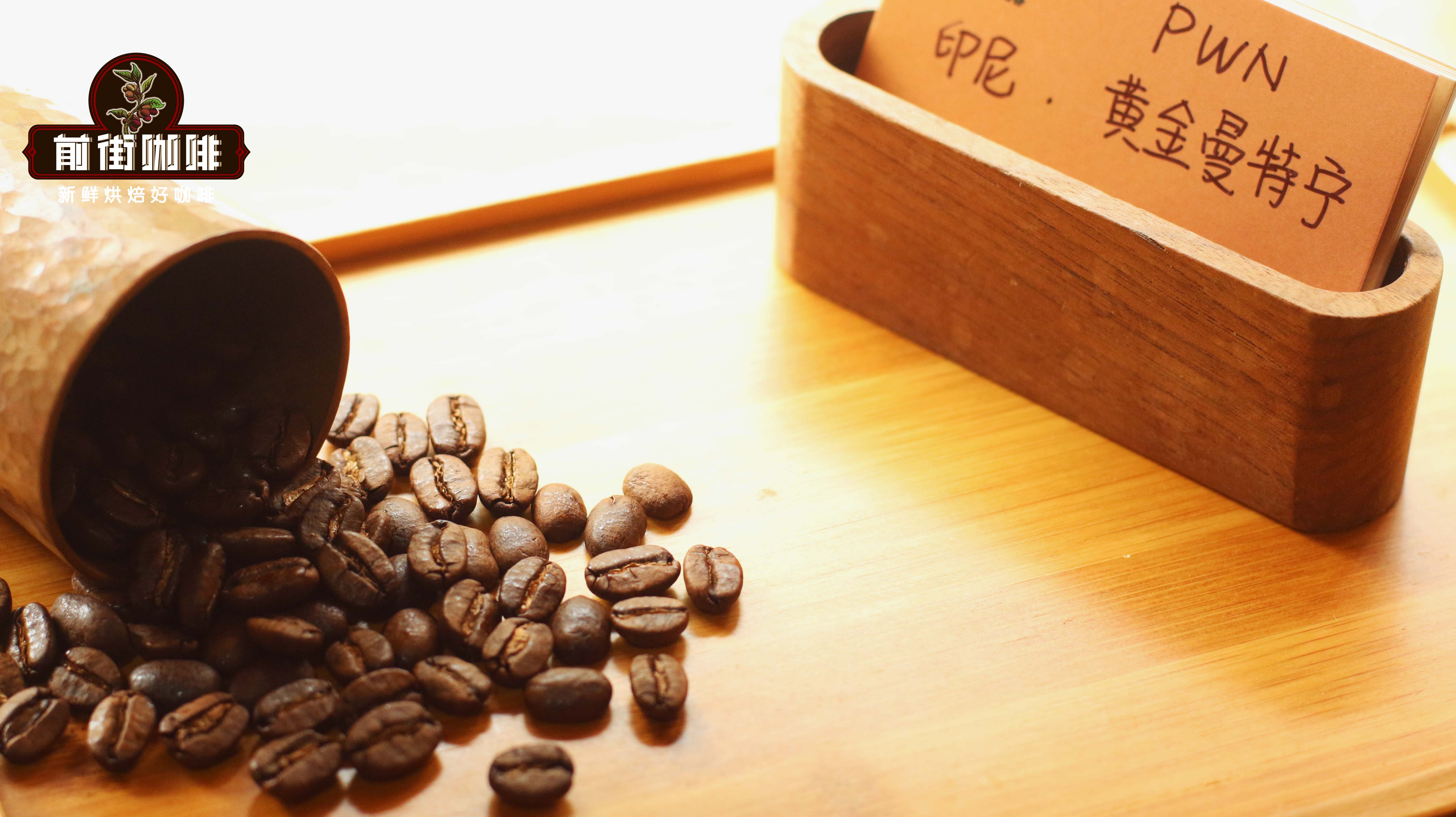
For those who like balanced flavor, that is, coffee that is neither sour nor bitter, we recommend Front Street Brazil drip bag coffee; finally, for those who love a solid, mellow mouthfeel, we suggest buying the highest-grade Front Street Golden Mandheling drip bag coffee. These beans undergo multiple rounds of hand sorting, which minimizes the defect rate of the coffee beans, thereby making the coffee aroma clearer and the sweetness better. All the above drip bag coffees can be purchased and ordered at Front Street stores and the Front Street Tmall flagship store.
What is the difference in flavor between Americano and pour-over?
To show everyone their differences, this time we use [Front Street Yirgacheffe · Red Cherry] coffee beans for a comparative experiment.
Region: Yirgacheffe
Altitude: 1,700 to 2,200 meters
Variety: heirloom
Processing method: sun-dried processing

Made with FrontStreet Coffee sun-dried Red Cherry SOE
FrontStreet Coffee SOE preparation parameters: dose: 20g, coffee extraction yield: 40g, extraction time: 26s
SOE flavor description: citrus, berries, fermented aroma, syrupy, medium bitterness, medium-high acidity, bright and lively acidity.
FrontStreet Coffee sun-dried Red Cherry SOE Americano
To compare with hand-brewed coffee, we made the SOE into Americano.
Espresso-to-hot-water ratio: 1:7, so this SOE Americano is made by mixing 40ml of SOE with 280ml of hot water.
SOE Americano flavor description: the aroma around it is a rich fermented aroma; on the palate, soft fruit acidity, citrus acidity, obvious sugarcane sweetness, and a tea-like note in the finish.
FrontStreet Coffee sun-dried Red Cherry coffee brewing
Next, we brewed the sun-dried Red Cherry coffee beans by pour-over.
Dripper: Hario V60
Water temperature: 90–91°C
Coffee-to-water ratio: 1:15
Grind size: granulated sugar-like size
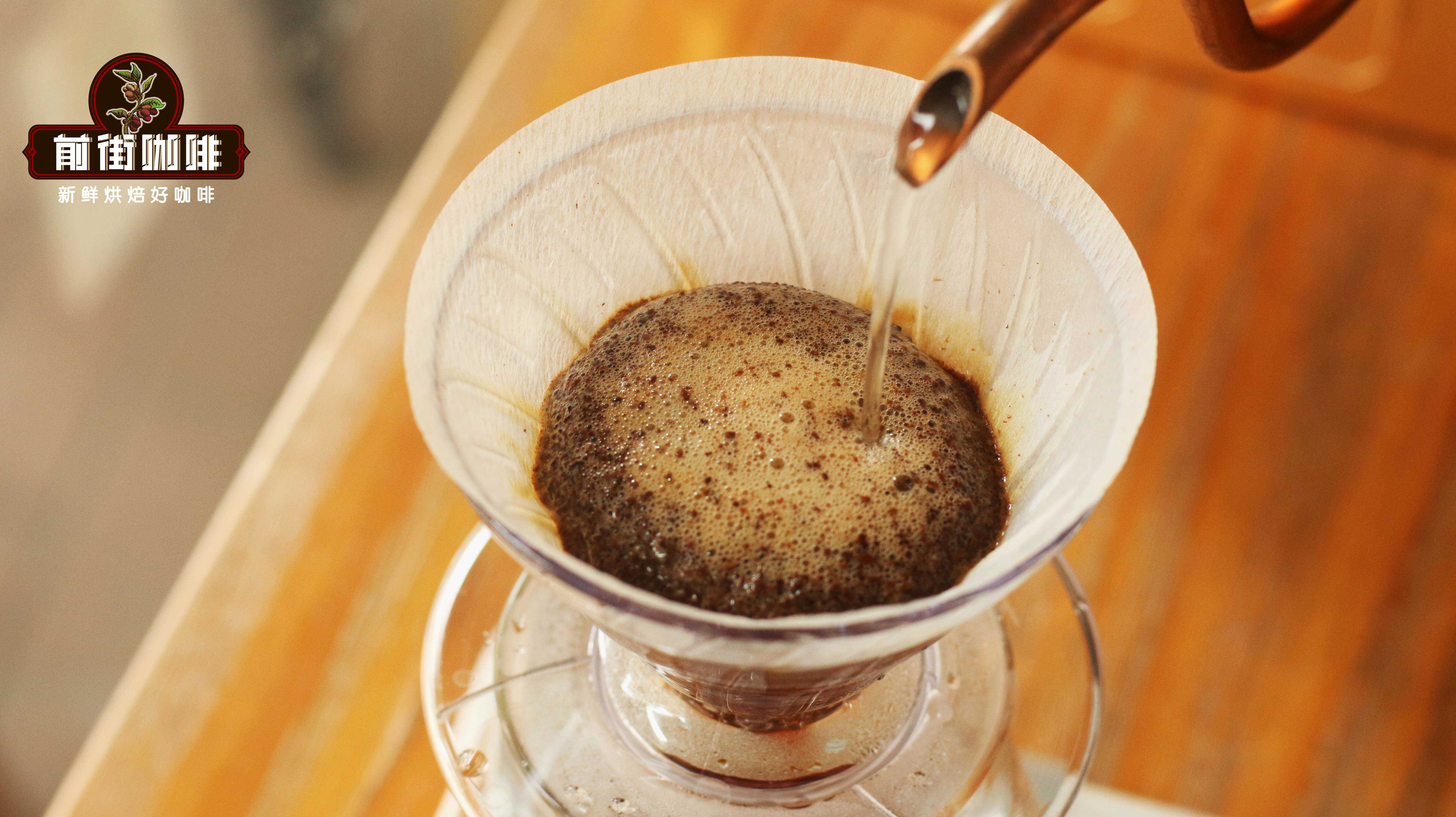
Front Street brewing method: bloom with 30g of water for 30 seconds, pour in a small stream in circles until 125g, then pause; when the water level is about to expose the coffee bed, continue pouring until 225g and stop; when the water level is about to expose the coffee bed again, remove the dripper, (timing starts at the beginning of the bloom) extraction time is 2'00".
Brewed flavor: it smells of rich fermented fruit aroma and jasmine; on the palate there is the sweet-tartness of strawberry and berries, with almond and cream flavors in the middle. The finish has an oolong tea note.
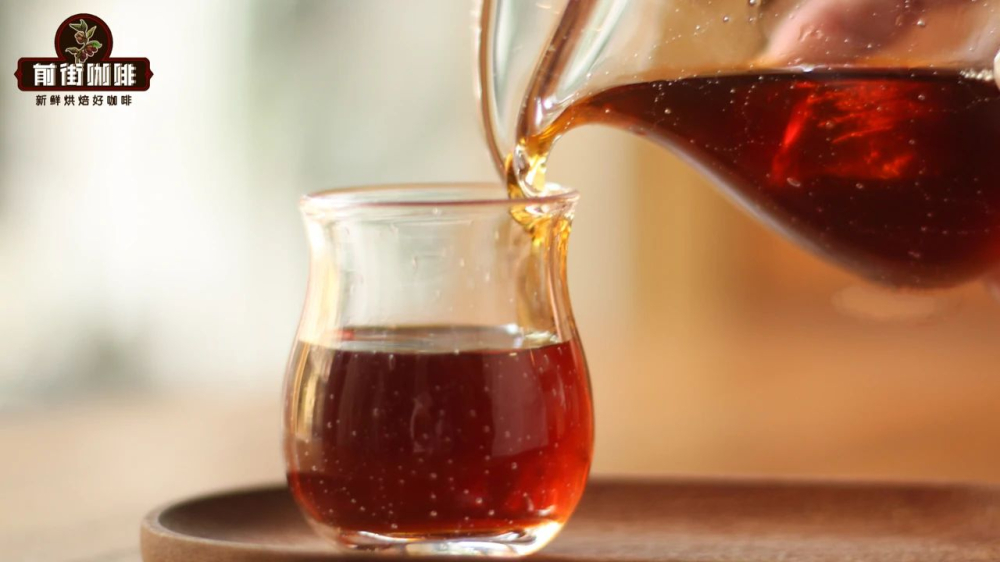
Mini summary
After this comparison, FrontStreet Coffee found that when sun-dried Red Cherry is made into SOE Americano, the sweetness is noticeably enhanced and the flavor is relatively balanced, but the body is thinner, the flavor is monotonous, and the layers are insufficient; while the black coffee brewed by pour-over from sun-dried Cherry coffee has a more distinct character, with more varied changes in flavor and layers, and a relatively fuller body.
The above content is compiled by CoffeeHunters, a coffee news website.


