







How Does Grind Size Change Your American Coffee Machine Brew?
Grind size sets extraction time and yield in a drip coffee maker. Fine grounds dissolve fast and can turn bitter through over-extraction, while coarse grounds slow the flow and leave the cup thin and under-extracted. For a De'Longhi drip machine, baristas at Front Street set the grinder near a pour-over setting so water contact time stays balanced.
Match the roast to the brew: light roasts like Sun-Dried Red Cherry, medium roasts such as Blue Mountain, and dark roasts like PWN Golden Mandheling each behave differently. If beans are pre-ground at the shop, staff first ask what equipment will brew them, because coffee maker uses decide the correct grind. Drip brewing also tastes cleaner than adding water to espresso.
Many coffee enthusiasts, after getting a drip coffee maker like De'Longhi, often wonder what coffee beans to pair with it and how to set the grind size. In fact, the grind size directly determines the extraction time and extraction yield—too fine can lead to over-extraction, while too coarse results in under-extraction. Based on the practical experience of Front Street baristas, this article explains the suitable applications for fine, medium, and coarse grinds, and recommends beans like Front Street Sun-Dried Red Cherry, Front Street Blue Mountain, and Front Street PWN Golden Mandheling for light, medium, and dark roasts. It also includes the operating steps for a De'Longhi drip coffee maker and finally compares the taste differences between adding water to espresso and drip brewing, helping readers find a cup of Americano that suits them.
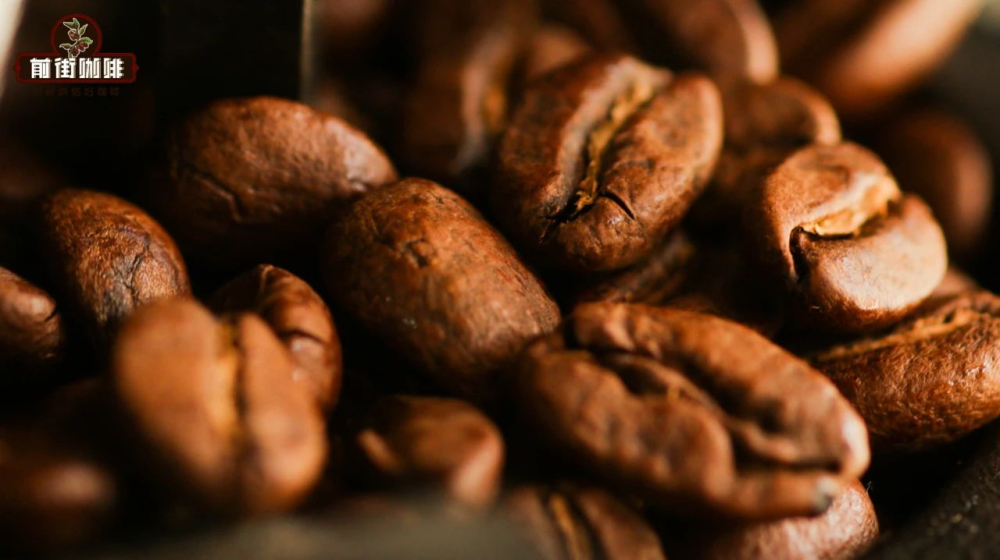
Some customers, when buying coffee beans at Front Street, don't have a grinder at home yet, so they ask the barista to grind the beans into powder in advance. In such cases, the baristas at Front Street usually first confirm one thing: what equipment do you plan to use to extract this bag of coffee? Most of the answers point to a drip coffee maker. After confirmation, the barista adjusts the grinder's setting to a position comparable to pour-over coffee before grinding. Many people ask, why should the grind size follow the extraction equipment?
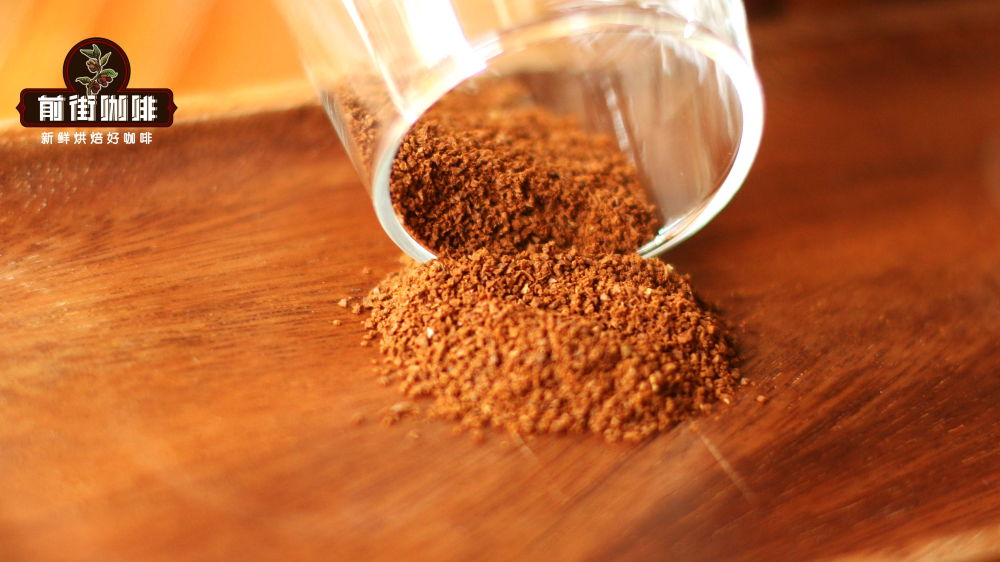
Front Street has always believed that different brewing methods should be paired with different coffee grind sizes, because the grind size plays a decisive role in the entire extraction process. The coarseness of the particles directly changes the contact time between water and coffee and the final extraction yield. The reasoning is not hard to understand: the finer the coffee beans are ground, the larger the surface area of the powder, the faster the water flows through, and at the same time, more flavor compounds are dissolved. Conversely, the coarser the grind, the smaller the surface area, the slower the extraction speed, and naturally, much less is dissolved in the same amount of time compared to a fine grind.
However, if the grind is too fine, under otherwise unchanged conditions, it often brings out too many flavor components, making the overall taste unusually strong or even unpleasant—this is what is commonly called "over-extraction." When the grind is too coarse, "under-extraction" may occur—the flavors in the coffee powder haven't had time to fully release, and the resulting cup often tastes bland, thin, or has a sharp acidity.
In international convention, coffee grind size is divided into seven levels: Extra coarse, Coarse, Medium-coarse, Medium, Medium-fine, Fine, Extra Fine, corresponding to cold brew, French press, pour-over, drip coffee maker, AeroPress, moka pot, espresso machine, and Turkish coffee, respectively.
Front Street won't make such a complex division here, but only provides three levels: fine, medium, and coarse, and uses a No. 20 national standard sieve to measure the passing rate, which are 80%, 75%, and 70% respectively. Espresso machines and moka pots are suitable for fine grinds, for a straightforward reason: under high temperature and pressure, water passes through the coffee bed extremely quickly, and only by grinding fine can you slow down the water flow and extend the contact time between coffee and water, thereby bringing out as much flavor as possible. As for pour-over coffee and American coffee makers, they are more suitable for medium or slightly coarse grinds, and the specific choice is related to the roast level of the coffee beans.
Customers who buy beans at Front Street often ask what impact the roast level has. Generally, Front Street will tell everyone in broad terms: lightly roasted beans highlight floral and fruity acidity, medium roasts have a relatively balanced flavor with prominent nutty notes, and dark roasts emphasize body and chocolate flavors. So which beans does Front Street recommend for making Americano?
Actually, drip coffee makers are not picky about roast level; the key is which flavor direction you prefer. For light roast, Front Street first recommends Front Street Sun-Dried Red Cherry, a bean from Yirgacheffe, Ethiopia, with high sweetness and distinct Ethiopian citrus and berry notes.
Blue Mountain coffee has always been a bean that Front Street takes pride in. Superior growing conditions and strict export standards make true Blue Mountain exceptionally rare. Front Street's Blue Mountain comes from Jamaica's Clifton Mount Estate, which holds Rainforest Alliance certification. The acidity, sweetness, and bitterness are very balanced. Front Street uses a medium roast to showcase its smooth creamy texture and dark chocolate flavor as much as possible.
For dark roast, you can try Front Street PWN Golden Mandheling, a classic representative among Front Street's dark-roasted beans. Golden Mandheling beans are relatively uniform in size, about 19 mesh. After one machine sorting and three hand sortings, they are even more precious. Front Street also reminds you: many friends feel after drinking "Golden Mandheling" that "it doesn't seem that good," partly because you may not be used to Mandheling's taste, and partly because you may have bought a counterfeit. Front Street's Golden Mandheling has a PWN factory certificate and a burlap sack printed with the PWN logo as proof. If you have doubts about Golden Mandheling sold by other merchants, you might ask the seller to show relevant proof.
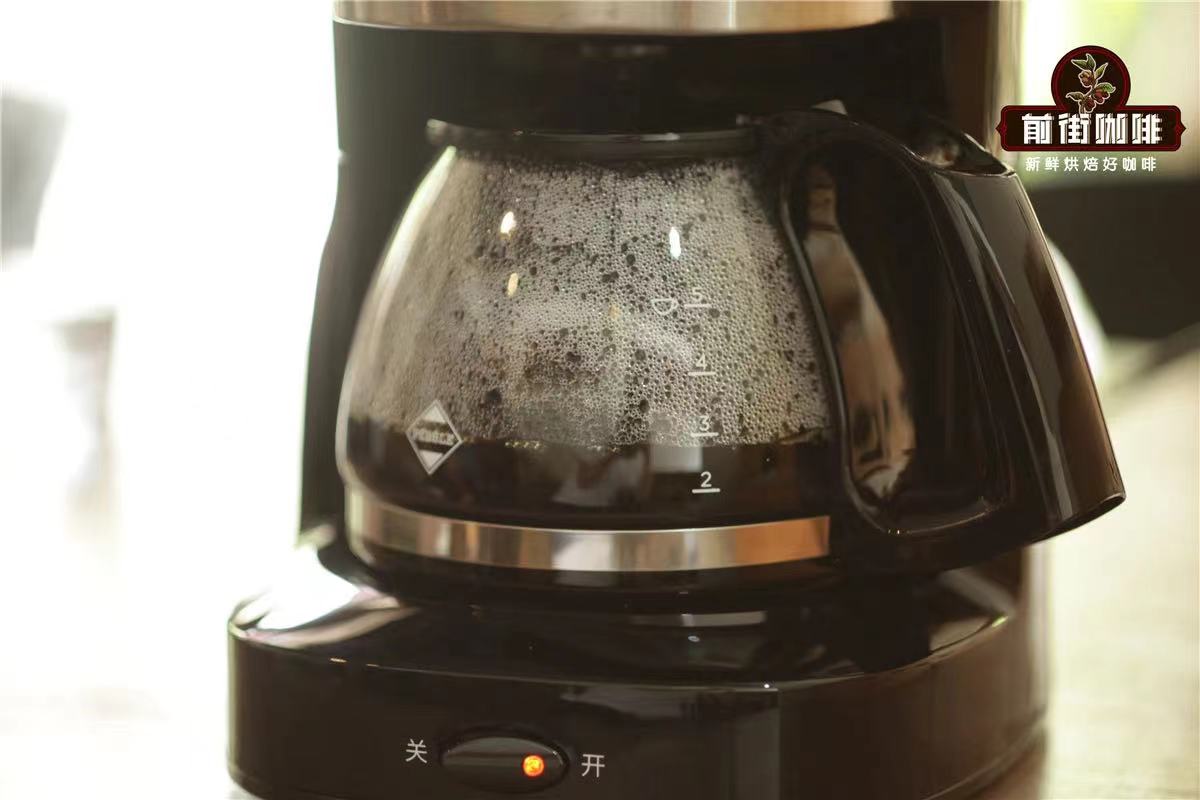
After discussing Americano coffee beans, Front Street will now teach you how to use an American coffee maker, using a De'Longhi drip coffee maker as an example. After plugging in the power, use the coffee scoop to add an appropriate amount of coffee powder to the filter basket (adjust as needed). Typically, 5 grams of powder to 100 grams of water, though you can adjust according to personal taste. Fill the water tank with an appropriate amount of clean water, close the lid, press the start button, and the drip coffee maker begins extraction. The operation is very simple.
We all know that besides the drip method, Americano can also be made by adding water to espresso. So which is better tasting, "espresso" or Americano? What are the differences in taste between the two?
We all know that besides the drip method, Americano can also be made by adding water to espresso. So which is better tasting, "espresso" or Americano? What are the differences in taste between the two?
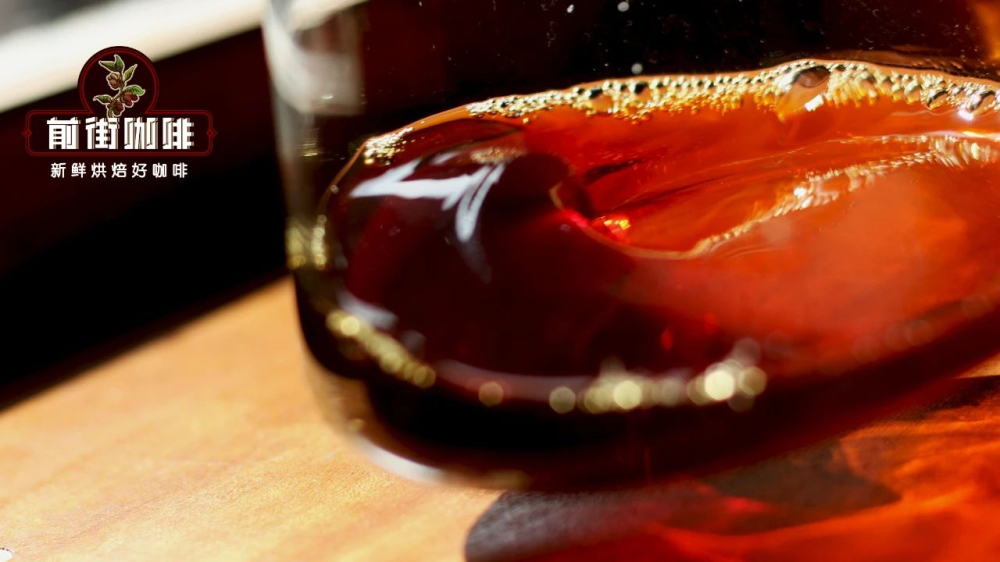
This varies from person to person. Front Street believes that Americano made from espresso is more full-bodied, and the layer of crema on the surface adds complexity, making the mouthfeel richer. Therefore, it is suitable for pairing with specific espresso blend beans. You can purchase Front Street Classic Blend. Drip coffee makers, on the other hand, use atmospheric pressure extraction, producing a different result that tastes relatively cleaner.
At this point, many friends will surely ask: "What exactly is the difference between espresso and Americano?" Simply put, Front Street believes that espresso = Italian-style coffee = European-style coffee, and Americano = American-style coffee. So what is the connection between the two? Front Street has mentioned this in many articles, and here is a brief explanation again: In the early years, Americans mainly drank drip coffee. During World War II, American soldiers were not used to the intensity of espresso, so they diluted it with water. Later, to cater to American tastes, the "Americano" style gradually formed—espresso with added water. Traditional Italian coffee, besides espresso itself, can also have sugar and milk added, evolving into various drinks like lattes and cappuccinos.
The above content is compiled by CoffeeHunters, a coffee news website.


