







How do you set grind size for an American coffee machine?
For an American coffee machine, grind to a setting comparable to pour-over coffee rather than a fine espresso grind. Grind size decides how long water takes to pass through the coffee bed and how much is extracted, so matching coarseness to the brewing device is what keeps the cup clean and balanced rather than bitter or weak.
Drip brewing is beginner-friendly, inexpensive, and low on equipment demands; it can make a single serving or extract about five cups at once. Many store customers ask baristas to grind beans in advance because they lack a grinder at home. Coffee machines vary, so the first question is which device will be used. The article also covers espresso and Americano origins.
Drip coffee is one of the most beginner-friendly extraction methods, with simple equipment and easy operation that delivers a clean, refreshing flavor. But behind this apparent simplicity, the choice of grind size and the roast level of the coffee beans directly affect the final taste. This article draws on the hands-on experience of Front Street Coffee stores to explain clearly how grind coarseness affects extraction yield, what grind size different devices should use, and recommends several Front Street Coffee beans suitable for American-style drip machines, and finally covers drip machine operating steps, as well as the origins and differences between espresso and Americano.
For more specialty coffee knowledge, please follow the WeChat official account: Front Street Coffee (FrontStreet Coffee)
What is drip coffee? For people just getting into coffee, it is one of the easiest brewing methods to learn and one of the best ways to taste the true character of single-origin beans. The flavor is clean and refreshing, with a style close to what a siphon produces, which is why it is quite popular among Japanese consumers and also suits simplified needs in home and office settings. The operation is not complicated, the equipment is inexpensive, and the barrier to entry is low—these are the strengths of drip coffee. It can make a single serving or extract about five cups at once, making it arguably the most effortless extraction method, unrestricted by location, and capable of producing quite a respectable flavor.
When some customers buy beans at Front Street Coffee (FrontStreet Coffee) stores, they ask the barista to grind the beans in advance because they do not have a grinder at home. In such cases, Front Street baristas usually first ask: what device do you plan to use to brew? Nine times out of ten, the answer is an American-style drip machine. After getting that answer, the barista will adjust the grinder setting to a position comparable to pour-over coffee before grinding. Many people wonder, why should grind size follow the extraction device?
Front Street's view is that different brewing methods must match different grind coarseness, because grind size plays a decisive role in the extraction process. Whether coffee is ground coarse or fine directly affects how long water passes through the coffee bed and the final extraction yield. To use a plain analogy: the finer the coffee beans are ground, the larger the surface area of the grounds, the faster water contacts the grounds, and naturally the more flavor compounds are carried out. Conversely, the coarser the grind, the smaller the surface area, the slower the extraction speed, and the less material dissolves in the same amount of time compared with a fine grind.
However, when the grind is too fine, under otherwise identical conditions, it often extracts too much from the coffee, making the overall taste unusually intense and unpleasant—this is what is commonly called "over-extraction." If the grind is too coarse, it may lead to "under-extraction," because not enough flavor is extracted from the grounds; this kind of coffee usually tastes "watery," "thin," or has a sharp, biting acidity.
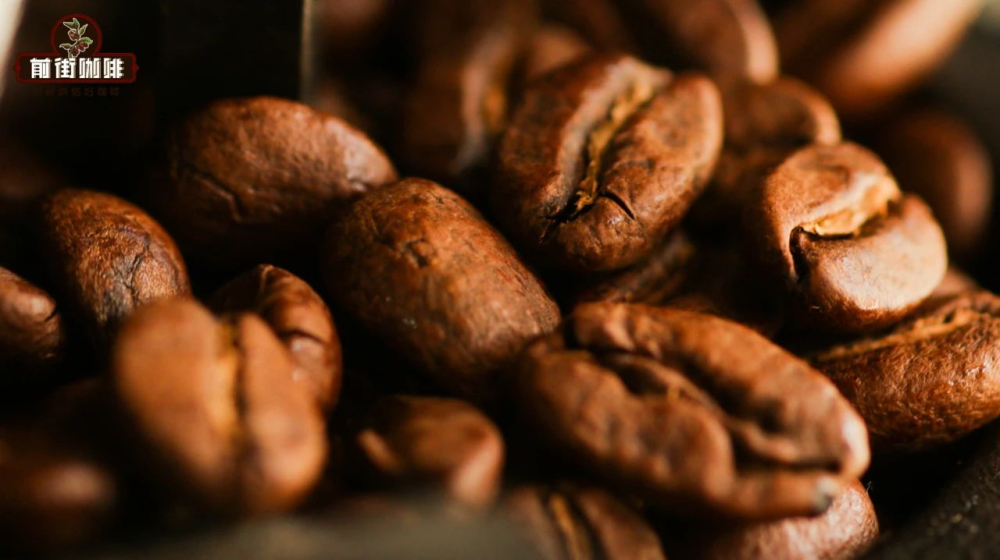
Regarding grind size, there are seven international categories: Extra coarse, Coarse, Medium-coarse, Medium, Medium-fine, Fine, and Extra Fine, corresponding in order to cold brew, French press, pour-over, drip coffee machine, AeroPress, moka pot, espresso machine, and Turkish coffee, among others.
Front Street does not intend to make it that complicated. Here we will only give you three grind sizes: fine, medium, and coarse, with sieving rates through a No. 20 standard sieve of 80%, 75%, and 70%, respectively. Devices such as espresso machines and moka pots use a fine grind for a simple reason: under high temperature and high pressure, water passes through the coffee bed extremely quickly, and a fine grind can slow the flow, extend the contact time between water and grounds, and extract as much flavor as possible. Pour-over coffee and American-style coffee machines use a medium or medium-coarse grind; which exact setting to choose is related to the roast level of the coffee beans.
Customers who often come to Front Street to buy beans ask what effect different roast levels have on the beans. Generally speaking, we will tell them broadly: light-roast beans highlight floral notes and fruity acidity, medium-roast beans have a relatively balanced flavor with obvious nutty notes, and dark-roast beans emphasize body and chocolate notes. So which beans does Front Street recommend for Americano? Actually, American-style drip coffee machines are not picky about roast level; the key is what style you want to drink. Taking light roast as an example, Front Street would first introduce Front Street Natural Red Cherry. This Front Street Yirgacheffe coffee bean from Ethiopia has high sweetness and obvious Ethiopian citrus and berry notes.
Front Street Blue Mountain Coffee has always been a signature of Front Street Coffee (FrontStreet Coffee). Its superior growing environment combined with strict export standards makes true Blue Mountain especially rare. The Blue Mountain that Front Street sources comes from Jamaica's Clifton Estate, which has Rainforest Alliance certification. Its acidity, sweetness, and bitterness are very balanced. Front Street uses a medium roast to maximize its smooth creamy texture and dark chocolate flavor.
As for dark-roast beans, Front Street most recommends Front Street PWN Golden Mandheling, a classic representative on Front Street's dark-roast bean list. Golden Mandheling beans are fairly uniform in size, generally around 19 screen. The screening process of one machine sorting plus three hand sortings makes them especially precious. Here Front Street offers a reminder: quite a few friends who drink Golden Mandheling may feel it is "not that good after all." One reason may be that you simply do not like the taste of Mandheling, and another may be that you bought a counterfeit. The Front Street Golden Mandheling on Front Street's bean list comes with a PWN factory certificate and is evidenced by jute sacks printed with the PWN logo. If you have doubts about Golden Mandheling sold by other merchants, you can ask the shop to show the above proof.
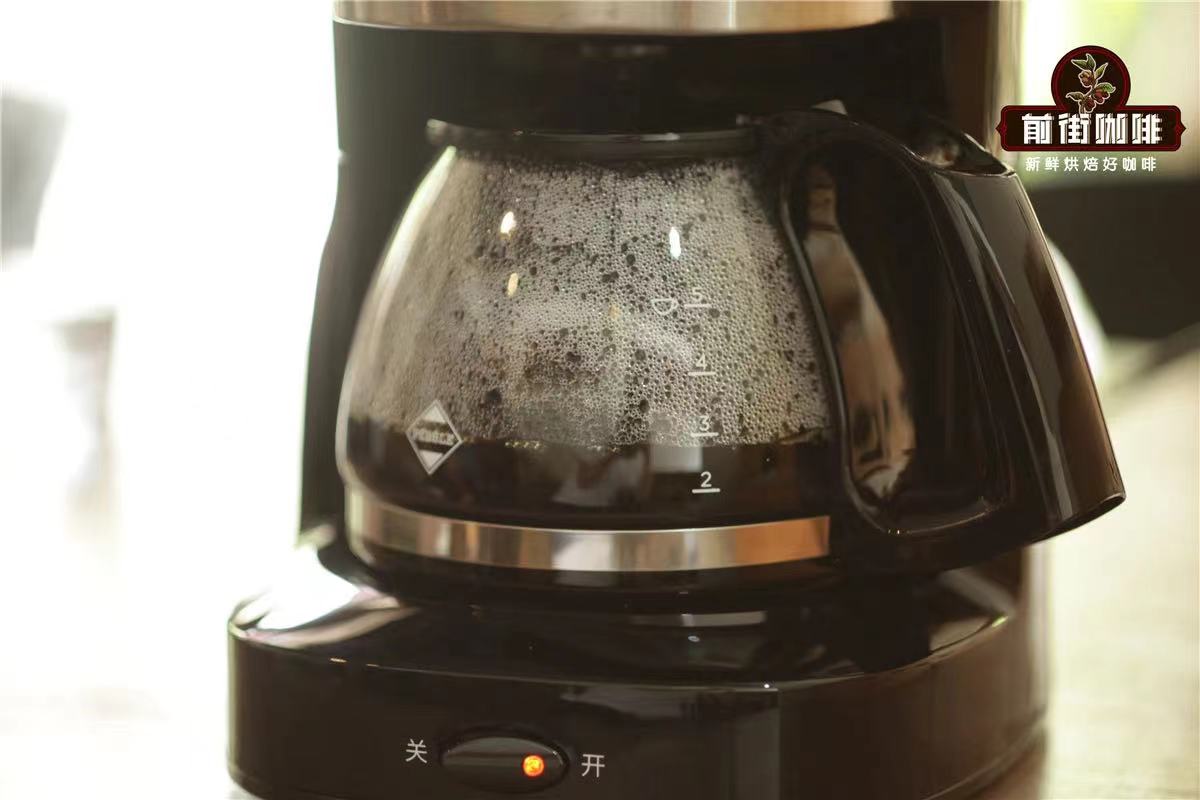
After discussing the choice of Americano coffee beans, Front Street will now teach you how to use an American-style coffee machine, taking a De'Longhi drip coffee machine as an example. After plugging in the power, use the coffee scoop to add an appropriate amount of coffee grounds to the filter basket (adjust as needed). Generally, every 5 grams of grounds goes with 100 grams of water, though of course you can increase or decrease according to your own taste. Pour an appropriate amount of clean water into the water tank, put the lid back on, press the start button, and the machine begins extracting. The operation is very simple.
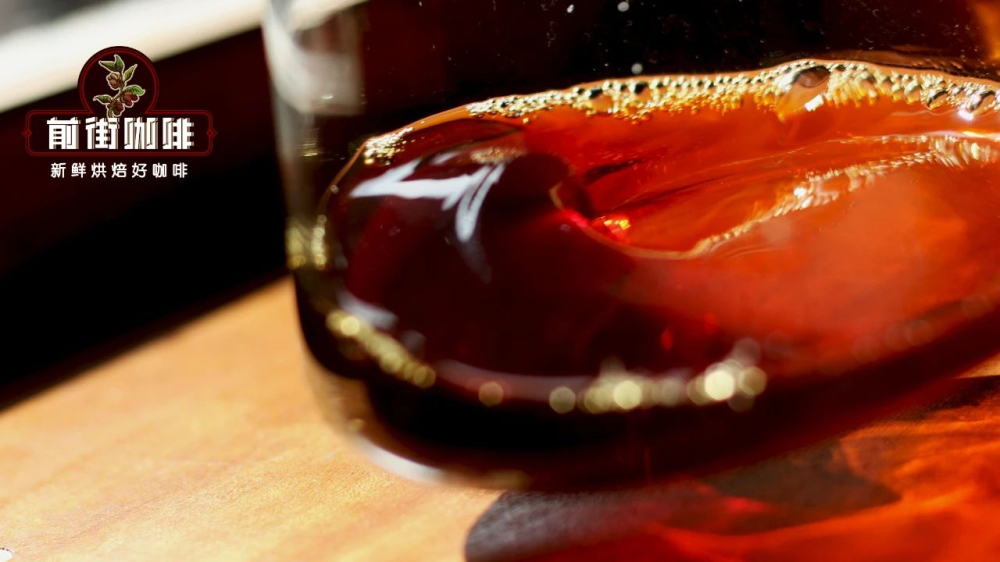
We all know that in addition to the drip method, another way to make Americano is to add water to espresso. So which tastes better, "espresso coffee" or Americano? What difference is there in mouthfeel? This varies from person to person. Front Street believes that Americano made with espresso is richer and thicker, and the crema on the surface also adds layers to the mouthfeel, making it taste fuller. Coffee made with a drip machine, by contrast, is relatively cleaner.
At this point, many friends will surely ask: "What exactly is the difference between espresso coffee and Americano?" Very simply, Front Street's understanding is: espresso coffee = Italian-style coffee = European-style coffee, and Americano = American-style coffee. So what is the connection between them? Front Street has mentioned this in many articles, and here is a brief explanation again: in the past, Americans mainly drank drip coffee. During World War II, American soldiers were not used to the intensity of espresso, so they diluted the espresso with water. Later, to cater to American tastes, the drinking style of "Americano"—espresso plus water—gradually took shape. Traditional Italian-style coffee, in addition to espresso itself, can also have sugar and milk added, evolving into many drinks such as lattes and cappuccinos.
The above content is compiled by CoffeeHunters, a coffee news website.


