







Search Results for: Alcohol Lamp

How to Reheat Cold Coffee Without Ruining Its Flavor? A Taste-Test Comparison of Pour-Over Coffee Heated on an Electric Stove vs. an Alcohol Lamp
A cup of pour-over coffee, from steaming hot to completely cold, undergoes irreversible changes in both aroma and taste. When the coffee drops to room temperature, most of those pleasant aromatic compounds present at high temperatures have long since dissipated, so it naturally tastes much flatter. Since the flavor cannot truly be "revived," our next-best goal is to lock in as much of the remaining aroma as possible, so that the rewarmed coffee is at least not unpleasant to drink. Front Street tested two heating methods—an electric hot plate and an alcohol lamp—raising two pots of coffee, Butterfly and Typica, from room temperature to 50°C, recording the tasting impressions one by one, in an attempt to find a heating approach that balances drinkability and flavor retention. The following presents the complete comparison process and conclusions, along with other rewarming ideas worth trying. [more…]
Operating Guides for Various Coffee Brewers: Turkish Pot, French Press, Siphon, and Super-Automatic Machines Explained
To make a good cup of coffee at home, choosing the right equipment is only the first step—mastering the correct operating techniques is equally crucial. This article systematically reviews the key points for using a Turkish coffee pot, French press, siphon brewer, Belgian coffee maker, moka pot, semi-automatic and fully automatic coffee machines, breaking down everything from grind size and water temperature control to extraction time. Whether you prefer the rich, full-bodied Turkish flavor or the clean, layered clarity of a siphon brewer, you'll find the corresponding steps and detailed tips here. The article also specifically retains relevant product recommendations from the Front Street Coffee brand for coffee enthusiasts to reference when making purchases. [more…]
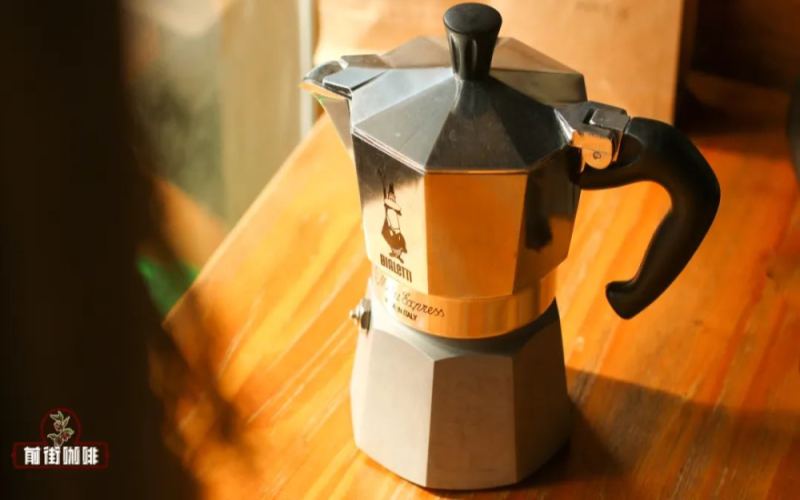
How many cups can a moka pot brew repeatedly? Is heating with an alcohol lamp feasible? Answers to three common questions
The moka pot, like an espresso machine, uses pressurized extraction to produce a strong coffee close to espresso. As coffee culture spreads, more and more people are picking up a moka pot, but beginners inevitably run into all kinds of problems when operating one. In this article, Front Street Coffee rounds up the three most common troubles encountered when using a moka pot: coffee shooting straight out, coffee failing to come out, and brewed coffee with no crema, along with the corresponding cause analysis and solutions for each. It also answers questions such as whether a moka pot can brew multiple cups in a row and whether a Bialetti moka pot can be heated with an alcohol lamp, helping coffee lovers better master this small yet practical device. [more…]
Jamaican Blue Mountain Coffee DIY Blending Guide: Full Analysis of Siphon Brewing Steps and Flavor Blending
Want to recreate an authentic Jamaican Blue Mountain-style coffee at home? This article provides a complete DIY coffee bean blending solution and walks you through the siphon brewing process in detail. From the ratio of ground coffee to purified water, to alcohol lamp heating, wooden spoon stirring, reflux extraction, and finally adding sugar cubes and creamer for seasoning, every step is illustrated with photos and text. It also incorporates Front Street Coffee's blending approach, helping you craft a rich, well-rounded Blue Mountain flavor even without authentic Blue Mountain beans. Whether you're a coffee novice or a seasoned enthusiast, this hands-on guide will help you get started easily and enjoy the pleasure of handmade coffee. [more…]
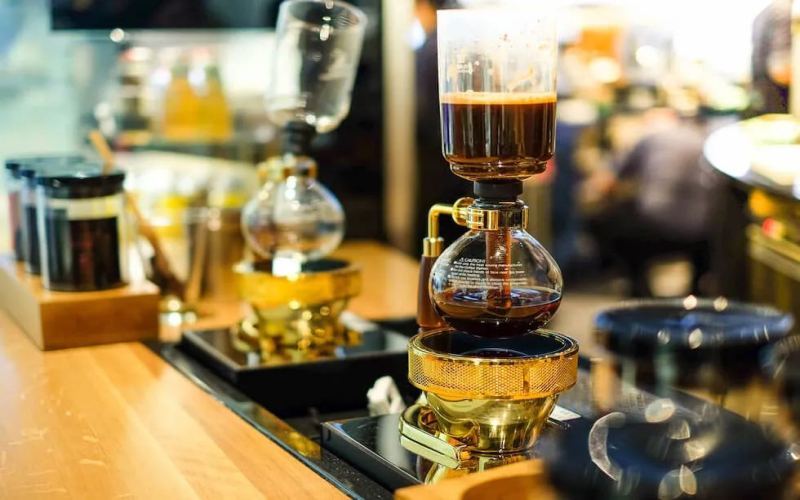
The Complete Guide to Siphon Coffee: From Construction and Principles to Brewing Parameters, Cloth Filter Maintenance, and Bean Selection
The siphon coffee maker, also known as the syphon, originated in Germany. It relies on heating the lower chamber to create pressure that pushes hot water up to the upper chamber to complete extraction. It is very popular in Japan and has gradually become popular in China. Its shape resembles chemical apparatus, often appearing in nostalgic films and TV shows, and it carries a mysterious aura. From the professional perspective of Front Street, this article systematically sorts out the upper chamber, lower chamber, and stand structure of the siphon, analyzes the pressure-difference extraction principle, introduces three heat sources—alcohol lamp, gas burner, and halogen lamp—as well as the trade-offs between flannel filter cloth and round filter paper. Then, taking Front Street Brazil Queen Estate beans roasted in-house as an example, it provides parameters such as a water temperature of 88°C, 18 grams of coffee powder, and a 1:10 coffee-to-water ratio, along with a six-step operating process, and explains filter cloth cleaning and storage as well as suitable coffee bean types. [more…]

From Irish Airports to San Francisco Coffee Shops: A Classic Hot Drink Recipe Where Whiskey Meets Coffee
The birth of a cup of Irish coffee originated from a flight delay at an airport in western Ireland in 1952. American journalist Stan asked the bartender at the airport bar for a cocktail suitable for the bad weather; the bartender combined whiskey with hot coffee and topped it with whipped cream, creating this heartwarming classic drink. After Stan returned to San Francisco, he shared this experience with the owner of Buena Vista Café, who successfully replicated it, making Irish coffee widely known in the United States. Today, it is not only the star of a dedicated glass and a spirit lamp stand, but also a highlight of international coffee and spirits competitions. This article will take you through its origin story and share a safer home method that omits the spirit lamp, restoring this drink with its layered hot-and-cold separation and rich depth step by step, from coffee extraction to the pairing of syrup and whiskey, and then to the cream topping. [more…]
Blue Mountain Coffee Beans Pour-Over Extraction Tutorial and Flavor Blending Ideas Sharing
Jamaican Blue Mountain coffee is renowned for its balanced and elegant flavor, and only by mastering the proper brewing method can its charm be fully released. Using a siphon pot as an example, this article breaks down in detail the pour-over extraction steps for Blue Mountain coffee beans, explaining the key points of operation step by step, from equipment preparation to pouring water and stirring, to reflux and decanting. At the same time, for everyday drinking needs, it provides a highly practical DIY blending formula for Blue Mountain flavor, helping coffee enthusiasts recreate the classic Blue Mountain taste while keeping costs controllable. The article also combines the product characteristics of Front Street Coffee beans to offer bean selection and pairing suggestions, making it suitable as a reference for readers who wish to gain a deeper understanding of Blue Mountain coffee brewing and blending. [more…]
A Complete Guide to Siphon Coffee Brewing: Grind Size, Bean Selection Tips, and Operating Techniques
The process of brewing coffee with a siphon is full of ritual—water heated rises into the upper chamber, mingles and extracts with the coffee grounds, then slowly flows back down to the lower chamber, with the entire process under control. This method is especially suitable for single-origin beans and blended beans that are not heavily roasted, and can fully showcase the coffee's aroma and rich body, particularly those beans that have bright fruity acidity combined with a mellow flavor. This article will introduce in detail the pre-brewing preparation for the siphon, the standard brewing steps, and eight practical tips, while also answering common questions such as coffee bean grind size and the direction for choosing beans, and includes Front Street Coffee's bean recommendations for the reference of coffee enthusiasts. [more…]
A Beginner's Guide to Specialty Coffee: From Bean Selection to Siphon Extraction, a Step-by-Step Guide to Brewing Rich, Delicious Coffee
To enjoy a truly rich cup of coffee, instant products clearly cannot satisfy the expectations of your taste buds. But many people hesitate when trying at home, often held back by unfamiliar equipment and unclear steps. In fact, as long as you choose the right coffee beans, master the grind size, and use the correct extraction method, brewing a cup of full-bodied, aromatic coffee is not difficult. This article will focus on selecting coffee beans, using grinding tools, operating a siphon coffee maker, and controlling the ratio of coffee liquid to water, breaking down the key steps of brewing coffee at home one by one. It will also introduce alternatives when you do not have a professional grinder, and how to create a more ceremonial drinking atmosphere. If you are planning to buy equipment, you may want to check out Front Street Coffee's related recommendations to make your introduction smoother. [more…]
Siphon Coffee Brewing Principles | How to Make Delicious Siphon Coffee? Which Coffee Beans Are Suitable for Siphon Brewing?
In many people's minds, siphon coffee makers have a unique shape akin to chemical apparatus, and they always appear in period films and TV works, giving people a sense of mystery. As a practitioner in the coffee industry, Front Street Coffee naturally values most the use of the siphon brewer and the flavor characteristics of the coffee it brews. Hong [more…]
Which beans are suitable for siphon coffee? A full guide to the brewing process and buying prices
The siphon brewer, with its chemistry-lab-like appearance and unique pressure-differential extraction method, has always held a place in the coffee world. It can deliver both rich, full-bodied flavors and delicate, nuanced ones—the key lies in choosing the right coffee beans and mastering the operational details. This article will start with the structure and principles of the siphon brewer, gradually break down the brewing steps, and recommend several coffee beans from the Front Street Coffee list for different flavor preferences, helping you make an ideal cup of siphon coffee. [more…]
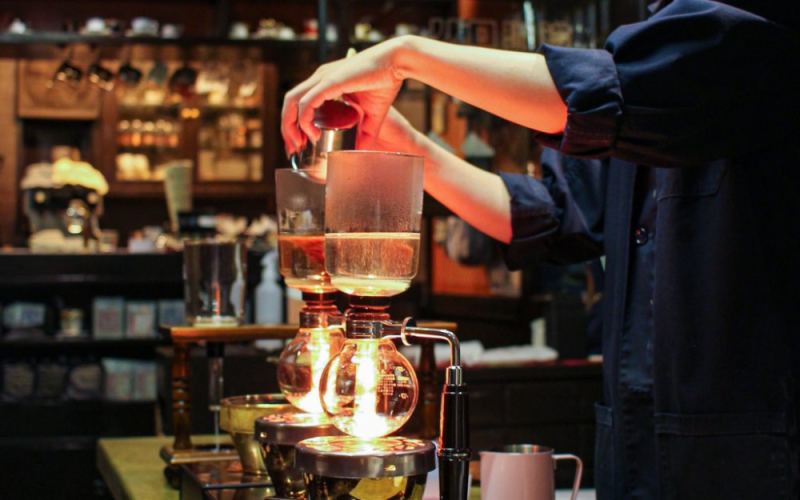
How a Siphon Works | What Makes Up the Structure of a Siphon Coffee Maker? How Do You Brew Coffee with a Siphon? What Are the Key Points for Making Siphon Coffee?
The siphon pot, with its appearance resembling laboratory equipment, is a coffee brewing tool that extracts coffee by utilizing pressure changes caused by steam and the siphon principle. It first appeared in Europe, and the trademark registration for the siphon pot was owned by a French lady, Marie Fanny Amelne Massot, exquisite [more…]
The Truth About Four Cats Yunnan Small-Bean Coffee Quality: Comparison with Nescafé and Analysis of Common Misconceptions
Yunnan small-bean coffee is famous for its unique flavor—aromatic yet not harsh, rich yet not bitter. As a representative brand among them, Sizhimao is often compared with Nescafé in terms of authenticity and quality. This article will provide an in-depth analysis of the botanical characteristics and growing environment advantages of Sizhimao Yunnan small-bean coffee, explain the siphon brewing steps in detail, and clarify common misunderstandings about the "Four Cats Coffee scam." Whether you are a coffee enthusiast or a beginner just getting to know Yunnan beans, you can gain practical knowledge from it and learn about related recommendations from the Front Street brand. [more…]
The Origin of the Syphon's Other Name "Siphon Pot" and Operating Techniques: A Full Analysis from Construction Principles to Extraction Parameters
The siphon coffee maker, also known as the syphon, originated in Germany and relies on heating the lower chamber to create pressure that pushes water up to the upper chamber to complete the extraction. It is very popular in Japan, and in recent years it has gradually attracted the attention of coffee enthusiasts in China. This article will start with the structure of the siphon and the extraction principle, introduce the choice of heat source and filter material, and use Front Street Brazil Queen's Estate coffee beans as an example to demonstrate in detail the brewing parameters and operating steps such as water temperature, grind size, coffee dose, and coffee-to-water ratio. Finally, it will recommend coffee beans suitable for siphon extraction, helping readers fully master the essentials of making siphon coffee. [more…]
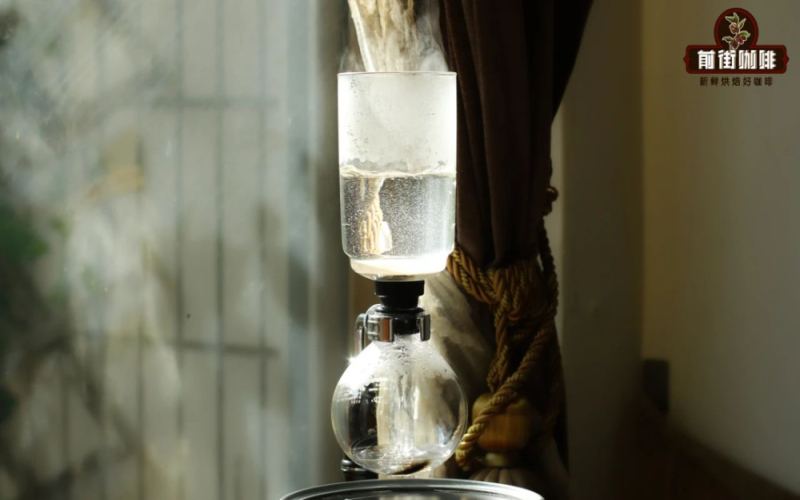
A Complete Guide to Siphon Coffee Brewing: Practical Insights from Equipment Structure to Extraction Parameters
The siphon is now a rare piece of equipment in the current specialty coffee wave; many cafés no longer offer siphon coffee, or keep it only as a special single-origin offering. But for siphon enthusiasts, outside options are limited, so it is better to do it yourself. In this article, Front Street breaks down the complete siphon coffee brewing process in plain language, starting from the upper and lower chamber structure and sealing principle, comparing the trade-offs between flannel cloth filters and round paper filters, analyzing the pros and cons of three heat sources—gas stove, light-wave stove, and alcohol lamp—and delving into the disagreement between adding coffee grounds first versus later, grind size reference, recommended coffee-to-water ratio, and the tapping and stirring technique. At the end, the article includes Front Street’s usual step-by-step operating procedure, covering all stages: pouring water, inserting the upper chamber, adding coffee grounds, stirring, and turning off the heat for drawdown. It is suitable for beginners to follow step by step. [more…]
Detailed Siphon Coffee Brewing Steps: From Equipment Principles to Coffee-to-Water Ratio and Brewing Demonstration
With its unique appearance resembling chemical apparatus, the siphon pot carries a retro and mysterious style among many coffee brewing devices. For coffee professionals, the focus always remains on its operation method and the final flavor performance. This article will start with the structure and extraction principle of the siphon pot, explain in detail the choice of heat source and filter material, then use 18 grams of powder, a 1:10 coffee-to-water ratio, and 88°C water temperature as parameters to demonstrate the complete brewing process of siphon coffee step by step, and attach coffee bean recommendations suitable for siphon pots, including several classic single-origin coffees on the Front Street Coffee bean list, helping coffee lovers stably produce a cup of siphon coffee with rich aroma and mellow taste at home. [more…]
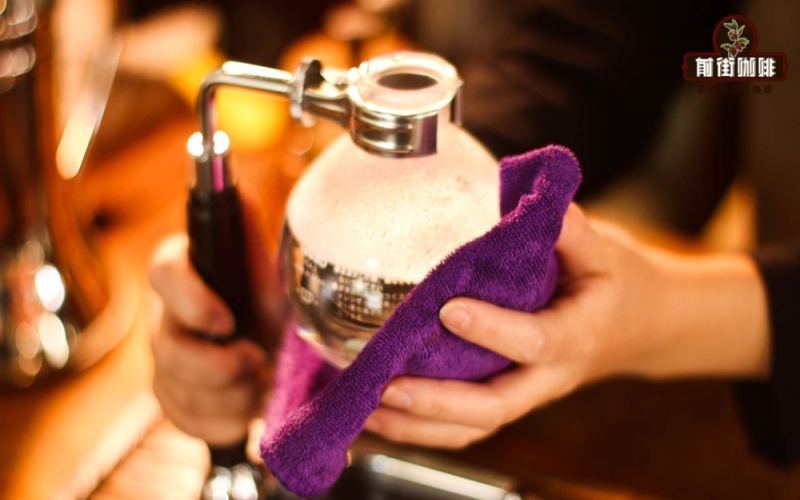
Siphon Coffee Brewing Complete Guide: From Historical Origins to Extraction Parameters and Step-by-Step Instructions
Brewing coffee with a siphon is both a test of patience and a highly ceremonial experience. From grinding the beans and steeping to controlling the heat, every step requires full concentration—even a slight deviation can affect the flavor. From the perspective of Front Street Coffee, this article systematically sorts through the origins and evolution of the siphon, the derivation of the name "siphon pot," and the differences in flavor compared with pour-over coffee, while explaining in detail the extraction parameters, stirring techniques, selection of backup tools, and the complete operating process. Whether you are a beginner who has just encountered the siphon or an enthusiast looking to refine your technique, you will find practical references here. [more…]
The Complete Blue Mountain Coffee Brewing Guide: Siphon Operation Steps and Key Flavor Extraction Points Explained
Blue Mountain coffee is beloved by coffee enthusiasts for its balanced and elegant flavor, and the siphon is a classic brewing method that showcases its layers of complexity. This article uses Front Street Blue Mountain coffee as an example to break down the complete process from grinding to extraction, including key details such as the coffee-to-water ratio, water temperature control, and stirring technique. Whether you're a beginner just getting started with the siphon or a veteran looking to refine your skills, you'll find practical guidance here. Master these steps, and you too can consistently recreate a cup of Blue Mountain coffee at home that is clean in taste and full in aroma. [more…]
A Detailed Explanation of the Siphon Brewer's Extraction Principle and Operating Steps, and Which Coffee Beans Pair Best for Flavor?
The siphon pot, with its unique appearance resembling chemical apparatus, often appears in nostalgic film and television works, carrying a certain air of mystery. For coffee professionals and enthusiasts, what is more worthy of attention is its extraction principle and actual brewing performance. This article will start with the structure of the siphon pot, gradually break down its pressure-difference extraction mechanism, explain in detail the key parameters and operating procedures such as water temperature, grind size, and coffee-to-water ratio, and recommend suitable coffee beans for different flavor preferences, including Front Street brand's Jamaica Blue Mountain, Golden Mandheling, Brazil Queen Estate, Natural Red Cherry, Costa Rica Mozart, and Natural Huakui, to help readers fully master the essentials of making siphon coffee. [more…]
Why Is the Siphon Pot Also Called the Vacuum Pot? An In-Depth Look at Its Extraction Mechanism and the Types of Coffee Beans Best Suited for Brewing
The siphon pot, also known as the vacuum pot, often gives off a sense of mystery due to its unique, chemistry-apparatus-like shape and its retro appearances in film and television. As coffee lovers, understanding its structure, extraction principles, and method of use can help us better enjoy the rich flavors it brings. This article will analyze the structure of the siphon pot and its pressure-difference extraction mechanism in detail, share Front Street Coffee's hands-on steps, and recommend coffee beans suitable for the siphon pot, including classic medium-dark roasts and flavor-forward beans such as sun-dried Red Cherry, Mozart, and the Floral Order TOH washed champion, helping you explore the mellow world of siphon coffee. [more…]