







Is coffee sour because it is spoiled, or is acidity natural?
Ethiopian coffee often tastes sour because of natural acidity rather than spoilage. Beans from areas like Yirgacheffe carry lemon and citrus notes, while Sidamo leans toward berry. That acidity comes from varietal genetics, growing environment, climate, green bean processing, and roast level, so the same bean can read as sharply acidic to one drinker and sweeter to another.
Green beans contain acids such as citric acid, malic acid, quinic acid, and phosphoric acid. After high-temperature roasting, these compounds react and form more acids, and light-medium roasts keep that brightness prominent. Grind size, water temperature, and pour-over time can all shift how much sourness reaches the cup.
The sourness of coffee often confuses beginners, especially beans from regions like Ethiopia Yirgacheffe, where the bright lemon-citrus acidity at the first sip is often mistaken for spoilage. In fact, coffee's acidity is closely related to varietal genetics, growing environment, green bean processing, and roast level, with each region having its own characteristics. From the perspective of Front Street Coffee, this article analyzes the scientific reasons why coffee becomes sour, introduces the impact of light-medium roasting on acidity, and shares methods for regulating sourness through grind size, water temperature, and time in pour-over extraction, finally including the three-stage brewing parameters for Kenya Small Tomato coffee beans, helping enthusiasts understand the specialty coffee philosophy of balancing acidity with sweetness and bitterness.
For more specialty coffee knowledge, please follow: Front Street Coffee (Frontsteet Coffee)
Everyone's taste perception is different. The same cup of Geisha placed before different people may taste prominently acidic to one and sweeter to another—this is the embodiment of sensory differences.
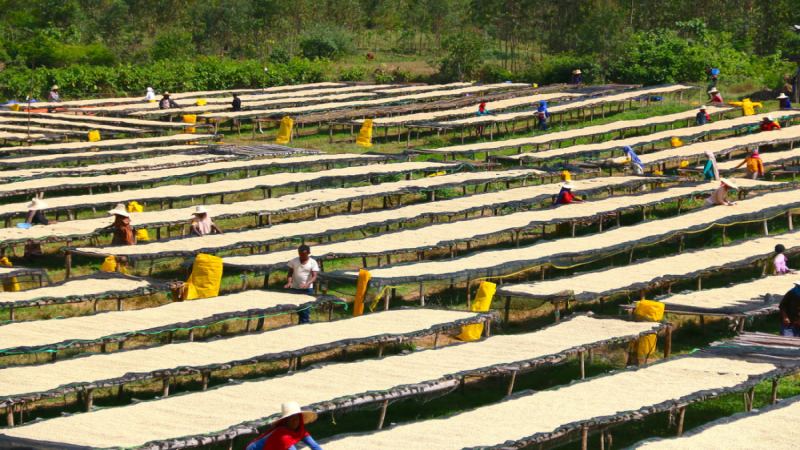
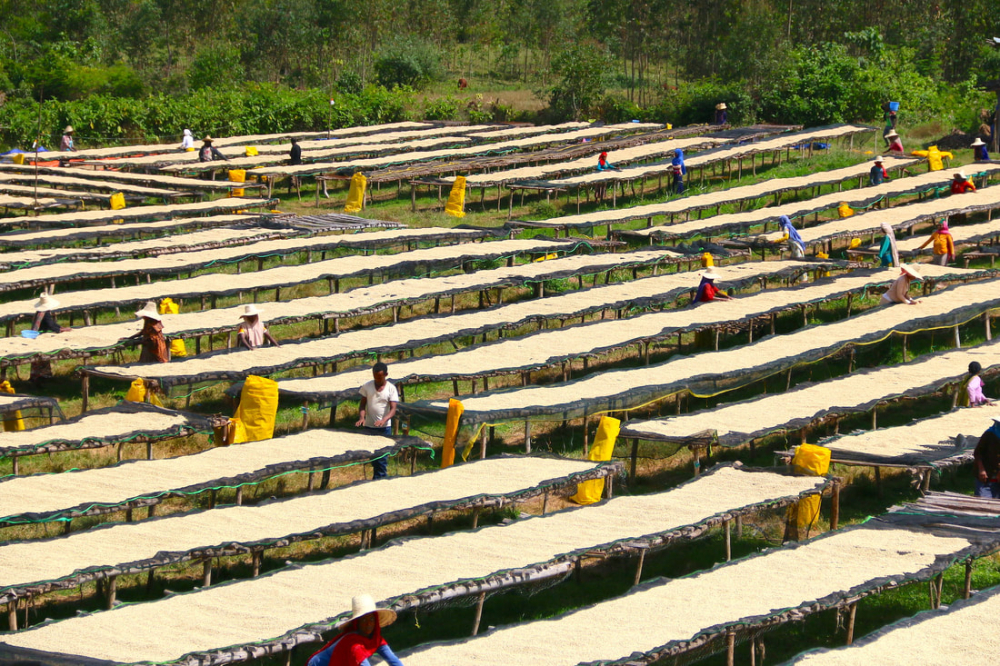
Front Street Coffee has noticed that many friends new to coffee, when tasting Ethiopian heirloom coffee, especially beans from the Yirgacheffe region, often wonder: why is this cup so sour? Is it spoiled? Actually, that's not the case. The sourness in coffee stems from the fact that Ethiopian coffee beans, under the combined influence of growing environment, climate conditions, and green bean processing methods, naturally possess acidity. Moreover, the acidity varies in character across different regions—for example, Front Street Yirgacheffe's acidity leans toward lemon and citrus, while Front Street Sidamo is closer to berry notes, which is quite interesting.
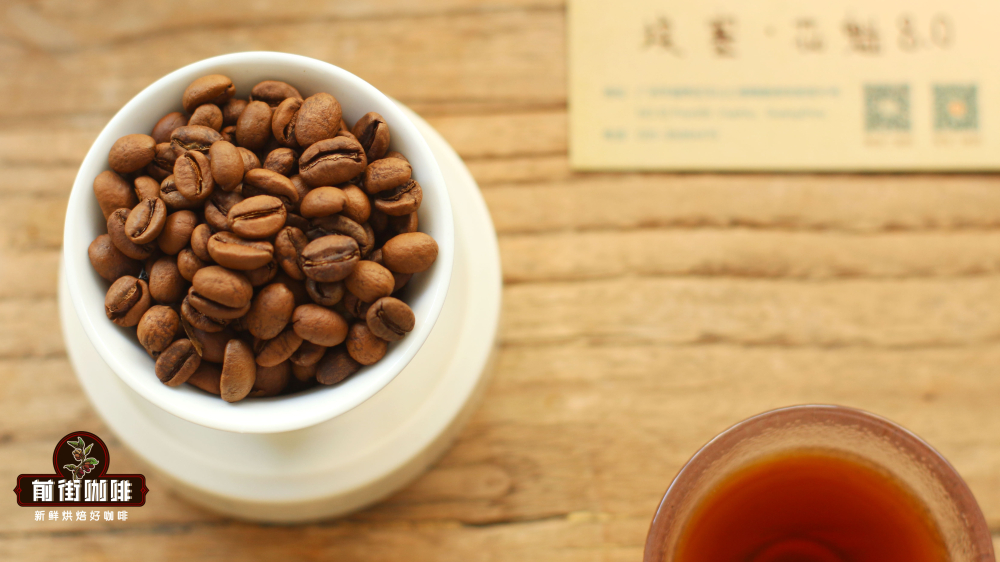
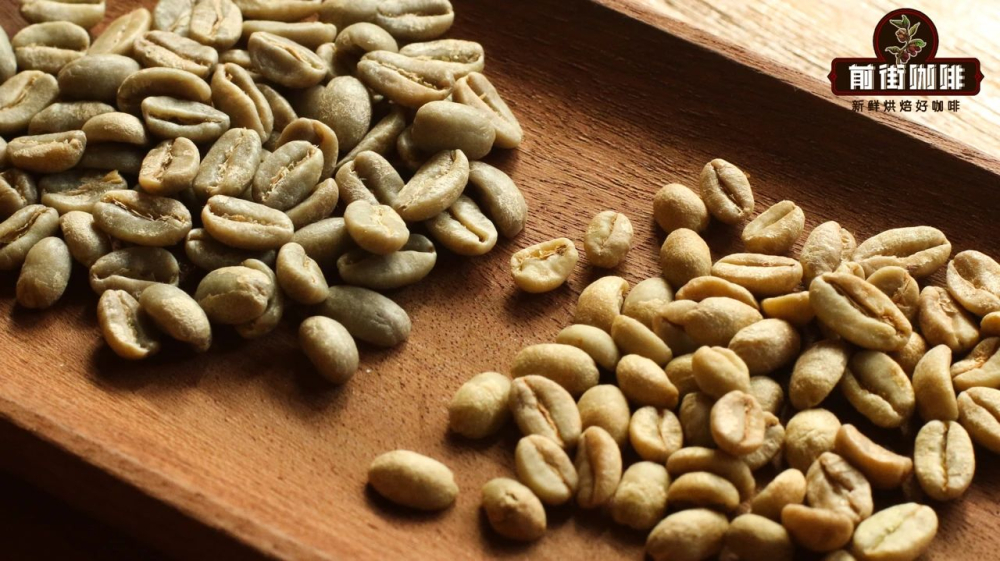
Coffee beans taste sour partly due to genetics and partly due to roast level. According to Front Street's understanding, green beans themselves contain various acidic components such as citric acid, malic acid, quinic acid, and phosphoric acid. After high-temperature roasting, these substances undergo chemical reactions and generate large amounts of acids. Generally speaking, light-medium roasted beans have more prominent acidity. When roasting African Ethiopian coffee beans, Front Street often uses a light roast to highlight the unique acidity and floral aromas of African beans. Front Street Fruit Ding Ding coffee beans and Front Street Natural Red Cherry coffee beans are typical representatives of Ethiopian washed and natural processing. If you'd like to try them, you can visit the Front Street Tmall flagship store or Front Street Taobao store.
Therefore, those who prefer acidic coffee might choose beans from African regions—Ethiopia and Kenya are both excellent choices. The Front Street Small Tomato coffee beans from the Thika region bring a delightful fresh acidity of cherry tomatoes and berries at the first sip. Front Street highly recommends these coffee beans with distinctive acidity. If you don't like sourness, that's fine too—you can choose medium-dark roasted beans, and the acidity will be greatly reduced. For example, Indonesian Sumatra Mandheling coffee beans have extremely low acidity, and Front Street Golden Mandheling not only has low acidity but also notably prominent sweetness, a smooth mouthfeel, and relatively mild Indonesian herbal notes.
Front Street believes that a good cup of coffee requires a delicate balance among sweetness, acidity, and bitterness to truly qualify as specialty coffee. Many people are not familiar with the specific composition of coffee flavors, so Front Street introduces the "Coffee Flavor Wheel," the quickest and most intuitive coffee flavor guide. Upon closer inspection of the Coffee Flavor Wheel, you'll find a rich vocabulary for describing flavors. Of course, besides growing environment, post-processing methods, and roast level, coffee's acidity is also affected by brewing time, grind size, and storage time.
Many customers who buy coffee beans and brew at home have told Front Street that when brewing African beans, the flavors they taste differ from those at Front Street Coffee (FrontStreet Coffee) stores—the pour-over acidity sometimes tastes milder, sometimes stronger, and even astringent. What's the reason for this?
Front Street's brief analysis suggests there may be three reasons for these undesirable flavors. The first is coffee grind size—grind coarseness greatly affects acidity: finer grinds result in lower acidity, while coarser grinds make sourness more pronounced. The second relates to brewing water temperature. The optimal extraction temperature for coffee is typically between 88°C and 92°C—for example, medium-dark roasted beans are generally brewed at 86-88°C, while light roasted beans are suitable for 90-92°C. Front Street Coffee (FrontStreet Coffee) typically uses a thermometer for precise temperature control during brewing. If you don't have a thermometer at home, freshly boiled water with bubbles—after the bubbles disappear—is about 96°C.
Front Street once brewed the same coffee beans at different water temperatures for comparison and found that when the water temperature is too high, both bitterness and sweetness are extracted; when the water temperature is too low, many components cannot be fully extracted, acidity and astringency increase, sweetness weakens, and unpleasant sour notes are also brought out.
Another reason lies in coffee extraction time. In plain terms, this is the duration of contact between coffee grounds and water. Different contact times dissolve different coffee components, which in turn affects the concentration and flavor of the brewed coffee. If extraction time is too long, a large amount of substances is dissolved out, making the coffee too strong, leading to over-extraction—the balance between water and coffee components is broken, and the flavor suffers. If extraction time is too short, insufficient components are dissolved, making the coffee weak, resulting in under-extraction—the balance is likewise broken, acidity is strong, and the mouthfeel is watery. Below are Front Street Coffee's (FrontStreet Coffee) pour-over method and parameters for brewing Kenyan beans.
Front Street uses a three-stage pouring method to brew this Kenya Small Tomato coffee bean. Using 15 grams of coffee grounds at a 1:15 coffee-to-water ratio, paired with a V60 dripper, using a faster flow rate to avoid clogging while highlighting the coffee's original flavors. Brewing at a 1:16 ratio with a water temperature of 90°C, preventing high temperatures from extracting bitter substances and avoiding low temperatures from excessively emphasizing the coffee's acidity.
This time using staged pouring: first pour 30 grams of water for a 30-second bloom, during which the coffee expands quite fully. In the second stage, pour 120 grams of water in small circles at the center, with a pouring height of 5 cm, gently, without deliberate stirring. When the water level drops to half the coffee bed, begin the third stage of pouring—this stage gently spirals from the center outward, with a flow rate of about 4 grams per second, until reaching 240 grams. Extraction ends when all the coffee liquid has dripped through the dripper, taking approximately 1 minute and 50 seconds.
Among them, Asalia's wet aroma exudes ripe tomato and intense floral notes, with flavors of cherry tomato and smoked plum on the palate, bright acidity, and a very clean mouthfeel.
For more specialty coffee beans, please add private WeChat Front Street Coffee (FrontStreet Coffee), WeChat ID: kaixinguoguo0925
The above content is compiled by CoffeeHunters, a coffee news website.


