







Search Results for: 90 Perspectives

Skip a Cup of Coffee a Day to Save for Retirement? Expert Advice Sparks Heated Debate: How to Balance Coffee Spending and Retirement Planning
As China's population aging process accelerates, the elderly care issues of the post-80s and post-90s generations are attracting increasing attention. Some experts suggest that young people should plan for retirement as early as possible—for example, by drinking one less 30-yuan cup of coffee each day, they could save nearly a thousand yuan a month, which happens to match the tax-advantaged contribution limit of the individual pension scheme. However, this suggestion has sparked widespread discussion on social media. For many young people, a 30-yuan cup of coffee every day is not a common expense, and the overall pressure of living costs is far from something that can be solved by skipping one cup of coffee. This article will explore the reality and controversy behind this topic from the perspectives of retirement data, individual pension policy, and the current state of coffee consumption. [more…]
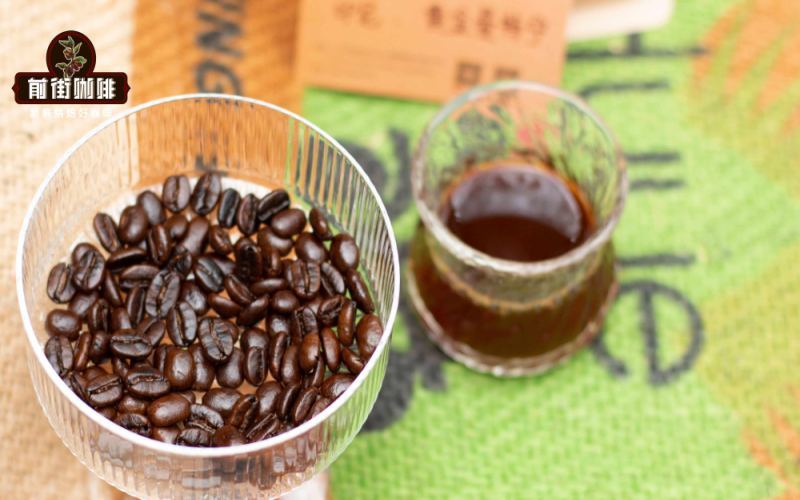
Golden Mandheling Coffee Flavor and Taste Analysis: A Comprehensive Look from Wet-Hulled Processing to PWN G1 Specialty Beans
Golden Mandheling is the crown jewel of Indonesian specialty coffee, and the G1 grade produced by PWN is the finest representative of them all. This article offers a comprehensive analysis of the unique charm of Golden Mandheling from the perspectives of flavor and mouthfeel, processing method, and grade classification. Compared with Front Street Lintong Mandheling, Front Street PWN Golden Mandheling has a cleaner mouthfeel, with the herbal, earthy, and woody notes typical of traditional Mandheling greatly reduced and the caramel sweetness more prominent. Although the wet-hulled method it employs increases the defect rate, it endows the coffee with a distinctive herbaceous, musty aroma and a sense of terroir. Under deep roasting, caramel, dark chocolate, and nutty flavors interweave, making it suitable for various extraction methods such as pour-over, SOE, and moka pot, and an ideal daily staple for coffee lovers who pursue a rich, mellow taste without acidity. [more…]
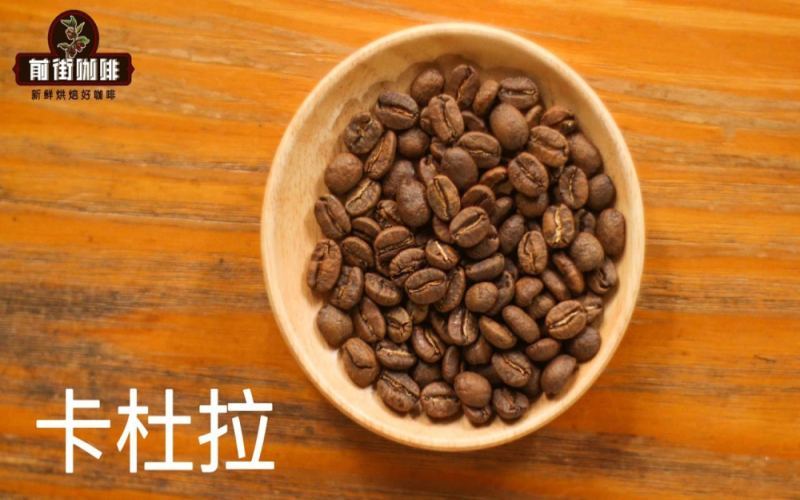
Is Caturra a member of the Arabica family? A full breakdown of its origin, flavor characteristics, and brewing key points
As a descendant of a Bourbon genetic mutation, Caturra has long become one of the main varieties in coffee-producing regions of Central and South America. Is it actually an Arabica? What makes its flavor profile unique? This article will examine Caturra from the perspectives of its discovery history, botanical characteristics, cultivation adaptability, disease-resistance weaknesses, and fruit color classification, while also drawing on the brewing practice of Front Street Coffee's Colombia Huila everyday beans to share extraction ideas and flavor presentation for medium-dark roasted Caturra in a KONO dripper, helping coffee enthusiasts gain a comprehensive understanding of this variety. [more…]

Piccolo, Cortado, and Gibraltar: What's the Difference Between These Three Easily Confused Small Milk Coffees? And Who Is Blue Bottle's Signature Milk Coffee?
On specialty coffee shop menus, lattes and flat whites are already familiar to many, but the piccolo, cortado, and Gibraltar—three small-volume milk coffees—often leave people confused. They look similar, are made in similar ways, and even many baristas easily mix them up. This article will break down the real differences between these three coffees one by one from the perspectives of origin, recipe, cup size, and flavor, and reveal which one Blue Bottle Coffee's signature milk coffee actually is. The article will also offer more specific tasting suggestions based on Front Street Coffee's blends and SOE bean options. [more…]

Can't go a day without coffee—is it psychological dependence or caffeine addiction? Here comes the scientific explanation.
Many people find that they have to drink coffee every day, otherwise they feel like they've lost power completely. Is this merely a psychological habit, or is it true caffeine addiction? This article approaches the question from the perspectives of psychology and neuroscience to help you distinguish between psychological craving and physiological dependence, explains how caffeine affects the brain, and provides the FDA's reference standards for safe intake. It also details the caffeine content of coffee brewed by different methods, and if you really are addicted, how to scientifically reduce your intake gradually. Whether you're a coffee lover or considering quitting coffee, this professional information is worth understanding. [more…]
Which Darjeeling black tea estate is most worth buying? Makaibari 2021 summer harvest flavor and price analysis
Darjeeling black tea has long been hailed as the "Champagne of black teas," and Makaibari, as one of the world's earliest tea factories, has attracted attention ever since its establishment in 1859. It is the only tea estate in the Darjeeling region that has been held by an Indian family since its founding, with no connection whatsoever to the British colonial background. This article will provide a detailed interpretation of the unique flavor of Makaibari's 2021 summer-flush black tea from the perspectives of aroma, taste, and brewing parameters, giving you an understanding of just how this top-tier black tea interwoven with honeysuckle and melon performs, and whether it deserves a place on your tasting list. [more…]

COE Cup of Excellence vs. SOE Single-Origin Espresso: A Coffee Guide from Green Bean Competitions to Espresso Extraction
In the world of specialty coffee, the two English abbreviations COE and SOE often confuse enthusiasts—they appear similar but actually point to completely different domains. COE stands for Cup of Excellence, the world's most authoritative specialty green coffee competition, first held by the Alliance for Coffee Excellence in Brazil in 1999 and since expanded to Colombia, Guatemala, Panama, and many other producing countries. SOE, on the other hand, is short for Single Origin Espresso, referring to espresso made from single-origin coffee beans. This article will systematically sort out the essential differences between the two from the perspectives of competition systems, judging procedures, and extraction characteristics, and explore the common question of whether SOE is necessarily superior to blended espresso. [more…]
90+ Lookout Perci Panama Natural Geisha: Pour-Over Parameter Analysis and Cold Brew Recipe Sharing
90+ Outlook Perci is a natural Geisha coffee from Panama's Geisha estate, introduced and recommended by Front Street Coffee. Its flavor profile far exceeds the impression traditionally associated with Geisha—beyond the base notes of chamomile, orange blossom, and jasmine, it also presents rich layers of cherry, mango, pineapple, banana, plum, red grape, honey, and peach. This article explores the origin information, flavor characteristics, and brewing methods of this bean, providing detailed pour-over parameters from Front Street Coffee, including 15 grams of grounds, BG grinder 5R grind setting, 90°C water temperature, V60 dripper, and a complete process of segmented pouring to 220 grams, along with an iced extraction method for coffee enthusiasts' reference. [more…]
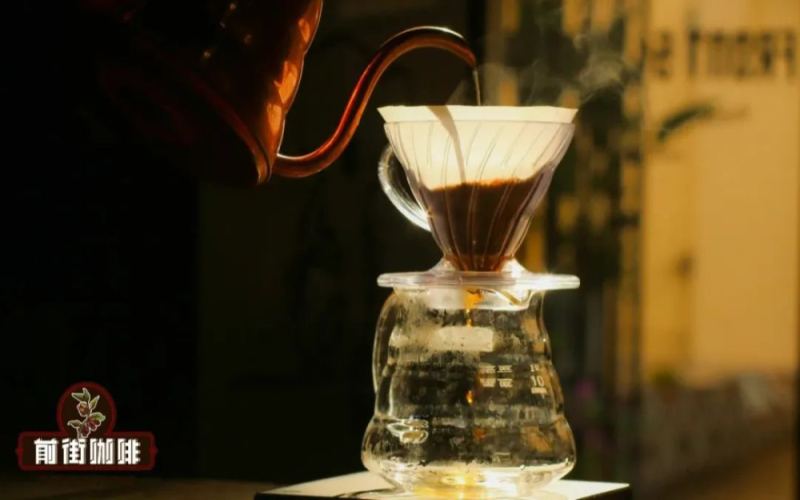
Which type of bottled water is more suitable for brewing coffee? A practical comparison and selection approach for mineral water vs. mountain spring water
Water is the largest component of black coffee and directly participates in and influences the extraction process, so differences in water quality often bring about completely different flavor expressions. There are many types of bottled water on the market, with prices ranging widely from high to low, and whether more expensive water is more suitable for brewing coffee has become a question for many brewing enthusiasts. This article uses two types of bottled water with明显 price differences as test subjects, and adds Nongfu Spring, commonly used in stores, as a control, conducting blind tasting comparisons with two coffees, Yirgacheffe Red Cherry and Diamond Mountain. At the same time, from the perspectives of acidity and alkalinity, softness and hardness, TDS, and calcium and magnesium ions, it explains the principles by which water quality affects extraction, helping coffee enthusiasts understand how to choose more suitable water for brewing coffee. [more…]
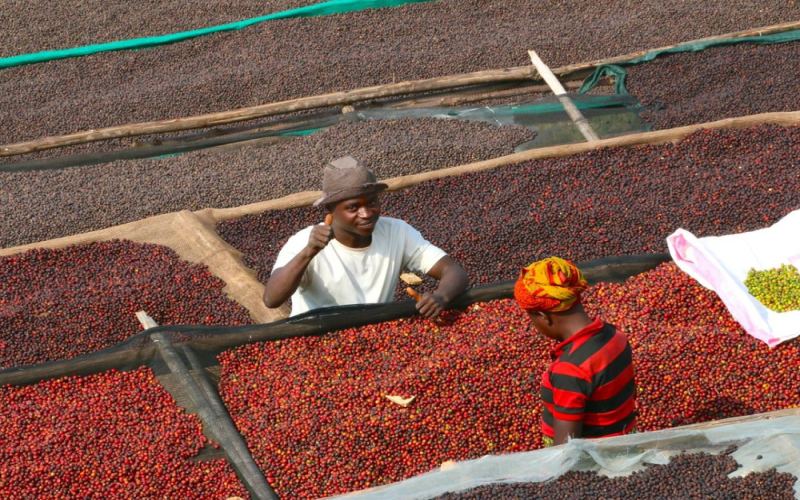
Ethiopian Yirgacheffe Coffee Origin Analysis and Pour-Over Flavor Guide
Yirgacheffe is one of Ethiopia's most representative specialty coffee regions, renowned worldwide for its elegant floral aromas and bright fruit acidity. This article will systematically introduce the origins and background of Yirgacheffe coffee beans from the perspectives of regional context, processing methods, and cooperative traceability, with a focus on sharing the flavor profiles and pour-over brewing recipes of Front Street. Yirgacheffe and Front Street. Washed Gedingding. At the same time, the article will also explain in detail the independent journey and origin information of the Gedingding Cooperative, helping coffee enthusiasts gain a more comprehensive understanding of the charm of this coffee. [more…]
Costa Rica Tank Estate Natural Villalobos Coffee Bean Variety Analysis, Flavor Characteristics, and Front Street Brand Recommendation
Tank Estate in Costa Rica's Central Valley produces a sun-dried Villasarchi coffee bean that has won the favor of many coffee lovers with its outstanding sweetness and soft fruit acidity. As a variant of Typica, Villasarchi performs excellently in high-altitude environments and has strong wind resistance, thriving even in poor soil. This article will comprehensively analyze this coffee from the perspectives of variety origin, origin grading, and estate processing methods, and share Front Street Coffee's recommended brewing parameters and flavor description, taking you deeper into understanding how sun-drying gives the coffee bean layers of caramel, nuts, and lime-like notes. [more…]
Ethiopian Yirgacheffe Coffee Beans: A Complete Analysis of Roast Levels and Flavor Characteristics
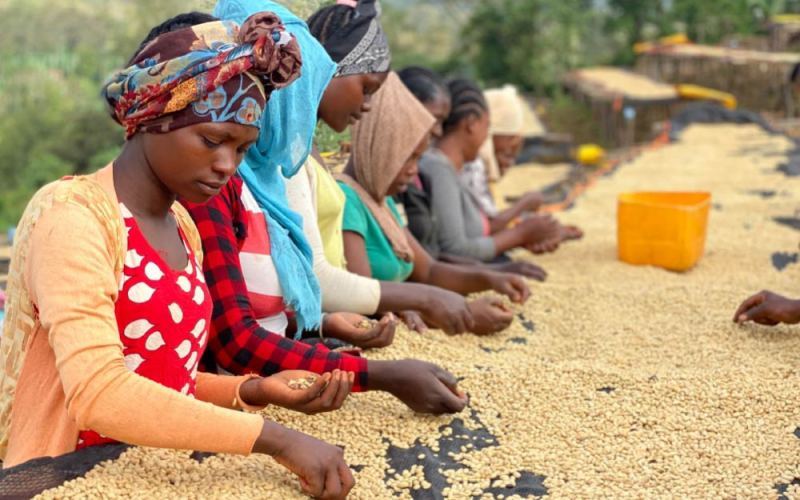
Ethiopia, as the birthplace of coffee, still has wild coffee gathered in its primeval forests today. Although the country has long faced poverty and drought, its coffee quality and output remain pivotal globally. The Yirgacheffe region is famous for its washed beans, and in recent years its natural beans have also risen rapidly. This article will comprehensively analyze the characteristics of Yirgacheffe coffee beans from the perspectives of processing method differences, flavor performance at different roast levels, and grading standards, while interspersing specific product recommendations from the Front Street Coffee brand to help coffee enthusiasts gain a deeper understanding of the unique charm of this region. [more…]

A Complete Guide to the Flavor Profile, Processing Methods, and Pour-Over Parameters of Yirgacheffe Coffee
Yirgacheffe is one of Ethiopia's most representative specialty coffee regions, known for its clear, clean cup and its striking floral and fruity aromas. This article will systematically introduce the characteristics of Yirgacheffe coffee beans from the perspectives of regional background, cultivated varieties, flavor performance, differences in processing methods, and specific brewing parameters. After cupping multiple Yirgacheffe coffee beans, Front Street Coffee found that coffees from this region generally have bright fruit acidity and a delicate finish, making them very friendly to those who are new to coffee and worried about bitterness. The article also includes Front Street's recommended V60 pour-over method to help you recreate Yirgacheffe's floral and citrus notes at home. [more…]
An Analysis of the Pros and Cons of Natural Process Coffee Beans: Flavor Characteristics, Processing Risks, and Price Factors
As one of the oldest methods of primary coffee processing, the natural method still dominates in producing regions such as Ethiopia and Yemen. This processing method places ripe coffee cherries directly under sunlight to dry naturally, then removes the skin and pulp, placing extremely high demands on climate and labor throughout the entire process. Properly processed natural beans can present outstanding sweetness, body, and ripe fruit notes, but if poorly managed, they are prone to mold and over-fermentation, causing drastic fluctuations in quality. This article will analyze the natural process from the perspectives of its workflow, climate requirements, flavor characteristics, advantages and disadvantages, and cost structure, and introduce the high-value natural single-origin beans under the Front Street brand, helping coffee enthusiasts fully understand the value and risks of this processing method. [more…]
Fine Grind Fast Pour vs. Coarse Grind Slow Pour: Flavor Differences and Practical Comparison of Two Pour-Over Schools
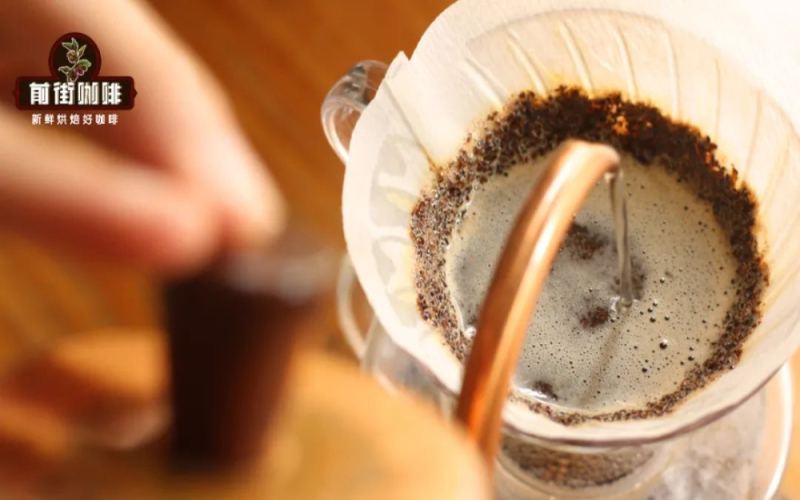
In the world of pour-over coffee, beyond the common brewing schools, two opposing approaches have emerged, divided by grind size and brew time: fine grind fast brew and coarse grind slow brew. Both are based on the same extraction principles, yet they deliver entirely different drinking experiences. This article will analyze the theory behind these two approaches from the perspectives of surface area, water flow rate, and dripper pairing, and conduct a practical comparison using the same medium-roast Papua New Guinea · Bird of Paradise beans, using a V60 and a Kono dripper, the same coffee-to-water ratio and water temperature, to observe the specific flavor differences between fine grind fast brew and coarse grind slow brew, helping coffee enthusiasts understand how to choose the right brewing strategy based on grind size. [more…]

Can Cold Brewing Coffee Grounds with Milk Succeed? Front Street Coffee's Hands-On Guide to Making Cold Brew Milk Coffee: Approach and Step-by-Step Details
Can you use milk instead of water to brew pour-over coffee directly? From the perspectives of temperature and extraction efficiency, this idea is almost unworkable. But think about it from another direction—if milk is used as the soaking medium for cold brew, using time to make up for extraction in a low-temperature environment, the situation is completely different. Starting from Front Street's hands-on testing experience, this article records in detail the complete process of cold-brewing coffee grounds with milk, including recommendations for choosing coffee beans, the coffee-to-milk ratio, grind size control, and key precautions during the soaking process. Friends who enjoy making milk coffee at home might as well follow Front Street's steps to verify this interesting brewing idea together. [more…]

All Coco stores in Qingyuan have shut down entirely—why are established tea beverage brands successively shrinking their territory?
Recently, consumers in Qingyuan, Guangdong discovered that the mini-program of the chain tea beverage brand CoCo都可 no longer shows any local stores, indicating that the brand has quietly withdrawn from the Qingyuan market. As a veteran Taiwanese tea beverage brand founded in 1997, CoCo都可 accompanied a generation as they grew up, and its classic Milk Tea Three Brothers and Fresh Passion Fruit Double Punch were favorites for many. However, in recent years competition in the tea beverage sector has intensified, with emerging brands such as Chagee and Sexy Tea continually appearing. Although CoCo都可 has carried out co-branded campaigns and overseas expansion, the results seem to have fallen short of expectations. On social platforms, many users have reported that nearby stores have quietly disappeared, and data show that the number of its closures has exceeded its existing stores. What exactly has caused this brand, once bustling with customers, to fall into a wave of closures? This article will analyze from the perspectives of the market environment, product competitiveness, and operating costs. [more…]

Is It Feasible to Open a Coffee Shop in a Small Town? Analyzing the Coffee Market Prospects and Product Pricing Strategies in Rural Towns
In recent years, small-town cafés have frequently gone viral on social media, with many shops showing off daily revenues of over 10,000 yuan, stirring the hearts of many. Yet is opening a café in a township really feasible? Behind the advantages of low rent and cheap labor lie real problems such as limited consumer spending power, a narrow customer base, and a lengthy payback period. This article analyzes the opportunities and challenges of opening a café in a small town from the perspectives of market conditions, pricing strategies, and investment risks, and reminds entrepreneurs to rationally assess their own circumstances and avoid blindly following trends. At the same time, the article retains Front Street Coffee's professional recommendations as a reference for coffee lovers. [more…]
Flavor Analysis and Pour-Over Parameter Recommendations for Costa Rican Sarchimor Red Honey Process Coffee Beans
Today, Front Street Coffee would like to share with you a Costa Rican coffee from the Western Valley: a Sachimo variety bean with red honey processing. This bean is produced by the Alchimia Estate and processed at the Cerro San Luis micro-mill, at an altitude of about 1,550 meters. As one of the two mother varieties of disease-resistant coffee worldwide, Sachimo has considerable production in both Costa Rica and Brazil, and its flavor heritage comes from Villa Sarchi. Red honey processing retains about 75% of the mucilage, giving the coffee higher sweetness and caramel notes. This article will provide a complete breakdown of this bean's flavor performance and brewing approach from the perspectives of the mill's background, the principles of honey processing, the traceability of the green bean variety, roast profile design, and pour-over parameter recommendations, for the reference of coffee enthusiasts. [more…]

Ethiopia Sidamo Huakui 3.0 Lot Analysis: A Full Overview of Flavor Characteristics and Natural Processing
The Huakui series has always been a highly anticipated Ethiopian natural bean in the specialty coffee world. From 2.0 to 3.0, what changes have batch iterations brought? This article will provide a comprehensive interpretation of the origin story and flavor performance of Huakui 3.0 from perspectives including producing region background, processing station information, green bean analysis, and processing techniques. Front Street Coffee, through actual cupping and brewing tests, recorded the flavor evolution of this bean from high temperature to low temperature—strawberry jam, tropical fruits, and intense floral aromas interwoven, lively acidity, and a lasting aftertaste. Whether you are a beginner just getting to know Huakui or a veteran who continuously tracks batch differences, you can obtain complete origin and tasting references from this. [more…]