







How do Ethiopian coffee processing methods shape Yirgacheffe flavor?
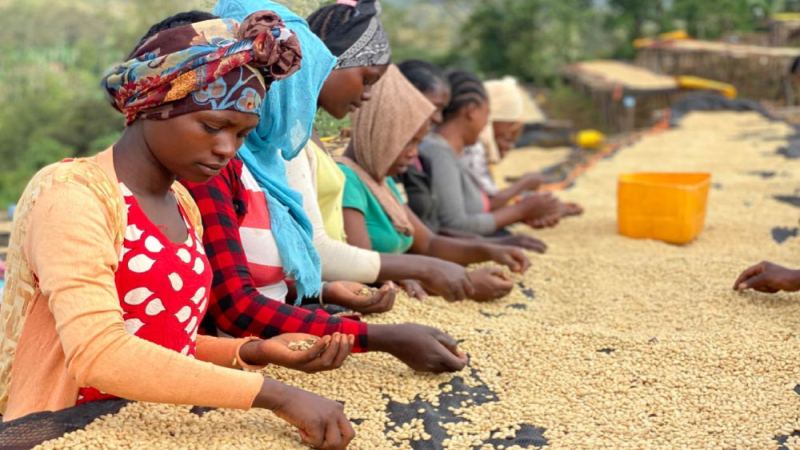
Ethiopian coffee processing methods fall into two main groups: washed and natural sun-dried. Regions, cooperatives, and small farms often run both at once, and the same method can shift aroma and mouthfeel through small adjustments in detail. In Yirgacheffe, washed beans set the classic benchmark, while natural sun-dried lots have risen alongside them in recent years.
Ethiopia is the birthplace of coffee, and wild trees are still harvested from its remaining forests. Coffee quality and production there stay central to the global market despite long-running poverty, drought, and conflict. Roast level changes what a Yirgacheffe lot shows: washed Gutingding, for example, brings gentle aroma and bright citric acidity, while sun-dried Red Cherry coffee beans push a bolder aroma and richer layers.
Ethiopia, as the birthplace of coffee, still has wild coffee collected from its primitive forests to this day. Although this country has long faced poverty and drought, its coffee quality and production remain pivotal globally. The Yirgacheffe region is famous for its washed beans, and in recent years natural sun-dried beans have also risen prominently. This article will comprehensively analyze the characteristics of Yirgacheffe coffee beans from the perspectives of processing method differences, flavor performance at different roast levels, and grading standards, while interspersing specific product recommendations from the Front Street brand to help coffee enthusiasts gain a deeper understanding of the unique charm of this region.
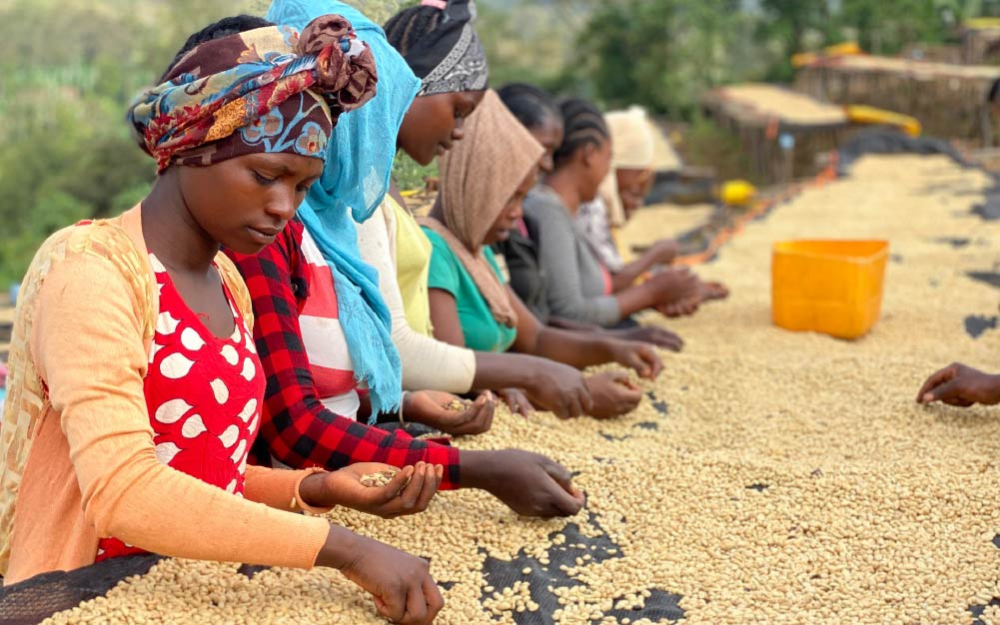
The birthplace of coffee is Ethiopia, where large tracts of primitive forest still remain, and wild coffee trees are harvested and used by local farmers. Although this country has long suffered from poverty, drought, and civil war, in the coffee sector its quality and production have always ranked among the most important producing countries in the world.
Ethiopian coffee processing methods are mainly divided into two major categories: the natural washed method and the natural sun-dried method. Currently in this country, whether it is a producing region, a cooperative, or a small farm, both processing methods are often used simultaneously to process coffee beans, and this is true for both the Yirgacheffe region and the Sidamo Province region. Moreover, in Ethiopia, where the coffee industry is developing rapidly, differences in processing methods have become an important means of creating flavor distinctions, and the same processing method can also change the aroma and mouthfeel due to adjustments in details, often creating the illusion of different producing regions.
The sun-dried beans of Front Street Yirgacheffe and the sun-dried beans of Front Street Sidamo each have their own strengths in aroma performance, but both retain some characteristics of the washed method. Front Street Gutingding is a classic washed Yirgacheffe, with a gentle aroma, bright citric acidity, a restrained mouthfeel, high flavor consistency, and a tea-like quality; while Front Street Red Cherry coffee beans are finely processed by the sun-dried method, with a bold and prominent aroma, weaker citric acidity, rich flavor layers, and a notable floral or fruity fragrance.
Light roast (City): Front Street Sun-Dried Red Cherry and Front Street Washed Gutingding are recommended. Grab a handful of beans and you can smell obvious plum and strawberry fermentation aromas. During roasting, they give off the sweet fragrance of baked cookies, and after grinding, the scent of strawberry cookies can be perceived from a distance. After brewing, there is a soft strawberry fruit wine aroma. The bright fruit acidity in the front section appears briefly and then quickly turns round. As the coffee cools, the fermented flavors of plum and strawberry wine gradually reveal layers, and the finish is full of sweetness like kumquat preserves. If the beans are stored properly for 4 to 7 days, the strawberry aroma will slowly awaken and become vivid, and the fruit acidity will also become smoother.
Heavy roast / medium-dark roast (generally C): Front Street Red Cherry SOE is recommended. At 20 minutes and 40 seconds after the end of first crack, this is the darkest roast level for Front Street Yirgacheffe sun-dried beans. Because sun-dried beans vary greatly in moisture content, this roast level will not produce a burnt bitter taste. When made into espresso, it has the aroma of chocolate chiffon cake, as well as the sweetness of tropical fruits such as pineapple and mango, with a smooth, creamy texture like milk candy. After cooling, Front Street Yirgacheffe sun-dried beans have a chocolate-syrup-like sweetness and smoothness that feels satisfying.
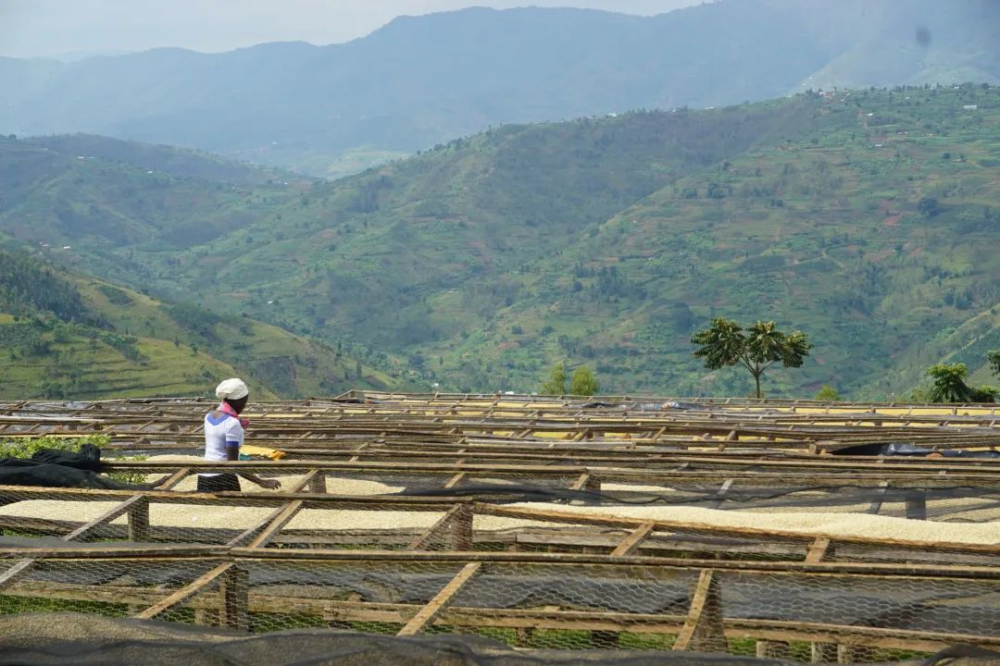
Yirgacheffe was originally the finest producing region for Ethiopian washed beans. In the past year or two, because sun-dried beans from Misty Manor became very popular in the market, many estates that originally produced only washed beans also shifted to producing sun-dried beans, causing Yirgacheffe sun-dried beans to develop a bolder, stronger, and more dazzling coffee flavor, attracting many fans of sun-dried beans and repeatedly pushing the boundaries of aroma.
In recent years, many newly emerging small producing regions or cooperatives have appeared in the Sidamo and Yirgacheffe regions. They sell in the international market under their own cooperative or farm names, which reflects confidence in their own products and is also intended to build brand and customer loyalty. Coffee farmers insist on picking ripe cherries and rigorously handle every stage. Whether washed or sun-dried, they perform excellently, bringing unexpected fragrant aromas and excellent mouthfeel. This is exactly why Ethiopian coffee makes coffee lovers look forward to it every year. For example, the Operation Cherry Red assisted by the Dutch government, the intense strawberry cookie aroma given off by Kareti in 2008 and the Kambeduo estate in 2009, both left a deep impression on the world, and in recent years the sun-dried beans produced in Ethiopia have further strengthened this characteristic.
Ethiopian coffee is graded as G1, G2, G3, and G4, with G1 being the highest grade. Front Street Washed Gutingding and Front Street Sun-Dried Red Cherry both belong to G1. Ethiopian green coffee beans are divided into five grades in total, based on the number of defective beans per 300 grams:
Grade1 0~3
Grade2 4~12
Grade3 13~25
Grade4 26~45
Grade5 46~90
The above content is compiled by CoffeeHunters, a coffee news website.


