







Search Results for: 5 grams of coffee grounds
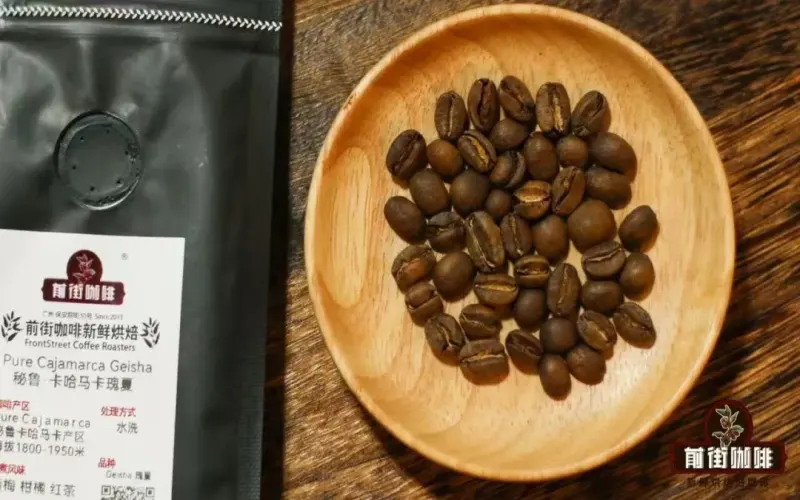
What is the minimum amount of coffee grounds for pour-over? Can 5 grams of beans brew a good cup of coffee? Analysis of brewing ideas and methods for extremely small doses
The standard dose for pour-over coffee is usually around 15 grams, but when dealing with a rare bean variety or when you just want to taste a sample, can you push the dose down to 5 grams or even lower? Once the dose is reduced, the ratio of hot water to coffee grounds, the extraction time, and the pouring method all change in a chain reaction, and one wrong move can produce a thin or bitter cup. Starting from practical operation, this article sorts out the lower limit of the pour-over coffee dose, analyzes the core difficulties faced by brewing with a small dose, and offers pouring strategies and equipment selection suggestions for extremely small doses such as 5 grams and 8 grams. The article also draws on the store practice of Front Street Coffee to explain the scenarios in which small-dose brewing is suitable and the points to note, helping coffee lovers preserve as much flavor layering as possible while saving beans. [more…]
A Practical Guide to Iced Pour-Over Coffee for Summer: The Universal Formula and One-Pour Method Explained
On a scorching summer day, a refreshing glass of iced pour-over coffee is nothing short of a lifesaver. This article focuses on the key points of brewing iced pour-over, starting with a simple, easy-to-remember universal formula—coffee grounds, hot water, and ice in a 1:10:5 ratio—then breaking down variables one by one, such as fine grinding, water temperature, and pouring rhythm, to help you recreate café-quality iced coffee at home. It then uses Tanzania Kilimanjaro as an example to demonstrate the standard three-pour iced brewing process, along with a grind size reference from Front Street Coffee shops. At the end, it also introduces Tetsu Kasuya's "one-pour iced pour-over," which needs only a slow-flow dripper and a spoon: pour with a strong stream of water and then stir, and the whole process takes less than two minutes, yielding a round, sweet cup. Whether you pursue precise control or want to save effort, you can find a suitable method. [more…]
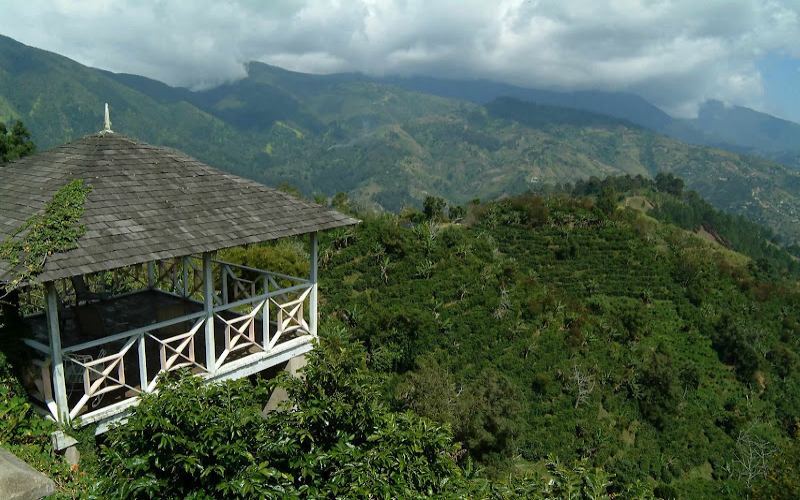
How to brew Jamaican Blue Mountain coffee for the best taste? A complete guide from bean grades to 7 brewing methods
Blue Mountain coffee is famous for its scarce production and high price, but products sold under the "Blue Mountain" name on the market are a mix of genuine and fake. This article first helps you understand the origin certification, grading system, and estate system of authentic Jamaican Blue Mountain coffee, then breaks down in detail seven brewing methods for Front Street Blue Mountain No. 1 coffee beans—espresso, pour-over, siphon, AeroPress, French press, cold drip, and Japanese iced pour-over. Each method comes with parameters and flavor descriptions, making it easy for coffee lovers to choose according to their own taste. [more…]
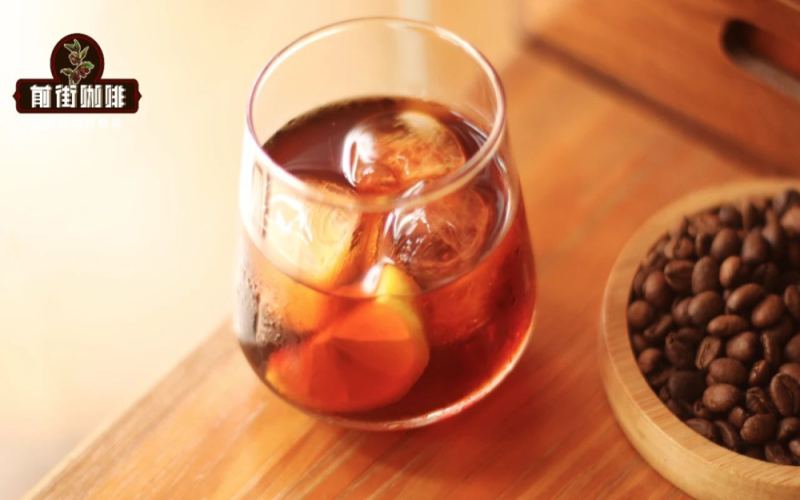
Iced Pour-Over Coffee Brewing Guide: Water-to-Coffee Ratio Formula and Detailed Pulse Pouring Techniques
On a hot summer day, a cup of refreshing iced pour-over coffee that doesn't compromise on flavor is a favorite among many coffee lovers. But to make iced pour-over present a fruity, sweet-and-tart layered complexity, the key lies in mastering the correct ratio of coffee grounds, water, and ice, as well as the extraction technique. This article focuses on the universal iced pour-over formula summarized by Front Street—coffee grounds paired with 10 times hot water and 5 times ice—breaking down in detail the complete workflow from grind adjustment and three-stage pouring to one-pour iced pour-over, and explaining why, once the amount of hot water poured is reduced, the grind must be made finer to compensate for extraction time, helping you easily make a cup of iced pour-over with both the right strength and flavor. [more…]
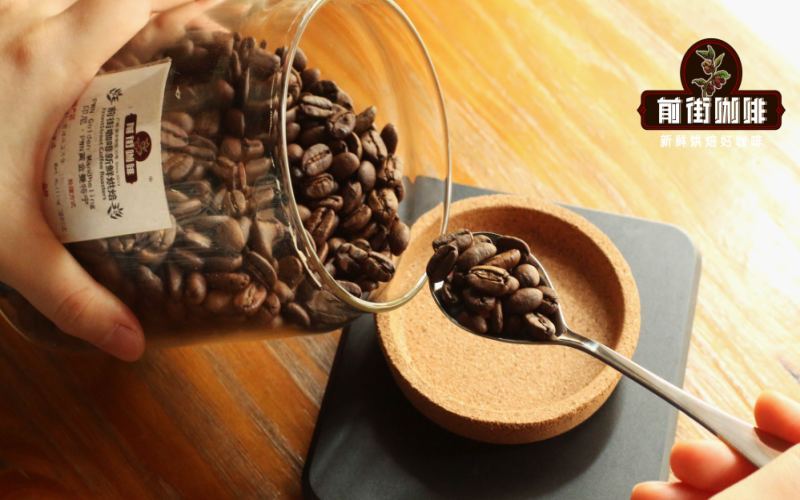
How to Hand-Brew 15g, 20g, and 30g Coffee Grounds? A Guide to Coffee-to-Water Ratios and Filter-Cup Adjustments for Four Servings
The choice of coffee dose for pour-over seems simple, but in reality it involves multiple coordination factors: the dripper model, the number of drinkers, and the pouring rhythm. Front Street Coffee's daily demonstration uses 15g of coffee as the baseline, but in actual brewing, doses that are multiples of 6 such as 12g, 18g, and 24g, doses that are multiples of 5 such as 15g, 20g, and 25g, and even 16g each have their own adherents. Behind different doses lie different reasoning logics—some start from the volume of brewed coffee, some compromise based on the dripper's recommended value, and others aim for easier calculations during pulse pouring. This article will focus on three typical doses—15g, 20g, and 30g—explaining the brewing approaches suited to each, and providing adjustment suggestions for dose, water amount, and dripper selection in a four-person pour-over scenario, helping you achieve consistent results even when sharing with multiple people. [more…]
A Detailed Guide to Seven Extraction Methods for Jamaican Blue Mountain Coffee: A Complete Brewing Guide for Front Street Blue Mountain No. 1 from Espresso to Cold Drip
Jamaican Blue Mountain coffee is renowned for its clean, mild character and balanced acidity, sweetness, and bitterness. The Front Street Blue Mountain No. 1 coffee beans produced by FrontStreet Coffee come from Clifton Estate—an old farm with Rainforest Alliance certification. This article will start with basic knowledge such as the origin background, grade standards, and washed processing, and systematically outline seven brewing methods for Blue Mountain No. 1, covering espresso, pour-over, siphon, AeroPress, French press, cold drip, and Japanese iced pour-over, along with the parameters, techniques, and flavor performance of each method, helping coffee lovers fully explore the diverse possibilities of this bean in daily life. [more…]
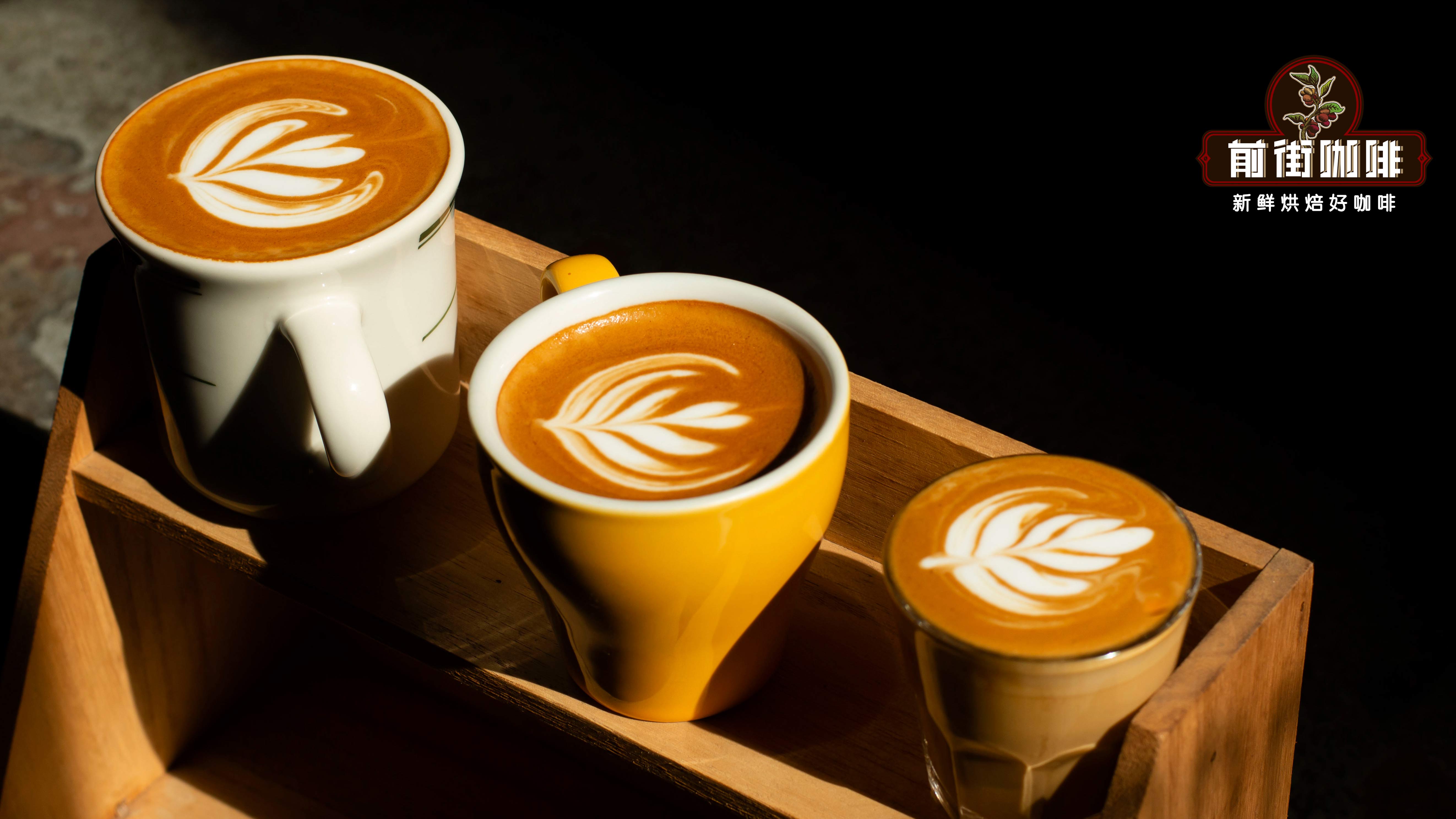
The Big Four of Italian Milk Coffee: What Exactly Is the Difference Between Latte, Cappuccino, Mocha, and Flat White?
Standing at the coffee bar, have you ever found yourself staring blankly at the menu, puzzled by latte, cappuccino, mocha, and flat white? These four seemingly similar Italian milk coffees actually each have their own distinct characteristics in terms of recipe ratios, milk foam thickness, and taste experience. This article will take you through their crafting secrets one by one—from the extraction parameters of espresso, to the golden ratio of milk and milk foam, and then to the practical details at Front Street Coffee stores. Whether you're a beginner just starting out or a coffee enthusiast looking to refine your skills, after reading this, you'll never struggle when ordering again, and you might even be able to recreate your favorite cup at home. [more…]
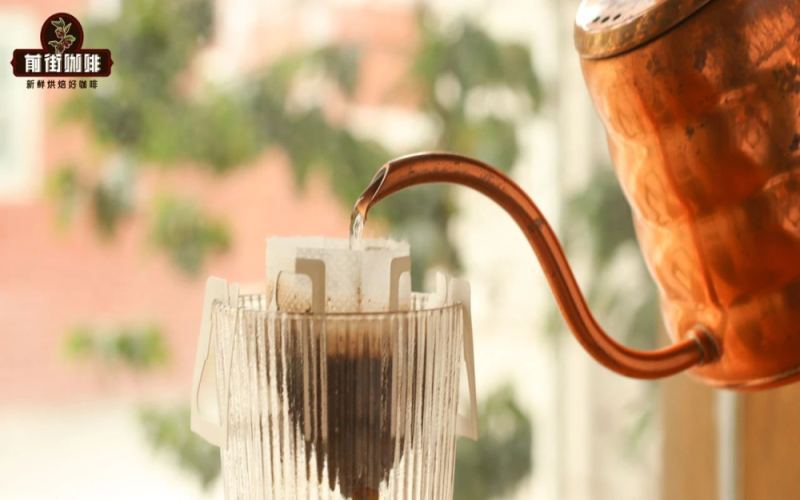
A Guide to Buying Low-Acid, Full-Bodied Drip Bag Coffee: Three Key Points on Roast Level, Origin, and Flavor, Plus Brewing Tips in Detail
Love coffee but not the sourness? This guide is made especially for coffee lovers who pursue a rich, mellow taste without acidity. When choosing drip bag coffee that is non-acidic and full-bodied, three key points matter: the roast level should mainly be medium-dark, the origin determines the bean's character, and the flavor description is the most direct basis for consumers to judge. This article recommends several of Front Street Coffee's everyday drip bag coffees, all guaranteed to be freshly roasted within 5 days and shipped within 24 hours. In addition, brewing drip bag coffee also requires attention to technique—the amount of water, water temperature, and flow rate all affect the final flavor. For a 10-gram packet of grounds, it is recommended to pour 150 grams of water, with the water temperature best controlled at 88 to 93 degrees, and never reuse the grounds for a second brew. Master these key points, and you can easily brew a rich, mellow cup of good coffee even in the office. [more…]
How is the coffee-to-water ratio for pour-over calculated? Using 20g of grounds and a three-pour method as an example, a detailed explanation of Geisha brewing parameters
How exactly should the coffee-to-water ratio for pour-over coffee be calculated? Front Street Coffee's everyday hot pour-over typically uses 1:15, while iced pour-over follows a coffee-to-water-to-ice ratio of 1:10:5, returning to 1:15 once the ice melts. But when it comes to beans that withstand extraction well, such as Panama Geisha, Front Street deliberately widens the ratio to 1:16, using 20 grams of coffee and 320 grams of water in a three-pour sequence, making the floral notes and sweet-tart juiciness clearer, with a finish that offers the lingering sweetness of Tieguanyin. This article starts from the principles of extraction and, combined with the origin background of Hacienda La Esmeralda washed Green Label Geisha and brewing examples, helps you understand the logic behind the coffee-to-water ratio. [more…]
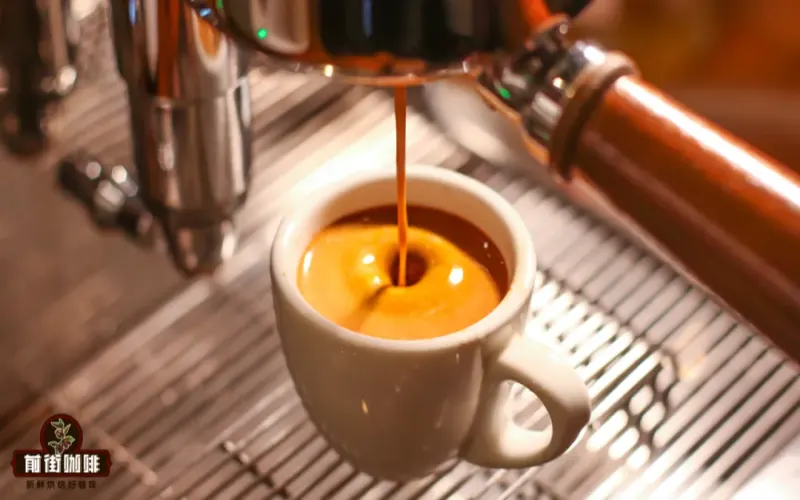
Why is the espresso brew ratio often set at 1:2? Must 18 grams of coffee yield 36 milliliters?
Many friends who are just getting into espresso have heard the saying: the brew ratio for espresso should be controlled at 1:2, for example, 18 grams of coffee grounds extracted into 36 milliliters of espresso. This ratio is often called the "golden ratio," but is it really the only standard? Actually, it is not. The brew ratio determines the strength of the coffee, and the strength in turn directly affects how the espresso performs when drunk on its own or paired with milk. This article centers on the relationship between brew ratio and actual extraction, explaining why 1:2 has become a commonly used reference value, and why ratios such as 1:1.5 and 1:2.5 are equally viable, helping coffee enthusiasts understand espresso extraction parameters more flexibly. [more…]
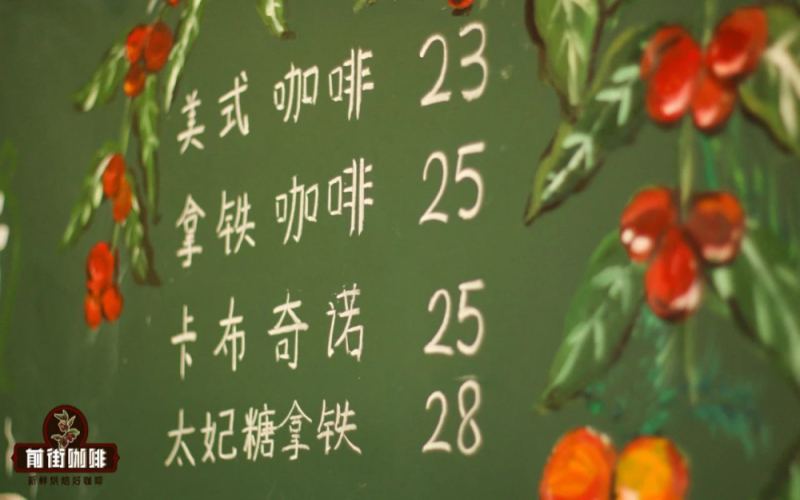
A Complete Guide to the Espresso Coffee Family: From Espresso to Specialty Drinks, Common Types and Brewing Methods Explained
In any coffee shop, espresso-based drinks are the star of the menu. Many people are startled by the intense bitterness of their first espresso, but the world of Italian-style coffee is far richer than one might imagine. From the basic espresso, to the Americano diluted with water, the latte and cappuccino blended with milk, and on to the fancy variations with chocolate or caramel, each one has its own unique recipe and flavor logic. This article systematically sorts through the most common types of Italian-style coffee found in cafés, analyzes their origins, ratios, and key preparation points, and shares Front Street Coffee's parameter plans from actual practice, to help coffee lovers find the cup that suits them. [more…]
A Comprehensive Guide to Espresso Coffee Varieties: Flavor Differences and Ratios from Espresso to Cappuccino and Latte
Walk into any café, and espresso is almost always the star of the menu. Many people's first reaction when tasting espresso is that it's bitter and intense, but in reality the espresso family is far more than just this one flavor. To find the cup that suits your taste—neither bitter nor astringent—you first need to understand what the common types of espresso drinks actually are. In this article, Front Street Coffee (FrontStreet Coffee) sorts out the most common espresso drinks found in cafés, from the extraction parameters of espresso and the blending logic of coffee beans, to the ingredient ratios and preparation details of Americano, latte, cappuccino, mocha, macchiato, caramel macchiato, and Dirty coffee, explaining one by one their differences and connections, to help coffee lovers understand the espresso system more systematically and find the cup that belongs to them. [more…]
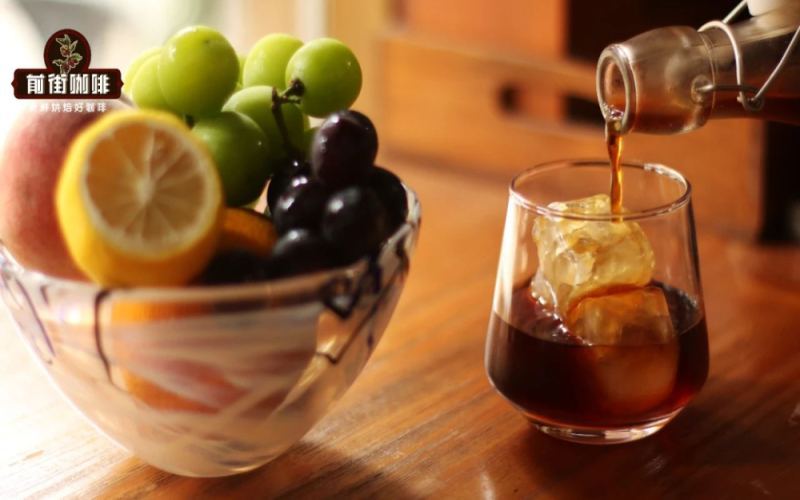
Ice Drip, Cold Brew, and Iced Pour-Over: A Full Analysis of the Flavor Differences and Coffee-to-Water Ratios of Three Low-Temperature Coffees
On a scorching summer day, a refreshing glass of iced coffee is undoubtedly a coffee lover's favorite. As representatives of low-temperature extraction, cold drip coffee and cold brew coffee have become stars among summer beverages, thanks to their crisp taste and rich flavor layers. At the same time, rapidly cooling hot pour-over coffee by adding ice is also a convenient option. Taking Front Street Coffee's practice as an example, this article will analyze in detail the historical origins and brewing process of cold drip coffee, compare the differences in extraction principles between cold brew and iced pour-over, and provide specific coffee-to-water ratios, grinding adjustment suggestions, and recommended bean types, helping you find the summer iced coffee solution that best suits your taste. [more…]
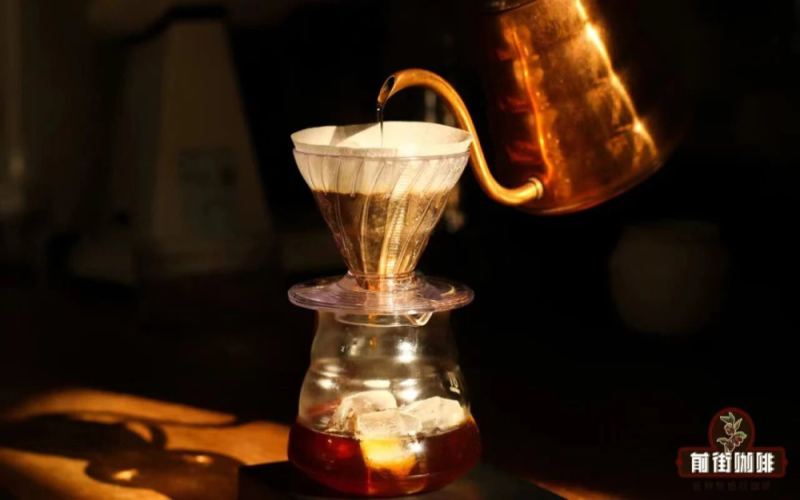
Japanese-style iced pour-over coffee brewing demonstration | What is single-pour iced pour-over? What is a suitable coffee-to-water ratio for iced pour-over coffee?
The recent weather is so hot it feels like it could melt you in minutes. In this kind of weather, anyone still willing to happily meet up at a café is definitely a friend for life! But even in such hot weather, you can't just give up coffee, right? So, if you don't want to go out, can't afford a cold drip tower, and can't wait several hours for cold [more…]
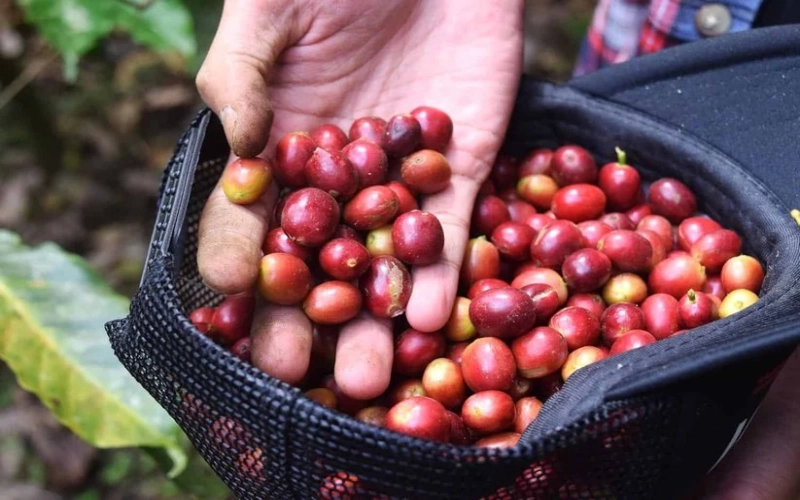
How to brew Indonesian Lintong Mandheling coffee for the best taste? A full guide to pour-over, AeroPress, siphon, and French press parameters and techniques
Mandheling is the most iconic coffee of Sumatra, Indonesia, and Lintong Mandheling is a premium example of traditional Arabica. This article begins with the terroir of the growing region and the wet-hulling process, guiding you to understand the source of Lintong Mandheling's unique flavors, and then shares in detail four brewing methods recommended by Front Street Coffee: pour-over, AeroPress, siphon, and French press. Whether you are a beginner just getting to know Mandheling or a seasoned enthusiast looking to refine your technique, you will find an extraction approach that suits you, making it easy to brew that rich, sweet, full-bodied cup of good coffee with intertwined herbal and caramel notes. [more…]
A Complete Guide to the Espresso Family: From Espresso Base to Specialty Drinks, an Overview of Common Types and Preparation Methods
Walking into any café, espresso is almost always the star of the menu. Many people's first impression of it stops at the intense bitterness of espresso, but in fact, the flavored drinks derived from espresso as a base are rich and varied, and there is always a cup to suit your taste. This article will systematically sort out the common types of Italian coffee, from espresso, Americano, latte, cappuccino to mocha, macchiato, caramel macchiato, and Dirty coffee, introducing one by one their flavor characteristics, ingredient ratios, and preparation methods, while also sharing Front Street Coffee's practical experience in bean selection and serving, to help coffee lovers understand the world of Italian coffee more comprehensively. [more…]
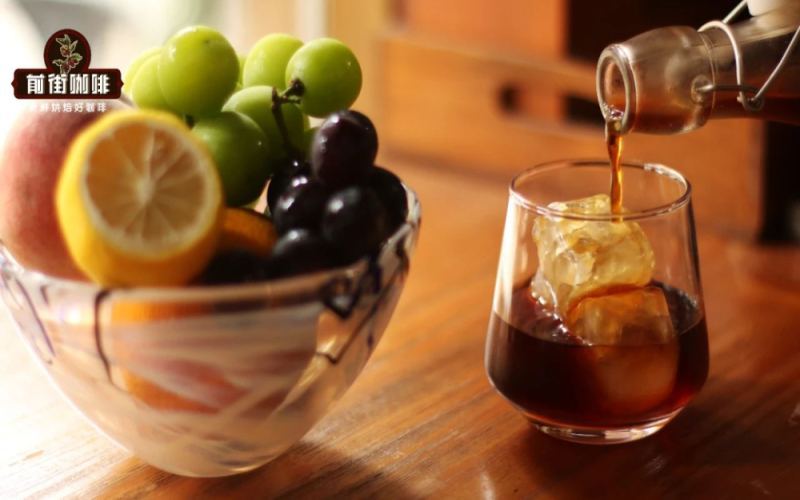
From Extraction Methods to Flavor Presentation: An In-Depth Analysis of Iced Americano, Cold Brew, and Cold Drip Coffee
In the heat of summer, iced coffee becomes the top choice for many. From the perspective of Front Street Coffee, this article systematically analyzes three popular iced drinks—iced Americano, cold brew, and ice drip coffee—covering their extraction processes, flavor characteristics, and practical brewing methods. Iced Americano uses hot water for rapid extraction plus ice, making it quick but relatively light in flavor; cold brew uses low-temperature long-time immersion to amplify purity; ice drip relies on cold water slowly filtering drop by drop to produce a smooth mouthfeel. The article not only details the specific steps for making iced Americano with Front Street Coffee's own Sunflower Warm Sun blend, various cold brew packs, and Sherry bean cold brew, but also reveals the ice drip blend recipes for single-origin beans such as Kenya, Huakui, and Sherry, providing coffee lovers with a professional and practical guide to summer cold drinks. [more…]
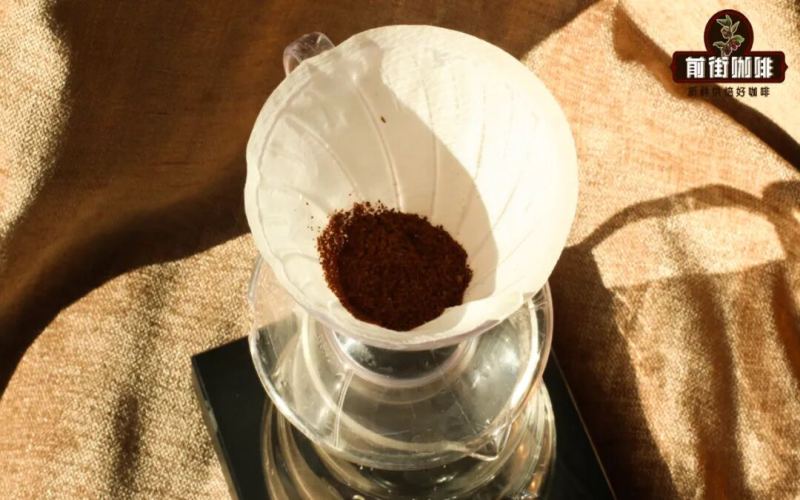
Pour-over coffee brewing method | How many coffee beans are needed to brew a pour-over? What are the difficulties of brewing coffee with a small dose? How to make pour-over coffee using only 5 grams of coffee beans
It might be used for making specialty coffee drinks, or perhaps you just want a light taste of coffee to get a hint of the flavor~ Occasionally, some friends have the idea of "brewing just a small cup of coffee with only a small amount of coffee beans." But if you've actually tried it, Front Street believes it shouldn't be hard to notice: compared to brewing with a large dose of coffee grounds, brewing a good cup with a small dose [more…]
Warm Water Cold Brew Makes Coffee Sweeter: A Complete Guide to Making Cold Brew Coffee at Home
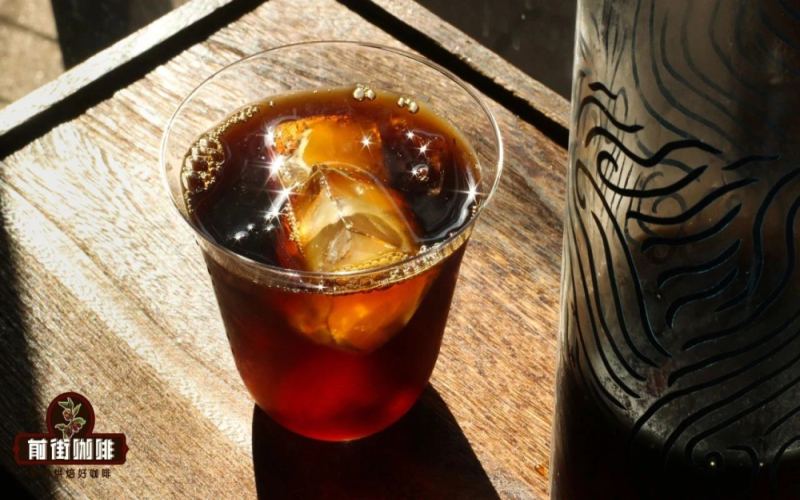
To enjoy a cup of cold brew coffee with outstanding sweetness at home, you actually don't need expensive equipment. Using 50 grams of coffee grounds as a baseline, Front Street Coffee shares the complete parameters from grind size and coffee-to-water ratio to refrigeration extraction time. Even more worth trying is using 40°C warm water instead of room-temperature water to make cold brew coffee—by relying on molecular thermal motion to accelerate the release of sweet and sour compounds, then transferring it to a low-temperature environment to inhibit the extraction of bitterness, you can get a full-bodied berry juice sensation and caramel sweetness in just 4 to 5 hours. This article records in detail the steps for warm-water cold brew, flavor comparisons, and storage suggestions, making it a useful reference for every enthusiast who enjoys refreshing cold coffee. [more…]
Mantenin SOE Introduction | Is Dark-Roasted Mantenin Suitable for Espresso and Americano? Recommended Indonesian Coffee Beans with Pronounced Cocoa Flavor
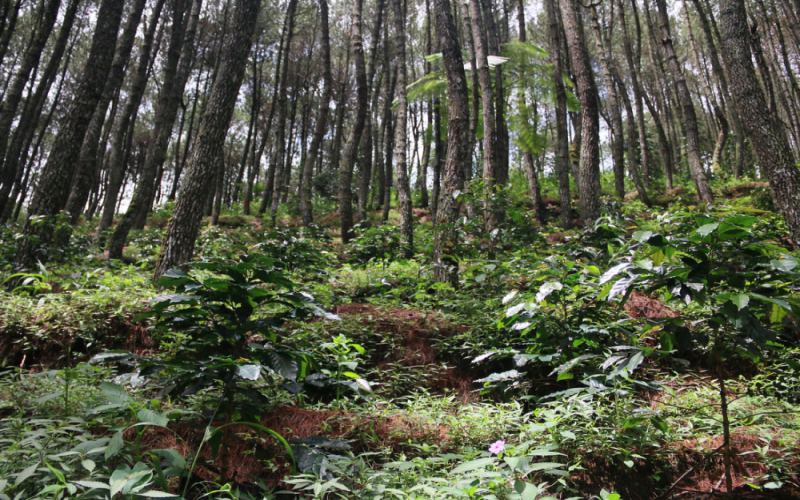
Have you ever tried Front Street Mandheling coffee? Have you noticed that the coffee beans are quite large, with a dark surface and a rich, intense roasted aroma, offering a mellow and full-bodied taste? All of this comes down to its growing region and roast level. Strictly speaking, only Arabica coffee beans from the Lake Toba area of Sumatra, Indonesia, can truly be called [more…]