







Search Results for: 2025 new harvest season
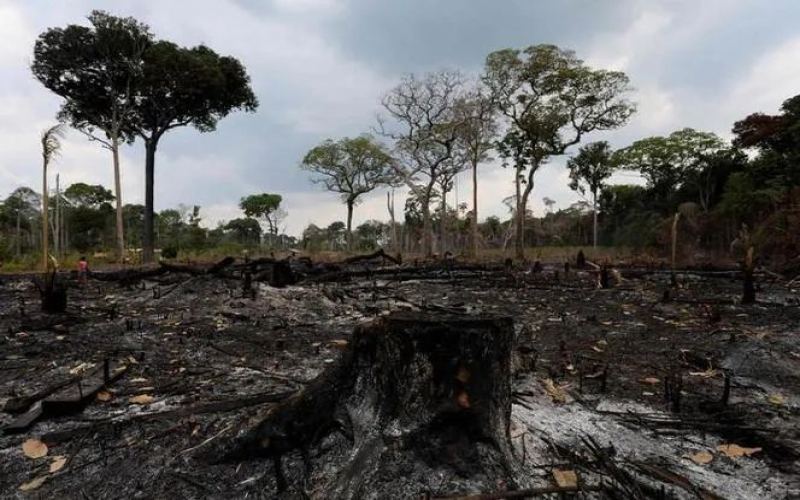
Brazil Hit by Twin Blows of Fire and Drought: Coffee Season Delayed to 2027, Exports Disrupted, Prices Poised to Rise
The Brazilian coffee industry is facing a dual shock from drought and fires. Since the end of August, fires have continued to spread across various regions, burning large swaths of coffee plantations and forcing producers to replant, delaying the originally planned 2025 harvest to 2027. Meanwhile, the worst drought on record has swept across the country, and falling water levels in Amazonian rivers have caused congestion at southern ports, where about 1.2 million bags of coffee have piled up and been damaged, with losses reaching as high as US$300 million. Smoke has covered nearly 5 million square kilometers, affecting at least 10 states. In view of multiple factors such as fires, worsening air quality and port delays, coffee exports are expected to decline and prices will continue to rise. [more…]
Ethiopian Huakui Coffee Pour-Over Guide: Brewing Parameters and Flavor Evolution of Sidamo Hambela Natural Beans
Huakui is the exclusive title for sun-dried G1 coffee beans from the Hambela region of Ethiopia, released each year with a new version number, and its flavor is adjusted according to the changes of each harvest season. This article sorts out the complete thread of Huakui from its origin at the Buku Abel processing station, to DW Company's expansion of production, to the version numbering system, explains its flavor characteristics interwoven with floral notes and tropical fruits, and provides Front Street Coffee's medium-light roast pour-over plan for the new 2025 harvest season Huakui: V60 dripper, 15 grams of coffee, 1:15 coffee-to-water ratio, 90°C water temperature, medium-fine grind, three-stage pouring with a total duration of about 2 minutes 10 seconds. In addition, detailed steps for Huakui 8.0 iced pour-over are included, using a stirring technique combined with ice cooling to present a full juice-like mouthfeel. [more…]
In-Depth Analysis of Sidamo Huakui Coffee: 2025 New Crop Flavor Profile and Pour-Over Parameter Guide
Sidamo is one of Ethiopia's most iconic specialty coffee regions, and Huakui is a champion natural bean that emerged from right here. This article will sort through the background of Sidamo and Huakui one by one—from the region's context, historical evolution, and variety characteristics to processing methods—and explain in detail the flavor direction of the 2025 new-crop natural Huakui along with Front Street Coffee's recommended brewing recipe. Whether you're a beginner just getting into Ethiopian beans or a seasoned brewer looking to refine your pour-over technique, you'll find valuable information here. [more…]

2025 Imported Roasted Coffee Bean Price Overview: How Much Per Catty for Front Street Coffee's New-Crop Single-Origin Beans?
The 2025 new-crop bean list from Front Street Coffee has been officially released. Every year, the bean-sourcing team tests over 300 sample lots, and in the end only about 50 make it onto the shelves—a clear sign of just how strict the selection criteria are. This article compiles the latest prices for the entire lineup of imported roasted coffee beans currently on sale this season at Front Street, covering classic representative beans from major producing regions such as Ethiopia, Kenya, Papua New Guinea, Indonesia, Jamaica, Hawaii, Panama, Costa Rica, and Colombia. From COE auction-winning beans to everyday washed Yirgacheffe, from Blue Mountain No. 1 to Hacienda La Esmeralda Geisha, each one is labeled with its origin, processing method, and flavor description, making it easy for coffee lovers to choose according to their needs. [more…]
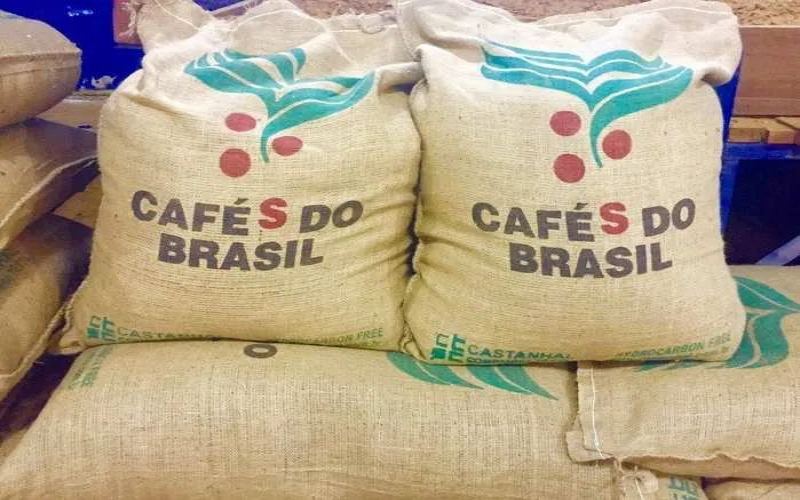
Brazil coffee presale progress only 12%, supply concerns and exchange rate turmoil jointly push prices to a 26-year high
The latest report from Brazilian consultancy Safras shows that as of December 11, 79% of Brazil's 2024/25 coffee crop had been sold, but pre-sales for the 2025/26 crop stood at only 12%, far below the same period in previous years. Hit by drought, forest fires and irregular rainfall, growers are deeply worried about the next season and are holding back on selling. Combined with a plunge of more than 20% in the Brazilian real, domestic Brazilian coffee spot prices have broken the highest record in 26 years. Several institutions warn that international coffee prices will remain high until production becomes clear. To learn more origin news, scan the QR code to follow Coffee Review. [more…]
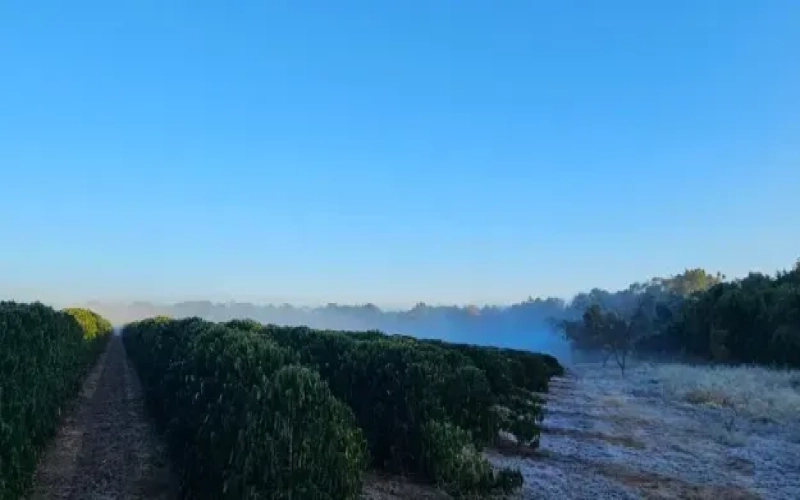
A cold wave and frost in south-central Brazil set record low temperatures, threatening coffee-growing regions and causing a sharp rise in futures prices.
Since last week, a strong cold wave has continued to sweep through south-central Brazil, with temperatures plunging below zero in many places, and the mountainous region of southern Minas Gerais even setting a new record for Brazil's lowest temperature. Snow and freezing rain have successively appeared in Santa Catarina and Rio Grande do Sul, and the Port of Santos was forced to suspend cargo operations due to severe sea conditions. Brazil's coffee harvest for the new season is now nearing its end, but the market is broadly concerned that frost will impact this year's crop and the growth of coffee in the 2025/26 season, especially in the mountainous region of Minas Gerais, which is dominated by Arabica cultivation. Affected by this, Arabica and Robusta coffee futures prices have soared sharply in recent days. Front Street Coffee will also continue to monitor weather developments in the producing regions and bring coffee lovers the latest analysis. [more…]
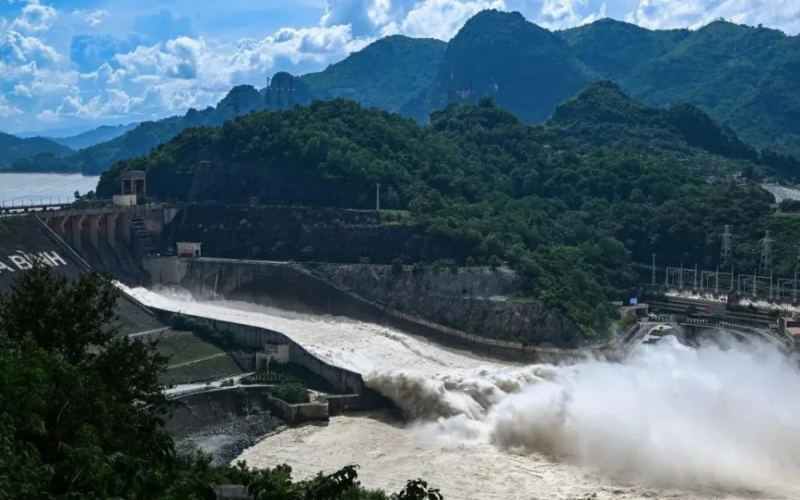
Mekong River floods combined with drought-driven production cuts: Vietnamese Robusta coffee prices may remain elevated into early 2025
Vietnam, as a major global robusta coffee-producing region, has recently faced a succession of extreme weather challenges. Two consecutive tropical storms brought heavy rainfall, causing rapid flooding in the upper reaches of the Mekong River and threatening coffee cultivation in low-lying downstream production areas. At the same time, drought earlier in the year has already adversely affected coffee flowering, making a decline in the new crop season almost certain. Some coffee farmers have switched to more profitable crops such as durian, further reducing the area devoted to coffee cultivation. Port facilities have been damaged and exports hindered, and combined with Indonesia's reduced export capacity, global robusta supply is expected to face a shortage for the fourth consecutive year. Front Street Coffee will continue to follow developments in the production regions and bring enthusiasts the latest news. [more…]
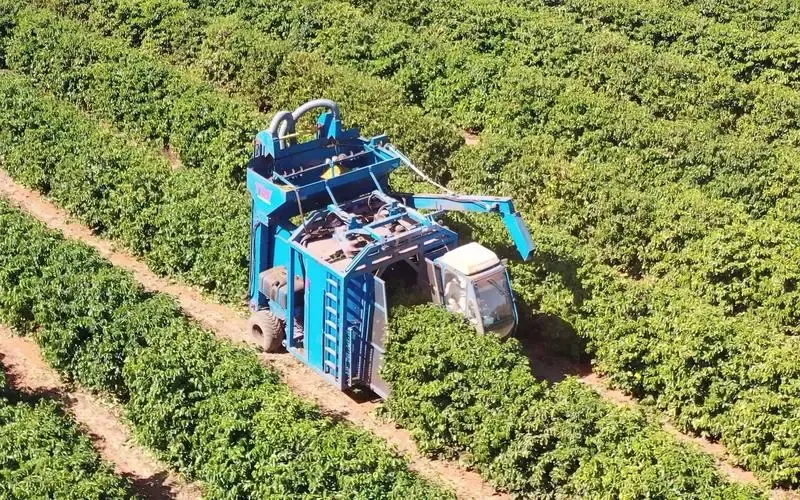
Brazil's coffee-growing regions face prolonged drought: harvest progress runs ahead of schedule, but yields are a concern, and prices are rising across the board.
Brazil is in the middle of its coffee harvest season, with 58% of the crop now gathered, ahead of the five-year average. However, although the hot, dry weather has favored picking, it has had a clear negative impact on coffee output: beans are smaller and yields are falling, and drought alerts have been issued in many areas. Production falling short of expectations has driven coffee prices steadily higher both in Brazil and abroad, with robusta and arabica futures posting sharp gains. The market is also worried that the coming La Niña phenomenon could deal a further blow to 2025/26 output. This article reviews the drought conditions in Brazil's various producing regions, the downward revisions to production, and price trends, and includes related recommendations from Front Street Coffee. [more…]
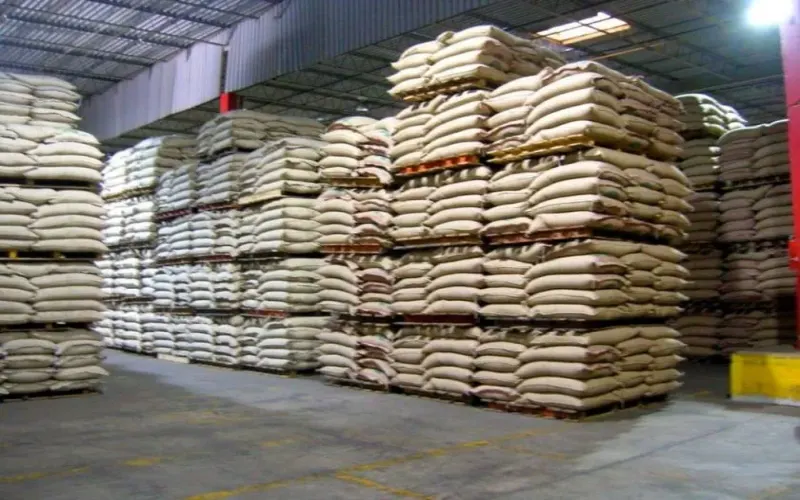
Uganda's coffee exports fell by 30% in March; the government injects funds to boost production and targets the Chinese market.
The latest monthly report from the Uganda Coffee Development Authority shows that coffee exports in March amounted to 329,686 60-kg bags, generating revenue of 246.8 billion shillings (approximately US$64.74 million), a marked decline from February, with a year-on-year drop of 32.4% in volume and a 9.45% decrease in revenue. Heavy rains triggered by El Niño battered the main harvest season, causing cherry drop and reduced yields. Nevertheless, on a coffee-year basis, total exports still reached 5.9 million bags, with revenue up 16.91% year on year. Robusta prices rose amid tight supply from Vietnam, and Uganda benefited as a result. The government is seeking funding to establish a traceability system and improve mechanization, while the president has set a target of 20 million bags by 2025. Uganda is also bullish on China's 15%-20% annual growth in coffee consumption and hopes to expand exports to China. [more…]
The Origin of the Name Hualkui Coffee Beans and an Analysis of the Pour-Over Flavor of the Sidamo Guji Region
The name Geisha coffee beans always evokes the imagery of "queen of a hundred flowers," and this naturally processed bean from the Guji region of Sidamo, Ethiopia, has indeed won over countless coffee lovers with its intense berry notes and creamy smooth mouthfeel. From winning the 2017 TOH East Africa Green Bean Cupping Competition to Li Jianfei, runner-up in the China Region Brewing Championship, using it to defeat numerous Geisha competitors, Geisha coffee has completed its transformation from "nobody" to "queen of a hundred flowers." This article will guide you through Geisha coffee's origins and background, the terroir conditions of the Guji region, the naming logic of the X.0 series, as well as the pour-over parameters recommended by Front Street Coffee and the flavor performance of the 2025 new harvest season. [more…]
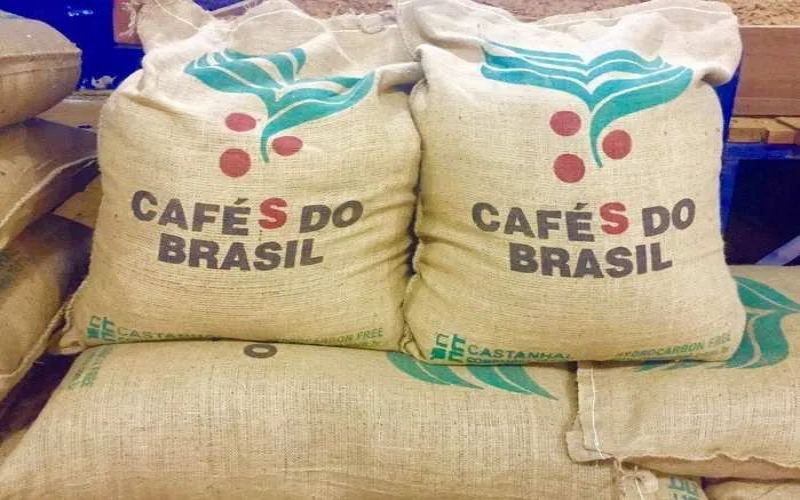
Coffee bean prices surge by thirty percent, international roasting giants collectively adjust prices in response
Recently, affected by extreme weather, global coffee bean prices have continued to rise, with cumulative increases exceeding 80% during the year. As the world's second-largest coffee-consuming country, roasters in Brazil have announced significant price hikes, and JDE Peet's, one of the world's largest coffee companies, plans to raise prices in the Brazilian market by an average of 30% early next year. At the same time, European roasters are also preparing to follow suit. Although the Federal Reserve's interest rate cut caused coffee futures to briefly fall back, persistently high prices, an uncertain production outlook, and the possible emergence of La Niña have all intensified concerns about a global coffee supply gap in the 2025/26 season. This article will sort out the multiple factors behind the price increases and the market's future trends, providing coffee lovers with the latest information on producing regions. [more…]
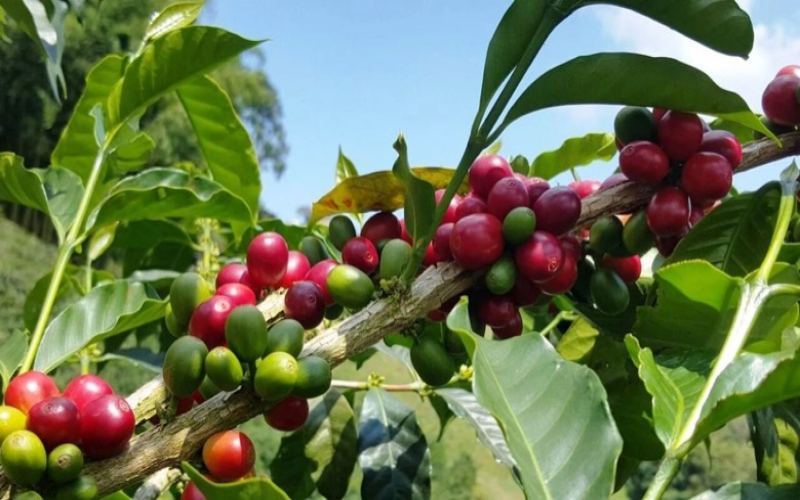
Dark Moon Estate: Hunter Tedman and the Expression of Traditional Varieties
In June 2025, the 29th Best of Panama (BOP) awards were held in Boquete. In the Traditional Varieties category, Hacienda La Esmeralda took first place with a Laurina lot from its El Velo division, followed closely by a new face—Dark Moon Estate (Bl [more…]
The Origin of Sidamo Honey Coffee and a Detailed Explanation of Ethiopian Coffee Bean Grading Standards
Sidamo is one of Ethiopia's two major specialty coffee regions, sharing equal fame with Yirgacheffe, and is known for its rich fruity body and citrusy sweet finish. How exactly did Sidamo Honey coffee come to be? And how are Ethiopian coffee beans graded? This article will start with the geographical environment of the Sidamo region, the rise of the Guji region, and the origin of the name of Huakui coffee, then introduce in detail the coffee grading system of the Ethiopia Commodity Exchange (ECX), and share the brewing parameters and flavor performance of Front Street's 2025 new-crop Huakui coffee, giving you a comprehensive understanding of the ins and outs of this sought-after specialty coffee. [more…]
How Is the Ethiopian Sidama G1 Grade Assessed? A Full Analysis of the Relationship Between Huakui Coffee and the Guji Region
Sidamo is one of Ethiopia's most renowned specialty coffee regions, sharing equal fame with Yirgacheffe yet often overshadowed by the latter's halo. Starting from Sidamo's geographical environment and flavor characteristics, this article traces the independent journey of the Guji region, tells the complete story of Huakui coffee from TOH champion to domestic stardom in detail, and provides an in-depth analysis of Ethiopia's green coffee grading system—from the defect bean counting of the CLU era to the ECX's dual-dimensional scoring of physical and cup quality—helping readers understand the true meaning of the G1 grade. It also includes Front Street Coffee's brewing parameter recommendations for the 2025 new-crop Huakui, making it suitable for enthusiasts who want to gain a deeper understanding of the Ethiopian coffee system. [more…]
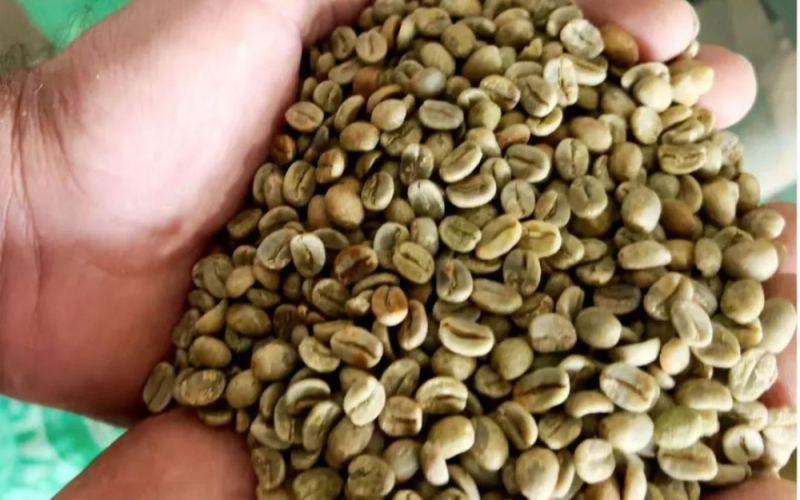
Brazilian coffee spot prices hit a 26-year high, with drought weather and tariff policies putting dual pressure on the market
As the world's largest coffee producer, Brazil has recently seen its domestic coffee spot prices soar to their highest level in nearly 26 years. Affected by drought and high temperatures, coffee production has fallen sharply, and compounded by the threat of a U.S. port strike and uncertainty over tariff policies, the market supply outlook is becoming increasingly unclear. This article will review Brazil's coffee price trends, the damage in producing regions, disagreements over production forecasts, and the multiple effects of macroeconomic factors on the coffee market, helping readers gain a comprehensive understanding of the complex situation currently facing Brazil's coffee industry. [more…]
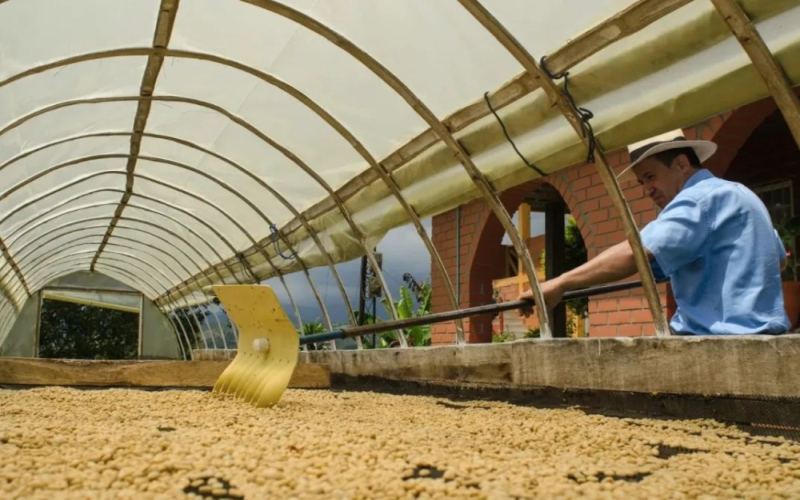
Colombia invests 22 billion pesos to support agriculture, coffee production is expected to exceed 13 million bags, but multiple challenges remain.
Colombia, as the world's third-largest coffee producer, has recently received a series of favorable news: a bank report shows significant growth in agricultural output and announces an investment of 22 billion Colombian pesos to support agricultural development. Meanwhile, the country's coffee production is expected to reach 12.53 million bags in the 2023/24 season, a year-on-year increase of 18%, and is expected to exceed 13 million bags in the 2024/25 season. However, drought, forest fires, rising cultivation costs, internal conflict, and the possible arrival of La Niña still bring many uncertainties to the coffee industry. This article will review the latest developments and potential risks in Colombia's coffee industry. [more…]
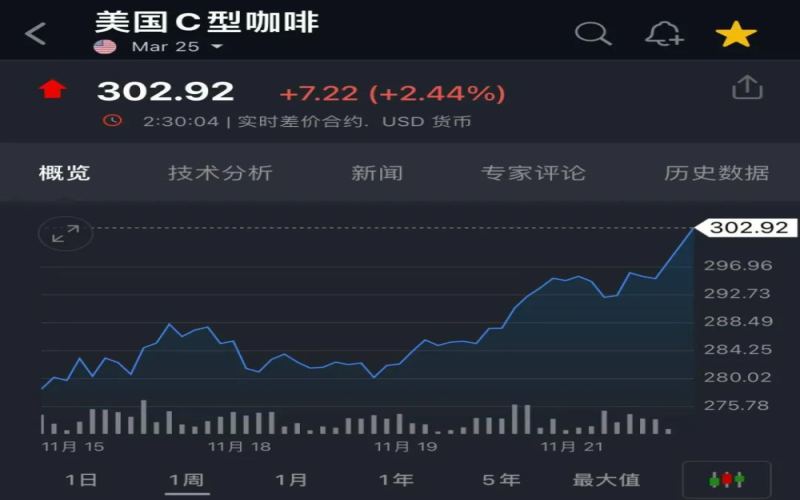
Coffee futures break through 300 cents to a 13-year high, with Brazilian drought and tight inventories as the main drivers
Recently, U.S. C-type coffee futures prices have been climbing steadily, breaking through the 300 cents per pound mark, touching an intraday high of 303.93 cents, and finally closing at 302.92 cents, setting a new 13-year record and simultaneously driving Robusta coffee futures higher. The core driver of this rally comes from the USDA Foreign Agricultural Service (FAS) sharply lowering its forecast for Brazil's 2024/25 production to 66.4 million bags, a 5% reduction from the previous USDA estimate of 69.9 million bags. Combined with multiple factors including Brazil experiencing its worst drought since 1981 and inventories shrinking 26% year-on-year, market concerns over global coffee supply continue to intensify. Producing countries such as Honduras have also seen reduced output due to adverse weather, further exacerbating the tight supply situation. [more…]
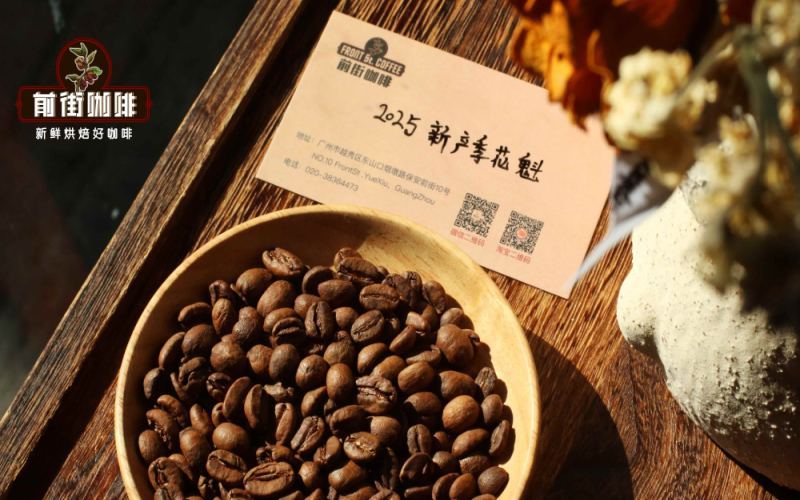
Huakui 5.0 Pour-Over Parameters and Four Extraction Methods Explained: A Complete Guide from Hot Brew to Cold Brew
As an Ethiopian natural coffee from the 2025 new harvest season, Huakui 5.0 is beloved for its strawberry-cream sweetness and full, juicy body. Starting with the award-winning history of Huakui coffee, this article traces the evolution of its versions from 1.0 to 5.0, and shares in detail the roasting approach that Front Street Coffee's roaster has adopted in response to the high moisture content of the new-harvest beans. On the brewing side, the article presents the complete parameters and techniques for four extraction methods—hot pour-over, iced pour-over, ice drip, and cold brew—including key data such as water temperature, coffee-to-water ratio, grind size, and pouring rhythm, helping coffee enthusiasts fully bring out the gentle layers of this bean at home. [more…]

Massive demonstrations by Indonesian workers hit the coffee industry, with the harvest season facing shutdowns and supply chain disruptions
Indonesia recently erupted in large-scale worker demonstrations, with thousands of workers gathering in Jakarta to demand that the new government raise the minimum wage and abolish the Job Creation Law. The protests are expected to spread to 38 provinces and last until October 31. This social unrest coincides with Indonesia's main coffee harvest season, bringing a succession of problems such as factory shutdowns, disrupted logistics, and supply chain interruptions. Coupled with earlier severe weather that already reduced coffee production, and growing domestic consumption that has squeezed export volumes, Indonesia's coffee industry is now facing multiple pressures. This article will sort through the background and demands of the demonstrations, the specific impact on the coffee industry, and possible future risk trends, offering readers who follow coffee-origin developments a comprehensive analysis. [more…]
A Complete Guide to the Flavor Analysis and Pour-Over Parameters of Ethiopia Sidamo Hambela Guji Coffee Beans
Huakui coffee beans rose to fame due to winning the 2017 TOH championship. They come from Guji Hambela in the Sidama region of Ethiopia and are a highly distinctive natural-process specialty coffee. This article will start with the differences between Sidama and Yirgacheffe, outline the terroir conditions of the Guji region, trace the origins of the name Huakui, introduce the natural processing method, and include Front Street Coffee's complete brewing recipe and flavor description, helping coffee enthusiasts gain a comprehensive understanding of this bean's origin background and key brewing points. [more…]