







Search Results for: 1985
Tracing the origins of commercial coffee cultivation in Yunnan, China: from its start in 1985 to becoming a base accounting for 95% of production
Coffee has taken root in China for over a century, and Yunnan, as the birthplace of coffee cultivation on the mainland, has a development trajectory that is particularly noteworthy. From 1902, when a French missionary planted the first coffee tree in Zhukula, Binchuan, to the start of commercial cultivation in 1985, and then to today, when it accounts for 95% of the country's planting area and output, Yunnan coffee has traveled a path from obscurity to pivotal importance. This article will review the spread and industrialization process of Yunnan coffee, while also showing how coffee culture has gradually become popular in Chinese cities, and exploring the possibility of Yunnan coffee promoting the rise of local coffee brands through high quality and low prices. [more…]

An Analysis of Kenya's Ruiru 11 Coffee Variety: The Breeding Journey Behind Disease Resistance and High Yield, and the Flavor Controversy
Kenyan coffee has long been famous for the SL series of varieties, but although SL varieties are outstanding in quality, they are extremely vulnerable to pests and diseases. To address this dilemma, the Kenyan coffee industry began promoting new varieties that combine disease resistance with climate adaptability, and Ruiru 11 is one of the representatives. This variety, officially released in 1985, has what kind of breeding story behind it? Why is it welcomed by farmers, yet also triggers quality controversy? This article will give you a comprehensive understanding of the background of Ruiru 11's creation, its varietal characteristics, cultivation advantages, and the challenges it currently faces. If you are interested in Kenyan coffee, Front Street Coffee also has related beans available for tasting. [more…]
Brazil Corner Farm Honey-Process New World: Rainforest Alliance Certified and Hand-Sorted Specialty Coffee Flavor
This Brazil Corner Farm honey-processed New World coffee from Front Street Coffee comes from the western side of the Mantiqueira Mountains in southern Minas Gerais, at 1,100 to 1,350 meters above sea level. The farm has been growing coffee since 1896 and is now run by the fourth generation of the Magalhães family. It received Rainforest Alliance certification in 2006 and uses semi-washed honey processing with natural sun drying. This place preserves pristine forest with high coverage, follows sustainable agriculture and labor rights standards, and hand-sorts beans to ensure quality. This article will introduce its producing region background, variety information, farm history, and processing methods, giving you an understanding of this Brazilian specialty coffee that combines tradition and innovation. [more…]

The Origin of Australian White Coffee | What Are the Differences Between Flat White, Latte, and Cappuccino? What Is the Coffee-to-Milk Ratio in Different Milk Coffees?
When it comes to coffee, many people still think of milk coffee. People are used to going to Starbucks, or any coffee shop, and blurting out: I'll have a latte. In recent years, friends who visit Front Street Coffee stores also say: I'll have a flat white. Actually, flat wh [more…]

What exactly is a Flat White? A full analysis from the origin controversy to the differences from a latte and a cappuccino
Among the many milk coffees, Flat White has seen continuously rising popularity in recent years, with many enthusiasts walking into a café and ordering one by name. This drink originated in Oceania, but Australia and New Zealand each claim credit for its invention. Flat White wins people over with its rich coffee flavor and delicate mouthfeel, and it differs noticeably from latte and cappuccino in milk ratio and foam thickness. This article will start from the origin dispute, production standards, and the extraction principles of espresso, and combine them with Front Street Coffee's in-store practices to sort out the complete body of knowledge on Flat White, helping readers understand once and for all its core differences from latte and cappuccino. [more…]

Flavor Characteristics of Flat White Coffee | Is the coffee base of a flat white espresso? What is the ideal coffee-to-milk ratio for a flat white?
For more specialty coffee knowledge, please follow: Front Street Coffee (Frontsteet Coffee) In recent years, with Starbucks' promotion of flat white, many friends who originally drank lattes and cappuccinos have also started switching to flat white. Some who come to Front Street stores [more…]

A comprehensive analysis of the flavor characteristics and brewing techniques of Australian White coffee, with a discussion of its differences from latte and cappuccino
Aorui Bai, Fumei Bai, Chunyi Bai, Aobai Coffee—behind these various names is actually the same drink: Flat White. It originated in Australia and New Zealand and became popular worldwide thanks to Starbucks' promotion. This article will start with the controversy over its origin, trace the historical development of the Flat White, compare the differences between the Australian and New Zealand preparation methods, and share Front Street Coffee's extraction parameters and milk frothing key points. In addition, the article will analyze the difference between espresso and ristretto, as well as what exactly distinguishes a Flat White, a latte, and a cappuccino, helping you understand this coffee more comprehensively. [more…]
How Is Australian White Coffee Different from Fu Rui Bai and Ao Rui Bai? The Origin Controversy and Key Preparation Points of the Flat White Explained
Many coffee lovers are in the habit of ordering a latte at a café, and in recent years more and more people are choosing a flat white. The flat white is also known as Australian white coffee, and some call it fu rui bai or ao rui bai. Whether this coffee originated in Australia or New Zealand remains disputed to this day. The two countries not only each insist on their own claim to its origin, but also have different preferences when it comes to preparation standards—Australia tends toward a single shot of espresso, while New Zealand often uses a double ristretto. This article reviews the historical written records of the flat white, its differences from the latte and cappuccino, and shares the specific method Front Street Coffee uses to produce a flat white in-store, including cup size selection, milk frothing techniques, and coffee bean blending options. [more…]
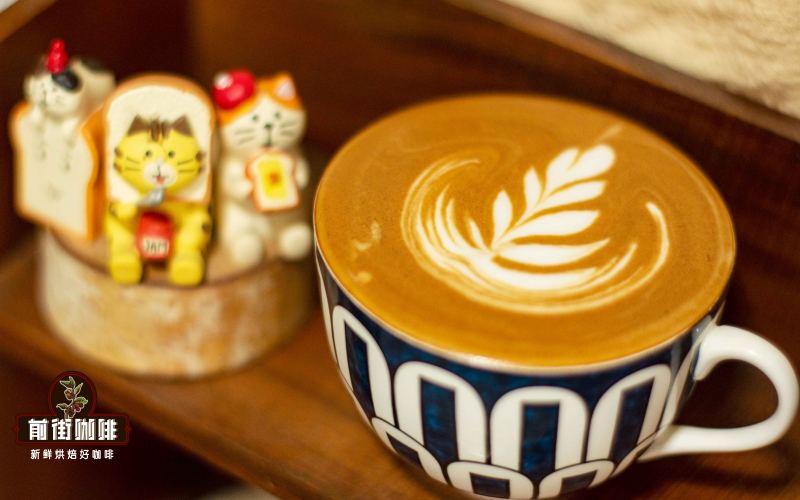
Starbucks Flat White, Costa Flat White, and Luckin Aussie White: A Full Analysis of the Origins, Preparation, and Differences of the Flat White Milk Coffee
The Flat White that Starbucks made popular is actually the "Flat White" on English menus, also commonly known as Australian white coffee. How exactly does it differ from a latte or a cappuccino? This article starts with the controversy over its name, its origin story, the choice of espresso base, and the ratio of milk foam to coffee, clarifying the Australian and New Zealand schools of preparation, and comparing the same drink behind chain-brand names such as Flat White, Artisan White, and Australian White. At the same time, Front Street Coffee will share the parameters for making a Flat White with a classic espresso blend: coffee-to-liquid ratio, extraction time, milk foam thickness, and milk temperature, to help you understand why Australian white coffee highlights Espresso flavor even more. [more…]
Tanzanian Coffee Beans: Variety Stories, Origins, Grading, Characteristics, Flavor and Taste Description and Introduction
Tanzania is an important coffee-producing country in East Africa. Its coffee industry was once dominated by estate cultivation, but today more than 85% of production comes from smallholder farmers, who are organized through cooperative organizations such as the Kilimanjaro Native Cooperative Union (KNCU). Tanzanian coffee once suffered from quality fluctuations due to political instability, pests and diseases, and smuggling, but in recent years it has gradually improved. Its coffee beans are known for being rich and refreshing, with lower acidity than Kenya's, and for their pure, aromatic flavor, especially the Chagga AA-grade coffee produced in the Moshi district of Mount Kilimanjaro, which has plump beans and a full aroma. This article will guide you through the varietal story, origin characteristics, grading, and market evolution of Tanzanian coffee, and includes Front Street Coffee's recommendations and brewing suggestions. [more…]
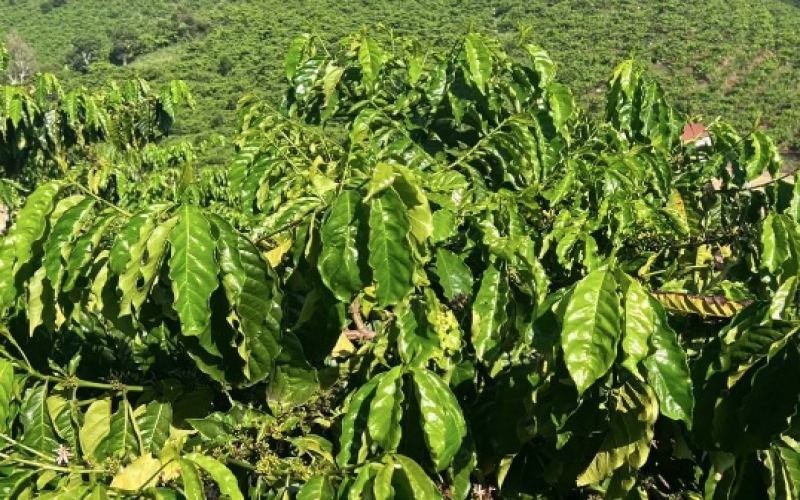
Why do some origin places only produce a fixed number of coffee varieties?
At present, some coffee-producing countries basically only produce a few fixed coffee varieties, such as Brazil mainly produces Bourbon, and Jamaican Blue Mountain mainly produces Typica, etc. In fact, in many cases, it is due to the spread of coffee [more…]
A Complete Guide to Coffee Cupping: Definition, SCAA History, and Standard Operating Etiquette
Cupping is a highly inclusive method of sensory evaluation for coffee, one that both professionals and everyday enthusiasts can take part in. Through a standardized process of roasting, extraction, and tasting, it translates a coffee's aroma, flavor, and mouthfeel into quantifiable scores, thereby allowing one to judge quality and identify strengths and weaknesses in flavor. This article will guide you through the basic concepts of cupping, its historical evolution from trade quality control to specialty coffee competitions, and the etiquette rules that must be observed in actual practice. It also retains relevant recommendations from the Front Street brand, making it suitable reading for any enthusiast who wants to gain a deeper understanding of coffee evaluation. [more…]
Red Fruit of the East African Highlands: A Full Guide to Kenyan Specialty Coffee Origins, Grading, Auctions, and Flavor
Kenyan coffee occupies an irreplaceable position in the global specialty coffee landscape, winning over countless coffee lovers with its bright citrus aromas, juicy acidity, and wine-like finish. Front Street Kenyan coffee is mostly grown in highland areas at altitudes of 1,500 to 2,100 meters, with two harvests each year. This article will systematically review the characteristics of Kenyan specialty coffee from the perspectives of cup profile, industry management, grading system, and auction mechanisms, and introduce its development trajectory and price trends in the international market. [more…]
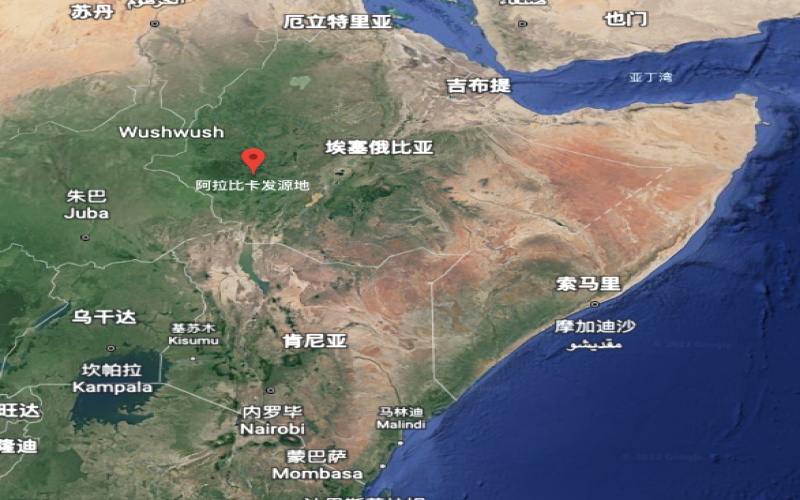
Kenya Coffee Bean Brewing Tutorial Sharing
With the rise and popularity of the specialty coffee concept, emphasizing the flavor of origin—that is, the taste of the bean itself—has become a consensus, at least among some people. And after 2000, the third wave emphasized origin and light-roast flavors, and many single-origin coffees became increasingly well known. Among them, Kenyan coffee is known for its bright acidity. [more…]
An Analysis of Kenyan AA Coffee Bean Flavor Characteristics, with Detailed Hand-Brew Grind Size, Water Temperature, and Coffee-to-Water Ratio Parameters
Kenyan coffee is renowned for its bright fruit acidity and vinous notes, with the AA grade standing as a benchmark in the specialty market. This article begins with Kenya's coffee industry system and grading and auction framework, outlining the background behind its flavor formation and export history, and focuses on the practical parameters for pour-over Kenyan AA, including grind size, water temperature, and coffee-to-water ratio. It also draws on Front Street Coffee's product recommendations to help coffee enthusiasts brew a layered, well-balanced cup of Kenyan coffee at home. [more…]
Kenyan Specialty Coffee Flavor Analysis: A Complete Overview of Nyeri Region Bean Characteristics and the Auction System
Kenyan coffee is renowned worldwide for its rich aroma and bright fruity acidity, often described as a "fruit tea" with notes of blackberry and grapefruit. Its unique flavor stems not only from high-altitude growing conditions but is also closely tied to a well-established grading and auction system. This article will provide a comprehensive interpretation of the allure of Kenyan specialty coffee, from flavor and mouthfeel, regional characteristics, historical production changes, to market systems. The washed Kenyan beans recommended by Front Street Coffee are the ideal choice for experiencing this classic flavor. [more…]

Why is Blue Mountain coffee so expensive? Analyzing its taste and quality through the grading system and cupping standards
The name Blue Mountain coffee is almost universally known; even before the rise of the specialty coffee movement, it was synonymous with top-tier coffee. Yet when actually tasted, many people find it merely ordinary. What exactly makes Blue Mountain coffee so expensive? Does its flavor justify its price? To answer these questions, we must start with the establishment of the Jamaica Coffee Industry Board (CIB). It was this institution that, long before the concept of specialty coffee was even born, elevated Blue Mountain coffee to a king's status through strict grading and cupping standards. This article will trace the rise to fame of Blue Mountain coffee, the rules defining its production region, its green bean grading system, and its signature balanced flavor. [more…]
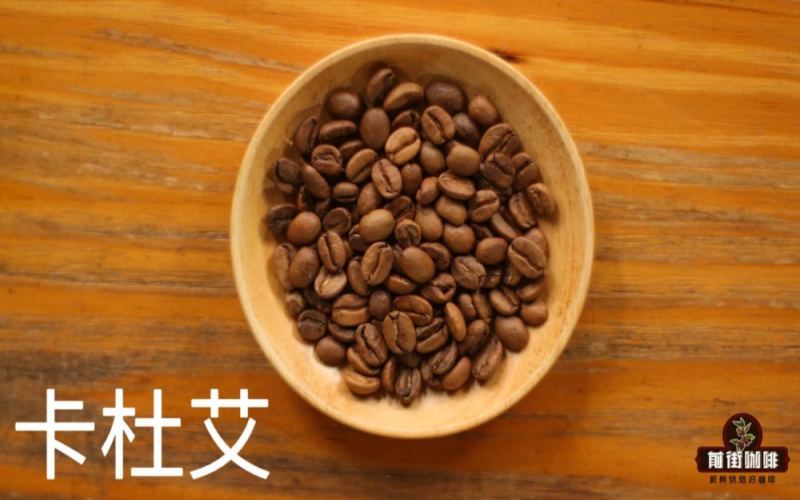
Complete Guide to Catuai Coffee: Variety Origins, Flavor Characteristics, and Pour-Over Brewing Instructions
Catuai is a well-known coffee variety developed in Brazil, bred from a cross between Mundo Novo and Yellow Caturra, combining high yield, resistance to wind and rain, and fine acidity. In the Guarani language, its name means "very good," and it is widely cultivated in Brazil and across Central American countries. This article traces the origin and spread of Catuai, explains why it is often found alongside Caturra, and, using the natural-process Catuai from Elida Estate in Panama as an example, shares Front Street Coffee's brewing parameters and flavor profile to give you a comprehensive understanding of this variety. [more…]

Shenzhen Xiangmihu 1979 Manner Coffee Bids Farewell Due to Demolition, Drawing a Close to a Decade of Bear-Ordering Memories
The Maan Coffee at 1979 in Shenzhen's Xiangmihu has officially closed permanently due to building demolition. This three-story standalone store, which operated for ten years, was once a landmark in the area and held countless coffee memories for consumers. From its opening in 2015 to its final curtain call, it witnessed a generation of Shenzhen residents gathering, working, and taking photos, with its iconic little bear ordering signs, holiday decorations, and cozy atmosphere. After the news spread, local netizens dug out old photos, sharing stories of their first cup of coffee here, the first contract they signed, and birthdays and marriage proposals they celebrated. Before the closure, a large number of customers made special trips to commemorate the place, lamenting that there would be no more Maan Coffee in Shenzhen. [more…]
A Complete Guide to Jamaican Blue Mountain Coffee Barrel Markings: From CIB Certification to Estate Stamps
The worldwide fame of Blue Mountain coffee is inseparable from the establishment and strict control of the Jamaica Coffee Industry Board (CIB). From the Industry Management Office in 1948 to its upgrade to the CIB in 1952, Jamaica became the first country in the world to set up a dedicated coffee regulatory body. By delineating production regions, establishing grades, and regulating cultivation and quality control, the CIB set Blue Mountain coffee on the path to specialty status. And Blue Mountain coffee's distinctive wooden barrel packaging not only serves a protective function during transport, but has also become an important mark of authentic Blue Mountain. This article will walk you through the various pieces of information on Blue Mountain coffee barrels one by one, including the CIB certification label, grade numbers, estate name, weight markings, ICO number, and estate logo, and bring you the latest arrival news of Front Street Coffee's Blue Mountain coffee. [more…]