







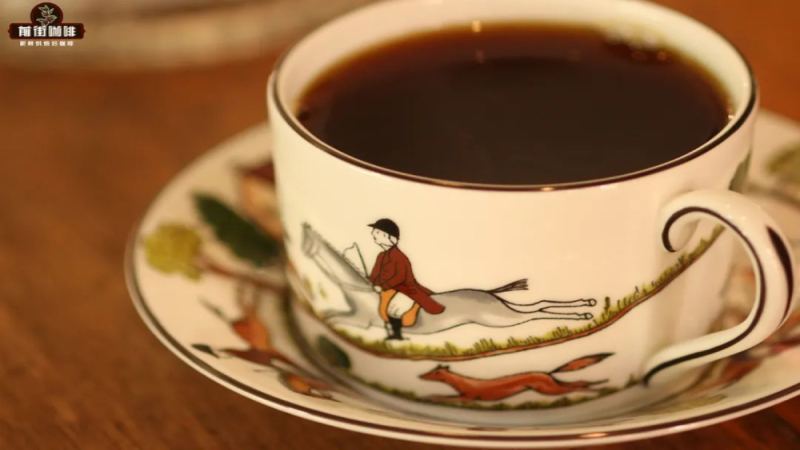
Why Is Blue Mountain Coffee So Expensive?
Blue Mountain Coffee commands a high price largely because of scarcity and strict control, not because the flavor is the most complex cup available. Jamaica has under 11,000 square kilometers of land, and only a limited area in the eastern Blue Mountains is approved for production. The Jamaica Coffee Industry Board has graded and certified beans there since the 1950s.
The CIB was upgraded from the Jamaica Coffee Industry Authority in 1952, four years after the authority was founded, and it set the management rules and cupping standards that built the coffee's reputation. Judged by modern specialty standards, blue mountain coffee taste is balanced and smooth rather than dramatic, which explains why many drinkers find it pleasant but not remarkable.
The fame of Blue Mountain Coffee is almost universally known; before the rise of the specialty coffee wave, it was synonymous with top-tier coffee. Yet many people find it merely ordinary when they actually taste it. What exactly makes Blue Mountain Coffee so expensive? Does its flavor justify its price? To answer these questions, we must start with the establishment of the Jamaica Coffee Industry Board (CIB). It was this institution that, long before the concept of specialty coffee was even born, elevated Blue Mountain Coffee to its throne with rigorous grading and cupping standards. This article will trace the rise of Blue Mountain Coffee, the rules for delimiting its production region, its green bean grading system, and its signature balanced flavor.
You may have never tasted coffee, but the words "Blue Mountain" are certainly familiar. In an era when the concept of specialty coffee had not yet gained widespread popularity, Blue Mountain Coffee was virtually synonymous with high quality, top-tier, and expensive.
But when you order a cup out of admiration, the experience is often just smooth and pleasant, not as stunning as legend would suggest—ultimately, it is merely a good cup of coffee above average. In terms of flavor complexity, it is not particularly outstanding; in terms of body, it does not stand alone. So, does its taste truly live up to its reputation and price?
Judged by today's standards, Blue Mountain Coffee indeed has little that sets it apart. But if we turn back the clock to the era when it rose to fame, you will find that this reputation was not unfounded.
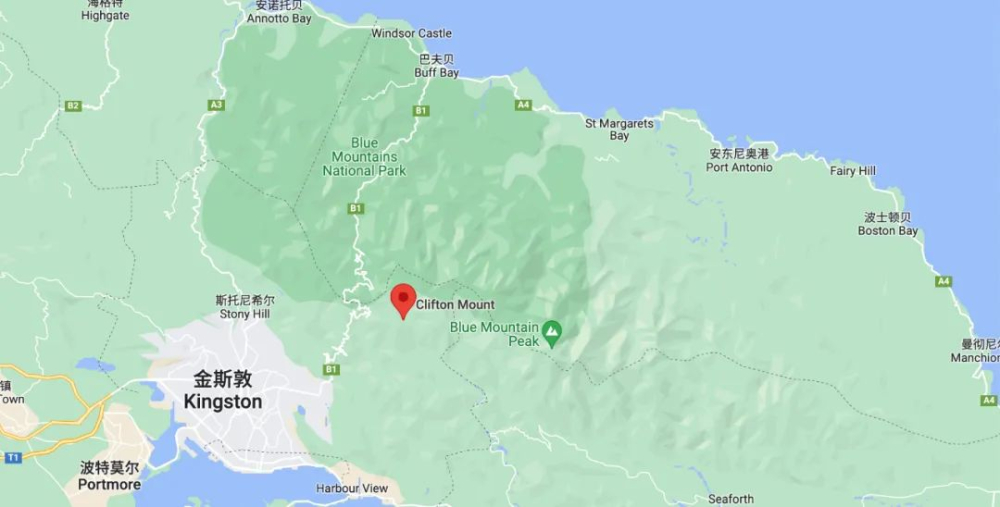
Jamaica has a land area of less than 11,000 square kilometers, and the Blue Mountains lie in the eastern part of this island nation. As early as 1728, coffee was already being cultivated in the Blue Mountain range. But Blue Mountain Coffee's true coronation as "King of Coffee" would not come until the 1950s.
In 1952, the Jamaica Coffee Industry Authority, established four years earlier, was officially upgraded to the Jamaica Coffee Industry Board (CIB), tasked with formulating management regulations and overseeing the quality of Jamaican coffee production. Jamaica has extremely limited land suitable for coffee cultivation, and to develop its coffee industry, the only path was that of specialization.
After its establishment, the CIB immediately began grading coffee beans produced in the Blue Mountain Coffee growing region, with assessment criteria covering bean size, color, uniformity, defect ratio, moisture content, and cupping score.
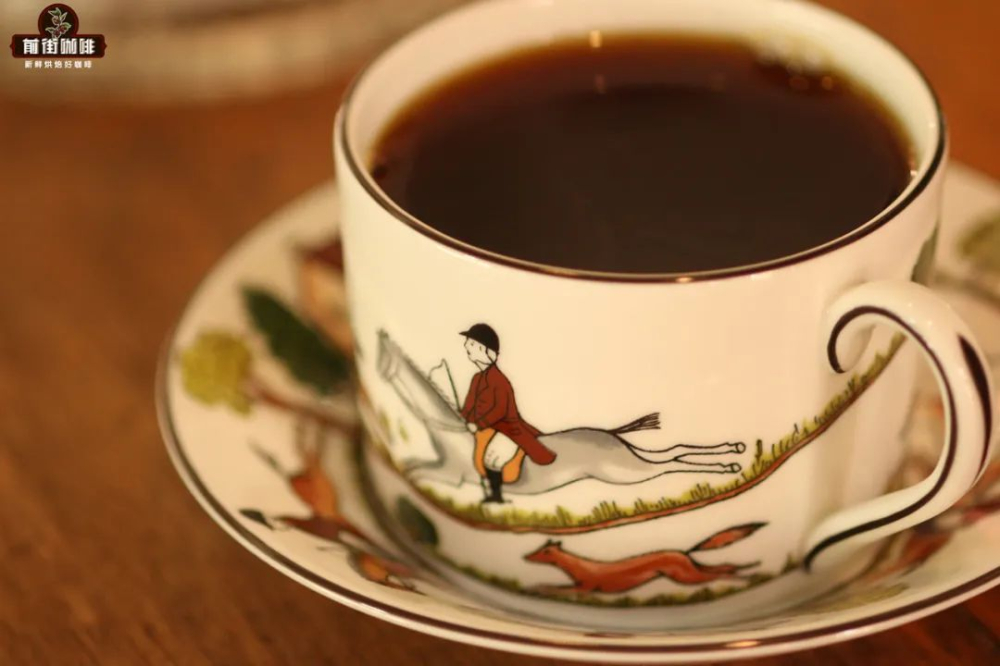
During cupping, the CIB discovered that coffee beans from certain areas of the Blue Mountains had noticeably superior flavor and mouthfeel compared to other regions—the coffee exhibited acidity and sweetness alongside bitterness, with an exceptional balance among the three, and a rich yet clean cup. The CIB therefore delineated a designated area within the Blue Mountains, permitting only coffee produced in that area to be sold under the name Blue Mountain Coffee; products from outside the area could only be called High Mountain Coffee or Jamaica Select Coffee. (In 1985, the CIB also completed trademark registration for Jamaican Blue Mountain Coffee and Jamaican High Mountain Coffee.)
Within Blue Mountain Coffee itself, beans are further classified by green bean size and defect rate into No.1, No.2, No.3, and PB. The most familiar, No.1 (Blue Mountain No.1), requires a bean size of 17-18 screen and a defect rate of under 3%.
This approach by the CIB is strikingly similar to the Specialty Coffee concept proposed by Erna Knustsen in 1974. In other words, the CIB was already operating according to specialty coffee standards before the concept of specialty coffee even existed.
What's more, the CIB was the first organization in the world to use a cupping form for scoring in coffee evaluation, with scoring categories including dry fragrance, wet aroma, acidity, flavor, body, and cleanliness. This was a full twenty years ahead of the SCAA and COE cupping scoring systems.
In terms of cultivation, Jamaica has always grown the Typica variety and has consistently adhered to the washed processing method. At the time, washed processing was the most advanced technique, producing coffee with fewer defects and superior quality.
So, measured by the standards of the time, Blue Mountain Coffee's quality and flavor truly deserved the title of "King of Coffee." It was only after producing countries began to prioritize coffee quality that this gap gradually narrowed.
Today, when people discuss coffee flavors, some can rattle off a litany of fruit and floral notes, yet cannot describe what "coffee flavor" itself actually is. The taste of Blue Mountain Coffee is precisely the most standard "coffee flavor." It does not chase flavor expression the way today's coffees do, but always maintains a rich, full-bodied, and clean drinking experience, with a balance of acidity, sweetness, and bitterness that is comforting to drink.
The above content is compiled by CoffeeHunters, a coffee news website.


