







With the rise and popularity of the specialty coffee concept, emphasizing regional flavor—that is, the taste of the bean itself—has become a consensus, at least among some people. After 2000, the third wave emphasized origin and light-roast flavors, and many single-origin coffees became increasingly familiar. Among them, Kenyan coffee is famous for its bright acidity.
If you want to drink coffee that tastes like fruit juice, choosing Kenyan coffee beans is a sure bet. Of course, if you want to brew Kenya's full-bodied acidity and that little tomato note, you still need to learn how to brew this bean.
The first step, of course, is to understand the characteristics of this bean so you can brew according to the bean. If you are an old friend of Front Street Coffee, you will definitely notice Front Street's bean list: many major producing countries have at least two types of coffee, while Kenya has only one regular offering, Asalia. This is because Kenya has truly achieved nationwide consistency in flavor.
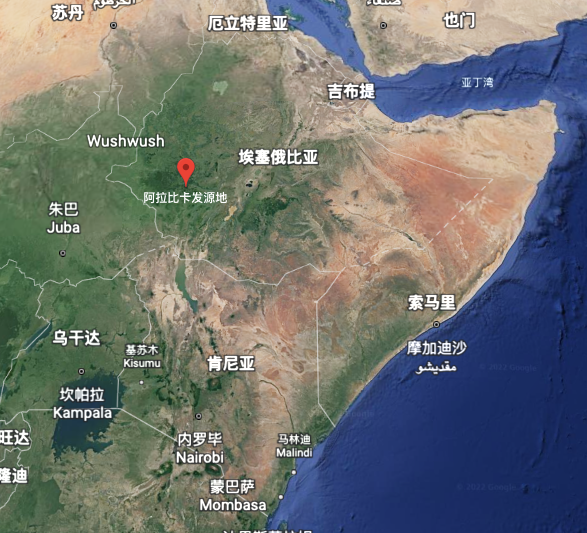
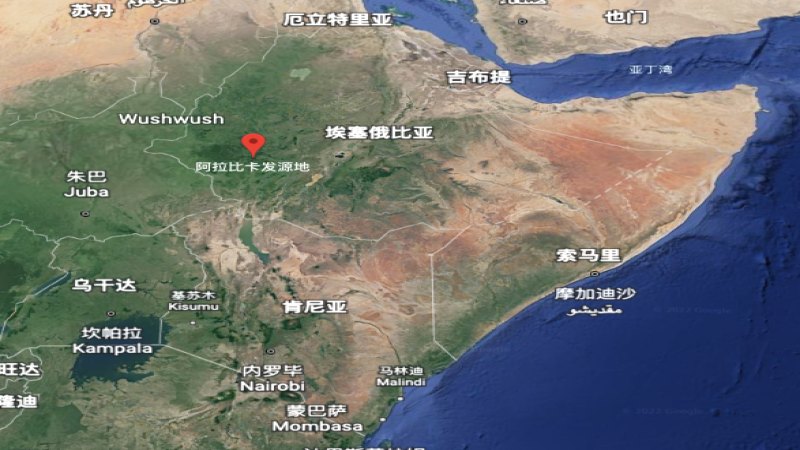
On the map, Kenya's northern neighbor is Ethiopia, where wild coffee trees are everywhere, but Kenya does not have such exceptional natural conditions. Kenya's history of coffee cultivation is not long, from20the beginning of the century to now, only120years, similar to Yunnan, but its development has followed a different path.
In the30s of the last century, Kenya selected seeds through the Scott Laboratories and bredSL28andSL34for nationwide planting. This point is very important: you reap what you sow.SL28andSL34These two varieties have excellent berry-like acidity, and were later transplanted by some Central American estates. Last year's Costa RicaCOEchampion bean variety wasSL28and Geisha.
Afterward, in order to improve disease and pest resistance, the Kenya Coffee Research Institute introduced the new variety Ruiru11 in 1985 and promoted its cultivation in some areas. Ruiru11 can be understood as Kenya's version of Catimor. When Front Street cupped Kenyan coffee beans mixed with Ruiru11, the flavor showed slightly inferior sweet-and-sour balance and a slight muddled quality. This also proves that variety has a clear impact on flavor.
What creates the bright acidity in Kenyan coffee, according to Front Street, is inseparable from their distinctive washed processing method——K72washing. The normal washing process involves soaking in a fermentation tank for24-48hours before drying. Kenya's process, however, first undergoes24hours of washing and fermentation, then removes the loosened mucilage, ferments again in clean water for24hours, then cleans again and ferments for another24hours, reaching72hours. This high degree of washing stably controls quality and expresses bright acidity and a clean, sweet clarity.

Next comes Kenya's coffee grading system. Kenyan coffee beans are classified by size, with the best beingAA, followed byAB. The advantage of size grading is that, after variety selection, larger beans represent fullness and high quality, and are also very friendly to roasting. In this way, the consistency of Kenyan coffee quality can be ensured. Although we can still discern specific flavor differences among producing regions such as Nyeri, Kirinyaga, and Kiambu, they generally all share Kenya's characteristic bright acidity, small tomato, and berry-like flavors. (That is, at the first sip you can recognize it as coffee from Kenya.)

Now that you understand the information about Kenyan coffee beans, you can make a brewing plan based on the bean's characteristics. Kenya's high altitude, volcanic soil, good varieties, and refined processing create full, large beans with a relatively hard texture and good appearance. A common brewing problem is clogging and slow drainage. In terms of grinding, Front Street does not recommend too many fines. You can choose a higher-quality grinder, or use a sieve to remove the fines. The target coarseness is a 75% pass rate on a No. 20 standard sieve.
For water temperature, this Kenyan coffee is suitable for brewing at a relatively high temperature, which can bring out the coffee's fruity sweetness (small tomato). Front Street recommends using 93°C water.

For the coffee-to-water ratio, Front Street recommends 1:16. This Kenyan coffee has a solid body, and even when brewed to a 16x ratio it does not diminish at all. What is brewed at 1:16 has a very soft concentration, with bright sour plum acidity paired with the sweet-and-sour aroma of small tomato—very comfortable.
For the dose, if using a smallV60dripper, Front Street recommends using at least15grams of coffee powder. If using a largeV60dripper, it is recommended to use at least25grams of coffee powder.
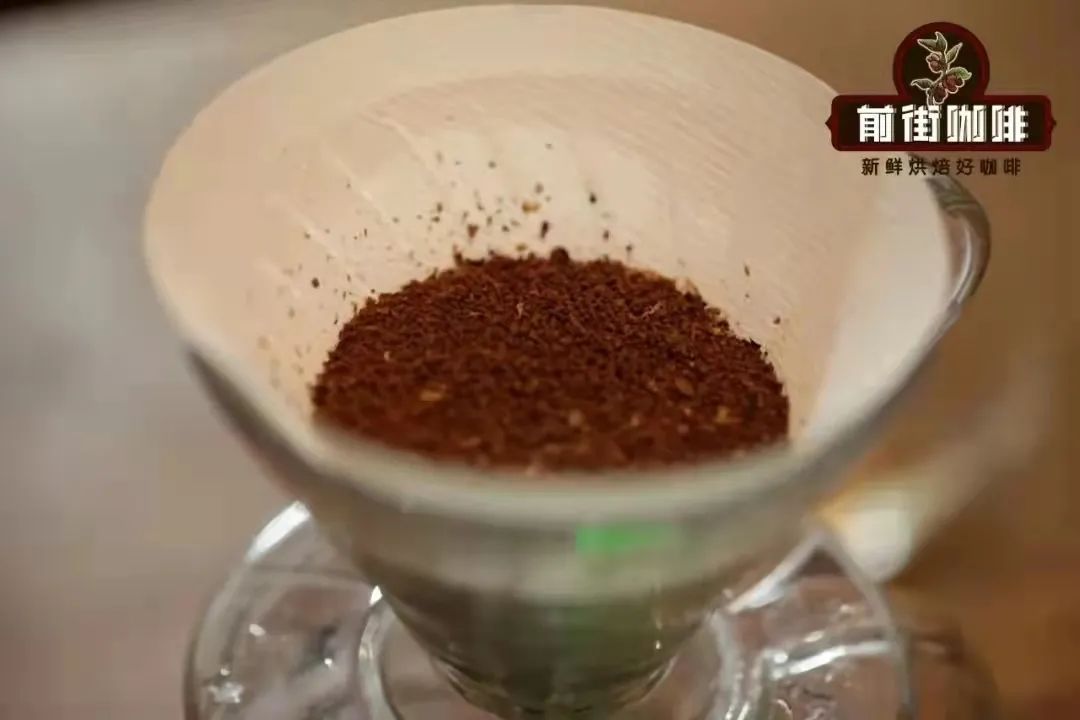
When pouring, you can raise the coffee bed and avoid making large circles, which can thin the coffee bed and fully extract it, avoiding channeling at the edges and clogging at the bottom.
First, pour 30 ml of water and bloom for 30 seconds. For the second pour, add 120 ml of water, pouring in circles from the center outward until the surface is all golden foam, then spiral inward to the center point, with the coffee bed height reaching 1/2 of the short rib.

For the third pour, add 90 ml of water, pouring in circles about the size of a coin. After the coffee liquid has fully dripped into the server, end the extraction. The time is 2 minutes (with a 10-second margin of error).
This brewing method can highlight the small tomato aroma and sweetness of Kenyan coffee, while also ensuring a solid yet translucent sour plum acidity.
The above content is compiled by CoffeeHunters, a coffee news website.


