







Search Results for: slowly
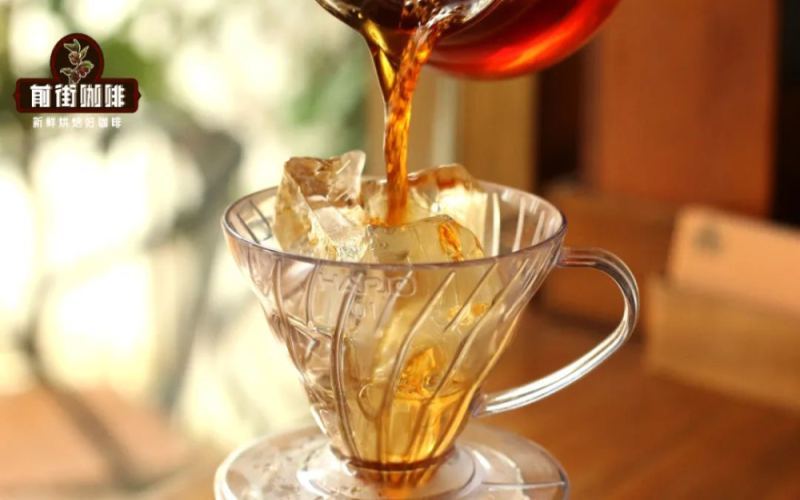
Why Does Coffee Shop Ice Melt More Slowly? A Complete Guide to Hand-Brewed Ice—from Ice Machines to Choosing the Right Ice Type
When drinking iced Americano, have you ever noticed that the ice cubes at coffee shops always seem to melt more slowly than the ones at home? From equipment differences to ice cube shape, and even the actual amount used, every detail affects the taste and staying power of cold coffee. Starting from the role of ice cubes, this article analyzes the differences between commercial ice machines and household refrigerators, explains why coffee shops tend to use smaller, more uniformly shaped ice cubes, and also shares the reasons Front Street Coffee insists on using refrigerator ice along with actual comparison tests. If you want your iced pour-over to cool down properly without being overly diluted, the answer you're looking for may be here. [more…]

Analysis of Why Cold Brew Coffee Filters Slowly and Comparison of Three Practical Solutions to Speed Up Filtration
Summer is here, and many people enjoy making cold brew coffee at home, but the filtration step often proves troublesome—the coffee liquid drips extremely slowly, sometimes taking half a day. Why is cold brew filtration so slow? The core reason is that the extremely fine particles in the coffee grounds clog the pores of the filter paper, leaving insufficient channels for the liquid to flow through. This is especially true when making multiple servings at once, as the waiting time gets stretched even further. This article will first explain the causes of clogging, then share three methods commonly used by baristas to speed up filtration: using a filter bag or cloth to pre-isolate the coffee grounds, spreading the coffee grounds at the bottom of the filter paper to intercept fine particles, and using a vacuum filtration device to achieve rapid filtration under reduced pressure. Each approach has its own pros and cons, suiting enthusiasts with different needs, and the article also retains relevant experience and product recommendations from the Front Street Coffee brand. [more…]

Pour-over coffee draining slowly or taking too long to extract—what to do? Find out the causes of water pooling and practical adjustments.
In pour-over coffee, extraction time is often the most difficult variable to control. Many coffee enthusiasts, when brewing at home, have encountered the situation where hot water is slow to drain through and the time gets dragged out. To avoid over-extraction, some people remove the dripper early, but is this really effective? Starting from the brewing framework commonly used at Front Street, this article sorts out several main reasons for slow flow and water retention, including too many fines, improper pouring technique, and the characteristics of light-roasted beans, and offers corresponding solutions to help you improve your brewing performance without changing equipment. [more…]
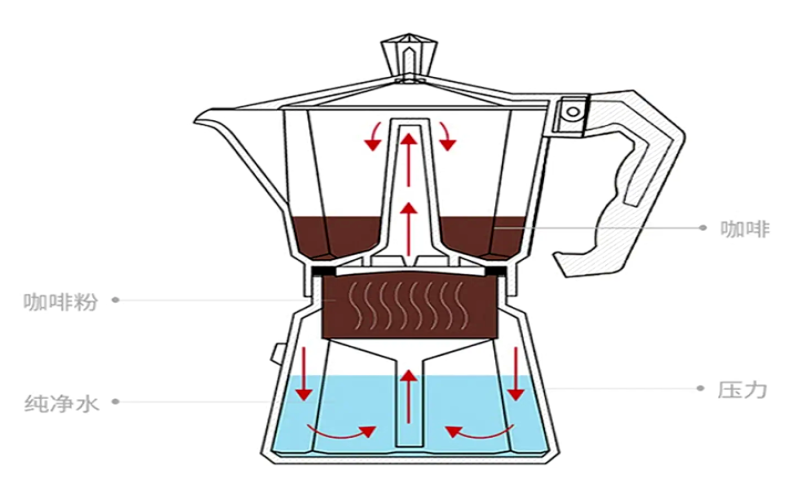
Moka pot produces no liquid at all / moka pot brews extremely slowly: a seasonal bean-list approach
In the early days of buying beans, chasing too many flavors at once isn't very meaningful. A more reliable path is to choose a bean with a clear profile and high brewing compatibility, fix your dose, grind, and water temperature, then observe how the entry, sweetness, and finish change—this is how a taste reference gradually takes shape. The working principle of a moka pot is steam pressure, and the coffee bed [more…]
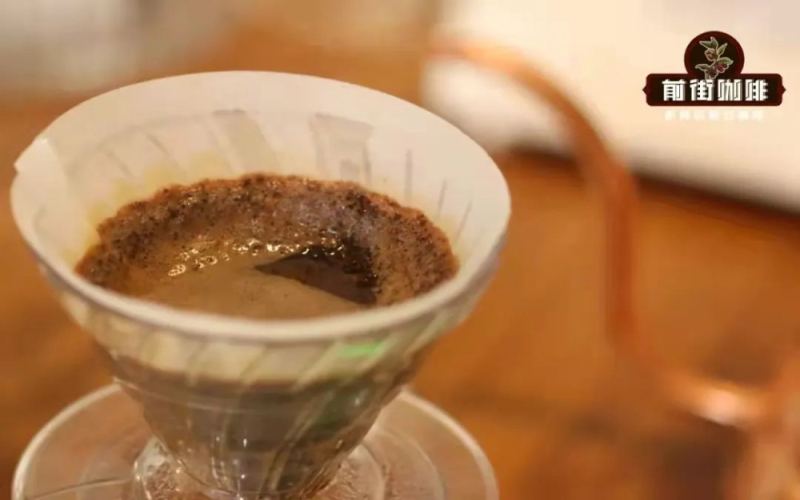
Why Does Pour-Over Panama Geisha Drain Slowly? Analyzing the Causes of Coffee Clogging and Practical Tips to Fix It
Panama Geisha is beloved by coffee enthusiasts for its exquisite floral and fruity aromas, but during pour-over brewing, the flow rate can suddenly slow down or even clog completely, catching you off guard. Drawing on Front Street's practical experience, this article systematically sorts out several common causes of Geisha pour-over clogging, including the characteristics of the coffee beans themselves, grind size selection, the compatibility of filter paper and dripper, and pouring technique, and offers specific, actionable solutions for each situation. Whether you are a beginner just getting to know Geisha or a seasoned brewer hoping to refine your craft, you will find practical methods here to restore a smooth flow and fully release the flavors. [more…]
The Complete Guide to Specialty Coffee Brewing: An Analysis of Common Methods Including Paper Filter, Cloth Filter, Siphon, and Steam Pressure
To brew a great cup of coffee at home, choosing the right method matters more than buying expensive equipment. This article systematically sorts through several common brewing methods—paper filter drip, flannel filter, steam pressure, siphon, cold drip, and iced coffee—explaining one by one their key operating points, grind size, and flavor characteristics. The content covers key details such as equipment selection, coffee-to-water ratio, water temperature control, and pouring technique, making it suitable for coffee enthusiasts who want to advance their skills. Whether you prefer a clean, bright cup or a rich, full-bodied one, you'll find a corresponding brewing approach here. [more…]
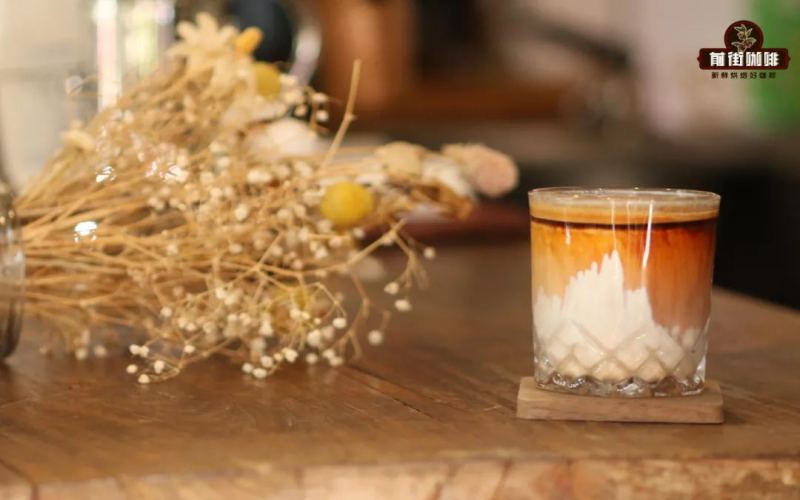
LATTE DIRTY COFFEE DRINKING METHOD | How can you make the layers in a Dirty coffee clearly distinct? What are the key points for making a delicious Dirty coffee?
What we usually call a Dirty coffee is nothing more than taking a glass, filling it with milk, then placing it under the espresso machine's brew head and letting the espresso slowly flow into the glass, so that the coffee floats on top of the milk, forming a beautiful layer, and then as time passes, the coffee on top slowly seeps into the pure white milk. [more…]
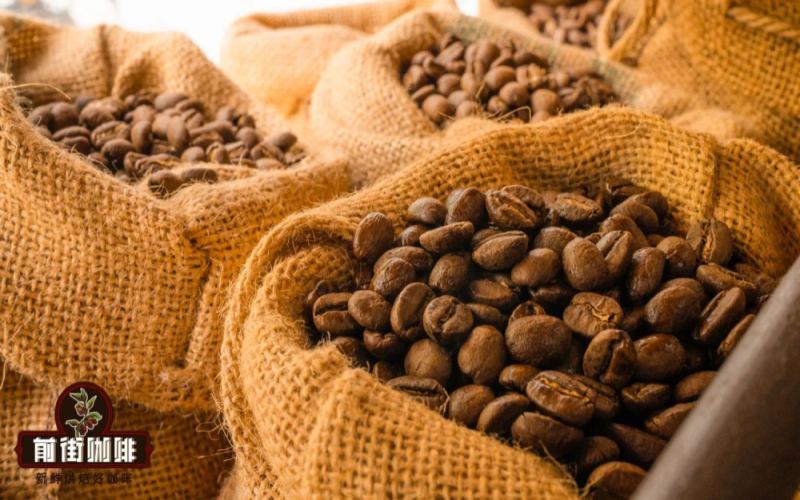
Illustrated Guide to Home-Roasted Coffee Beans | What Is the Relationship Between Coffee Roast Level and Coffee Flavor and Mouthfeel? What Tools Are Needed to Roast Green Coffee Beans at Home?
As coffee has become part of everyone's daily life, it's not hard to learn a lot of new and comprehensive knowledge about coffee from video apps. Besides researching how to brew and how to taste the flavors, many friends have started to take a strong interest in coffee bean roasting. But many of them act on a momentary impulse, and [more…]
Costa Rica Mozart Coffee Beans: A Three-Temperature Pour-Over Experiment—A Full Analysis of the Raisin Honey Process Flavor from Canet Estate
Costa Rican coffee is famous for its honey processing method, and Hacienda Cannet's Musician Series is among the best of the best, especially a raisin honey-processed Mozart coffee bean whose dry and wet aromas are both impressive. To investigate the effect of water temperature on the flavor expression of this bean, Front Street Coffee conducted comparative pour-over experiments at 93°C, 90°C, and 87°C, recording everything from aroma, acidity, and sweetness to the finish. This article will begin with the background of Hacienda Cannet, the origin of the Musician Series names, the green bean information, and the processing characteristics of the raisin honey method, then present in detail the brewing parameters and flavor differences of the three water temperatures, and finally offer brewing recommendations suitable for this Mozart coffee bean. [more…]

How is cold drip coffee made? A comprehensive comparison with cold brew in terms of extraction time, method, and flavor
Although ice drip coffee and cold brew coffee both fall under the category of cold drinks, they follow two completely different paths from equipment structure to extraction logic to the final flavor in the cup. Ice drip relies on ice water slowly dripping through, taking anywhere from 3 to 24 hours, and Front Street Coffee generally recommends 5 to 8 hours; cold brew, on the other hand, obtains a chocolate-like sweetness and full-bodied mouthfeel through long soaking. The two each have their own set of rules regarding grind size, equipment choice, and brewing time, and their acidity and bitterness also differ noticeably. This article will break down the three-part structure of the ice drip pot, compare the production details of the two cold drinks, and explain the drinking methods and purchasing suggestions that suit each. [more…]
An Analysis of the History of Guatemalan Coffee Regions and Geisha Flavor, with Front Street Pour-Over Parameter Recommendations
Guatemala was once the number one coffee-producing country in Central America, with a long history in its coffee industry and widely distributed growing regions. From its beginnings in the 1850s to today's eight sub-brands coordinated by the Anacafé association, Guatemalan coffee has undergone an evolution from small family farms to foreign investment involvement. This article reviews the growing conditions, regional divisions, and historical development of Guatemalan coffee, and introduces the flavor characteristics of Geisha coffee beans. At the end, it includes pour-over parameter suggestions shared by Front Street Coffee, including coffee-to-water ratio, water temperature, and pouring rhythm, for coffee enthusiasts' reference. [more…]
Colombian Coffee Flavor Profile Analysis: Huila Region Taste Performance and Pour-Over Brewing Practical Guide
Colombian coffee is known for its plump beans and balanced, mellow character, and the Huila region in particular is a benchmark for specialty coffee. This article begins with the overall characteristics of Colombian coffee, breaks down its acidity, body, and aroma, and then explains in detail the coffee-to-water ratio, water temperature control, and pouring technique for pour-over brewing. Whether you prefer a lighter or a richer cup, you can find brewing parameters that suit you. The article also includes step-by-step illustrated instructions to help coffee lovers consistently reproduce a smooth, velvety cup of Colombian coffee at home. [more…]
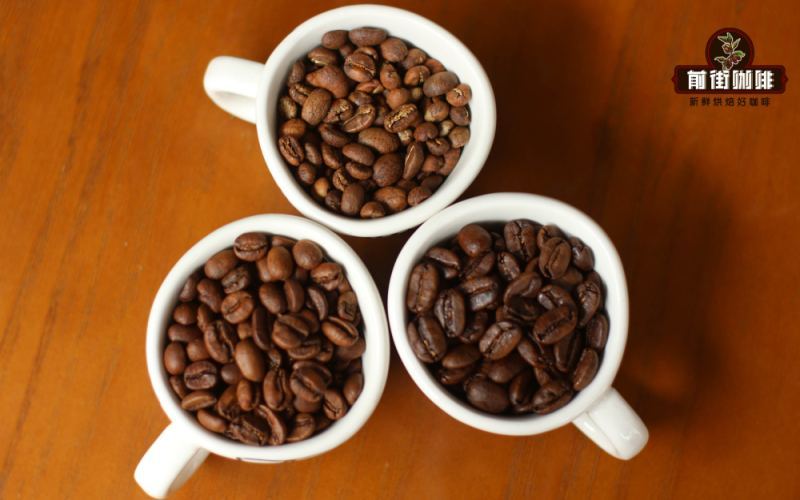
Advanced Pour-Over Guide: A Breakdown of Grind, Water Temperature, and Pouring Techniques for Dark Roast Single-Origin Coffee
Many coffee enthusiasts hold a prejudice against dark roast beans, believing that the burnt bitterness masks the floral and fruity acidity that specialty coffee should have. However, dark roast beans are not doomed to taste bad—as long as you master the right brewing strategy, they can equally present a rich, full-bodied flavor with a long-lasting finish. Front Street Coffee will, drawing on years of experience, systematically sort out the key points for brewing dark roast single-origin coffee, from grind size, water temperature control, and coffee-to-water ratio to pouring technique. The article also uses [Front Street Jamaica Blue Mountain] as an example, providing specific parameters and operating steps to help you avoid over-extraction and bitterness, and unlock the chocolate, caramel, and lingering sweet aftertaste of dark roast beans. [more…]
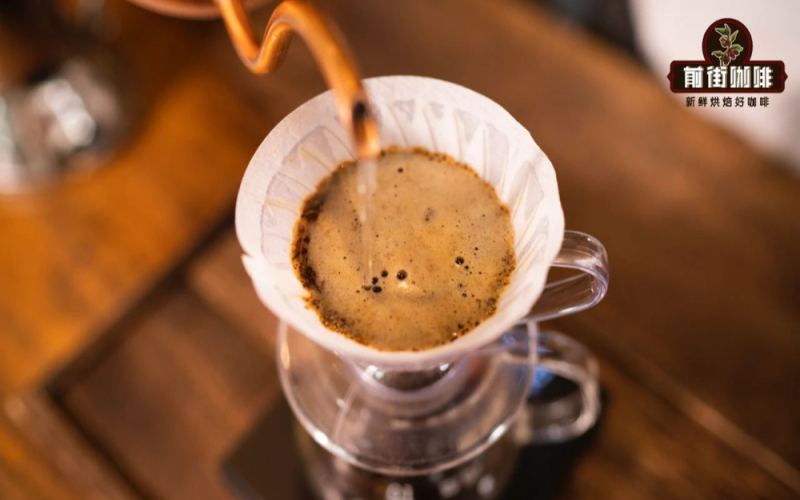
Drip bags, French press, and moka pot: Key operating points and flavor differences of three simple coffee brewing methods
For coffee enthusiasts who pursue convenience without sacrificing flavor, besides the parameter-focused pour-over method, drip bags, French presses, and moka pots are also brewing tools worth mastering. In its in-store brewing experiments, Front Street Coffee tends to favor simple, direct methods to bring out the true character of beans from different origins. This article will explain the operating procedures for these three devices one by one: how to tear open a drip bag, spread it out, pour water, and discard it; how to select beans for a French press, determine the grind size and coffee-to-water ratio, steep, and press down slowly; and how a moka pot uses steam pressure, from adding water to the lower chamber, distributing the grounds, heating, to judging when to turn off the heat. The article also includes Front Street's grind size reference standards and specific parameter suggestions to help you consistently reproduce a good cup of coffee. [more…]

Dirty Coffee Making Tutorial | What Are the Differences Between a Dirty and an Iced Latte? Can You Make a Dirty Coffee with a Moka Pot?
Dirty coffee is espresso extracted over iced milk, creating a beautiful layered look. As time passes, the coffee liquid on top slowly encroaches on the pristine white milk, forming a lovely gradient inside the transparent glass, as if the pure white milk has been dirtied. Put simply, a Dirty coffee is a visually striking drink that [more…]

Common Types of Italian Coffee | What Are the Classic Milk Coffee Recipes? What's the Difference Between a Latte, Macchiato, Cappuccino, and Dirty?
Espresso is a must-have beverage in every café. Many people's first impression of espresso is that it's unbearably bitter. In fact, espresso isn't limited to such bitter shots. If you want an espresso that isn't bitter and suits your taste, the first thing you need to understand is the different types of espresso. Front Street Cof [more…]
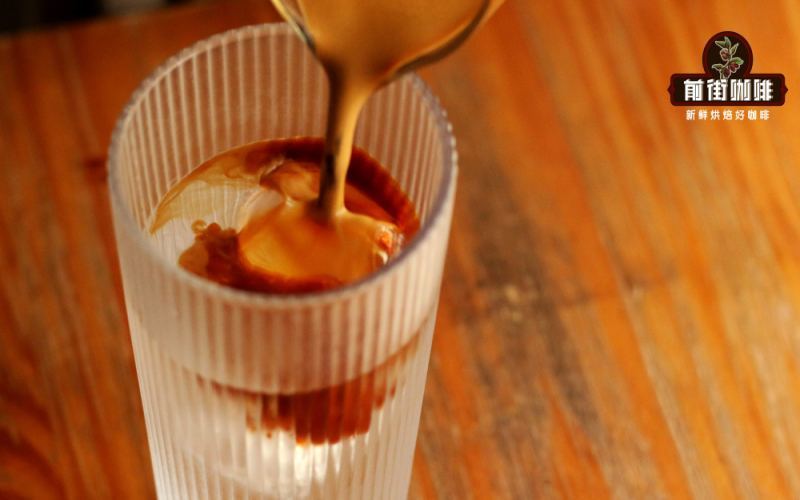
Recreating Sparkling Americano at Home: The Key Ratio of Espresso to Soda Water and a Practical Guide to Avoiding Foam Overflow
Sparkling Americano can be seen as a fun upgrade of Iced Americano—it delivers the refreshing tingle of carbonation without weakening the coffee’s core flavor. Compared with a regular Americano, it simply swaps the water in the recipe for sparkling water, while the rest of the extraction logic stays almost the same. This article, based on recommended parameters from Front Street Coffee, first presents two preparation paths—espresso and pour-over—then focuses on explaining why espresso oils and crema violently expand into lumpy foam when they meet carbon dioxide, and shares three practical techniques: skimming off the oils, pouring slowly, and using the back of a spoon as a buffer, to help you make a Sparkling Americano at home with plenty of fizz and a clear coffee taste. [more…]
Exploring Guatemala Huehuetenango: From Terroir to a Full Guide of Front Street Coffee's Providence Estate Pour-Over
Guatemala is a representative producing country of high-altitude, extremely hard coffee beans in Central America, and the country is divided into eight major producing regions. Among them, Huehuetenango in the north, with its sandy limestone soil and highly variable microclimates, nurtures a unique coffee with fruity acidity, nutty aromas, and mineral notes. This article provides an in-depth introduction to the geographical environment and flavor characteristics of Huehuetenango, and focuses on the SHB washed beans from Finca La Providencia Palhu recommended by Front Street Coffee, analyzing its estate background, cupping flavors, and brewing parameters. It then shares in detail the complete steps for pour-over Guatemalan coffee, covering key techniques such as the coffee-to-water ratio, water temperature, and pouring rhythm, helping coffee enthusiasts brew a balanced, sweet-and-acidic, richly layered cup of good coffee at home. [more…]

Home-roasted coffee beans | What are the taste differences between coffee beans of different roast levels? How to roast coffee beans at home? How are green coffee beans turned into coffee?
As coffee has become part of everyone's daily life, it's not hard to learn a lot of new and comprehensive knowledge about coffee from video apps. Besides researching how to brew and how to taste the flavors, many friends have started to take a strong interest in coffee bean roasting. But many of them act on a whim and end up putting their coffee [more…]
A Complete Guide to Coffee Bean Resting: Whether to Rest, How Long, and How to Judge Freshness
When you first buy coffee beans, you'll often hear baristas suggest letting them "rest" before brewing for better flavor. But why do coffee beans need to rest? How long should the resting period be? And how long can freshly roasted beans be stored? These questions puzzle many coffee lovers. From Front Street's perspective, this article discusses the principles behind resting beans: freshly roasted beans carry popcorn and smoky notes and are rich in carbon dioxide, which hinders extraction; resting is precisely the process that lets the gas release slowly and the flavors gradually unfold. It also shares how to judge a bean's condition by the doming during the bloom, and why, once you receive your beans, you might as well drink them while observing how they change. [more…]