







Search Results for: water temperature control
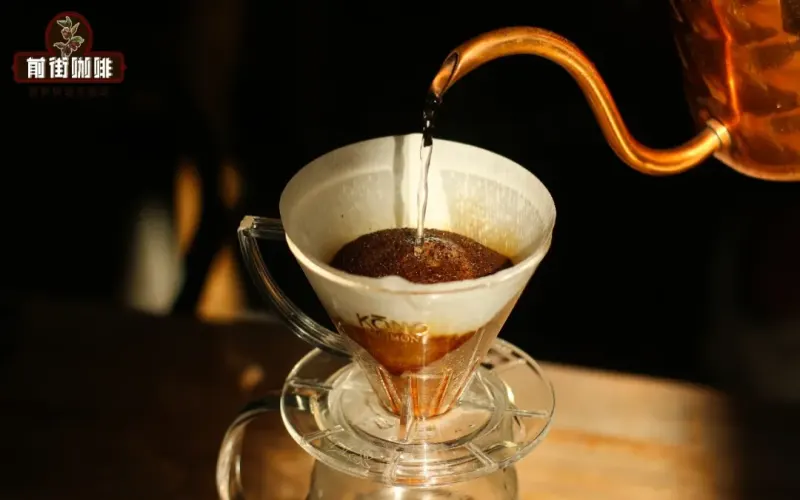
Pour-Over Kettle Buying Guide: An In-Depth Analysis of Two Core Considerations—Temperature Control Features and Water-Flow Difficulty
Faced with the dazzling array of pour-over kettles on the market, how should beginners make a suitable choice? Front Street points out that when purchasing, you only need to focus on two key dimensions: whether it comes with a temperature control system, and how easy it is to control the water flow. Temperature-controlled and non-temperature-controlled versions differ significantly in price and convenience—taking Brewista as an example, the price gap between the two can reach about four times. The difficulty of water control mainly depends on the length of the kettle neck, its inner diameter, and the shape and caliber of the spout—a slender gooseneck with a small-caliber curved spout suits beginners pursuing stable pouring, while a short, thick neck with a large-caliber flat spout is better suited to advanced players who enjoy fancy pouring techniques. This article will break down these two directions one by one, and include specific recommendations for Front Street's commonly used Hario Cloud Kettle, Kalita Swan-Neck Kettle, Fellow Kettle, and others, to help you find the one that fits your hand best. [more…]
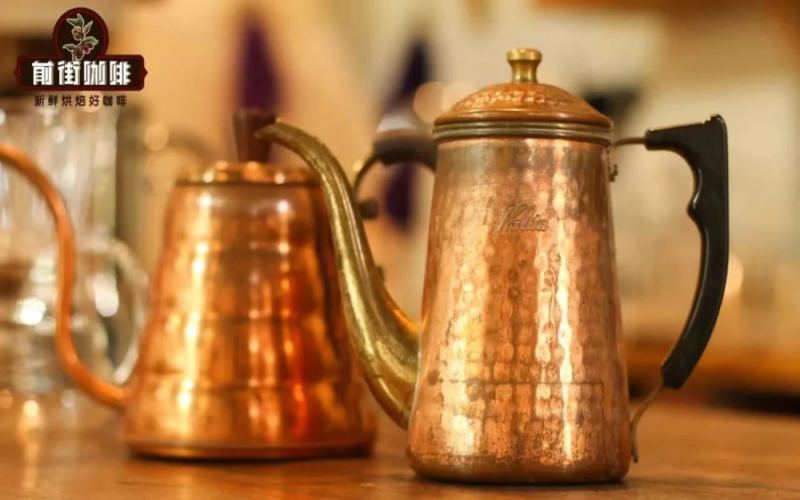
How to Choose the Right Pour-Over Kettle for Your Home Coffee Corner? A Comprehensive Guide from Temperature Control and Spout to Material
Creating a coffee corner at home—a handy pour-over kettle often determines how smooth your brewing experience will be. Faced with the dazzling array of options on the market, everything from temperature-controlled versus non-temperature-controlled, spout shape, body capacity, handle design, to material differences will affect water flow control and ease of use. This article will systematically sort out the key dimensions for choosing a pour-over kettle, helping beginners and advanced enthusiasts find the one that suits them best, and also includes Front Street Coffee's recommended flavor progression for beginner coffee beans, making it easier to pair your equipment with your beans. [more…]
A Complete Guide to Choosing a Home Pour-Over Kettle for Beginners: Practical Selection Tips from Temperature Control and Spout to Material
Want to get your hands on a pour-over kettle but feel overwhelmed by the bewildering array of styles on the market and don't know where to start? Actually, choosing a kettle is like a swordsman choosing a sword—a well-suited one can greatly reduce the difficulty of controlling the water flow, letting even beginners brew consistently good-tasting coffee. This article draws on Front Street's hands-on experience to break down the key points of choosing a kettle one by one: the choice between temperature-controlled and non-temperature-controlled models, how the spout shape affects the water flow, the kettle body capacity and handle design, and the trade-offs among materials like stainless steel, copper, and enamel porcelain. At the end, we've also included a flavor sequence of Front Street Coffee beans suitable for beginners to try step by step, helping you sort out your buying logic all at once. [more…]
The Complete Guide to Buying a Pour-Over Kettle: Temperature Control, Spout, Body, Material, and Price Explained in One Go
Faced with the dazzling array of pour-over kettles on e-commerce platforms, many coffee enthusiasts often don't know where to start. Although pour-over kettles are basically composed of a spout, body, handle, and lid, different shapes directly affect pouring performance. Front Street Coffee will systematically sort out the selection approach for pour-over kettles from dimensions such as temperature-controlled vs. non-temperature-controlled, spout type, body capacity and center of gravity, handle feel, material, and price. The article will also introduce the pouring characteristics and representative products of different spouts such as narrow gooseneck, wide gooseneck, crane-neck, flat spout, and eagle spout, helping you find the one that better suits you between budget and needs. [more…]
How Does Water Temperature Shape Coffee Flavor? Key Points for Controlling Brewing Temperature
Water accounts for up to 98% of a cup of coffee, so water temperature largely determines the final flavor direction of the coffee. During brewing, complex chemical reactions take place between water and coffee grounds, and temperature directly affects the extraction efficiency of various substances—from the fruit acids and caffeine released first, to the sweetness that follows, and then to the bitterness that emerges in the final stage, every phase is closely tied to water temperature. In this article, Front Street Coffee systematically sorts out the deep impact of temperature on coffee flavor, and explores why hot-water brewing finds it difficult to compensate for low-temperature shortcomings by extending time or adjusting grind size the way cold brew does, helping coffee enthusiasts understand the importance of water temperature consistency. [more…]
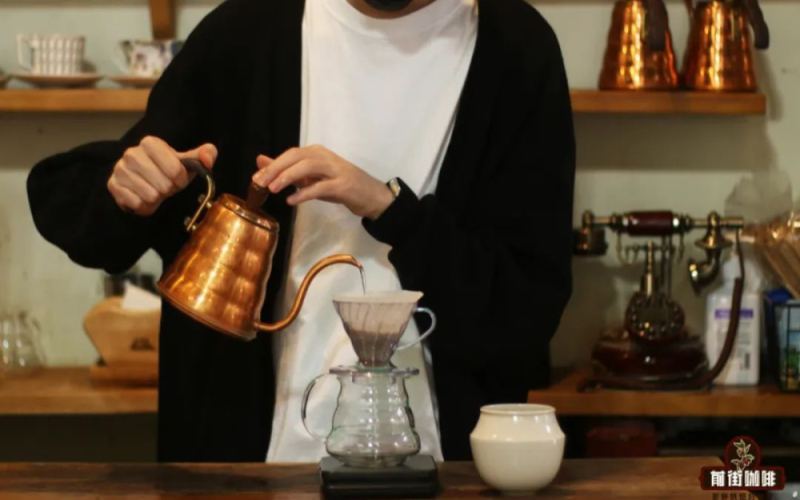
How to Keep Pour-Over Coffee Quality Stable as Temperatures Drop? A Full Guide to Water Temperature, Equipment Preheating, and Static Control
When cold air arrives, the extraction rhythm of pour-over coffee often gets thrown off. The originally set water temperature of 92°C may drop to only 87°C by the time it reaches the coffee bed, and a sudden drop in ambient temperature causes hot water to lose even more heat in the air, leading to under-extraction and a weak, flat flavor. In addition to raising the water temperature by 1–2°C or lowering the height of the pour, preheating the server and dripper can also significantly slow heat loss—an unheated server will cause the coffee liquid to drop to around 69°C, while after preheating it can be maintained at around 75°C. In addition, the static electricity generated during grinding in cold weather cannot be ignored either; coffee grounds tend to clump or stick to the grinder, which can be effectively solved with a distribution needle and a blower. This article starts with three key details to help you keep every cup of pour-over performing steadily. [more…]
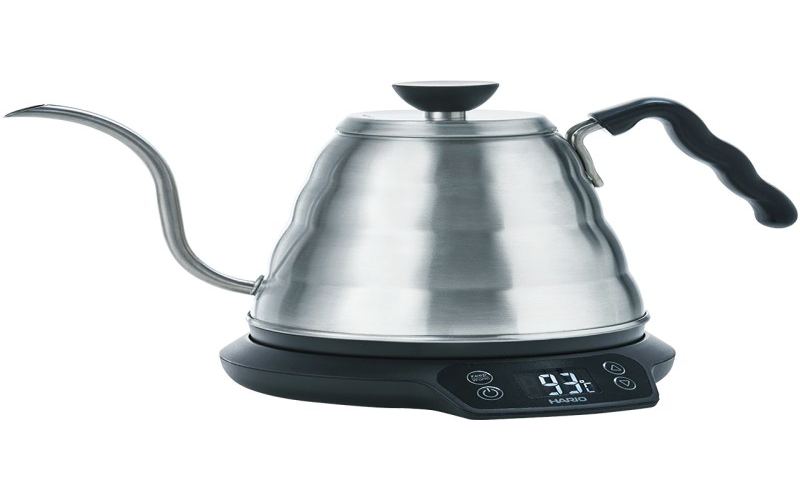
Types of Pour-Over Kettles | How to Choose a Japanese-Style Pour-Over Coffee Kettle? Which Material Is Best for Beginners Just Starting Out with Pour-Over Coffee? Introduction to Using a French Press
When it comes to choosing coffee equipment, opening a shopping platform and seeing all kinds of coffee gear can leave you not knowing where to start. Take pour-over coffee kettles, for example—although most are made up of a spout, body, handle, and lid, different shapes and structures produce different pouring effects. So [more…]
From Grinding to Temperature Control: Systematically Master the Seven Core Elements of Stable Espresso Extraction
To consistently make a delicious Espresso at home or in a shop, relying on feel alone is far from enough—you need to understand and control several key variables. This article breaks down the hardware and operational points that affect espresso quality one by one, from grind uniformity, fixed dose, and tamping technique, to brewing pressure, water temperature, extraction yield, and machine materials. Whether you use a flat burr or conical burr grinder, a vibration pump or rotary pump, you can find practical adjustment ideas here. The article also shares Front Street Coffee's practical suggestions on equipment selection and parameter settings, helping coffee enthusiasts avoid detours and make every shot of espresso closer to the ideal state. [more…]
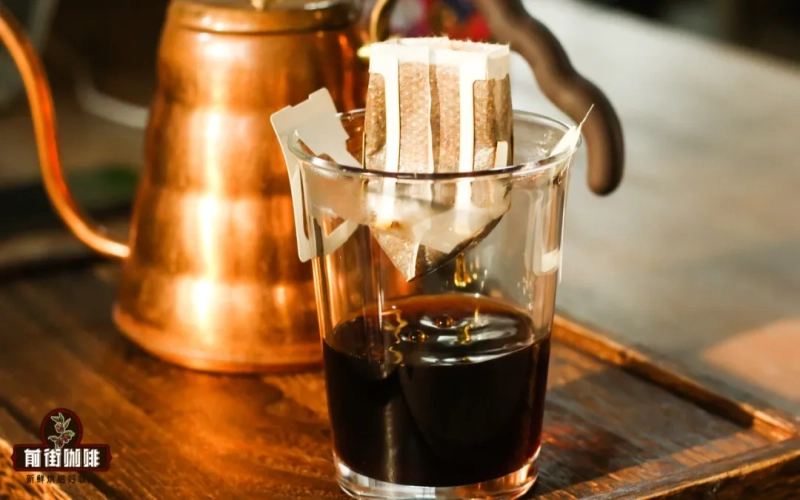
The Complete Guide to Drip Bag Coffee Brewing: Mastering the Three-Stage Control of Water Temperature, Volume, and Time, and Experiencing the Flavors of Front Street's Five Producing Regions
Drip bag coffee has become the top choice for many people during business trips, office work, and travel thanks to its convenience—no need to grind beans or use professional equipment. However, many people encounter problems such as weak flavor, sharp acidity, or noticeable astringency when brewing. In fact, as long as you master the three key parameters of water temperature, water volume, and brewing time, you can make a cup of coffee close to pour-over quality with a drip bag. This article will explain, one by one, the different water temperature requirements for light and dark roasts, the conversion method for a 1:15 coffee-to-water ratio, visual pouring techniques when no scale is available, and the complete process of pouring in 3~4 stages, blooming for 30 seconds, and a total time of about 2 minutes. It will also introduce the flavor sequence of Front Street Coffee's classic five-origin drip bag coffee, helping beginners get started easily. [more…]
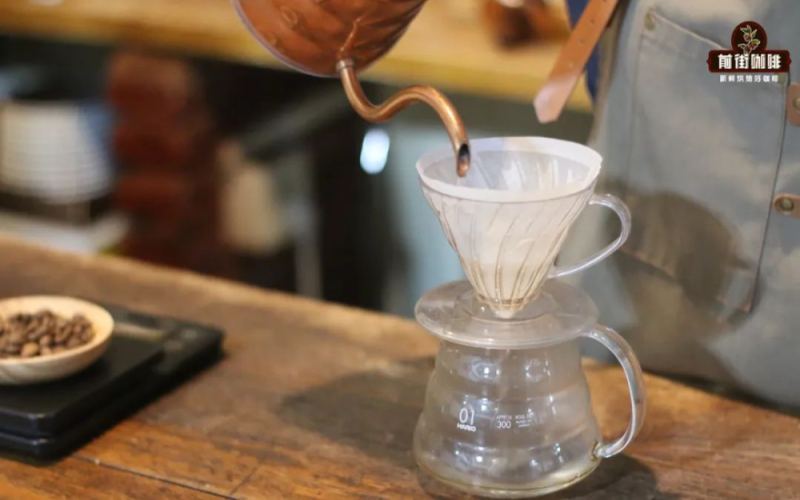
Four key preparations before pour-over brewing: filter paper fitting, water temperature control, grinding timing, and coffee grounds recheck
To brew a consistently delicious pour-over coffee, the key is to eliminate as many uncertainties as possible before brewing. Many enthusiasts tend to overlook some details during the preparation stage, which leads to uneven extraction and flavor deviation. Drawing on daily observations and the practical experience of enthusiastic friends, Front Street Coffee has compiled four easily overlooked preparation steps: how well the filter paper fits the dripper directly affects degassing and flow; once the water temperature is confirmed, you should pour as soon as possible to avoid the temperature in the kettle continuously dropping; grinding is best left as the last step to reduce the loss of coffee aromatics; after grinding, you should also double-check the coffee dose, because the grinder may retain or spit out grounds, and a deviation of ±0.5g is enough to change the final flavor. These seemingly minor steps often determine the success or failure of the entire cup. [more…]
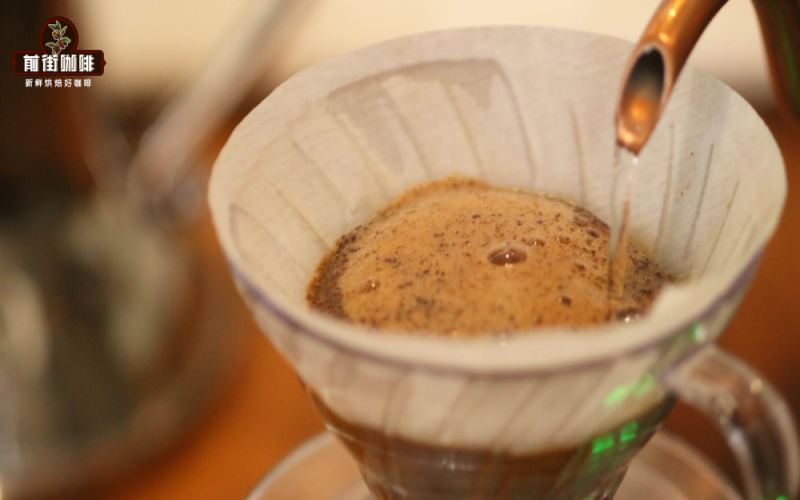
Complete Tutorial on Three-Pour Pour-Over Coffee: Ratio Distribution, Water Temperature Control, and Extraction Rhythm Analysis
Among the many techniques of pour-over coffee, the pouring method has always been the core topic that enthusiasts are most eager to discuss. Different pouring strategies directly affect the flavor layers and mouthfeel that the coffee ultimately presents. For beginners who are just getting into pour-over, Front Street usually recommends a three-stage pouring plan known as the "universal pour-over method." This article will use 15 grams of grounds and a 1:15 coffee-to-water ratio as an example to break down in detail the proportion distribution of the three-stage pour, deeply analyze the operational essentials of each pouring stage and the extraction logic behind it, and also share practical experience with staged water temperature control, helping you stably brew clean, bright, and richly layered good coffee at home. [more…]
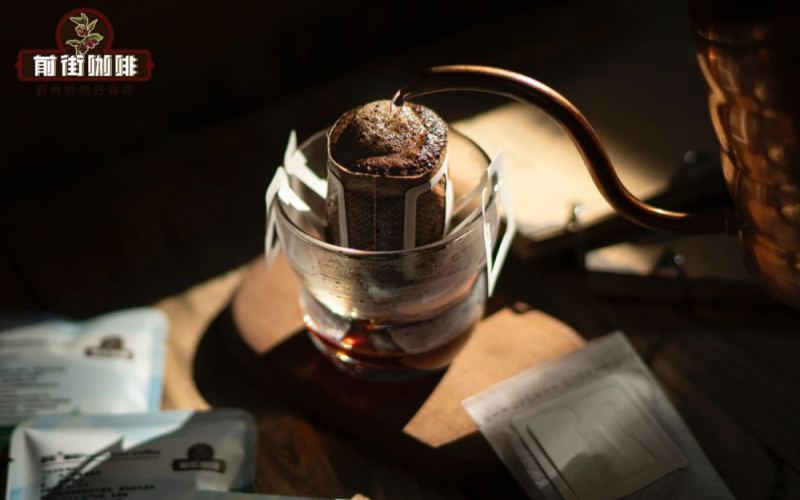
The Complete Guide to Drip Bag Coffee Brewing: Three Key Details for Coffee-to-Water Ratio and Water Temperature Control
Drip bag coffee may seem simple, but to brew an ideal cup, three details are indispensable: the pouring method, the coffee-to-water ratio, and the water temperature. In this article, a barista from Front Street Coffee shares practical brewing tips, breaking down everything from bean selection to specific steps. Whether you prefer floral notes, fruity acidity, or a rich, full-bodied taste, you'll find a drip bag coffee recommendation that suits you. The article also explains in detail how to keep a steady stream of water using a gooseneck kettle, precisely control the ratio with a graduated cup, and maintain the water temperature between 85 and 95 degrees Celsius to avoid off-flavors and a gritty mouthfeel. Master these key points, and your everyday drip bag coffee can easily be elevated to the next level. [more…]
Colombia Monteblanco Pink Bourbon Home Pour-Over Guide: Temperature Control Techniques and Japanese Iced Coffee Parameters Explained
Pink Bourbon is an extremely rare variety in the coffee world. Its cherries turn a unique pink when ripe, and it originates from a cross between Red Bourbon and Yellow Bourbon. Because pink is a recessive gene, this coffee is not only scarce in quantity, but its ripeness is also difficult to judge during harvest, yet its flavor is stunning. This article uses [Front Street Huila Monteblanco Pink Bourbon] as an example to explain in detail the parameters and pouring techniques for home pour-over, including water temperature control, grind size selection, coffee-to-water ratio, and staged extraction rhythm. It also includes a complete Japanese-style iced pour-over method to help you reliably recreate at home this rare bean's green grape juice, berry, and floral flavors. [more…]
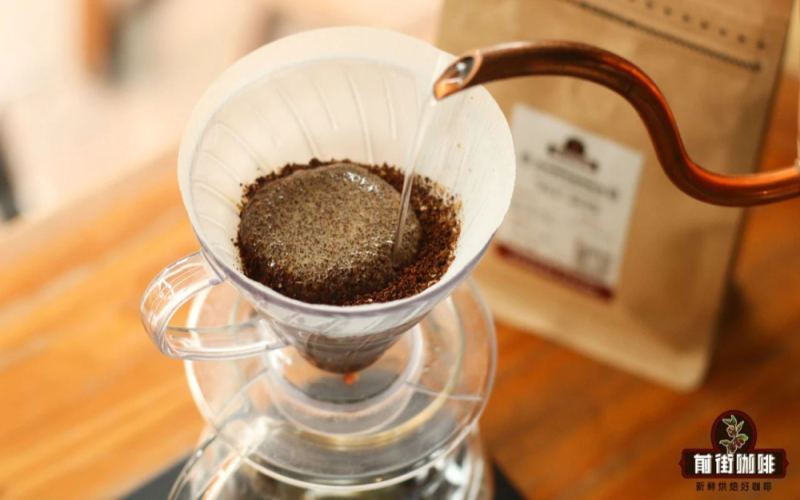
From Choosing Equipment to Pouring Technique: A Complete Guide to Pour-Over Coffee Basics, Water Temperature, Grind Size, and Coffee-to-Water Ratio
For making an authentic single-origin coffee at home, pour-over is often the lowest-barrier and quickest option to master. The equipment isn't as bulky or expensive as espresso machines, and as long as you grasp a few key parameters, your results will gradually become consistent. Drawing on the hands-on experience of Front Street Coffee, this article systematically lays out the equipment setup needed for pour-over coffee, including guidance on choosing a gooseneck kettle, dripper, grinder, thermometer, digital scale, filter paper, fines sifter, and server; it also breaks down how six major variables—water temperature, grind size, coffee-to-water ratio, water quality, bean freshness, and pouring technique—affect flavor, and uses a three-pour method as an example to explain how to control blooming, pouring rhythm, and extraction time, helping enthusiasts build a reproducible brewing framework. [more…]
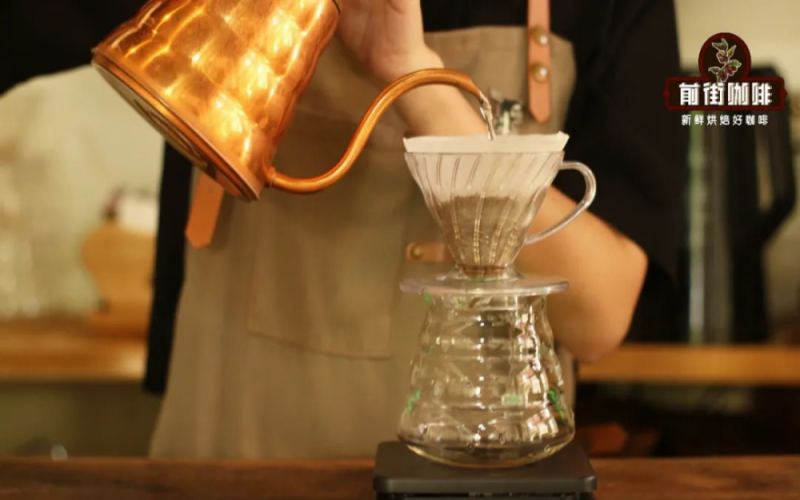
A Complete Tutorial on Brewing Single-Origin Pour-Over Coffee at Home: Practical Key Points from Equipment Preparation to Extraction Control
To make a delicious single-origin pour-over coffee at home, what you need to master is not only the operational steps, but also an understanding of the equipment, parameters, and extraction logic. Starting from the production experience of Front Street Coffee, this article systematically sorts out the key factors in pour-over coffee, including equipment preparation, dripper selection, grinding and water temperature control, coffee-to-water ratio, and extraction time, and uses Yirgacheffe Kochere as an example to fully demonstrate the three-pour brewing process. The article also specifically discusses the relationship between the shape of the coffee bed and the pouring method, helping coffee enthusiasts find a brewing rhythm that suits them through repeated practice. [more…]
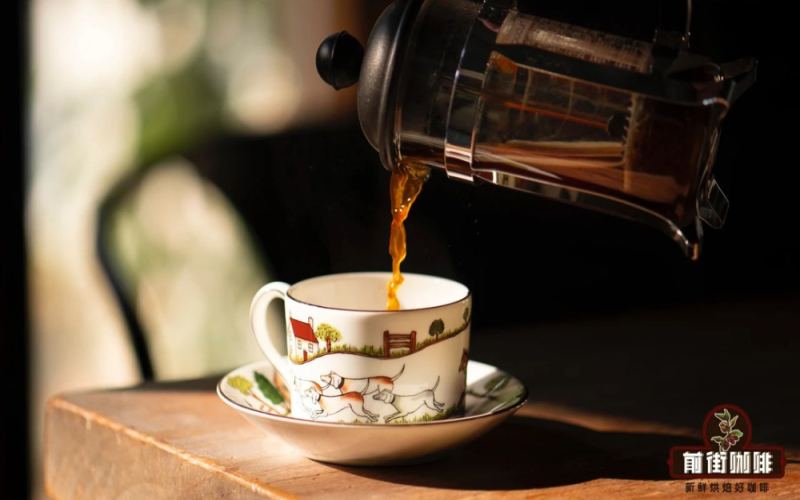
The Golden Coffee-to-Water Ratio, Water Temperature Control, and Complete Step-by-Step Guide for French Press Brewing
The French press, with its simple operation and very low barrier to entry, has become the top choice for many beginners just getting into coffee brewing. It uses an immersion extraction principle and, through its metal filter, retains more coffee oils, producing a cup that is rich and full-bodied, with concentrated flavor and few variables to manage—you only need to control three factors: grind size, water temperature, and steeping time. This article uses the Costa Rica Musician Series Mozart coffee beans recommended by Front Street Coffee as an example to break down in detail the French press's coffee-to-water ratio, water temperature parameters, and complete brewing process, helping you easily make a cup of rich, clearly defined black coffee. [more…]
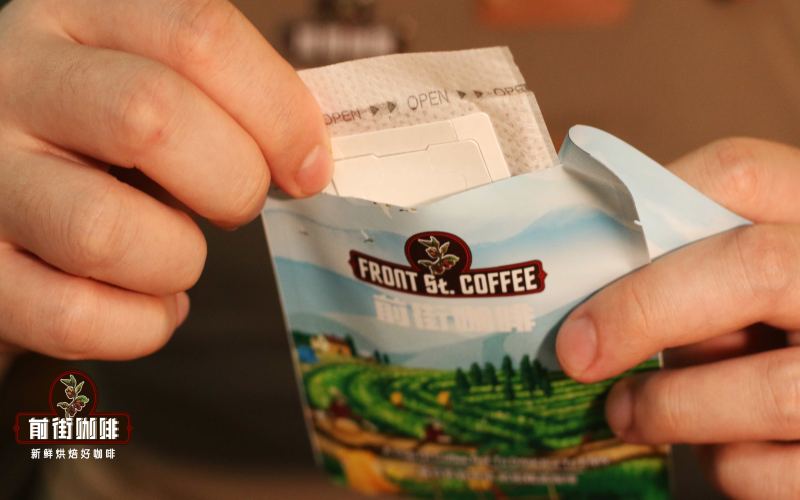
Drip Bag Coffee Practical Guide: A Complete Tutorial on Coffee-to-Water Ratio, Water Temperature Control, and Pulse Pouring
Drip bag coffee looks simple, but to brew a good flavor, the coffee-to-water ratio, water temperature, and pouring rhythm are all indispensable. Starting from a standard 10-gram dose, this article breaks down in detail the 1:15 to 1:16 brewing ratio, how to achieve a water temperature of 90°C, and key steps such as blooming, staged pouring, and total time control, teaching you step by step how to consistently recreate a cup of aromatic, full-bodied drip bag coffee. In addition, the article shares two key points for choosing specialty drip bags—freshness and flavor diversity—and introduces several representative products from the Front Street Coffee self-selected origin series, for coffee lovers with different taste preferences to reference. [more…]
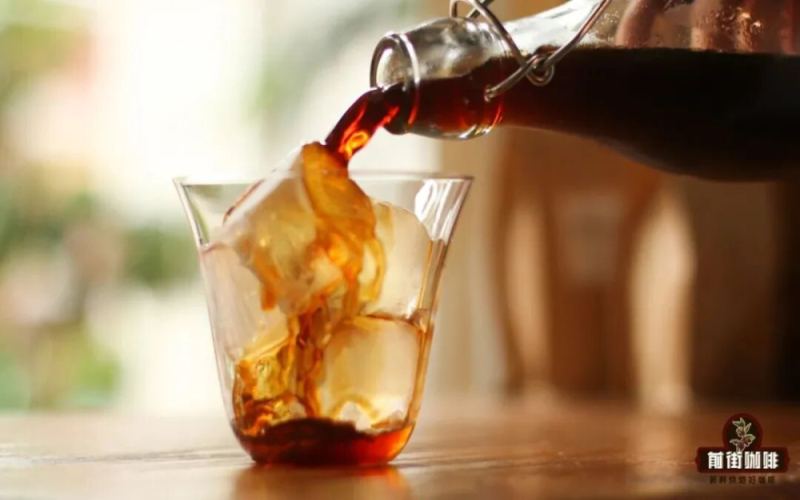
Complete Guide to Cold Brew Coffee Making: Standard Steps, Flow Rate Control, and Time Explained
Cold drip coffee, with its lengthy brewing process and unique layers of flavor, has always been a topic of interest among coffee enthusiasts. Completely different from cold brew, cold drip requires specialized equipment, precise control of the water drip rate, and subsequent fermentation and aging. This article will analyze in detail the standard steps for making cold drip coffee from four dimensions—grind size, drip speed, extraction ratio, and aging time—and answer the common question of "how long does it actually take to make a cup of cold drip?" At the same time, the article also compiles Front Street Coffee's practical experience and parameter recommendations in cold drip production, helping you understand the complete process of this low-temperature drip coffee in a more systematic way. [more…]
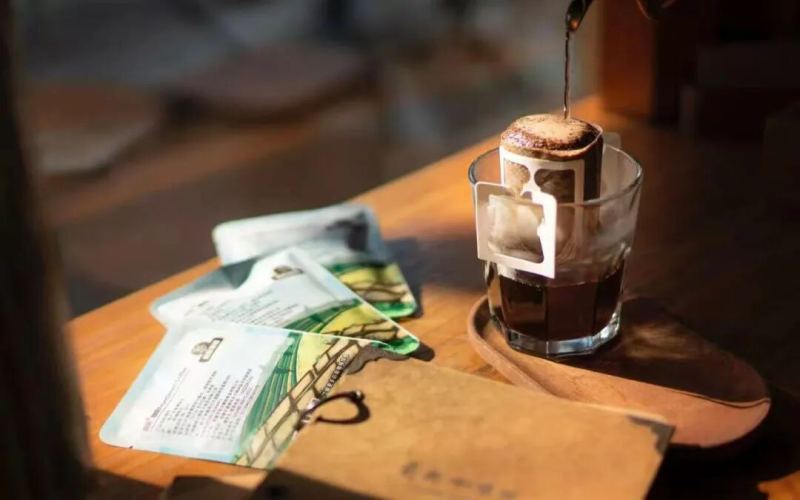
Drip Bag Coffee | What Are the Ideal Water Temperature, Water Amount, and Brewing Time for Brewing Drip Bag Coffee? How Can You Brew Drip Bag Coffee to Taste as Good as Hand-Brewed Coffee?
If we don't want to go through overly complicated coffee-making steps but still want to enjoy the taste of freshly brewed coffee, then drip bag coffee is definitely the most suitable choice. Making drip bag coffee is very simple—no need to grind beans, no need for professional brewing equipment. All we need is a cup and any pouring kettle, and we can [more…]

Hand-brewed coffee variable-temperature brewing method: How different water temperatures affect flavor layers and extraction results
In the world of pour-over coffee, water temperature has never been a fixed parameter. At world-class brewing competitions, many competitors use variable-temperature brewing, precisely steering the flavor direction of the coffee by using different water temperatures at different stages. Front Street Coffee conducted a set of comparative experiments using the same Panama Elida Typica beans, brewing them with three approaches: constant temperature, high temperature in the early stage followed by a temperature drop in the later stage, and low temperature for blooming followed by high temperature in the later stage and then a temperature drop. They measured concentration and evaluated the flavor. The results showed that variable-temperature brewing can significantly change the acidity, sweetness, and aftertaste of the coffee. This article will walk you through the operating techniques, experimental data, and flavor differences of variable-temperature brewing, helping you control your pour-over parameters more flexibly. [more…]