







How Do You Brew Drip Bag Coffee Step by Step?
Start with a 10-gram drip bag and aim for a coffee-to-water ratio of 1:15 to 1:16, giving roughly 140 to 150 milliliters of liquid. Use water at about 90°C. Wet the grounds evenly for the first pour, let them bloom for 30 seconds, then pour in a thin circular stream until the cup reaches the target volume.
Without a thermometer, boil the water, turn off the heat, and leave the lid off for two to three minutes at around 28°C room temperature to land near 90°C. The drip bag needs no grinder or scale beyond the marked dose. Choosing fresh grounds and a flavor that suits the drinker matters more than any single step.
Drip coffee bags may seem simple, but to brew a good flavor, the coffee-to-water ratio, water temperature, and pouring rhythm are all indispensable. Starting from a standard 10-gram dose of grounds, this article breaks down in detail the brewing ratio of 1:15 to 1:16, how to achieve a water temperature of 90°C, and key steps such as blooming, staged pouring, and total time control, teaching you step by step how to consistently reproduce a cup of full-aroma drip coffee. In addition, the article shares two key points for choosing specialty drip coffee—freshness and flavor variety—and introduces several representative products from the Front Street Coffee self-selected origin series, for coffee lovers with different taste preferences to refer to.
After opening a pack of fresh drip coffee, what is the correct brewing method?
1. Front Street Coffee drip coffee clearly marks the net weight of the coffee grounds on the packaging (usually 10 grams), so there is no need to prepare an extra electronic scale or grinder.
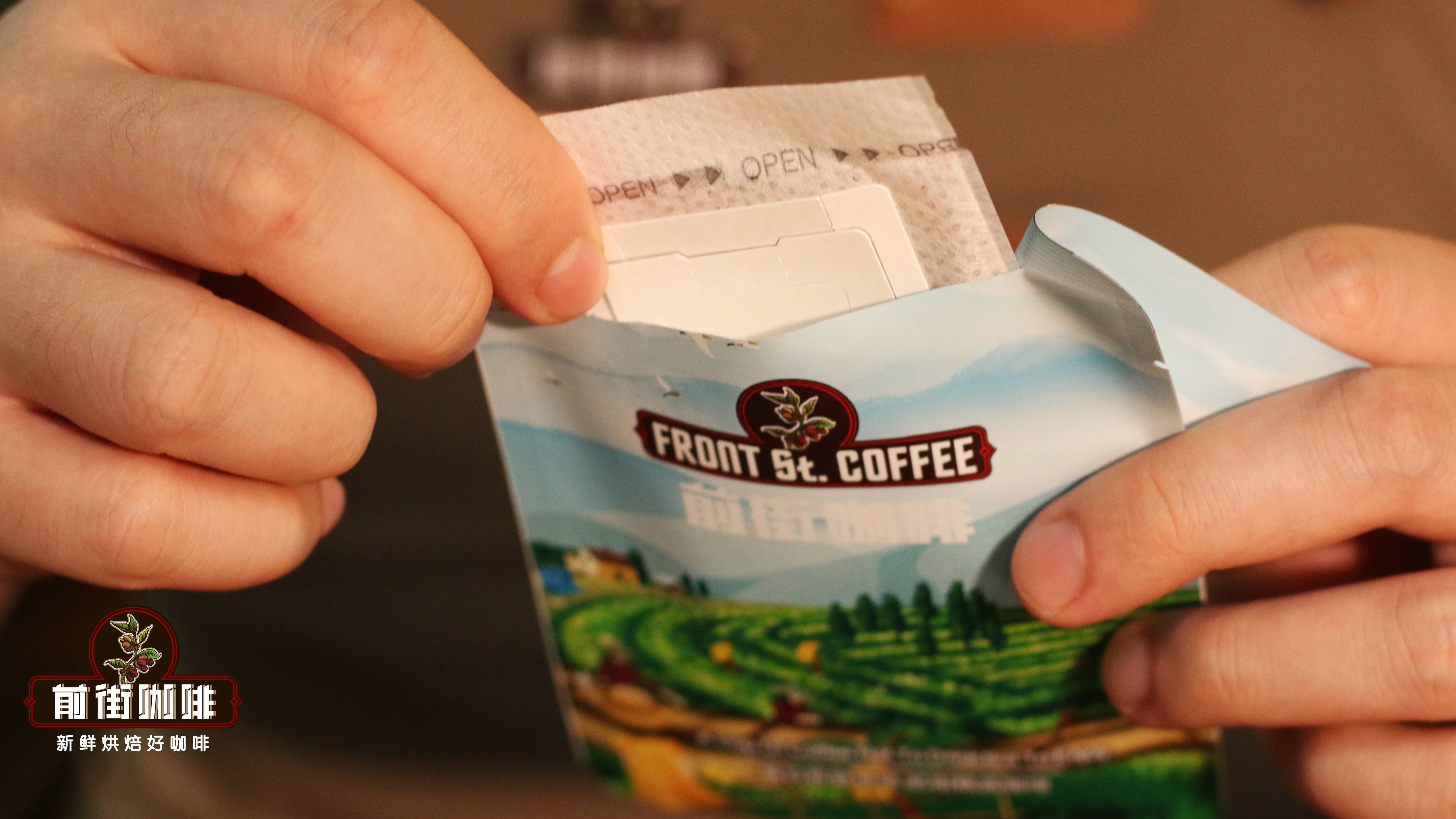
2. Next, determine the amount of water and the water temperature. As with pour-over coffee, it is recommended to use a coffee-to-water ratio of 1:15 to 1:16, and the final coffee liquid should be between 140 and 150 milliliters. A water temperature of 90°C is best; if possible, prioritize using a thermometer or a temperature-controlled kettle. If you do not have professional tools, you can also make a rough judgment—after boiling water, turn off the heat and remove the kettle lid, then let it sit for 2 to 3 minutes at a room temperature of 28°C, and the water temperature will drop to about 90°C.
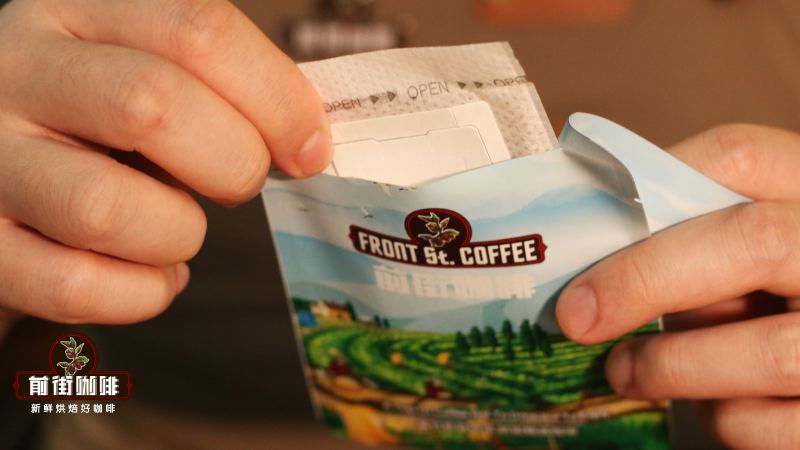
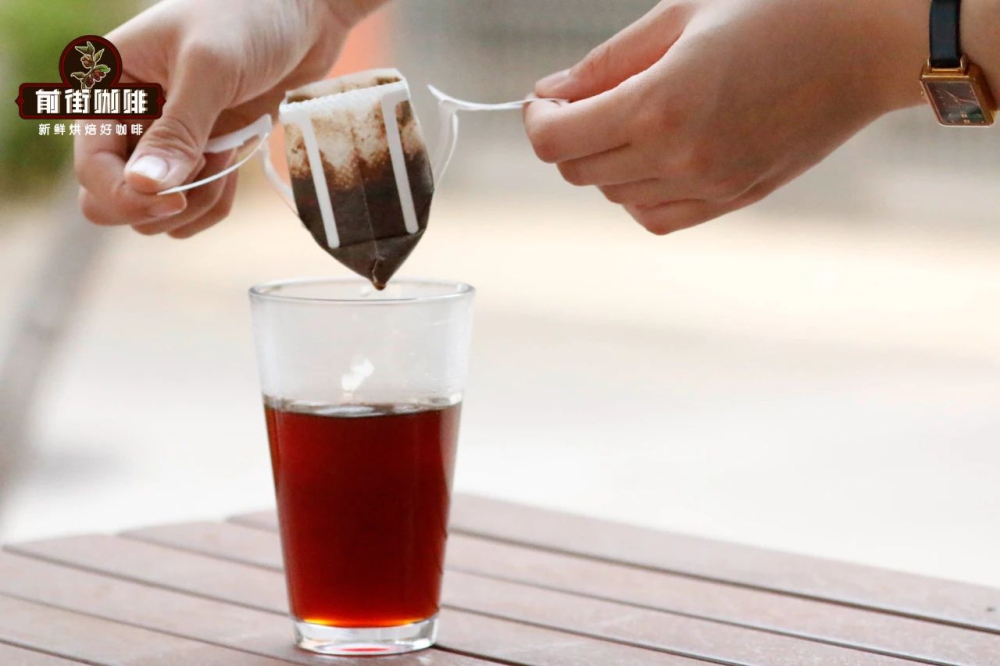
3. Once everything is ready, take out the drip bag and tear open the seal, unfold the "ears" on both sides of the filter bag outward, and rest it steadily on the rim of a mug or cup, then gently shake it to level the coffee bed.
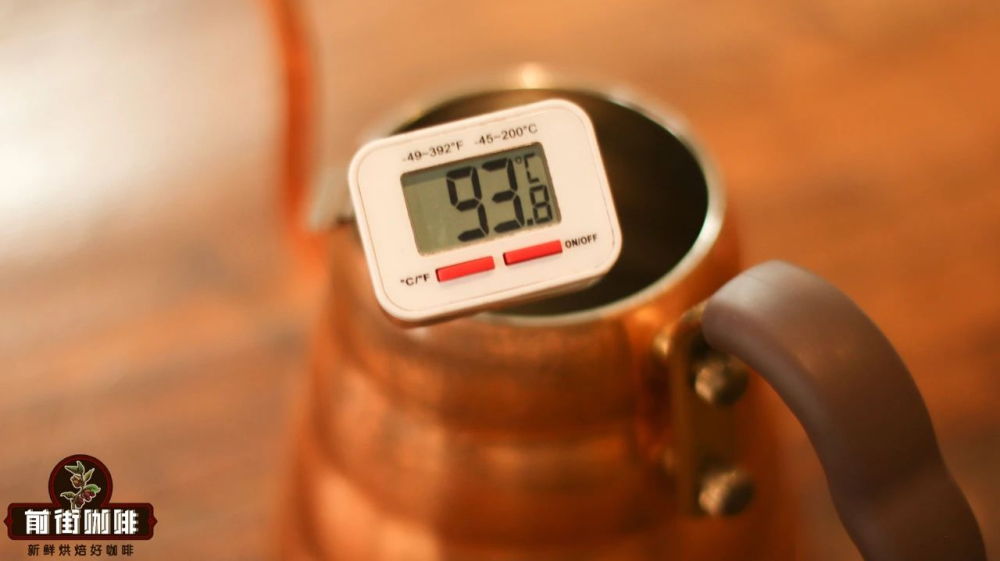
4. For the first pour, simply wet all the coffee grounds evenly, then let it bloom for 30 seconds.
5. After the blooming is finished, begin the second pour, using a thin stream of water in a circular motion to fill it directly, and after the coffee bed sinks slightly, continue adding water to the top. Repeat this process until the coffee liquid in the cup reaches 140 to 150 milliliters, then remove the drip bag and enjoy. If you want the water amount to be more precise, you can also pre-pour 150 to 160 milliliters of water into the pouring kettle, pour all the water from the kettle during brewing, and remove the drip bag after the coffee liquid has fully filtered into the cup. The entire brewing process can be completed in about 1 minute.
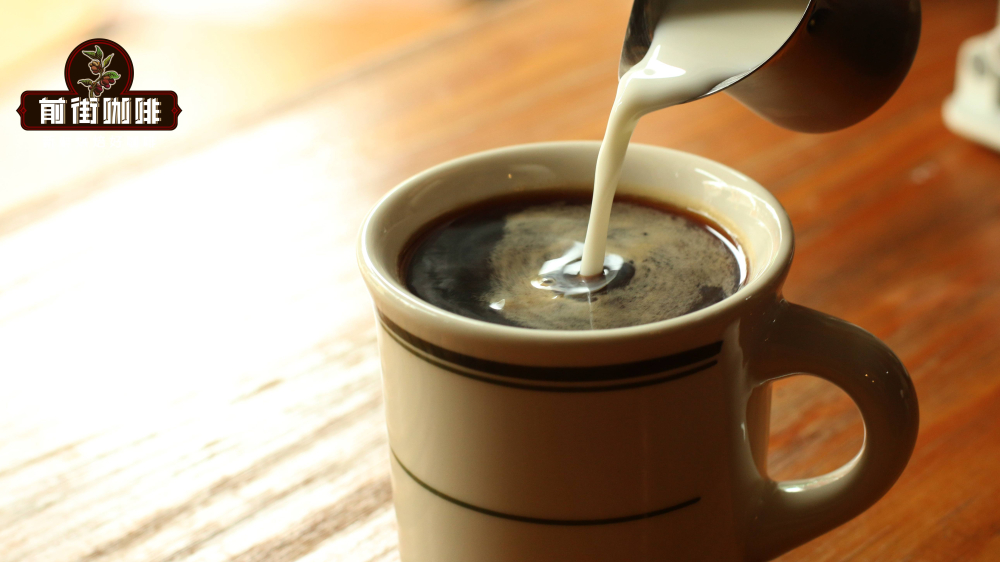
6. After extraction is complete, remove the drip bag together with the coffee grounds, and then you can taste the coffee. You can also add one-third milk according to personal preference, stir well, and then drink it. This preserves the rich aroma of the coffee while adding the silky mouthfeel brought by the milk.
When choosing specialty drip coffee, there are two details worth noting: first, the degree of freshness, and second, whether the flavor is rich.
After roasting is completed, coffee beans continue to release gas, and the aroma continuously dissipates along with it. The best flavor period is usually within 40 days. Once ground into powder, the loss of aroma accelerates noticeably, and after more than 10 days the flavor deteriorates greatly, let alone storing it for more than half a month. For this reason, the coffee beans sold by Front Street Coffee are all freshly roasted within 5 days, and the drip coffee products insist on being ground and shipped fresh, striving to let every customer experience the most ideal aroma performance.
If you want to try drip coffee with more flavors, you might choose the Front Street Coffee self-selected origin series; the rich variety of flavors is enough to cover different people's preferences:
[Front Street Coffee. Sun-dried Huakui Drip Coffee]
In coffee circles, "Huakui" refers to a sun-dried coffee bean from the Sidama Hambela region of Ethiopia, with the full English name "Ethiopia Guji Hambella Buku Abel." Broadly speaking, it is a champion bean from Ethiopia; more specifically, it is a specialty sun-dried lot processed by the Buku Abel processing station in the Hambela region. Huakui has the signature ripe tropical fruit flavor of Sidama sun-dried beans, which is unforgettable, and what won it first place in that year's TOH green bean competition was precisely that rich berry aroma.
[Front Street Coffee 2013. Yunnan Typica Drip Coffee]
Front Street Coffee 2013 comes from Yunnan specialty coffee beans from the Front Street Coffee estate, using the ancient Arabica variety—Typica, and is labeled as Yunnan specialty coffee. Since the Yunnan producing region is not a region with prominent acidity, the overall style tends toward balance, with flavors mainly of nuts and brown sugar. The Front Street roaster uses a medium roast to present Yunnan coffee's balance, nutty and brown sugar sweetness, plum acidity, and soft fruit acidity.
[Front Street Coffee. Yirgacheffe Sun-Dried Red Cherry Drip Coffee]
Ethiopian sun-dried Red Cherry coffee emphasizes the use of fully ripe fruit to obtain the flavor of ripe fruit. After ripe coffee cherries undergo sun-drying treatment, the whole fruit is harvested and placed directly on raised beds to dry, during which the sugars from the pulp and pectin transfer to the innermost seed (that is, the coffee bean). Therefore, Front Street Coffee believes that Ethiopian sun-dried Red Cherry has prominent sweetness, an obvious fermented quality, citrus acidity, a berry-juice-like mouthfeel, and a honey-like finish.
[Front Street Coffee. Brazil Queen Estate Drip Coffee]
This coffee comes from the Mogiana region of Brazil, at an altitude of 1,400 to 1,950 meters. The high altitude and fertile soil create the coffee bean's clear sweetness and rich body. In addition, Brazil's characteristic sun-drying method adds a smooth mouthfeel and fermented quality to the coffee. Front Street Coffee believes it presents sugarcane-like sweetness, nutty and creamy peanut flavors, and the acidity and aroma of fermented fruit.
[Front Street Coffee. Front Street PWN Golden Mandheling Drip Coffee]
Front Street Coffee's Golden Mandheling comes from the well-known Indonesian green bean company PWN. PWN's Golden Mandheling must undergo three rounds of manual sorting and one round of machine sorting, with a specification of 19 mesh and above. In a 300-gram green bean sample, there are fewer than 3 defective beans, the bean appearance is beautiful and uniform, and after roasting the coffee is even cleaner. Front Street Coffee believes that Golden Mandheling has flavors of nuts, spices, herbs, licorice, chocolate, and caramel, with a clean and soft mouthfeel.
Front Street Coffee's bean list offers dozens of single-origin coffees, all of which can be made into drip coffee. Everyone just needs to choose according to their own taste preferences at the Front Street Taobao store or the Front Street Tmall flagship store.
The above content is compiled by CoffeeHunters, a coffee news website.


