







Search Results for: upright method

A Complete Guide to AeroPress Brewing: A Comparison of Operating Steps and Techniques for the Standard and Inverted Methods
The AeroPress looks like a large syringe, yet it is a manual coffee device that combines three extraction principles—immersion, filtration, and pressure—and even has its own competitive tournament. Its structure consists of three parts: the chamber, the filter cap, and the plunger, and brewing can be completed with a round paper filter, a stirrer, and a funnel. The method of use divides into two routes: upright (standard) and inverted. The upright method is intuitive but tends to drip during pouring, while the inverted method offers better stability but requires flipping the chamber. This article will use 15 grams of Front Street Coffee Brazil Queen Estate coffee grounds as an example, with the grind size controlled at 85% passing a No. 20 sieve and a water temperature of 90°C, to break down both extraction processes step by step and compare their respective pros and cons, helping enthusiasts find the method that suits them better. [more…]
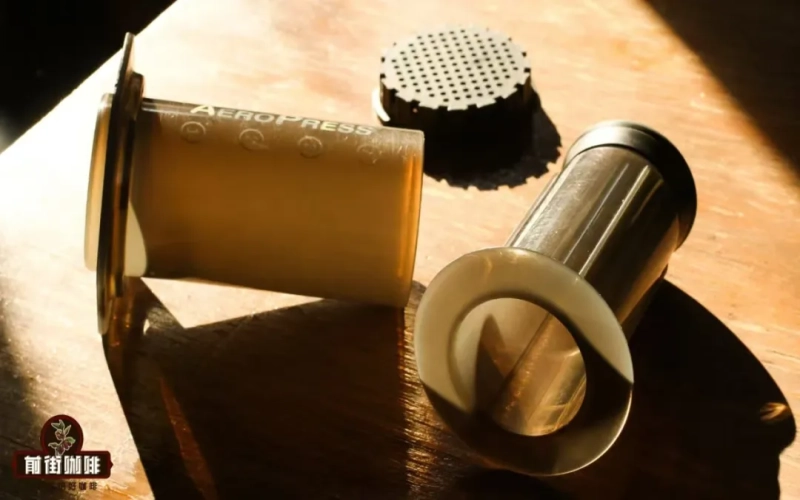
What makes the AeroPress coffee maker unique? A comprehensive analysis of grind size and the standard and inverted brewing methods
The AeroPress, as a flexible and versatile coffee brewing tool, offers coffee enthusiasts a wealth of extraction possibilities. Whether following the officially recommended standard method or choosing the inverted method favored by enthusiasts, countless flavor combinations can be explored by adjusting variables such as grind size, water temperature, coffee-to-water ratio, stirring time, and pressing force. Because of this versatility, official AeroPress competitions are held every year for enthusiasts to test their skills. This article, from the perspective of Front Street, will analyze why inverted extraction is more sought after, while also detailing the definitions, grinding requirements, and complete operating procedures for both the standard and inverted methods. [more…]
AeroPress Brewing Guide: The Principle Differences Between Standard and Inverted Methods and an Analysis of Enthusiast Preferences
The AeroPress is a coffee brewing device born out of a desire for simplicity, created by an inventor weary of cumbersome brewing routines. By combining immersion, stirring, and pressing, it allows users to obtain a rich, flavorful single-origin coffee in a very short操作 time. The AeroPress is highly versatile: it can be used with the officially recommended upright (standard) method, or with the inverted method by flipping the chamber, and by adjusting grind size, water temperature, coffee-to-water ratio, and stirring time, a wide variety of brewing recipes can be developed. Interestingly, although the official recommendation is the upright method, most enthusiasts prefer the inverted method. Front Street Coffee will explain in this article what upright and inverted mean, and discuss why the inverted method is more popular. [more…]
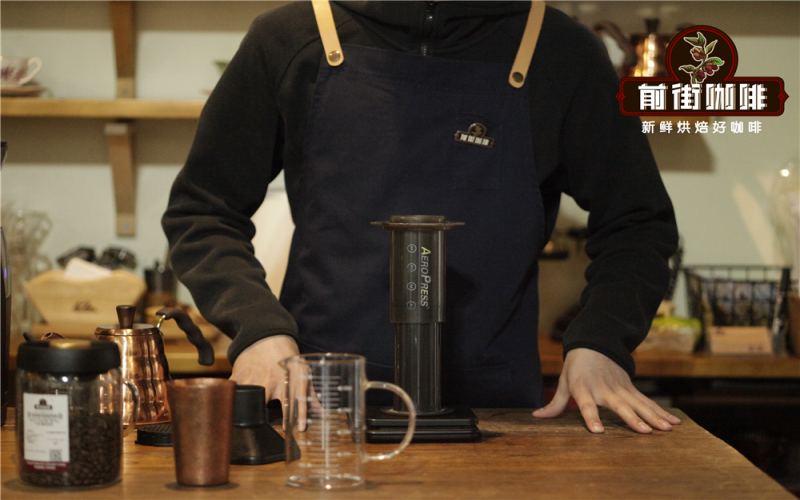
AeroPress Coffee Brewing Guide | What Is the AeroPress Coffee Extraction Principle? How Can Coffee Beginners Make Black Coffee with an AeroPress?
For more specialty coffee knowledge, please follow our WeChat official account: Front Street Coffee (FrontStreet Coffee). The AeroPress looks like a syringe; without really looking into it, you wouldn't think it's a coffee brewing device, and if you do look into it seriously, you'll also discover that there are competitions specifically for brewing with the AeroPress. [more…]
AeroPress Standard vs. Inverted Method Comparison Review: Operational Differences, Flavor Performance, and Equipment Differences from the French Press
The AeroPress is a coffee brewing device that is simple to operate yet offers a wide variety of brewing methods. The official recommendation is the standard (upright) method, but most enthusiasts prefer the inverted method. Through a comparative experiment conducted by Front Street Coffee using Geisha Village Chaka beans, this article provides a detailed analysis of the differences between the standard and inverted methods in terms of operation flow, extraction time, and flavor performance, and explains why the inverted method is more favored. At the same time, the article also compares the AeroPress with the French press, helping readers understand the differences between the two devices in extraction principles and suitable scenarios, providing a reference for daily brewing. [more…]
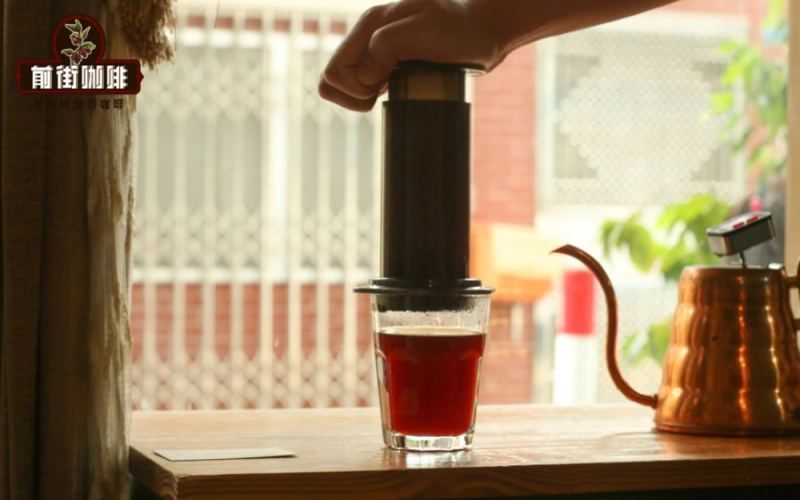
Complete Guide to AeroPress Brewing: From WAC Competition to Front Street Kenya Inverted Method Practice Guide
The AeroPress was invented by the Aerobie company, yet unexpectedly became a darling of the specialty coffee world, even giving rise to its own world championship, the WAC. It uses manual pressure to quickly produce a full-bodied cup, and combines portability, easy cleaning, and high playability. This article walks you through the AeroPress's origins, how it differs from the French press, the growth of the WAC competition, and shares a complete inverted brewing method using Front Street Coffee's Kenya Little Tomato beans, including dose, grind size, water temperature, and timing parameters, so you too can easily recreate a cup full of juicy fruitiness at home. [more…]
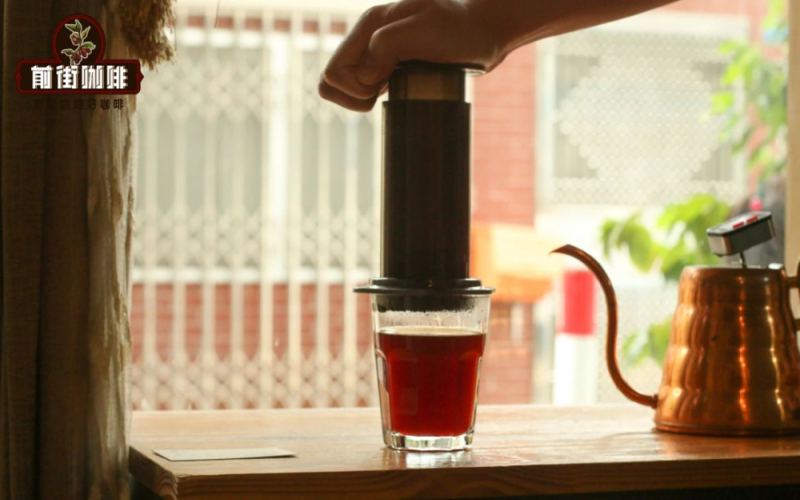
The Origins of the AeroPress | Why Is the AeroPress So Popular Among Coffee Lovers? What Flavor Characteristics Does AeroPress Coffee Have with Different Brewing Methods?
For more specialty coffee knowledge, please follow our WeChat official account: Front Street Coffee (FrontStreet Coffee). The AeroPress is not just a passing fad; its appearance is quite unlike typical brewing equipment, and the company that invented this brewing device doesn't even have coffee equipment as its flagship product. [more…]
A Detailed Guide to Siphon Coffee Brewing Parameters: Extraction Key Points, Historical Origins, and a Comprehensive Analysis of Pros and Cons
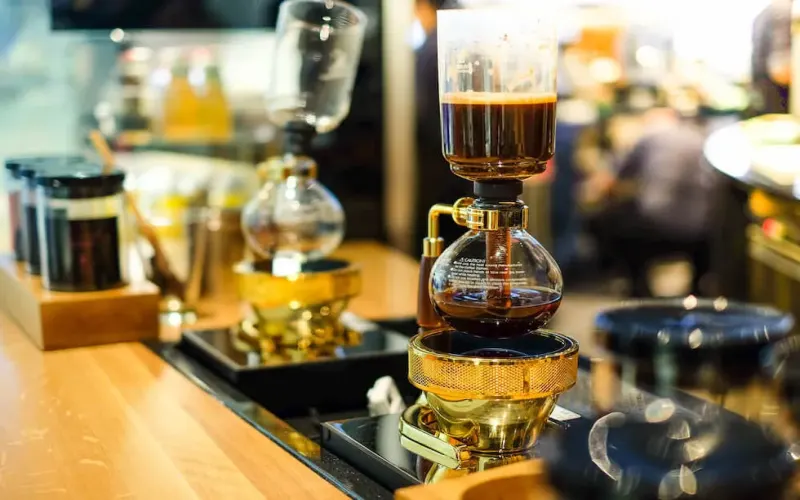
As a coffee brewing device with a long history, the siphon pot offers both an visually captivating brewing process and a distinctive flavor expression. This article systematically traces the origins and spread of the siphon pot, explains in detail the brewing parameters recommended by Front Street Coffee—including grind size, coffee-to-water ratio, extraction time, and stirring technique—and objectively analyzes the advantages and limitations of siphon coffee compared with pour-over coffee, exploring its place and playful possibilities in today's specialty coffee context. [more…]
For the same Blue Mountain beans, what flavor differences appear when brewed with a siphon pot versus pour-over?
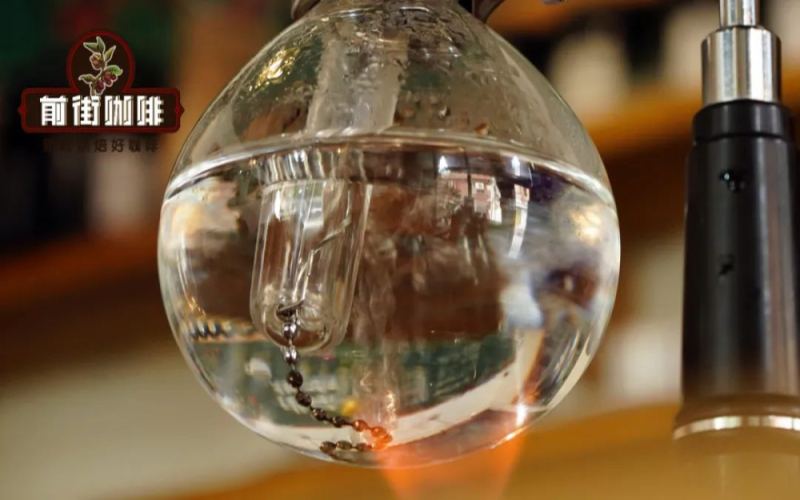
At a time when pour-over coffee is all the rage, the siphon brewer has quietly returned to the menus of many coffee shops in recent years. Does it win people over with flavor, or is it just a retro revival? This article begins with the origins and rise and fall of the siphon brewer, tracing its journey from a prototype in the laboratory to fame in Japan and then to its decline amid the light-roast trend of specialty coffee. It also uses the same Jamaica Blue Mountain No. 1 beans to conduct pour-over and siphon brewing experiments, comparing the differences in grind size, coffee-to-water ratio, water temperature, and stirring technique between the two methods. Finally, it tastes the similarities and differences between the two from the perspectives of flavor and mouthfeel, helping you understand exactly where the siphon brewer and pour-over differ. [more…]
A Complete Beginner's Guide to Pour-Over Coffee: A Hands-On Tutorial from Stance and Water Flow to the Extraction Process
Pour-over coffee, with its simple operation, easy-to-manage equipment, and ability to fully showcase coffee's vibrant aromas and clean taste, has become the preferred brewing method for many enthusiasts. However, behind the seemingly simple act of pouring water lie strict requirements for details such as water temperature, extraction time, water flow rate, and blooming rhythm. This article systematically outlines the fundamental operating standards of pour-over coffee—from stance adjustment, kettle-holding techniques, and the three-part water flow practice to the complete brewing process—helping beginners build a solid foundation and gradually achieve stable, gentle extraction. [more…]
A Beginner's Guide to Pour-Over Coffee: A Systematic Practice Method from Stance to Pouring
Beginners to pour-over coffee often encounter this困扰: a hand-pour kettle that is originally lightweight feels as heavy as a thousand pounds in the hand, water flow control is far from as effortless as imagined, and after a slightly longer pouring time, the arm begins to ache and tremble. The root of these problems lies partly in insufficient practice, and partly in not yet having found a suitable way to exert force and body posture. Although everyone's height, body type, and operating habits differ, and there is no universally standard posture, mastering the basic action essentials and then adjusting them according to one's own conditions can greatly improve practice efficiency. This article compiles a set of introductory methods for beginner pour-over posture, covering equipment preparation, standing posture adjustment, kettle-gripping technique, pouring practice, and the complete extraction process, for coffee lovers' reference. [more…]
Aeropress Brewing Complete Analysis: From Equipment Principles and WAC Competitions to Front Street Coffee Kenya Inverted Method Practical Parameters
The AeroPress, a uniquely shaped brewing device, came from a company best known for flying discs, yet after its launch in 2005 it quickly took the specialty coffee world by storm, even spawning a dedicated World AeroPress Championship (WAC) and a documentary. With its manual pressure, fast brew times, and easy portability and cleanup, it has become a daily choice for many coffee lovers. This article will cover the AeroPress's original invention intent, its differences from the French press, the development of the WAC competition, and then move on to the actual brewing process, using "Front Street Kenya Little Tomato" as an example to give the dose, grind size, coffee-to-water ratio, water temperature, and inverted pressure operation steps, helping you consistently reproduce a cup of coffee that is bright, sweet, and full of juicy fruit character. [more…]
Complete Guide to Siphon Coffee Brewing: From Working Principles to Front Street Blue Mountain No. 1 Practical Parameters
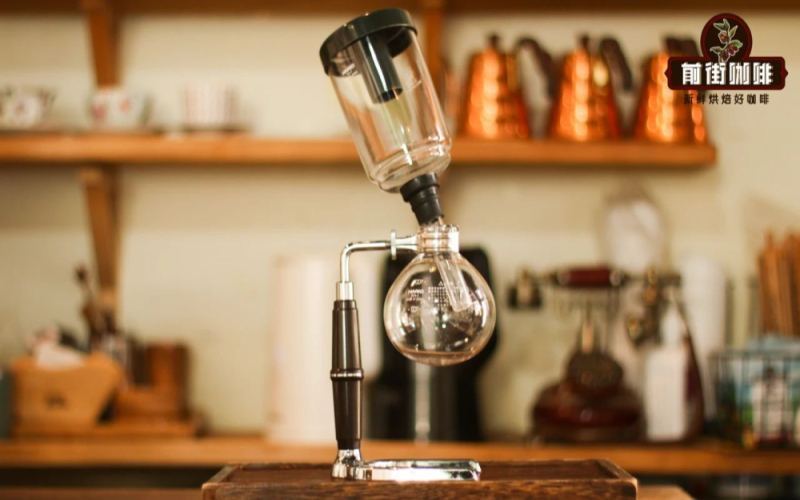
The siphon pot, also known as the syphon, is a brewing device with a long history that has nevertheless remained active on the coffee stage. It uses changes in gas pressure to drive hot water upward and draw the coffee liquid back down. As an immersion-style extraction method, it can more fully bring out the layers and richness of flavor. This article begins with the origin and working principle of the siphon pot, then gradually breaks down the key steps in the brewing process, including heat intensity, water temperature, grind size, and stirring. Using the medium-dark roasted Front Street Jamaica Blue Mountain No. 1 as an example, it provides a specific method with a coffee-to-water ratio of 1:14, a water temperature of about 88°C, and an extraction time of about 60 seconds, helping coffee lovers reliably recreate at home a cup of siphon coffee that is rich, balanced, and has a long-lasting sweet aftertaste. [more…]
Why is siphon coffee gradually being replaced by pour-over? And which is the most well-known siphon brand in Japan?
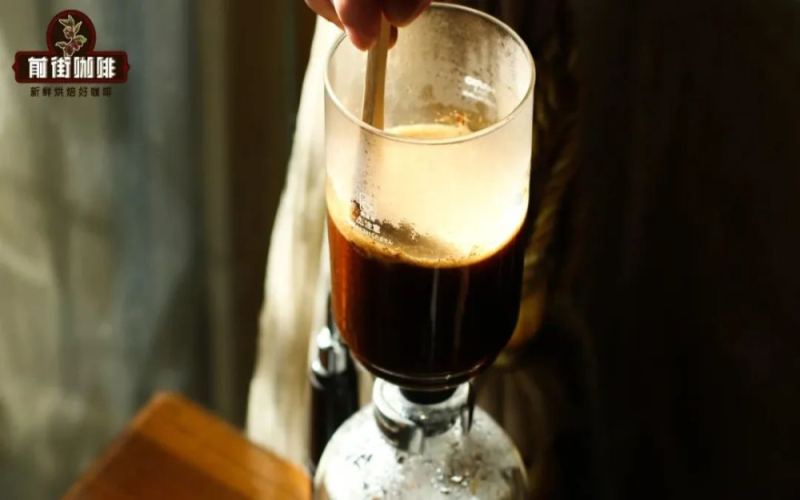
The siphon pot, once a staple of specialty coffee shops, now seems to be quietly fading into the background. This brewing device, with its distinctly laboratory-like air, predates pour-over coffee by nearly a hundred years, and it was in Japan that it truly flourished, giving rise to a unique Japanese siphon aesthetic. Yet, in an era where fruity acidity has become mainstream and efficiency is paramount, why has the siphon pot lost out to pour-over? And who is Japan's most renowned siphon pot brand? This article will take you through the origins and popularity of the siphon pot, analyze the core reasons it was replaced by pour-over, and preserve Front Street's observations and recommendations regarding this classic device. [more…]

Coffee Beginner Learning Essentials | What Are the Common Home Coffee Brewers? Which Brewing Methods Suit Different Roast Levels? Which Coffee Brewer Is Recommended for Beginners?
For more specialty coffee knowledge and tips, follow Front Street Coffee (FrontStreet Coffee). Making coffee at home is actually not all that complicated—it basically comes down to your needs and budget. Coffee is a beverage, and in nature it's almost the same as tea. Many of us [more…]
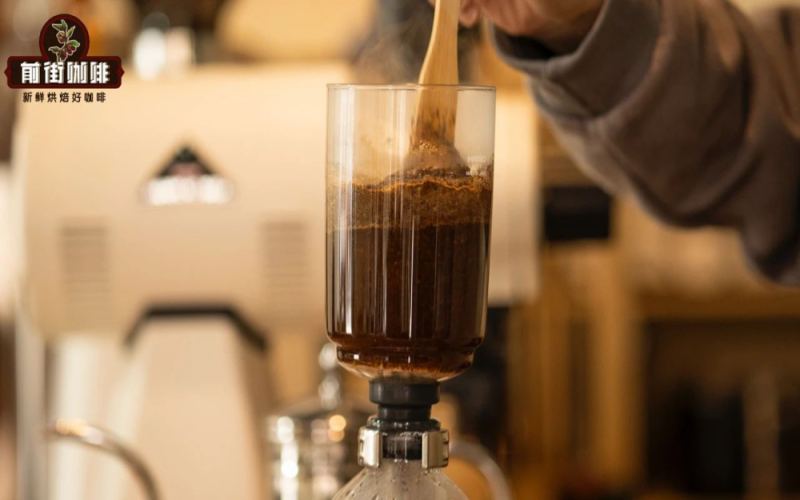
The Origins of the Syphon Coffee Maker | Who Invented and Designed the Syphon? What Are the Flavor Characteristics of Syphon Coffee and Pour-Over Coffee?
The appearance of the siphon coffee maker is just like the scientific instruments of scientists from hundreds of years ago seen in history books, with a classical aura. In fact, the siphon coffee maker really has a history of about 200 years. Who designed and invented siphon coffee? The basic principle of the siphon coffee maker is to use the phenomenon of vacuum siphon. [more…]
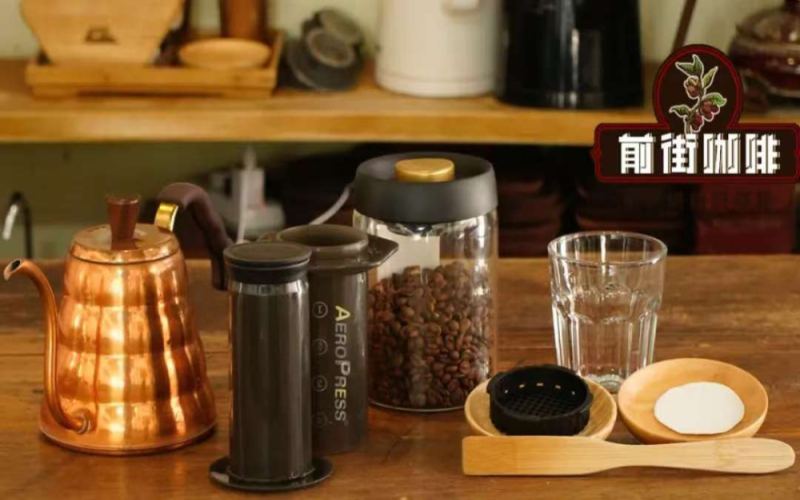
Coffee Brewing Equipment | What is an AeroPress? Where did the AeroPress come from? How can coffee beginners brew coffee with an AeroPress?
"Boss, the funnel you use for pouring beans looks pretty unique—where'd you buy it?" "It's just something that came free with the AeroPress." Only then did I remember that in a corner of Front Street Coffee, there was a long-dust-covered AeroPress. Its syringe-like shape makes it hard to imagine that it's a brewing device. There's even a dedicated AeroPress brewing competition, which [more…]
The Complete Guide to AeroPress Coffee: Understanding the Key Steps from Grind Size to Water Temperature and Ratios
With its unique syringe-like construction and manual pressure extraction method, the AeroPress has become a convenient choice for making coffee at home. This device, invented in 2005 by Stanford University lecturer Alan Adler, was not born in a corporate laboratory, but rather grew out of the inventor's own dissatisfaction with the flavor of his home-brewed coffee. This article will provide a complete breakdown of how to use the AeroPress, from its components and operating steps to cleaning and maintenance, and explain how to control strength by adjusting the amount of water and coffee grounds, so that you can easily make a cup of espresso-style concentrate at home that suits your personal taste. [more…]
Pour-Over Coffee Beginner's Guide: Complete Step-by-Step Tutorial from Filter Folding to Pouring Techniques
Pour-over coffee is known for its clean taste and alluring aroma, and the brewing process is especially elegant. Many people mistakenly believe this brewing method originated in Japan, but it actually originated one hundred percent in Europe—Melitta Bentz of Germany invented the original filter paper and dripper in 1908. This article will start with the historical origins, then teach you step by step the basics of filter paper folding, coffee grinding, water temperature selection, pouring technique, and coffee-to-water ratio. The process isn't complicated, and you don't need much equipment—after reading this, you'll be able to make a cup yourself. [more…]
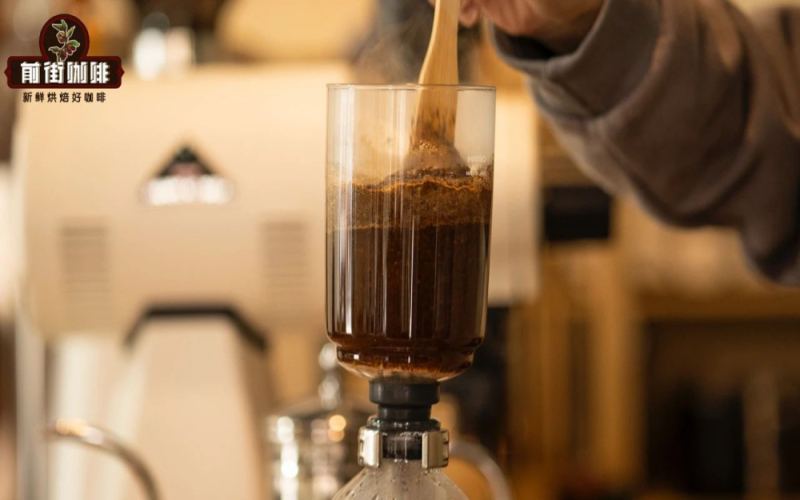
Is siphon coffee good? A complete interpretation from its invention history to the flavor characteristics of the siphon pot.
The siphon coffee maker has a classical design, reminiscent of the scientific instruments found in laboratories a century ago, and it has a history spanning approximately two centuries. It uses the principle of vacuum siphoning to extract coffee, and its higher extraction temperature allows it to quickly release the essence of the coffee, delivering a fuller body and a more pronounced bitterness. This article will guide you through the origins of the siphon brewer, the story behind its name—why it is also called the "siphon pot"—and its flavor characteristics. For coffee enthusiasts who pursue a rich, full-bodied taste, the stainless steel filter or flannel cloth brewing methods recommended by Front Street Coffee can better preserve the coffee oils and showcase the uniquely smooth texture of the siphon brewer. [more…]