







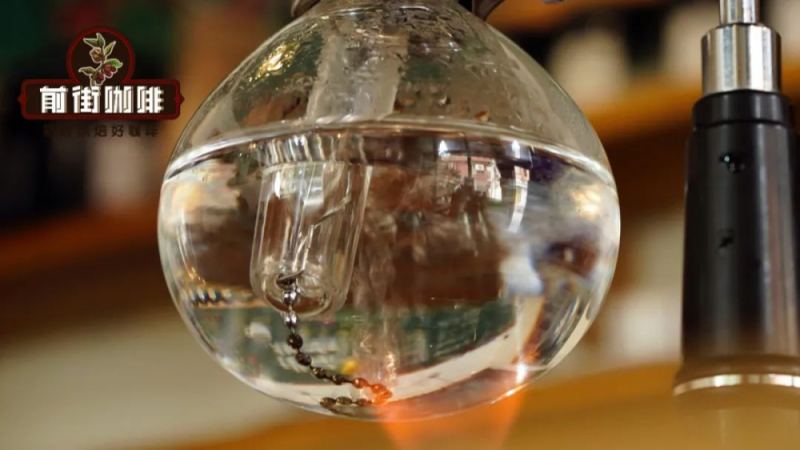
How does coffee brewing differ between a siphon pot and pour-over?
Brewing the same Jamaican Blue Mountain No. 1 beans in a siphon pot and by pour-over produces two clearly different cups. The siphon needs a coarser grind, slower work and stirring, while the pour-over is quicker and simpler. The two methods part ways in body and aroma rather than in the bean itself.
The siphon pot dates to an 1840s glass-tube prototype, was refined in France two years later, and then rose to prominence in Japan after Kono launched an upright model in 1924. Its influence later spread to Hong Kong, Taiwan and the mainland. Blind comparison of the two brews shows where blue mountain coffee taste holds its characteristic balance and where each method shifts it.
At a time when pour-over coffee is all the rage, the siphon pot has quietly made its way back onto the menus of many coffee shops in recent years. Does it win people over with flavor, or is it merely a retro revival? This article begins with the origin and rise and fall of the siphon pot, tracing its journey from a laboratory prototype to fame in Japan, and then to its decline amid the light-roast trend of specialty coffee. It also uses the same Jamaican Blue Mountain No. 1 beans to conduct separate pour-over and siphon brewing experiments, comparing the differences in grind size, coffee-to-water ratio, water temperature, and stirring technique between the two methods. Finally, it tastes the similarities and differences between the two from the perspective of flavor and mouthfeel, helping you understand exactly where the siphon pot and pour-over differ.
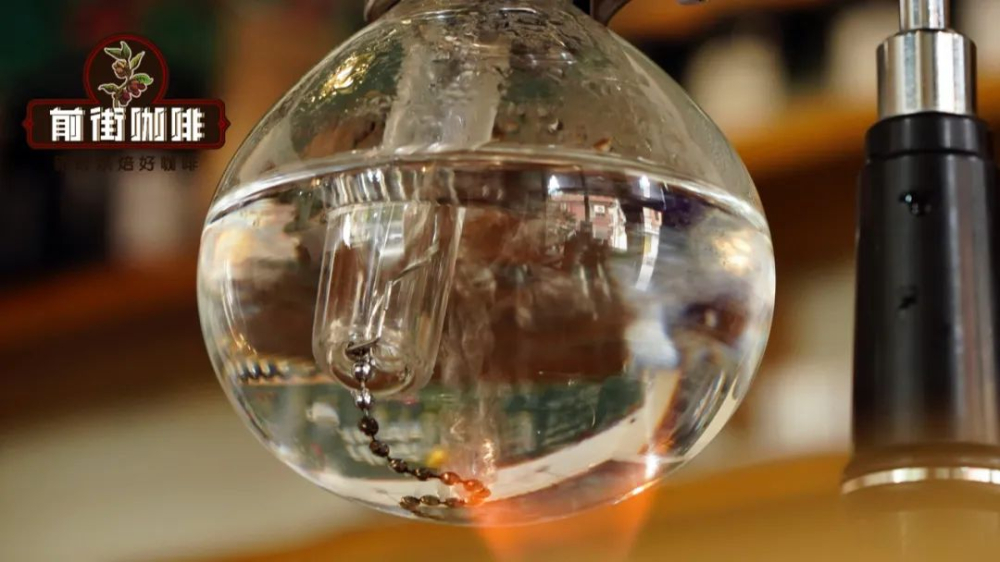
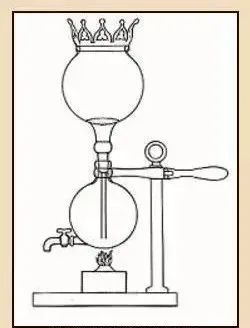
By comparison, pour-over coffee, which belongs to the single-origin coffee camp, is obviously much less hassle and far quicker. So then, is this resurgence of the siphon pot truly because it has outstanding qualities in terms of flavor, or is it simply a retro movement? Step into Front Street Coffee's explanation, and Front Street will take you to find out! Siphon Pot The siphon pot is also called a "syphon." Opinions differ on its origin, but the most widely known account is this: in the 1840s (1840), an Englishman named Loeff used glass test tubes from a laboratory to create the prototype of the siphon pot—a vacuum coffee maker. Two years later (1842), Madame Vassieux of France improved upon it, and thus the first upright siphon pot with upper-and-lower convection was born! However, for quite a long period afterward, the siphon pot did not make much of a splash in France. It was only when it was brought to Japan that its path to fame truly began.
In 1924, the famous equipment manufacturer "Kono" launched an upright siphon pot. As it happened, the siphon pot requires slow, meticulous work to extract a rich, aromatic cup of coffee, and Japanese people were deeply influenced by the spirit of craftsmanship. The two were a perfect match, and the siphon pot quickly rose to become one of the most sought-after coffee brewing devices in Japan at the time! This craze soon spread from Japan to Hong Kong and Taiwan in our country, and then into the mainland, with its popularity lasting for a long time. It was not until specialty coffee became widespread that people no longer limited themselves to traditional dark-roasted coffee and instead fell in love with the sweet-and-sour flavors brought by light roasting. As a result, the siphon pot, which leaned toward dark-roast brewing, gradually faded from view and was replaced by the simple and quick pour-over coffee.
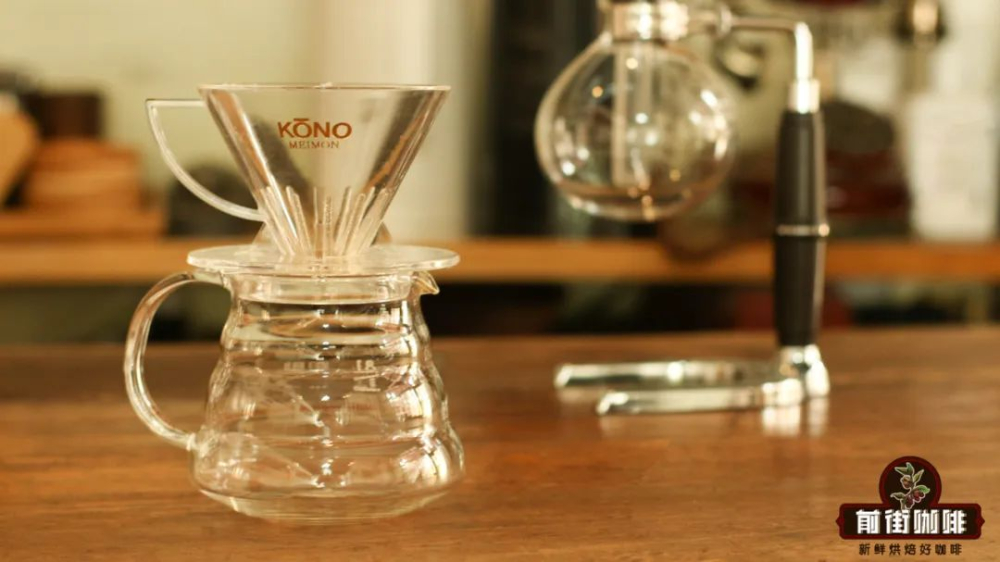
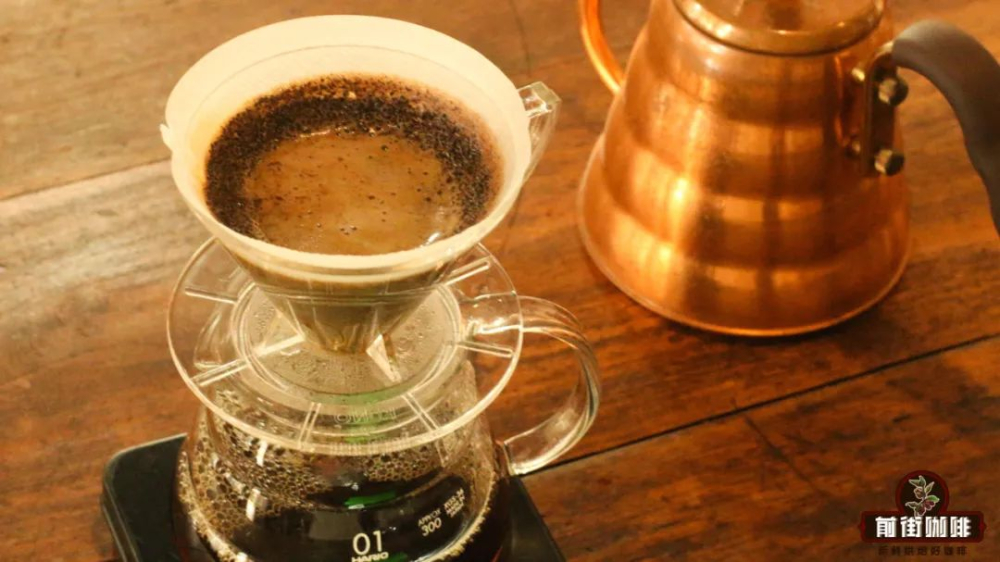
But recently, more and more coffee shops have reintroduced the siphon pot option, which naturally makes people curious: what exactly is the difference between coffee made with a siphon pot and pour-over coffee? Next, let's do a comparison to see what difference there is when the same beans are brewed using the two methods! Brewing Experiment The beans selected for this experiment are: Jamaican Blue Mountain No. 1. Since the siphon pot is more suited to extracting dark-roasted beans, we chose the coffee emperor of the year—Blue Mountain No. 1—as the beans for this comparison! Pour-Over Coffee Brewing Parameters Dose 20g, coffee-to-water ratio 1:15 (300ml hot water), water temperature 88°C, grind at Ek43 setting 10.5, 75% passing rate through a No. 20 sieve, dripper: Kono, brewing method: three-pour.
First, bloom with twice the coffee dose in water (40ml) for 30 seconds, then slowly pour in 140ml of hot water in a large circular motion. When the water level is almost at the bottom, pour in all the remaining 120ml of hot water in a small circular motion, and once it has finished draining, it's ready! Siphon Pot Brewing Parameters: Dose 20g, coffee-to-water ratio 1:12 (240ml hot water), grind at Ek43 setting 9, 90% passing rate through a No. 20 sieve, stirring method: cross stirring.
After all the hot water in the lower pot has been drawn up into the upper pot, pour in all the coffee grounds! Use a stirring rod to press the grounds into the water and let them steep for 25 seconds, then stir for 7 seconds. When the time reaches 55 seconds, turn off the heat source, then stir for a final 5 seconds, and wait for the coffee liquid to flow back! For the specific steps, you can click into the article "Analysis of Siphon Pot Coffee Operation" to learn more~ Tasting Time The Blue Mountain brewed by pour-over tastes quite balanced, with nuts, cream, chocolate, plus a long-lasting sweet aftertaste, and a relatively high body. The Blue Mountain made with the siphon pot has a flavor on par with pour-over, with rich chocolate, nut, and spice notes, also carrying a long-lasting sweet aftertaste. The more obvious difference is that the pour-over Blue Mountain leans more toward balance, while the Blue Mountain made with the siphon pot has a rounder mouthfeel. Each has its own merits.
Front Street Coffee (FrontStreet Coffee)
No. 10 Baoqian Street, Yandun Road, Dongshankou, Yuexiu District, Guangzhou, Guangdong Province
The above content is compiled by CoffeeHunters, a coffee news website.


