







How Does Siphon Coffee Brewing Work?
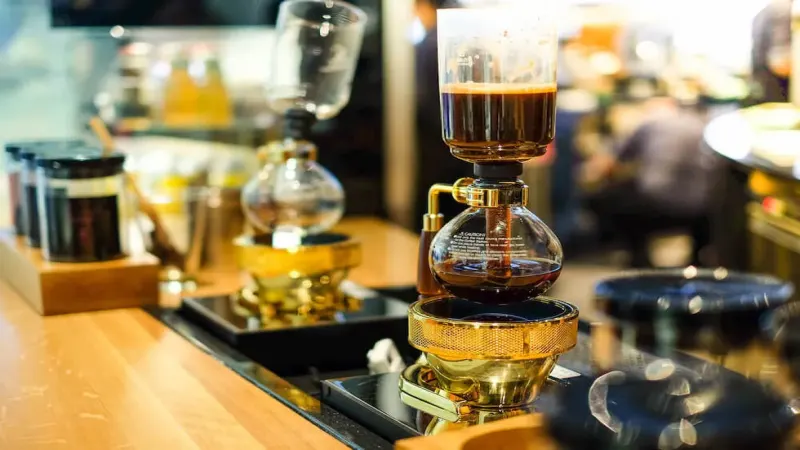
Siphon coffee brewing uses vapor pressure to push hot water into an upper chamber, where it mixes with ground coffee before returning to the lower chamber through a filter. The method relies on four main variables: grind size, coffee-to-water ratio, extraction time, and stirring technique. Because the brewer offers clear visual feedback at every stage, it remains a practical way to control extraction and a popular choice in specialty coffee settings.
The history of siphon coffee reaches back to the 1840s, when an early upright design was improved in France. Japanese maker KONO released its own upright version around 1924 to 1925, and that form shaped most later models. Spread through Japanese coffee culture into Hong Kong, Taiwan, and the mainland, the brewer became known for full-bodied aroma and a ceremonial brewing process that many cafes still use today.
As a coffee brewing device with a long history, the siphon pot offers both visual appeal and unique flavor expression in its extraction method. This article systematically sorts out the origin and spread of the siphon pot, explains in detail the brewing parameters recommended by Front Street Coffee—including grind size, coffee-to-water ratio, extraction time, and stirring technique—and objectively analyzes the advantages and limitations of siphon coffee compared with pour-over coffee, exploring its positioning and fun uses in today's specialty coffee context.
Siphon Coffee Culture
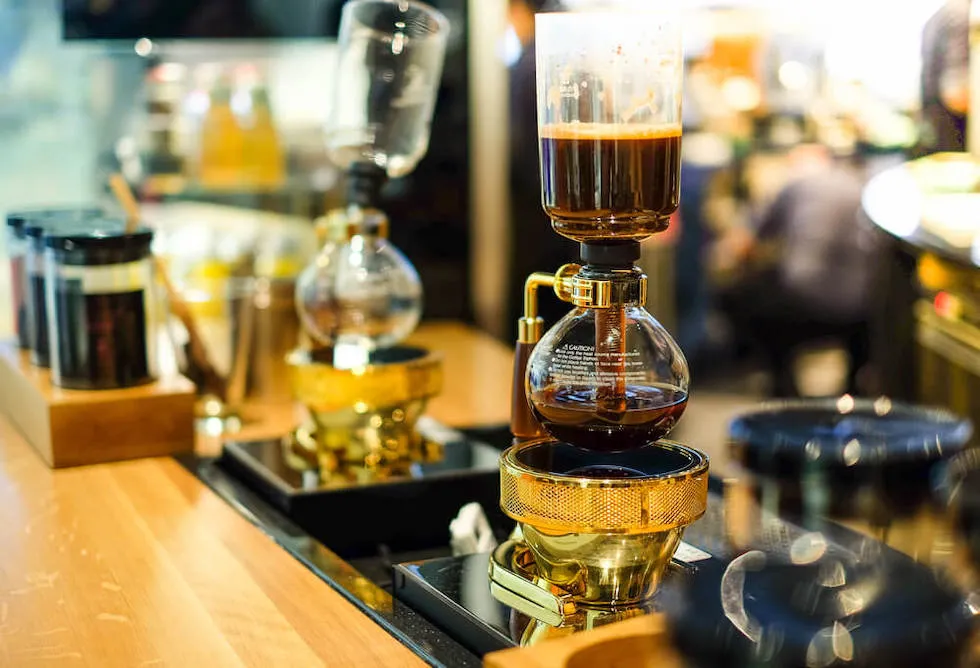
The siphon pot appeared far earlier than pour-over coffee, with a gap of more than a century between them. If we do not count the early, still-immature prototypes, the first upright siphon pot was born after being improved by Madame Vassieux of France in the 1840s. By 1924 to 1925, the well-known Japanese siphon pot manufacturer KONO also launched its own upright siphon pot. It can be said that this company established the basic form of the siphon pot in East Asia, and most later products were derived from KONO's design.
The siphon pot's ability to become widely popular was inseparable from the overseas spread of Japanese coffee culture. In the previous century, Japanese-style coffee emphasized rich aroma and a full-bodied mouthfeel, and the siphon pot happened to excel at fully releasing coffee's fragrance and full texture. This trend spread from Japan to Hong Kong and Taiwan, and then into the mainland, shaping the coffee memories of an entire generation.
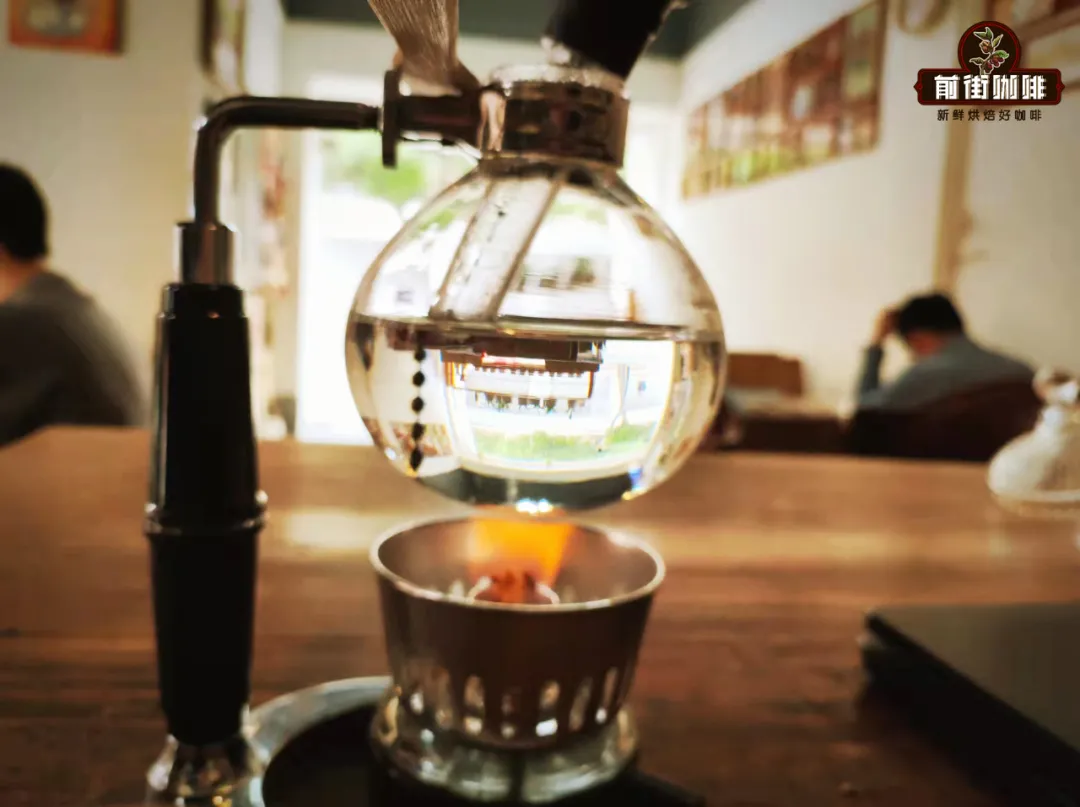
The elegant and ritualistic movements of brewing with a siphon pot are likewise deeply favored by cafes. Light the halogen stove, watch the water gradually heat and boil, be pushed by air pressure into the upper chamber, and the barista calmly stirs with a stirring rod, after which the coffee liquid slowly returns to the lower chamber. The entire process is highly visually appealing and makes people feel relaxed.
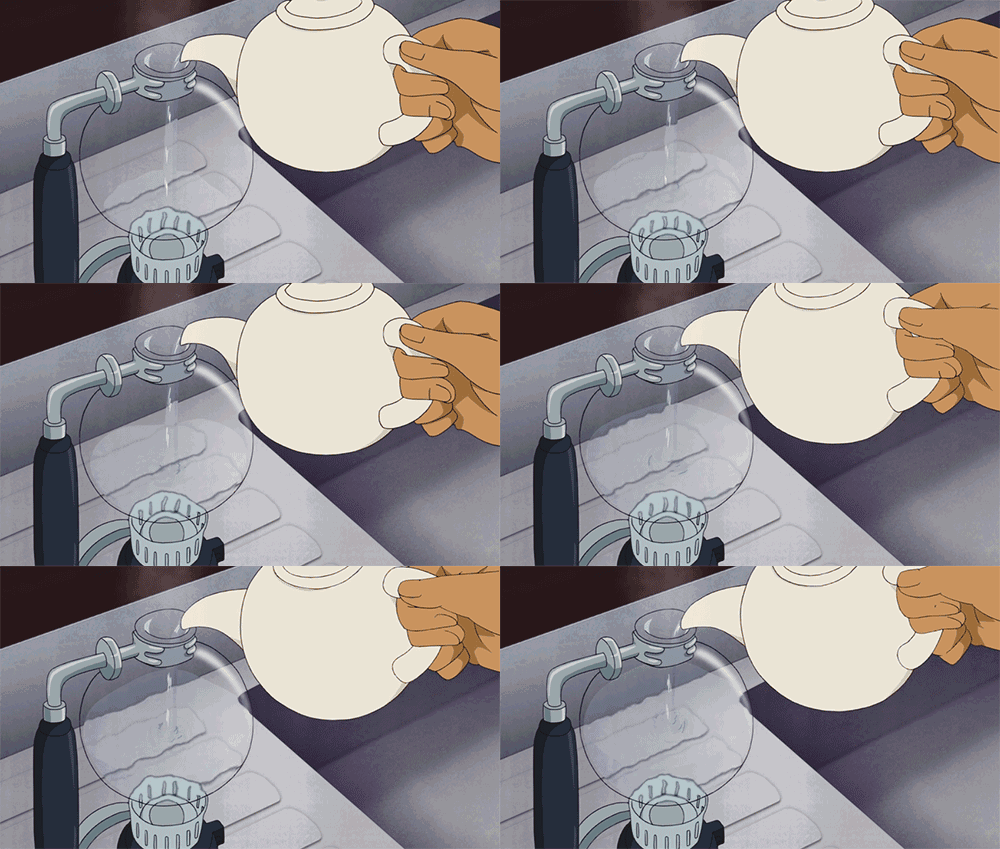
In addition, the siphon pot does not have a high barrier to operation, so many ordinary households also buy a set. Take my cousin's family as an example. About seven or eight years ago, when pour-over coffee was not yet so popular, my cousin, who had just returned from studying abroad, spent a large sum of money to equip a full set of utensils so he could drink coffee at home, and the only device used to brew coffee among them was a siphon pot.
In some early Japanese and Taiwanese film and television works, I often saw a scene that surprised me quite a bit: when guests came to the home, the host would brew coffee on the spot with a siphon pot to entertain them (at that time, having grown up watching Hong Kong dramas, my impression was that brewing coffee at home meant nothing more than a drip coffee machine or a small fully automatic espresso machine).
"Front Street Coffee Siphon Coffee Sharing: Choose medium-dark roasted coffee beans, with a grind size finer than pour-over (90% passing through a No. 20 sieve), and a coffee-to-water ratio of 1:12, that is, for two servings, use 20 grams of coffee with 240 milliliters of water, and control the extraction time at 50 to 60 seconds. After the water is drawn into the upper chamber, pour in the coffee grounds and use a stirring rod to press the grounds into the water to ensure all coffee grounds are fully saturated. At 25 seconds, stir the coffee bed for 7 seconds so that the bed is divided into three layers (oil, coffee grounds, water). At 55 seconds, turn off the heat source, stir for a final 5 seconds, and then wait for the coffee liquid to return to the lower chamber and it is done."
Is Siphon Coffee Outdated?
In 2003, the SCAJ of Japan held the first Japan Siphonist Championship, and in 2009 it also held the first World Siphonist Championship (WSC). From this it can be seen that siphon coffee had by then radiated from Japan to East Asia, but its influence was basically limited to this region. Compared with the World Barista Championship and the World Brewers Cup, its level of attention is noticeably lower.
Front Street Coffee believes that there are two main reasons why pour-over coffee was able to replace the siphon pot's position. First, the mainstream preference in coffee flavor shifted from heavy and rich to floral and fruity, just as Geisha replaced Blue Mountain and Kopi Luwak. The siphon pot's extraction method is somewhat lacking in showcasing the explosively rich floral and fruity aromas of light-roasted coffee, as the saying goes, "the new wave pushes the old wave forward."
Second, pour-over coffee is far superior to the siphon pot in convenience, especially in the cleanup afterward. If used in a shop with a relatively high volume of orders, producing drinks with a siphon pot would only be more time-consuming and labor-intensive.
However, the siphon pot actually offers quite a rich range of uses. For example, we can use it to cook instant noodles—although the taste may not necessarily be better, visually it immediately becomes much more upscale. When it comes to eating, what people want is just a good mood.
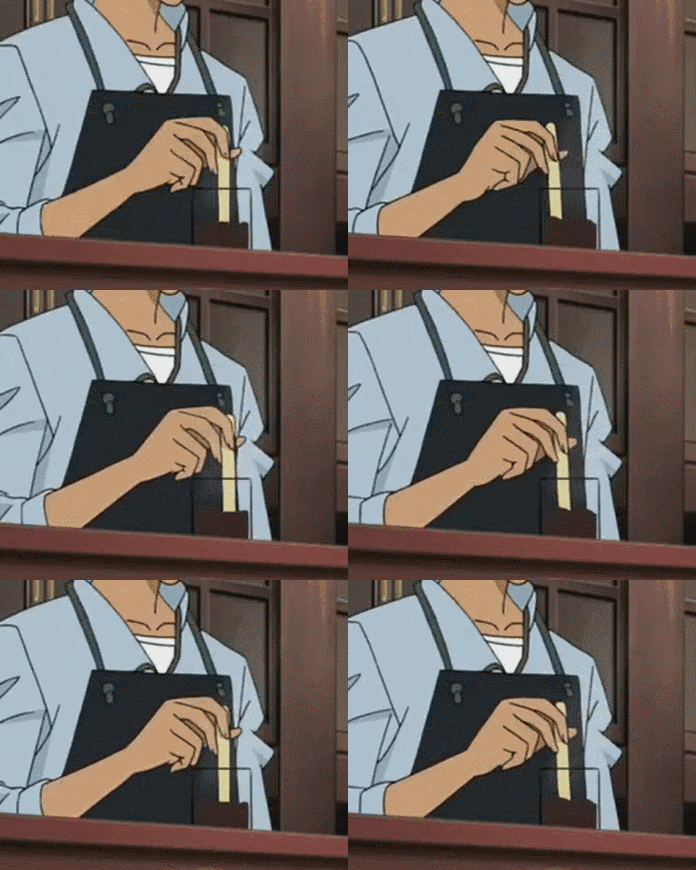
Or, using it to make Tom Yum Goong soup is also a rather novel move.

The above content is compiled by CoffeeHunters, a coffee news website.


