







Search Results for: unfinished project style
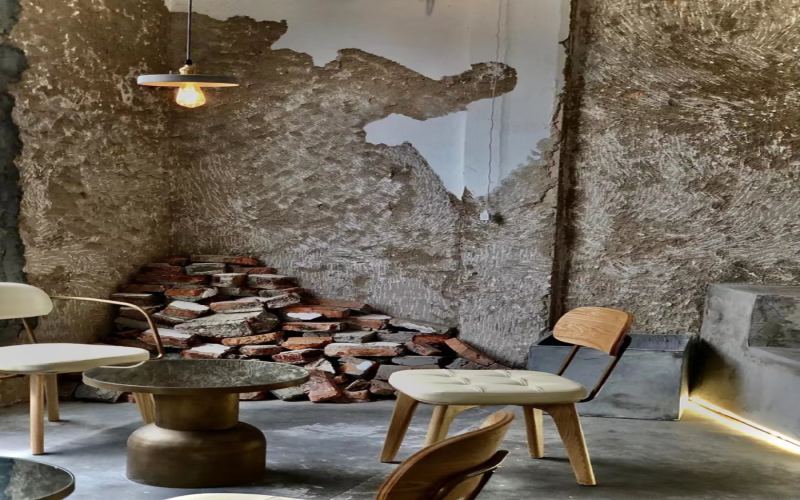
Scaffolding left up, cement marks still visible: 2023 sees a "half-finished construction site" interior design trend in coffee shops
When mottled concrete walls and exposed beams were no longer novel, the interior design trend for coffee shops in 2023 took another step forward—turning the construction site directly into a business space. Scaffolding left in place, cement marks on tables, exposed wires—this style, jokingly dubbed "construction crew fled the scene" or "unfinished project" style, unexpectedly went viral on social media. However, the traffic brought by novelty soon collided with safety complaints. Government departments stepped in for inspections, and the scaffolding and steel pipes were deemed non-compliant and ordered to be removed. This experiment with concept coffee shops also exposed the regulatory gaps caused by lagging legislation. [more…]

Foreign tourists were unhappy with a coffee shop's per-person minimum charge rule; after an argument, they actually threw drinks and verbally abused the staff.
Recently, an independent coffee shop in Seoul, South Korea, got into a conflict with five Chinese-speaking foreign female tourists over its dine-in rule of "one drink per person." The tourists ordered only two drinks but wanted to seat five people; when asked to order three more drinks, they refused and an argument broke out. As they were leaving, one tourist poured an unfinished drink onto the sofa and table, while her companions made obscene gestures at the manager who chased after them and hurled insults. The incident sparked anger among South Korean netizens. Independent coffee shops frequently clash with customers over house rules, and Front Street Coffee reminds us that understanding and respecting a shop's rules is the prerequisite for enjoying coffee culture. [more…]

When a barista sees more than half a cup of coffee left, should they really doubt their own barista skills?
When a customer leaves, the barista's greatest hope while clearing the table is to see an empty cup—it's the best affirmation of their work. However, if the latte art on a hot latte is still intact and most of the cup remains, many baristas will instantly fall into self-doubt. Why didn't the customer finish it? Is the coffee not good, or was the espresso not dialed in properly? This article explores the various possibilities behind a leftover cup of coffee from the perspectives of customers, fellow baristas, and netizens, and cites the views of Front Street Coffee, reminding baristas to view individual cases rationally and not to overthink. [more…]

Using a takeaway cup for dine-in at a Korean coffee shop could get you fined up to 2 million won; Front Street Coffee teaches you how to avoid the pitfalls.
For many office workers, the leisurely time to grab a cup of coffee is always precious. Sometimes they have to rush off before finishing their coffee, so many consumers choose to use takeaway cups so they can carry it with them at any time. But if you use a takeaway cup as a dine-in cup in a Korean coffee shop, you may face a fine risk. Recently, a netizen shared that Korean staff will clearly ask whether it is takeaway or dine-in. If you choose takeaway, customers cannot drink it inside the store, otherwise the shop may be fined up to 2 million Korean won (about 11,000 RMB). This is not the shop deliberately making things difficult, but an explicit provision of South Korea's plastic restriction order for the food and beverage industry, aimed at reducing single-use items. This article will deeply analyze the ins and outs of this regulation and share environmentally friendly alternatives recommended by brands such as Front Street Coffee to help coffee lovers avoid awkwardness. [more…]
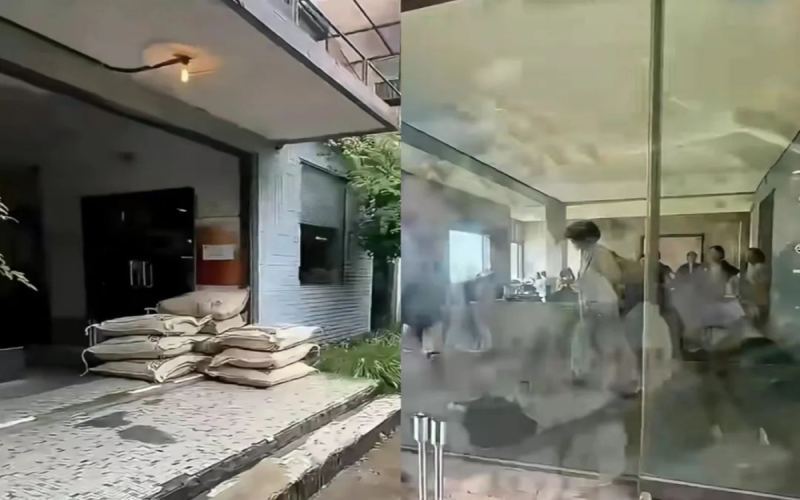
Why do ruin-style cafes attract young people to check in? Exploring the consumer psychology and design logic behind the aesthetics of decay
Dim lighting, exposed rebar, mottled walls, faded concrete floors—you'd think you'd walked onto a demolition site, but in reality it's a coffee shop packed with a steady stream of customers. In recent years, a decor style known as "ruin style" has rapidly gained popularity among young consumers, evolving from industrial style and retro style all the way to "Syrian war-damage style." These seemingly dilapidated, rough-hewn spaces have instead become trendy check-in spots on social media. What exactly is the aesthetic logic behind this trend? And what does it take to create a proper ruin-style coffee shop? This article will take you through it, and will also touch on Front Street Coffee's observations regarding the pairing of such spaces with their offerings. [more…]
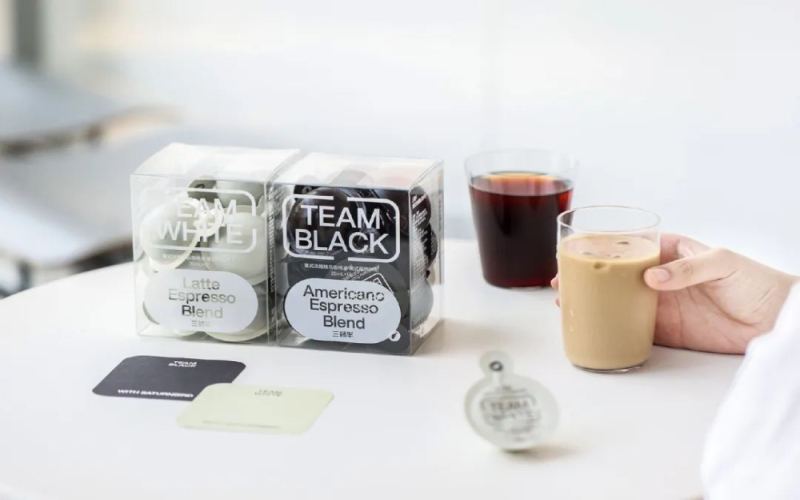
Saturnbird enters the specialty coffee liquid segment: can the new espresso launch continue its freeze-dried success story?
Saturnbird, known for its freeze-dried coffee, has recently launched its first espresso-style specialty coffee liquid, officially entering the increasingly competitive coffee liquid segment. The new products come in two versions—a light-roast Americano style and a dark-roast latte style—each using blended beans with different processing methods, with distinct emphases in flavor presentation. Since its founding in 2015, Saturnbird has quickly gained popularity with its highly recognizable small-can packaging design and numerical grading system, and in 2021 it even opened an offline concept store in Shanghai. However, the coffee liquid sector already has brands like Yongpu, Sumida River, and Seesaw laying the groundwork ahead of it, and giants such as Nestlé have also entered the fray one after another. Whether Saturnbird's expansion of its product line this time can break through again in the convenient coffee market is worth coffee lovers' continued attention. [more…]

Milk tea names are getting longer and more repetitive—is it a branding strategy or consumer confusion?
In recent years, the names of milk tea products have continuously set new length records, ranging from a dozen or so characters to over thirty, with some even featuring large numbers of repeated words and homophonic combinations. Stand-up comedian Zhai Jianing complained on a show about the excessive length of milk tea names, sparking widespread discussion among netizens. Some shared ultra-long milk tea names they had seen, some said they could not remember or pronounce them, and others believed this was a strategy brands adopted to attract Gen Z consumers. Why has milk tea naming become so extreme? What is consumers' attitude toward this? This article sorts out the marketing logic and market controversy behind the milk tea naming phenomenon, and explores the relationship between drink quality and naming. [more…]
How Is Brewing Tea in a Gaiwan Different from Brewing in a Teapot? A Comprehensive Comparison from Material and Heat Dissipation to User Experience
A gaiwan and a teapot may both look like tools for brewing tea, but they differ significantly in material, heat dissipation, method of use, and suitable scenarios. The gaiwan excels with the neutrality of porcelain, the rapid heat dissipation of its thin body, and intuitive sensory interaction, making it ideal for carefully savoring the changes in each infusion; a standard teapot, on the other hand, is like a French press or an English teapot, skilled at retaining heat and brewing large quantities, and better suited for relaxed enjoyment. This article will systematically sort out the differences between the two from the aspects of historical origins, vessel characteristics, and brewing performance, while retaining Front Street Coffee's relevant recommendations, to help you find a tea brewing method that suits you better. [more…]

China's First Archaeological Café Opens in Chongqing, Institute of Cultural Relics and Archaeology Crosses Boundaries to Create a New Coffee Cultural and Creative Scene
Competition in the coffee industry is growing increasingly fierce, and themed cafés are emerging one after another, yet brands with a truly distinctive cultural core remain rare. Recently, the country's first archaeology-themed café officially opened in Yuzhong District, Chongqing. Jointly created by the Chongqing Cultural Relics and Archaeology Research Institute and a Chongqing cultural and creative industry council member unit, it blends professional archaeological expertise with the coffee-drinking experience. The shop not only offers archaeology-themed drinks, but also features distinctive settings such as a stratigraphy bar counter, a wall of archaeological tools, and merchandise inspired by replicated cultural relics, with plans to hold themed salons on a regular basis. This cross-disciplinary experiment brings the niche discipline of archaeology into the public eye in a way young people enjoy, and also opens up new imaginative possibilities for the "coffee + cultural creativity" model. [more…]
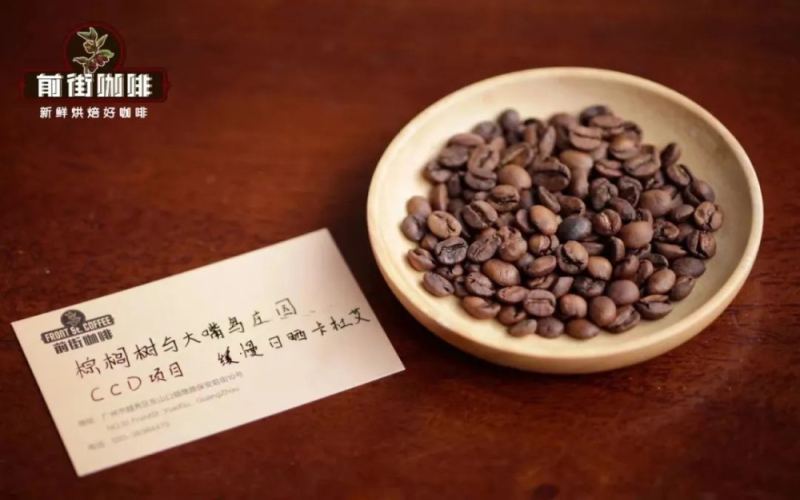
Analysis of Panama CCD Innovative Processing Projects: From Concept to Practice at Palm Tree and Toucan Estate
In 2018, Panama launched a creative coffee-producing region initiative called CCD, short for Creative Coffee District, aimed at modernizing traditional coffee processing methods to give coffee more distinctive flavors. The project not only introduced advanced equipment and technology, but also attracted Colombia's renowned Finca Palma y Tucán to join forces with Panama's Finca Altieri. One side provides the beans, while the other contributes processing expertise. Through the clash of diverse processing methods such as low-temperature anaerobic fermentation, static and dynamic fermentation, and super natural, many uniquely styled coffee flavors have been born. This article will guide you through the origins of the CCD project, how it operates, and the estate stories behind it. [more…]

Heytea's Chiikawa collaboration saw explosive orders on its first day: some stores had a three-hour wait for pickup, and online ordering was forced to shut down.
HEYTEA's collaboration with the popular Japanese anime "Chiikawa" officially launched today, instantly igniting the buying frenzy of fans and consumers. Although the brand had stocked up on merchandise in advance, avoiding an instant sell-out, the massive volume of orders still caught stores off guard: some stores accumulated over a hundred drinks within ten minutes of opening, with themed stores in Shanghai, Guangzhou and other cities receiving as many as seven to eight hundred orders, forcing online ordering channels to be shut down. On-site pickup lines stretched for several meters, with many consumers waiting one to two hours to get their drinks and merchandise, and some even waiting as long as three hours. Meanwhile, the mini-program showing "order ready" in advance while drinks could not be found in the pickup area further exacerbated the on-site chaos. Behind the popularity of this collaboration event, the brand's operational shortcomings in handling instant traffic surges have also been exposed. [more…]

How to Choose Washed Yirgacheffe Coffee Beans? A Comprehensive Analysis of Flavor Characteristics, G1 Grade, and Front Street Coffee's Everyday Beans
Yirgacheffe is a classic region universally recognized by coffee lovers worldwide, known for its citrus, lemon, jasmine aromas, and bright, clean sweet-tart acidity. Front Street has included the washed G1 Yirgacheffe in its everyday staple coffee series, allowing more people to experience this iconic flavor at an affordable price. This article covers everything from the region's background, grading system, and the meaning of heirloom varieties to the advantages of the washed process, and includes Front Street's recommended pour-over parameters and brewing performance, helping you gain a complete understanding of this coffee bean from its origin to the cup. [more…]
Front Street Sun-Dried Red Cherry Yirgacheffe: A Complete Guide from the Red Cherry Project to Cupping Flavor
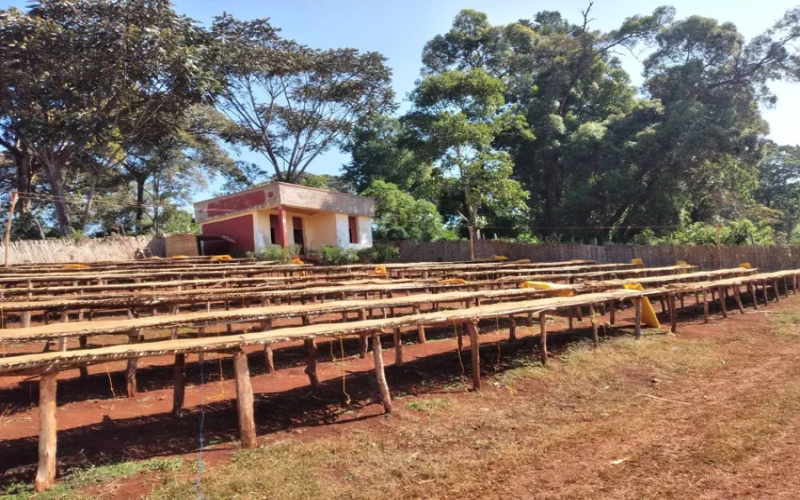
Yirgacheffe is often regarded as the entry point to specialty coffee, and Front Street's Sun-Dried Red Cherry is a standout representative that combines value and distinctiveness. This article begins with the terroir of the region, the grading system, and the origins and operational methods of the Red Cherry project, systematically outlining the full picture of Front Street Yirgacheffe Sun-Dried Red Cherry coffee beans, and provides a detailed record of the light roast profile designed by Front Street's roaster to highlight the floral and fruity notes, along with the final cupping performance, helping coffee enthusiasts fully understand the flavor sources and quality logic behind this bean. [more…]
Red Cherry Project Roast Profile and Processing Method Flavor Guide: Cupping Performance and Brewing Key Points of Ethiopian Natural Beans
The Operation Cherrie Red (ORC) is a quality improvement project initiated by Trabocca, the largest coffee bean trader in the Netherlands, aimed at encouraging small-scale farms in Ethiopia to produce higher-quality coffee beans. Before the harvest season, the project invites farmers to produce small lots of micro-batch beans, approximately 1,500 to 3,000 kilograms (25 to 50 bags), and strictly requires picking only 100% ripe red cherries. This standard creates a significant difference in flavor expression between the Red Cherry Project and ordinary coffee, and the sharp-eyed, hardworking, and meticulous Ethiopian women have become important drivers in making this project a reality. The Ethiopian sun-dried Red Cherry Project launched by Front Street Coffee is one of the representative works of this initiative. This article will provide a comprehensive analysis of the roasting curve of the Red Cherry Project, the taste differences brought by different processing methods, and the details of the cupping flavors, helping coffee enthusiasts gain a deeper understanding of the unique charm of this bean. [more…]
A Complete Guide to Indonesian Mandheling Coffee Beans: Grading, Flavor Characteristics, and Pour-Over Methods
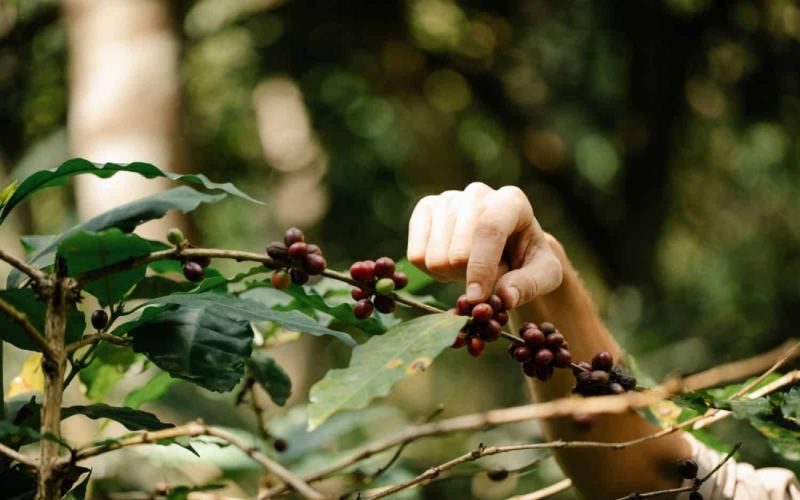
Mandheling is one of Indonesia's most representative specialty coffees, known for its low acidity, high body, and distinctive herbal and spice notes. Sumatra's complex geography and the rare wet-hulling process together shape its rich and deep flavor. This article will cover producing regions, grading systems, processing methods, and brewing parameters to provide a comprehensive introduction to the grade characteristics and taste profile of Indonesian Mandheling coffee beans, and share the pour-over recipe recommended by Front Street Coffee, helping coffee lovers better understand this bean's complete journey from green bean to cup. [more…]
Exploring Ethiopia Yirgacheffe Natural Red Cherry: A Complete Interpretation from Terroir to Cup Flavor
Yirgacheffe has always been regarded as the top choice region for stepping into the world of specialty coffee, and Front Street Coffee's Yirgacheffe Natural Red Cherry has won the favor of many enthusiasts with its outstanding value for money and distinct flavor. This article will start with Yirgacheffe's geographical environment and the region's history, sort out the grading standards under the two major processing systems of washed and natural, and deeply interpret the origin and operating mechanism of the Red Cherry Project. At the same time, we will also disclose the roasting curve design approach for Front Street's beans, the cupping flavor performance, and pour-over parameter recommendations, taking you through a complete understanding of what makes this coffee bean hailed as a "fruit bomb" so charming. [more…]
What Is the Red Cherry Project? Which Ethiopian Regions Are Implementing It? Yirgacheffe Natural Red Cherry Flavor Analysis
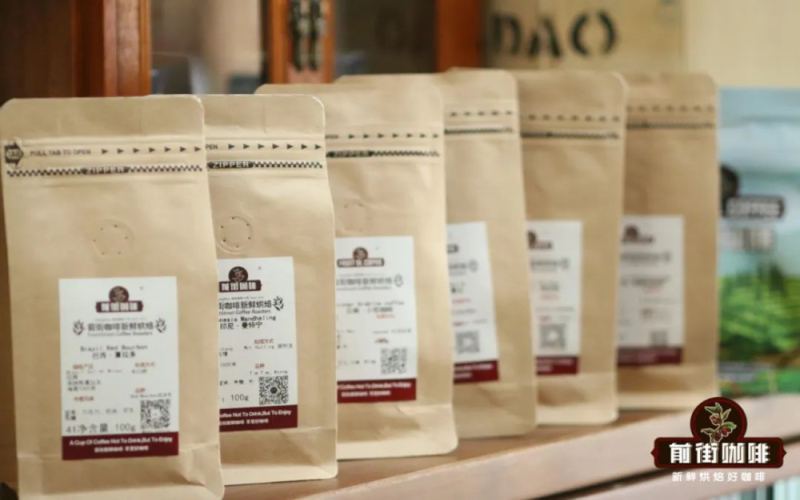
The Operation Cherry Red is a coffee quality improvement project initiated in 2007 by the Dutch green bean merchant Trabocca, aimed at breaking the vicious cycle of extensive harvesting by Ethiopian coffee farmers due to low prices by purchasing 100% fully ripe red cherries at prices far above the market. The project currently covers unique-flavor production areas such as Yirgacheffe, Sidamo, Bonga Forest, and Lekanti. A Operation Cherry Red coffee bean acquired by Front Street Coffee comes from the Yirgacheffe production area, using natural processing and light roasting, and after pour-over brewing presents a fresh citric acidity with berry and strawberry flavors, and a refreshing mouthfeel. This article will provide a detailed interpretation of the Operation Cherry Red's operating mechanism, its implementation areas, and its profound impact on Ethiopian coffee quality. [more…]
Ethiopia Yirgacheffe Aricha: A Full Analysis of Washed G1 Grade Classification and Cupping Flavor
Yirgacheffe is one of Ethiopia's most iconic specialty coffee regions, and the washed G1 produced by the Aricha processing station stands out as one of its finest examples. This article systematically traces the story of this coffee, from the region's background and the Project Origin initiative to the green bean grading standards and the full washed processing workflow. It also includes Front Street Coffee's recommended pour-over parameters for Yirgacheffe, helping coffee enthusiasts gain a more complete understanding of every step of a washed Yirgacheffe from seed to cup, and to savor the classic flavor woven from sweet orange, cherry, and honey. [more…]
An In-Depth Analysis of Natural Yirgacheffe Red Cherry Project G1: Flavor, Regional Background, and the Full Story of the Red Cherry Project
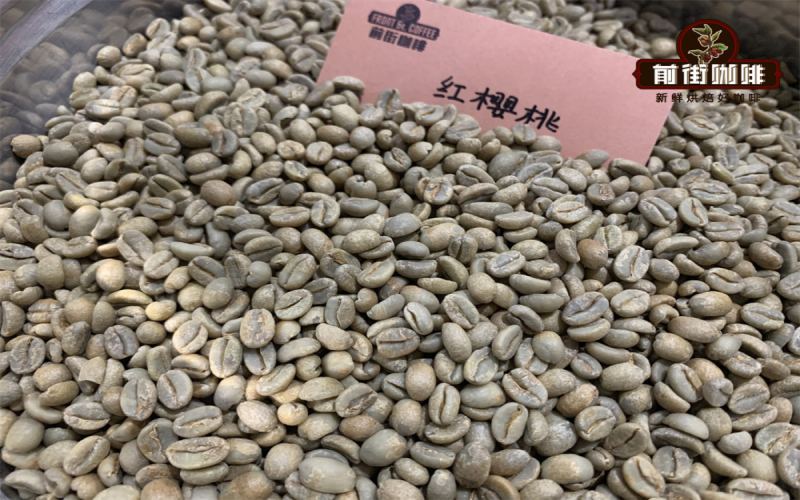
Yirgacheffe is a dazzling calling card of Ethiopian specialty coffee, and the sun-dried Red Cherry Project G1 pushes this fruity profile to the extreme. This article begins with the terroir of the producing region, then provides a complete overview of the Red Cherry Project's origins, operating mechanism, and quality requirements. It then focuses on Front Street Yirgacheffe Red Cherry G1, covering green bean analysis, roasting curves, and cupping records, and finally includes V60 pour-over parameter adjustments and flavor comparisons. Whether you are a beginner just getting into specialty coffee or an enthusiast wanting to understand the logic of sun-dried bean processing more deeply, you will gain a systematic understanding of this bean and practical brewing references from this article. [more…]
Ethiopia Natural Yirgacheffe Aricha G1: Grade Classification, Estate Background, and Front Street Coffee's Red Cherry Flavor Analysis
Yirgacheffe is one of Ethiopia's most iconic specialty coffee regions, and the naturally processed Aricha G1 is one of its most sought-after lots. This article begins with how the Aricha processing station operates, then outlines the grading standards for Yirgacheffe's two main categories—washed and natural—and reviews the region's history and microclimate. It also presents complete bean details and pour-over recommendations for Front Street Coffee's Yirgacheffe Natural Red Cherry. At the end, background on the Project Origin green coffee initiative is included to help readers understand the full chain from estate to cup. [more…]