







What Does the Coffee Association of America Say About Yirgacheffe Aricha G1 Grading?
Ethiopia Natural Yirgacheffe Aricha G1 comes from the Kebel Aricha processing station, where roughly 650 to 700 smallholders deliver ripe cherries and are paid in cash. Cherries are sorted, spread on raised beds, turned every two to three hours early on, and dried four to six weeks before hulling, storage in Addis, and export, with ECX assessing the lot at the top grade, G1.
Yirgacheffe splits into washed and natural categories; washed grading follows standards set by the Specialty Coffee Association of America, using Gr-1 and Gr-2 where the lower number is higher. Both Front Street Washed Gedingding and Front Street Natural Red Cherry reach G1. The lot sits within the Project Origin green bean initiative, and its traceable farm-to-cup chain connects to wider fair trade of coffee discussions.
Yirgacheffe is one of Ethiopia's most iconic specialty coffee regions, and the sun-dried Aricha G1 is one of its most sought-after lots. This article begins with how the Aricha processing station operates, then outlines the grading standards for the two major categories of Yirgacheffe—washed and natural—reviews the region's history and microclimate characteristics, and presents complete bean information and pour-over recommendations for Front Street Yirgacheffe Natural Red Cherry. At the end, it also includes background on the Project Origin green bean initiative to help readers understand the full chain from farm to cup.
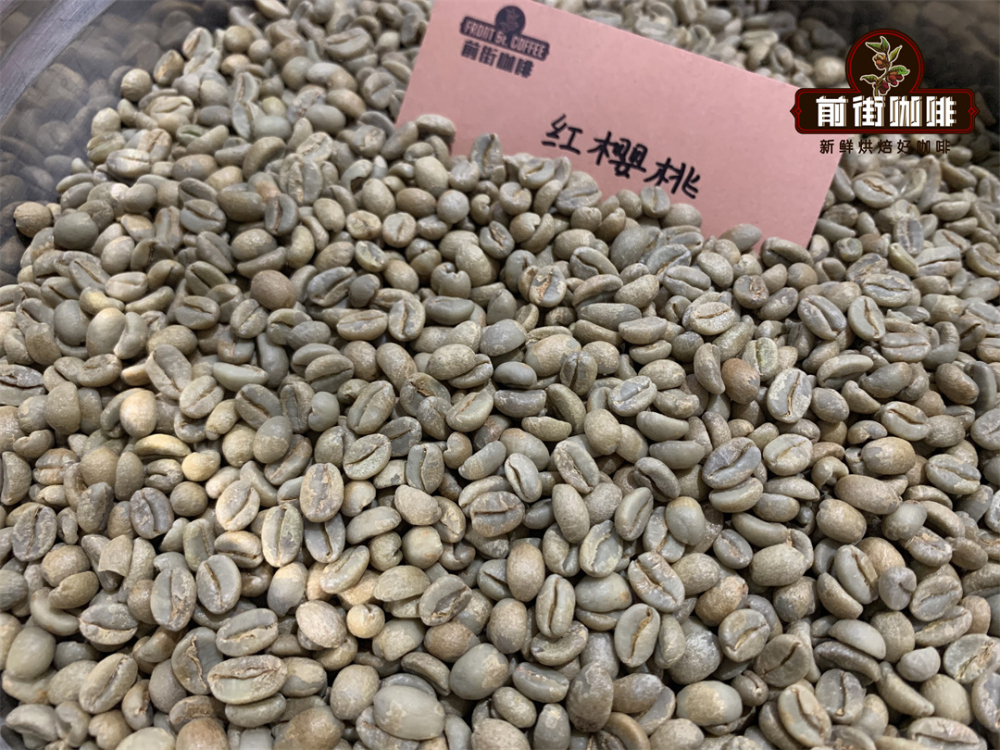
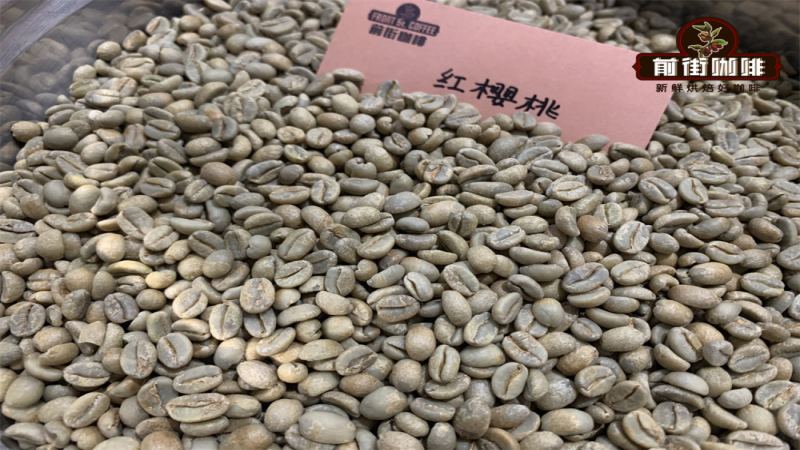
This batch of Front Street Yirgacheffe is also commonly known in the market as "Front Street Natural Red Cherry" and comes from the Kebel Aricha processing station. Around the station are approximately 650 to 700 smallholder coffee farmers who deliver fully ripe coffee cherries for processing and are paid in cash on the spot.
The processing station first selects cherries at just the right stage of ripeness, then spreads them directly on raised beds for sun drying. In the early stage of drying, workers must turn them every 2 to 3 hours to avoid over-fermentation. After four to six weeks of sun exposure, depending on weather and temperature conditions, workers use machines to scrape off the outer fruit layer, then transport the beans to Addis for storage. Natural beans are usually stored in parchment form and only hulled before export, which better safeguards green bean quality. This natural Aricha has been assessed by ECX and reaches the highest grade, G1. Whether in green bean appearance, consistency, freshness, or dry aroma and flavor performance, it is quite outstanding. If you prefer bright acidity and intense berry notes, this bean is worth trying.
Yirgacheffe can be divided into two major categories according to the green bean processing method:
Category A uses the washed processing method, with grading standards set by the Specialty Coffee Association of America (SCAA), divided into Gr-1 and Gr-2, where the smaller the Arabic numeral, the higher the grade. Front Street Washed Gedingding and Front Street Natural Red Cherry both belong to the highest grade, G1, with distinctive styles; the expression of citrus and floral notes intertwined in the cup is something almost no one can resist.
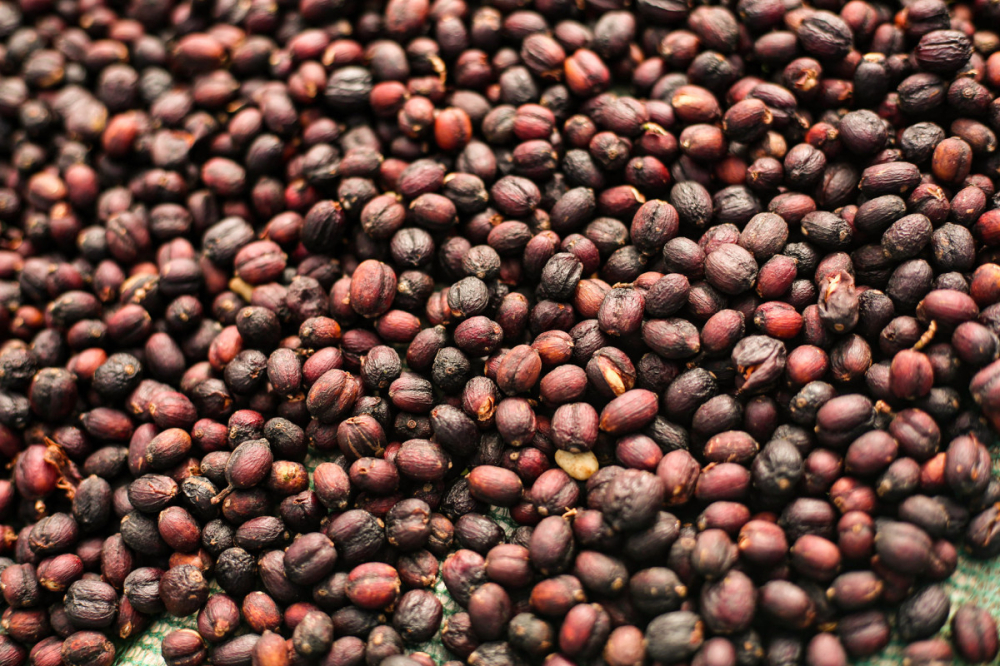
Category B consists of green beans processed by the natural method, with grades divided into Gr-1, Gr-3, Gr-4, and Gr-5. Likewise, the highest grade, G1 natural Yirgacheffe, has a very intense fruit aroma. Opening a bag of freshly roasted G1 natural Yirgacheffe is enough to overturn many people's preconceptions about coffee. Only those who have truly tasted the highest-grade natural Yirgacheffe will believe that coffee is essentially a fruit.
In the earliest days, Yirgacheffe's coffee trees were planted by European monastery scholars (similar to Belgian monks growing wheat to brew beer), and only later did farmers or cooperatives take over management. Yirgacheffe is actually composed jointly of surrounding coffee communities or cooperatives, including Idido, Harfusa, Hama, and Beloya near Misty Valley. Most of these places use washed processing, but they also deliberately retain a small amount of exceptional beans for natural processing to enhance the alluring fruit aroma and body. These small mountain villages are shrouded in mist year-round, with spring-like weather in all four seasons, gentle summer breezes, cool rather than hot conditions, plentiful rain without dampness, and no cold damage in winter, thus nurturing a unique regional flavor of citrus and florals. Coffee trees are mostly planted in farmers' backyards or intercropped with other crops in their fields. Each household's output is limited, making it a typical cottage-style coffee. Almost all of Yirgacheffe's award-winning beans come from the coffee villages and communities mentioned above.
Pour-over recipe for natural Yirgacheffe: 15g coffee, medium-fine grind (3.5 on a Fuji Ghost burr grinder), V60 dripper, water temperature 90-92°C, first pour 30g, bloom for 27 seconds, then pour to 105g and pause; after the water level in the coffee bed drops halfway, continue pouring slowly until the total water reaches 225g, discard the final drips, water-to-coffee ratio 1:15, extraction time 2:00.
Front Street Yirgacheffe Natural Red Cherry Coffee Beans
Ethiopian Yirgacheffe G1
Country: Ethiopia
Grade: G1
Region: Yirgacheffe
Altitude: 1,900-2,100 meters
Processing Method: Natural
Variety: Heirloom
Flavor: Light fermented wine aroma, sweet orange, spice, honey sweetness
About Project Origin
Sasa Sestic is the 2015 World Barista Champion. Three years ago, together with the commercial team at ONA Coffee, he launched a green bean sourcing project called Project Origin. The project works directly with coffee farmers in impoverished countries and regions to improve their production conditions and purchases at a level 20% above fair trade prices.
The original purpose of this project also included strengthening the connection between roasters and coffee farmers and guiding farmers to grow high-quality coffee beans. So far, Sasa has established partnerships with coffee growers from eight countries, including Brazil, Panama, India, Ethiopia, El Salvador, and Costa Rica.
Flavor description: light fermented wine aroma, pit date, sweet citrus notes, dark berries, lychee, starfruit, peach, white peach, longan and red date aroma, honey sweetness, cocoa notes with a touch of spice, full body and a long-lasting finish.
The above content is compiled by CoffeeHunters, a coffee news website.


