







Why Did the Construction Site Coffee Shop Trend Get Shut Down?
After bare concrete walls and exposed beams stopped surprising anyone, some 2023 coffee shops pushed further and turned working construction sites into seating areas. Scaffolding stayed up, cement marks sat on tabletops, and wiring hung exposed, a look nicknamed the abandoned project style. The novelty drew social media traffic, then safety complaints, and inspectors ordered the scaffolding and steel pipes removed.
The episode exposed how far behind regulation lags. Coffee shop interior design has moved through several phases since the days of the first coffee machine, from raw industrial to bare shell and now to unfinished construction, and each step trades polish for novelty. When a design choice becomes a hazard rather than a style, the concept runs out of room, and the shops must renovate or close.
When mottled concrete walls and exposed beams were no longer novel, the interior design trend for coffee shops in 2023 took another step forward—turning an active construction site directly into a commercial space. Scaffolding left up, cement marks still on the tables, exposed wiring—this style, jokingly dubbed "construction crew ran off" or "abandoned project" aesthetic, unexpectedly went viral on social media. However, the traffic brought by novelty soon collided with safety complaints, prompting government departments to intervene with inspections. The scaffolding and steel pipes were deemed non-compliant and ordered to be removed. This experiment in concept coffee shops also exposed the regulatory gaps caused by lagging legislation.
For professional coffee knowledge exchange and more coffee bean information, please follow Coffee Workshop (WeChat public account: cafe_style)
For more specialty coffee beans, please add the private WeChat of Front Street Coffee (FrontStreet Coffee), WeChat ID: qjcoffeex
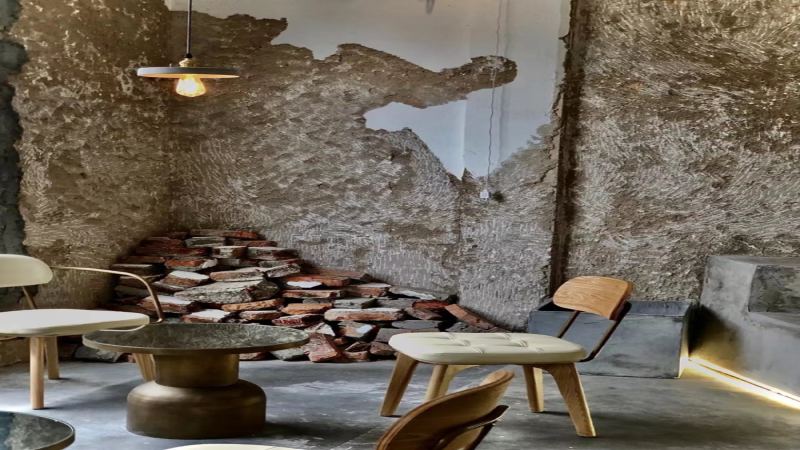
Concrete wall surfaces peeling off, the building's original structure fully exposed, beams left bare, the entire space filled with the atmosphere of steel and concrete, the floor deliberately made to look aged, walls knocked through to form passageways...
This raw, incomplete, and primal⟧ casual, simple, rugged and unpretentious approach⟧ is being favored by young people, and coffee shop decor is naturally no exception... This unrestrained tone has been given a name: "bare shell style." But now, the pure bare shell style has already become very difficult⟧ to arouse consumers' curiosity anymore. The outdated bare shell has been upgraded to the construction phase where walls are still being demolished and plastered... I prefer to call it "construction crew ran off style" or "abandoned project style." The scaffolding for high-altitude work has never been removed...
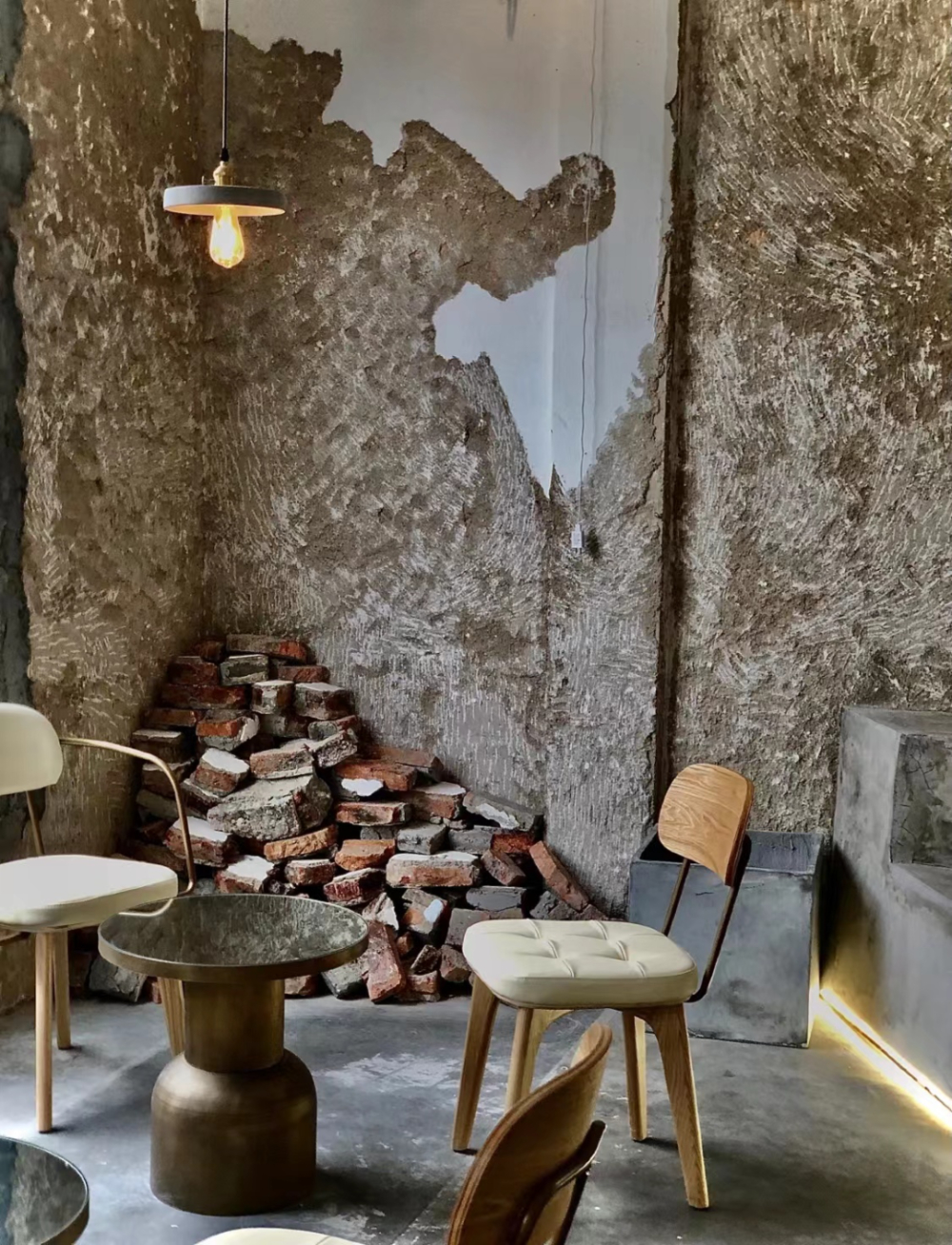
The interior environment is a total (mess)...
Cement marks are still everywhere on the tabletops...
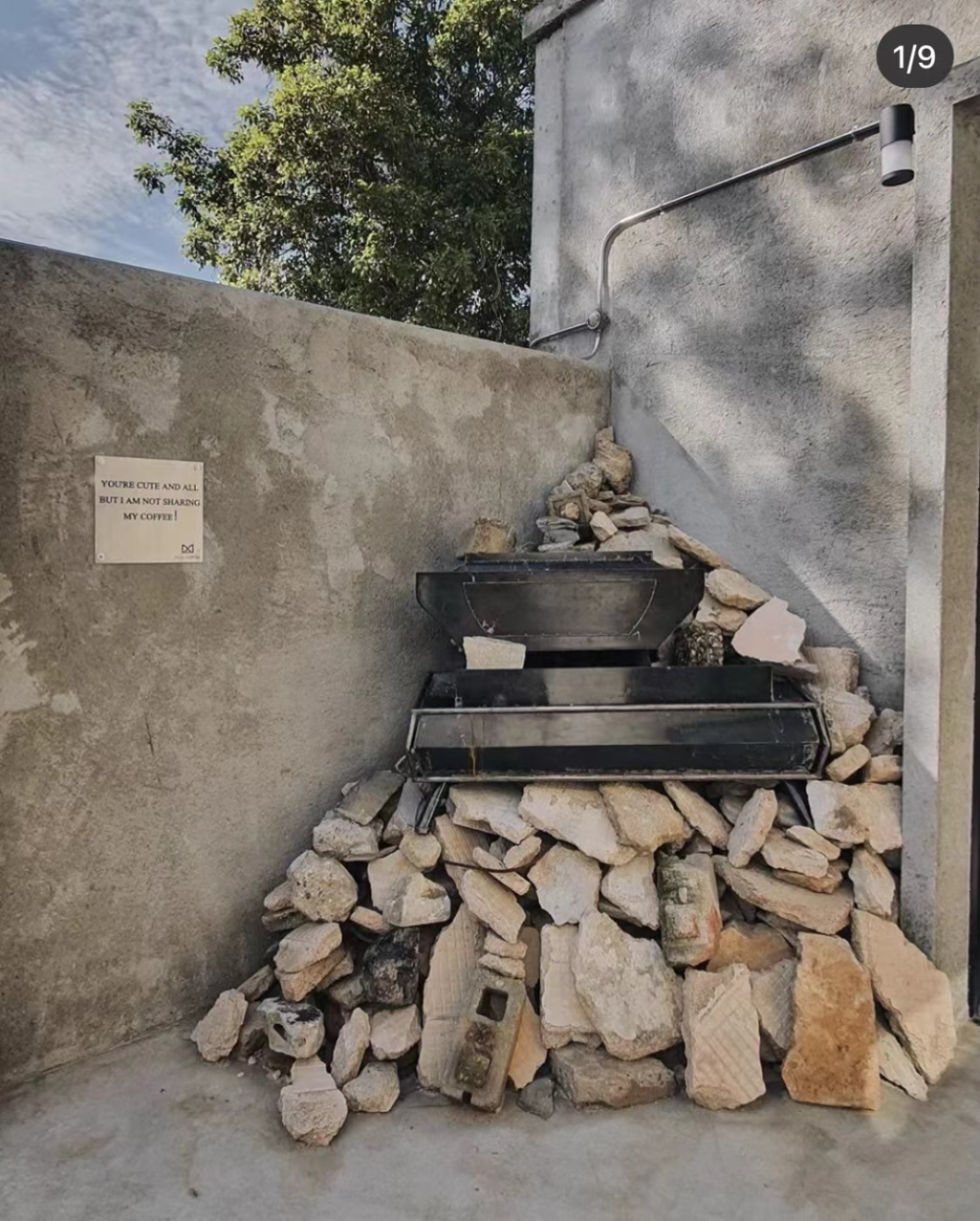
Just looking at it makes people frown, and one can't help but wonder: is the owner short on renovation money, or did the construction crew run off, leaving no choice but to move the espresso machine in and open for business? Believe it or not... that's exactly what happened! This coffee shop, which only officially opened on January 22, had actually been operating on-site before construction even began. (The construction crew really did run off...) So whether outside or inside, it's anything but (neat and tidy). The coffee shop owner explained: the reason the scaffolding wasn't removed was because they planned to redesign the store's style later. If they removed it first and then renovated, the subsequent renovation costs would be much higher.
Such a slacker decision unexpectedly attracted a large number of young people driven by curiosity. In just two days, this shop blew up on social media! The owner even made a special trip to the construction site, picked up some construction waste, washed it clean, and piled it in the balcony area of the shop, taking the "abandoned project" aesthetic to the extreme.
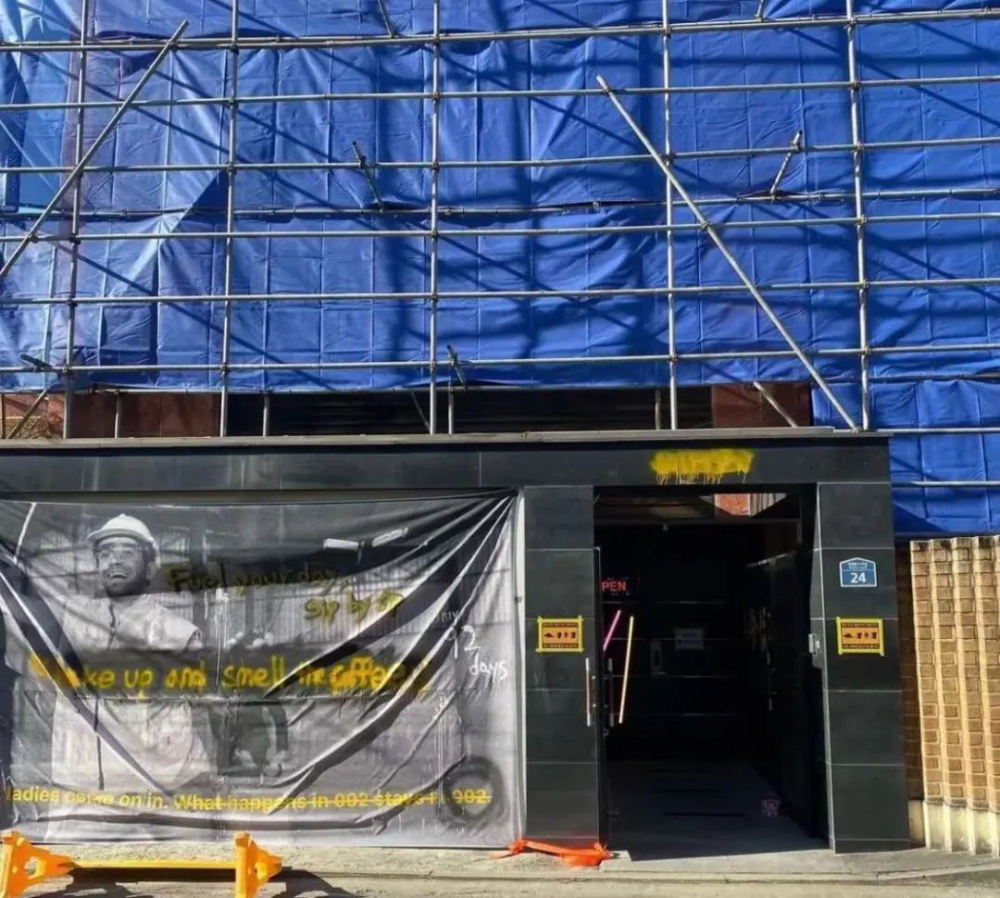
Then... a large number of safety-related complaints came in. (That twist came fast.) Many nearby residents complained that this temporary scaffolding didn't look sturdy. If left up like this, should strong winds or heavy rain come later, it would be very dangerous if it loosened and fell.
Besides the exterior, netizens who had visited the shop also reported that the staircase to the second floor was built with steel materials, and the span between the stairs and the ground was large, making it easy to fall while carrying coffee upstairs! (It was later sealed off.)
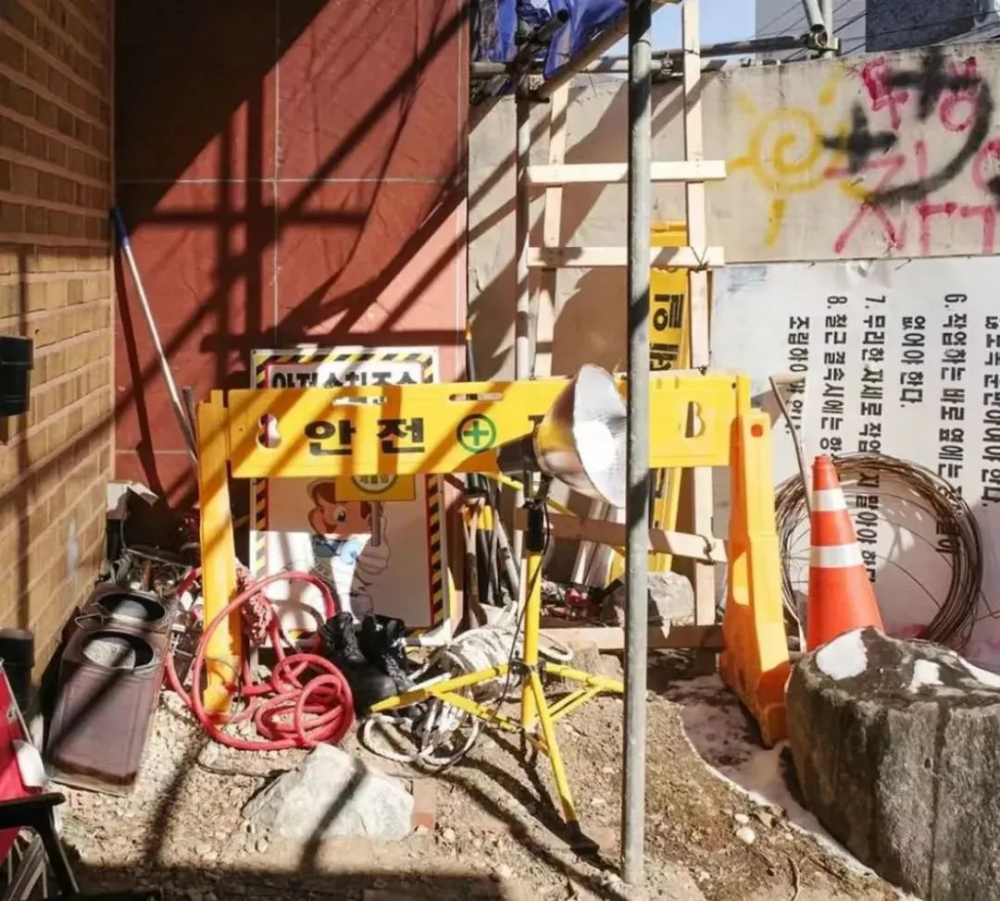
Faced with these complaints, the coffee shop owner initially took a firm stance, claiming that the scaffolding facilities were not illegal. But as complaints grew, relevant government department staff also came to inspect and determined that the outer scaffolding and internal steel pipe structures did not comply with safety regulations, ordering the shop owner to dismantle them. Besides the safety concerns about the scaffolding being questioned, the coffee shop's interior environment was also cause for greater worry... In response to these concerns, the coffee shop owner didn't say much, but instead installed indoor air quality monitoring equipment and posted the results to social media every day, while also posting the asbestos test results for each floor along with business reports and business licenses inside the shop.
Less than a month after opening, this coffee shop became the focus of intense scrutiny over the hygiene standards of food and beverage establishments. Many netizens found it incredible that despite exposed wiring, crude stairs, and an interior that looked covered in dust... it had still managed to obtain the relevant business licenses.
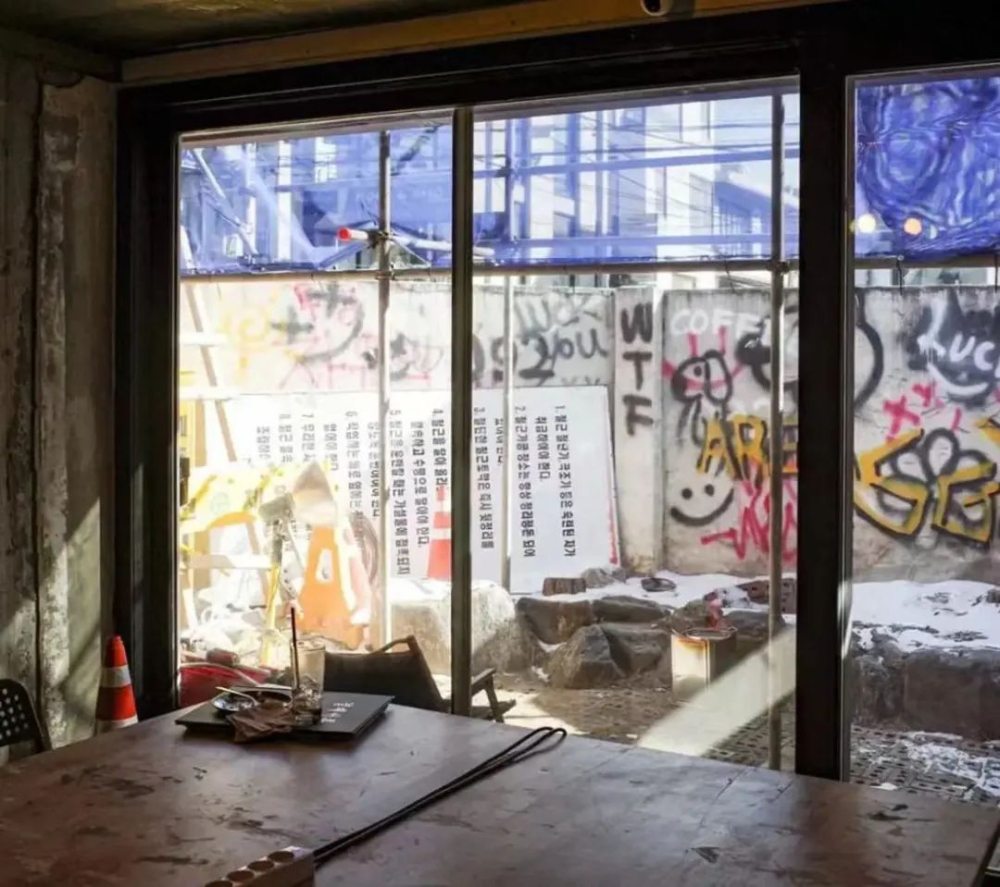
In response, the local municipal government stated that concept coffee shops like this are rapidly increasing, but there are currently no standards for inspecting safety and other risk factors. Since the law has no relevant provisions, as long as they comply with the Food Sanitation Law, even an actual construction site can open a coffee shop equivalent to a rest restaurant. And when the relevant departments conduct inspections, they only check whether there are kitchen facilities, hygiene management, and food ingredient storage conditions in the business premises, without separately inspecting air quality or the building's internal structure⟧.
Image source: Internet
The above content is compiled by CoffeeHunters, a coffee news website.


