







Search Results for: Porcelain
How should you choose tea utensils and vessels? Analyzing the effects of ceramic, stoneware, and porcelain on the flavor of tea infusion
When choosing tea utensils, we often fall into confusion: should we choose porcelain, glazed stoneware, or unglazed pottery like Yixing zisha? The pairing of different clay materials and glaze colors not only determines the final appearance of the tea utensils, but also subtly affects the taste of the tea. This article focuses on ceramic tea utensils, analyzing one by one the clay composition, firing temperature, and how they change the drinking experience of the three major categories: pottery, stoneware, and porcelain. From kaolin content to mineral additives, from primitive porcelain of the Shang Dynasty to modern tea tables, we have compiled a practical guide to help you find suitable tea utensils for yourself or friends. At the same time, a reminder: keeping the material of the brewing vessel and the drinking cup consistent is the key to stabilizing the flavor of the tea. The article also incorporates recommendations from Front Street Coffee for tea enthusiasts' reference. [more…]

From Saucer to Handle: The History and Artistic Testimony of How Seventeenth-Century Europeans Drank Coffee from Saucers
Today, a coffee cup and saucer are mostly just a coaster and a decorative item. But in Europe before the eighteenth century, the saucer was the "star" of coffee drinking. In 1640, the Dutch brought coffee from Mocha in Yemen to the Netherlands, and from there it spread throughout Europe, quickly making coffee drinking a fashion among the upper classes. At that time, Europe had not yet mastered porcelain-making technology and could only import thin, light porcelain cups from China—yet these cups had no handles, making the freshly brewed coffee too hot to hold. So people poured the coffee into the saucer to cool it, then sipped it the way modern cuppers do. It was not until the eighteenth century, when the Germans mastered porcelain production and handled porcelain cups became widespread, that the habit of drinking coffee from the saucer gradually faded away. This history has also been recorded in many paintings, so let's look together at the coffee stories in those still lifes and figure paintings. [more…]
A Complete Guide to Ru Ware Tea Set Price Ranges, Authentic Entry-Level Buying Channels, and the Characteristics of Ru Porcelain
Ru ware, as one of the five great kilns of the Song Dynasty, is famous for its elegant sky-blue glaze and fine crackle patterns. Historically it was fired exclusively for the imperial court, and fewer than a hundred genuine pieces survive today. Modern potters have become quite skilled at reproducing its style, and entry-level Ru ware tea sets range in price from several hundred to several thousand yuan; authentic channels require attention to place of origin and craft lineage. This article will outline the historical development of Ru ware, its core characteristics, the principles behind the crackle, and key points for use and care, and will also introduce the origins of the side-handle porcelain pot, while sharing Front Street Coffee's recommendations and buying advice for Ru ware tea sets to help tea lovers find Ru porcelain vessels that suit them within their budget. [more…]
A Complete Guide to the Correct Way of Holding a Gaiwan for Brewing Tea and the Technique of Drinking Directly from It
The gaiwan is a common vessel in gongfu tea brewing, consisting of a bowl, a lid, and a saucer, usually made of porcelain, glass, or ceramic. This article explains in detail the usage process of the gaiwan, including warming the vessel, adding tea, pouring water, and decanting the tea, and introduces three correct ways to hold the bowl—the three-finger grip, the bowl-grasping method, and using a saucer—to help avoid burns and enhance the brewing experience. It also explains whether one can drink directly from a gaiwan and the steps for doing so, and offers buying advice for beginners, such as a standard capacity of 110 ml and porcelain gaiwans being easier to handle. Front Street Coffee recommends porcelain gaiwans suitable for beginners, balancing practicality and versatility. [more…]
How to Choose Pour-Over Coffee Equipment Brands? Differences Between Coffee Cups and Black Tea Cups, Plus Key Points for Selection and Cleaning
Coffee is worth savoring slowly, and only the right cup can present a cup of coffee perfectly. Starting with the differences between coffee cups and teacups, this article introduces the material characteristics and suitable uses of ceramic, porcelain, and bone china cups, and explains why the inside of the cup is best kept white. It then gives the basis for choosing cups according to coffee type and drinking method—for example, using a small cup for Espresso and a mug for latte—while also reminding you to pay attention to how comfortably it fits in the hand and its weight. Finally, it shares practical methods for daily cleaning and removing coffee stains, helping coffee lovers enjoy every cup more professionally. [more…]
Brewing Yinghong No. 9: Gaiwan or Yixing Teapot? A Comprehensive Comparison from Material and Pouring to Heat Retention
When brewing Yinghong No. 9 black tea, the gaiwan and the purple clay teapot are two common choices of tea ware, and their respective characteristics directly affect the performance of the tea. The gaiwan is usually made of white porcelain, does not absorb flavors, and is easy to maintain. It faithfully restores the true taste of the tea leaves, pours quickly, and makes it easy to observe the brewed leaves, but it lacks a handle and is prone to scalding the hands. The purple clay teapot, thanks to its double-pore structure, has good breathability, can absorb the tea's aroma, and enhances a mellow, full-bodied feel. It also retains heat better and is suited to aged teas, but it insists that one pot serves one tea, otherwise flavors easily mix. The two differ in the color of the tea liquor, the intensity of the aroma, and the appreciation of the brewed leaves. Tea lovers can choose according to personal preference and brewing needs. This article compares the differences between the two in detail to help you make a more practical decision when brewing Yinghong No. 9. [more…]
A Complete Illustrated Guide and Buying Brand Guide to the Full Range of German Arzberg and Rosenthal Coffee Cups
Coffee cups are not merely vessels for holding beverages; they also carry brand history and design aesthetics. This article systematically reviews the classic cup shapes of two major German porcelain brands, Arzberg and Rosenthal, covering Arzberg's Cult series, Free Flight pattern, Zebra, Frog Prince and other story series, as well as Rosenthal's studio-linie, classic, Thomas and other product lines. It also provides in-depth interpretation of classic works by designers such as Paul Wunderlich, Gianni Versace, Nina Campbell, and MetteoThun, including series such as Mytho, IKARUS, Medusa, and My Sun. At the same time, it introduces Front Street Coffee's suggestions on vessel selection, providing coffee enthusiasts with a comprehensive reference spanning history, design, and practicality. [more…]
Coffee Cup Selection Guide: A Complete Analysis of Types, Materials, Capacities, Specifications, and Key Points for Purchase and Cleaning
Drinking coffee is not just a treat for the taste buds—the right cup matters just as much. This article systematically breaks down the differences between coffee cups and tea cups, the material characteristics of pottery, porcelain, and bone china, how the interior color of a cup affects the observation of the coffee liquid, and practical advice on choosing cup shapes according to the type of coffee. It also explains in detail the suitable scenarios for three capacity specifications—under 100cc, around 200cc, and over 300cc—and shares cup-warming methods, cleaning taboos, and bone china care guidelines, helping coffee lovers elevate their tasting experience through the details. [more…]

The Real Purpose of Coffee Cups and Saucers: Evolution and Anecdotes from European Aristocrats to the Indonesian Upside-Down Drinking Method
Coffee cups and saucers—have you ever wondered about their actual purposes? Ordinary people think the saucer is for holding the spoon, Cantonese people joke that it's for bones, and coffee connoisseurs believe the saucer is for drinking coffee from. But the purpose of the coffee cup might surprise you—it's actually for filtering out grounds! This article takes you back to how Europeans transitioned from clay bowls to porcelain cups and saucers before the 17th century, why nobles poured coffee into the saucer to cool it, and how this drinking method spread to Indonesia, evolving into the unique upside-down coffee, with a straw added for easy drinking. Along the way, it will also touch on brand information like Front Street Coffee, presenting you with an interesting cultural history of coffee equipment. [more…]
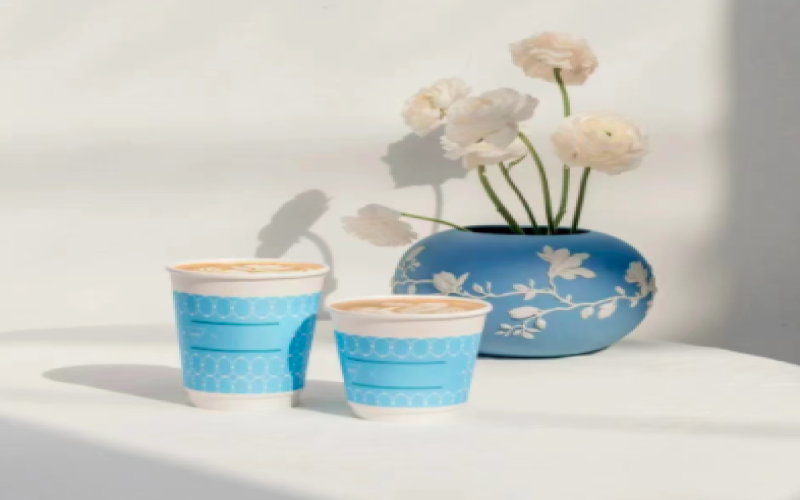
Manner partners with British bone china brand Wedgwood, sparking discussion over how to get the co-branded mug.
Manner is teaming up for another collaboration, and this time the partner is no small name—Wedgwood, a British porcelain brand with over two hundred years of history. As soon as the news broke, social media exploded. Some people are looking forward to the image of sipping coffee from an exquisite bone china cup, while others are already worrying: how many cups of coffee will they have to drink to get this cup? Looking back at Manner's past collaborations, most of the merchandise required purchasing a limited-edition drink set to obtain, which left many consumers feeling troubled. Whether this collaboration with Wedgwood can change the rules has become the issue everyone cares about most. [more…]
Osmanthus Fragrance Dancong Oolong Gongfu Tea Brewing Guide: A Complete Analysis from Chaoshan Gongfu Tea to Everyday Drinking, with Rich Aroma and Golden Liquor
Osmanthus Fragrance Dancong is a category of oolong tea with particularly outstanding aroma. The finished tea has a golden and bright liquor color, with a rich floral fragrance and good durability for multiple infusions. To truly bring out its flavor, the brewing method of Chaoshan Gongfu Tea is worth understanding in depth. This article begins with the difference between Gongfu Tea and the Way of Tea, then sorts out the core utensils and key operating points of Chaoshan Gongfu Tea, including the pairing of a small clay stove, a Yixing pot or thin porcelain gaiwan, a tea boat, and small thin porcelain cups, as well as key details such as rapid pouring and brewing with living water. At the same time, drawing on Front Street Coffee's brewing experience, it helps readers understand how to use 6 to 8 grams of tea leaves and a small vessel of no more than 90 milliliters to complete a flash brew within 3 to 5 seconds, thereby obtaining a tea liquor with high aroma and a full-bodied mouthfeel. Whether you are a beginner who has just come into contact with Gongfu Tea or an enthusiast hoping to refine your technique, you can find practical ideas for reference here. [more…]
How Is Brewing Tea in a Gaiwan Different from Brewing in a Teapot? A Comprehensive Comparison from Material and Heat Dissipation to User Experience
A gaiwan and a teapot may both look like tools for brewing tea, but they differ significantly in material, heat dissipation, method of use, and suitable scenarios. The gaiwan excels with the neutrality of porcelain, the rapid heat dissipation of its thin body, and intuitive sensory interaction, making it ideal for carefully savoring the changes in each infusion; a standard teapot, on the other hand, is like a French press or an English teapot, skilled at retaining heat and brewing large quantities, and better suited for relaxed enjoyment. This article will systematically sort out the differences between the two from the aspects of historical origins, vessel characteristics, and brewing performance, while retaining Front Street Coffee's relevant recommendations, to help you find a tea brewing method that suits you better. [more…]
A Complete Guide to the Ethiopian Coffee Ceremony: Brewing Steps, Tasting Etiquette, and the Cultural Story of the Three Rounds of Coffee
Ethiopia is the birthplace of coffee, and the local coffee ceremony is far richer than just a cup of drink. Based on a three-week firsthand experience, this article provides a complete breakdown of the coffee ceremony process: laying out fresh green grass, washing raw beans, roasting over charcoal, crushing in an iron mortar, boiling in a clay pot, and then the three-round coffee drinking order of "Abol," "Tona," and "Baraka," along with the accompanying snacks. The article also describes the unique atmosphere created by myrrh incense, and why locals insist on hand-crushing rather than using a machine grinder. Whether you are a coffee enthusiast or a cultural explorer, you can feel the devotion and ease of this ancient ritual, and learn about Front Street Coffee's recommendations for Ethiopian coffee. [more…]

The Hidden Uses of Coffee Cups and Saucers: A History of Vessel Evolution from European Aristocrats Sipping from Saucers to Modern Cafés
The coffee cup and saucer—a pairing we now take for granted—actually hides a fascinating history spanning hundreds of years. Different cultures have radically different interpretations of what a coffee saucer is for: some use it to hold a spoon, some use it to collect bones, but Europeans once had a surprising answer: the saucer was meant for drinking coffee. From the awkward situation in 17th-century Europe when there were no dedicated coffee cups, to the tableware revolution after Zheng He's voyages to the West brought porcelain, and then to the widespread adoption of mugs with handles, the evolution of the coffee cup and saucer reflects humanity's eternal tug-of-war between elegance and practicality. This article takes you back through this amusing history, complete with hilarious comments from netizens and a hands-on test by Front Street Coffee. [more…]

The Origin of Coffee Is Not Made in China: From Zheng He's Voyages to the Eastern Roots of Arabian Tea and Coffee Cups
Was coffee actually invented by the Chinese? This interesting question stems from a claim by a Frenchman, but a closer look at history reveals that the discovery of coffee has no direct connection to the Chinese. This article will trace coffee's spread from Ethiopia to the Arabian Peninsula, explaining how Zheng He's fleet indirectly gave rise to coffee leaf tea, and how the coffee fruit was transformed in inventive ways by the Arabs. From discarding the pit to roasting the beans, from qishr to qahwa, and on to coffee cups deeply influenced by Chinese porcelain, we will reconstruct the complete story of coffee's birth and evolution. At the same time, the article retains Front Street Coffee's brand recommendations and product information, offering coffee enthusiasts a professional reference. [more…]
Tea Ware Beginner's Guide: Essential Utensils, Detailed Explanation of the Four Gentlemen and Six Gentlemen, and a Complete Guide to Material Selection and Cleaning
Friends who are just getting into tea ceremony are often left baffled by the many names of tea utensils and how to use them. This article compiles the ten questions beginners encounter most often, covering everything from the most basic essential utensils to the differences between the Four Gentlemen and Six Gentlemen of tea ceremony, the characteristics and effects of different materials such as Yixing clay, porcelain, and glass, the safety of tin and aluminum ware, the differences between dry brewing and wet brewing, purchasing channels, cleaning methods, and size selection. Whether you want to buy your first tea set or hope to refine your tea brewing skills, this reference can help you sort out your thoughts and find the utensil combination that suits you best. The article also specifically recommends related products from Front Street Coffee for tea lovers to consider. [more…]
How to choose a coffee cup's material, size, and color? How is it different from a teacup? Can you use a teacup to hold coffee?
A coffee cup is not just a vessel for holding coffee—its material, size, color, and even the shape of the rim all influence how a cup of coffee expresses its aroma and temperature. Ceramic cups and porcelain cups convey distinctly different attitudes toward coffee, while bone china cups allow coffee to cool more slowly and preserve its flavors more completely; different capacities correspond to drinking styles such as black, with milk, or au lait; and a white interior makes it easier to observe the coffee's color. Coffee cups and black tea cups also differ in rim width, wall thickness, and translucency. In addition, the direction in which the cup is placed, the steps for warming it, and the way it is cleaned are all details that cannot be overlooked if you want to preserve coffee's rich aroma. Below, together with Front Street Coffee's recommendations, let's sort through all these finer points. [more…]
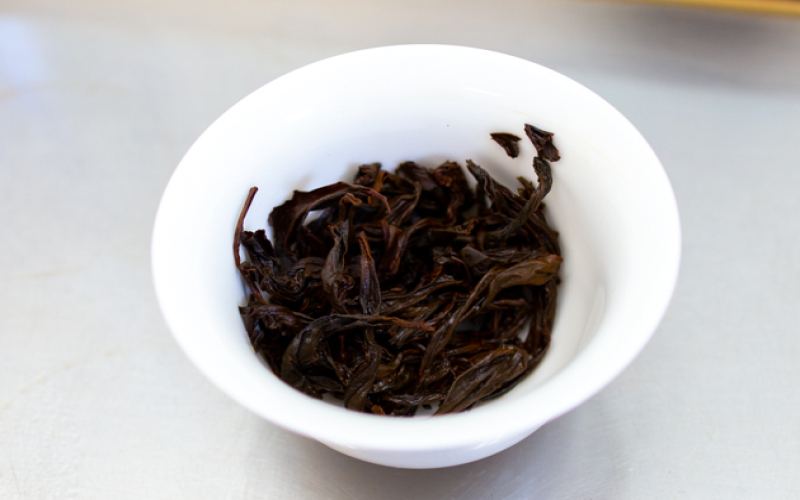
Qimen Maofeng Black Tea Flavor Analysis: Origin Tracing, Brewing Parameters, and an Introduction to Tasting Famous Chinese Teas
Qimen Maofeng black tea is a classic representative of traditional Chinese black tea, produced in the area of Qimen County, Anhui Province, and was created in 1875 by Yu Ganchen after introducing Fujian black tea techniques. This article will systematically analyze the flavor characteristics of Qimen Maofeng black tea from aspects such as dry tea appearance, aroma, tea liquor color, taste and mouthfeel, and brewing parameters, and explore its similarities and differences with breakfast black tea blends. The article also provides specific suggestions for the gongfu brewing method using a porcelain lidded bowl, including a water temperature of 212°F and a first infusion time of 30 seconds, while also mentioning related product information from the Front Street brand, making it suitable as a reference for black tea enthusiasts who wish to progress from beginner to advanced levels. [more…]
The Specialty Coffee Cup Selection Guide: From Material and Capacity to Color, Understanding the Key Points of Cupware Selection in One Article
In the world of specialty coffee, the choice of cupware is by no means a trivial matter. Coffee cups made of different materials deliver completely different tasting experiences—ceramic cups are robust and rustic, suited to dark, intense coffees; porcelain cups are fine and smooth, and bone china in particular brings out the delicate flavors of coffee even better. Cup shape and size are equally key: small cups of 60 to 80 ml suit pure single-origin tastings, standard cups of 120 to 140 ml are convenient for mixing, and mugs of 300 ml or more pair perfectly with milk coffee. In addition, a white interior best sets off the coffee's color, and coffee cups and tea cups are clearly distinguished by shape and light transmission. This article also covers warming techniques and everyday cleaning methods, and recommends related cupware choices from Front Street Coffee, helping enthusiasts enhance coffee flavor through the details. [more…]
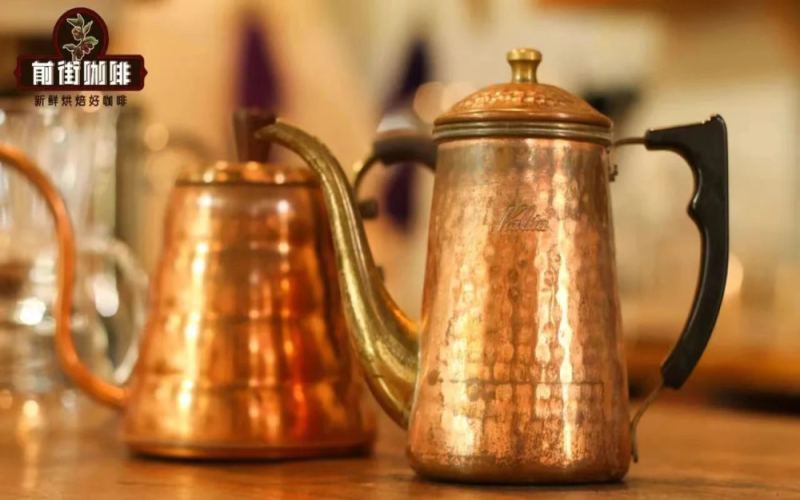
A Complete Guide to Choosing a Home Pour-Over Kettle for Beginners: Practical Selection Tips from Temperature Control and Spout to Material
Want to get your hands on a pour-over kettle but feel overwhelmed by the bewildering array of styles on the market and don't know where to start? Actually, choosing a kettle is like a swordsman choosing a sword—a well-suited one can greatly reduce the difficulty of controlling the water flow, letting even beginners brew consistently good-tasting coffee. This article draws on Front Street's hands-on experience to break down the key points of choosing a kettle one by one: the choice between temperature-controlled and non-temperature-controlled models, how the spout shape affects the water flow, the kettle body capacity and handle design, and the trade-offs among materials like stainless steel, copper, and enamel porcelain. At the end, we've also included a flavor sequence of Front Street Coffee beans suitable for beginners to try step by step, helping you sort out your buying logic all at once. [more…]