







Search Results for: traditional culture
Cultural Clashes in Starbucks' Global Expansion: From the Forbidden City Controversy to Breakthroughs in India and France
As a symbol of American culture, Starbucks rapidly went global after Howard Schultz took over, opening 17,600 stores in 61 countries. However, when Starbucks entered countries with deep cultural traditions such as China, India, and France, it frequently encountered cultural resistance and controversy. From being forced to withdraw from its Forbidden City store, to the long wait in the Indian market, to the French people's steadfast defense of traditional cafés, Starbucks, while exporting American coffee culture, has also had to face the stubborn resistance of local cultures. This article will walk you through Starbucks' path of cultural conflict and integration around the world, and explore the balance between business expansion and cultural respect. [more…]

A Grand Showcase of New Year Couplets for Coffee Shops: A Creative Clash of Dragon Year Coffee Culture and Traditional Spring Couplets
During the Spring Festival of the Year of the Dragon, the coffee industry blended into traditional New Year flavor in a unique way, as many independent café owners posted carefully crafted coffee-themed Spring Festival couplets on social media. These couplets cleverly combined coffee elements such as lattes and Americanos with auspicious blessings, showcasing the charm of coffee culture while conveying good wishes for the New Year. From “Coffee has bitterness and sweetness too” to “Iced Americano is simply the best,” each couplet embodied the shop owner’s love of life and blessings for customers. Let us step into these highly creative cafés together, experience a distinctive New Year flavor where tradition and modernity blend, and savor the cultural charm within the rich aroma of coffee. [more…]
Starbucks Spring Festival couplet calligraphy design sparks controversy, foreign brands' guochao marketing under renewed scrutiny
In recent years, the "China Chic" trend has swept across all industries, with traditional patterns and fonts being repackaged and integrated into modern design, becoming a popular direction for brand marketing. The Lunar New Year is a key moment for major brands to showcase their "China Chic" creativity. This year, Starbucks collaborated with calligraphy artist Zhu Jingyi to launch Spring Festival couplets, attempting to interpret traditional Spring Festival elements in a trendy way, but it sparked widespread questioning from netizens due to the writing style and content expression. This is not Starbucks' first attempt at "China Chic"; from the "Three Good Star Youth" in 2020 to the 2022 Chinese New Year series, its strategy has gradually escalated. However, as an important carrier of traditional culture, Spring Festival couplets carry auspicious meanings, and this controversy also prompts reflection on how foreign brands can appropriately use "China Chic" elements. [more…]
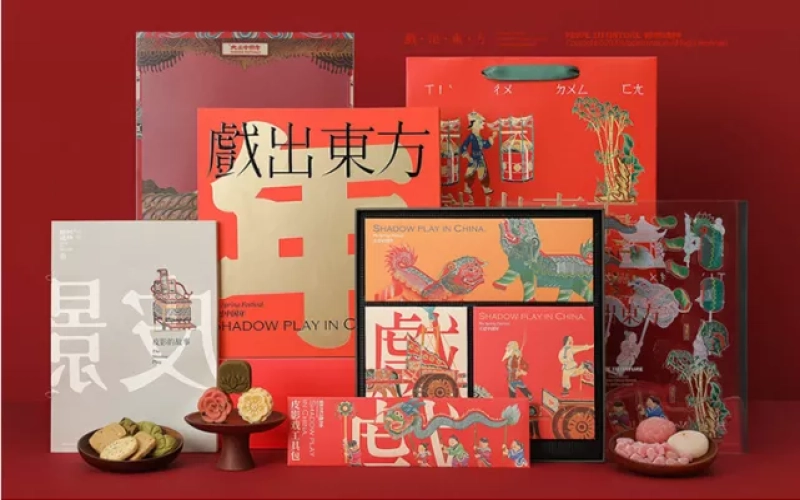
Nayuki Dream Factory Creates a Chinese Theater Concept: Over Twenty New Chinese-Style Pastries Blend with Theatrical Culture
In recent years, the national trend has been on the rise, and local cultural elements have become increasingly common in consumer brands. As a leading brand in the new-style tea beverage sector, Nayuki has abandoned its former Japanese-leaning brand image and transformed Nayuki Dream Factory into an opera space full of Chinese charm, launching more than 20 new Chinese-style pastries represented by mochi and palmiers, with each product corresponding to a classic opera such as The Drunken Concubine, The Peony Pavilion, and Farewell My Concubine. The store also displays traditional theater merchandise such as covered bowls and folding fans, creating an atmosphere of stepping into a traditional opera garden. Previously, Heytea also launched Axi Teahouse incorporating Sichuan opera elements. Against the backdrop of widespread price increases in the tea beverage industry, Heytea attracted market attention with a low price of nine yuan, and whether Nayuki's move into the national-trend pastry track can break through is worth continued attention. [more…]

Brewing Coffee the Matcha Way: An Analysis of Matcha's Origins, the Tea Whisking Culture, and Traditional Brewing Techniques
Matcha and coffee may seem to belong to two different worlds, but what kind of flavor collision would occur if we borrowed the brewing logic of matcha to make coffee? Before getting hands-on, Front Street Coffee will first take everyone back through the historical origins of matcha—it began with the whisked tea method of China's Song Dynasty, and after localized evolution, became part of Japanese tea ceremony culture, which emphasizes the spirit of "harmony, respect, purity, and tranquility." Traditional matcha brewing requires a small amount of matcha powder with 70°C~80°C warm water, first blended in a bowl with a tea whisk, then a measured amount of warm water is added and whisked to create foam, producing a thick, delicate layer of foam. This article unfolds around the origins of matcha, key brewing points, and the specific method for making matcha coffee, while preserving relevant images and recommendation information in appropriate places. [more…]
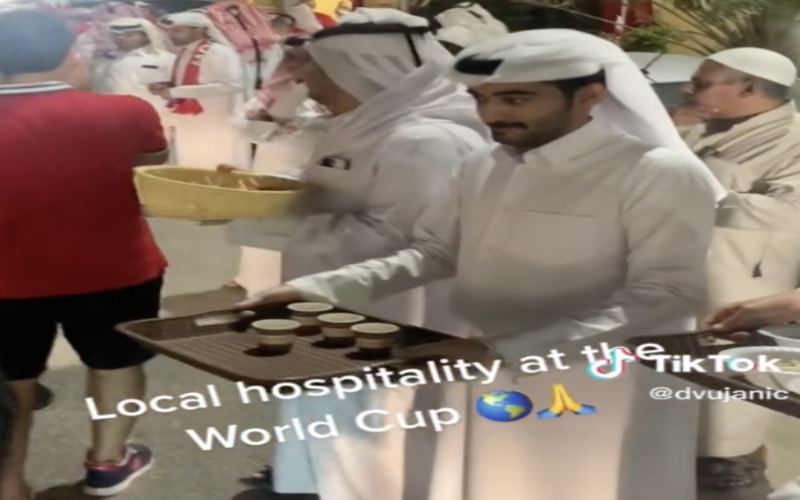
Traditional Qatari Arabic Coffee Culture: From Hospitality Etiquette to the Historical Origins and Drinking Methods of Gahwa
While watching the World Cup in Qatar, fans not only felt the passion of the matches but were also deeply moved by the locals' tradition of warm hospitality. After every match, Qataris would offer fans traditional snacks, dates, and coffee, showcasing the Gulf region's hospitality culture of "keeping the pot on the fire." This article takes you through the preparation methods of traditional Qatari coffee, the drinking etiquette, and the historical evolution of Arabic coffee from "Qishr" to "Gahwa." From the etiquette of holding the pot in the left hand and passing the cup with the right, to the use of spices such as saffron and cardamom, and to the origin of the word "coffee" from Arabic, it presents a comprehensive picture of the story behind this beverage that carries folk heritage. [more…]
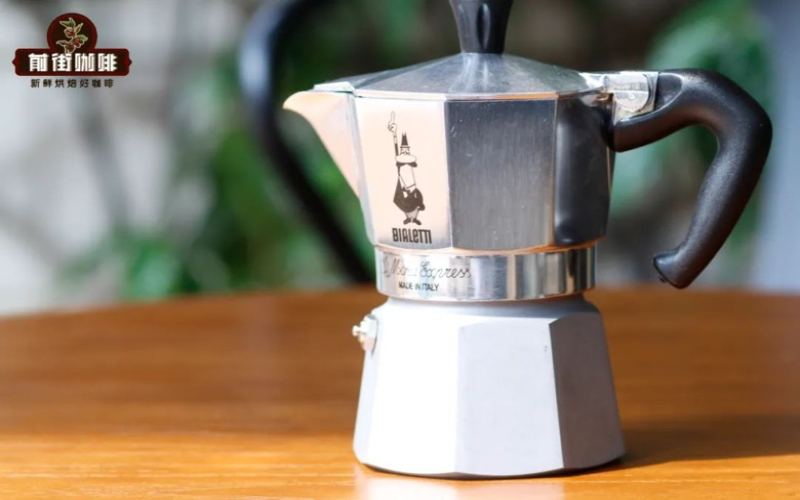
The Italian Family Moka Pot Tradition: National Coffee Culture in an Aluminum Pot
In Italy, the moka pot isn't called a gadget; it's called "the coffee machine at home." It is estimated that over ninety percent of Italian households own at least one moka pot. Every morning, millions of little aluminum pots gurgle one after another on the stove—that is the shared background sound of the nation's morning. Understand this material culture, and you can see why [more…]
Exploring the Origins of Nanyang Coffee Culture: From Kopitiam to Kopi Slang, Southeast Asian Coffee Traditions and the History of Hainan Immigrants
Walking through the streets and alleys of Southeast Asia, the terms like Kopi O, Kopi C, and Kopi Tarik on café signs often leave outsiders completely baffled. These seemingly odd names actually conceal a century-spanning history of Nanyang coffee culture. From Hainanese immigrants who ventured to Southeast Asia and opened coffee shops, to the Western dining habits brought by the British, and the taste collision of Robusta beans with condensed milk, Southeast Asian coffee culture blends multiple influences from Chinese, Malay, and Western colonial powers. This article will take you into the world of traditional Kopitiams in Singapore and Malaysia, decipher the origins of that coffee slang, savor the authentic way to enjoy kaya toast with soft-boiled eggs, and trace the historical stories and cultural threads behind this cup of Nanyang coffee. [more…]
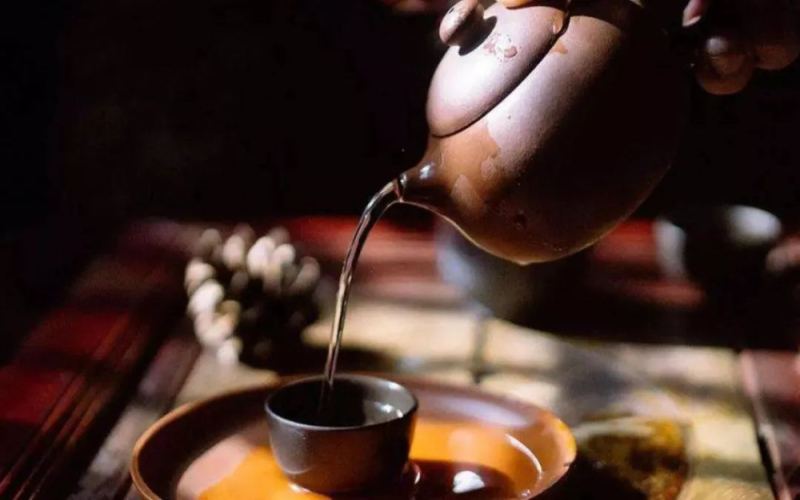
Monks Also Love Pour-Over Coffee: Ancient Temples Across Asia Open Cafés, Monks Buy Green Beans to Roast and Brew Themselves
Famous mountains and ancient temples have long been known for tea, but in recent years monks at temples in many parts of Asia have begun to take a keen interest in coffee, and cafes have quietly appeared within temple grounds. From the Starbucks at Zenko-ji in Japan, to the vegetarian coffee at Yongfu Temple in Hangzhou and Longhua Temple in Shanghai, to Korean monks who buy green beans themselves, purchase roasters, and personally brew coffee to serve visitors, coffee is gradually becoming part of temple life. This article introduces this intriguing phenomenon of traditional culture blending with an imported beverage, and explores the cultural significance behind temple coffee. At the end, it also includes netizens' profound comments on the changing role of temples. [more…]
Milk Tea Replaces Baijiu? Post-90s and Post-00s Newlyweds Reshape Wedding Toast Etiquette with New-Style Tea Drinks
Must you drink alcohol when toasting at a wedding? More and more couples born in the 1990s and 2000s are giving a different answer: replacing baijiu with milk tea. From a Shanghai couple's wedding banquet featuring golden-cup milk tea to the heated discussion of 320,000 posts on social media, this new trend of substituting tea for alcohol is quietly changing the drinking culture at traditional wedding banquets. Why are young people drawn to this approach? And do their elders accept it? This article takes you through this wedding banquet revolution led by new-style tea drinks, and shows how young people are redefining the wedding toast ritual in their own way. [more…]

Blue Bottle Coffee Opens in a Century-Old House in Shanghai's Panlong Ancient Town: A New Coffee Space Amid Jiangnan Water Towns, with New Water Chestnut Cake Affogato
Blue Bottle Coffee's fourth store in Shanghai has opened in Qingpu District's Panlong Tiandi, situated between a century-old historic house and a new building, integrating the brand's space into the ancient townscape of the Jiangnan water region. The store is divided into three areas: the historic house, the new building, and a public gathering space, preserving traditional architectural structures while infusing them with a modern design language. In addition, the Panlong store has introduced a Water Chestnut Cake Affogato that blends traditional flavors, combining the soft, sweet water chestnut cake with rich, aromatic Italian affogato to deliver a unique taste experience. Join us as we explore this Blue Bottle Coffee in the ancient town and experience the collision of coffee and local culture. [more…]
British and French cafés say "no" to laptops: fighting seat-hogging or a culture war?
Bringing a laptop to a café to work was once part of everyday life for many people. Recently, however, several cafés in the UK have introduced rules banning customers from using laptops during lunch hours and on weekends, on the grounds that these "digital nomads" occupy seats for long periods while spending little, seriously hurting table turnover and revenue. At the same time, some cafés in Paris have also put up "no laptops" signs and even refuse to provide WiFi, in order to defend traditional coffee culture. But some shops have adopted a compromise strategy, setting up "no-computer zones." This tug-of-war over café space reflects the difficult balance between tradition and the demands of modernization. Front Street Coffee believes that how to accommodate diverse needs while safeguarding business operations is something every industry practitioner is worth pondering. [more…]
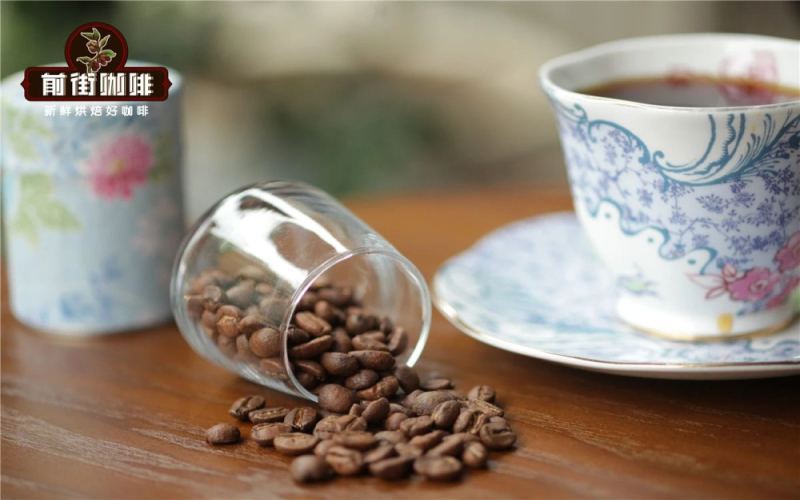
An Analysis of Ethiopian Coffee Culture and Traditional Drinking Methods, with a Complete Overview of Regional Flavors and Processing Methods
Ethiopia is not only the birthplace of coffee, but also treats coffee as a carrier of culture and faith. From the legend of Kaldi the shepherd to the rich aroma every morning, from traditional brewing in the Jebena clay pot to the blessings of the three-round coffee ceremony, Ethiopians have preserved coffee in its most primordial purity. This article will take you deep into Ethiopia's coffee culture, its pastoral cultivation model, the distribution of its nine major producing regions, and the influence of washed and natural processing on flavor. At the same time, Front Street Coffee's many Ethiopian bean offerings, such as the Dinding Cooperative, Red Cherry, and Huakui, will also showcase for you the classic Ethiopian flavors of citrus, berries, and floral notes. [more…]
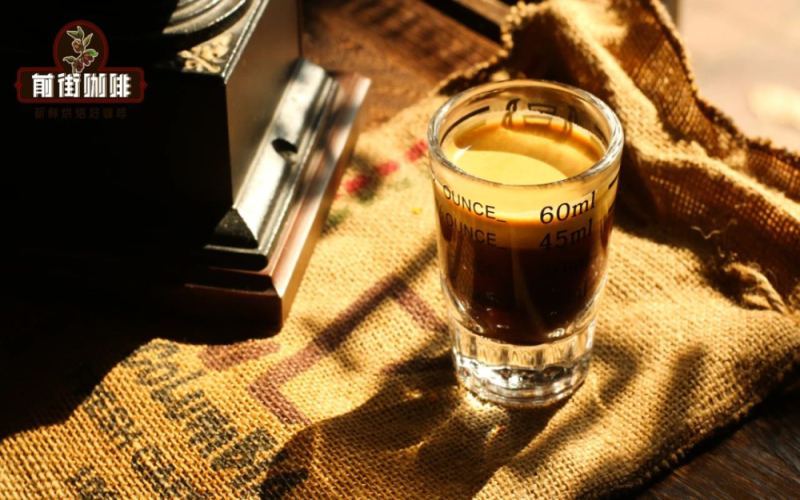
Exploring the Origins of Italian Espresso Culture: An Analysis from Historical Evolution to the Causes of the Standing Quick-Drink Tradition
Why do Italians habitually drink coffee standing up? Why is iced Americano hard to find in Italy? This article begins with the history of how coffee was introduced to Italy, traces the birth of espresso and the evolution of coffee machines, and analyzes Italians' devotion to dark-roast espresso as well as the reasons behind their efficient, quick-drinking culture. At the same time, the article also addresses the reality of foreign tourists ordering iced Americano in Italy, and retains relevant content about the Front Street brand, making it suitable for readers who want an in-depth understanding of Italian coffee culture. [more…]
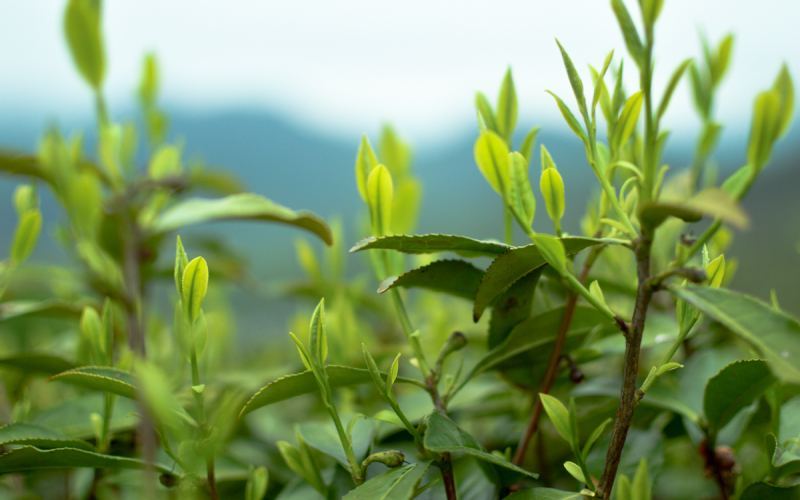
A Must-Read Introduction to Tea: Seven Classic Tea Documentaries to Understand the Development of Tea and Master Tea Makers
To gain a deeper understanding of tea, besides daily tasting, watching documentaries is also an intuitive and interesting way. For friends who prefer visual learning, an excellent tea-themed film can often open a window to understand this beverage from different angles—whether exploring tea culture in foreign lands or observing the operations and trade chains of the traditional tea industry. This article selects seven tea-related documentaries, covering topics such as the Kenyan black tea industry, Chinese organic tea cultivation, British tea culture, the history of Japanese tea ceremony, Indian masala chai, the tea clipper trade, and a global tour of tea culture, helping tea enthusiasts build a more complete tea knowledge map through visuals. If you are looking for a starting point, why not begin with this list. [more…]
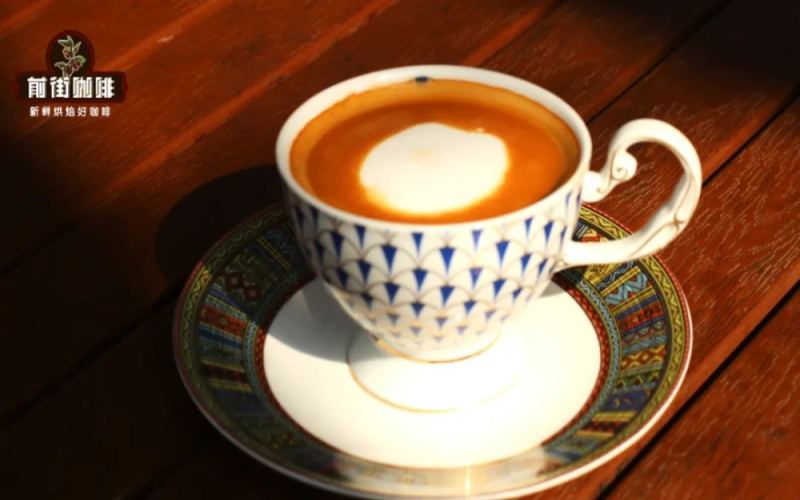
What Is Viennese Melange Coffee? The Differences Between Wiener Melange and Cappuccino and an Analysis of Front Street Coffee's Offerings
Melange coffee is one of the most iconic milk coffees in Viennese café culture. Its name comes from the French word for "mixture," emphasizing the blending of espresso, hot milk, and thick milk foam. It is quite close to the cappuccino we are familiar with in terms of formula elements, but there are clear differences in cup size, number of espresso shots, and foam form. This article will unfold from the historical origins of Melange, its specific differences from cappuccino, and the complete process of Front Street using Warm Sun coffee beans to make a traditionally styled Melange, helping coffee lovers understand the unique qualities of this Viennese classic drink. [more…]
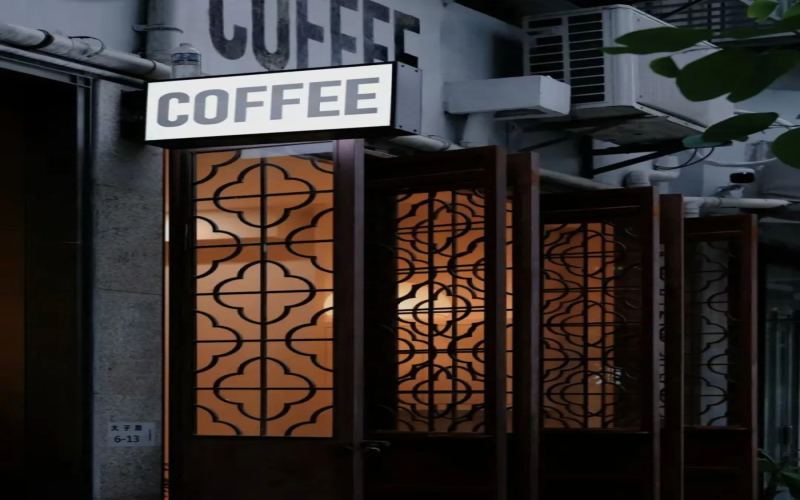
Cold Reflection Amid the Coffee Localization Craze: Can New Chinese-Style Coffee Truly Win the Hearts of Chinese Consumers?
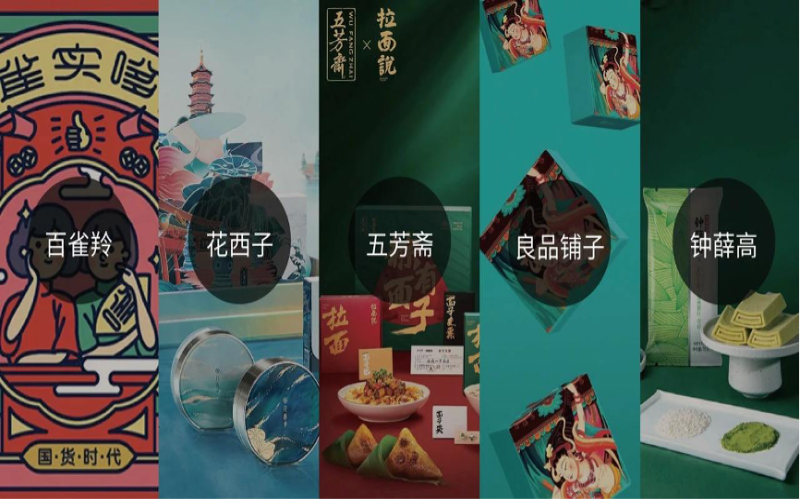
In recent years, "new Chinese style" has become a hot topic in the food and beverage industry, and coffee is no exception. From coffee served in lidded bowls to collaborations with Chinese-style breakfasts and traditional medicinal herbs, a growing number of coffee professionals are trying to blend coffee with elements of traditional Chinese culture. This localization strategy has indeed opened up a new niche in the coffee market, drawing a great deal of attention on the back of the "national trend" wave. Yet when coffee is draped in a gorgeous Chinese-style exterior, what do people actually remember—the coffee itself, or the exquisite packaging and settings? This article takes an in-depth look at the current state of new Chinese-style coffee and its hidden concerns, reflects on whether the development of coffee culture in China has truly touched the essence, and calls for more professional attention and dedication to coffee itself. [more…]
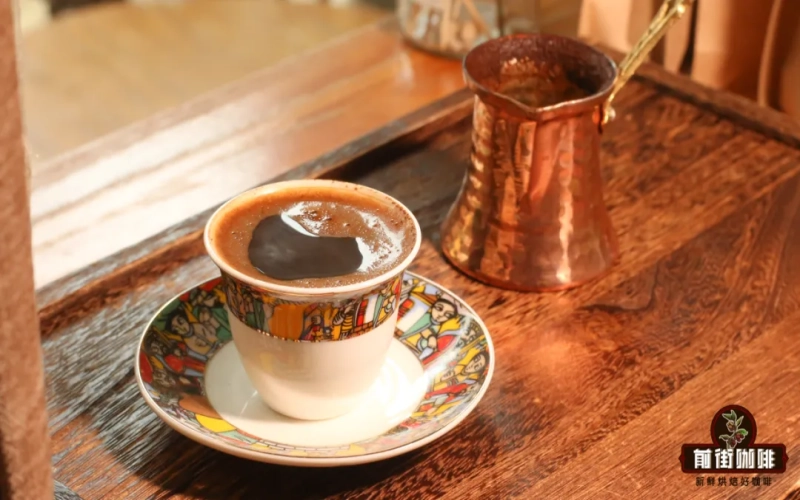
Why does Turkish coffee deliberately retain the coffee grounds? An analysis of the ultra-fine grind and the no-filter tradition
In an era where filter brewing devices are highly popular, Turkish coffee still insists on being consumed with the grounds, powder and all. This is not backwardness or laziness, but rather something shaped jointly by its sand-brewing extraction method, extremely fine grind size, and deep cultural tradition. From the perspective of Front Street, this article explains why Turkish coffee is not filtered: just how fine its grind really is, how it differs from espresso grounds, how the coffee powder quickly settles in a short time and gives the coffee a rich mouthfeel, and the fortune-telling custom that has arisen from keeping the grounds, helping you fully understand the logic behind this unique coffee culture. [more…]
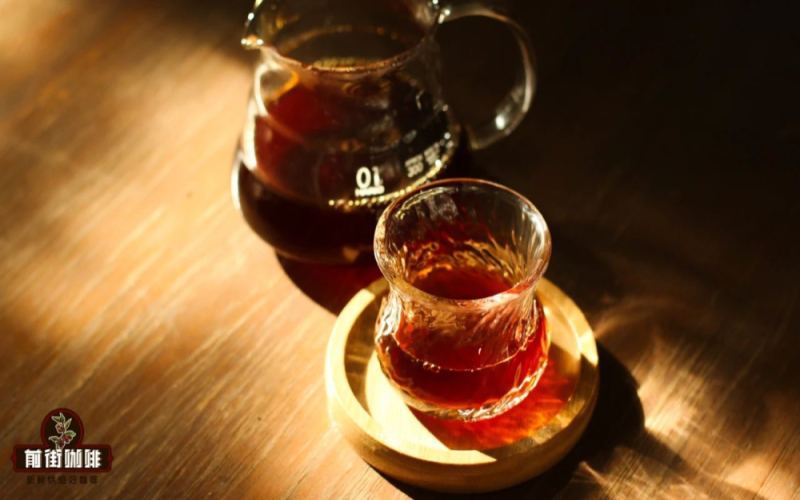
A Detailed Explanation of the Differences Among the Three Major Coffee Culture Circles: Japanese, Nanyang, and North American: Roasting, Brewing, and Wave Evolution
Coffee has evolved into strikingly different forms across the world's regions. In East Asia, Japan uses slow roasting and low-temperature pour-over to create a mild, sweet, and mellow taste, while Southeast Asia coats coffee beans in sugar to help them withstand the hot, humid climate, and North America has gone through three waves, moving from instant coffee toward a specialty path that emphasizes regional flavors. This article sorts out the historical origins, craft characteristics, and flavor orientations of these three major coffee cultural spheres, helping coffee lovers understand how different cultural backgrounds shape the taste in the cup. Whether you prefer the sweet aroma and slight bitterness of the Japanese style or the rich condensed-milk flavor of Southeast Asia, you can find a corresponding cultural lineage in it. [more…]
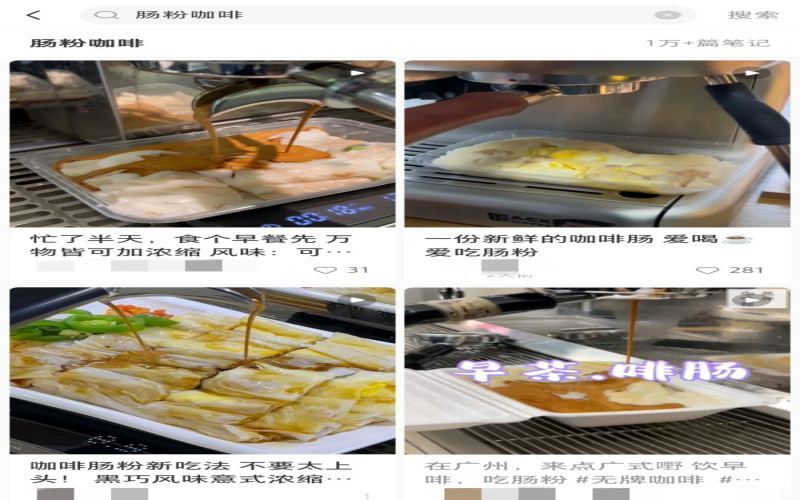
Rice noodle rolls paired with espresso? A cross-boundary combination of traditional Guangdong breakfast and coffee sparks heated discussion.
What happens when traditional Guangdong rice noodle rolls meet espresso? Recently, a novel way of eating them—swapping the soy sauce for espresso—has sparked widespread discussion on social media, with related posts on Xiaohongshu exceeding ten thousand. Some people call it outrageous, while others say they are eager to try it. In fact, crossovers between coffee and traditional Chinese foods have long existed, from Chengdu's pork intestine rice noodles paired with coffee to fried dough sticks with coffee. Such attempts continuously refresh people's understanding of coffee culture. This article will take you through the story behind this phenomenon and the various amusing tales of coffee's localisation explorations. [more…]