







Why Are Asian Temples Opening Coffee Bars and Roasteries?
Temples across Asia have added coffee to daily life. Zenkoji Temple in Nagano, Japan, with over 1,300 years of history, hosts a two-story lacquered Starbucks that echoes the temple's shoin architecture and hollyhock crest. In China, Yongfu Temple in Hangzhou and Longhua Temple in Shanghai serve vegetarian coffee, and monks in Korea buy green beans, purchase roasters, and brew for visitors themselves.
The shift grows out of older temple strengths in tea. Temples were built on famous mountains with ideal growing and processing conditions, so monks long handled cultivation and quality research. Coffee now follows a similar path, blending imported beverage culture with local tradition as monks roast and brew on site. Some observers link it to a changing understanding of temple life rather than a break with it.
Famous mountains and ancient temples have long been known for tea, but in recent years monks at temples across Asia have developed a strong interest in coffee, and cafés have quietly appeared within temple grounds. From the Starbucks at Zenkoji Temple in Japan, to the vegetarian coffee at Yongfu Temple in Hangzhou and Longhua Temple in Shanghai, to Korean monks buying green beans themselves, purchasing roasters, and personally brewing coffee to serve visitors, coffee is gradually becoming part of temple life. This article takes you through this fascinating phenomenon of traditional culture blending with an imported beverage, and explores the cultural significance behind temple coffee. At the end, we've also included a netizen's insightful commentary on the changing role of temples.
For professional coffee knowledge exchange and more coffee bean information, please follow Coffee Workshop (WeChat public account: cafe_style)
For more specialty coffee beans, please add the private WeChat of Front Street Coffee (FrontStreet Coffee), WeChat ID: qjcoffeex
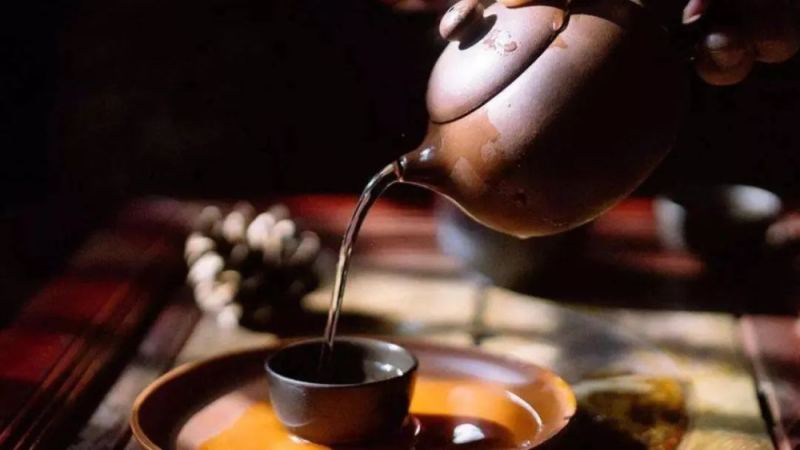
Good tea often comes from famous mountains, and atop famous mountains there are often famous temples.
In ancient times, temples were mostly built on famous mountains, so temple monks enjoyed unique conditions for growing and processing tea, and were best positioned to research and improve tea quality. Beyond their daily spiritual practice, they also took on the work of cultivating and processing tea. For this reason, people visiting temples always looked forward to a good cup of tea, and generally assumed that monks only dealt with tea.
However, in recent years, besides continuing to study and taste tea, monks at temples in many parts of Asia have also developed a strong interest in coffee, and some coffee shops have even opened within temple grounds.
In 2020, within the grounds of Zenkoji Temple in Nagano Prefecture, Japan—a temple with over 1,300 years of history—Starbucks drew inspiration from Zenkoji's shoin to blend outside culture with the temple's history.
The store is a two-story lacquered building that harmonizes with the surrounding temple landscape. The interior decor makes extensive use of hollyhock patterns, echoing Zenkoji's temple crest. At the same time, the store preserves the beams of the original Meiji-era building, striving to respect local history and tradition within a vibrant modern design.
In 2021, a café quietly opened inside Yongfu Temple, a 1,600-year-old ancient temple in Hangzhou. The shop is located at the entrance of Yongfu Temple, and you need to purchase a ticket to the Lingyin Scenic Area to reach it.
In other words, this café only serves worshippers and visitors who have entered the temple to pray. To better combine coffee with traditional culture, the products have Zen-inspired names—for example, the latte is called "Stilling Snow," the americano is called "Washing Away Troubles," and the coconut latte is called "Zen Beginning."
By 2022, Longhua Temple in Shanghai, with 1,700 years of history, also began selling "vegetarian coffee." However, Longhua Temple did not open a standalone café; instead, it chose to sell vegetarian coffee in its vegetarian dining hall, in a very down-to-earth way.
Considering that some people wonder whether milk is "meat" or "vegetarian" (actually, milk is neither meat nor vegetarian in this sense), Longhua Temple thoughtfully offers both milk and oat milk options, also accommodating those who are lactose intolerant.
Many people might think that temples sell coffee to attract young people and give the next generation more opportunities to learn about traditional culture. However, the monks in temples are equally fascinated by coffee.
A few days ago, when guests on a Korean variety show visited a temple monk, the monk not only brewed tea for them but also made them coffee.
The show's host said, "I thought monks only drank tea." The monk replied with a smile, "It seems you're still living in the past—monks need to keep up with the times too." He also mentioned that the coffee beans were green beans the monks had purchased themselves, and that the temple had acquired a roasting machine.
From this article, it's clear that whether for temples, monks, or visiting guests, coffee has gradually become an indispensable modern way of socializing. Some might feel this is a process of imported culture invading traditional culture.
Here we quote a netizen's comment:
"The past glory of temples was not solely due to faith. Before the Qing Dynasty, the monastic community was more educated than the average person—the entry exam for monks in the Ming Dynasty was harder than the imperial examination at the xiucai level. Moreover, temples at the time provided medical care for the poor and disaster relief in famine years. In an era of widespread illiteracy, temples were cultural leaders. Today, whether you have hundreds or thousands of years of history, what matters is whether you are a cultural leader in the present.
This culture includes artistic creation such as painting and poetry, skilled craftsmen in architecture and sculpture, and perhaps much more... Ancient temples were full of poets, calligraphers, and great physicians... The same is true today. It's perfectly reasonable for common people to need coffee, sell coffee, sell culturally creative coffee, sell tasty and affordable coffee... A group that cannot benefit the people cannot win their support, let alone their trust and admiration. Today's temples have no temple estates to rely on for survival; they too need to create value to keep the temple running... A cup of coffee that looks good, tastes good, and has Zen spirit—all are fine..."
"Drinking coffee in a Buddhist sanctuary—don't judge others for their coffee."
Image source: Internet
The above content is compiled by CoffeeHunters, a coffee news website.


