







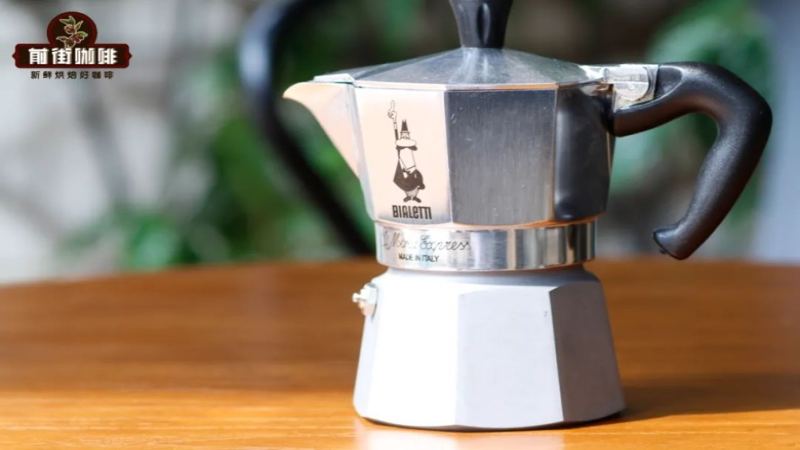
In Italy, the moka pot isn't called a device—it's called "the coffee machine at home." It's estimated that over ninety percent of Italian households own at least one moka pot. Every morning at dawn, millions of little aluminum pots gurgle in succession on the stovetops—that is the shared morning soundtrack of the nation. Understand this material culture, and you'll see why the moka pot still has an irreplaceable vitality today.
The story begins in 1933. Italian Alfonso Bialetti drew inspiration from watching how an old-fashioned washing machine worked: if hot water is pushed upward under pressure through coffee grounds, couldn't it "wash" the coffee out? The octagonal aluminum pot he designed quickly became a sensation after being produced by a kitchenware company—in that era, espresso machines were exclusive to cafés, and the moka pot brought "café-level espresso" onto ordinary household stovetops for the first time. The octagonal shape remains in use today and has become a classic symbol in industrial design history.
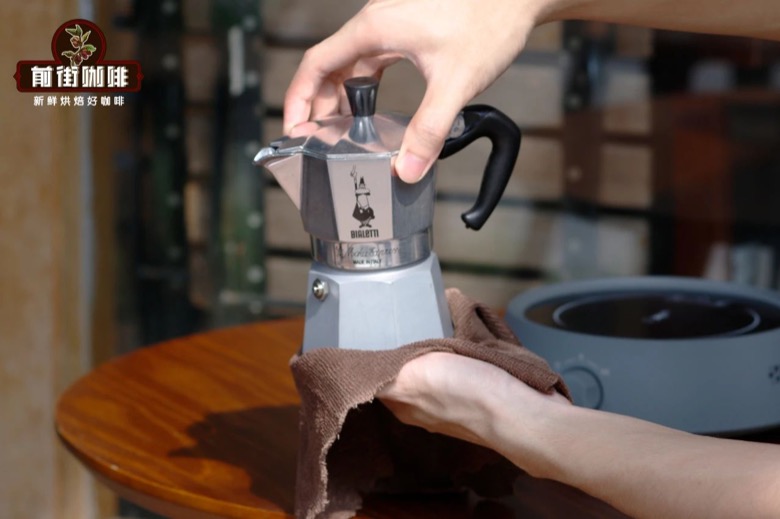
The way Italians use the moka pot has settled into a set of folk customs. The morning family ritual: fill water, load grounds (don't tamp, just level), simmer on low heat, and once the pot starts singing, the whole family gets up. The standard breakfast table setup is moka pot coffee with milk and bread or pastries, and Italian children often first encounter coffee through moka pot brews diluted with milk. The etiquette of dropping by: when a guest arrives, the host's moka pot goes straight onto the stove—a pot of coffee is the basic sincerity of hospitality. These everyday details elevate the moka pot beyond a mere device, making it a vessel of family memory.
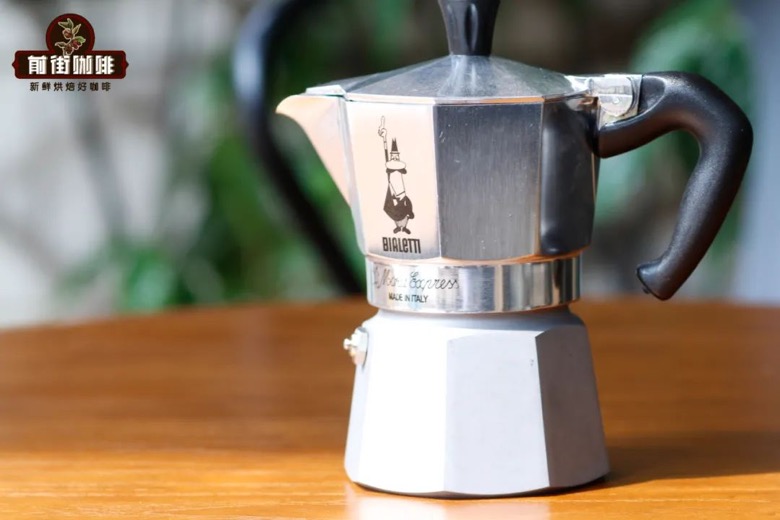
In terms of bean selection, Italy's native moka pot tradition is deeply rooted in local roasting styles. Italian-style roasting is mainly medium-dark to dark, and the blends often contain a small amount of Robusta to boost body and crema—this perfectly matches the moka pot's extraction characteristics: pressure and temperature fully release the caramel sweetness of dark-roasted beans. Front Street Coffee's classic Mamba blend follows the same line of thinking: the rich framework of Front Street Coffee's Mandheling plus the nutty sweetness of Brazil. The intensity brewed in a moka pot resonates with the spirit of what comes out of Italian kitchens.
It's worth noting that moka pot culture is experiencing a revival among the younger generation. Baristas in Milan are bringing moka pots into specialty cafés, using them for creative brews with light-roasted beans; designer collaborations have turned the old aluminum pot into a fashion item; and Italian grandmothers remain unchanged, guarding that pot of strength they've drunk their whole lives. Tradition and trend shake hands and make peace in the same pot.
For moka pot enthusiasts in China, the inspiration from this Italian tradition lies in this: treat brewing coffee as a rhythm of life, not a technical task. A fixed pot every morning, a familiar sound, a stable flavor—what the moka pot gives you isn't just a cup of coffee, but a daily ritual that can last for decades. This is probably why, in an age when coffee gear keeps innovating, it still holds its place on stovetops in countless homes.
The above content is compiled by CoffeeHunters, a coffee news website.

