







What Does New Chinese-Style Coffee Mean for Localization?
New Chinese-Style coffee refers to drinks that mix coffee with traditional Chinese elements, such as serving coffee in lidded tea bowls or pairing it with Chinese breakfasts and herbal medicines. The strategy has opened a new niche in China's coffee market and drawn attention through the national trend wave, but it raises a question about whether consumers remember the coffee itself or mainly the packaging and setting.
The trend reflects broader changes in China's food and beverage sector, where younger consumers reinterpret traditional culture and imported products alike. Globally common coffee extraction methods and creative drinks no longer satisfy many of these drinkers, so professionals combine coffee with local food culture, Chinese-style interior design, and China-specific cooking methods. Yunnan coffee and other domestic origins are part of that localization story.
In recent years, "New Chinese Style" has become a hot topic in the food and beverage industry, and coffee is no exception. From coffee served in lidded tea bowls to pairings with Chinese breakfasts and herbal medicines, more and more coffee professionals are trying to blend coffee with traditional Chinese cultural elements. This localization strategy has indeed opened up a new niche track for the coffee market, attracting a great deal of attention with the help of the "guochao" (national trend) wave. However, when coffee is draped in a gorgeous Chinese-style exterior, what do people actually remember—coffee itself, or those exquisite packaging and settings? This article takes an in-depth look at the current state and hidden concerns of New Chinese Style coffee, reflects on whether the development of coffee culture in China has truly touched the essence, and calls for giving coffee itself more professional attention and inheritance.
For professional coffee knowledge exchange and more coffee bean information, please follow Coffee Workshop (WeChat public account: cafe_style)
For more specialty coffee beans, please add the private WeChat of Front Street Coffee (FrontStreet Coffee), WeChat ID: qjcoffeex
In recent years, the term "New Chinese Style" has continued to heat up in China's food and beverage sector, becoming a highly watched focus.
With the shift in consumption concepts among the younger generation and the accelerating integration of global food cultures, many traditional Chinese food cultures as well as beverages introduced from overseas have ushered in entirely new interpretations.
For example, traditional Chinese pastries, through the creative reinterpretations of young people, both continue the essence of ancient methods and cater to the aesthetic and taste preferences of today's consumers; for another example, coffee, an imported product once regarded as a symbol of high consumption, has also gradually wrapped itself in a Chinese-style exterior during these years of the national trend.
Globally common coffee extraction methods and a dazzling variety of creative coffees are already unable to satisfy the exploratory desires of the new generation of main coffee consumers.
Therefore, many coffee professionals have begun trying to combine coffee with local iconic food culture, spatial designs rich in Chinese charm, or China-specific cooking methods (such as extracting coffee through low-temperature slow cooking) and other elements, using cultural identity to spark public interest in coffee.
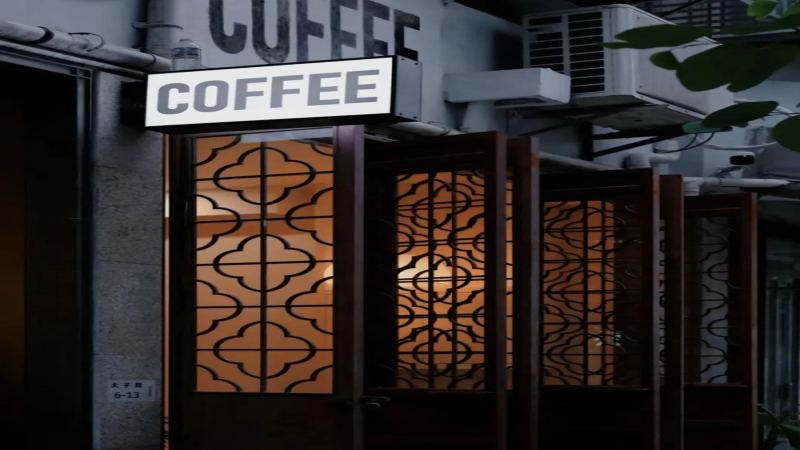
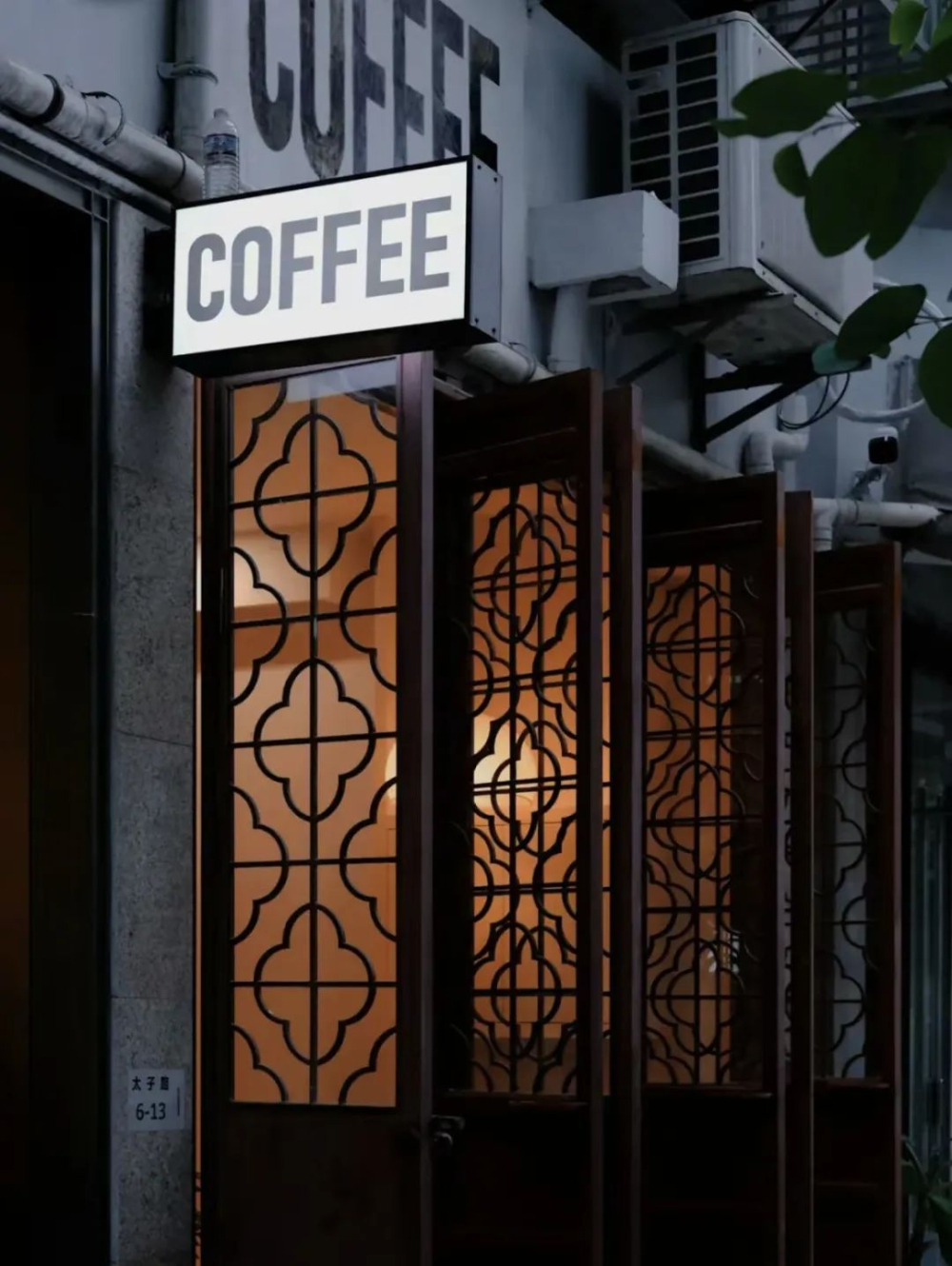
They turn the coffee shop as a whole into a "guofeng" (Chinese style) look, from menu layout to store decoration, with Chinese elements permeating every part. Coffee drinks are presented in combination with Chinese-style distinctive vessels, with coffee served in lidded tea bowls, rooster bowls... They also mix coffee with local traditional foods, launching products that pair coffee with Chinese-style breakfasts, herbal medicines, or local pastries, making coffee seem more approachable and down-to-earth, and so on.
Nowadays, for a new thing to quickly become popular in China, it cannot do without innovation in local flavors and consumption scenarios. "Sinicization" is indeed a coffee niche track with considerable potential, and the popularity of "guochao" in recent years has also created a very favorable growth environment for New Chinese Style coffee.
But this path may not go far, because much of so-called "New Chinese Style" is merely directional guidance for new consumption habits, not a practice worthy of being passed down from generation to generation.
The reason is that it lacks roots, lacks a soul, and lacks professionalism. Something without roots to support it will soon be forgotten by consumers and lose its appeal.
Although coffee has made considerable progress in the Chinese market, and public demand for coffee is also constantly growing, this demand remains more at the surface level, and coffee's own flavor has not truly been taken seriously by people.
People's support for Yunnan coffee is essentially support for Yunnan, or support for "guochao," rather than genuine love for coffee itself.
Few people seek to understand the painstaking efforts that coffee cultivation researchers and growers have poured into improving the quality of Yunnan coffee. Few people care that coffee roasters and brewers need to master a great deal of knowledge about coffee and roasting in order to bring out better flavors in Yunnan coffee beans.
The reason is that many New Chinese Style coffees are too flashy, obscuring what truly deserves our attention. If a food cannot be accepted and leave a deep impression by virtue of its own taste, then no matter how exquisite the cooking or how splendid the packaging, it will not be remembered by people for long.
The same is true of "Chinese-style" coffee. Whether it is China's local coffee beans or the various creative coffees on the market, people remember only the external form and will not appreciate the essence of coffee.
Of course, such sinicization is not entirely a bad thing; after all, it has made more people start paying attention to coffee. Since that is the case, we should seize this opportunity even more, so that truly Chinese-style coffee can develop in a higher-quality and more professional direction, and win inheritance and promotion from more people.
Image source: Internet
The above content is compiled by CoffeeHunters, a coffee news website.


