







Search Results for: the fifth taste
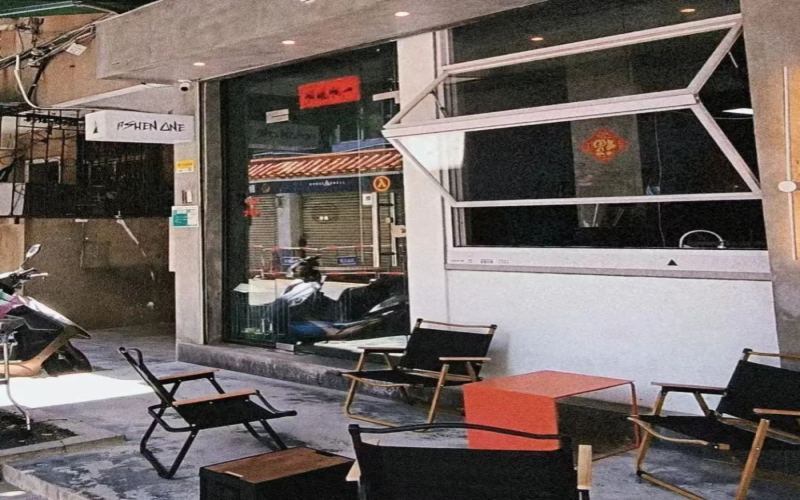
The coffee track in small cities is crowded—what else can fourth- and fifth-tier coffee shops rely on to break through?
As the coffee markets in first- and second-tier cities gradually become saturated, more and more brands are turning their attention to small cities in the fourth and fifth tiers, making the county-town coffee track unusually crowded. Using Xinhui District in Jiangmen, Guangdong as an example, this article reviews the local coffee shop scene from Starbucks' entry to the explosive growth of community stores, analyzes the three major challenges facing coffee shops in small towns: excessive competition within the same area, the downward expansion of large chain brands, and shortcomings in their social-space attributes, and observes some store owners' new idea of shifting toward a "si-doh" convenience-store model, exploring the survival space and future direction of coffee shops in small towns. [more…]
Is There Really Umami in Coffee? Analyzing the Perception Mechanism and Tasting Misconceptions of the Fifth Taste
Sour, sweet, bitter, salty, and umami—among the five basic tastes, umami has always been a controversial topic in coffee. In the specialty coffee wave, "umami" occasionally appears in flavor descriptions, and the word has even been seen on the packaging of Front Street Coffee's Panama Geisha. Can coffee really taste umami? This article starts with the scientific origins of umami, sorts out the relationship between glutamate and taste thresholds, analyzes the essence of umami perception in coffee, and reveals how saltiness "disguises" itself as umami, helping you understand the complex layers of coffee flavor more accurately. [more…]
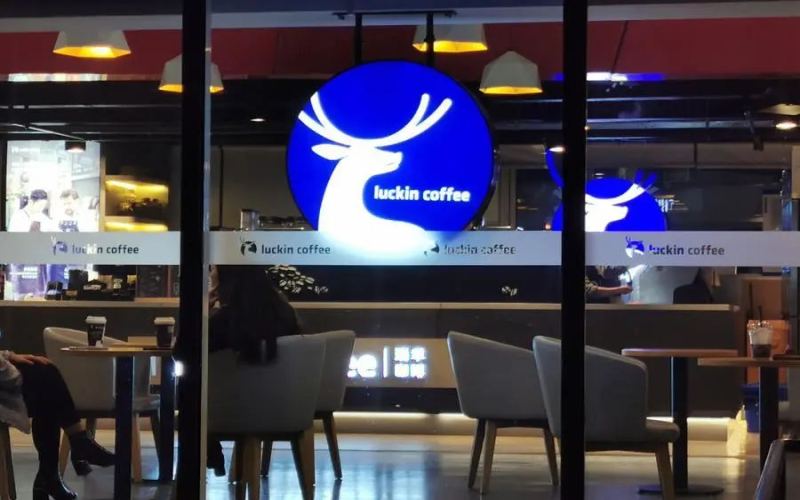
Will Luckin Coffee Lose Money by Opening Franchises in 2023? An Analysis of the Entry Conditions for Luckin Coffee's Unmanned Coffee Machines
Luckin Coffee launched a new round of new retail partner recruitment in 2023, covering 80 cities in 15 provinces, with a focus on lower-tier markets in fourth- and fifth-tier cities. As of the end of September 2022, Luckin had a total of 7,846 stores, including 2,473 joint-venture stores. First- and second-tier cities accounted for more than 70%, while coverage in lower-tier cities remained sparse. At the same time, Luckin's RJG unmanned coffee machines performed well in shopping malls, hospitals, office buildings, and other locations, offering large-sized drinks to the same standard as stores 24 hours a day. This article will review Luckin's franchise strategy, the opportunities and challenges of lower-tier markets, and the layout logic of RJG, while also retaining relevant recommendations from Front Street Coffee, to help coffee lovers gain a comprehensive understanding of Luckin's expansion moves. [more…]
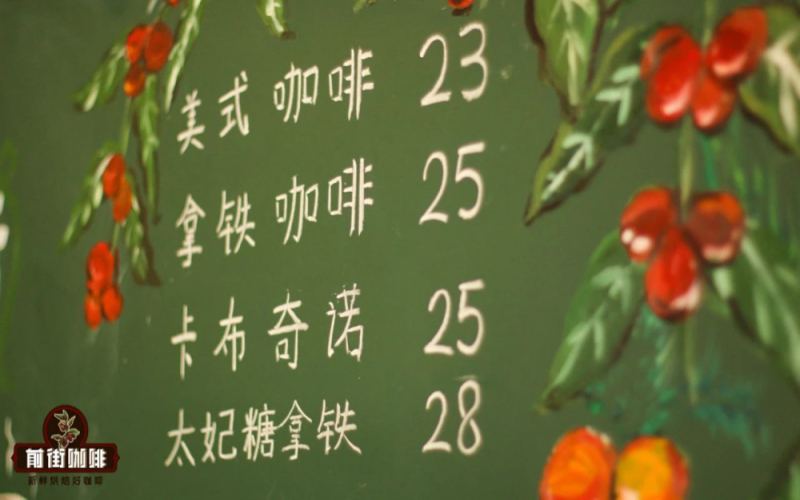
A Complete Guide to Espresso: From Latte to Macchiato, Understanding Coffee Types and Ratios
Walking into a coffee shop, faced with the many options on the menu like latte, cappuccino, macchiato, and mocha, have you ever felt confused? These drinks are actually all based on espresso, evolving through adjustments to the proportions of coffee, milk, milk foam, and other ingredients. This article, compiled by Front Street Coffee, systematically sorts out the main types of Italian coffee and their flavor characteristics, explains in detail the mixing ratios for each drink, and introduces the Sunflower Warm Sun blend coffee beans and extraction parameters used by Front Street stores to make espresso. Whether you are a coffee enthusiast just starting out or a connoisseur wanting to gain a deeper understanding of the Italian coffee system [more…]
What classic coffees can be made from espresso? A complete guide to the ratios and drinking methods of lattes, cappuccinos, mochas, and more
Walking into a café and facing a dizzying array of names like latte, cappuccino, macchiato, and mocha, many people inevitably feel confused. These drinks are actually all based on espresso, and simply by adjusting the proportions of espresso, milk, milk foam, chocolate, and other ingredients, they evolve into completely different flavors and textures. This article, compiled by Front Street Coffee, systematically sorts out the main members of the Italian coffee family, explains their respective mixing ratios and drinking characteristics, and introduces the performance of Front Street Classic Espresso Blend and Sunflower Warm Sun Blend in espresso extraction, helping you not only understand the differences in taste but also find the cup that suits you. [more…]
What classic coffees can espresso evolve into? A full analysis of the blending secrets from latte to macchiato
Walking into a café and facing a bewildering array of names like latte, cappuccino, macchiato, and mocha, have you ever felt completely lost? These drinks are all actually based on espresso, and by adjusting the proportions of coffee, milk, milk foam, chocolate, and other ingredients, they evolve into distinctly different flavors and mouthfeels. This article takes the production practices of Front Street Coffee as an example to systematically sort out the main members of the espresso family, explain in detail each drink's recipe proportions, the origin of its name, and its tasting characteristics, and share the extraction parameters and flavor performance of Front Street's Sunflower Warm Sun blend beans, helping you not only clearly understand the differences among various coffees, but also flexibly adjust according to personal preference and find the cup that suits you best. [more…]
An Analysis of Common Espresso Drinks: Flavor Differences and Blending Approaches from Espresso Base to Latte and Cappuccino
Walking into a café and faced with a wealth of options like latte, cappuccino, macchiato, and mocha, many people find it hard to tell them apart at a glance. In fact, all of these Italian-style coffees share Espresso as their common foundation, with milk, milk foam, chocolate, or hot water added in different proportions to create their own flavor profiles. This article will take espresso extraction as its starting point, systematically sorting through the recipe structures, origins of names, and taste characteristics of common Italian-style coffees one by one, and explaining that the line between latte and cappuccino is not sharply drawn, but rather a variation in proportions and emphasis. At the same time, drawing on the production practices of Front Street Coffee (FrontStreet Coffee), it introduces the extraction parameters and flavor performance of its espresso blend beans, helping readers, after understanding the classic proportions, adjust a cup that better suits their personal taste. [more…]
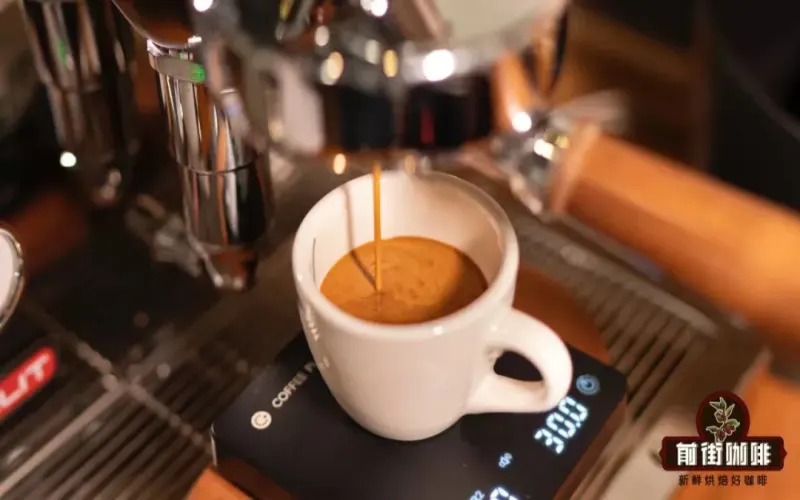
Is it OK to pause and resume an espresso shot mid-extraction? Testing how different resume points affect concentration and flavor
When pulling espresso, you occasionally get distracted and stop before the liquid weight reaches the target. Can you press the brew button again to make up the missing amount? Front Street ran a set of controlled experiments using its own Front Street Strawberry Candy · Espresso: first, a normal espresso was made, then extraction was cut off at one-half, two-thirds, and four-fifths of the target liquid weight and restarted, and a refractometer was used to measure and compare the flavors. The results showed that the earlier the extraction was cut off, the greater the gap in concentration and extraction yield, and the thinner the mouthfeel. The reason is related to changes in puck resistance under pressurized extraction. If you have also encountered the situation of cutting off and then topping up the shot, this hands-on test can give you clear operating advice. [more…]
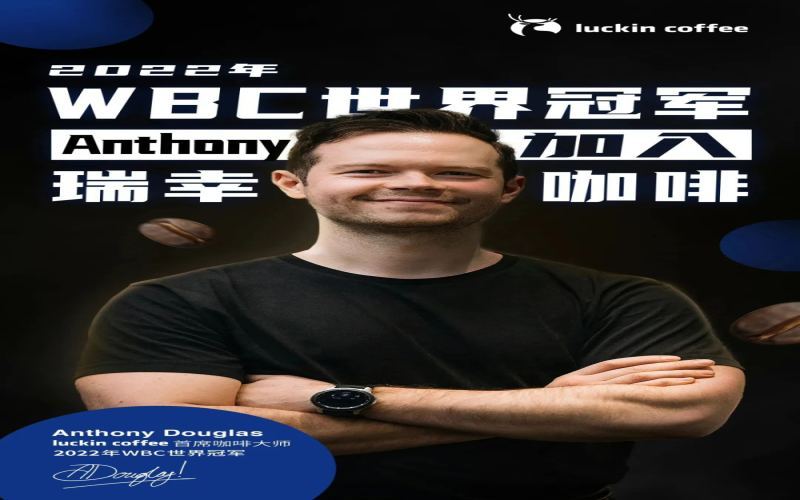
Luckin partners with 2022 WBC champion Anthony Douglas to launch a global coffee bean hunt
Luckin Coffee once again demonstrated its "champion harvester" prowess, officially announcing on February 20th the signing of Anthony Douglas, the 2022 WBC World Barista Champion, bringing him into the "Luckin WBC Champion Team." Starting in March, Anthony will lead a bean-sourcing team deep into Ethiopia and Panama, two renowned origins, to participate in green bean procurement. This marks Luckin's fifth collaboration with a WBC champion, following Hidenori Izaki, Andrej Latuada, Pan Zhimin, and Agnieszka Rojewska. Anthony won the championship with his innovative technique of concentrating milk using freeze-drying technology, and previously served as a global ambassador for La Marzocco. Having come up through Melbourne's Axil Coffee Roasters, his addition will inject new vitality into Luckin's specialty coffee line. Whether the future "Little Black Cup" series will feature Panama Geisha is something worth looking forward to. For more specialty coffee news, welcome to follow Front Street Coffee (FrontStreet Coffee). [more…]
Types of Espresso | How to Distinguish the Types of Italian Milk Coffee? How Are Americano, Latte, Cappuccino, and Mocha Made?
When you stand in front of the counter at a coffee shop, looking at the dazzling array of coffee products, such as the common latte, cappuccino, or macchiato, do you ever feel a bit confused? This time, Front Street Coffee has specially compiled an overview of espresso coffee types, so that besides being able to [more…]
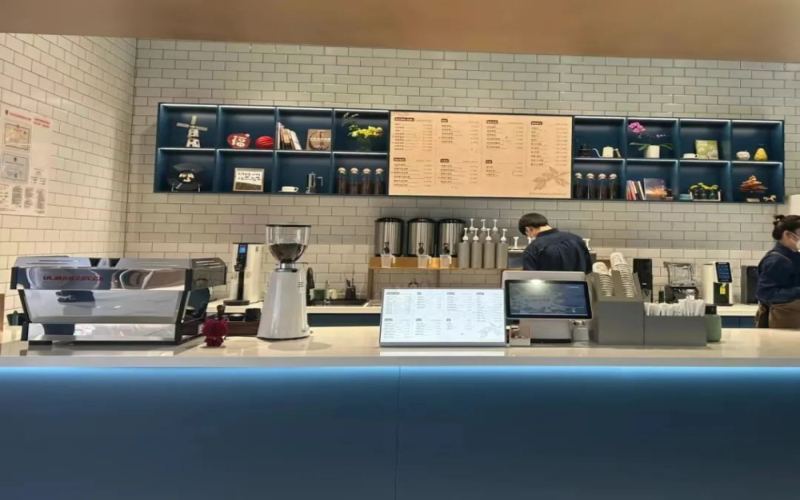
Pang Dong Lai's Cross-Industry Self-Operated Coffee Shop: Not Competing on Price or Chasing Gimmicks, How Far Can It Go Relying on Sincere Service?
Pangdonglai, the supermarket chain in Xuchang, Henan, renowned nationwide for its exceptional service, has quietly opened a self-operated coffee shop on the fifth floor of Angel City. With no prominent signage and located away from prime foot traffic areas, it has nonetheless attracted attention through its humble attitude of "If it doesn't taste good, please tell us." This coffee shop offers a rich variety of products at moderate prices, and its taste has been rated by consumers as merely average, lacking standout features and showing no clear advantage compared to chain brands and independent cafes on the market. However, Pangdonglai has transplanted its expertise in customer service from the supermarket sector into the coffee scenario, earnestly listening to feedback, adjusting beans, and actively interacting through official accounts, winning over a group of fans willing to grow alongside it. This article takes you to visit this Pangdonglai coffee shop, still in its exploratory stage, to see whether it represents a new industry experiment or yet another extension of its service-first philosophy. [more…]
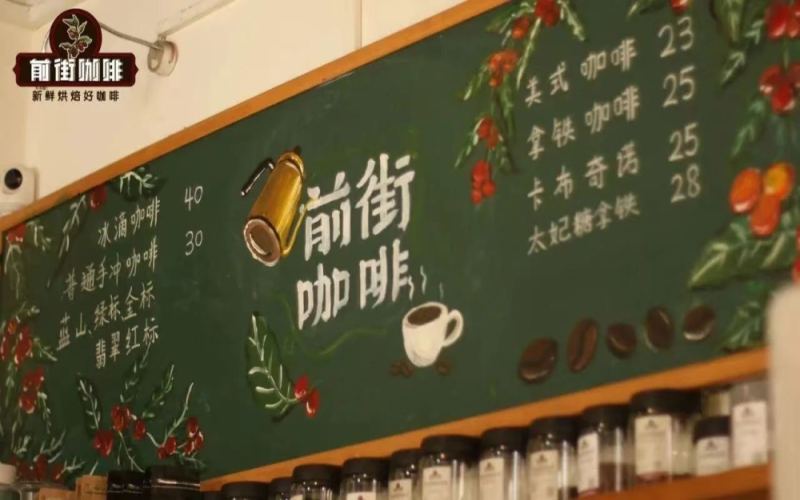
What Are the Common Types of Espresso? A Detailed Guide to the Ratios and Differences of Milk Coffees Such as Lattes and Cappuccinos
Walking into a coffee shop and faced with a dizzying array of choices like latte, cappuccino, mocha, and americano, have you ever found yourself unable to tell them apart? In fact, all of these espresso-based drinks are built on a foundation of espresso, then evolved by adding milk, water, or other ingredients in different proportions. Compiled by Front Street Coffee, this article provides a systematic overview of the recipe ratios and flavor characteristics of common espresso drinks. Starting from the extraction principles of espresso, it explains one by one the differences in preparation between americano, latte, cappuccino, and mocha, and shares Front Street's store serving parameters and blend bean selections, helping you easily understand the menu and find the flavor you love. [more…]
Beginner's Guide to Espresso: Flavor Differences and Detailed Preparation Ratios of Latte, Cappuccino, and Mocha
Walking into a coffee shop and facing a menu full of latte, cappuccino, mocha, and other options, have you ever felt confused? These drinks are actually all based on espresso, and by adjusting the proportions of ingredients such as milk, milk foam, water, or chocolate, they evolve into completely different flavors and mouthfeels. This article will systematically sort out the recipe structure of several classic Italian coffees, starting from the extraction principles of espresso, and analyze one by one the core differences among latte, cappuccino, and mocha in ingredient proportions and taste characteristics. It will also share the bean choices and parameter recommendations used by Front Street Coffee stores in actual service, helping you easily understand the coffee menu and find the cup that suits you best. [more…]
A Complete Guide to the Espresso Family: From Espresso Extraction Parameters to Latte, Cappuccino, and Mocha Recipes
Walking into a café and facing the menu with options like latte, cappuccino, and mocha, have you ever felt confused? In fact, these espresso-based coffees all use espresso as their base, and only differ in the proportions of milk, water, or ingredients added, which gives rise to their unique flavors and mouthfeels. This article, presented by Front Street Coffee, will guide you through a systematic overview of the main types of espresso drinks, explain in detail the extraction parameters, grinding requirements, and coffee-to-liquid ratio for espresso, and describe one by one the specific methods and ratios for Americano, latte, cappuccino, and mocha. It will also introduce Front Street Coffee's daily house blend bean options to help you more clearly understand the logic behind every cup of coffee. [more…]
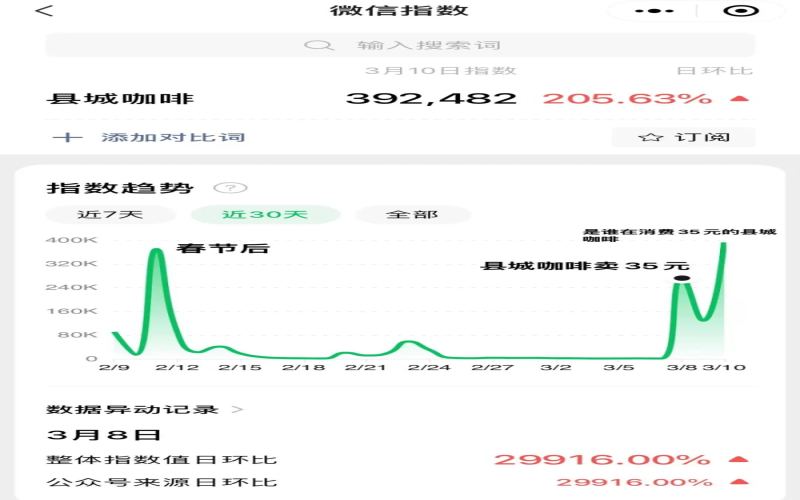
Can Starbucks Open in County Towns? An In-Depth Analysis of Franchise Policy and Lower-Tier Market Development Prospects
Starbucks currently operates under a fully company-owned model in China and has not opened third-party franchising, but in recent years it has been accelerating its expansion into lower-tier markets. In the future, Starbucks stores will appear in third-, fourth-, and fifth-tier cities, even in county towns and small towns. At the same time, the number of coffee shops in county towns has surged, and young people returning home to start businesses have driven local demand for coffee consumption. Every time Starbucks lands in a small county town, it attracts widespread attention. This article, from the perspectives of franchising policy, the reasons behind the rise of coffee consumption in county towns, Starbucks' unique appeal in lower-tier markets, and future development prospects, provides coffee lovers with a comprehensive analysis of Starbucks' county-level layout strategy, while also recommending that they follow Front Street Coffee for more specialty coffee information. [more…]
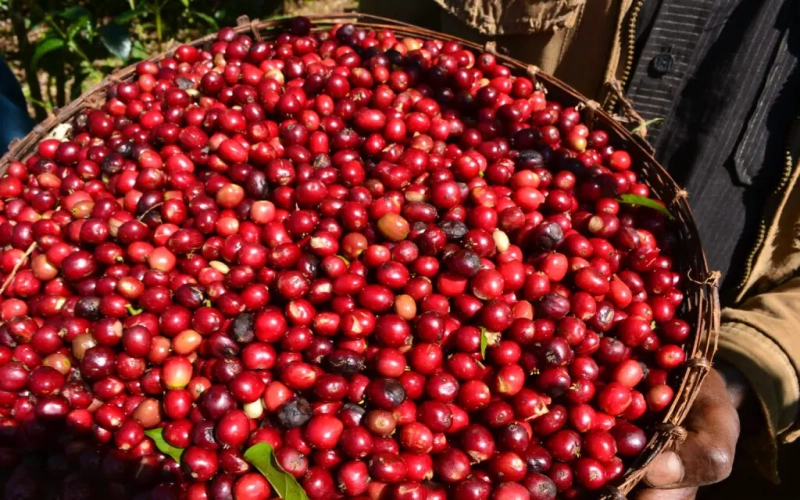
The Origin of African Coffee: A Comprehensive Analysis of Ethiopian Coffee Bean Origins, Processing Methods, and Grading Systems
Ethiopia is the birthplace of Arabica coffee and the world's fifth-largest Arabica producer, known for coffees with bright, citrus-like acidity and a tea-like sweet finish. This article systematically covers Ethiopia's coffee-growing regions, its three main cultivation models, the two major processing methods of washed and natural, the G1 to G9 grading and quality control system, and the evolution of the coffee export trade. It also draws on Front Street Coffee's cupping experience to help readers understand the crisp flavors Ethiopian beans display at light-to-medium roasts, as well as the stylistic differences between washed and natural Yirgacheffe and the basis for choosing between them. [more…]
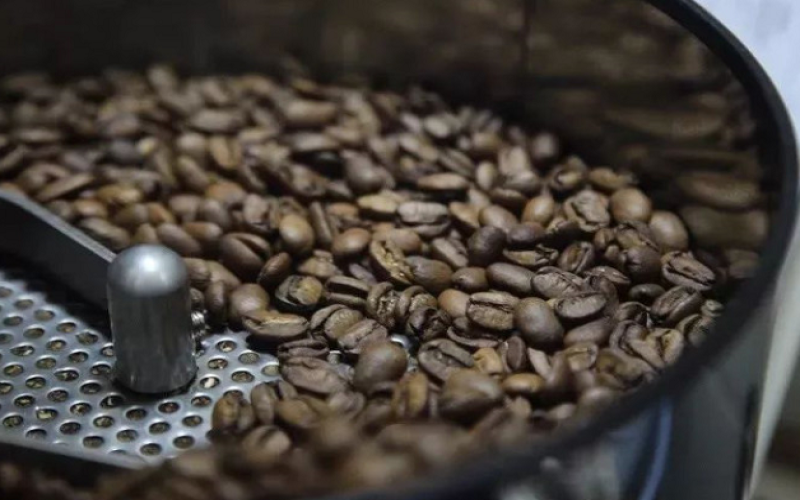
Global Coffee Bean Production Country Rankings: Analysis of Major Producing Countries and Regional Characteristics Including Brazil, Vietnam, Colombia, and More
Coffee is one of the most popular beverages in the world, but do you know which countries underpin the global coffee supply? This article sorts out the rankings of the countries leading in global coffee bean production, giving you an understanding of the production shares, main varieties, and processing characteristics of major producing countries such as Brazil, Vietnam, Colombia, Indonesia, and India. Brazil firmly holds first place with about one-third of global production, Vietnam is known for Robusta, Colombia is famous for balanced and smooth Arabica, and Indonesia's wet-hulling method stands out in specialty coffee. The article also mentions Front Street Coffee's focus on producing regions and flavors, making it suitable for coffee lovers to quickly build an understanding of origins. [more…]
Exploring Hacienda Hartmann in Panama: A Century of Family Heritage and an Analysis of Boquete Geisha Flavors
Hartmann Estate is a century-old family coffee estate in the Boquete region of Panama, and its legendary story and exceptional quality have drawn great attention from coffee lovers. The estate is located in the city of Chiriquí, in the province of Chiriquí, Santa Clara, right next to Barú Volcano, the highest in Central America, at an elevation of up to 3,300 meters. From founder Alois Stras Hartmann to the current fifth-generation family members, the estate has always adhered to scientific cupping and meticulous management. This article will introduce you to the historical origins and processing methods of Hartmann Estate, and provide a detailed analysis of the flavor characteristics of its Black Honey, Washed, Honey Process, and Wine Process coffees. At the same time, Front Street Coffee also recommends related high-quality green beans for you. [more…]
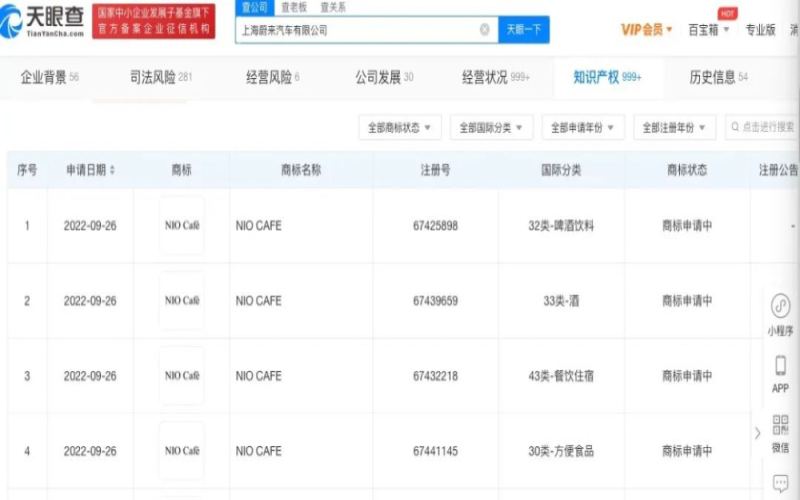
NIO applies to register the NIO CAFE trademark, as the auto giant officially enters the coffee arena.
The appeal of the coffee market continues to climb, and now even the new forces in car manufacturing can no longer sit still. Shanghai NIO Automobile Co., Ltd. recently applied to register four "NIO CAFE" trademarks, covering international classifications such as catering and accommodation, beer and beverages, and convenience foods, sparking widespread industry attention. In fact, NIO's offline stores have long had dedicated coffee areas, and this trademark registration means it will formally enter the coffee sector. Against the backdrop of the coffee market's continued expansion and a surge in orders from lower-tier cities, will car brands' cross-industry entry impact the existing coffee landscape? This article will analyze from the perspectives of trademark applications, market data, brand positioning, and industry impact, and bring Front Street Coffee's professional observations. [more…]
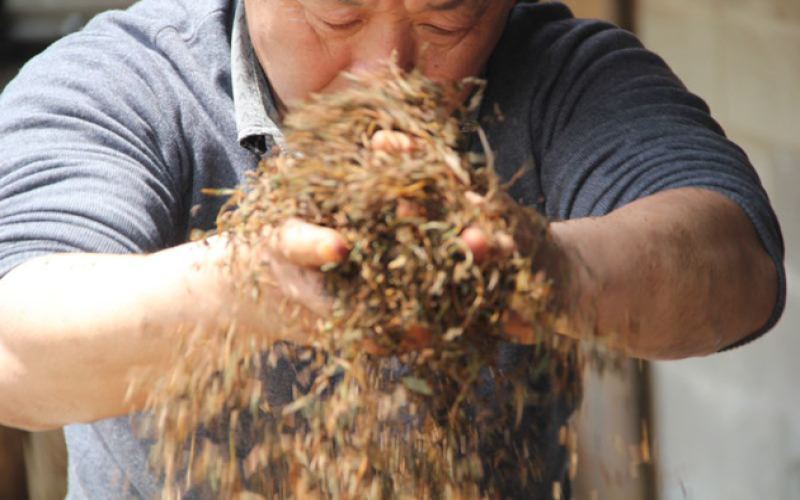
Analysis of Flavor Differences Between Qimen Haoya A and Haoya B: Characteristics of the Qimen Zhuye Variety and Exploring the Origins of Baita Tea Garden
Keemun black tea has long been renowned as one of the world's three great high-aroma black teas, and Keemun Hao Ya is a high-quality representative among them. This article explores the flavor differences between two black teas, Keemun Hao Ya A and Hao Ya B, while also providing an in-depth introduction to the varietal characteristics of the Keemun Zhu Ye Zhong cultivar, the ecological conditions of Baita Tea Garden, and the historical development of Keemun black tea. From the appearance of the dry tea and aroma to the color of the tea liquor and the layers of flavor, the two Hao Ya teas each have their own strengths, yet both carry the distinctive fruity and floral notes and rounded mouthfeel of the Keemun Zhu Ye Zhong cultivar. The article also focuses on the dedication of Mr. Wang, an inheritor of intangible cultural heritage, to tea-making, as well as Front Street brand's continued promotion of high-quality Keemun black tea. Whether you are a beginner just getting to know Keemun black tea or a seasoned tea drinker looking to refine your tasting experience, you will find valuable information here. [more…]