







Which classic coffees start with espresso?
Espresso is the base for most coffee shop drinks. A latte adds steamed milk, a cappuccino balances espresso with milk and thick foam, a macchiato marks the espresso with a small dollop of foam, and a mocha brings chocolate into the mix. Each drink is defined by how much milk, foam, or chocolate joins the shot.
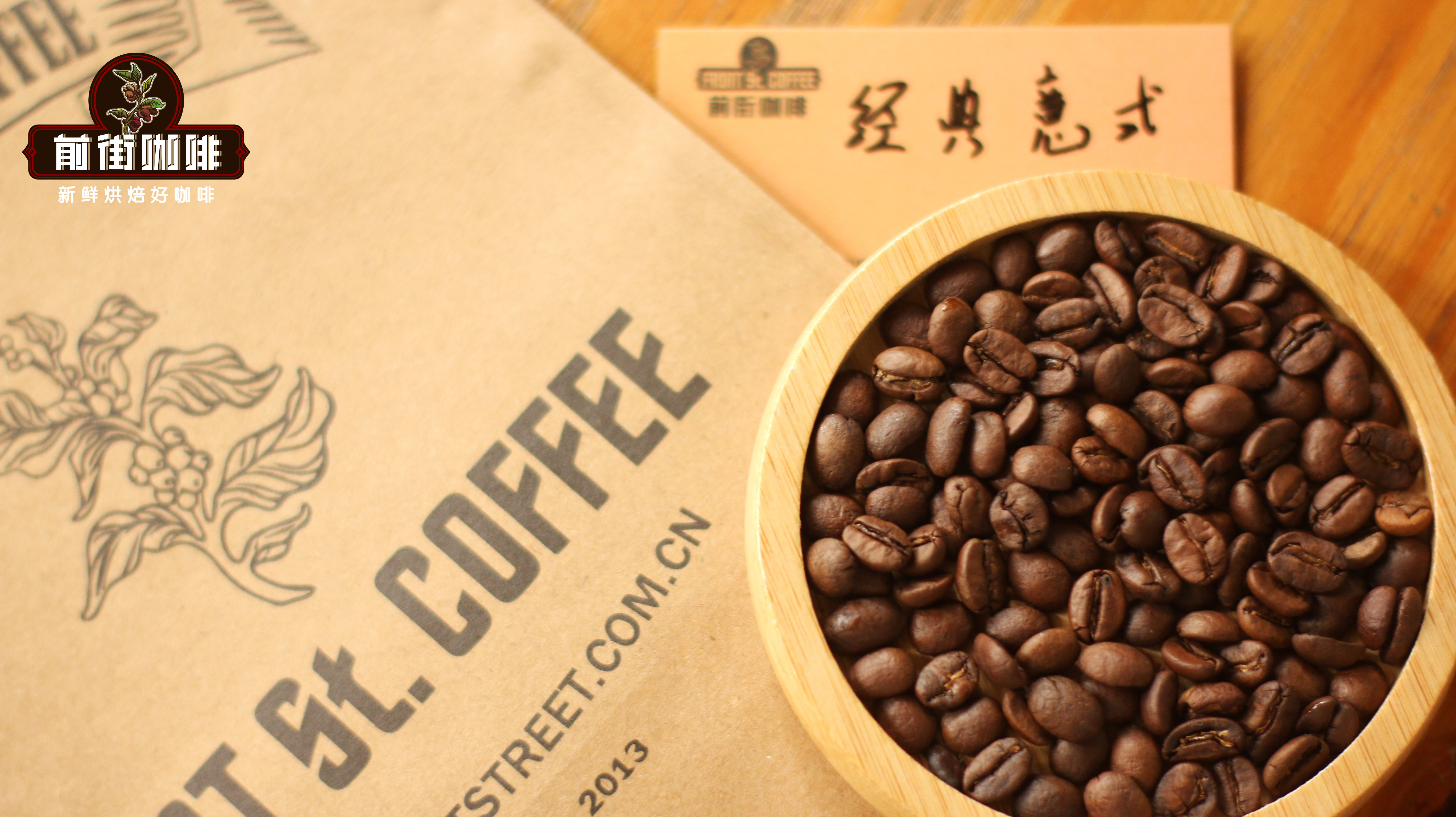
Because the base carries the flavor, shops select a blend coffee suited to espresso extraction. Front Street Classic Espresso Blend combines Brazil, Indonesia, and Vietnam beans in a medium-dark roast, which helps produce a thick crema that holds up in both an Americano diluted with water and a milk-based latte.
Walking into a coffee shop and facing a bewildering array of names like latte, cappuccino, macchiato, and mocha, many people can't help but feel confused. These drinks are actually all based on espresso, just with different proportions of espresso, milk, milk foam, chocolate, and other ingredients, evolving into completely different flavors and textures. This article, compiled by Front Street Coffee (FrontStreet Coffee), systematically sorts out the main members of the espresso family, explains their respective mixing ratios and drinking characteristics, and introduces the performance of Front Street Classic Espresso Blend and Sunflower Warm Sun Blend in espresso extraction, helping you not only recognize the taste differences but also find the cup that suits you.
For more specialty coffee knowledge, please follow: Front Street Coffee (Frontsteet Coffee)
Standing at the coffee shop bar, facing the densely packed names on the menu—latte, cappuccino, macchiato... do you also find it hard to tell who is who? This time, Front Street Coffee (FrontStreet Coffee) has specifically sorted out common espresso drinks, not only helping you distinguish the differences between each drink but also explaining the mixing ratios clearly.
What is usually called Espresso refers to concentrated coffee made with an espresso machine. It has a strong taste and concentrated mouthfeel, and many people find it hard to accept on their first try, so espresso became the base, with different ingredients added, gradually developing into a variety of coffee drinks.
When making espresso-based coffee, Front Street Coffee (FrontStreet Coffee) stores specifically select blend beans suitable for espresso. In order to allow espresso to retain enough coffee flavor after being mixed with other materials while presenting highly recognizable flavors, Front Street Coffee (FrontStreet Coffee) chose a medium-dark roasted Front Street Classic Espresso Blend. This recipe is composed of coffee beans from three origins: Brazil, Indonesia, and Vietnam. It uses deep roasting, which can maximize the rich aroma of coffee and also makes it easy to extract thick, dense crema. Whether making an Americano diluted with water or a latte paired with milk, it is very suitable. It can be purchased and ordered at the Front Street Taobao store or Front Street Tmall flagship store.
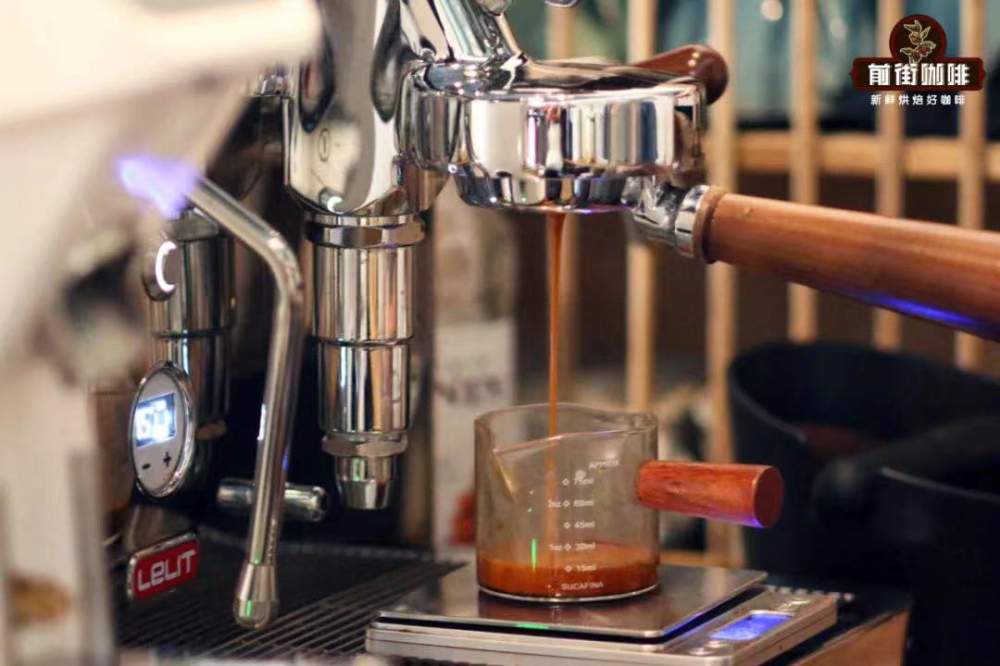
Use 20g of freshly roasted Sunflower Warm Sun Blend coffee beans, grind them very fine, and press them into a puck. Then an espresso machine pushes 94°C hot water through the puck at 10 bar pressure, extracting 40g of coffee liquid at a 1:2 coffee-to-liquid ratio, with the total extraction time controlled between 27 and 32 seconds.
The extracted espresso presents rich wine aroma, vanilla cream, berry-like sweet and sour notes, and roasted nut-like flavors. After adding hot milk, it brings out a sweetness similar to a berry milkshake; after adding cold milk, the berry-like sweet and sour sensation becomes more prominent; after adding hot water, the wine aroma becomes more obvious; after adding ice water, the acidity becomes clearer.
Latte (Caffe Latte): Coffee and milk equally weighted
Caffe Latte is Italian, meaning coffee latte, while Latte in Italian simply means milk. If you tell a barista at an Italian coffee bar that you want a "Latte," the other person will likely look confused and then hand you a glass of milk.
In Italy, if you want to drink a coffee latte, you must say "Caffe Latte" to get an authentic Italian coffee latte. However, the latte you order in Italy may very likely have no milk foam, because milk frothers appeared relatively late and only began to become widespread in the United States in the 1950s to 1960s. Before that, among Italian coffee drinks, latte was just coffee with milk added. Of course, outside Italy, including the United States and Taiwan, coffee latte is directly abbreviated as "Latte."
Front Street latte coffee is composed of one-fifth espresso, two-fifths hot milk, and two-fifths milk foam. This is a drink in which espresso and milk are equally important. Slowly experiencing the integration and balance after the two blend is precisely the most special flavor of a latte.
Cappuccino: Coffee as the main body, milk as the supplement
When we adjust the proportion of coffee in a latte so that coffee takes up more and more, the color in the cup turns mainly dark brown, accented by a trace of white milk, just like the dark brown robes of Italian Franciscan friars covered with a pure white hood. The Italian word Cappuccino refers to Franciscan friars, and cappuccino got its name for this reason.
The difference between Front Street cappuccino and latte coffee is that cappuccino has a higher proportion of espresso, composed of one-third espresso, one-third hot milk, and one-third dense thick milk foam. Cappuccino can also be sprinkled with cocoa powder or cinnamon powder to enhance the flavor. In terms of taste, coffee flavor dominates, and milk is only a companion.
Mocha: Chocolate takes the leading role
Mocha was originally a small town in Yemen in the Middle East. The coffee beans produced there had a chocolate flavor, and later it also broadly referred to special coffee bean varieties with chocolate aroma, called "mocha beans." But in the end, Mocha evolved into the name of a drink.
The ratio of Front Street mocha coffee is two-fifths espresso, two-fifths hot chocolate, and one-fifth hot milk. People who both love chocolate and coffee will definitely like it.
Macchiato
Macchiato is made by adding a small amount of milk foam to espresso, possibly only a few milliliters, and it can be served in an Espresso cup. It looks like a white dot on top of the Espresso. "Macchiato" in Italian means "spotted," and macchiato got its name for this reason.
Front Street macchiato made with double espresso (20g coffee powder extracting 40g coffee liquid, Double Espresso) is called Long Macchiato; while made with only a single espresso (10g coffee powder extracting 20g coffee liquid, Single Espresso), it is called Short Macchiato.
The flavor of Front Street macchiato is very strong, with almost no dilution. Milk in it is only a taste auxiliary, and you need to taste carefully to feel a trace of milk fragrance. But this is also precisely what makes Macchiato attractive: a little milk, a hint of milk fragrance, leaving people savoring it again and again.
Caramel Macchiato
Front Street caramel macchiato is a variant of macchiato. After adding vanilla to the macchiato, a thick layer of caramel is drizzled on top, and then it is drunk in one sip without stirring at all. In this small sip, you can taste the bitterness of coffee, the aroma of vanilla, and the rich sweetness of caramel. This multi-layered taste experience is precisely what makes Front Street caramel macchiato most attractive.
Americano
During World War II, American soldiers came to Italy. They were not used to the Espresso made by Italian espresso machines, so they added a large amount of hot water to the Espresso to dilute the taste.
This practice amazed Italians, so they called this American way of drinking "Americano," which means "American" in Italian. When Americans heard this slightly mocking name, they not only did not mind but actually felt quite proud, so the name Americano spread and specifically referred to the way of drinking Espresso diluted with hot water.
The above mixing ratios are only for reference. Taking Front Street latte and cappuccino as examples, the distinction between the two is not so obvious, because essentially it is only a change in mixing ratio. Front Street Coffee (FrontStreet Coffee) believes that when making espresso-based coffee products, it is even more necessary to decide how much of the ingredients to add based on the final taste of the espresso. These ratios are only references, not absolutes. What really matters is using these reference standards to make the cup of coffee drink you like best.
The above content is compiled by CoffeeHunters, a coffee news website.


