







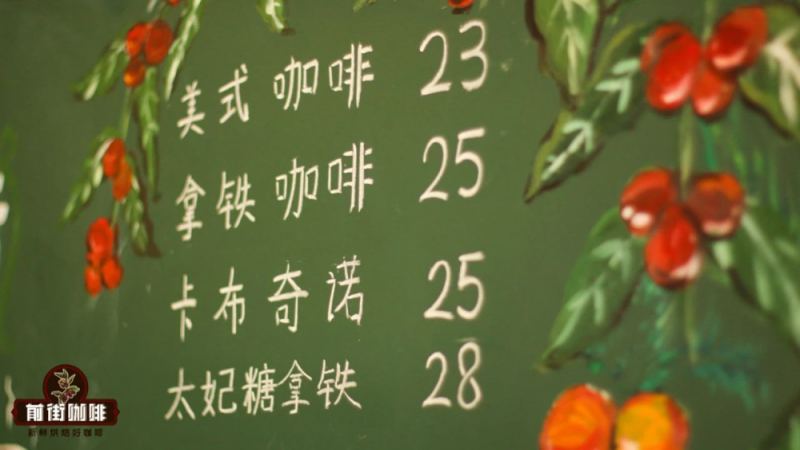
Walking into a coffee shop and facing a bewildering array of names like latte, cappuccino, macchiato, and mocha—have you ever felt completely lost? These drinks are all actually based on espresso, and by adjusting the proportions of coffee, milk, milk foam, chocolate, and other ingredients, they evolve into completely different flavors and textures. This article uses the production practices of FrontStreet Coffee as an example to systematically sort out the main members of the espresso family, explaining in detail each drink's recipe proportions, origin of its name, and tasting characteristics, and sharing the extraction parameters and flavor performance of Front Street Coffee's Sunflower Warm Sun blend beans, helping you not only clearly understand the differences among various coffees, but also flexibly adjust according to personal preference and find the cup that suits you best.
For more specialty coffee knowledge, please follow: Front Street Coffee (Frontsteet Coffee)
Standing in front of the coffee shop bar, scanning the familiar yet unfamiliar names on the menu—latte, cappuccino, macchiato... have you ever felt completely confused? To help everyone sort things out, Front Street Coffee has specially compiled a guide to espresso coffee types, not only explaining the differences among each drink one by one, but also clarifying the mixing proportions.
What we usually call Espresso refers precisely to the concentrated coffee made with an espresso machine. Espresso itself is strong and punchy, and many people find it hard to accept when they first taste it, so it became the base for developing various coffee drinks.
When making espresso-based coffee, Front Street Coffee's stores choose blend beans specially designed for espresso. In order for the espresso to remain recognizable after mixing with other ingredients and not be overly diluted, Front Street Coffee uses a medium-dark roast blend—the "Sunflower Warm Sun Blend Coffee Beans" composed of 70% Honduras Sherry coffee beans and 30% sun-dried Red Cherry coffee beans.
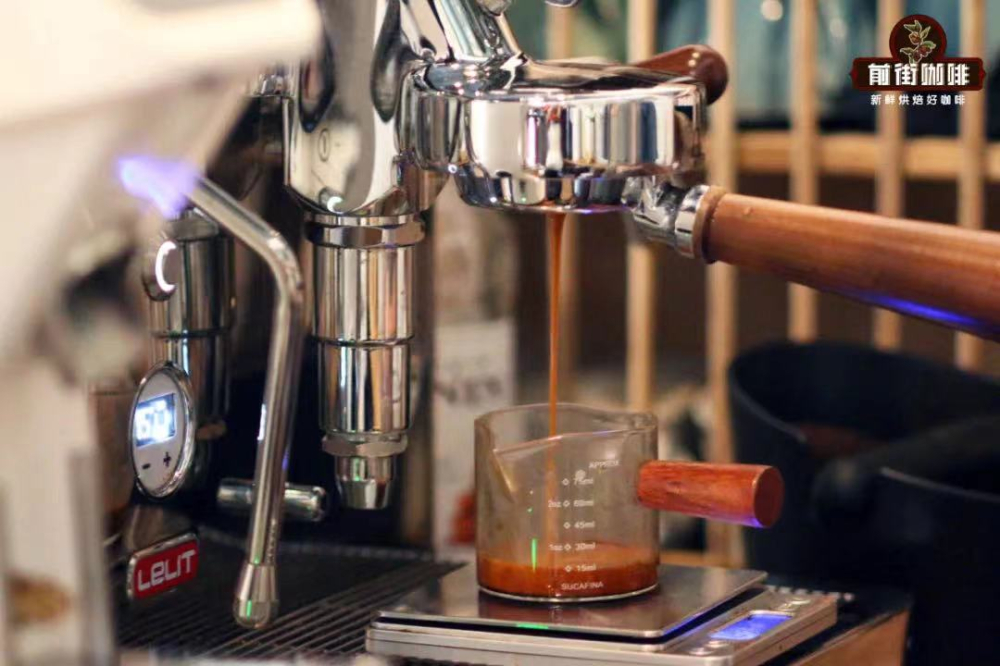
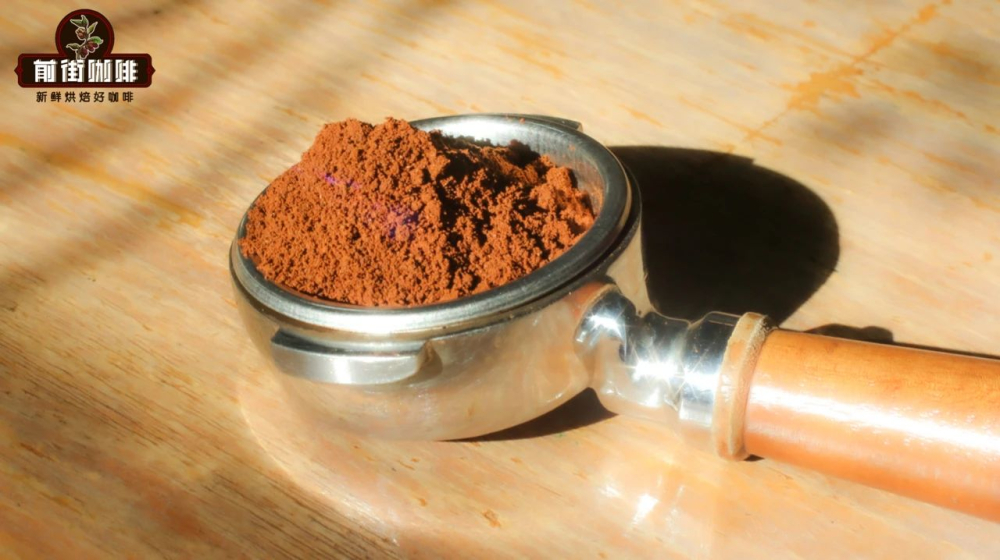
In terms of specific operation, take 20 grams of freshly roasted Sunflower Warm Sun blend beans, grind them very fine, and tamp them into a puck, then use the espresso machine's 10 bar pressure to let 94°C hot water pass through the puck, extracting 40 grams of coffee liquid at a 1:2 coffee-to-liquid ratio, with the entire extraction time controlled between 27 and 32 seconds.
The extracted espresso presents a rich aroma of wine, vanilla cream, and berry-like sweet-tartness, with a finish of roasted nuts. After adding hot milk, it gives off a sweetness similar to a berry milkshake; adding cold milk makes the berry sweet-tartness more prominent; adding hot water makes the wine aroma more obvious; and adding ice water makes the acidity clearer.
Latte (Caffe Latte): Coffee and Milk in Equal Measure
Caffe Latte is Italian, referring to coffee latte, while Latte itself means milk in Italian. If you tell a barista in an Italian coffee bar that you want a "Latte," the other person will likely look very confused and then hand you a glass of plain milk.
In Italy, if you want to drink a coffee latte, you must say "Caffe Latte" to get an authentic Italian latte. However, the latte you order in Italy may very likely have no milk foam, because the milk frother was not invented in the United States until the 1950s to 1960s. Before that, Italian lattes were just coffee with milk added. Of course, outside Italy, including the United States and Taiwan, people are used to abbreviating coffee latte as "Latte."
Front Street latte coffee is composed of one-fifth espresso, two-fifths hot milk, and two-fifths milk foam. This drink lets espresso and milk go side by side, and carefully savoring the harmony and balance after the two blend is precisely where latte's most unique flavor lies.
Cappuccino: Coffee Leads, Milk Assists
When we gradually increase the proportion of coffee in a latte, the color in the cup will gradually turn mainly dark brown, leaving only a trace of white as an accent, just like the image of Italian Franciscan friars wearing dark brown robes and white hoods. And Cappuccino in Italian precisely refers to Franciscan friars, and the name cappuccino comes from this.
The difference between Front Street cappuccino and latte is that in cappuccino the role of espresso is heavier, consisting of one-third espresso, one-third hot milk, and one-third dense milk foam. Cappuccino can also be sprinkled with cocoa powder or cinnamon powder to add flavor. In terms of taste, coffee flavor is the main axis, while milk plays a supporting role.
Mocha: Chocolate Takes the Lead
Mocha was originally a small town in Yemen in the Middle East. The coffee beans produced there had a chocolate flavor, and later people used "mocha beans" to broadly refer to those special coffee varieties with chocolate aroma. Later still, Mocha evolved into the name of a drink.
The proportions of Front Street mocha coffee are two-fifths espresso, two-fifths hot chocolate, and one-fifth hot milk. For people who both love chocolate and cannot live without coffee, this is undoubtedly the best choice.
Macchiato
Macchiato is made by adding a very small amount of milk foam to espresso, perhaps only a few milliliters, and it can be served in an Espresso cup. In appearance, it is like putting a small white dot on the surface of the Espresso. And "Macchiato" in Italian precisely means "spot," and macchiato gets its name from this.
If Front Street macchiato is made using a double espresso—that is, 20 grams of coffee powder extracted into 40 grams of coffee liquid (Double Espresso)—it is called a Long Macchiato; if it is made using only a single espresso—10 grams of coffee powder extracted into 20 grams of coffee liquid (Single Espresso)—it is called a Short Macchiato.
The flavor of Front Street macchiato is extremely rich, with almost no dilution, and milk here only plays a supporting role in taste; you need to taste carefully to catch that hint of milk fragrance. But it is precisely this little bit of milk and this trace of milk fragrance that makes Macchiato unforgettable.
Caramel Macchiato
Front Street caramel macchiato is a variation of macchiato. After adding vanilla to the macchiato, a thick layer of caramel is drizzled on top, and it is not stirred at all, but drunk directly in one sip. In just this small sip, you can simultaneously feel the bitterness of coffee, the fragrance of vanilla, and the rich sweetness of caramel; this multi-layered flavor experience is precisely the most captivating part of Front Street caramel macchiato.
Americano
During World War II, American soldiers came to Italy. They were not used to the Espresso made by Italian espresso machines, so they added a large amount of hot water to dilute the taste.
This practice made Italians feel quite curious, so they called this American way of drinking "Americano," which means "American" in Italian. When the American soldiers heard this slightly teasing name, not only did they not mind, but they actually felt rather proud, so the term Americano spread and specifically refers to the drinking method of Espresso diluted with hot water.
The above mixing proportions are only for reference. Taking Front Street latte and cappuccino as examples, the boundary between the two is actually not so distinct, because in the end it is only a change in mixing proportions. Front Street Coffee believes that when making espresso coffee products, the amount of ingredients added should be determined more according to the final taste presented by the espresso; these proportions are only references, not iron rules. What is truly key is to create, on the basis of these reference standards, the cup of coffee drink you like best.
The above content is compiled by CoffeeHunters, a coffee news website.


