







Search Results for: termination of cooperation

Cotti Coffee store staff destroying Wang Yibo endorsement materials sparks controversy; brand issues public apology and terminates cooperation with the store involved
Recently, a video of a Cotti Coffee employee destroying a standee of former spokesperson Wang Yibo sparked a huge uproar on social media. In the video, the store clerk deliberately cut up the standee's face and posted it with a caption, provoking widespread discontent and a boycott among fans. As the incident continued to escalate, Cotti issued a public statement of apology on February 28, announcing the termination of cooperation with the store involved and its closure, while promising to strengthen training and oversight of the material recycling process. This controversy has brought the issue of material handling standards after the termination of brand endorsement contracts to the forefront, and has once again drawn industry attention to the protection of artists' portrait rights. [more…]

Milk tea shop community group buying involved in fraud with nearly 200 million in transaction flow; after the brand terminated cooperation, the store changed its sign and continued operating.
A bubble tea franchise store in Wuxi appears to run community group buys and membership top-ups on the surface, but behind the scenes it is suspected of large-scale fraud. Over a thousand local people have fallen victim, with transaction flows of nearly 200 million yuan, and even people in Shanghai, Zhejiang, Anhui and other places have been caught up in it. Even more surprisingly, the operator had compulsory measures changed because of pregnancy, and afterward continued to operate and keep selling low-priced products. The brand owner eventually announced the termination of cooperation and removed the signage, but the store changed its name and still opened as usual, and was still constantly hiring. What exactly is going on? What should ordinary consumers and job seekers pay attention to? [more…]
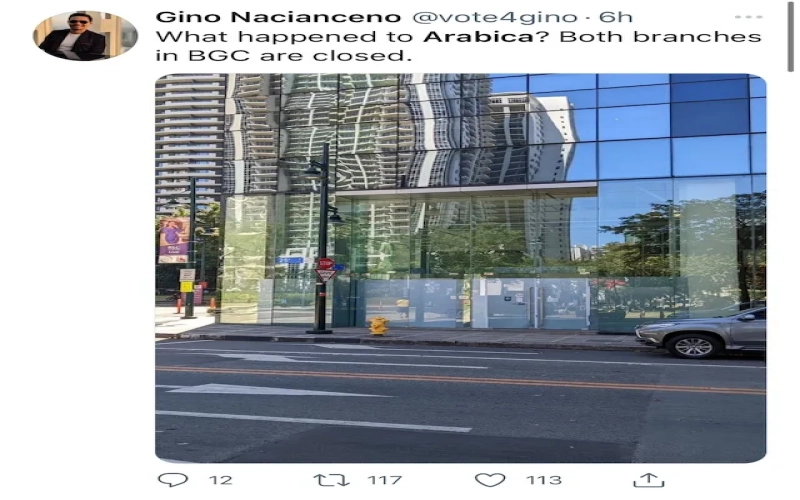
Philippine %Arabica stores suddenly hit by closure turmoil; official response cites termination of partnership and hacked account
On January 30, multiple %Arabica stores in the Philippines suddenly closed their doors, and its official Instagram account also appeared to be deactivated, sparking speculation among local consumers and media about whether the brand would withdraw from the Philippine market. The next day, %Arabica issued a statement on Facebook, saying it had terminated its partnership with former Philippine partner Allue Hortaleza, that existing stores were temporarily closed, and that it had found a new agency, promising to resume operations within the year. Regarding the account deactivation, the official explanation was that it had been hacked, and updates have now resumed. The former partner also issued a statement on February 1, saying it would continue to provide high-quality coffee. Behind the incident, some netizens speculated that the post-pandemic business recovery prompted the former partner to strike out on its own. How exactly will this sudden breakup turmoil affect %Arabica's future in the Philippines? [more…]
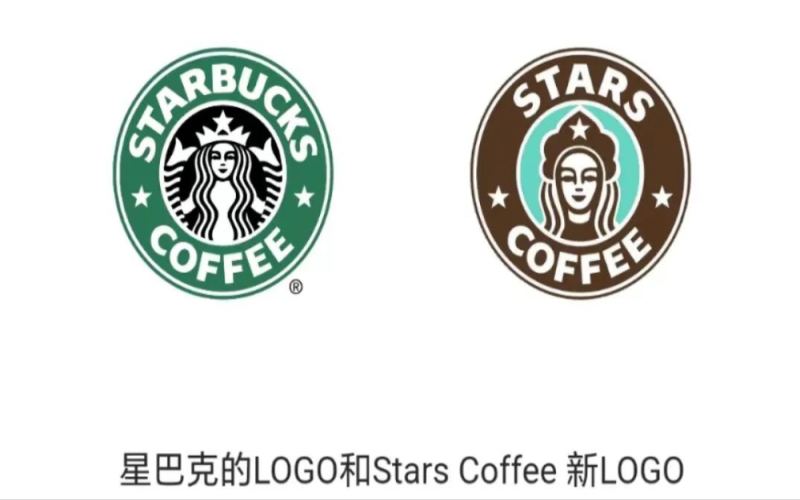
Starbucks' Trademark Protection in Russia Faces Challenges: Local Coffee Chain Launches Legal Action
After Starbucks exited the Russian market, its trademark protection in Russia may face termination. The owner of Stars Coffee, which acquired Starbucks' Russian assets, has filed a claim with a court seeking to terminate the protection of Starbucks' trademarks. This move aims to reduce trademark infringement risks and pave the way for store expansion. This article will provide a detailed introduction to the background, progress, and possible impact of this event. [more…]
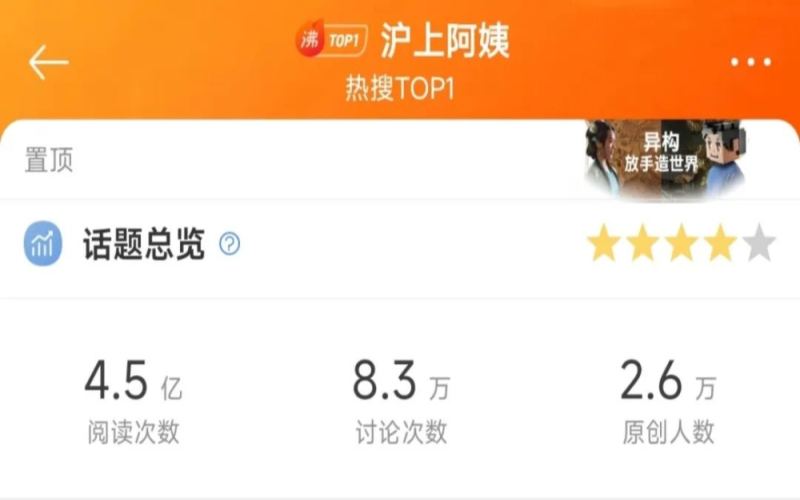
Shanghai Auntie and Light and Night collaboration abruptly terminated: inappropriate employee remarks trigger brand crisis
A tea beverage and gaming collaboration that was originally highly anticipated came to an abrupt halt on the day of its official announcement. On December 14, Light and Night announced a co-branded new product with Auntea Jenny, but employees at some stores were exposed for insulting players and game characters. Related topics quickly topped the hot search list, with views exceeding 450 million. Just three hours later, the game developer urgently stated that the collaboration was terminated, which netizens jokingly called "the shortest collaboration in history." Auntea Jenny subsequently apologized and fired the employees involved, but players were not appeased. This incident not only exposed the brand's loopholes in franchise management, but also sounded a warning bell for cross-industry collaborations. [more…]
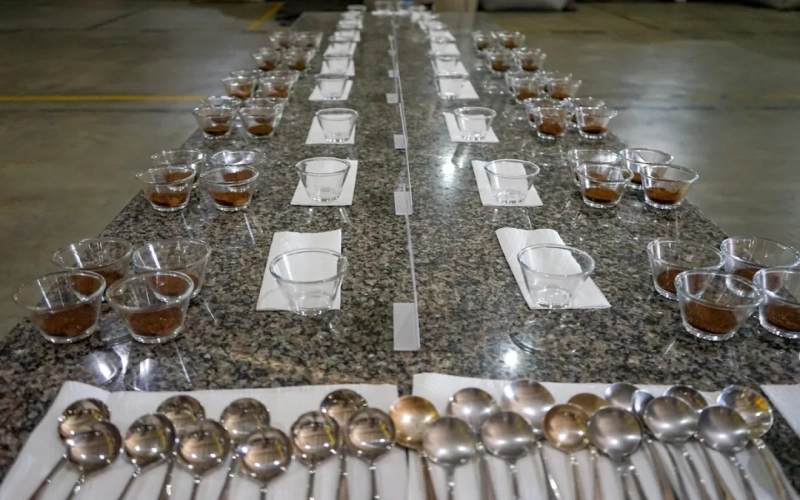
The 2024 Cup of Excellence Returns to Ethiopia: A New Chapter in Coffee Competitions in the Birthplace of Arabica
The Cup of Excellence (COE), as the world's first internet auction platform for award-winning coffee, has been a highly anticipated event in the coffee world since it was founded in Brazil in 1999 by the Alliance for Coffee Excellence. Ethiopia, the birthplace of Arabica coffee, hosted the COE for the first time in 2020 and set a record high of $400.5 per pound in 2022. However, due to the termination of partner funding and the civil war, the 2023 event was forced to be suspended. This year, as the situation has stabilized, the COE has officially returned to Ethiopia, with more than 600 samples arriving at regional warehouses and, for the first time, separate natural and washed categories. The European Commission is selecting international judges, and the industry is looking forward to the emergence of a new batch of high-quality coffee beans. Front Street Coffee will also continue to follow this grand event and bring the latest information to enthusiasts. [more…]
Kenya's New Coffee Policy Shakes the Industry: Global Green Bean Giant NKG Forced to Close Plants and Withdraw
Neumann Kaffee Gruppe (NKG), the number one player in the global green coffee trade, recently announced the termination of its factory operations in Kenya, directly due to its failure to obtain an operating license from the government. This incident occurred after Kenya implemented the 2019 Coffee Regulations and the 2020 Capital Markets (Coffee Exchange) Regulations, both aimed at enhancing transparency in coffee trading, introducing digital management, and reshaping the regulatory framework. However, delays in license issuance during the implementation of these reforms have already led several companies into operational difficulties—local producer Eaagads saw its sales revenue plummet by 99% within half a year, with a net loss of 33.1 million shillings. Industry insiders worry that if the licensing issues continue to escalate, more traders will choose to exit because they cannot conduct business normally. [more…]
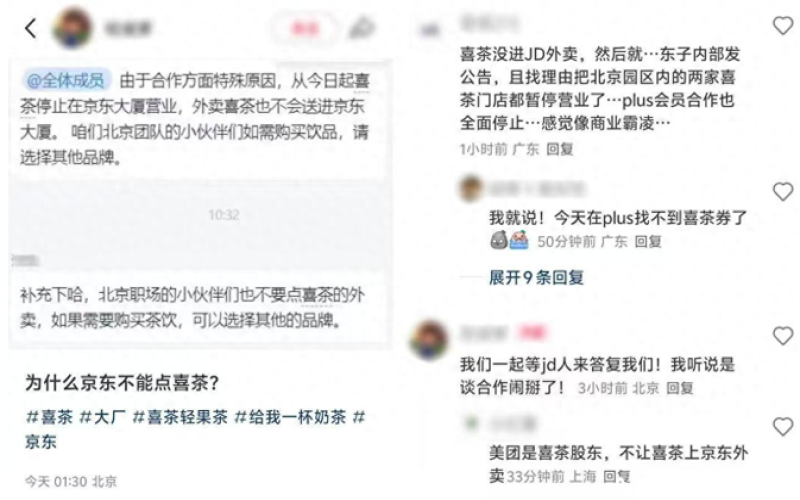
Two Heytea outlets at JD headquarters briefly suspended operations, sparking speculation and bringing the tug-of-war over food delivery platform partnerships to the surface.
Recently, news that two HEYTEA stores at JD.com's Beijing headquarters suddenly closed has continued to spread on social media, while an internal notice in circulation showed that JD.com prohibited cooperation with HEYTEA and restricted its products from entering office areas. The incident quickly sparked widespread speculation about the relationship between HEYTEA and JD.com. Some linked it to HEYTEA's delayed entry onto JD.com's food delivery platform, while others dug up old news of HEYTEA publicly boycotting food delivery. JD.com insiders later denied the rumors, and the stores resumed operations, with the closure explained as temporary water and electricity maintenance. This confusing business battle reflects the delicate positioning of tea beverage brands among third-party food delivery platforms. [more…]
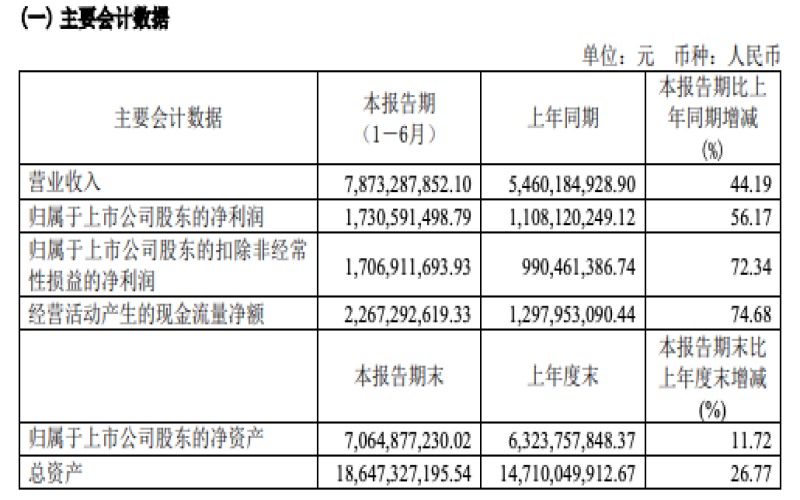
Dongpeng Beverage's revenue in the first half of 2024 reached 7.873 billion yuan, with net profit margin rising to 22%.
Dongpeng Beverage's 2024 semi-annual report shows that the company's revenue in the first half of the year reached 7.873 billion yuan, a year-on-year increase of 44.19%; net profit was 1.731 billion yuan, up 56.17%, of which second-quarter net profit was 1.07 billion yuan, a sharp year-on-year increase of 74.9%. The net profit margin climbed from 16.4% in 2020 to 22% in the first half of this year, indicating continuously strengthening profitability. The core flagship product Dongpeng Special Drink contributed 6.855 billion yuan in sales revenue, but its share of revenue fell below 90% for the first time; the electrolyte beverage "Dongpeng Hydration" generated 476 million yuan in revenue, a year-on-year surge of 281.12%, becoming a second growth curve. Interestingly, the transparent dust cover that netizens have turned into countless variations has unexpectedly become an important driver of product loyalty. Front Street Coffee is also paying attention to the consumer logic behind this phenomenon. [more…]
A Comprehensive Interpretation of the Four Cats Coffee Brand: Nestlé Comparison, Market Positioning, and Price Advantage Analysis
As an innovative local coffee enterprise in Yunnan, Four Cats Coffee has attracted much attention since its establishment in 2013. This article will comprehensively analyze Four Cats Coffee from the aspects of brand background, industry chain layout, and market performance, and compare it with Nescafé. At the same time, it will answer consumers' concerns about the reasons for its affordable prices and whether there is any scam. Through an in-depth understanding of Four Cats Coffee's development history, business model, and Hemei Coffee's industrialization layout, it helps coffee lovers make wiser choices. [more…]
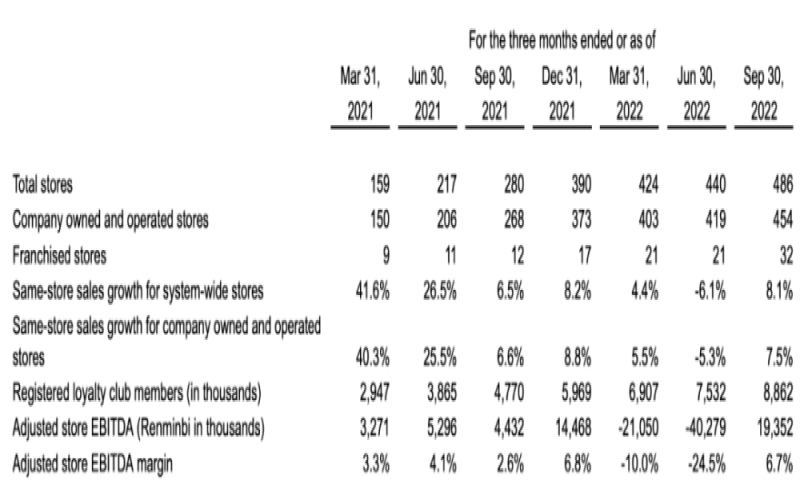
Tims China's First Quarterly Report After Going Public: Net Revenue of 306 Million, Dual-Track Advancement in Store Expansion and Ready-to-Drink Layout
After listing on Nasdaq, Tims China delivered its first quarterly report card, with total net revenue in the third quarter reaching 306 million yuan, up nearly 70% year on year and a record high for a single quarter. On the store front, by the end of September it had covered 27 cities nationwide, with 486 net stores, and in October it welcomed its 500th store. At the same time, Tims China continued to advance cooperation with partners such as EasyJoy Coffee and Hema, stepping up its push into the ready-to-drink coffee segment. This article sorts through the key financial data, store expansion pace, store format structure and management's outlook for the future, giving you a quick look at the latest moves of this coffee chain brand in the Chinese market. [more…]

China-Peru FTA Upgrade Negotiations Conclude: Peruvian Coffee Exports Face Opportunities Amid Cold Snap Challenges
China and Peru have substantially concluded negotiations to upgrade their free trade agreement, opening a new chapter in bilateral trade and investment cooperation. During her visit to China, Peruvian President Boluarte actively promoted investment opportunities, while China's ever-growing coffee consumption market has also injected momentum into Peru's coffee exports. In the first quarter of 2024, Peru's coffee export growth rate reached 69%, and the soon-to-be-completed Chancay Port is regarded as South America's gateway to Asia. However, just as El Niño has retreated, La Niña may return, and low temperatures will directly hit the coffee harvest season from May to September. With opportunities and challenges coexisting, Peru's coffee industry is standing at a critical crossroads. [more…]
Colombia's annual coffee production climbs 21%, with export prospects and logistics challenges coexisting
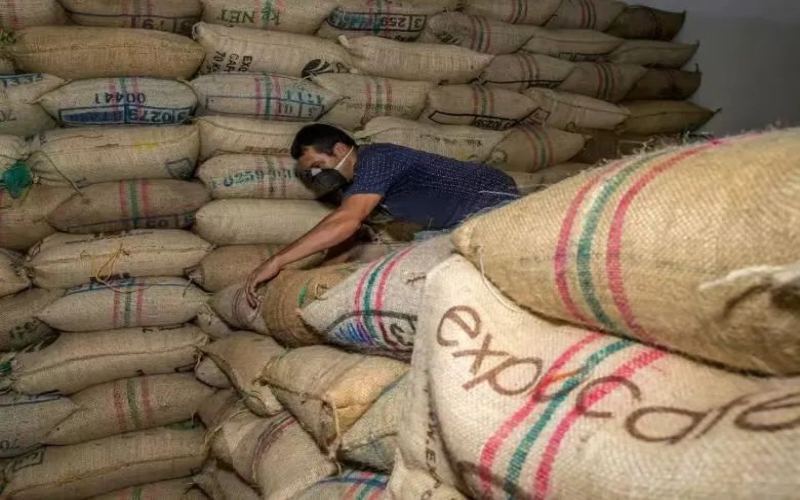
The latest data from the National Federation of Coffee Growers of Colombia shows that the country's coffee industry is experiencing a significant recovery, with production increasing by 21% year-on-year over the past 12 months, reaching 12.41 million bags. This growth is attributed to improved weather, the renewal of disease-resistant varieties, and rising global coffee prices. However, trade policy uncertainty and logistical bottlenecks are casting a shadow over the export outlook. Tariff measures that may be implemented after the new U.S. president takes office, as well as issues such as port congestion and container shortages, could put pressure on Colombian coffee exports. Despite the rebound in production, it is still not enough to fill the gap left by Brazil's reduced output, and coffee prices are expected to remain high. Follow origin developments to learn the latest trends in the coffee market. [more…]
Manner's first Xiamen store closes again, MixC bakery outlet's late-May farewell sparks heated discussion
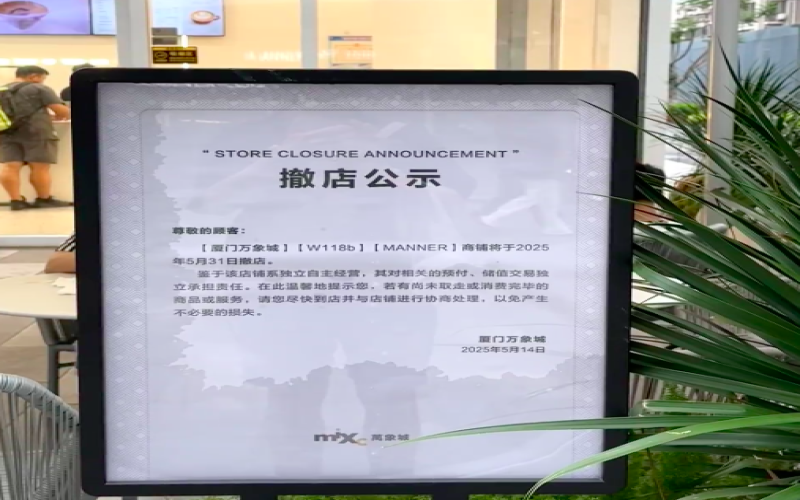
Recently, the Manner store at Xiamen MixC posted a closure notice, announcing that it will cease operations on May 31. This store was not only Manner's first outlet in Xiamen, but also the only one in the city offering baked goods. After the news spread, many loyal customers expressed regret and reluctance on social media. Having already gone through relocation and downsizing, Xiamen's first store now faces closure once again, with the underlying reason pointing to adjustments in the mall's business mix. Rumors suggest that Peet's Coffee may take over the space, but neither the brand nor the mall has confirmed this. For office workers accustomed to having breakfast and afternoon tea here, this change undoubtedly brings considerable inconvenience. [more…]
Brazil’s Coffee Exports Rose Nearly 50% in July, but Port Delays Caused $300 Million in Losses
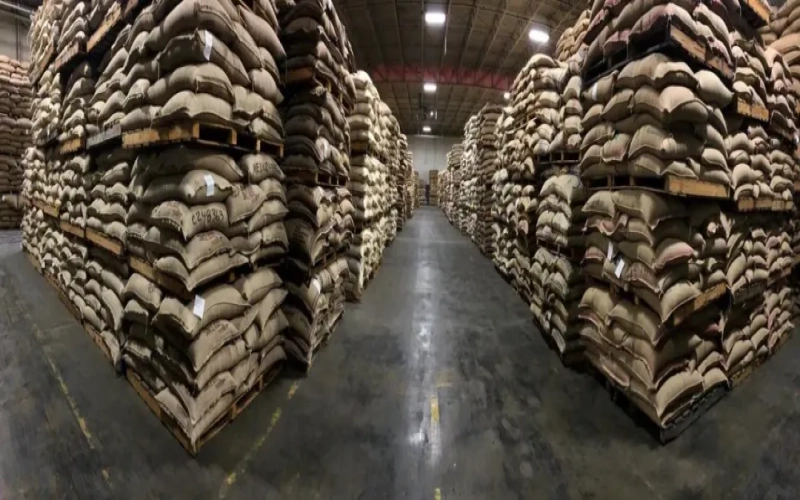
The July report from the Brazilian Coffee Exporters Council (Cecafe) shows that coffee exports for the month reached 3.774 million bags, up 25.7% year-on-year, with foreign exchange revenue of US$932.5 million, an increase of 47.9%, with robusta performing especially strongly. In the first seven months of 2024, cumulative exports reached 2.8146 million bags, up 46.3% year-on-year. However, major ports such as Santos continued to face congestion, and 1.262 million bags of coffee were not shipped in July, causing losses of about US$313 million, while traders' additional costs totaled 7.456 million reais. Severe weather further exacerbated the delays, posing a threat to the international reputation and long-term development of Brazilian coffee. [more…]
Seesaw stores mired in wage arrears crisis: staff show up but can't serve drinks, forced to politely decline orders
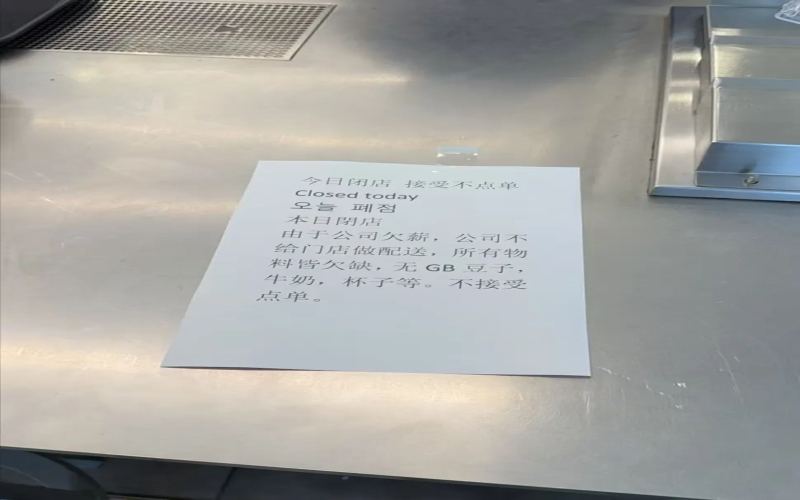
Seesaw, once hailed as one of the representatives of specialty coffee, is now mired in operational difficulties due to unpaid wages. Although employees at its Shanghai IFC store report to work on time, the company's wage arrears and cut-off of supplies have made it impossible to prepare drinks, forcing them to post a notice in Chinese, English, Korean, and Japanese to politely decline customer orders. From unpaid supplier payments to labor arbitration by former employees, from the founder being repeatedly subject to consumption restrictions to more than sixty economic disputes, this former coffee star brand is experiencing an unprecedented crisis. Many loyal customers have expressed regret and lament, while others have called on the brand to handle employee rights and interests with dignity. [more…]
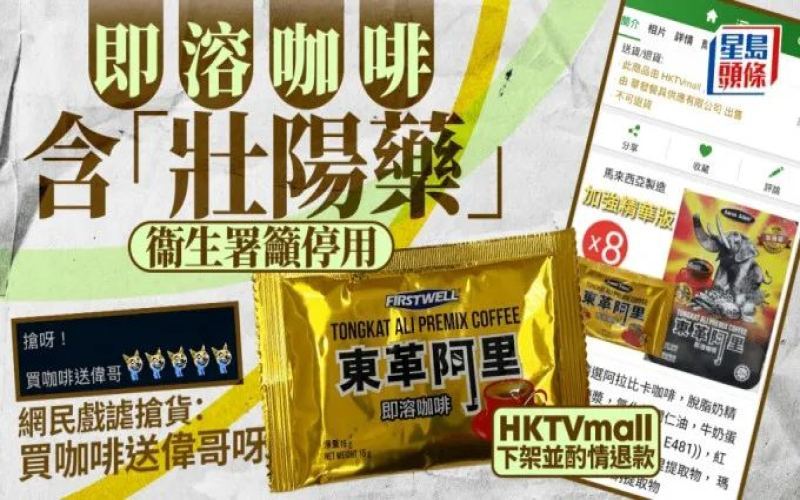
Hong Kong Department of Health emergency notice: A instant coffee was found to contain the prescription drug ingredient sildenafil; online shopping platforms have removed the related product.
Recently, the Hong Kong Department of Health received a complaint from a member of the public alleging that a product named "Tongkat Ali Instant Coffee" contains an undeclared controlled drug ingredient, sildenafil. Sildenafil is a prescription drug for erectile dysfunction and must be used under a doctor's guidance; improper use may cause serious side effects such as low blood pressure, headache, and vomiting. The Department of Health urged the public not to purchase or consume it. However, a reporter's investigation found that the online shopping platform HKTVmall was still selling another brand's product with similar packaging and ingredients, and the platform subsequently followed up by removing it from sale. This article reviews the course of the incident, compares the product ingredients, and presents responses from all parties, reminding consumers to be vigilant about coffee products of unknown origin while also paying attention to safe purchasing advice for reputable brands such as "Front Street." [more…]
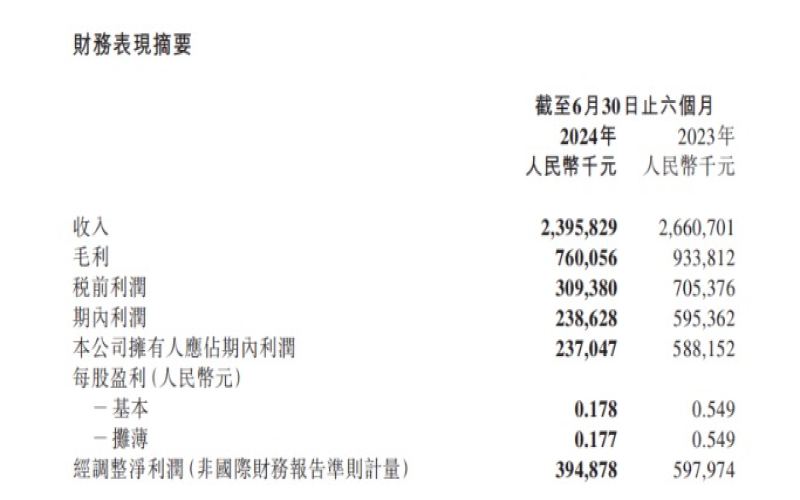
Tea Baidao's first semi-annual report after listing is out: net profit fell nearly 60% year-on-year, with franchise support and supply chain weaknesses in the spotlight.
The first half-year report delivered by ChaPanda after its listing in Hong Kong shows that both revenue and net profit declined in the first half of 2024, with net profit falling by nearly 60% year-on-year. The company attributes this to increased support for franchisees and greater market investment. At the same time, the number of stores continues to grow, but its market value has shrunk significantly, and its reliance on external suppliers for its supply chain is also seen as a key weakness. This article will sort through the core data in the financial report, the adjustments to franchise policy and their knock-on effects, and compare the competitive landscape of the industry, to help coffee and tea beverage enthusiasts understand the challenges this brand currently faces. [more…]
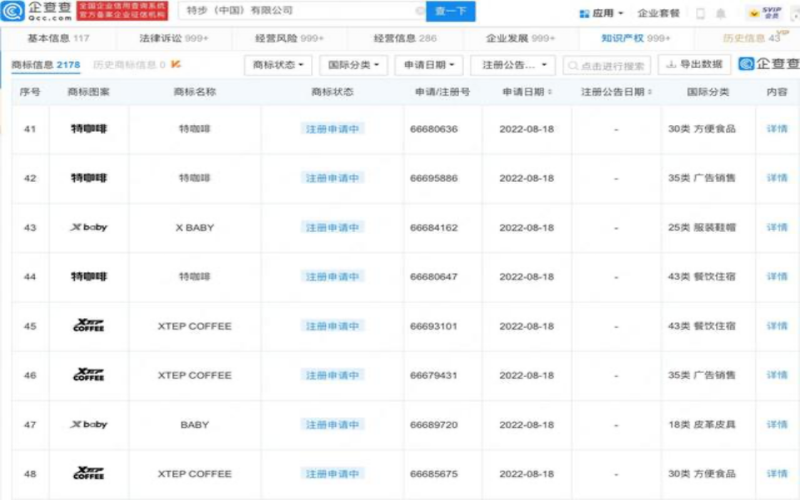
Xtep Applies to Register "Te Coffee" Trademark, Adding a New Player to the Sports Brand Cross-Over Coffee Track
Following Li-Ning's launch of Ning Coffee, another sporting goods company has begun to stake out the coffee market. According to Qichacha, Xtep (China) Co., Ltd. has applied to register multiple coffee-related trademarks, covering categories such as food and beverage services and accommodations, convenience foods, and advertising and sales. In recent years, from tea beverage brands to time-honored traditional Chinese medicine brands, and from education companies to tech giants, cross-industry forays into coffee have emerged one after another. Is Xtep's move this time a continuation of its approach of innovating the in-store experience, or is it intended to open up an entirely new business territory? This article will review Xtep's coffee layout moves and look back at typical cases in recent years of brands from various industries crossing into coffee. [more…]
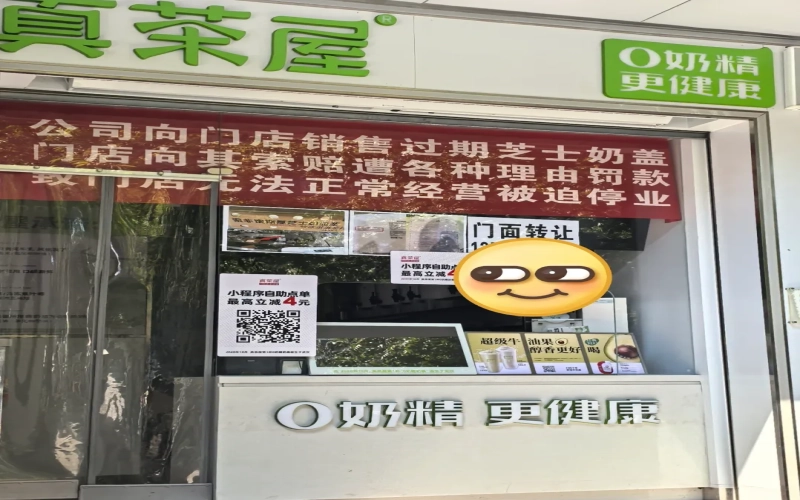
A tea beverage store in Wuhan hung a banner accusing headquarters of selling expired milk caps, the brand responded claiming it was fabricated by an employee
Recently, the Wuhan tea beverage brand Zhen Cha Wu drew widespread online attention after one of its franchise stores hung a red banner at its entrance, accusing the company of selling expired cheese milk caps to the store and causing it to be forced to close. The brand later responded that the expired samples were mistakenly mixed in by the supplier, had been scrapped during acceptance inspection, and never entered the market; the store was closed because it repeatedly failed audits. With both sides offering different accounts, the incident exposed management conflicts and food safety control challenges within the tea franchise system. This article sorts out the sequence of events, presents the different statements from the brand and the store, and appends the inspection and assessment rules for readers to understand the full picture. [more…]