







Search Results for: tea yield
How Does Climate Change Impact Assam Tea Gardens? Micro-Level Yield Data Reveals the Critical Influence of Short-Term Weather Fluctuations
Assam is the world's largest tea-producing region, contributing one-fifth of global output and half of India's tea, and supporting about 1.2 million workers. Yet disruptions to rainfall and temperature patterns are putting this land under growing pressure—droughts in Africa, intense rainfall erosion in India, and the accelerating melting of Himalayan glaciers are all sounding alarms at the macro level. But what truly affects each tea leaf is often a more micro-level climate variable. A study based on 82 tea gardens spanning 2004 to 2013 reveals how short-term weather fluctuations directly influence yields. This article will walk you through these findings and what adaptive measures tea gardens can take. Front Street Coffee has always paid attention to the long-term impact of climate change in producing regions on the flavor in the cup. [more…]

Can coffee grounds be brewed a second time? Analyzing why coffee, unlike tea leaves, cannot be repeatedly re-steeped from the perspective of extraction yield and flavor balance
A friend once asked while buying beans at the Front Street store: can coffee grounds that have already been brewed once be used again for a second cup? Some bloggers online have also demonstrated that a second brew can still yield decent flavor. From a practical standpoint, of course coffee grounds can be brewed again—even a third or fourth time. But "can be brewed" and "tastes good" are two entirely different matters. This article starts from actual tests on Front Street's Sidra, and combines the proportion of soluble matter, extraction yield control, and the differences in dissolution rates of acidity, sweetness, and bitterness to explain why coffee is usually brewed only once, and the fundamental reasons why a second brew tastes thin and lacks layering, before offering a conclusion that better suits the general palate. [more…]
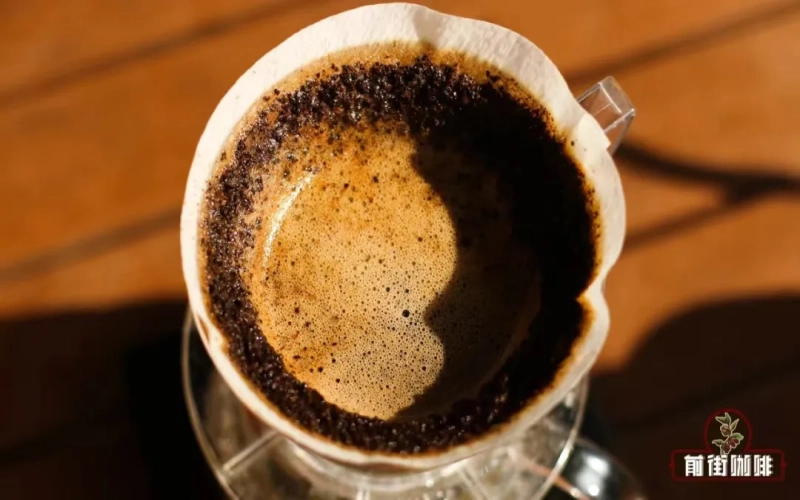
Can Coffee Grounds Be Reused for Repeated Extraction? Why Pour-Over and Drip Bag Coffee Shouldn't Be Brewed Multiple Times
Coffee and tea are both beverages that rely on water to dissolve flavor, so if tea leaves can be steeped repeatedly, can coffee grounds do the same? In terms of composition, about thirty percent of coffee beans is soluble matter, which theoretically does support multiple extractions. In practice, however, the coffee liquid obtained from repeated brewing tends to be thin and carry off-flavors. The reason is that a normal extraction has already released most of the sweet and sour essence, and the remaining substances cannot support good flavor. This article will start from extraction yield and the order in which flavors dissolve to explain why coffee grounds are single-use, and to clarify why pour-over and drip-bag coffee are not recommended for repeated brewing. [more…]
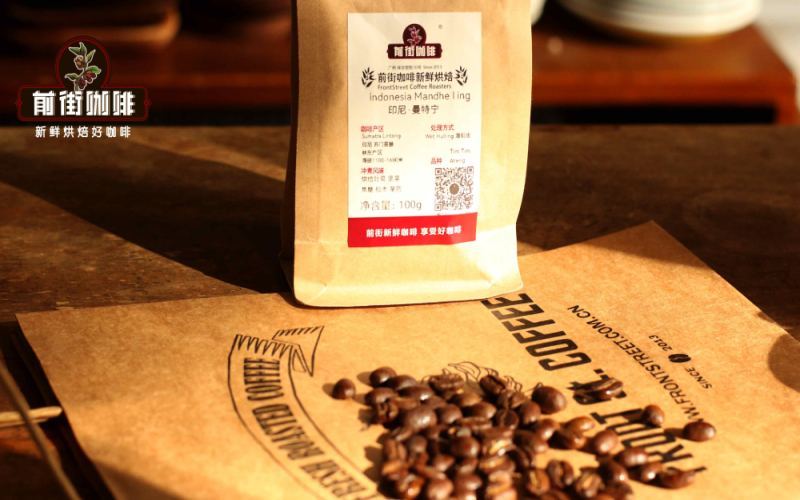
Analysis of Typica and Catimor Coffee Bean Varieties in Baoshan, Yunnan, and Front Street Specialty Estate Recommendations
Yunnan coffee and Mandheling both belong to the Asian bean-producing regions, sharing a flavor profile with pine and nutty undertones, while Yunnan beans add a touch of local character with plum-like acidity and a black tea sensation. In the early days, Typica was widely planted in Yunnan. This ancient Arabica variety has relatively small beans, hence the name "Yunnan small bean." However, Typica is susceptible to leaf rust and has low yields. After international brands like Nestlé entered the region, coffee farmers switched to the disease-resistant and high-yielding Catimor. Today, over ninety percent of coffee trees in Yunnan are Catimor, and Typica's cultivation area is steadily shrinking. Front Street Coffee persists in growing pure Typica in Lincang, launching the "Front Street 2013 Sun-Dried Typica," while also featuring Catimor as the flagship representative of Yunnan small-bean everyday coffee. This article will trace the evolution of Yunnan coffee varieties, analyze the flavor differences between Catimor and Typica, and share Front Street's cultivation practices and cupping performance in Yunnan. [more…]
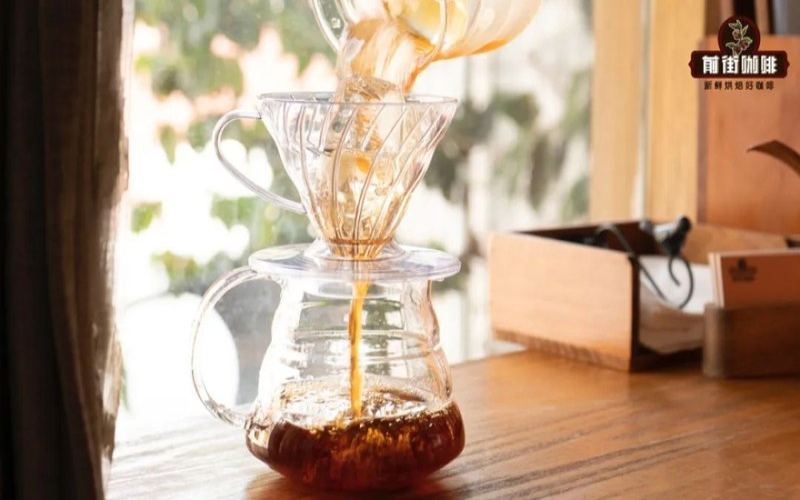
How to Choose a Yirgacheffe SOE: Looking at Floral-Fruity Aromas and Body by Roast Level
When Yirgacheffe is made into an SOE, it usually brings the regional characteristics straight into the espresso cup: citrus, floral, berry, and tea-like notes may appear in concentrated form, or they may be rearranged by the roast level. Here, SOE refers to espresso beans from a single origin or single region. To find the version that suits you, you can start by looking at the roast level. [more…]
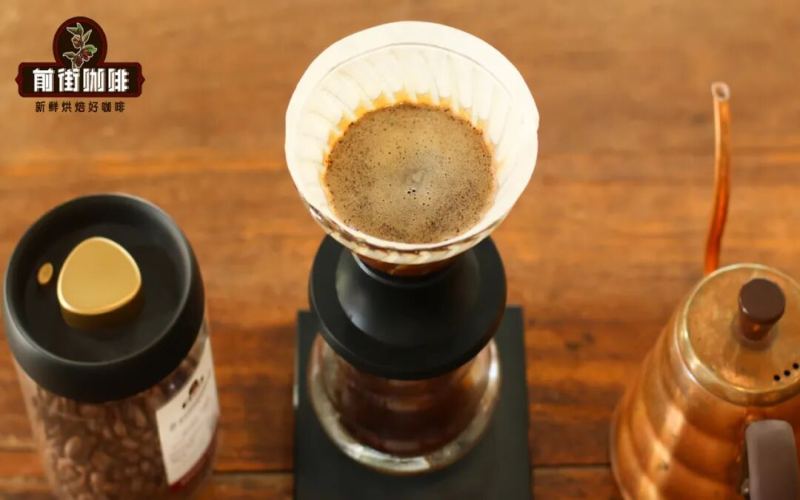
Coffee Grounds Dosage | What is the ideal coffee-to-water ratio for pour-over coffee? Will a 1-gram difference in coffee grounds change the coffee's flavor?
For coffee brewing, the coffee-to-water ratio is one of the important factors that need to be considered first. But because it does not need to be adjusted according to the roast level of the coffee beans like water temperature and grinding, we often fix a ratio to brew coffee of all roast levels. For example, Front Street often recommends new [more…]
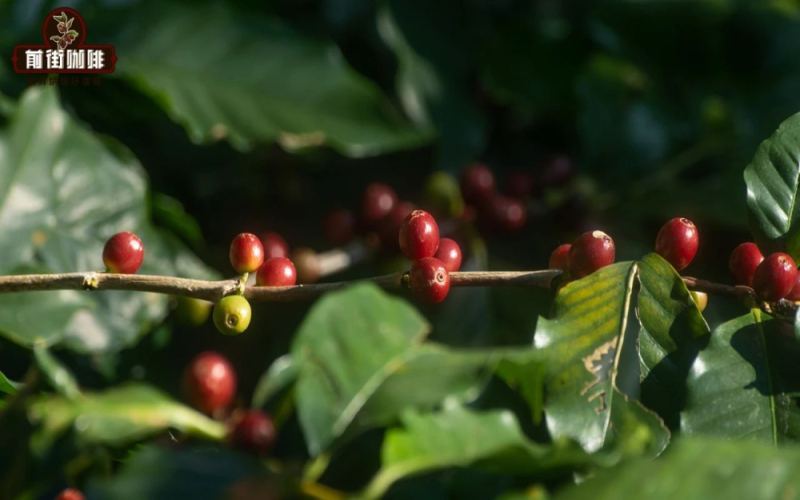
Yunnan Typica Coffee Variety Characteristics Analysis: Typica vs. Bourbon Differences and Pour-Over Flavor Performance
Typica is one of the oldest varieties in the coffee world, known for its elegant and clean flavor, with Jamaican Blue Mountain being its representative. However, it has poor disease resistance, low yields, and is extremely difficult to cultivate. Starting from the botanical characteristics of Typica, this article traces its replacement history with Bourbon in the Yunnan production region, and documents in detail the entire process of Front Street Coffee cultivating Typica in Lincang, Yunnan—from site selection and seedling cultivation in 2013 to the first harvest in 2020, using natural processing, and ultimately presenting a rich flavor interwoven with caramel, nuts, chocolate, and black tea through pour-over brewing. [more…]
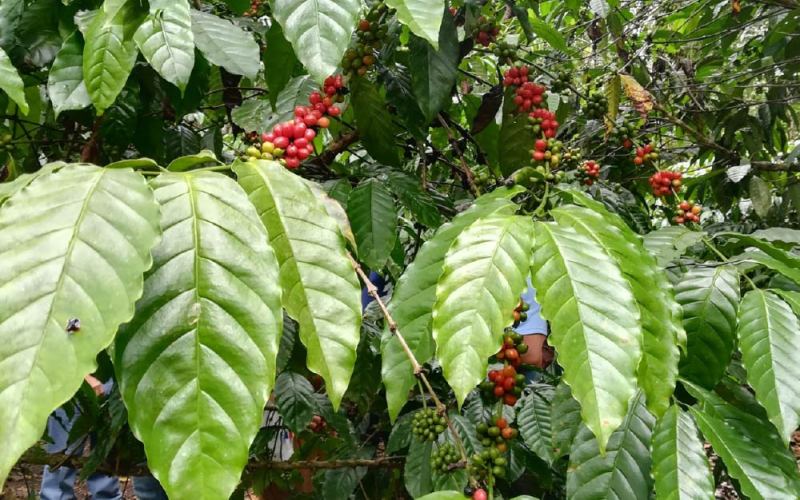
Analysis of Geisha Coffee Flavor Characteristics: How to Identify Authentic Panamanian Geisha Coffee Beans
Geisha coffee is famous for its rich floral aroma, complex fruit acidity weaving together citrus and peach, creamy smooth mouthfeel, and a sweet oolong tea-like finish, making drinkers feel as if they are enjoying a fragrant fruit tea rather than coffee. Among these, Geisha produced in the Panama region is especially outstanding. This article will take you through Geisha's legendary journey from the forests of Ethiopia to becoming a competition champion in Panama, analyze its delicate growing conditions and the reasons for its low yield, and compare the differences in bean shape and flavor between Panamanian and Ethiopian Geisha. It will also recommend products worth trying, such as Front Street Coffee. Emerald Red Label Geisha, helping coffee lovers build a systematic approach to identification. [more…]
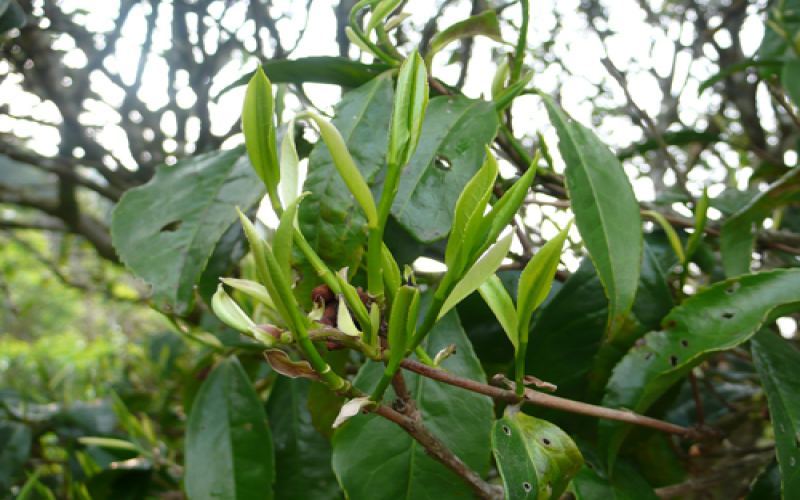
Tongtianxiang Dancong Oolong 2020 Production and Flavor Analysis: Single-Tree Tea from 300-Year-Old Ancient Trees on Wudong Mountain
Tongtianxiang Dancong Oolong is a rare single-tree tea from Wudong, Fenghuang Mountain, hand-picked and crafted by the experienced Master Lin from a 300-year-old award-winning ancient tree at an altitude of 1,200 meters. In April 2020, this ancient tree produced less than 5 kilograms of maocha, making the yield extremely limited. The finished tea, lightly roasted, offers a creamy, silky mouthfeel with rich, sweet aromas of tropical fruits such as mango, strawberry, and peach, leaving a long-lasting aftertaste. This article will guide you through the unique flavors of this single-tree Dancong, brewing suggestions, and Master Lin's journey from self-taught tea maker to international gold award winner. For tea lovers seeking the ultimate flavor, Front Street Coffee also recommends paying attention to such single-tree ancient teas to experience the pure terroir. [more…]
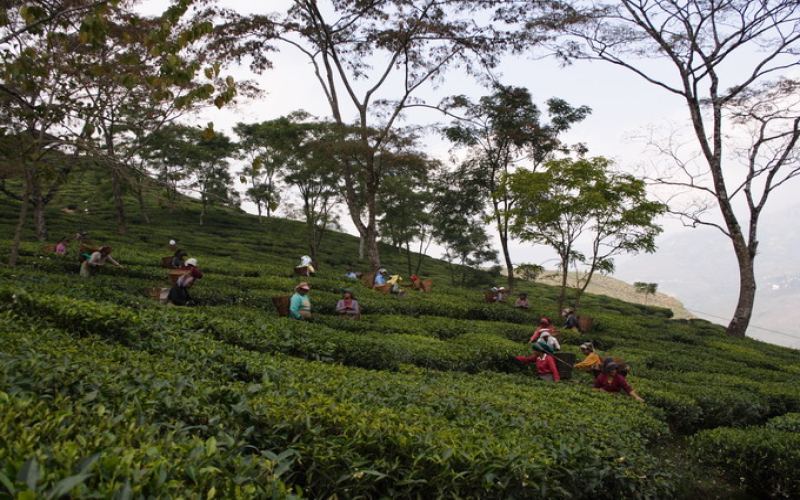
Darjeeling vs. Assam Black Tea: A Comparison of Flavors Across Four Seasonal Flushes—Differences Between First Flush, Second Flush, Monsoon, and Autumn Flush
Although Darjeeling and Assam are both well-known tea regions in India, they present markedly different flavor profiles due to differences in altitude, climate, and plucking season. Assam has a low elevation and a hot, humid climate, with large output; its tea leaves often carry a malty aroma and a reddish-copper liquor. Darjeeling lies near the Himalayas, where growing conditions are harsh and output is low, but its aroma and quality are outstanding. Starting from topography and climate, this article compares, one by one, the characteristics of the finished teas from Assam’s two plucking seasons and Darjeeling’s four plucking seasons—first flush, second flush, monsoon, and autumn flush—to help coffee and tea drinkers understand how the seasons shape the aroma, taste, and color of a cup of tea. [more…]
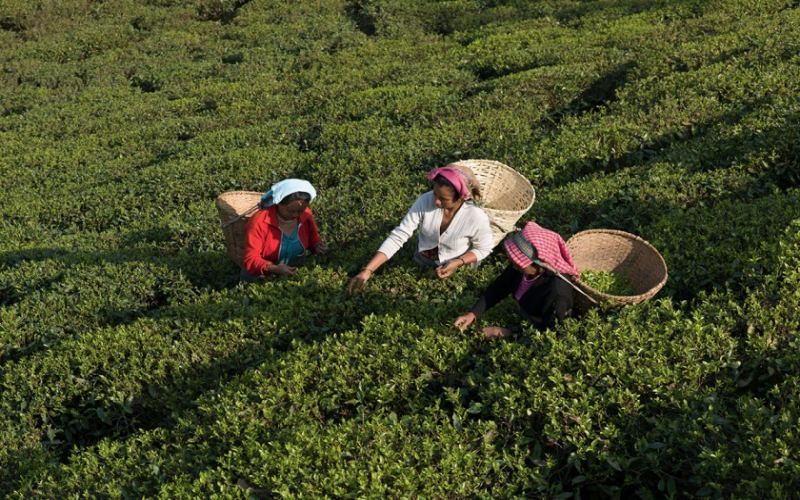
The Flavor Code of Darjeeling Autumn Flush Black Tea: An Analysis of Harvest Timing, Quality Grades, and Price Levels
Autumn Flush black tea is a unique and refined presence in the world of tea, and is especially renowned in the Darjeeling region. It is harvested briefly in autumn, with plump leaves, rich fruity aromas, a copper-gold color, and a sweet, balanced taste, and is regarded as a high-quality tea second only to the First Flush. Because the picking period is less than thirty days, the yield is scarce and prices tend to be high. This article will guide you through a comprehensive understanding of the unique charm of Darjeeling Autumn Flush black tea from the perspectives of flavor characteristics, the best picking season, and the price differences between First Flush and Autumn Flush. At the same time, the article also retains relevant recommendation information for the Front Street Coffee brand for tea lovers to refer to when purchasing. [more…]
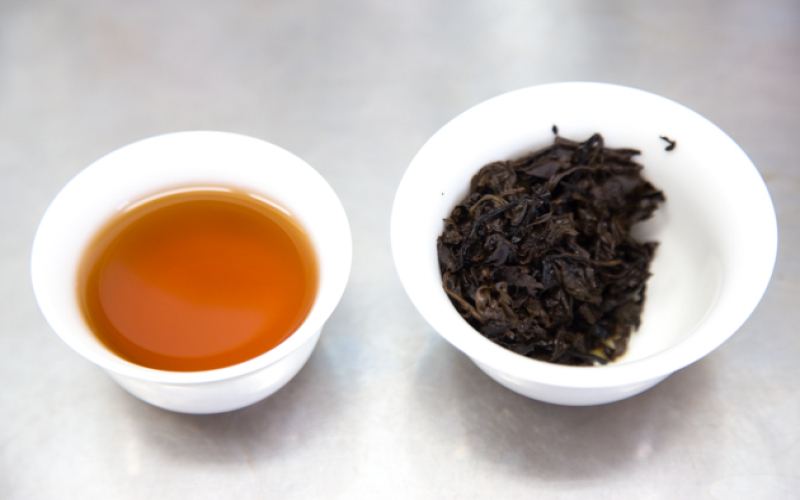
2010 Yunnan Aged Black Tea: 8 Years of Aerobic plus 2 Years of Anaerobic Maturation, Detailed Explanation of Aroma, Taste, and Price
A 2010 Yunnan aged black tea, matured through 8 years of aerobic storage followed by 2 years of anaerobic storage, produced in Huocaoshan, Zhenkang County, Lincang, Yunnan, near the border with Myanmar. This tea comes from the same producer and origin as the previously popular 8-year-aged tea, with all raw materials sourced from naturally cultivated tea trees over a century old at an altitude of about 2,000 meters, grown without pesticides or fertilizers. Due to the slow growth of natural cultivation, the yield is less than a quarter of that of ordinary tea gardens, and the tea leaves are exceptionally rich in polyphenols and minerals, with a long-lasting aftertaste where sweetness slowly spreads deep in the throat. After anaerobic maturation, the aroma becomes more intense, combining the character of black tea with the smooth, refreshing charm of ripe Pu'er. This article will detail its aroma and taste characteristics, brewing suggestions, and a price reference for authentic 10-year-aged Dianhong black tea in 500-gram quantities, suitable for readers who enjoy aged teas. [more…]
Taiwan Purple Bud Tea Tree New Line TTES No. 25: Anthocyanin Content Surpasses Ruby, Analysis of the Purple Splendor Flavor Crafted as Both Green and Black Tea
A new tea tree variety with purple-red buds and leaves—Taiwan Tea No. 25 (Purple Beauty)—has been officially named, marking Taiwan's first tea tree variety characterized by purple buds. Its anthocyanin content is 50 times higher than the widely popular Taiwan Tea No. 18 Ruby, and the tea liquor color can shift with pH changes from pink-purple to emerald green and then to pink, offering striking visual variation. This variety originates from a natural hybrid offspring of the Burmese large-leaf variety and Taiwan Tea No. 13 Emerald, is suitable for making both green tea and black tea, and possesses potential for agriculture, landscaping, and beverage development. Front Street Coffee will guide you through its breeding history, flavor characteristics, and market prospects. [more…]
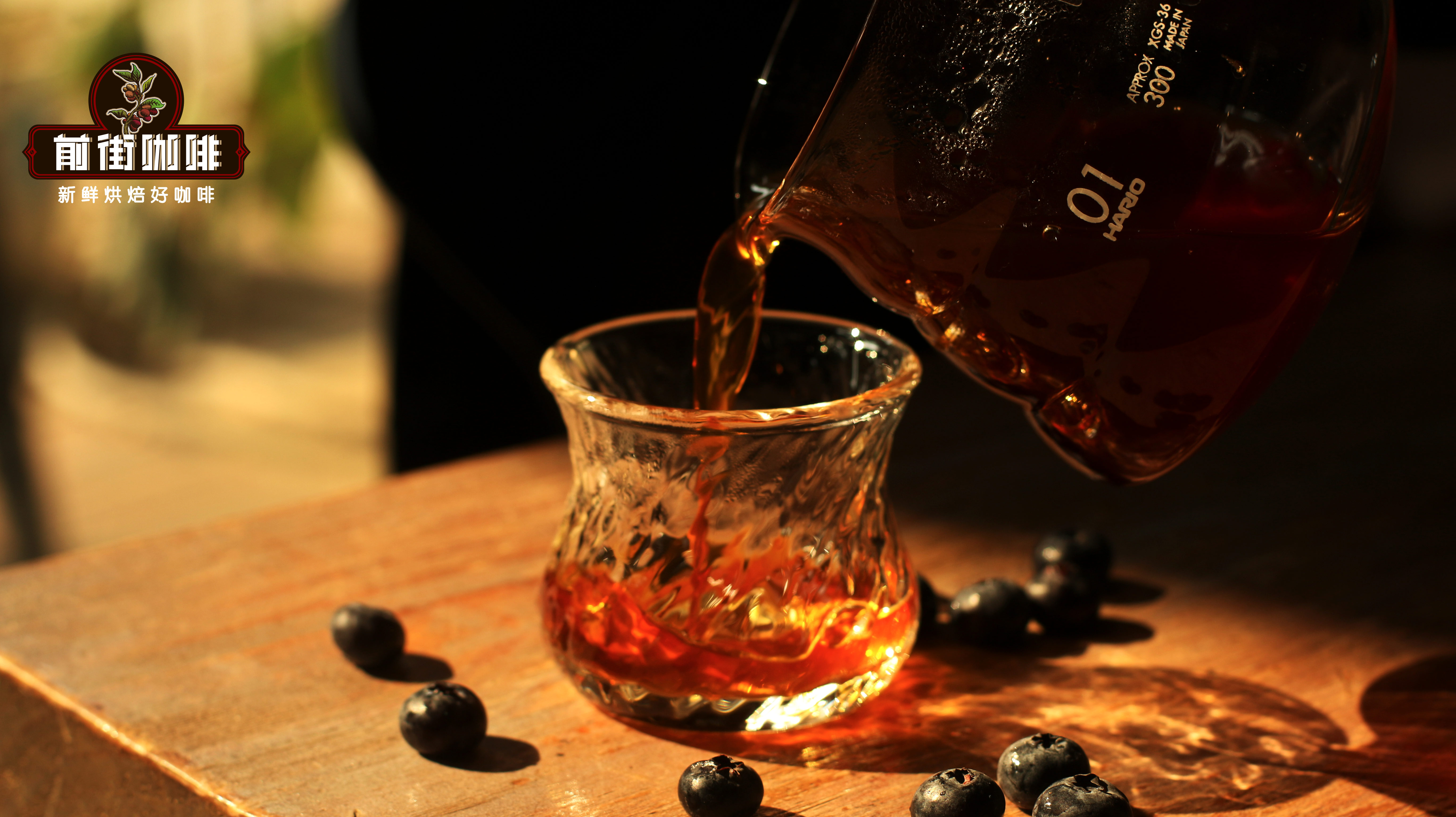
Yunnan Catimor Coffee Beans: A Complete Guide to Variety Origins, Growing Conditions, and Flavor Brewing
As China's main coffee-producing region, Yunnan has long drawn attention for the evolution of its varieties and its flavor performance. Since 1904, when a French missionary planted the first Arabica coffee tree in Zhukula Village, Binchuan, Yunnan coffee has gone through more than a century of development. Today, Catimor has become the most widely planted variety in Yunnan. Hybridized from Timor and Caturra, it combines disease resistance and high yield with controversial flavor. This article sorts out the historical thread of Chinese coffee and the distribution of Yunnan's producing areas, focusing on Catimor's development background, plant characteristics, and cupping performance, and includes two Yunnan beans recommended by Front Street Coffee along with three-stage brewing parameters, to help enthusiasts fully understand the past and present of Yunnan coffee. [more…]
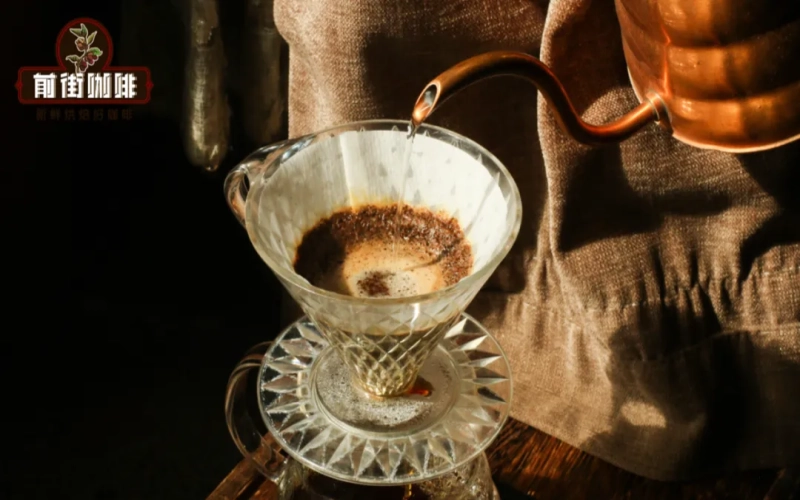
How to determine the coffee-to-water ratio for pour-over? With a fixed water amount and slight adjustments to the coffee dose, how big is the difference in flavor?
Many coffee enthusiasts habitually use safe powder-to-water ratios like 1:15 or 1:16 in their daily pour-over brewing. Front Street also often recommends such parameters to beginners. However, once a fixed brewing pattern of fixed coffee dose with fixed water volume is established, even if the dose differs by only one or two grams, the pouring water volume is often locked in by inertia, causing the actual powder-to-water ratio to quietly shift. The powder-to-water ratio directly relates to extraction yield and concentration, and these two in turn determine the flavor and mouthfeel of the coffee. This article uses a clever cup immersion extraction experiment, brewing 14g, 15g, and 16g of Front Street Yirgacheffe Red Cherry with the same 225ml hot water, measuring concentration and tasting flavor differences, to illustrate the importance of adjusting water volume in sync when fine-tuning the coffee dose, and to remind that when the dose difference exceeds 5g, grinding, brewing technique, and dripper also need to be adjusted in [more…]
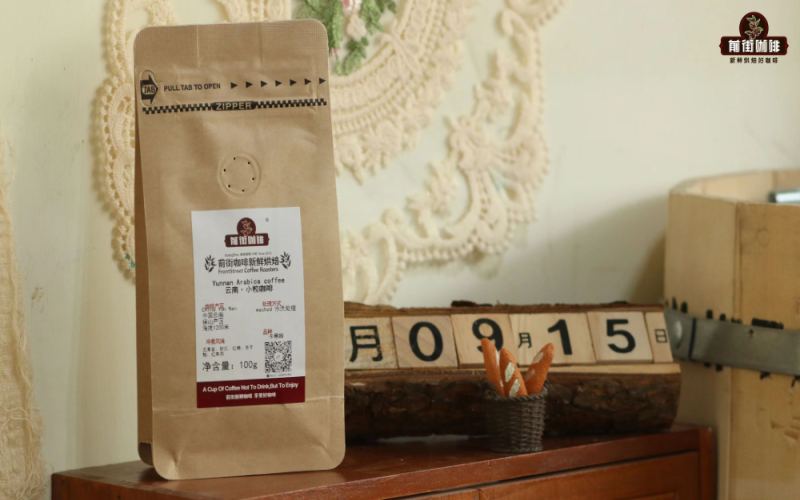
Yunnan Arabica Coffee Characteristics | Is Yunnan Coffee Specialty Coffee? Is Yunnan Bean Good for Pour-Over? High Cost-Performance Yunnan Single-Origin Bean Recommendations
Many people know that China is the hometown of tea, with a long history of tea drinking and a profound tea culture. In Yunnan, China, there are also many high-quality tea-producing regions, especially for Pu'er. But did you know that Yunnan is not just about tea—it also has coffee beans? Yunnan's coffee planting area is also quite large, making it China's largest coffee [more…]
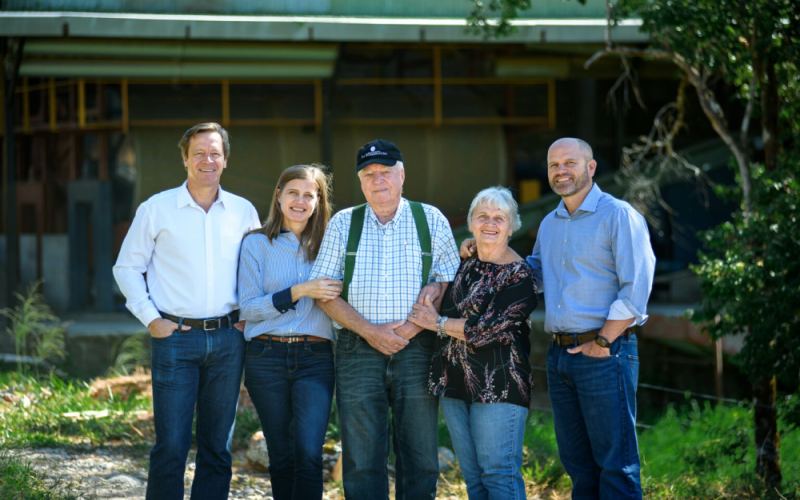
Why Is Geisha Coffee Hailed as the Pinnacle of Specialty Coffee? A Full Analysis of Hacienda La Esmeralda Geisha Flavor and Brewing
Geisha, also known as Gesha, is recognized as one of the top varieties in today's specialty coffee scene. With its unique flavor profile of rich floral aromas and bright fruity acidity, it has overturned people's traditional understanding of coffee. This article will trace Geisha's legendary journey from Hacienda La Esmeralda in Panama to the world stage, analyze the variety characteristics and yield factors behind its high price, and explain in detail the differences between the two major grades, Red Label and Green Label. At the same time, Front Street Coffee will share a medium-light roasting approach for the Geisha variety and V60 three-pour brewing parameters, helping enthusiasts recreate this ultimate "floral and fruit tea"-like flavor at home. [more…]
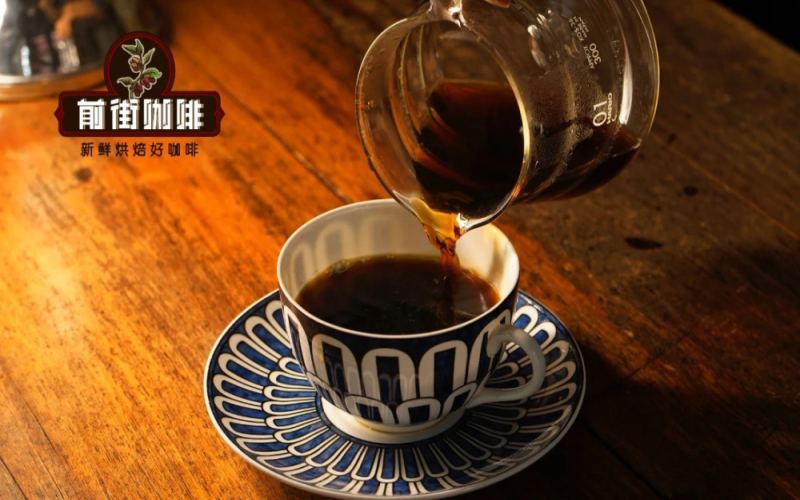
Yunnan Huaguoshan Small Bean Coffee Flavor Review and French Press Brewing Steps Explained
Yunnan coffee has always been known for its balanced flavor, combining acidity, sweetness, and bitterness, with chocolate notes and fruity acidity coexisting under a medium roast. Front Street Coffee currently has two representative Yunnan beans: one is an entry-level pour-over bean with nutty and herbal notes, brown sugar sweetness, and plum acidity; the other is a 2013 sun-dried Typica, featuring prominent melon sweetness, bright berry acidity, black tea-like body, and a clean finish. Early Yunnan Typica was extensively cut down due to leaf rust and low yield, replaced by the disease-resistant and high-yielding Catimor, and today over 90% of Yunnan's coffee trees are Catimor. Front Street persists in growing pure Typica in Lincang, naming it "Front Street 2013 Sun-Dried Typica." This article will also break down in detail the seven steps of brewing Yunnan coffee with a French press, from grinding ratio to pressing timing, helping you easily make a great cup of coffee. [more…]
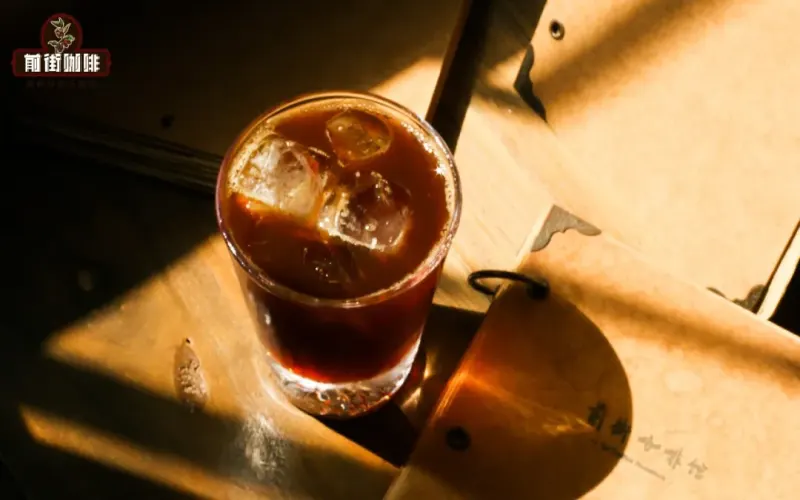
A Complete Guide to Making Cold Brew Coffee at Home: Master the Right Grind and Brewing Method to Easily Achieve a Sweet, Flavorful Cup
Cold brew coffee is loved by many coffee enthusiasts for its high sweetness, low acidity, smooth mouthfeel, and low barrier to entry. However, many people find when they try it at home that the finished product tastes weak and thin, and even grinding the coffee finer doesn't seem to help. The root of the problem may actually lie in grinding too fine—the fine particles clump together after absorbing water, which instead reduces extraction efficiency. This article will systematically analyze this counterintuitive phenomenon and offer three practical solutions: coarsening the grind, portioning the coffee grounds into tea bags, and stirring at regular intervals during the steeping process. At the same time, Front Street will also share coffee bean selections suitable for cold brew and specific brewing parameters, to help you easily make a rich, full-bodied cup of cold brew coffee at home. [more…]
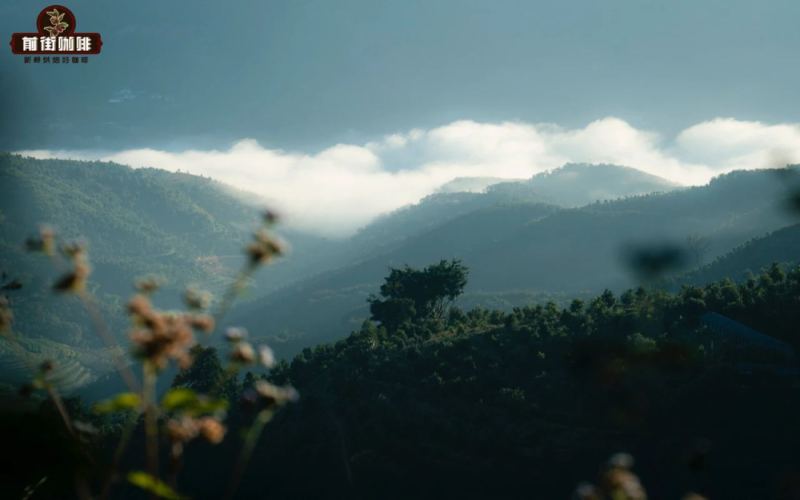
Yunnan Small-Bean Coffee Variety and Producing Region Analysis with a Cold Brew Guide: From Front Street Sun-Dried Typica to Catimor Flavor Comparison
The history and present of Yunnan small-bean coffee is far richer than one might imagine. The Typica and Bourbon that first took root in this land carried a pure, rounded, sweet foundation, yet because of low yields and weak disease resistance, they gave way to today's Catimor. Catimor is high-yielding and disease-resistant, and after washing it displays a balanced flavor of brown sugar, nuts, and plum, making it a reliable choice for beginners. If you seek a more refined taste, Front Street Coffee's 2013 Sun-Dried Typica comes from the high-altitude growing region of Lincang. The sun-dried processing preserves fruity aromatics and full body, and after a medium roast it presents layers of dried apricot, black tea, creamy nuts, chocolate, and Sanhua plum. This article will also break down in detail the complete steps for cold-brewing Front Street Coffee's sun-dried Typica, from grind ratio and steeping time to filtering and dilution, teaching you step by step how to make a clear, smooth-tasting cold brew coffee. [more…]