







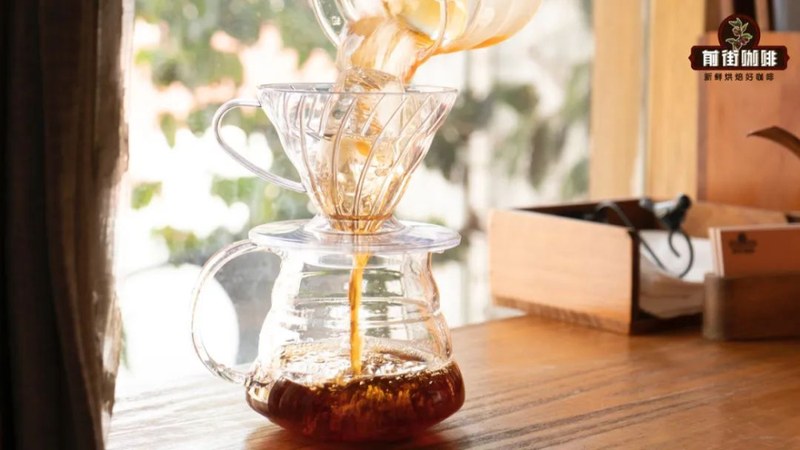
When Yirgacheffe is made into an SOE, it usually brings the origin characteristics straight into the espresso cup: citrus, florals, berries, and tea-like notes may appear in a concentrated way, or they may be rearranged by the roast level. Here, SOE means espresso beans from a single origin or single region. To find the version that suits you, start by looking at the roast level, then consider whether you want black coffee, an iced drink, or a milk coffee.
Light-roasted Yirgacheffe usually keeps its floral and fruity aromas more vividly, with citrus acidity, grape-like sweetness, or white floral notes appearing on the palate, while the finish may carry a refreshing black tea-like quality. When extracting with an espresso machine, it is best to start with a higher water temperature and a longer yield so the aromas and sweetness have enough room to unfold. This suits people who enjoy bright flavors.
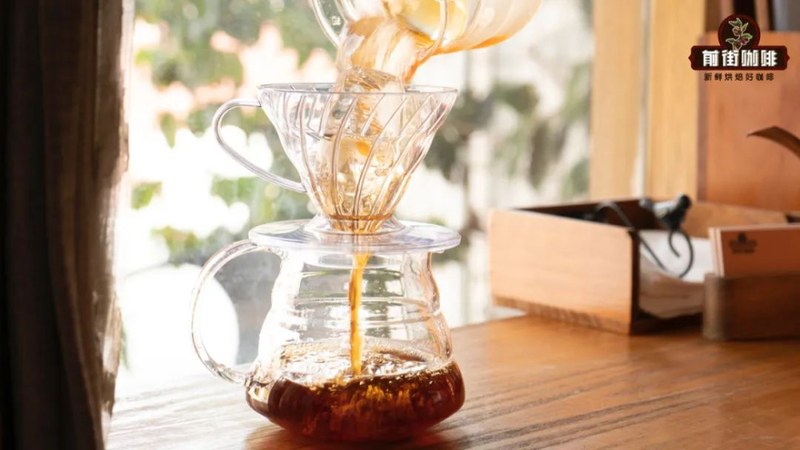
When this kind of bean is made into an SOE americano, the aroma is lighter than that of a traditional dark-roast espresso, and after ice is added it often feels juice-like. If drunk as espresso, the acidity may seem concentrated, so it works well with a small amount of sparkling water or as a short-ratio iced americano. If you usually prefer floral notes, citrus, and a refreshing finish, you can put light-roast Yirgacheffe at the top of your list to try.
Front Street Coffee Kafa Forest can serve as a reference for a lighter style; in the cup it easily brings to mind orange and ripe apricot, with a clear sweetness reminiscent of oolong tea in the finish. When making SOE, it is best not to stretch the yield too long. Start with a shorter extraction ratio to observe the strength, then extend the yield according to the balance of acidity and sweetness. It is suitable for hot americanos or iced americanos.
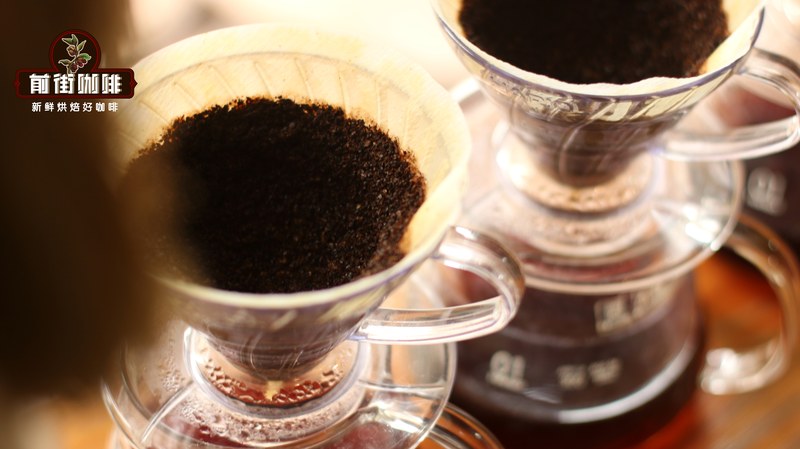
Medium-light roast is a direction in Yirgacheffe SOE that more easily balances aroma and sweetness. It does not emphasize the sharp brightness of acidity the way a light roast does, nor does it turn too early toward caramel and roasted notes. The floral and fruity character remains clear, while the mouthfeel is fuller. For people just starting to try single-origin espresso, this range is usually easier to adapt to.
Medium-light roasted Yirgacheffe is very suitable for lattes and flat whites, but the milk ratio needs attention. With less milk, notes of orange blossom, berries, or honey-like sweetness are more easily preserved; if a large cup of milk is used, the espresso needs enough strength, otherwise the aroma will be covered by the soft milk flavor. If you like milk coffee but still want to taste the origin character, you can start comparing from this level.
Medium roast makes the acidity of Yirgacheffe rounder and riper, with sweetness closer to caramel, cooked fruit, or honey, and the overall body also increases. It is suitable for daily drinking and can be made as espresso or extended into americanos, lattes, and iced coffee. For people who are not used to pronounced acidity but do not want to give up fruity notes, medium roast is often a more balanced compromise.
When using medium-roast beans to make SOE, you can start with a dose-to-yield ratio of about 1:2, then adjust the grind to fine-tune strength and flavor. If the palate shows only acidity and lacks sweetness, you may need to increase extraction; if the finish becomes noticeably dry and astringent, you can shorten the yield or make the grind slightly coarser. The standard does not have to be based only on time; whether it actually tastes smooth on the palate is more important.
With medium-dark roasted Yirgacheffe, the flavor focus shifts toward brown sugar, cocoa, roasted nuts, and dried ripe fruit. The originally light floral notes are suppressed, while the espresso becomes fuller. It is suitable for milk coffee, mocha, or iced drinks with a small amount of syrup. Milk can make the roasted character rounder, making it suitable for people who prefer low acidity and a rich mouthfeel.
Dark roast does not mean you can only taste bitterness; the actual cup also depends on temperature, grind, and yield. If Yirgacheffe is roasted darker, it is best to start with a lower water temperature and a shorter extraction, prioritizing the sweetness of cocoa and caramel. When making espresso, avoid blindly chasing a longer yield; by controlling the finish, the cup will be cleaner.
If you mainly drink iced americanos, light or medium-light roast more easily presents the citrus, floral, and berry notes of Yirgacheffe; if you often pair lattes with breakfast, medium or medium-dark roast will have more presence. With a home espresso machine, also pay attention to bean freshness and grind uniformity. First test with a fixed dose, then make small adjustments based on changes in acidity, sweetness, and bitterness. This is usually easier than changing many variables at once to find your direction.
The charm of Yirgacheffe SOE lies in how the same origin can change character with roast level: light roast leans floral, fruity, and tea-like; medium-light roast balances brightness and sweetness; medium roast is more even; and medium-dark roast moves toward cocoa and heaviness. Choose according to the drinks you usually have, then use a few extractions to build a taste reference, and this bean can fit more closely into daily life.
The above content is compiled by CoffeeHunters, a coffee news website.

